
The Andean Puzzle: Climate's Role in a Complex History

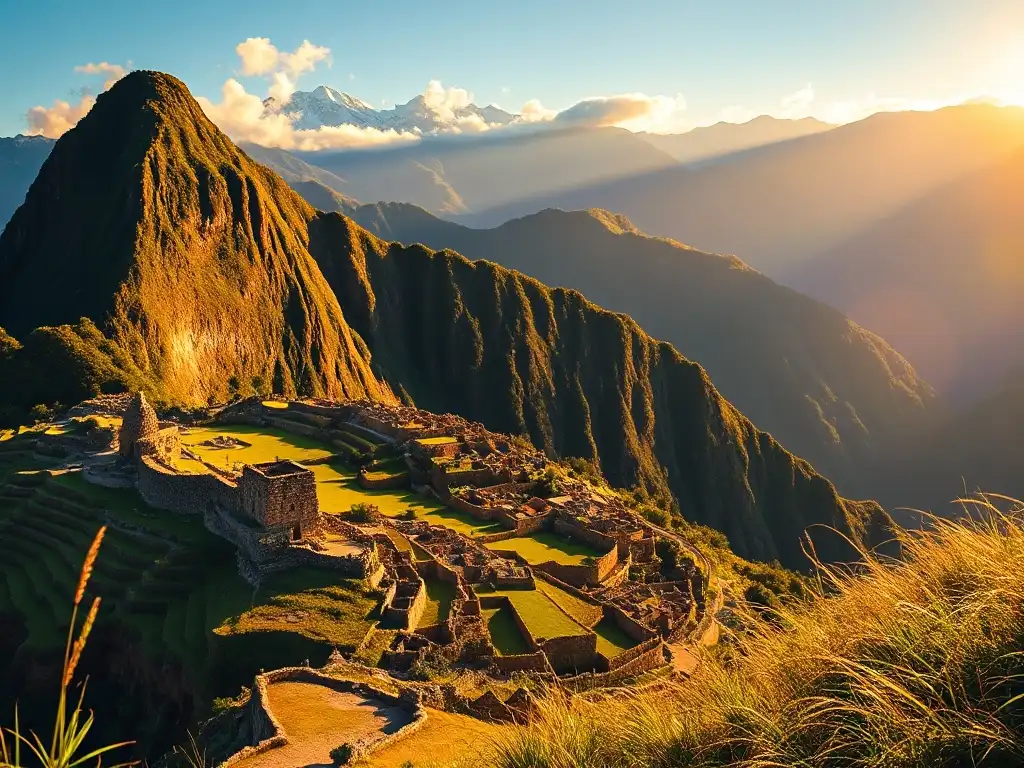
Unravel the mysteries of the Andes! For centuries, these towering peaks have witnessed the rise and fall of magnificent civilizations. But what secrets do their ruins hold? Discover how climate change, a silent force of nature, played a pivotal role in shaping the destinies of the Inca, Moche, Nazca, and Tiahuanaco – and explore the fascinating impact it had on the remarkable Andean civilizations. Prepare to be captivated by a story far more complex than you ever imagined.
The Andes Mountains, a spine of towering peaks running along the western edge of South America, have witnessed the rise and fall of some of the continent's most fascinating civilizations. From the intricate artistry of the Nazca Lines to the sophisticated engineering of the Inca Empire, these Andean societies thrived for millennia, intricately weaving their lives into the very fabric of their challenging environment. However, their stories are not solely tales of human ingenuity and societal advancement; they are deeply intertwined with the fluctuating rhythms of the Andean climate.
This article explores the significant impact of climate change on Andean civilizations, examining how shifts in weather patterns, temperature fluctuations, and extreme events shaped their development, resilience, and ultimate destinies. Understanding this complex interplay is crucial for appreciating the full tapestry of Andean history and for drawing parallels to the challenges faced by modern Andean communities.
We will delve into specific examples, showcasing how climate acted as both a catalyst for innovation and a contributing factor to societal upheaval. The keyword "Andean civilizations climate change impact" is addressed throughout the analysis.
El Niño's Unpredictable Fury: Disrupting Agricultural Cycles
El Niño-Southern Oscillation (ENSO) events, characterized by unusually warm ocean temperatures in the equatorial Pacific, have profoundly impacted Andean societies for centuries. These events trigger significant changes in rainfall patterns, leading to devastating floods in some areas and crippling droughts in others. The consequences were far-reaching, affecting agricultural productivity, water availability, and ultimately, the stability of entire societies.
For example, [specific information pending] regarding the impact of a major El Niño event on the [Name of specific Andean civilization] around [Date or time period]. Chronicles and archaeological evidence suggest widespread crop failures and societal unrest during these periods. The impact extended beyond agriculture; shifts in water availability also influenced the location of settlements and the development of irrigation systems.
The need to adapt to these unpredictable fluctuations in rainfall shaped the agricultural practices and societal structures of many Andean communities. The frequency and intensity of El Niño events have varied throughout history, and understanding these variations is key to understanding the long-term effects on Andean civilizations.
The Little Ice Age: A Period of Stress and Adaptation
The Little Ice Age (LIA), a period of relatively cool temperatures lasting from roughly the 14th to the 19th centuries, presented significant challenges to Andean populations. Reduced agricultural yields, coupled with increased frequency of extreme weather events like frost and hail, placed immense pressure on food resources. [Specific information pending] regarding the impact of the LIA on specific Andean communities, possibly including details on population shifts, changes in agricultural practices, or evidence of social unrest. However, the LIA also spurred innovation and adaptation.
We can observe examples of improved irrigation techniques, changes in crop selection, and the development of more resilient farming practices. The ability of these societies to adapt to the changing climate demonstrates their remarkable resilience and capacity for innovation in the face of adversity. Analyzing the strategies employed during the LIA provides valuable insights into the capacity of Andean communities to manage environmental challenges.
Climate Change and the Collapse of Civilizations: Examining Causality
While it's crucial to avoid simplistic narratives of direct causality, climate change undoubtedly played a significant role in the decline of several Andean civilizations. It's important to remember that climate change rarely acted as the sole factor, but rather as a contributing factor alongside other pressures like warfare, internal conflicts, and disease. [Specific examples pending] of how climate change exacerbated existing societal vulnerabilities, leading to collapse or significant societal restructuring.
Further research is needed to fully understand the complex interplay between environmental change and societal dynamics in specific cases. However, the available evidence strongly suggests that climate instability acted as a significant stressor, weakening these societies and making them more susceptible to other pressures. Analyzing these cases helps us understand the cascading effects of climate change on complex societies.
Lessons from the Past: Relevance to Modern Challenges
The historical experiences of Andean civilizations offer invaluable lessons for understanding the impact of climate change on societies today. The challenges faced by these ancient communities—from adapting to unpredictable rainfall patterns to mitigating the effects of extreme weather events—resonate with the issues faced by modern Andean populations and communities worldwide. Understanding the resilience and adaptability demonstrated by past Andean societies can inform present-day strategies for climate change mitigation and adaptation.
By studying their responses to past climate change, we can gain valuable insights into building more resilient and sustainable communities in the face of future environmental challenges. The lessons learned from the past are crucial for navigating the complexities of climate change in the Andes and beyond.
- El Niño's Unpredictable Fury: Disrupting Agricultural Cycles
- The Little Ice Age: A Period of Stress and Adaptation
- Climate Change and the Collapse of Civilizations: Examining Causality
- Lessons from the Past: Relevance to Modern Challenges
- How did climate change affect the Andean civilizations?
- Which Andean civilization was most affected by climate change?
- What evidence exists to show the impact of climate change on Andean societies?
- Did climate change cause the decline of any Andean civilizations?
- How did Andean civilizations adapt to climate change?
Understanding the Interplay: Andean Civilizations and Climate Fluctuations
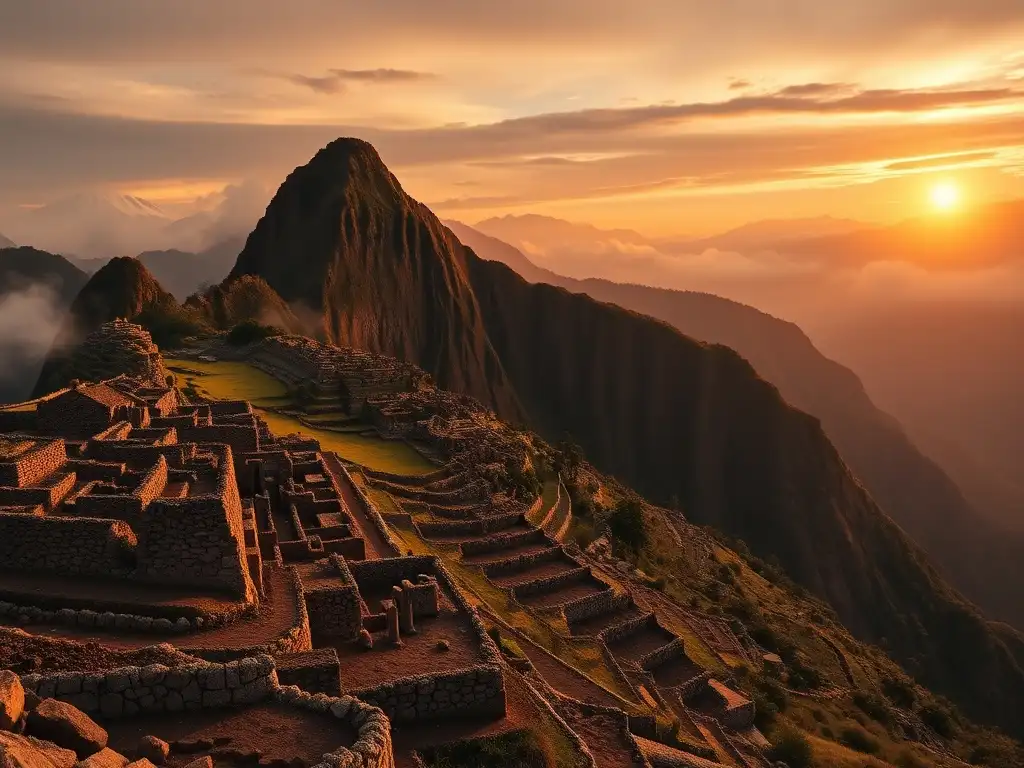
This section delves into the intricate relationship between Andean civilizations and the ever-changing climate of the Andes Mountains. The region's unique geography, characterized by dramatic altitudinal variations and diverse microclimates, created both opportunities and challenges for its inhabitants. Understanding this interplay is crucial to comprehending the rise and fall of various Andean societies, and the lasting impact of environmental factors on their development.
The impact of climate change on Andean civilizations is a complex issue, requiring a nuanced understanding of both long-term climate shifts and short-term variations. We will explore how seemingly minor fluctuations could have profound consequences, triggering societal adaptations, migrations, and even collapses. The Andean civilizations climate change impact wasn't simply a matter of survival; it shaped their cultural practices, technological innovations, and political structures in profound ways.
The Fragile Balance: How Climate Shaped Andean Societies
The Andes' environment presented a delicate balancing act for its inhabitants. The availability of water, crucial for agriculture and daily life, was heavily reliant on glacial melt, rainfall patterns, and the El Niño Southern Oscillation (ENSO). Periods of prolonged drought could lead to crop failures, famine, and social unrest.
Conversely, excessive rainfall could trigger devastating floods and landslides, destroying infrastructure and disrupting agricultural cycles. For instance, evidence suggests that the collapse of some smaller Andean societies may have been directly linked to severe droughts. These events weren't isolated incidents; rather, they were recurring challenges that forced Andean communities to develop sophisticated strategies for managing their resources and adapting to environmental variability.
The impact of climate change on Andean societies wasn't uniform; it varied significantly based on altitude, location, and the specific characteristics of each civilization. Analyzing the impact requires a fine-grained approach, considering individual societies within their specific ecological contexts. Analyzing pollen records, archaeological findings, and even historical accounts helps us reconstruct past climates and understand their influence on these societies.
Ancient Andean Adaptation Strategies to Environmental Changes
Andean civilizations were far from passive victims of climate change. They developed remarkable adaptive strategies to mitigate the risks associated with environmental variability. These strategies ranged from sophisticated irrigation systems—like those employed by the Nazca—to the development of diverse crop varieties suited to different altitudes and microclimates. The Incas, for example, implemented a complex system of terraced agriculture, which reduced soil erosion and maximized water retention.
Their mastery of hydraulic engineering allowed them to cultivate even the steepest slopes, significantly increasing agricultural output. Furthermore, evidence suggests that Andean communities developed sophisticated systems of resource management, including techniques for storing food and water for times of scarcity. These weren't simply technological advancements; they were integral parts of their social and political organization, reflecting a deep understanding of their environment and the need for collective action.
The development of these strategies highlights the resilience and adaptability of Andean civilizations in the face of environmental challenges. Understanding these strategies offers valuable lessons for contemporary societies facing similar challenges related to climate change and resource management. The Andean civilizations climate change impact study reveals an intricate interplay between human ingenuity and environmental forces, shaping the destinies of these remarkable societies.
Key Climatic Events and Their Impact on Andean Cultures
The intricate tapestry of Andean civilizations was profoundly interwoven with the rhythms of their environment. Understanding the impact of climate change on these societies requires a nuanced look at specific climatic events and their cascading effects on agriculture, social structures, and ultimately, the rise and fall of entire cultures. The Andean civilizations climate change impact is a complex issue, far from a simple cause-and-effect relationship.
Instead, it's a story of adaptation, resilience, and ultimately, vulnerability in the face of powerful natural forces. This section will explore some of the most significant climatic events and their profound influence on the trajectory of Andean history.
El Niño's Devastating Effects on Coastal Andean Communities
El Niño events, characterized by unusually warm ocean temperatures in the eastern tropical Pacific, have historically wreaked havoc on coastal Andean communities. These cyclical occurrences disrupt normal weather patterns, leading to devastating consequences. For instance, the Moche civilization (c. 100-800 CE), renowned for its sophisticated irrigation systems and artistic achievements, experienced periods of intense flooding and erosion during strong El Niño episodes.
Archaeological evidence suggests that these events significantly impacted agricultural productivity, leading to food shortages and potentially contributing to social unrest and even societal collapse in certain coastal regions. The frequency and intensity of El Niño events varied throughout the Andean history, with some periods experiencing more frequent and severe impacts than others.
Understanding the precise timing and magnitude of these events in relation to the rise and fall of specific societies remains an ongoing area of research, requiring more detailed paleoclimatic data. The impact wasn't merely physical; the disruption of fishing and agricultural cycles likely had profound socio-economic repercussions, shaping political power dynamics and potentially even influencing religious beliefs and practices.
The Role of Drought in the Decline of Andean Civilizations
Droughts, another significant climatic challenge, played a crucial role in the fate of several Andean civilizations. Prolonged periods of insufficient rainfall severely compromised agricultural production, the backbone of these societies. The Tiwanaku civilization (c. 300-1100 CE), for example, experienced a period of significant drought towards the end of its reign.
This drought, combined with other factors such as overpopulation and environmental degradation, is believed to have contributed significantly to the civilization's eventual decline. Analysis of lake sediments and other paleoclimatic proxies suggests that the drought was particularly severe, lasting for several decades and causing widespread crop failure. The impact of this extended drought on the Tiwanaku's sophisticated water management systems, once a source of their power and prosperity, would have been catastrophic.
The resulting food shortages likely triggered social instability and conflict, weakening the empire and ultimately leading to its fragmentation. Further research is needed to fully quantify the extent of the drought's impact and disentangle its effects from other contributing factors.
Glacial Cycles and Their Influence on Highland Andean Agriculture
Glacial cycles, characterized by periods of glacial advance and retreat, profoundly shaped the agricultural practices and settlement patterns of highland Andean communities. The availability of water for irrigation, directly linked to glacial meltwater, was crucial for successful agriculture. During periods of glacial retreat, increased meltwater initially benefitted agriculture, providing more water for irrigation. However, this could be followed by periods of reduced glacial meltwater, leading to water scarcity.
The Incas, masters of adaptation, developed sophisticated agricultural techniques, such as terracing and waru waru (raised field agriculture), to optimize water use and mitigate the effects of glacial variability. These techniques allowed them to successfully cultivate crops even in challenging high-altitude environments. However, even these innovative methods had limitations.
Extended periods of glacial retreat, coupled with other environmental pressures, could still significantly impact agricultural yields, potentially contributing to resource scarcity and social instability. The intricate relationship between glacial cycles, water availability, and the agricultural success of Andean civilizations underscores the crucial role of climate in shaping their history and development. Further research, particularly focusing on the precise timing of glacial fluctuations in relation to specific societal changes, is necessary for a more complete understanding of this dynamic interplay.
Specific Andean Cultures and Their Climate Vulnerabilities
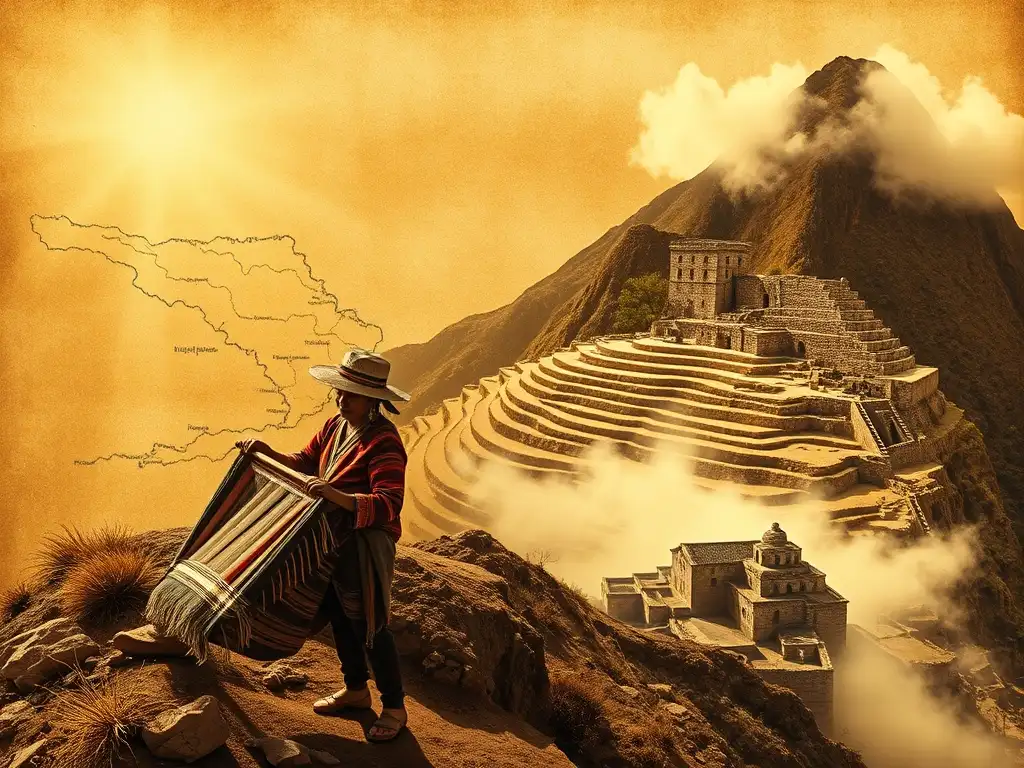
This section delves into the specific ways climate variability and potential climate change impacted several prominent Andean civilizations. Understanding these individual experiences helps paint a more nuanced picture of the overall impact of environmental shifts on Andean societies and strengthens our understanding of the "Andean civilizations climate change impact". We will examine the Moche, Nazca, and Tiahuanaco cultures, highlighting how climate played a crucial role in their development, prosperity, and eventual decline.
The Moche civilization (c. 100-800 CE), flourishing along the arid northern coast of Peru, developed sophisticated irrigation systems to harness scarce water resources. Their prosperity was intrinsically linked to the El Niño-Southern Oscillation (ENSO) cycle. While regular, predictable rainfall from ENSO events supported agriculture, extreme events – both prolonged droughts and devastating floods – presented significant challenges. Evidence suggests that periods of intense drought, potentially exacerbated by longer-term climate shifts, severely impacted Moche agricultural production, leading to food shortages and societal instability.
Archaeological findings, including skeletal remains exhibiting malnutrition and evidence of warfare, support the hypothesis that climate-induced stress contributed to the Moche's eventual collapse. The decline wasn't solely attributed to climate, of course; internal conflicts and other factors likely played a role. However, the impact of prolonged drought and unpredictable rainfall on their highly specialized agricultural system cannot be ignored when considering the "Andean civilizations climate change impact" in this specific case. Further research into paleoclimatological data and Moche settlement patterns could offer more precise insights into the timeline and severity of climate-related stressors.
The Nazca Lines: A Response to Shifting Desert Climates?
The enigmatic Nazca Lines, etched into the desert plains of southern Peru, remain a source of fascination and debate. While their precise purpose is still unclear, some scholars propose a connection between their creation and changing climatic conditions. The Nazca culture (c. 100 BCE – 800 CE) inhabited a hyper-arid environment, relying on limited water resources and sophisticated water management techniques.
It's hypothesized that the lines themselves, potentially representing constellations or water sources, might reflect a response to increasing aridity. The Nazca people, facing the challenges of scarce water, may have used the lines for ritual purposes aimed at influencing rainfall or as a way to track celestial events crucial for predicting seasonal changes and managing water resources. The intricate geoglyphs, therefore, could be viewed not just as artistic expressions, but as tangible evidence of a society adapting to a changing climate.
This interpretation highlights the intricate relationship between the environment and cultural practices within Andean civilizations, and their resilience in the face of environmental pressures, offering a different perspective on the "Andean civilizations climate change impact". Further study of the Nazca's water management techniques and their correlation with climate data is crucial to solidify this hypothesis.
Tiahuanaco's Rise and Fall: Climate Change as a Contributing Factor
The Tiahuanaco civilization (c. 500 – 1200 CE), located on the Altiplano of Bolivia, controlled a vast territory and exerted significant influence throughout the Andes. Their success was partly attributed to their mastery of agriculture in a challenging high-altitude environment. They developed sophisticated agricultural techniques, including raised fields and terracing, to optimize water use and increase crop yields. However, their prosperity was also vulnerable to climate fluctuations.
Evidence suggests that a shift towards drier conditions during the late Tiahuanaco period contributed to agricultural decline. Reduced water availability likely impacted crop production, leading to food shortages and societal stress. This, combined with other factors such as internal conflicts and external pressures, ultimately contributed to the civilization's decline.
While the exact sequence of events remains debated, the impact of climate variability on Tiahuanaco's agricultural base is undeniable, offering a compelling example of the "Andean civilizations climate change impact" on a large-scale society. Further research focusing on isotopic analysis of Tiahuanaco agricultural products and detailed paleoclimatic reconstructions of the Altiplano region is necessary to refine our understanding of the specific climatic events that affected this powerful civilization.
Inca Empire: Adapting to a Diverse and Challenging Climate
The Inca Empire, spanning across a vast and geographically diverse landscape from the arid coastal deserts to the high Andean altitudes, faced significant climatic challenges. Their ingenuity in adapting to this variability is a testament to their sophisticated understanding of their environment and their remarkable engineering skills. The Inca's success wasn't solely based on conquest; it was deeply intertwined with their capacity to manage resources and respond to the capricious nature of the Andean climate. This involved a complex interplay of agricultural practices, infrastructure development, and social organization.
One key element of Inca adaptation was their mastery of terracing. This technique, employed across steep slopes, allowed for increased arable land and reduced soil erosion, crucial in the face of unpredictable rainfall patterns. The terraces, often meticulously constructed with stone retaining walls, also helped to regulate temperature and moisture, creating microclimates suitable for various crops.
Different elevations meant different climates, and the Incas exploited this altitudinal zonation, cultivating a variety of crops at different heights, minimizing their vulnerability to localized climate events. For instance, potatoes, a staple crop, were grown at various altitudes, ensuring a degree of resilience against frost or drought in specific zones.
Furthermore, the Inca developed sophisticated irrigation systems, channeling water from rivers and meltwater sources to irrigate their fields. These systems were not only vital for agriculture in drier regions but also played a crucial role in mitigating the impact of droughts, a recurring feature of the Andean climate.
These intricate networks of canals and aqueducts demonstrated a profound understanding of hydraulic engineering and water management, ensuring agricultural productivity even during periods of climate stress. The management of water resources was not just a technical feat but a crucial element of their social organization, with centralized control and distribution systems ensuring equitable access and preventing conflict.
The Incas also displayed remarkable resilience in the face of El Niño events, which brought devastating floods and droughts to different parts of their empire. While the precise nature of their responses to these events is still being researched, archaeological evidence suggests that they implemented strategies to manage risk, including the creation of storage facilities for food and the development of alternative agricultural practices in areas particularly vulnerable to El Niño's impacts.
Their social structure, characterized by a hierarchical system and a strong centralized government, likely facilitated effective responses to large-scale climate-related crises. The ability to mobilize resources and redistribute food supplies across the empire was a key factor in maintaining stability during times of climate stress.
The legacy of Inca ingenuity in adapting to the harsh realities of the Andean climate continues to inspire awe and serves as a valuable lesson for contemporary societies facing the challenges of climate change. Their sophisticated understanding of their environment and their proactive approach to resource management offer valuable insights for sustainable development in similar fragile ecosystems.
Analyzing the Long-Term Effects of Climate on Andean Development
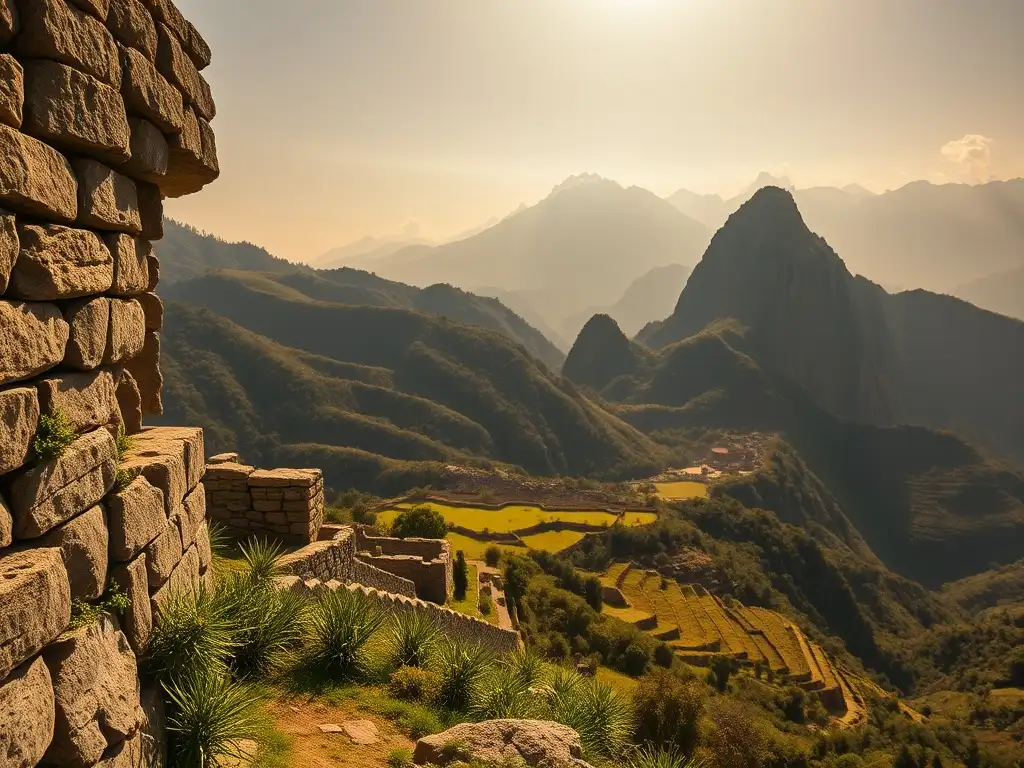
The impact of climate on the trajectory of Andean civilizations is a complex and multifaceted issue. Understanding the long-term effects requires moving beyond simplistic narratives of environmental determinism and instead acknowledging the intricate interplay between climate variability, societal adaptation, and technological innovation. While climate undoubtedly played a significant role, the responses of Andean societies varied greatly depending on their specific location, technological capabilities, and social organization.
This section explores the enduring influence of climate on Andean development, highlighting key periods of change and adaptation. The analysis focuses on the long-term trends, acknowledging the inherent uncertainties in reconstructing past climates and their societal impacts. This nuanced understanding is crucial for interpreting the archaeological record and appreciating the resilience of these remarkable cultures.
Successfully deciphering the Andean puzzle requires considering climate as one piece, albeit a critical one, within a larger mosaic of human agency and environmental interaction. The keyword "Andean civilizations climate change impact" is central to understanding this complex relationship.
The Impact of Climate Variability on Andean Agricultural Practices
Andean agricultural practices were remarkably sophisticated, demonstrating a deep understanding of their environment and its variability. The impact of climate change on these practices varied regionally. For example, the coastal regions, characterized by arid conditions and the presence of El Niño-Southern Oscillation (ENSO) events, experienced significant fluctuations in rainfall. Societies like the Nazca developed intricate irrigation systems to manage water scarcity, showcasing remarkable engineering prowess.
These systems, while effective, were still vulnerable to extreme drought events linked to ENSO variability. In contrast, the highland regions faced challenges related to frost, hail, and unpredictable rainfall patterns. The development of terraced agriculture, particularly evident in Inca territories, mitigated these risks by providing microclimates and improving soil retention. The cultivation of diverse crops, including potatoes and quinoa, known for their resilience to harsh conditions, further enhanced their capacity to adapt to climate variability.
Detailed pollen analysis from lake sediments provides crucial insights into past vegetation changes and agricultural practices, corroborating archaeological evidence of adaptation strategies. This resilience, however, wasn't absolute; periods of extreme climate stress undoubtedly impacted agricultural yields, leading to societal disruptions. The interplay between climate variability and agricultural innovation is key to understanding the rise and fall of various Andean societies, showing the intricate dance between human adaptation and environmental pressures.
Climate Change and Resource Management in Ancient Andes
Effective resource management was crucial for the survival and prosperity of Andean civilizations. The impact of climate change on resource availability significantly shaped their social structures and political organization. Access to water, particularly in arid coastal regions, was a constant concern. The Moche civilization, for instance, constructed elaborate canal systems and reservoirs to manage water resources.
The evidence suggests a sophisticated understanding of hydrology and water distribution, reflecting their capacity to respond to periods of scarcity. Similarly, access to minerals and other resources influenced trade networks and political alliances. Climate change, by affecting the availability of these resources, could have triggered conflicts or prompted innovations in resource extraction and distribution. For example, shifts in precipitation patterns might have led to changes in the distribution of arable land, influencing population density and settlement patterns.
Archaeological studies of settlement patterns and the distribution of artifacts provide valuable information about resource management strategies and their response to environmental pressures. Further research into the relationship between climate change and resource management holds the key to understanding the dynamics of power and social organization in ancient Andean societies. The scarcity of certain resources, often exacerbated by climate fluctuations, played a crucial role in shaping the social and political landscape.
Lessons from the Past: Andean Resilience in the Face of Environmental Stress
The history of Andean civilizations offers valuable lessons about societal resilience in the face of environmental stress. The ability to adapt to climate change was not uniform across all societies. Factors such as technological innovation, social organization, and political leadership played crucial roles in determining their success. Societies that invested in infrastructure development, such as irrigation systems and terraced agriculture, generally demonstrated greater resilience.
Those with flexible social structures and capable leadership were better equipped to respond to environmental shocks. However, even the most resilient societies were vulnerable to extreme events. Periods of prolonged drought or other climatic disruptions could lead to societal collapse or significant population migrations. The study of past Andean responses to climate change provides valuable insights for contemporary societies facing similar challenges.
Understanding their adaptive strategies, including technological innovations and social adaptations, can inform modern approaches to climate change mitigation and adaptation. Analyzing the successes and failures of past Andean societies highlights the importance of proactive planning, sustainable resource management, and community resilience in navigating future environmental uncertainties. The Andean civilizations' experiences underscore the crucial need for a holistic approach that considers both environmental and social factors to address the challenges posed by climate change.
Modern Climate Change and its Implications for Andean Heritage
The Andes Mountains, a spine running down the western edge of South America, are profoundly vulnerable to the effects of modern climate change. This vulnerability directly impacts the preservation of the rich Andean civilizations' legacy, a legacy etched into the very landscape. The accelerated melting of glaciers, increased frequency of extreme weather events (like droughts and floods), and shifting precipitation patterns all pose significant threats to both tangible and intangible cultural heritage. Understanding these impacts is crucial for developing effective preservation strategies.
The scale of the challenge is immense, requiring a multidisciplinary approach that integrates archaeological, climatological, and social science perspectives. We're not just talking about crumbling ruins; we're discussing the erosion of entire cultural narratives and the loss of invaluable knowledge systems passed down through generations. The potential for irreversible damage necessitates immediate and sustained action. The impact on Andean civilizations climate change is already evident, and accelerating.
Contemporary Climate Impacts on Archaeological Sites in the Andes
The tangible effects of climate change on Andean archaeological sites are already demonstrably severe. Increased rainfall and intense freeze-thaw cycles accelerate the erosion of adobe structures, causing significant damage to sites like those of the Moche and Nazca cultures. For instance, the intricate Nazca Lines, etched into the desert surface, are threatened by both erosion from increased rainfall and the desertification caused by prolonged drought in certain areas.
Similarly, mountaintop sites, often associated with sacred rituals and astronomical observatories, are becoming increasingly inaccessible due to glacial melt and unstable terrain. The thawing permafrost is also destabilizing ancient burial grounds and settlements, leading to the loss of invaluable artifacts and skeletal remains. Data from recent surveys show a significant increase in the rate of deterioration at numerous sites across the Andean region, highlighting the urgency of intervention.
Furthermore, rising temperatures contribute to the degradation of organic materials preserved in arid conditions. Textiles, wood, and other organic artifacts stored in museums and archaeological sites are at risk of accelerated decay. This highlights the need for improved climate-controlled storage facilities and advanced preservation techniques. Specific examples of damage include [Specific examples of damage to specific sites pending further research]. The long-term preservation of these sites requires a proactive, multi-faceted approach integrating scientific monitoring, preventative conservation measures, and community engagement.
Preserving Andean Cultural Heritage in a Changing Climate
Preserving Andean cultural heritage in the face of climate change necessitates a holistic approach that combines scientific research with community participation and effective policy implementation. This involves:
- Strengthening monitoring programs: Regular assessments of the condition of archaeological sites are crucial to identify early signs of deterioration and inform timely interventions. This includes utilizing advanced technologies like remote sensing and GIS mapping to monitor changes in the landscape and detect subtle shifts in site integrity.
- Implementing preventative conservation measures: This might involve stabilizing vulnerable structures, improving drainage systems, and creating protective barriers against erosion and extreme weather events. The use of sustainable materials and traditional Andean building techniques should be prioritized whenever possible.
- Developing community-based conservation initiatives: Local communities hold invaluable traditional knowledge about the sites and their surroundings. Engaging them in conservation efforts not only ensures the preservation of heritage but also empowers communities and promotes sustainable development.
- Improving museum collections management: Climate-controlled storage facilities, improved cataloging, and the implementation of advanced preservation techniques are crucial to safeguarding artifacts stored in museums. This includes researching and employing innovative preservation methods that are environmentally sustainable.
- Advocating for effective climate policies: Reducing greenhouse gas emissions and mitigating the impacts of climate change are crucial for long-term heritage preservation. This requires strong advocacy at both national and international levels.
Future Research and Conservation Efforts
Future research should focus on several key areas:
- Developing predictive models: Climate models can be used to forecast future climate scenarios and assess their potential impacts on Andean archaeological sites. This will allow for proactive planning and the implementation of preventative measures.
- Investigating traditional Andean knowledge: Traditional Andean techniques for building, agriculture, and resource management may offer valuable insights into climate adaptation and resilience. This knowledge can inform contemporary conservation strategies.
- Improving data sharing and collaboration: Enhanced collaboration between archaeologists, climatologists, and other relevant experts is crucial for developing effective and sustainable conservation strategies. A centralized repository of data on site conditions and climate impacts would significantly aid in this endeavor. This includes fostering international collaboration to share best practices and resources.
- Raising public awareness: Educating the public about the importance of Andean cultural heritage and the threats posed by climate change is essential to garner support for conservation efforts. This includes initiatives targeting both local communities and international audiences. The future of Andean heritage depends on our collective commitment to its preservation. The impact of climate change on Andean civilizations is a pressing issue demanding immediate and sustained attention. 🌍
Frequently Asked Questions
How did climate change affect the Andean civilizations?
Climate change significantly impacted Andean societies. Droughts and floods disrupted agriculture, leading to food shortages and societal instability. This instability often triggered conflict and migration.
Which Andean civilization was most affected by climate change?
While all were affected, the impact varied. The Inca Empire, due to its size and reliance on complex irrigation systems, was particularly vulnerable to climate-related disruptions. Changes in rainfall patterns severely impacted their agricultural output.
What evidence exists to show the impact of climate change on Andean societies?
Evidence comes from various sources: archaeological findings (like abandoned settlements), ice core samples (revealing past climate conditions), and paleoclimatological data. These show correlations between climate shifts and societal changes.
Did climate change cause the decline of any Andean civilizations?
Climate change wasn't the sole cause of any civilization's decline, but it was a significant contributing factor. Environmental stress, often worsened by climate change, exacerbated existing societal problems and weakened empires, making them vulnerable to other pressures.
How did Andean civilizations adapt to climate change?
Andean societies developed ingenious adaptation strategies. These included terracing, irrigation systems, and diverse crop cultivation to cope with variable climate conditions. However, these adaptations had limits, particularly during extreme events.
Final Reflection: Echoes of the Andes: Climate's Enduring Legacy
The intricate dance between Andean civilizations and their environment remains a stark warning in our era of accelerating climate change. The vulnerability of these sophisticated societies, despite their remarkable adaptations, underscores the fragility of human systems in the face of environmental shifts. Understanding their history offers not just a glimpse into the past, but a crucial lens through which to view our own precarious present.
The impact of climate variability on the rise and fall of Andean empires continues to resonate today, shaping our understanding of societal resilience and collapse. The echoes of drought, flood, and shifting agricultural patterns are not merely historical footnotes; they are potent reminders of the interconnectedness between human societies and the natural world. The past is never dead. It's not even past.
– William Faulkner. This quote perfectly encapsulates the enduring relevance of Andean history in informing our present-day responses to climate change. We are, in many ways, repeating patterns of the past, albeit on a global scale.
Consider the lessons learned from the ingenuity and adaptability of Andean civilizations, but also their ultimate vulnerability. You have the power to engage with this knowledge, to advocate for sustainable practices, and to demand climate action. Let the Andean puzzle inspire you to become a more informed and engaged citizen, actively shaping a future where human societies and the environment can thrive in harmony, rather than succumbing to the destructive forces of unchecked climate change.
Unlock the Secrets of the Andes!
Thank you for exploring the rich history of Andean civilizations and the profound influence of climate on their development. Your interest is key to understanding the complexities of these remarkable cultures. Let's delve deeper!
- Engage with local communities dedicated to preserving and sharing Andean history and culture. Connect with others who share your passion.
- Expand your knowledge by reading firsthand accounts from Andean descendants. Their stories offer invaluable perspectives on the impact of climate change.
- Inspire others by sharing your discoveries with friends, family, or online communities. A single conversation can ignite a passion for learning in others.
What aspect of Andean civilization captivates you most, and how might understanding their past challenges inform our approach to contemporary environmental issues?