
Secrets in the Soil: Climate Clues from Andean Agriculture

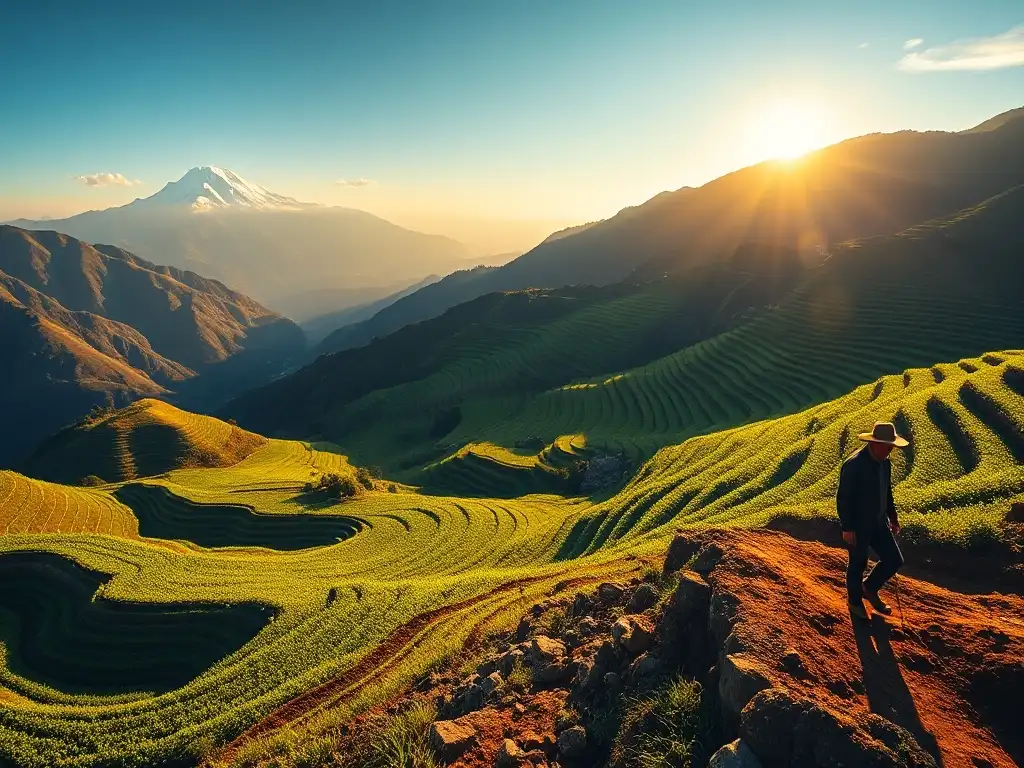
Step into a world lost to time, yet echoing with the whispers of ingenuity. For centuries, the towering Andes Mountains witnessed the rise and fall of remarkable civilizations. But what secrets do their ancient fields hold? Discover how Andean agriculture ingeniously adapted to the challenges of a changing climate, a story woven into the very fabric of their survival, revealing surprising insights in our new article, "Secrets in the Soil: Climate Clues from Andean Agriculture." Prepare to be amazed by the resilience and innovation of these forgotten giants.
- Secrets in the Soil: Unearthing Climate Clues from Ancient Andean Agriculture
- Andean Agriculture: A Legacy of Adaptation
- Climate Change Impacts on Ancient Andean Societies
- Decoding Climate Clues in Andean Soils
- Modern Relevance of Ancient Andean Agricultural Practices
- Andean Agriculture Climate Change: The Road Ahead
-
Frequently Asked Questions
- How did Andean civilizations adapt their agriculture to the challenging climate?
- What role did climate change play in the rise and fall of Andean civilizations?
- What specific crops were crucial to Andean agriculture and how did they cope with climate fluctuations?
- How did Andean agricultural techniques help mitigate the effects of climate change?
- What can modern agriculture learn from the ingenuity of Andean farming practices?
- Final Reflection: Harvesting Hope from Andean Echoes
- Unleash the Power of Andean Wisdom!
Secrets in the Soil: Unearthing Climate Clues from Ancient Andean Agriculture
The Andes Mountains, a spine of towering peaks running down the western coast of South America, are home to a rich tapestry of ancient civilizations whose ingenuity and resilience are deeply intertwined with the challenges and opportunities presented by their environment. This article delves into the fascinating relationship between Andean agriculture and climate change, exploring how ancient societies adapted to fluctuating weather patterns and what their strategies can teach us about facing contemporary environmental challenges.
We will examine the sophisticated agricultural techniques employed by cultures like the Inca, Moche, Nazca, and Tiahuanaco, revealing how their understanding of climate profoundly shaped their societies and left behind enduring legacies visible even today. Understanding their successes and failures provides valuable insights into the vulnerabilities and resilience of agricultural systems facing the impacts of modern climate change, offering crucial lessons for sustainable development in vulnerable regions.
The study of Andean agriculture and its response to climatic variability is not merely an academic pursuit; it offers practical solutions and informed perspectives on building a more climate-resilient future. This exploration will uncover the secrets hidden within the soil, revealing the ingenious methods and profound knowledge of these ancient Andean peoples.
The Intertwined History of Andean Agriculture and Climate
Andean agriculture wasn't merely a means of subsistence; it was a complex system intricately woven into the fabric of Andean societies, deeply influenced by the region's diverse and often unpredictable climate. From the arid coastal deserts to the high-altitude puna grasslands, the Andes present a dramatic spectrum of ecological zones, each with its own unique climatic challenges. Ancient Andean farmers developed remarkably sophisticated techniques to adapt to these variations.
Terracing, for example, allowed them to cultivate steep slopes, maximizing arable land while mitigating erosion and water runoff. The ingenious waru waru system, a form of raised-field agriculture, not only improved drainage and soil fertility but also regulated temperature and moisture levels, creating a microclimate conducive to crop growth even in harsh conditions. These systems demonstrate a profound understanding of hydrology and microclimatology, allowing for successful cultivation in environments that might otherwise be unsuitable for agriculture.
The development of these techniques was a direct response to the climatic variability inherent in the Andean region, highlighting the intimate connection between agricultural practice and environmental adaptation. Furthermore, the diversity of crops cultivated – from potatoes and maize to quinoa and beans – reflects a strategic approach to managing risk associated with unpredictable weather patterns. This diversification ensured food security even in years of drought or frost.
Evidence of Climate Change Impacts on Ancient Andean Agriculture
Archaeological evidence offers compelling insights into the impacts of past climate change on Andean agriculture. Studies of pollen and sediment cores from lake basins reveal fluctuations in vegetation patterns and agricultural practices over millennia. For instance, [Specific data on pollen and sediment core analysis indicating changes in agricultural practices due to climate shifts is pending]. These changes correlate with periods of drought or increased rainfall, suggesting a direct link between climate variability and agricultural productivity.
Furthermore, analysis of ancient settlements reveals shifts in settlement patterns that may reflect responses to changing climatic conditions. [Specific examples of settlements shifting due to climate change are pending]. These findings underscore the vulnerability of Andean agricultural systems to climate variability and the adaptive strategies employed by ancient societies to cope with these challenges.
The study of ancient irrigation canals and water management systems also provides valuable clues about how Andean farmers responded to periods of drought. [Specific details on the construction and use of irrigation systems and their adaptation to drought are pending]. These intricate systems demonstrate the ingenuity and resourcefulness of Andean societies in the face of environmental challenges.
Lessons from the Past: Applying Ancient Andean Wisdom to Modern Challenges
The sophisticated agricultural practices developed by ancient Andean civilizations offer valuable lessons for addressing the challenges of modern climate change. Their emphasis on sustainable land management, water conservation, and crop diversification provides a blueprint for building more resilient agricultural systems. The waru waru system, for instance, is being revived and adapted in various parts of the Andes and beyond as a sustainable approach to agriculture in arid and semi-arid regions.
[Specific examples of modern applications of waru waru are pending]. Similarly, the knowledge of ancient Andean farmers regarding microclimate management and soil fertility can inform contemporary agricultural practices, promoting biodiversity and reducing the reliance on chemical inputs. By studying the successes and failures of ancient Andean societies, we can gain valuable insights into the complexities of climate change adaptation and develop more effective strategies for building a sustainable future.
The legacy of Andean agriculture is not merely a historical artifact; it is a living testament to human ingenuity and adaptability, offering crucial lessons for a world grappling with the impacts of a changing climate. The resilience demonstrated by these ancient societies provides hope and direction for navigating the challenges that lie ahead. The secrets in the soil are not just about the past; they hold the key to a more sustainable future.
Andean Agriculture: A Legacy of Adaptation
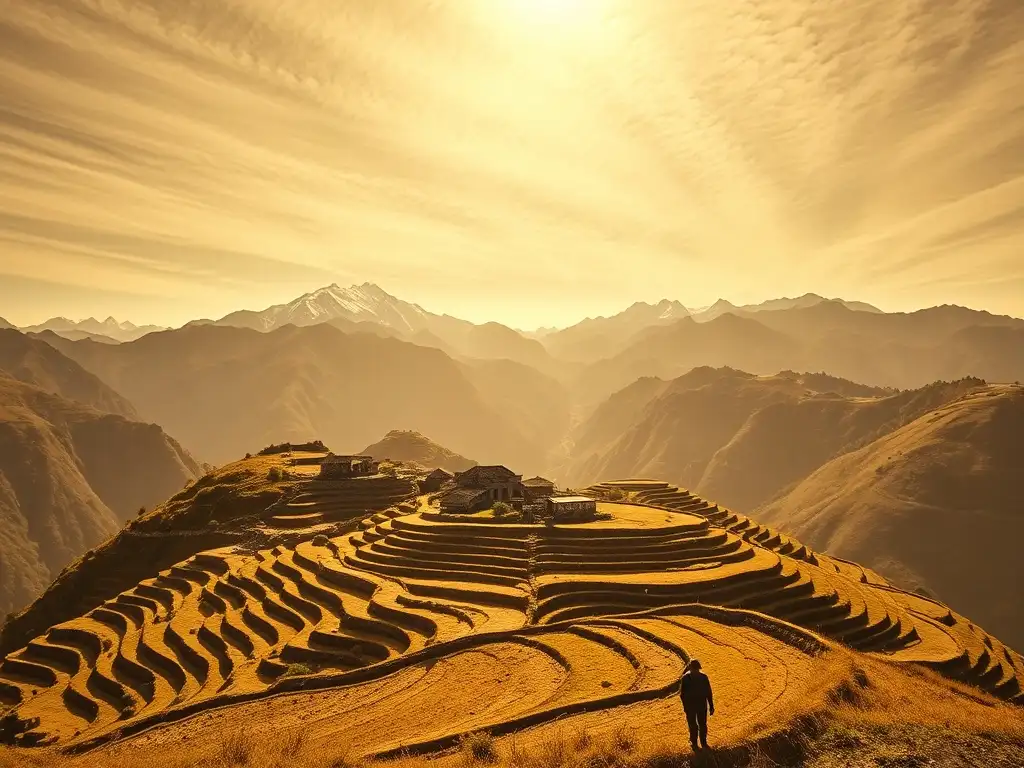
Andean agriculture, a testament to human ingenuity and resilience, thrived for millennia in a geographically diverse and often challenging environment. Understanding the intricate relationship between Andean farming practices and the region's dynamic climate is crucial to comprehending the success and eventual decline of these remarkable civilizations. This section explores the sophisticated agricultural techniques employed by pre-Inca and Inca societies, highlighting their remarkable ability to adapt to a range of climatic conditions.
The impact of climate change on Andean agriculture is a complex issue, with long-term consequences that continue to resonate today. Analyzing these historical adaptations offers valuable insights for contemporary sustainable agriculture practices in the face of modern climate challenges. The keyword, "Andean agriculture climate change," is central to understanding this rich and complex history.
Pre-Incan Agricultural Techniques and Environmental Challenges
Pre-Inca societies, such as the Moche, Nazca, and Tiwanaku, developed sophisticated agricultural techniques to overcome the harsh realities of the Andes. The arid coastal regions presented significant challenges, demanding innovative irrigation systems to harness scarce water resources. The Nazca, for example, are renowned for their intricate network of canals, some stretching for tens of kilometers, demonstrating remarkable engineering prowess and a deep understanding of hydrology. These canals, meticulously planned and maintained, allowed for the cultivation of crops in otherwise barren landscapes.
The Moche, inhabiting a similarly arid environment, employed sophisticated terracing techniques to create fertile agricultural plots on steep hillsides. This careful management of water resources was critical for their agricultural success. Furthermore, the variability in rainfall and temperature across different altitudes presented a further challenge, necessitating diverse cropping strategies. They utilized different microclimates to cultivate a wide range of crops, showcasing a deep understanding of ecological diversity.
The development of drought-resistant crops was essential for survival in such a volatile climate. Archaeological evidence suggests that pre-Inca societies possessed a sophisticated understanding of plant genetics, selecting and cultivating crops best suited to their specific environments. This early adoption of sustainable practices highlights the importance of environmental stewardship in ensuring long-term agricultural productivity.
Inca Agricultural Innovations for Climate Resilience
The Inca Empire further refined and expanded upon existing Andean agricultural practices, creating an impressive system of agricultural production that supported a large population. Their innovations built upon the foundations laid by previous cultures, adapting and improving existing techniques to enhance resilience against climate variability. The Inca's mastery of terracing reached new heights, creating vast, interconnected agricultural landscapes that maximized arable land and minimized soil erosion. These terraces were not merely level platforms; they were carefully designed to optimize water retention and drainage, ensuring consistent crop yields even in unpredictable rainfall patterns.
The waru waru system, a unique form of raised-field agriculture, exemplifies the Inca's innovative approach to climate resilience. This system involved creating interconnected raised beds separated by canals, allowing for better water management and improved soil fertility. The canals served not only to irrigate the fields but also to regulate temperature, protecting crops from frost and enhancing growth. The Inca also developed sophisticated storage techniques, building vast granaries to store surplus food, ensuring food security during periods of drought or other climate-related disruptions.
This strategic planning allowed them to mitigate the impact of climate variability on their food supply. Their understanding of Andean agriculture climate change impacts made them develop methods to cope with it. The meticulous record-keeping system of the Inca empire also played a crucial role in their agricultural success. Detailed records of crop yields, water availability, and other environmental factors helped them make informed decisions about resource allocation and agricultural planning.
Traditional Andean Farming Practices and Their Significance
Traditional Andean farming practices continue to hold significant relevance today, offering valuable lessons in sustainable agriculture and climate change adaptation. The emphasis on biodiversity, water conservation, and soil fertility remains a cornerstone of these practices. The integration of diverse crops within a single agricultural system promotes ecological balance and resilience against pests and diseases. The use of indigenous seeds and traditional farming techniques helps maintain genetic diversity and adapt to local environmental conditions.
These practices, passed down through generations, represent a wealth of knowledge and experience in managing resources sustainably. The continuing importance of these traditional methods in the face of modern agricultural challenges highlights their enduring value and relevance. The preservation and promotion of these traditional practices are crucial for ensuring food security and environmental sustainability in the Andes and beyond.
Understanding the historical context of Andean agriculture and its adaptability to climate change provides invaluable insights for developing resilient and sustainable agricultural practices in the 21st century. The legacy of Andean agriculture underscores the importance of integrating traditional knowledge with modern scientific approaches to address the growing challenges posed by climate change. The close relationship between Andean agriculture and climate change, as evidenced by historical practices, offers crucial lessons for contemporary challenges.
Climate Change Impacts on Ancient Andean Societies
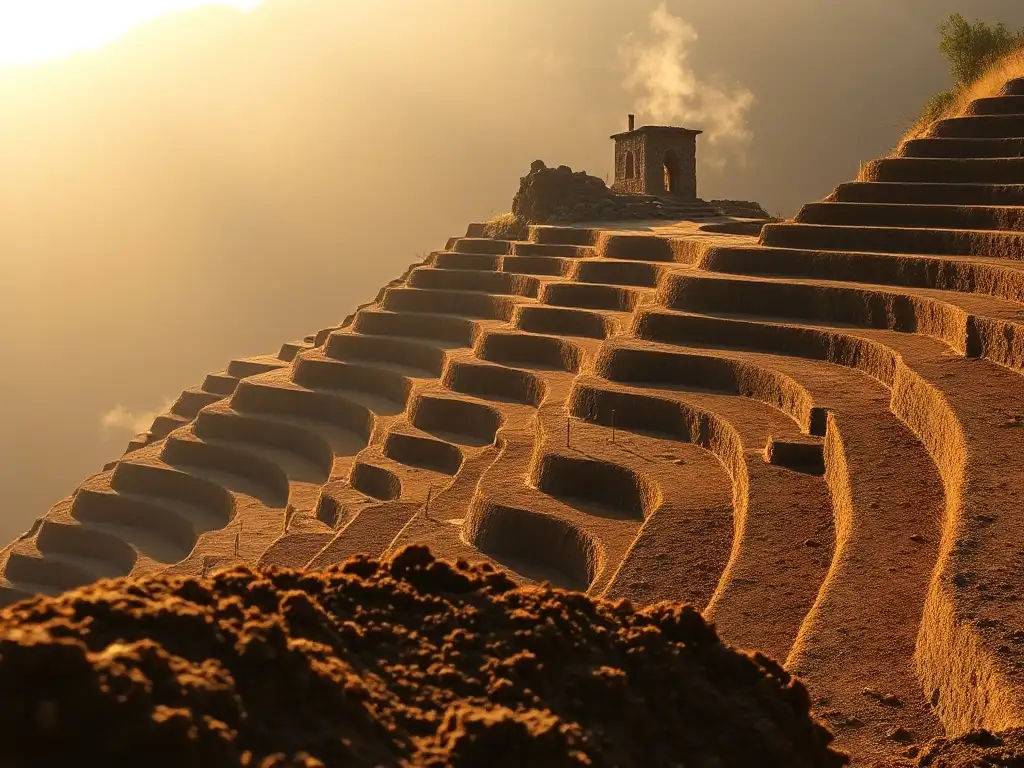
This section delves into the profound impact of climate variability and change on the ancient Andean societies. We'll examine the evidence of past climate fluctuations, the ingenious adaptation strategies employed by Andean farmers, and the crucial role agriculture played in the rise and fall of these remarkable civilizations. Understanding these intricate relationships offers valuable insights into the resilience and vulnerability of past societies and provides a crucial context for addressing present-day challenges related to Andean agriculture climate change.
Evidence of Past Climate Variability in the Andes
The Andes Mountains, a geographically diverse region spanning several climatic zones, experienced significant climate variability throughout pre-Columbian times. Evidence from various sources paints a picture of fluctuating temperatures, precipitation patterns, and glacial advances and retreats. Analyzing this evidence is crucial to understanding the pressures faced by Andean agricultural systems.
Several key indicators reveal past climatic shifts:
- Ice core data: Analysis of ice cores from Andean glaciers provides invaluable information on past temperatures and precipitation levels. Isotopic ratios within the ice reveal changes in temperature over millennia, indicating periods of both warmer and colder conditions. These fluctuations directly impacted the availability of water resources for agriculture.
- Lake sediment cores: Lake sediments contain pollen, diatoms (microscopic algae), and other organic matter that reflect past vegetation and hydrological conditions. Changes in the composition of these sediments can indicate shifts in precipitation patterns and vegetation zones, directly affecting the suitability of land for cultivation. For instance, changes in pollen counts of drought-tolerant versus moisture-loving plants are indicative of wet and dry periods.
- Archaeological evidence: Archaeological findings, such as changes in settlement patterns and agricultural practices, offer compelling indirect evidence of climate change. The abandonment of certain agricultural terraces or shifts in crop types may reflect responses to changes in water availability or growing season length. For example, the decline of certain settlements in the Nazca region might be linked to prolonged droughts.
The intricate interplay between these data sources allows for a more comprehensive understanding of past Andean climate variability. The detailed analysis of these records reveals a complex history of climate shifts, ranging from relatively short-term droughts to longer-term changes in temperature and precipitation regimes. Further research, especially incorporating more detailed paleoclimatic data, is needed to refine our understanding of the precise timing and magnitude of these fluctuations.
How Ancient Andean Farmers Responded to Climate Shifts
Ancient Andean farmers displayed remarkable ingenuity and adaptability in responding to climate shifts. Their agricultural practices were not static; instead, they were constantly refined and adjusted to cope with varying environmental conditions. This adaptability was key to their survival and the flourishing of their civilizations.
Their strategies included:
- Sophisticated irrigation systems: The construction of intricate canal systems and terraces allowed them to manage water resources effectively, even during periods of drought. These systems enabled them to cultivate crops in areas that would otherwise be unsuitable for agriculture. The ingenuity of these systems is evident in their ability to capture and redistribute water across varied terrains.
- Crop diversification: Andean farmers cultivated a wide range of crops, each adapted to different environmental conditions. This diversification acted as a buffer against crop failure due to climate variability. The diversity ensured a more stable food supply, even in the face of challenging conditions. Examples include the cultivation of potatoes at various altitudes, each variety suited to specific temperature and moisture levels.
- Terracing and soil management: The construction of terraces not only facilitated irrigation but also reduced soil erosion and improved soil fertility. This sustainable approach to land management was critical in ensuring long-term agricultural productivity. Terracing techniques varied across different regions, reflecting local environmental conditions and agricultural practices.
- Altitudinal complementarity: Andean farmers utilized the diverse altitudinal zones of the Andes to their advantage. They cultivated different crops at different elevations, taking advantage of varying microclimates and growing seasons. This strategy maximized agricultural output and reduced the risk of complete crop failure.
These adaptive strategies highlight the remarkable resilience of Andean agricultural systems in the face of climate change. Further research into these sophisticated agricultural techniques could provide valuable lessons for modern-day agriculture in the Andes and other regions facing similar challenges related to Andean agriculture climate change.
The Role of Agriculture in Andean Civilization's Rise and Fall
Agriculture was the cornerstone of Andean civilizations. Its success fostered population growth, urbanization, and the development of complex social structures. Conversely, periods of agricultural decline, often linked to climate change, contributed to the instability and eventual decline of some of these societies.
The connection between agriculture and societal development is evident in:
- The rise of complex societies: The ability to produce surplus food allowed for specialization of labor and the development of complex social hierarchies. This surplus freed individuals to pursue non-agricultural activities, leading to advancements in art, architecture, and technology.
- The impact of droughts and famines: Periods of prolonged drought and resulting famines significantly weakened societies, leading to social unrest and potentially contributing to the collapse of certain civilizations. The vulnerability of agricultural systems to climate variability underscored the importance of resilient agricultural practices.
- The development of state-level organizations: The management of large-scale irrigation systems and the distribution of agricultural resources required sophisticated organizational structures and often led to the emergence of powerful states. These states played a crucial role in maintaining social order and ensuring the continuation of agricultural production.
The intimate relationship between Andean agriculture and societal stability demonstrates the profound impact of climate change on the trajectory of these civilizations. Further research into the interplay between climate, agriculture, and societal development is needed to fully understand the complex factors contributing to both the rise and fall of these impressive Andean societies. This understanding is crucial for addressing the challenges of Andean agriculture climate change in the modern era.
Decoding Climate Clues in Andean Soils
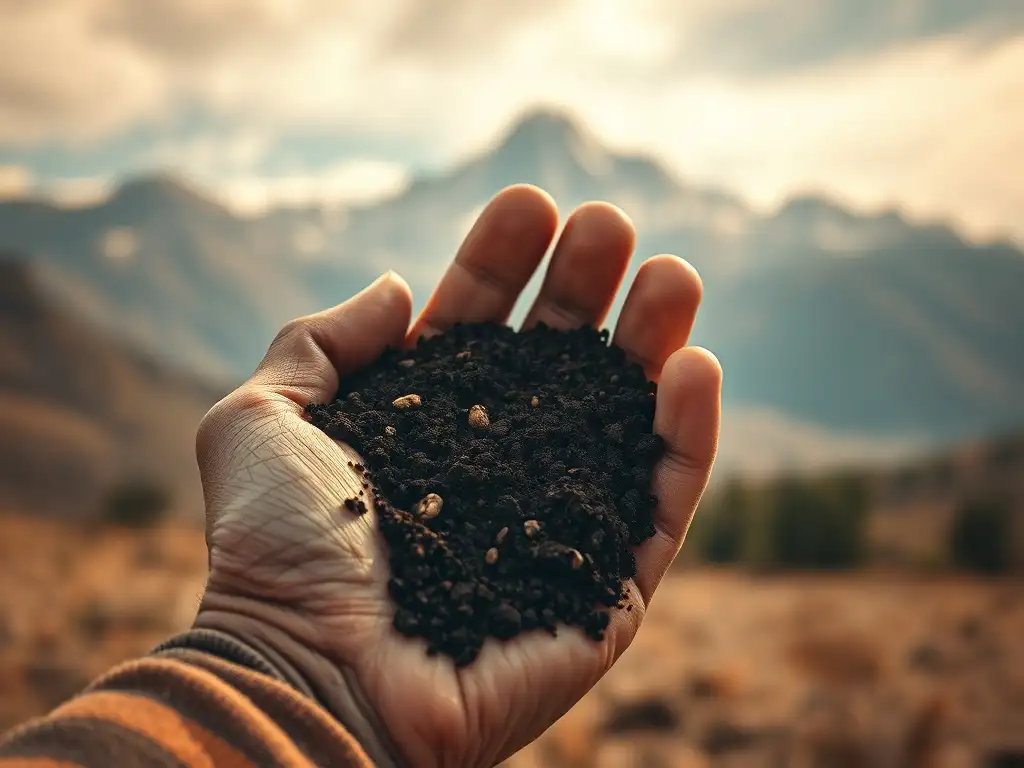
The high Andes, a region characterized by dramatic altitudinal variations and diverse microclimates, presents a unique challenge and opportunity for understanding the interplay between Andean agriculture and climate change. Ancient Andean societies, renowned for their sophisticated agricultural techniques, directly interacted with and adapted to fluctuating environmental conditions. Their ingenuity is imprinted on the landscape, particularly within the soil itself.
By examining these ancient soils, we can unlock valuable insights into past climates and the resilience of these remarkable civilizations in the face of environmental variability. Analyzing Andean soils offers a powerful lens through which to understand the impact of climate change on Andean agriculture, revealing both the successes and struggles of past societies in adapting to shifting environmental conditions. The keyword "Andean agriculture climate change" is central to understanding the complexities of this historical interaction.
Soil Analysis: Unveiling Past Environmental Conditions
Soil analysis provides a multifaceted approach to reconstructing past environmental conditions. By examining soil composition, scientists can identify indicators of past climates, such as the presence of specific minerals, organic matter content, and soil structure. For instance, the presence of certain types of clay minerals can indicate past periods of drought, while high organic matter content might suggest more humid conditions. The analysis of stable isotopes (e.g., 13 C/ 12 C and 18 O/ 16 O ratios) within soil samples offers further refinement, providing insights into past precipitation patterns and temperature fluctuations. This data is crucial for understanding the challenges faced by Andean farmers and their adaptive strategies. The specific types of crops cultivated in different soil types also offer clues, reflecting the farmers' knowledge of microclimates and soil suitability. For example, the presence of fossilized remains of drought-resistant crops in a particular soil layer could indicate a period of prolonged aridity. This meticulous work allows researchers to build a detailed picture of past climates and their impact on Andean agriculture.
Radiocarbon Dating and Pollen Analysis
Complementing soil analysis, radiocarbon dating and pollen analysis provide crucial chronological frameworks and insights into vegetation changes. Radiocarbon dating, using organic matter extracted from soil layers, establishes a precise timeline for past environmental shifts. This allows researchers to correlate changes in soil composition with specific periods, providing a much more detailed understanding of the timing and intensity of past climate events.
The analysis of pollen grains preserved in soil layers reveals past vegetation patterns. Changes in pollen assemblages can reflect shifts in climate, indicating, for example, the expansion or contraction of specific plant communities in response to temperature or precipitation changes. This data is critical to understanding how changes in vegetation impacted Andean agriculture, influencing the availability of resources and shaping agricultural practices.
The combined use of radiocarbon dating and pollen analysis enhances the accuracy and precision of climate reconstructions, offering a more complete picture of the past. Understanding the temporal dimensions of climate change is fundamental to evaluating its impact on Andean societies.
What Soil Layers Tell Us About Ancient Climates
The layered structure of Andean soils acts as a natural archive of past environmental conditions. Each layer represents a period of time, preserving clues about the climate during its formation. The thickness of a layer, its color, and its composition all provide information. For example, a thick, dark layer might indicate a period of high organic matter accumulation, possibly associated with a more humid climate and greater agricultural productivity.
Conversely, a thin, light-colored layer might suggest a period of drought, with reduced agricultural yields. Careful examination of these soil layers, combined with other analytical techniques, allows researchers to reconstruct detailed climate histories. These reconstructions help us understand how Andean farmers responded to climate variability, developing resilient agricultural systems capable of adapting to both wet and dry periods.
The intricate relationship between soil layers and past climates is a cornerstone of understanding the long-term resilience of Andean agriculture in the face of climate change. Further research, particularly focusing on specific geographic locations and utilizing advanced analytical techniques, will undoubtedly further refine our understanding of this complex interplay. The ongoing study of Andean soils promises to reveal even more secrets about the past, illuminating the profound impact of climate change on Andean civilizations and their remarkable agricultural practices.
Modern Relevance of Ancient Andean Agricultural Practices
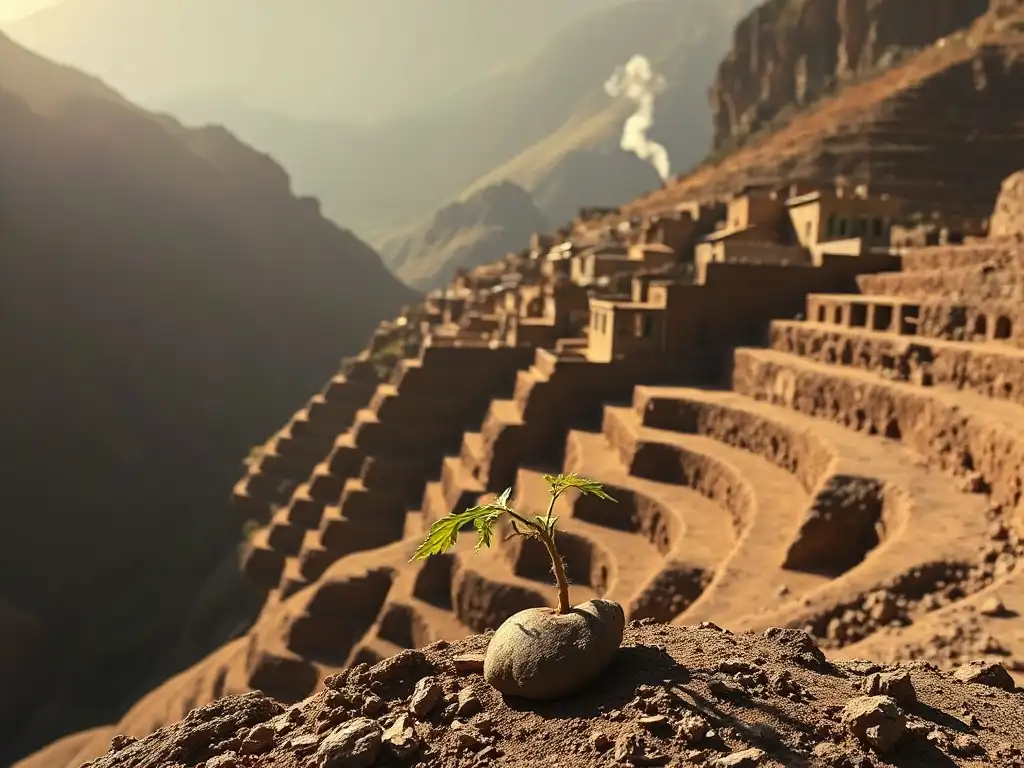
Lessons from the Past for Sustainable Agriculture Today
The ingenuity of Andean agricultural practices offers invaluable lessons for modern sustainable agriculture. Facing challenges similar to those we face today—variable rainfall, steep terrain, and the need to feed growing populations—Andean civilizations developed sophisticated techniques that ensured food security for centuries. Understanding these methods allows us to adapt and improve our own farming practices to mitigate the effects of climate change and build more resilient food systems.
For example, the intricate waru waru raised-bed agricultural system, prevalent among the Tiwanaku, not only maximized land use on the Altiplano but also improved soil drainage and water retention, crucial aspects of drought-resistant agriculture. Similarly, the sophisticated understanding of microclimates and crop diversification employed by various Andean cultures provides a blueprint for modern agroforestry and polyculture techniques, promoting biodiversity and resilience to climate shocks.
Studying these ancient techniques isn't about simply replicating them; it's about extracting the core principles of adaptability, resourcefulness, and a deep understanding of the local ecosystem—principles that remain fundamentally relevant today in the face of Andean agriculture climate change. This knowledge can inform the development of climate-smart agriculture strategies, particularly in regions facing similar environmental constraints.
Applying Andean Techniques to Combat Current Climate Change
The challenges posed by Andean agriculture climate change are multifaceted, requiring innovative and adaptable solutions. Ancient Andean agricultural practices offer a rich source of inspiration for tackling these challenges. For instance, the Andean agriculture climate change effects, such as increased drought frequency and intensity, can be mitigated by adopting techniques like the waru waru system mentioned earlier.
Its ability to enhance water retention and improve soil fertility makes it particularly relevant in arid and semi-arid regions experiencing water scarcity. Furthermore, the traditional practice of terracing, which reduces soil erosion and conserves water, is being revived and adapted in modern contexts to combat the increased risk of landslides and soil degradation associated with climate change. The integration of indigenous knowledge with modern scientific understanding is crucial.
For example, researchers are studying the genetic diversity of ancient Andean crops to identify drought-resistant varieties that can be incorporated into modern farming systems. This integrated approach, combining traditional wisdom with modern technology, is vital for developing effective and sustainable strategies to combat the impact of climate change on Andean agriculture. The success of such initiatives depends on collaborative efforts between scientists, policymakers, and local communities, ensuring that traditional knowledge is valued and integrated into modern agricultural practices.
Terracing and Water Management in Modern Farming
Andean terracing, a testament to the ingenuity of ancient Andean civilizations, offers valuable insights into sustainable water management practices. These terraces, carved into hillsides, not only create level plots for cultivation but also significantly reduce water runoff and soil erosion. This is particularly relevant in the context of Andean agriculture climate change, where increased rainfall intensity can lead to devastating floods and landslides. Modern adaptations of terracing techniques are being employed in various parts of the world to address similar challenges.
However, simply replicating the physical structure of ancient terraces is insufficient; a deep understanding of the underlying principles—water channeling, soil conservation, and microclimate manipulation—is crucial for effective implementation. Modern farming practices can benefit greatly from incorporating these principles. For example, integrating terracing with improved water harvesting techniques, such as rainwater harvesting systems and efficient irrigation methods, can further enhance water use efficiency and improve crop yields, even under conditions of water scarcity. Moreover, the design and implementation of terraces need to consider local environmental conditions and soil types.
A thorough understanding of the specific challenges posed by Andean agriculture climate change in a given region is essential for successful adaptation and implementation of these techniques. This necessitates a collaborative approach involving local communities, agricultural experts, and policymakers to ensure the long-term sustainability and effectiveness of these practices. Careful consideration of soil type, slope gradient, and rainfall patterns is crucial for successful implementation and long-term sustainability.
Andean Agriculture Climate Change: The Road Ahead
This section explores the crucial steps needed to ensure the continued resilience of Andean agriculture in the face of a changing climate. The challenges are significant, but understanding the past and leveraging traditional knowledge provides a powerful foundation for future success. The impact of climate change on Andean agriculture is multifaceted, requiring a holistic approach that integrates scientific advancements with the wisdom of indigenous communities. Adapting to the increasing frequency and intensity of droughts, floods, and temperature fluctuations necessitates a proactive and collaborative effort.
Preserving Agricultural Knowledge for Future Generations
The knowledge accumulated over millennia by Andean communities regarding sustainable agricultural practices is invaluable. This indigenous knowledge, passed down through generations, encompasses techniques for water management, crop diversification, and soil conservation specifically adapted to the unique Andean environment. Losing this knowledge would be catastrophic. For instance, the intricate waru waru raised-bed agricultural system, practiced by pre-Inca societies in the altiplano, demonstrates remarkable resilience to frost and drought.
Understanding the principles behind its design and implementation offers crucial insights for developing climate-resilient agricultural practices today. Efforts to document, preserve, and disseminate this knowledge are crucial, not just through written records but also through active participation and mentorship programs. This involves supporting community-based initiatives and creating platforms for intergenerational knowledge exchange. This preservation is not merely an act of cultural preservation; it is a vital component of securing food security and economic stability in the face of Andean agriculture climate change.
The Importance of Indigenous Knowledge in Climate Research
Modern climate research often overlooks the rich tapestry of indigenous knowledge. Integrating this perspective is not merely a matter of ethical responsibility; it is essential for effective climate change adaptation strategies. Indigenous communities possess a deep understanding of local climate patterns, microclimates, and the long-term impacts of environmental shifts. Their observations, often based on centuries of experience, can provide crucial data for refining climate models and predicting future scenarios. For example, the ability of Andean farmers to anticipate changes in rainfall patterns based on subtle cues in the environment—such as the flowering of specific plants—offers valuable insights that can complement scientific data. Collaborative research projects that integrate indigenous knowledge with scientific methodologies are crucial. This partnership ensures that research is relevant, culturally sensitive, and ultimately more effective in addressing the challenges posed by Andean agriculture climate change. The co-creation of knowledge is key to developing truly sustainable and equitable solutions.
Expanding Research on Ancient Andean Irrigation Systems
The sophisticated irrigation systems developed by pre-Columbian Andean civilizations represent a remarkable feat of engineering and a testament to their understanding of water management. These systems, often intricately designed to harness scarce water resources, offer valuable lessons for modern-day agriculture. Further research is needed to fully understand the engineering principles behind these systems, their resilience to climate variability, and their potential for adaptation in contemporary contexts.
For instance, detailed studies of the canales (canals) and andenes (terraces) used by the Inca and other Andean cultures could reveal innovative techniques for water harvesting, distribution, and soil conservation relevant to today's challenges. This research should not be limited to archaeological investigations; it should also involve hydrological modeling and field experiments to assess the effectiveness of these systems in different climatic conditions.
Understanding the interplay between ancient irrigation techniques and the prevailing climate patterns is critical for developing effective and sustainable strategies to mitigate the impacts of Andean agriculture climate change. The potential for innovation by building upon this legacy is immense.
Frequently Asked Questions
How did Andean civilizations adapt their agriculture to the challenging climate?
Andean civilizations developed remarkable adaptation strategies, including terracing, irrigation systems, and the cultivation of diverse, climate-resilient crops. These techniques allowed them to thrive in varied and often harsh environments.
What role did climate change play in the rise and fall of Andean civilizations?
Climate variability, including droughts and floods, significantly impacted Andean societies. While some adapted successfully, others faced societal stress and potential collapse due to prolonged periods of environmental instability.
What specific crops were crucial to Andean agriculture and how did they cope with climate fluctuations?
Potatoes, maize, quinoa, and beans were staple crops. Their genetic diversity and adaptability to different altitudes and microclimates allowed them to endure climate fluctuations, ensuring food security.
How did Andean agricultural techniques help mitigate the effects of climate change?
Techniques like terracing and irrigation not only increased crop yields but also helped control water flow and erosion, thereby reducing vulnerability to extreme weather events.
What can modern agriculture learn from the ingenuity of Andean farming practices?
Modern agriculture can learn from Andean techniques by employing sustainable practices focusing on biodiversity, water management, and climate-resilient crops to build more resilient farming systems.
Final Reflection: Harvesting Hope from Andean Echoes
The ancient agricultural practices of the Andes, far from being relics of the past, offer crucial insights into building resilience against the escalating impacts of climate change. Understanding these techniques is not merely an academic exercise; it's a vital step towards securing a sustainable future for food production worldwide. The lessons learned from generations of Andean farmers hold the key to unlocking innovative solutions for a world grappling with increasingly unpredictable weather patterns and resource scarcity.
The ingenuity and adaptability demonstrated by Andean farmers over millennia continues to inspire awe and underscores the profound connection between human societies and their environment. Their deep understanding of microclimates, water management, and crop diversification provides a powerful counterpoint to the often unsustainable practices of modern industrial agriculture. The earth provides enough to satisfy every man's needs but not every man's greed.
– Mahatma Gandhi. This quote resonates deeply when considering the contrasting approaches to resource management evident in the Andes and in many contemporary agricultural systems. The Andean approach, rooted in respect for the land and its limitations, offers a compelling alternative.
Consider the wisdom embedded in these ancient practices. How can we, in our modern context, integrate the principles of sustainable land management, crop diversification, and community-based resource management into our own lives and communities? You have the power to make a difference. Start by exploring sustainable food choices, supporting local farmers who employ environmentally conscious methods, and advocating for policies that prioritize climate resilience and food security. Let the secrets whispered from the Andean soil inspire you to cultivate a more sustainable and equitable future for all.
Unleash the Power of Andean Wisdom!
Thank you for exploring the fascinating world of Andean agriculture and its invaluable insights into climate adaptation. You've discovered how ancient techniques offer valuable solutions to modern environmental challenges. Let's apply this knowledge and embrace sustainable practices inspired by the past.
Here's how you can harness this wisdom:
- Connect with Nature: Try incorporating sustainable gardening techniques inspired by Andean methods into your own garden or a local community plot. Experiment with water-harvesting techniques or traditional crop rotation methods.
- Spread the Word: Share this information with friends, family, and colleagues to raise awareness about the crucial role of traditional agricultural knowledge in mitigating climate change.
- Join the Conversation: Participate in discussions with local environmental groups or online forums dedicated to climate-resilient agriculture. Share your experiences and learn from others.
What Andean agricultural practice will you try first, and how do you envision it benefiting your community?