
The Andean Concept of the "Huaca": Sacred Objects and Ancestral Power

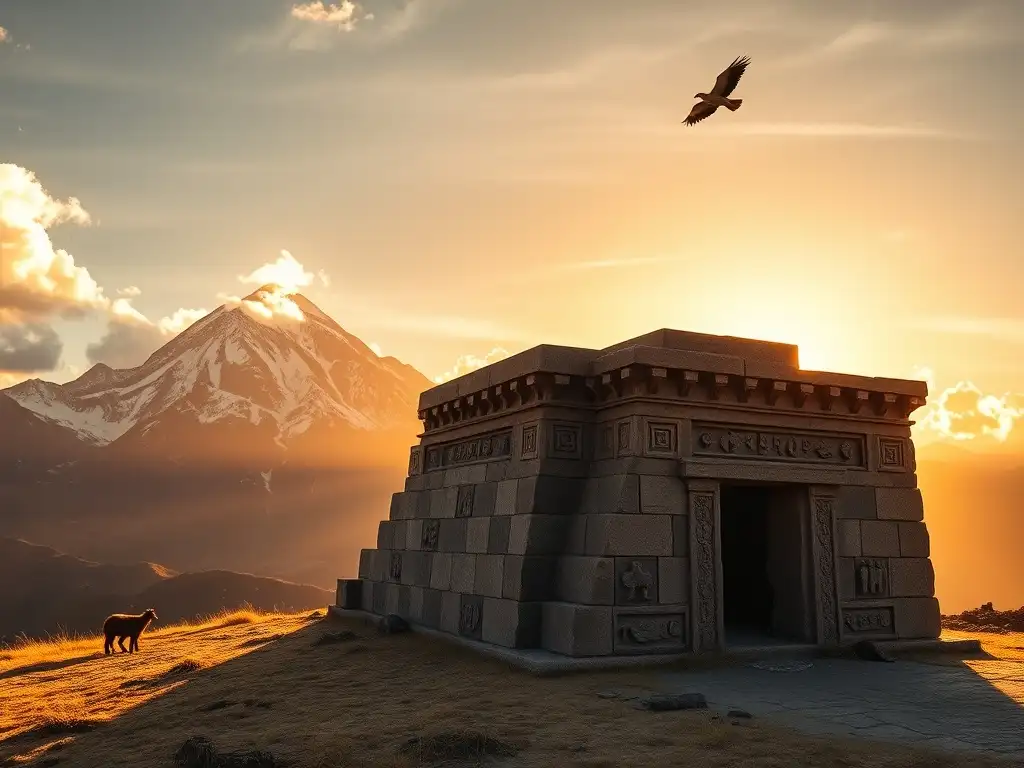
Welcome, explorer! Prepare to journey into the heart of the Andes, a land steeped in mystery and ancient power. For centuries, the Andean civilizations revered sacred objects known as huacas, imbued with ancestral spirits and cosmic significance. Unravel the enigma of Andean Huaca meaning and significance – discover how these objects shaped their worldview and continue to resonate today. Dare to delve deeper into the captivating world of Andean Cosmology and Worldview and unlock the secrets held within these sacred relics.
- Andean Huaca Meaning and Significance: Exploring Sacred Objects and Ancestral Power
- Understanding the Andean Concept of Huaca
- Types of Huacas and Their Diverse Forms
- The Role of Huacas in Andean Cosmology
- The Power and Influence of Huacas
-
The Enduring Legacy of the Huaca Concept
- Huacas and Their Continued Importance in Contemporary Andean Cultures
- The Conservation and Protection of Huacas as Cultural Heritage
- The Ongoing Research and Study of Huacas
- Huaca as a window to understanding Andean spiritual beliefs
- The Huaca's role in Andean social structures
- The enduring influence of the Huaca concept in contemporary Andean cultures
- Exploring the Sacred: A Deeper Dive into Huaca
- Frequently Asked Questions
- Final Reflection: Echoes of the Huaca in a Modern World
- Unveil the Sacred Power of Huacas Today!
Andean Huaca Meaning and Significance: Exploring Sacred Objects and Ancestral Power
The Andean world, encompassing the vast territories of the Inca Empire and preceding civilizations like the Moche, Nazca, and Tiahuanaco, held a profoundly different understanding of the relationship between the living and the dead, the sacred and the profane. Central to this worldview was the concept of the huaca, a term encompassing a wide range of sacred objects and sites imbued with ancestral power.
This article delves into the multifaceted meaning and significance of huacas within Andean cosmology, exploring their role in ancestor veneration, ritual practices, and the overall understanding of the cosmos. Understanding the huaca is crucial to grasping the intricate tapestry of Andean beliefs about death and the enduring influence of the past on the present.
We will examine how these sacred objects and places served as powerful links connecting the living with their ancestors, shaping social structures, political power, and daily life. The significance of huacas extended far beyond simple religious iconography; they represented a fundamental aspect of Andean identity and a tangible manifestation of their spiritual world.
Defining the Huaca: Beyond Simple Religious Iconography
The term "huaca" itself resists a simple, singular definition. It encompassed a vast array of entities, places, and objects considered sacred and imbued with supernatural power. This could include:
- Natural features: Mountains ( apus), caves, springs, and unusual geological formations were frequently considered huacas, representing powerful spirits of the landscape.
- Artificial structures: Pyramids, temples, and other monumental architecture built by Andean civilizations were also considered huacas, often serving as sites for ritual activities and ancestor veneration. These structures were not merely buildings; they were imbued with the spiritual essence of the ancestors and the deities they represented.
- Artifacts: Ceramics, textiles, and other crafted objects, especially those associated with ritual contexts, could also be classified as huacas. These objects were often meticulously crafted and richly decorated, reflecting their sacred significance.
- Ancestors themselves: The deceased, particularly powerful rulers or individuals who held significant social standing, were considered huacas, their spirits continuing to exert influence on the living world. This belief underpinned elaborate burial practices and ancestor veneration rituals.
The common thread connecting all these diverse entities was the belief in their inherent power, their ability to influence the lives of the living, and their connection to the spiritual realm. The power residing within a huaca was not static; it was dynamic, requiring ongoing respect, ritual attention, and offerings to maintain its potency and beneficial influence.
The Role of Huacas in Ancestor Veneration
Ancestor veneration formed a cornerstone of Andean religious practices. Huacas played a crucial role in mediating the relationship between the living and the dead. Rituals performed at huaca sites involved offerings, prayers, and other practices intended to appease the ancestral spirits and secure their continued protection and favor.
The ancestors, as huacas, were not simply remembered; they were actively engaged with, their influence sought in matters of health, prosperity, and social harmony. The physical presence of a huaca, whether a mountain, a temple, or a crafted object, served as a focal point for these interactions, making the intangible spiritual world more accessible and tangible. Failure to show proper respect to a huaca could result in misfortune or even disaster, highlighting the potent and ever-present influence of the ancestors.
Huacas and Political Power: Legitimacy and Control
The concept of the huaca was also intricately linked to political power. Rulers often used their control over important huacas to legitimize their authority and consolidate their power. By claiming a connection to powerful ancestral huacas, rulers presented themselves as divinely appointed and worthy of obedience.
The construction and maintenance of huacas became a means of projecting power and demonstrating the ruler's ability to command the resources and labor necessary for such monumental undertakings. Control over huacas also provided access to the spiritual power they embodied, influencing religious practices and reinforcing the ruler's position as a mediator between the human and divine realms. The strategic placement and symbolic significance of huacas within the landscape reflected the complex interplay between political power, religious beliefs, and social control in Andean societies.
The Enduring Legacy of the Huaca: Modern Interpretations and Significance
Even today, the concept of the huaca retains significant cultural relevance in Andean communities. While the practices surrounding huacas have evolved over time, the fundamental belief in the power and significance of sacred objects and places persists. Many ancient huacas continue to be venerated, serving as reminders of the rich spiritual heritage of Andean civilizations. The study of huacas offers invaluable insights into the complex worldview of these societies, illuminating their beliefs about the cosmos, ancestor veneration, and the enduring power of the past.
Understanding the huaca is essential for a comprehensive understanding of Andean culture, history, and its enduring legacy. Further research is needed to fully document the diverse types and functions of huacas across different Andean cultures and time periods. The ongoing exploration of these sites and objects promises to reveal even more about the rich spiritual tapestry of the Andean world.
Understanding the Andean Concept of Huaca
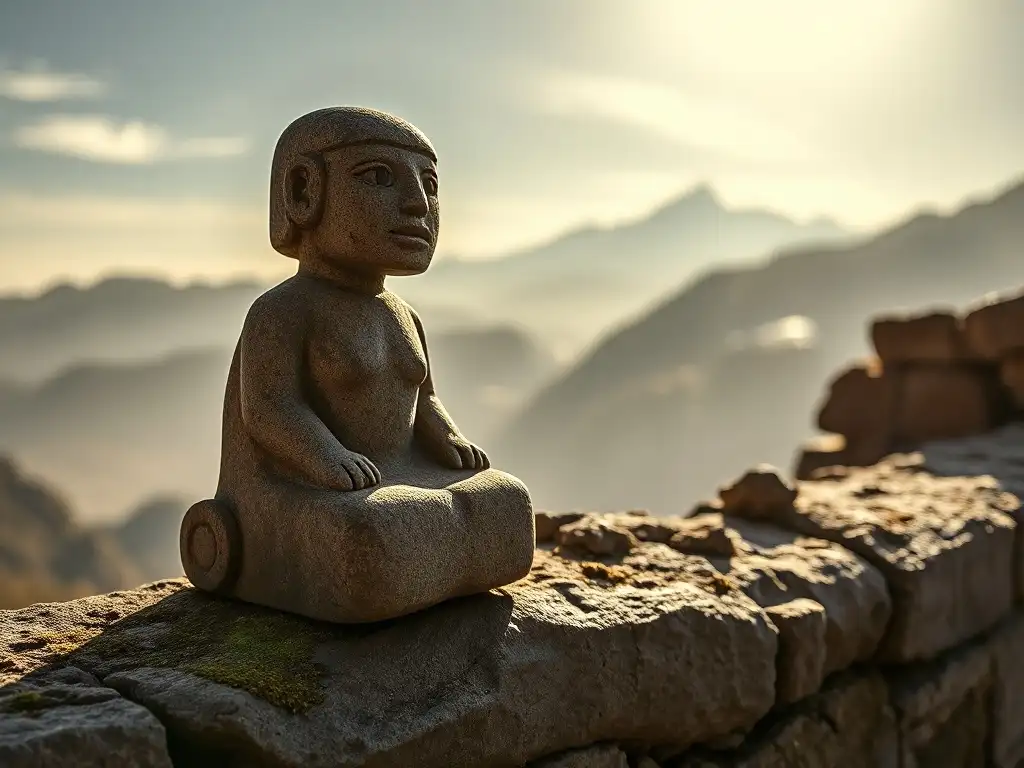
This section delves into the profound Andean concept of the huaca, exploring its multifaceted nature and significance within the context of ancestor veneration and cosmology. Understanding the huaca is crucial to grasping the Andean worldview, where the boundaries between the physical and spiritual realms were fluid, and the past held immense power over the present. The term itself encompasses a broad spectrum of sacred entities, emphasizing the interconnectedness of the natural world, ancestral spirits, and the living community.
This nuanced understanding challenges simplistic interpretations and highlights the complexity of Andean religious practices. The term "Andean Huaca meaning and significance" encapsulates the very essence of this exploration.
What is a Huaca? Defining Sacredness in the Andes
The term "huaca" lacks a single, precise translation. It encompasses a wide range of sacred entities, including natural features like mountains, caves, springs, and rocks; manufactured objects such as ceramics, textiles, and metalwork; and even specific individuals considered to possess supernatural power. What unites these diverse entities is their perceived connection to the ancestral world and their capacity to mediate between the living and the dead.
The sacredness of a huaca wasn't inherent; it was bestowed through ritual practices, offerings, and the accumulated beliefs and experiences of generations. A seemingly ordinary object could become imbued with huaca status through its association with a significant event, ancestor, or divine being. Similarly, a natural feature might gain sacred significance through repeated acts of veneration and the stories associated with it. This process underscores the active role of human agency in shaping the sacred landscape.
For example, a particularly fertile agricultural field might be considered a huaca, reflecting its life-giving properties and connection to the earth's generative power. Conversely, a seemingly ominous rock formation, perhaps associated with a tragic event or a mythical being, could also attain huaca status, albeit with a different connotation. This fluidity in the definition highlights the dynamic nature of Andean spirituality and its deep entanglement with the environment.
Huaca as a Manifestation of Ancestral Spirits
A central aspect of the huaca concept is its association with ancestral spirits. Andean cultures believed that the spirits of the deceased continued to exert influence on the living, often residing within or manifesting through huacas. These ancestral spirits weren't simply remembered; they were actively engaged with, consulted, and appeased through offerings and rituals. The huaca served as a focal point for this interaction, a tangible link between the living and the ancestral realm.
The veneration of ancestors wasn't a passive act of remembrance; it was a vital aspect of maintaining social order and ensuring the prosperity of the community. By honoring their ancestors through rituals performed at huacas, the living sought to secure their blessings, protection, and continued support. Failure to do so could result in misfortune, illness, or even societal upheaval. This deeply ingrained belief system shaped Andean social structures and political systems, emphasizing the importance of lineage, continuity, and the respect for ancestral legacies. The power of the ancestors, channeled through huacas, permeated every facet of Andean life.
The Multifaceted Nature of Huacas: Places, Objects, and Beings
The Andean concept of the huaca is remarkably inclusive, encompassing a wide range of entities. This multifaceted nature reflects the holistic worldview of Andean cultures, where the distinction between the natural and supernatural was blurred.
- Places: Mountains, caves, springs, and other natural formations frequently served as huacas, embodying the power and mystery of the natural world. These locations were often associated with specific deities or ancestral spirits, making them sites of pilgrimage and ritual activity.
- Objects: Manufactured objects, such as intricately crafted ceramics, textiles, and metalwork, could also become huacas. These objects were often imbued with spiritual power through ritual consecration, becoming powerful mediums for connecting with the spirit world. Their creation and use were tightly interwoven with religious beliefs and practices.
- Beings: Certain individuals, due to their lineage, exceptional abilities, or perceived connection to the supernatural, could also be considered huacas. These individuals might have acted as intermediaries between the community and the spirit world, playing crucial roles in maintaining social harmony and ensuring the well-being of the group.
The diverse nature of huacas underscores the rich complexity of Andean spirituality. It emphasizes the interconnectedness of the natural world, the ancestral realm, and human society, highlighting a worldview that is profoundly different from many Western perspectives. The term huaca, therefore, represents far more than a simple object or place; it embodies a deep-seated belief system that shaped the lives and worldviews of Andean civilizations for millennia. Understanding this multifaceted concept is key to appreciating the rich tapestry of Andean culture and its enduring legacy.
Types of Huacas and Their Diverse Forms
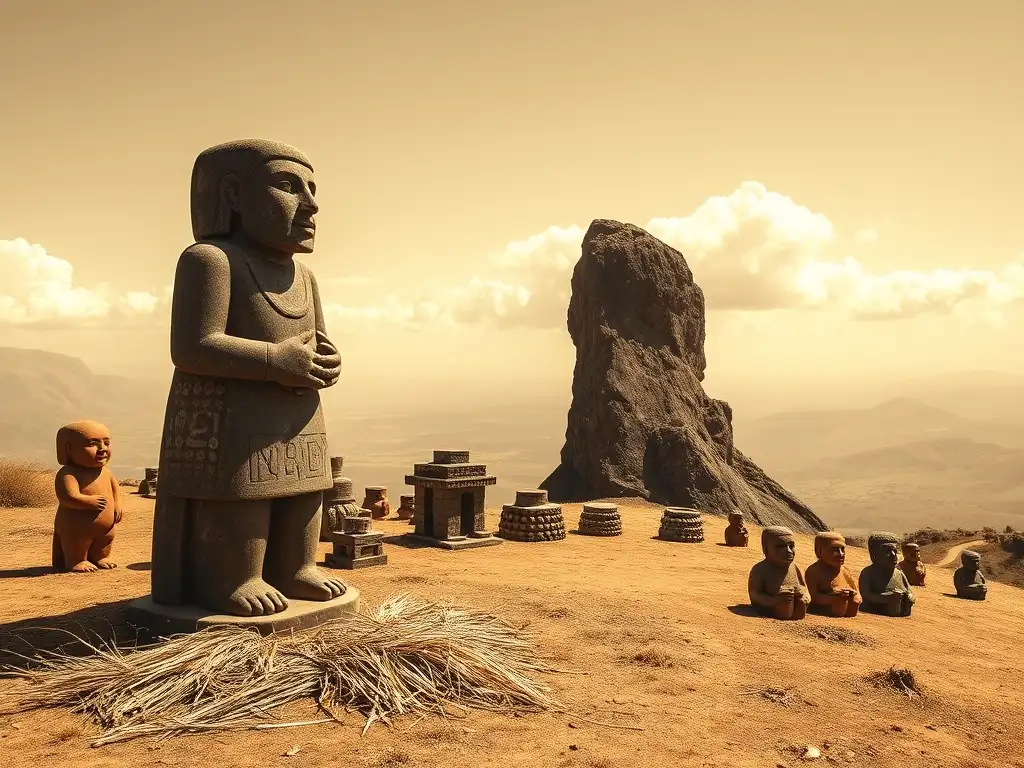
The Andean concept of the huaca encompasses a broad spectrum of sacred entities, imbued with ancestral power and spiritual significance. Understanding the diverse forms these huacas took is crucial to grasping the Andean worldview and their complex relationship with the past. The term "Andean Huaca meaning and significance" highlights the multifaceted nature of these sacred objects, places, and beings, extending beyond simple religious artifacts.
They represent a vital connection to the ancestors and the cosmological order. This section explores the typology of huacas, categorizing them into three primary groups: natural formations venerated for their inherent power, man-made structures built to channel and contain this power, and portable objects embodying ancestral potency.
Natural Huacas: Mountains, Rivers, and Sacred Landscapes
Natural huacas were considered inherently sacred, possessing a spiritual potency derived from their very existence. These weren't simply aesthetically pleasing features of the landscape; they were active participants in the Andean cosmos, often embodying specific deities or ancestral spirits. Mountains, in particular, held immense significance. Their towering presence, their connection to the heavens, and their perceived permanence made them ideal manifestations of divine power. For example, the imposing peaks of the Andes themselves were frequently considered huacas, with specific mountains holding unique associations with different deities or ancestral lineages.
The flow of water, represented by rivers and springs, was another crucial element. Rivers were seen as life-giving forces, carrying the essential energy needed for agriculture and sustaining human life. Their constant movement symbolized the cyclical nature of life and death, further contributing to their sacred status. Specific springs or waterfalls, often located in remote or inaccessible locations, were revered as particularly powerful huacas, frequently associated with fertility and healing.
Beyond mountains and rivers, entire landscapes could be considered sacred. Certain valleys, caves, or groves of trees held particular spiritual importance, often linked to specific myths or ancestral events. These locations served as sites for pilgrimage, ritual offerings, and communication with the spirit world. The unique geological features of these landscapes, such as unusual rock formations or peculiar vegetation, further enhanced their sacred character. The geographical distribution of these natural huacas often reflected the specific beliefs and practices of different Andean cultures, demonstrating the remarkable diversity within the Andean worldview.
Man-Made Huacas: Temples, Cairns, and Burial Sites
While natural huacas held inherent sanctity, man-made huacas were constructed to channel and focus this spiritual energy. These structures served as tangible manifestations of Andean beliefs, acting as focal points for ritual activity and communication with the spirit world. Temples, often built on elevated platforms or incorporated into natural features, provided a space for the performance of ceremonies and the veneration of deities and ancestors. Their elaborate architecture and intricate designs reflected the importance placed upon these sacred spaces.
Cairns, piles of stones carefully arranged, represented another important type of man-made huaca. These structures were often erected on mountain peaks or other significant locations, symbolizing the accumulation of spiritual power. They served as markers of sacred space, and the act of adding a stone to a cairn was itself a ritual gesture, contributing to the accumulation of spiritual energy.
Burial sites, including elaborate tombs and simple graves, also functioned as huacas. The deceased were not simply buried; they were incorporated into the sacred landscape, their spirits continuing to interact with the living. The careful preparation of the deceased, the inclusion of grave goods, and the construction of elaborate tombs all underscore the importance of ancestor veneration within the Andean worldview. The continued maintenance and ritual attention paid to these burial sites highlight their ongoing significance as huacas.
Portable Huacas: Objects of Power and Ritual Significance
Portable huacas encompass a wide range of objects imbued with spiritual power and used in rituals. These objects served as intermediaries between the human and spiritual worlds, allowing for communication with deities and ancestors. They could be made from various materials, including precious metals, stones, ceramics, and textiles, and their form and decoration often reflected their specific purpose and the spiritual power they embodied.
Elaborately crafted figurines, often depicting deities or ancestral figures, served as powerful huacas. These objects were not merely decorative; they were believed to contain the essence of the being they represented. Their use in rituals allowed for direct interaction with the spiritual world. Similarly, intricately woven textiles, adorned with symbolic designs, held significant spiritual meaning, often used in ceremonies or as offerings to the deities.
Ceremonial vessels, used in rituals involving offerings of food and drink, also functioned as huacas. Their form and decoration often reflected their specific purpose, and their use in rituals helped to channel the spiritual energy necessary for connecting with the supernatural realm. The materials used in their creation, often including precious metals or rare stones, further enhanced their sacred status.
The diverse range of portable huacas found across the Andes demonstrates the remarkable creativity and spiritual sophistication of these ancient cultures. The careful craftsmanship and symbolic richness of these objects highlight their enduring significance as powerful links to the Andean past.
The Significance of Huacas in Incan Culture
The Inca Empire, sprawling across the Andes Mountains, integrated the concept of huacas deeply into its religious and political structures. Unlike some earlier Andean cultures that might focus on a single powerful huaca, the Inca incorporated a vast pantheon of sacred sites and objects into their worldview. These huacas weren't merely venerated; they were integral to the empire's legitimacy and power. The Inca considered their emperors to be descendants of the sun god, Inti, and many huacas were linked to this lineage, reinforcing the divine right to rule.
Control over important huacas often solidified political alliances and territorial claims. The Inca state actively managed and maintained these sacred sites, investing considerable resources in their upkeep and ceremonial activities. This included elaborate rituals, offerings, and the construction of impressive structures around or incorporating the huacas themselves.
The Inca understanding of huacas extended beyond physical locations. Certain animals, plants, and even natural phenomena were also considered huacas, demonstrating a holistic approach to the sacred. This broad definition allowed the Inca to seamlessly integrate the existing religious beliefs of conquered populations into their own system.
By acknowledging and incorporating local huacas into the imperial framework, the Inca fostered a sense of unity and legitimacy, minimizing resistance and facilitating the smooth administration of their vast empire. The Inca's sophisticated system of huacas wasn't simply a matter of religious practice; it was a powerful tool for political control and social cohesion, highlighting the multifaceted role of the sacred in their society. The careful management and veneration of these huacas underscores the Inca's profound understanding of the power of ancestral spirits and their influence on the living world.
This intricate relationship between the living and the dead is a key element in understanding the Andean concept of huacas and their enduring significance. The legacy of Inca huacas continues to resonate today, offering valuable insights into the complexity of their civilization and its sophisticated religious and political systems. Further research into specific Inca huacas and their associated rituals could reveal even more about the nuanced ways in which the Inca integrated these sacred objects into their daily lives and governance.
The Role of Huacas in Andean Cosmology
The Andean concept of the huaca is central to understanding the cosmology and worldview of pre-Columbian Andean civilizations. It transcends a simple definition of "sacred object" encompassing a complex interplay of ancestral power, spiritual energy, and the very fabric of the Andean landscape. Understanding the huaca is key to deciphering the intricate relationship between the living and the dead, the human and the divine, in the Andean world. This section explores the multifaceted role of huacas within the broader Andean cosmological framework, examining their significance in ritual, belief systems, and daily life.
The term itself, "huaca," encompasses a wide range of entities, from natural features like mountains and springs to crafted objects such as ceramics and textiles. This inherent diversity reflects the pervasive nature of sacredness within the Andean worldview. The huacas, in essence, were not merely objects of veneration but active participants in the ongoing cosmic drama.
Huacas as Connection Points to the Spiritual Realm
The huacas served as crucial connection points between the human world and the spiritual realm. They were considered inhabited by powerful spirits, ahuano or wak'a, capable of influencing the lives of the living. This influence wasn't limited to benevolent actions; huacas could be capricious, dispensing both blessings and curses depending on their appeasement. Therefore, maintaining a respectful and reciprocal relationship with the huacas was paramount.
This involved offerings, prayers, and elaborate rituals designed to maintain the balance of power and ensure the continued flow of pachakamaq, the cosmic energy sustaining life. The location of a huaca often dictated its specific power. A mountain huaca, for example, might be associated with weather patterns, while a spring huaca might be linked to fertility and water sources.
The specific powers attributed to each huaca were often passed down through generations, forming a complex network of localized beliefs and practices. Archaeological evidence, such as offerings found at huaca sites, provides tangible proof of these beliefs and rituals. These offerings, ranging from food and drink to precious metals and textiles, demonstrate the significant investment made by Andean communities in maintaining their relationship with the huacas.
Huacas and the Concept of Living Energy (Kamaqen)
The Andean concept of kamaqen, or life force, is deeply intertwined with the significance of huacas. Huacas were not merely passive objects; they were considered to possess and radiate kamaqen, a vital energy that permeated the entire cosmos. This energy was believed to be the source of life, growth, and fertility.
The act of venerating a huaca was, therefore, an act of engaging with and harnessing this powerful life force. The closer a community lived to a powerful huaca, the more directly they benefited from its kamaqen. This is evident in the strategic placement of settlements near important huacas, suggesting a deliberate attempt to draw upon the life-giving energy of these sacred sites.
Furthermore, the construction and maintenance of huacas themselves were seen as ways to enhance and direct the flow of kamaqen, creating a dynamic relationship between the human and supernatural worlds. The meticulous craftsmanship evident in many Andean artifacts, particularly those associated with huacas, reflects the importance placed on channeling and amplifying this vital energy.
Huacas and Their Importance in Ritual and Ceremony
Ritual and ceremony formed the cornerstone of the relationship between Andean communities and their huacas. These rituals were not simply acts of worship; they were essential mechanisms for maintaining the cosmic balance and ensuring the well-being of the community. The types of rituals varied depending on the specific huaca and the needs of the community.
Some rituals involved offerings of food, drink, and other valuable goods, while others involved elaborate processions, dances, and symbolic enactments. The participation of the entire community in these rituals reinforced the collective bond with the huaca and reaffirmed the community's shared identity. Evidence of these rituals is abundant in the archaeological record, with numerous sites revealing evidence of ritual activity, including sacrificial offerings, ceremonial structures, and elaborate burial practices associated with huacas.
The scale and complexity of these rituals underscore the profound importance placed on maintaining a harmonious relationship with the huacas and the sacred power they embodied. For example, the elaborate ceremonies surrounding the huacas of the Moche civilization demonstrate a sophisticated understanding of ritual practice and its significance in Andean cosmology. The intricate details of these rituals, often depicted in their art, showcase the deep connection between the huacas and the everyday lives of the Andean people, highlighting their enduring significance in shaping their worldview.
The Relationship Between Huacas and Ancestor Veneration
The Andean concept of the huaca is deeply intertwined with ancestor veneration, a cornerstone of Andean cosmology. Huacas weren't simply inanimate objects; they were imbued with camac, a vital force connecting the living and the dead. This camac was believed to reside within the huaca, often manifesting as a powerful spiritual presence associated with deceased ancestors. The veneration of huacas, therefore, was intrinsically linked to honoring and maintaining a relationship with one's ancestors.
Many huacas were deliberately chosen or created as places where ancestors were believed to reside or manifest. These sites often held significance due to prior events, such as burials, significant battles, or natural phenomena perceived as divinely ordained. The continued offerings and rituals at these sites reinforced the connection between the living and their ancestors, ensuring the continued flow of camac and maintaining the well-being of the community.
This wasn't a passive reverence; it was an active engagement, a continual dialogue with the ancestral realm. The offerings—be it food, drink, textiles, or precious objects—were not merely symbolic gestures; they were seen as sustaining the ancestors and, in turn, receiving their blessings and protection.
The power of a huaca was often directly proportional to its perceived connection to powerful ancestors. A huaca associated with a revered founder or a powerful leader held greater significance and commanded more respect and attention. The lineage and history connected to a particular huaca informed its importance within a community, shaping the rituals and practices surrounding its veneration.
This dynamic relationship between ancestral power and the huaca underscores the crucial role of ancestor veneration in Andean society and its profound influence on their worldview. The preservation of huacas wasn't just about maintaining physical structures; it was about upholding the vital connection to the ancestors and the ongoing flow of camac that sustained their world. This demonstrates the holistic and deeply integrated nature of Andean spirituality, where the physical and spiritual realms were inextricably linked.
The Power and Influence of Huacas
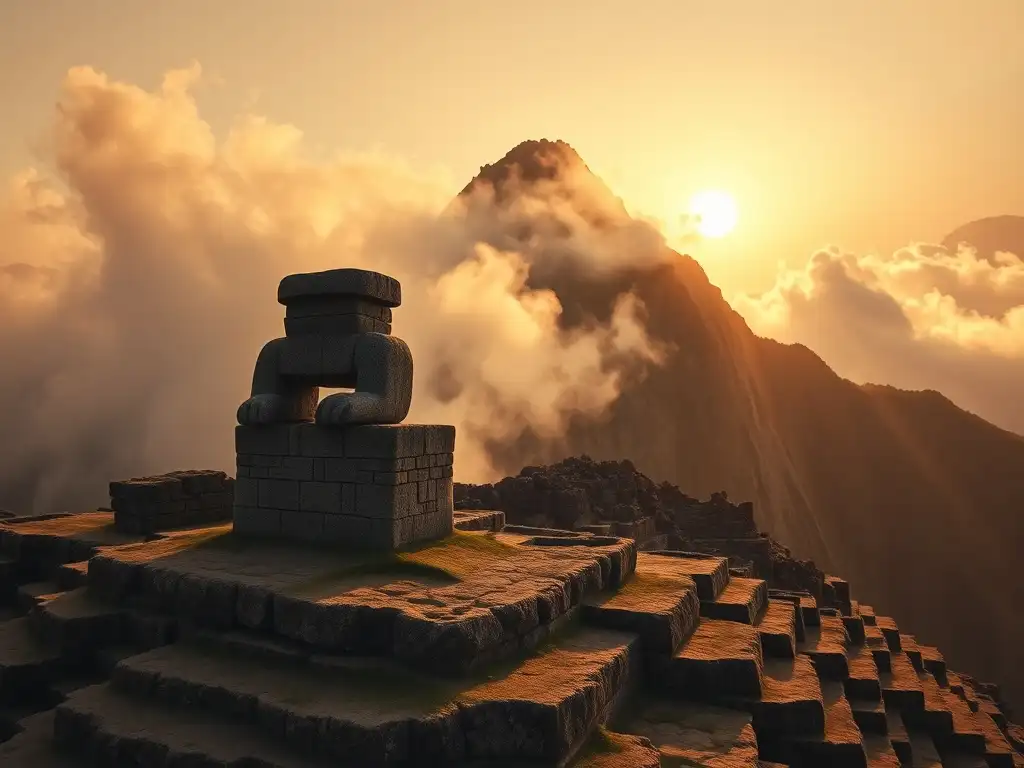
The Andean concept of the huaca represents far more than simply a sacred object; it embodies a potent force connecting the living with the ancestral world. The term encompasses a vast array of entities, from natural features like mountains and springs to meticulously crafted artifacts and even specific individuals deemed to possess exceptional spiritual power. Understanding the huaca is crucial to grasping the Andean worldview, where the boundaries between the physical and spiritual realms were fluid and interconnected.
The Andean Huaca meaning and significance lay in its ability to channel camac, a vital life force, and influence the destinies of individuals and communities. This pervasive influence shaped daily life, ritual practices, and the very structure of Andean society.
The power attributed to huacas wasn't static; it fluctuated based on offerings, ritual observance, and the perceived favor of the ancestral spirits they represented. This dynamic relationship underscored the ongoing negotiation between the living and the dead, a constant dialogue shaping Andean existence.
Huacas as Sources of Protection and Blessing
Huacas were not merely revered; they were actively sought out for their protective and beneficial powers. Communities often built their settlements near significant huacas, believing proximity ensured their safety and prosperity. Farmers might offer sacrifices at a huaca associated with fertility to ensure a bountiful harvest.
Similarly, travelers might seek the protection of a huaca before embarking on a dangerous journey. The specific benefits attributed to a huaca varied depending on its nature and associated deities or ancestors. For example, a huaca represented by a mountain might offer protection from natural disasters, while a huaca embodied in a spring could provide healing properties.
These beliefs weren't abstract; they were deeply ingrained in daily routines, shaping agricultural practices, trade routes, and even the layout of settlements. Evidence of this is found in the meticulous placement of settlements near significant geographical features believed to be imbued with spiritual power. The continued presence of offerings and the preservation of sacred sites across various Andean cultures underscores the enduring importance of huacas as sources of protection and blessing.
Huacas as Sites of Prophecy and Divination
Beyond protection and blessing, huacas also served as crucial conduits for communication with the spirit world. They were considered sites of prophecy and divination, where shamans and other religious specialists could access knowledge about the future or seek guidance from ancestral spirits. Rituals involving the manipulation of huacas, such as interpreting the patterns of spilled chicha (a fermented maize beverage) or interpreting the flight of birds near a sacred site, were common practices.
The interpretation of these signs was crucial for decision-making in all aspects of life, from warfare and political alliances to agricultural planning and personal matters. The authority of individuals claiming to communicate with huacas was significant, often influencing political decisions and social structures. Specific huacas were reputed to be particularly powerful in divination, attracting pilgrims and specialists from far and wide seeking their wisdom.
The enduring legacy of these practices is evident in the continued reverence for certain sites and the persistence of divinatory traditions in some Andean communities today. Detailed accounts of such rituals, though scarce in some cases, highlight the vital role played by huacas in the Andean understanding of fate and fortune.
The significance of huacas extended beyond individual concerns; they played a critical role in maintaining social order and legitimacy within Andean societies. Rulers often associated themselves with powerful huacas, using their perceived connection to the spiritual world to bolster their authority. Control over important huacas could translate to political dominance, as evidenced by the Inca practice of integrating conquered territories' sacred sites into their own imperial system.
The Inca, for instance, often incorporated conquered huacas into their own religious and political structures, thereby solidifying their control and integrating the subjugated populations. Temples and other structures dedicated to huacas served as important centers of community life, reinforcing social cohesion and shared beliefs. The elaborate ceremonies and rituals performed at these sites served as powerful displays of communal identity and reinforced the social hierarchy.
The meticulous construction and preservation of huacas underscore their fundamental role in the social fabric of Andean societies. The meticulous records of Inca administration, while not explicitly focused on huacas in all cases, nonetheless reveal their crucial role in the functioning of the empire. The decay of many huacas post-conquest, and the struggle to preserve them today, speaks volumes about their enduring significance in Andean cultural identity.
The Impact of Huacas on Daily Life in the Andes
The Andean concept of the huaca extended far beyond mere religious reverence; it deeply permeated the daily lives of Andean communities. These sacred objects, places, or beings weren't simply venerated on special occasions; they were integral to the rhythms of daily existence, influencing decisions large and small. Farmers, before planting their crops, would perform rituals at nearby huacas, seeking blessings for a bountiful harvest.
The success of a harvest was often directly attributed to the favor of the huaca, and offerings of coca leaves, chicha (fermented corn beer), and other goods were regularly made to maintain this favorable relationship. This wasn't superstition; it was a deeply ingrained belief system that structured their agricultural practices and provided a framework for understanding the natural world.
Furthermore, the location of settlements and the construction of infrastructure were often guided by the presence and perceived influence of huacas. Villages were frequently built near significant huacas, reflecting their central role in community life. Even the orientation of houses and fields could be influenced by the perceived energy or power emanating from a nearby sacred site.
This intimate connection between the physical landscape and the spiritual realm highlights the pervasive influence of huacas on the daily lives of Andean peoples. The huacas weren't separate from daily life; they were woven into the very fabric of existence, providing a sense of continuity, protection, and guidance.
The impact also extended to social structures and political power. Control over important huacas often translated into political and social influence. Elites frequently claimed a special connection to powerful huacas, using this connection to legitimize their authority and maintain social order.
The construction and maintenance of huacas also provided employment and fostered communal cooperation, strengthening social bonds within the community. This highlights the multifaceted role of huacas not just as religious symbols, but also as crucial elements in the social, economic, and political organization of Andean societies. The daily lives of the Andean people were profoundly shaped by their understanding and interaction with the sacred power of the huacas.
The Enduring Legacy of the Huaca Concept
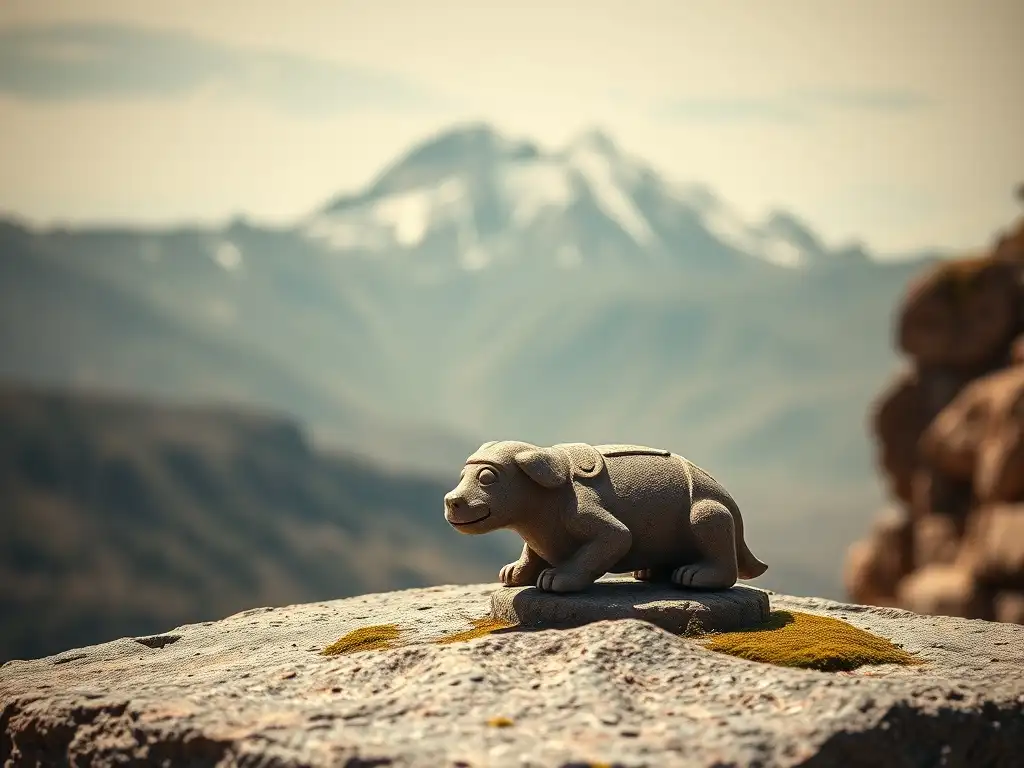
The concept of the huaca, a sacred object or place imbued with ancestral power, remains a profoundly influential aspect of Andean cultures, extending far beyond the pre-Columbian era. Understanding the enduring legacy of the huaca requires acknowledging its persistent presence in contemporary Andean societies. While the specific rituals and expressions of reverence may have evolved, the fundamental belief in the potent spiritual force residing within huacas continues to shape daily life and worldview for many communities.
This enduring power isn't merely historical; it's a living, breathing element of Andean identity. The Andean Huaca meaning and significance transcends time, connecting past generations to the present.
Huacas and Their Continued Importance in Contemporary Andean Cultures
Even today, many Andean communities maintain active connections with their huacas. These sacred sites, ranging from ancient ruins and mountain peaks to natural springs and specific rocks, are not merely historical landmarks; they are vibrant centers of spiritual life. Pilgrimages to huacas are common, often involving offerings of coca leaves, alcohol, or other items deemed to please the spirits inhabiting these locations. These offerings are not simply gestures of respect, but are believed to maintain a reciprocal relationship, ensuring continued protection and prosperity for the community.
The vibrant ceremonies, prayers, and rituals surrounding these huacas demonstrate the ongoing significance of the concept within contemporary Andean life. For example, in the Peruvian Andes, the annual celebration of Corpus Christi often incorporates visits to local huacas, blending indigenous traditions with Catholic practices, highlighting the enduring power of huaca veneration. This syncretism demonstrates the adaptability and resilience of the huaca concept.
The Conservation and Protection of Huacas as Cultural Heritage
The preservation of huacas is crucial for safeguarding not only archaeological sites but also the intangible cultural heritage of Andean peoples. Recognizing the Andean Huaca meaning and significance requires active efforts to protect these sites from looting, damage, and encroachment. Governments and organizations are increasingly involved in conservation projects, working with local communities to develop sustainable strategies that balance tourism with the preservation of sacred spaces.
This collaborative approach is essential, as local communities often hold invaluable traditional knowledge about the proper care and respect needed for these sites. The challenge lies in finding a balance between making huacas accessible for research and tourism while maintaining their sacredness and preventing exploitation.
Moreover, the protection of huacas is not merely a matter of preserving physical structures; it’s about preserving the living traditions and spiritual beliefs associated with them. This requires a sensitive and respectful approach that values the perspectives and knowledge of indigenous communities.
The Ongoing Research and Study of Huacas
Academic research on huacas continues to expand our understanding of Andean cosmology and worldview. Archaeologists, anthropologists, and other scholars are actively engaged in excavating sites, analyzing artifacts, and documenting traditional practices related to huacas. This research helps to illuminate the complex social, political, and religious roles huacas played in ancient Andean societies and how their significance has evolved over time.
Furthermore, the study of huacas is not limited to the past; ongoing ethnographic research helps to document contemporary practices and beliefs, providing crucial insights into the dynamic nature of the huaca concept. This interdisciplinary approach, incorporating both archaeological and ethnographic methods, is vital for a complete understanding of the Andean Huaca meaning and significance. The data collected helps to inform conservation efforts and promotes a more nuanced and respectful appreciation of Andean cultural heritage.
The ongoing research ensures that the rich history and enduring legacy of huacas continue to be understood and valued. The ongoing study of huacas is a testament to the enduring fascination with these sacred places and the wealth of knowledge they hold about Andean civilizations.
Huaca as a window to understanding Andean spiritual beliefs
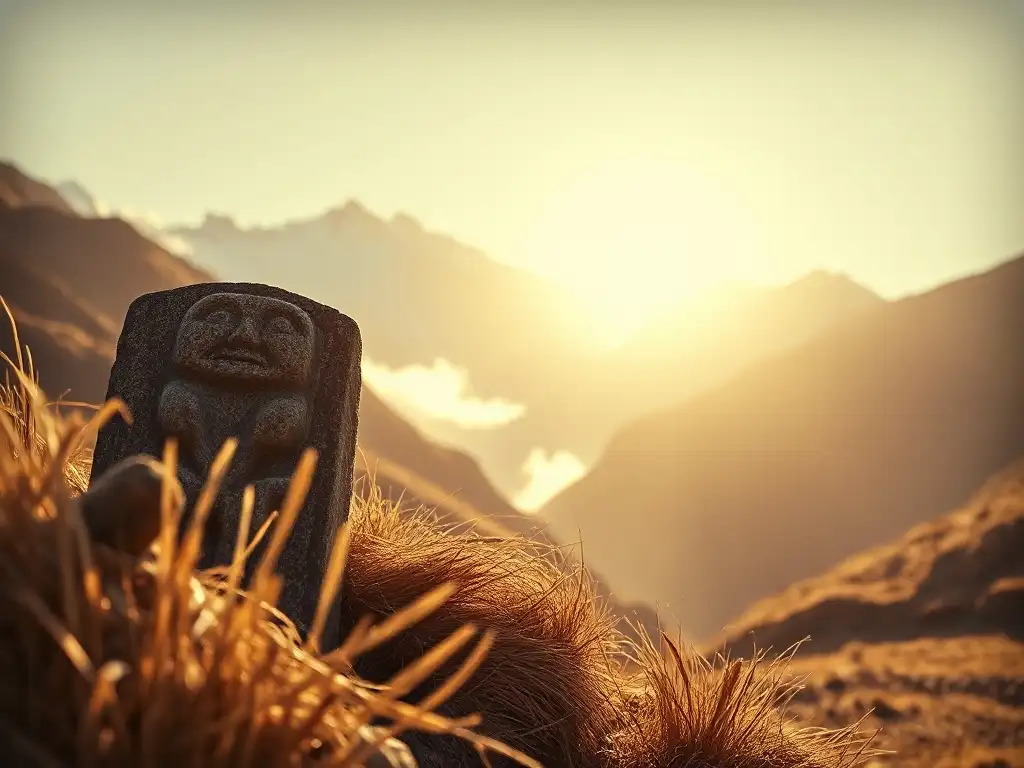
The concept of the huaca offers a profound insight into the Andean worldview, revealing a complex and nuanced spiritual system deeply intertwined with the natural world and ancestor veneration. Understanding the huaca is not simply understanding a specific object or site; it's understanding the very fabric of Andean cosmology. These sacred objects, places, and even beings weren't merely revered; they were considered active participants in the ongoing relationship between the living and the spiritual realm.
The huacas acted as intermediaries, conduits of power connecting the human world with the supernatural. Their veneration wasn't a passive act of worship but a dynamic engagement, a constant negotiation and exchange of energy and favor. Rituals performed at huacas weren't just symbolic; they were believed to directly influence the well-being of the community, ensuring successful harvests, protecting against disease, and maintaining social harmony.
The enduring legacy of the huaca lies precisely in its ability to illuminate this intricate spiritual tapestry, revealing a worldview that profoundly differed from Western perspectives, yet possessed a remarkable internal coherence and logic. Studying huacas allows us to appreciate the depth and complexity of Andean spiritual beliefs, moving beyond simplistic interpretations and towards a richer, more nuanced understanding.
The huaca wasn't merely a religious symbol; it played a crucial role in shaping Andean social structures. Control over significant huacas often conferred political and social power, solidifying the authority of elites and reinforcing social hierarchies. Temples and shrines built around huacas served as focal points for community gatherings, reinforcing social bonds and collective identity.
The rituals associated with huacas often involved communal participation, underscoring the importance of shared beliefs and practices in maintaining social cohesion. For example, the elaborate ceremonies surrounding the huacas of the Inca Empire reinforced the emperor's divine authority and the hierarchical structure of the state. The Inca's control over major huacas allowed them to exert significant influence over their vast empire, demonstrating the power of these sacred sites as instruments of political and social control.
Even in smaller, pre-Inca societies, the possession and control of huacas likely played a significant role in determining social standing and political influence within the community. Thus, the study of huacas provides valuable insights into the intricate interplay between religious beliefs, political power, and social organization in ancient Andean societies. The huaca's influence extended beyond the purely spiritual realm, impacting the very fabric of Andean society.
The enduring influence of the Huaca concept in contemporary Andean cultures
The significance of huacas extends far beyond the pre-Columbian era. Their influence continues to resonate in contemporary Andean cultures, demonstrating the enduring power of these sacred sites and the beliefs they represent. In many Andean communities, huacas remain important focal points for religious practices and celebrations, demonstrating the continuity of ancient traditions.
While the specifics of ritual practices may have evolved over time, the fundamental respect and reverence for huacas persists. Many contemporary Andean communities continue to utilize the huacas for various purposes, such as seeking blessings, protection, or guidance. This enduring connection to the past highlights the resilience of Andean cultural heritage and the enduring spiritual significance of the huaca concept.
The continued veneration of huacas serves as a testament to the deep-rooted spiritual beliefs that have shaped Andean societies for millennia. Understanding the contemporary expressions of huaca veneration allows us to appreciate the dynamic relationship between ancient traditions and modern practices, revealing a rich tapestry of cultural continuity and adaptation. The ongoing relevance of the huaca underscores its lasting impact on the Andean identity and worldview.
Exploring the Sacred: A Deeper Dive into Huaca
This section delves into the multifaceted meaning and significance of the huaca within the Andean worldview, exploring its connection to ancestral veneration and the broader cosmological framework. Understanding the huaca is key to unlocking a deeper understanding of Andean beliefs about death and the enduring power of the past. The term itself, often translated as "sacred object," encompasses a wide range of entities, from natural formations like mountains and springs to meticulously crafted artifacts and ceremonial sites.
The common thread is their perceived connection to the supernatural, their embodiment of huaca energy, and their role in maintaining the delicate balance of the Andean cosmos. This inherent power, imbued through ancestral lineage and ritual practice, made huacas central to Andean life.
The Huaca and its Connection to the Pachamama
The concept of the huaca is intrinsically linked to the Pachamama, the Andean earth mother goddess. The Pachamama is not merely the earth; she is a living, breathing entity, a powerful force that sustains life and governs the cycles of nature. Many huacas are considered manifestations of the Pachamama herself, or at least powerful conduits through which her energy flows.
Mountains, for instance, are often considered sacred huacas, embodying the Pachamama's strength and fertility. Springs and rivers, sources of life-giving water, also hold significant huaca status, representing the Pachamama's nurturing aspect. The reverence shown to these natural huacas reflects the deep respect Andean cultures held for the natural world and its inherent sacredness.
The cyclical nature of life and death, inherent in the Pachamama, is directly reflected in the veneration of huacas and the belief in the ongoing influence of ancestors. This connection is not static; it’s a dynamic interplay between the living and the dead, the present and the past, constantly reinforced through rituals and offerings. The offerings themselves, often food, drink, or coca leaves, serve to appease and maintain a positive relationship with these powerful entities, ensuring the continued prosperity and well-being of the community.
The Symbolism of Huacas in Andean Art and Iconography
Andean art provides rich visual evidence of the significance of huacas. Depictions of huacas in pottery, textiles, and metalwork frequently feature stylized representations of mountains, animals, and other natural elements, imbued with symbolic meaning. For example, the condor, a powerful bird of prey often associated with the Andes, frequently appears in huaca-related imagery, symbolizing power, strength, and connection to the upper world.
Similarly, snakes, associated with fertility and the underworld, are also frequently depicted, reflecting the Andean understanding of the interconnectedness of the cosmos. The style and iconography used to represent huacas varied across different Andean cultures and time periods, reflecting regional variations in belief systems and artistic traditions. However, the underlying theme of reverence for the sacred and the enduring power of ancestral spirits remains consistent throughout.
Analyzing the intricate details of Andean art provides invaluable insights into the diverse ways in which huacas were conceptualized and venerated. The complexity of the symbolism underscores the deep spiritual significance attributed to these objects and places. Further research into specific iconographic elements could reveal even more subtle nuances in the Andean understanding of huaca power.
Case Studies of Significant Huacas: The Huaca del Sol
The Huaca del Sol, located in the Moche Valley of Peru, stands as a powerful example of a monumental huaca. This massive adobe pyramid, constructed by the Moche civilization, served as a significant religious and ceremonial center. Its immense size and elaborate construction demonstrate the immense importance placed upon the huaca and the resources invested in its creation.
The Huaca del Sol wasn't simply a building; it was a living entity, imbued with spiritual power and connected to the ancestors. Excavations have revealed evidence of elaborate rituals, including human sacrifices and offerings of valuable goods, which underscore the profound reverence with which the Moche people treated this huaca. The Huaca del Sol's significance extends beyond its physical presence; it represents a tangible manifestation of Moche cosmology and their belief in the power of the ancestors.
The scale of the structure itself speaks volumes about the Moche's devotion to their religious beliefs and the importance of maintaining a connection with the sacred. Further research on the Huaca del Sol, and other similar structures, is crucial to fully understand the role of huacas in the daily lives and spiritual beliefs of the Moche people, and the broader Andean world. The detailed analysis of its architecture, the artifacts found within, and the evidence of ritual activity, all contribute to a more complete understanding of the huaca as a central element in Andean society.
The Future of Huaca Studies and Preservation
The study and preservation of huacas face numerous challenges and opportunities in the 21st century. Ongoing archaeological research continues to uncover new huacas, revealing further nuances in Andean cosmology and societal structures. Sophisticated techniques like LiDAR and ground-penetrating radar are allowing researchers to map and explore sites with minimal disruption, preserving fragile structures for future generations. This non-invasive approach is crucial, especially given the delicate nature of many huacas and the pervasive effects of looting and environmental degradation. The use of advanced imaging techniques also allows for detailed analysis of artifacts and architectural elements, providing new insights into the construction techniques, symbolic meanings, and ritual practices associated with these sacred sites. For example, recent studies utilizing 3D modeling have allowed for a more complete understanding of the intricate designs found on the ceramics associated with specific huacas, shedding light on the social hierarchy and power dynamics present in Andean societies.
However, the preservation of huacas is an ongoing struggle. Climate change poses a significant threat, causing increased erosion, landslides, and other forms of environmental damage. The rising tourist trade, while providing economic opportunities for local communities, also presents a risk of over-visitation and accidental damage to these fragile sites. Furthermore, the issue of looting and illegal artifact trafficking remains a persistent problem, necessitating stronger legal protections and international cooperation.
Developing sustainable tourism practices that prioritize the protection of huacas while providing economic benefits to local communities is crucial for long-term preservation. This requires careful planning, community engagement, and responsible management of visitor access. Effective educational initiatives are also vital, fostering an understanding and appreciation of Andean heritage among both local and international populations. This awareness campaign must promote the importance of these sites as irreplaceable sources of cultural and historical knowledge.
The future of huaca studies and preservation hinges on a multi-faceted approach. This involves collaboration between archaeologists, anthropologists, local communities, government agencies, and international organizations. The sharing of knowledge and resources is essential for effective conservation efforts.
Moreover, incorporating indigenous knowledge and perspectives into research and preservation strategies is paramount, ensuring that the study and protection of huacas are conducted with cultural sensitivity and respect for ancestral traditions. Only through a combined effort that prioritizes both scientific rigor and cultural respect can we ensure that the legacy of Andean huacas is preserved for future generations to appreciate and learn from. This collaborative, holistic approach will be crucial in ensuring the ongoing study and preservation of these significant sites, safeguarding their cultural and historical value for years to come.
Frequently Asked Questions
What is a Huaca in Andean culture?
A Huaca is a sacred object or place in Andean cultures. It can be a natural feature like a mountain or spring, or a man-made object like a building or artifact. Huacas were believed to possess spiritual power and were venerated by the people.
Why were Huacas considered important?
Huacas were considered important because they were believed to be inhabited by spirits or to have a direct connection to the ancestral world. They were vital for maintaining cosmic balance and societal well-being.
Were all Huacas treated equally?
No, Huacas varied in their importance and power. Some were revered locally, while others held regional or even pan-Andean significance. Their importance often depended on their perceived connection to ancestral power.
How were Huacas worshipped or honored?
Huacas were honored through various rituals, offerings, and sacrifices. These practices aimed to maintain a positive relationship with the spirits inhabiting the Huaca and to secure blessings for the community.
What is the connection between Huacas and the Inca Empire?
The Inca integrated existing Huacas into their own religious and political system. They built new structures around or near pre-existing Huacas, demonstrating the enduring importance of these sacred places throughout Andean history.
Final Reflection: Echoes of the Huaca in a Modern World
The enduring power of the huaca transcends time, reminding us of the profound connection between humanity and the natural world. While the Inca Empire may have fallen centuries ago, the spiritual significance of these sacred objects and places continues to resonate deeply within Andean communities and offers valuable insights into our own relationship with the environment and our heritage. The reverence for ancestral power, embodied in the huaca, challenges our modern, often fragmented, understanding of spirituality and the interconnectedness of all things.
The influence of the huaca on Andean culture is undeniable, shaping not only religious practices but also social structures, artistic expression, and even agricultural techniques. The concept persists, subtly woven into the fabric of daily life, a testament to its enduring power. The mountains are not just mountains; they are living beings, filled with spirits and power,
a Quechua elder once told me, encapsulating the profound respect and awe that still surrounds these sacred entities. This respect for the past, for the land, and for the unseen forces that shape our lives, is a lesson we can all learn from.
Consider the implications of this ancient wisdom in your own life. How can we cultivate a deeper appreciation for the natural world and the rich history that surrounds us? How can we foster a more respectful and sustainable relationship with our environment, recognizing the interconnectedness of all living things, just as the Andean people have done for millennia? Let the enduring legacy of the huaca inspire you to find your own connection to the sacred, to the land, and to the power of ancestral wisdom.
Unveil the Sacred Power of Huacas Today!
Thank you for joining us on this journey through the rich tapestry of Andean heritage! Exploring the concept of huacas provides profound insight into the connection between ancestral power and sacred objects. Now, let's put that understanding into practice!
Here are a few ways to deepen your connection with Andean culture and its spiritual significance:
- Visit a local museum or cultural center showcasing Andean artifacts. This firsthand experience will bring the huacas and their historical context to life.
- Share your newfound knowledge with friends, family, or on social media—spark conversations about the importance of preserving cultural heritage!
- Engage with our community: Join forums or online groups dedicated to Andean civilizations to learn from and share experiences with fellow enthusiasts.
How has learning about huacas changed your perspective on cultural heritage? Share your thoughts in the comments below!