
The Roots of Andean Identity: Exploring the Cultural Heritage of the First Settlers

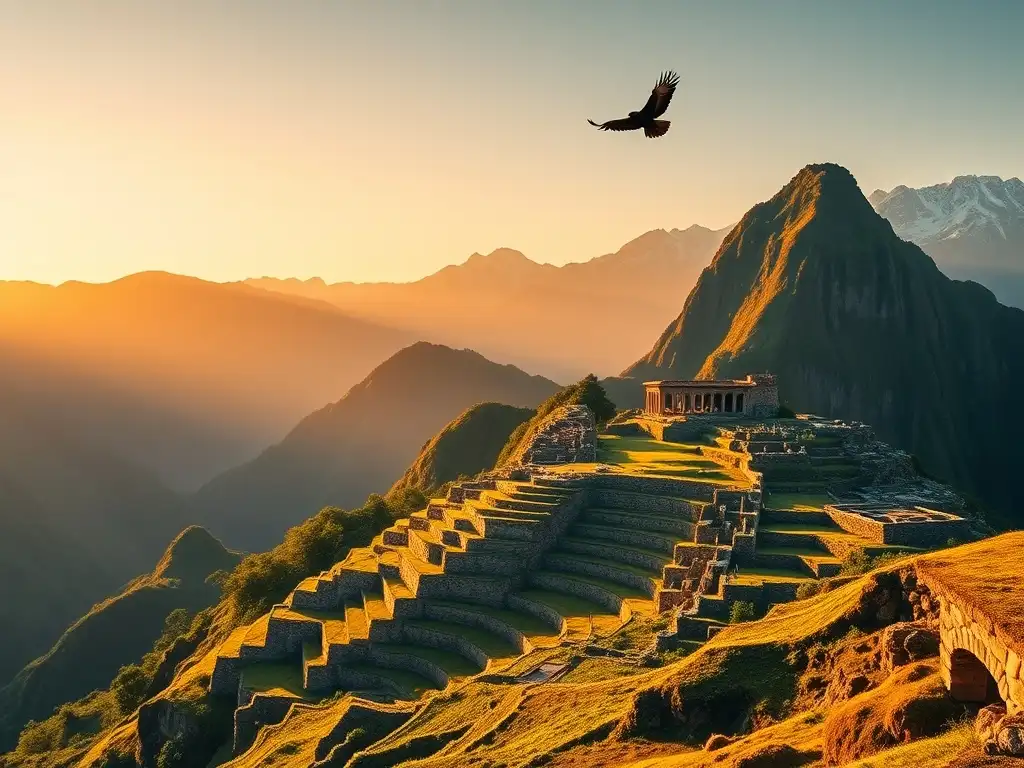
Uncover the mysteries woven into the very fabric of the Andes! Journey back in time to explore the breathtaking Andean civilizations cultural heritage, a legacy far richer and more complex than you can imagine. From the towering heights of Machu Picchu to the enigmatic Nazca Lines, discover the astonishing achievements of the Incas, Moche, and other remarkable cultures that shaped this extraordinary region. Prepare to be amazed as we delve into the captivating story of their ingenuity, resilience, and enduring influence – a story that continues to resonate today. Are you ready to unravel the secrets of their past?
The Andes Mountains, a spine of towering peaks stretching along the western coast of South America, have witnessed millennia of human history. This majestic landscape served as both a challenge and a cradle for the development of remarkable civilizations, whose cultural heritage continues to resonate today. This article delves into the origins of Andean identity, exploring the fascinating journey of the first settlers and the foundations they laid for the impressive empires that would follow.
We will examine the genesis of Andean civilizations, charting the early human occupation and focusing specifically on the Preceramic period, a crucial era that laid the groundwork for the rich tapestry of Andean culture. Understanding this foundational period is key to appreciating the complex legacy of the Incas, Moche, Nazca, and Tiahuanaco, and countless other Andean societies.
We will uncover the ingenuity and resilience of these early inhabitants, revealing how they adapted to the harsh environment and created vibrant societies that left an indelible mark on history. This exploration of Andean civilizations' cultural heritage will highlight their remarkable achievements in agriculture, architecture, and social organization, paving the way for a deeper understanding of the Andean world.
Understanding the Genesis of Andean Civilizations
The development of Andean civilizations wasn't a sudden event but a gradual process spanning thousands of years. Early human settlements emerged gradually, adapting to the diverse and challenging Andean environment. The availability of resources, particularly water and fertile land, played a crucial role in determining settlement patterns.
Evidence suggests that early Andean societies were largely egalitarian, with a focus on communal living and cooperation. However, as populations grew and societies became more complex, social hierarchies began to emerge, leading to the development of more stratified structures. This transition involved significant advancements in agriculture, technology, and social organization, all of which contributed to the unique cultural identity of the Andean region.
The ingenuity of early Andean peoples in adapting to their environment is evident in their sophisticated irrigation systems, terraced agriculture, and mastery of diverse agricultural techniques. These advancements not only ensured food security but also facilitated population growth and the development of larger, more complex societies. The early Andean civilizations, while diverse, shared certain cultural traits, including a profound connection to the natural world and a rich spiritual life reflected in their art and religious practices.
Early Human Occupation in the Andes: A Timeline
The earliest evidence of human presence in the Andes dates back to approximately 12,000 years ago. Archaeological findings reveal a gradual process of human adaptation and migration. A simplified timeline helps illustrate this process:
| Period | Approximate Dates | Key Developments |
|---|---|---|
| Early Holocene | 12,000 - 8,000 BP | Initial human settlements; hunter-gatherer lifestyle |
| Middle Holocene | 8,000 - 5,000 BP | Gradual shift towards agriculture; development of early irrigation systems |
| Late Holocene | 5,000 - 3,000 BP | Increased agricultural intensification; emergence of larger settlements |
This timeline represents a simplified overview. The actual processes were far more complex and varied across different regions of the Andes. Further research is needed to fully understand the nuances of early human occupation in this diverse region.
For example, the exact dates and nature of the initial human migrations into the Andes are still subjects of ongoing debate among archaeologists. However, the available evidence clearly indicates a long and complex history of human interaction with the Andean environment. The transition from nomadic hunter-gatherer lifestyles to settled agricultural communities was a pivotal moment in the development of Andean civilization, laying the foundation for the complex societies that would follow.
Preceramic Period: Laying the Foundation for Andean Culture
The Preceramic Period (roughly 8000-1800 BC) is a crucial phase in the development of Andean culture. Characterized by the absence of pottery, this era saw significant advancements in agriculture, particularly the cultivation of crops like squash, beans, and potatoes. This period also witnessed the development of impressive architectural structures, evidence of sophisticated social organization, and the beginnings of religious practices. The construction of large-scale settlements, such as those found at Caral in Peru, demonstrates the capacity of these early Andean societies to organize collective labor and manage resources effectively.
The absence of pottery doesn't imply a lack of technological advancement; rather, it highlights the different priorities and technological trajectories of these early societies. The development of complex irrigation systems, for instance, was a feat of engineering that required careful planning and cooperation. The social structures that emerged during the Preceramic period laid the groundwork for the more complex societies that would develop in later periods.
This era marked a fundamental shift towards settled life and the development of a unique Andean cultural identity that would continue to evolve for millennia. The Preceramic period represents a foundational phase, offering valuable insights into the resilience, ingenuity, and cultural sophistication of the earliest Andean inhabitants. Further study of this period is essential to understanding the complex tapestry of Andean civilization.
The Archaic Period: Adapting to the Andean Environment
The Archaic Period in the Andes, spanning roughly from 8000 to 1800 BCE, witnessed the initial stages of human adaptation to the challenging Andean environment. This era saw the transition from nomadic hunter-gatherer lifestyles to increasingly sedentary practices, driven by the development of agriculture. The cultivation of native Andean crops, such as potatoes, quinoa, and beans, played a pivotal role in this transformation.
Early Andean agricultural techniques, though rudimentary compared to later periods, involved terracing and irrigation in some areas, demonstrating an early understanding of water management crucial for survival in this diverse and often arid landscape. The development of agriculture not only provided a more reliable food source but also fostered the growth of larger, more settled communities. This period also saw the beginning of the domestication of animals, including llamas and alpacas, which provided valuable resources like wool and meat, further contributing to the stability and development of these early Andean settlements.
The impact of this period on the later, more complex civilizations of the Andes is undeniable, laying the foundation for the sophisticated social structures and technologies that would characterize subsequent eras. The ingenuity and resilience of these early Andean inhabitants in adapting to their environment are a testament to their remarkable capacity for innovation and survival. Understanding their achievements is key to appreciating the depth and complexity of Andean civilizations cultural heritage.
Lauricocha Cave & Telarmachay: High-Altitude Adaptation
The sites of Lauricocha Cave and Telarmachay offer compelling evidence of early human adaptation to the extreme conditions of the high Andes. Lauricocha Cave, located in the central Andes of Peru, contains some of the earliest evidence of human presence in the region, with archaeological findings suggesting human occupation dating back to approximately 10,000 BCE. The discovery of human remains and artifacts, including tools and animal bones, provides crucial insights into the lifestyles and subsistence strategies of these early inhabitants.
Similarly, Telarmachay, another high-altitude site, reveals evidence of early agricultural practices and the beginnings of settled life in this challenging environment. The ability of these early settlers to thrive at such high altitudes is a testament to their resilience and adaptability. These findings challenge earlier assumptions about the timeline of human settlement in the Andes and highlight the remarkable capacity of early Andean populations to conquer the challenges of their environment.
Their success in establishing themselves in such harsh conditions is a significant aspect of the Andean civilizations cultural heritage, showcasing early human ingenuity and resourcefulness. Further research at these sites continues to shed light on the complexities of early Andean life and settlement patterns.
Emergence of Complex Societies in the Andes
The transition from small, scattered settlements to more complex societies in the Andes occurred gradually, over many centuries. This process, beginning around 3000 BCE, was marked by a series of significant developments, including advancements in agriculture, the emergence of specialized labor, and the development of sophisticated social structures. The construction of large-scale irrigation systems, for instance, required coordinated effort and planning, indicating a greater level of social organization.
The increasing sophistication of pottery and textile production also suggests the emergence of specialized craftspeople, contributing to a more complex division of labor. Moreover, the appearance of monumental architecture, such as the early ceremonial centers found in various parts of the Andes, points to the development of more centralized political and religious institutions. These developments demonstrate a significant shift in social organization, laying the groundwork for the rise of the more advanced and powerful civilizations that would follow.
The Andean civilizations cultural heritage is richly illustrated by the intricate social structures and innovations that arose during this period, transforming small settlements into the foundations of future empires. The careful study of these early societies is crucial for understanding the long and complex evolution of Andean civilization.
The Initial Period: The Rise of Monumental Architecture
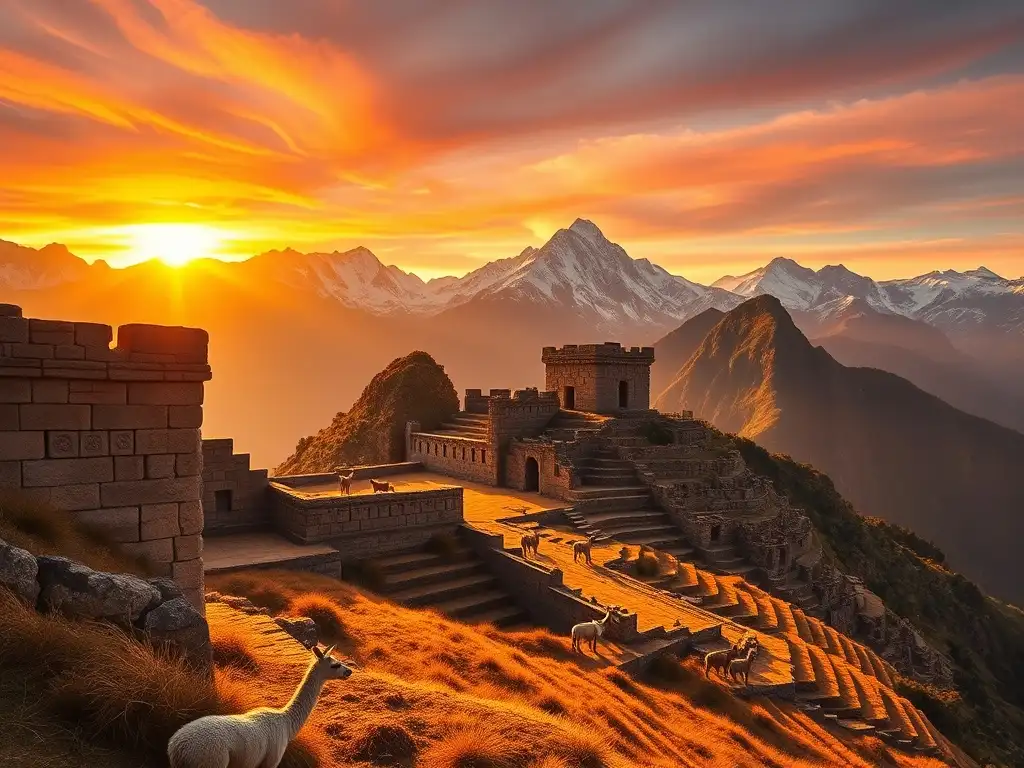
The initial period of Andean civilization witnessed the emergence of remarkable architectural achievements, laying the groundwork for the sophisticated structures built by later cultures. While not as grand as the Inca constructions, the monumental architecture of this era reveals a complex understanding of engineering and social organization. The earliest examples often consisted of simple, rectangular structures made of adobe bricks or stone, reflecting a practical approach to building in diverse Andean environments. These structures served multiple purposes, functioning as residences, storage facilities, and possibly even early ceremonial centers.
The development of sophisticated techniques for stone cutting and fitting, evident in some sites, indicates a growing mastery of construction methods. This period also saw the beginnings of urban planning, with some settlements showing evidence of organized layouts and the strategic placement of buildings. The evolution of architectural styles throughout this initial period provides valuable insights into the changing social dynamics and technological advancements of these early Andean societies. The size and complexity of the structures, particularly those found in coastal regions, suggest increasing population density and a growing need for organized living spaces.
Furthermore, the presence of defensive structures in some settlements hints at inter-group conflict and the need for protection. The study of this early monumental architecture is crucial for understanding the socio-political organization and technological capabilities of the first Andean settlers, setting the stage for the later, more elaborate achievements of the subsequent civilizations. The careful analysis of these early structures provides a critical foundation for deciphering the development of Andean cultural heritage.
Kotosh & Garagay: Early Ceremonial Centers
Kotosh and Garagay stand out as significant early ceremonial centers, offering crucial insights into the religious and social beliefs of the pre-ceramic Andean populations. Located in the central Andes, Kotosh, famous for its "Temple of the Crossed Hands," showcases evidence of ritual practices and a sophisticated understanding of symbolism. The intricate carvings and the deliberate arrangement of the structures suggest a well-defined religious hierarchy and complex ceremonial practices. The discovery of human remains and offerings within the temple further reinforces its significance as a focal point for religious activities.
Garagay, on the other hand, displays a slightly different architectural style, featuring large platforms and plazas that likely served as public spaces for gatherings and ceremonies. The presence of both domestic structures and ceremonial buildings suggests a close relationship between religious and everyday life. Archaeological evidence from both sites indicates a significant investment of labor and resources in the construction and maintenance of these ceremonial centers, highlighting their importance in the social and political landscape. The styles and materials used in construction at Kotosh and Garagay vary, reflecting regional differences and potentially indicating distinct cultural groups.
Studying the artifacts and architectural features of these sites allows researchers to reconstruct the religious beliefs, social structures, and technological capabilities of the early Andean societies. The existence of these early ceremonial centers underscores the importance of ritual and religion in shaping the cultural heritage of the Andean civilizations. The insights gained from these sites are invaluable to understanding the development of Andean identity and religious beliefs that would later influence the more complex societies that followed.
The Legacy of the First Settlers: Shaping Andean Cultural Heritage
The early Andean settlers left a profound and lasting legacy that profoundly shaped the cultural heritage of the region. Their innovations in agriculture, particularly the domestication of crops like potatoes and maize, formed the foundation of the Andean diet and supported population growth. The development of sophisticated irrigation systems allowed for the cultivation of crops in challenging environments, contributing significantly to the economic and social stability of these societies. Their mastery of textile production, evidenced by the intricate weaving techniques and the use of diverse natural fibers, resulted in high-quality textiles that played an essential role in social status and ritual practices.
The early Andean societies also developed advanced ceramic technologies, creating diverse forms and styles of pottery that served both practical and ceremonial purposes. These advancements, coupled with their architectural achievements, laid the groundwork for the more complex and sophisticated societies that emerged later. The enduring influence of these early cultural practices can be seen in the traditions and customs of later Andean civilizations, including the Inca Empire. The legacy of the first settlers is not merely a historical record but a living heritage, with many of their practices and beliefs continuing to resonate in contemporary Andean cultures.
The study of their achievements helps us understand the interconnectedness of Andean societies throughout history and the remarkable resilience of their cultural heritage. Understanding this legacy is crucial for appreciating the richness and complexity of "Andean civilizations cultural heritage" and its enduring impact on the region. The continuity of certain practices and beliefs across millennia highlights the deep roots and lasting significance of the first Andean settlers' contributions.
Early Artistic Expressions: Weaving, Pottery, and Rock Art
The Andean region boasts a vibrant artistic heritage dating back millennia, long before the rise of the Inca Empire. Early artistic expressions served not only as aesthetic creations but also as crucial components of Andean social structures, religious beliefs, and daily life. Weaving, for instance, was far more than a craft; it was a deeply ingrained practice reflecting social status, religious symbolism, and technological prowess. The intricate textiles discovered in various archaeological sites, often featuring complex patterns and vibrant colors derived from natural pigments, provide invaluable insights into the worldview and technical skills of these early Andean communities. The use of camelid fibers, such as alpaca and llama wool, alongside cotton, demonstrates an advanced understanding of animal husbandry and textile production. These textiles, frequently adorned with zoomorphic and anthropomorphic motifs, were not simply clothing; they were imbued with spiritual significance, serving as markers of identity and status within their societies.
Pottery, another significant artistic medium, reveals a similar complexity. Early Andean pottery, characterized by its diverse styles and functionalities, showcases a remarkable evolution in ceramic technology. From simple, utilitarian vessels to elaborately decorated pieces, the pottery reflects both the practical needs and the aesthetic sensibilities of the cultures that created them.
The stylistic variations across different regions and time periods provide clues to trade networks, cultural interactions, and the development of distinct regional identities. For example, the Moche culture of the northern coast is renowned for its highly realistic and often gruesome depictions of human figures and mythological creatures on their pottery, offering a unique window into their religious beliefs and social practices.
Rock art, found throughout the Andes, adds another layer to our understanding of early Andean artistic expressions. These petroglyphs and pictographs, etched or painted onto rock surfaces, depict a wide range of subjects, from geometric patterns and abstract designs to representations of animals, humans, and celestial bodies. Their meanings are often debated, but they undoubtedly reflect the spiritual beliefs, social structures, and daily lives of the people who created them.
The locations of these rock art sites, often situated in prominent or sacred locations, suggest their importance within the Andean worldview, highlighting the interconnectedness between art, religion, and the landscape. The persistence of these artistic traditions across centuries points to their enduring significance in shaping Andean cultural identity.
The Development of Agricultural Practices: Sustaining Andean Life
The development of sophisticated agricultural practices was fundamental to the survival and prosperity of Andean civilizations. The challenging Andean geography, characterized by steep slopes, diverse altitudes, and unpredictable weather patterns, demanded innovative solutions for food production. Early Andean farmers demonstrated remarkable ingenuity in adapting to these conditions, developing techniques that allowed them to cultivate a variety of crops, including potatoes, maize, beans, and quinoa, forming the basis of their diet and sustaining large populations.
The domestication of these crops represented a significant milestone, not only providing a reliable food source but also shaping the cultural and social fabric of Andean societies. The cultivation of these staple crops was not merely a matter of survival; it was deeply intertwined with religious beliefs and social practices. Agricultural cycles were often marked by rituals and ceremonies, reflecting the importance of agriculture in the Andean worldview.
Furthermore, the diversity of crops cultivated in the Andes reflects a deep understanding of ecological zones and microclimates. Different crops were adapted to specific altitudes and environmental conditions, showcasing the Andean people’s profound knowledge of their environment and their ability to manage it sustainably. This understanding of agricultural ecology allowed for a complex system of crop diversification, minimizing risks associated with crop failure and ensuring food security.
The evidence suggests that early Andean farmers possessed a sophisticated knowledge of soil management, water conservation, and crop rotation, techniques that contributed to the long-term sustainability of their agricultural systems. This sophisticated understanding and practice of agriculture laid the foundation for the later development of large, complex societies in the Andes.
Terracing & Irrigation: Early Andean Farming Techniques
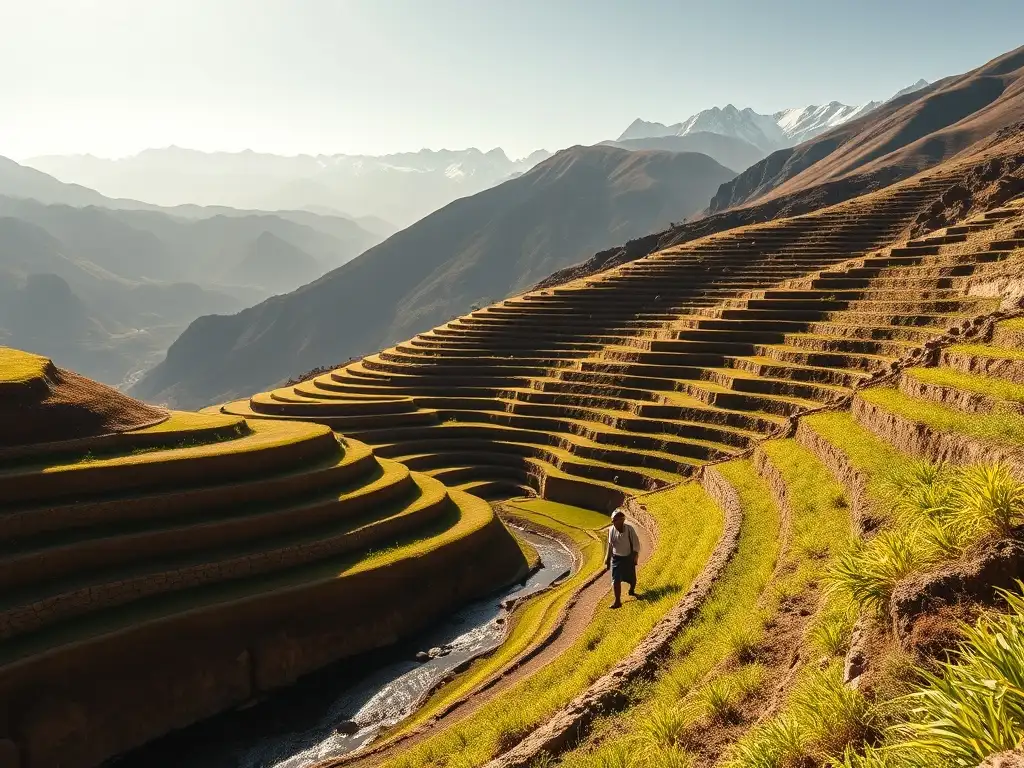
Terracing and irrigation represent two of the most remarkable and enduring engineering feats of early Andean civilizations. The challenging topography of the Andes, with its steep slopes and limited arable land, necessitated the development of innovative farming techniques to maximize agricultural productivity. Terracing, the creation of level platforms on steep slopes, allowed for the cultivation of crops on land that would otherwise be unusable.
These terraces, often built with incredible precision, not only increased arable land but also reduced soil erosion and improved water retention. The construction of terraces required immense labor and meticulous planning, demonstrating the organizational capacity and engineering skills of these early societies. The scale and complexity of some terrace systems, like those found in the Sacred Valley of the Incas, are truly awe-inspiring, testament to the ingenuity and collaborative spirit of the Andean people.
Irrigation systems, complementing terracing, played a crucial role in ensuring a reliable water supply for crops. The construction of canals, aqueducts, and reservoirs allowed farmers to channel water from rivers and streams to their fields, even in areas with limited rainfall. These irrigation systems, often integrated with terrace systems, allowed for the cultivation of crops in a variety of environments, expanding agricultural production and supporting larger populations.
The intricate network of canals and reservoirs, some of which were remarkably sophisticated, showcases the advanced engineering and hydraulic knowledge of early Andean societies. The longevity and effectiveness of many of these irrigation systems are a testament to their robust design and the careful management of water resources. The development of terracing and irrigation systems not only revolutionized Andean agriculture but also profoundly shaped the landscape and the cultural identity of the region.
Religious Beliefs and Ritual Practices of Early Andean Peoples
The religious beliefs and ritual practices of early Andean peoples were deeply intertwined with their environment and agricultural cycles. Their worldview was profoundly animistic, meaning they believed that spirits inhabited both animate and inanimate objects. This belief system profoundly influenced their daily lives, shaping their agricultural practices, social structures, and artistic expressions. Evidence suggests a complex system of deities and spirits, with rituals designed to appease them and ensure successful harvests and community well-being.
Archaeological findings, such as the elaborate burial sites discovered in various Andean regions, reveal the importance of ancestor veneration. These burials often contained grave goods, reflecting the deceased's social status and indicating beliefs about the afterlife. The careful placement of artifacts and the elaborate rituals surrounding burial ceremonies underscore the significance of maintaining connections with the ancestors.
Further, the discovery of intricately carved stones and textiles, often depicting mythical beings and scenes from rituals, provides valuable insights into the cosmology and spiritual practices of these early societies. The precise nature of many rituals remains debated, but the sheer volume of archaeological evidence demonstrates the profound role of religious belief in the lives of these early Andean communities. Scholars continue to analyze these finds, constantly refining our understanding of Andean religious practices and their impact on the development of Andean civilizations.
Pachamama & Inti: Early Andean Deities and Spiritual Beliefs
Pachamama, the Earth Mother, and Inti, the Sun God, were arguably the most prominent deities in the Andean pantheon. Their prominence is evident in the numerous archaeological artifacts depicting them and the widespread nature of their worship across different Andean cultures. Pachamama represented the fertile earth, the source of life and sustenance. Rituals dedicated to Pachamamama often involved offerings of food, drink, and coca leaves, placed directly into the earth to ensure bountiful harvests. The belief in her generative power permeated all aspects of Andean life, from agriculture to childbirth.
Inti, the Sun God, was revered as the source of light, warmth, and life-giving energy. He was often depicted in golden artifacts, reflecting his importance and the value placed upon the sun's power. Temples dedicated to Inti were built in strategically important locations, often overlooking fertile valleys or commanding views of the landscape. The sun's journey across the sky was closely observed, and its movements were incorporated into the agricultural calendar.
The Inca, later building upon this earlier reverence, developed a sophisticated system of solar observations and astronomical calculations, showcasing the enduring influence of Inti in Andean spirituality. The significance of both Pachamama and Inti highlights the fundamental connection between the early Andean peoples and their environment, demonstrating a deep-seated spiritual relationship with the natural world. This connection to the land continues to resonate in modern Andean cultures.
Linguistic Roots of Andean Languages: Tracing Cultural Connections
The linguistic diversity of the Andes reflects a complex history of migration, interaction, and cultural exchange. While the precise origins of many Andean languages remain a subject of ongoing research, the existing linguistic families provide valuable clues about the movements and interactions of early Andean peoples. The Quechuan family, for example, encompasses numerous languages still spoken today across a vast geographical area, suggesting a significant period of expansion and cultural influence.
Similarly, the Arawakan family, with roots in the Amazon basin, reveals connections between the Andes and the wider Amazonian region. Analyzing the relationships between these families allows researchers to trace potential migration routes and to reconstruct the broader linguistic landscape of the ancient Andes.
The evolution of these languages also provides insights into the cultural values and worldview of their speakers. For example, the richness of vocabulary related to agriculture and the environment suggests the importance of these aspects in the lives of early Andean communities. Furthermore, the presence of specific linguistic features, such as grammatical gender or the use of honorifics, can reveal insights into social structures and power dynamics.
Ethnolinguistic studies, combining linguistic analysis with anthropological and archaeological data, are crucial for a comprehensive understanding of the cultural heritage reflected in Andean languages. The continued study of Andean languages is essential for preserving this cultural heritage and for illuminating the complex history of the Andes. The ongoing research in this field continually unveils new connections and challenges existing assumptions about the linguistic and cultural landscape of the ancient Andes.
Quechua & Aymara: Key Linguistic Groups and Their Significance
The Quechua and Aymara languages stand as powerful testaments to the enduring cultural heritage of the Andean region. These languages, far from being mere relics of the past, are vibrant and evolving, spoken by millions across South America today. Their longevity and widespread use are a direct reflection of the deep-rooted cultural traditions and societal structures of the early Andean civilizations. Quechua, in particular, boasts a rich history intertwined with the Inca Empire, serving as the lingua franca that facilitated communication and administration across a vast and diverse territory.
The Inca's sophisticated system of administration and record-keeping relied heavily on Quechua, leading to its spread throughout the Andes. Even after the Spanish conquest, Quechua persisted, adapting and evolving, demonstrating its remarkable resilience. Numerous Quechua dialects exist, reflecting the diverse geographical and cultural landscapes where it’s spoken. Aymara, on the other hand, while not as widely spoken as Quechua, holds immense cultural significance, particularly in the Altiplano region of the Andes.
Its continued use represents the preservation of pre-Inca traditions and cultural identities. The survival of both Quechua and Aymara languages, despite centuries of colonization and globalization, highlights the profound cultural heritage of the Andean civilizations and the strength of their linguistic legacy. Understanding these languages is crucial to understanding the complexities of Andean cultural heritage and the unique identities shaped by them. The continued use and revitalization efforts for these languages are vital for maintaining the rich tapestry of Andean cultural heritage for future generations.
The Enduring Influence of Early Andean Cultures on Later Civilizations
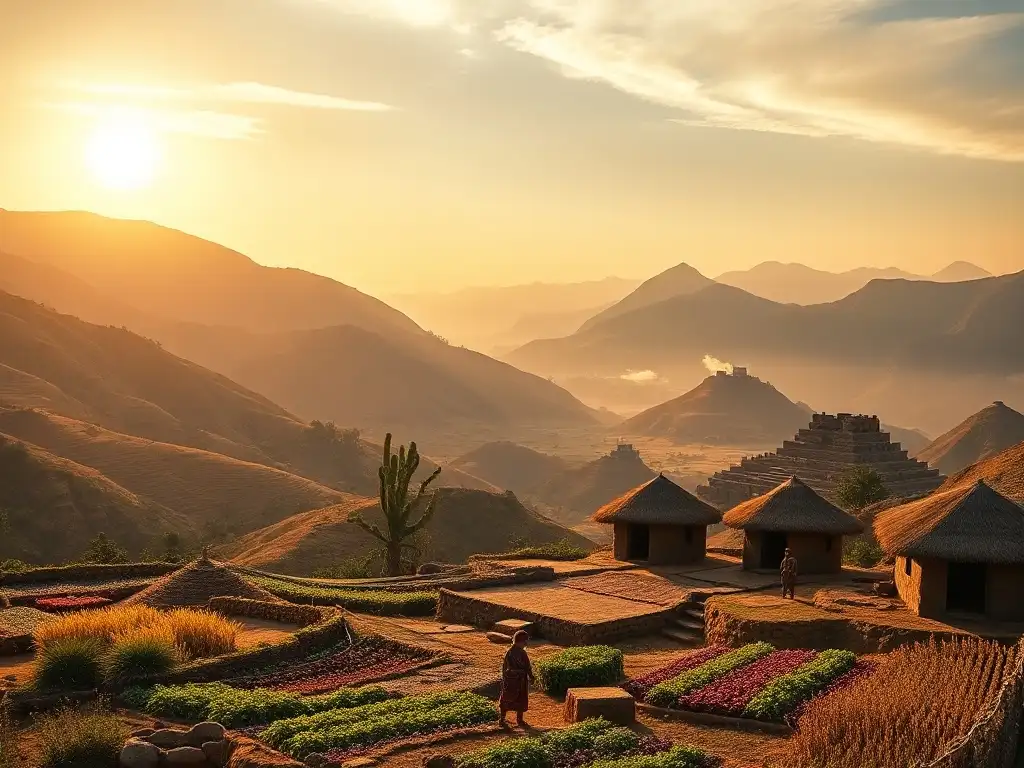
The impact of early Andean cultures resonates powerfully through the subsequent civilizations that flourished in the region. The sophisticated agricultural techniques developed by pre-Inca societies, such as terracing and irrigation systems, laid the groundwork for the Inca Empire's agricultural prowess. These innovations allowed for intensive farming in challenging terrains, supporting large populations and fostering economic stability. Furthermore, the intricate knowledge of astronomy and mathematics, evident in the Nazca Lines and the complex calendar systems of various cultures, influenced the Inca's own advancements in these fields.
The Inca, renowned for their impressive architectural feats, undoubtedly built upon the foundational knowledge and skills of their predecessors. The architectural styles, construction techniques, and urban planning of earlier societies demonstrably influenced Inca cities like Machu Picchu and Cusco. Even the religious beliefs and practices of later civilizations often incorporated elements from earlier Andean cultures, demonstrating a remarkable degree of cultural continuity.
This transmission of knowledge and practices across generations highlights the interconnectedness of Andean societies and underscores the profound impact of early cultures on the development of later empires. The legacy of these early Andean cultures is not merely historical; it is a living heritage that continues to shape the cultural landscape of the Andes today. The preservation and study of these early influences are essential for a complete understanding of the Andean civilizations and their remarkable evolution.
Inca Civilization: Cultural Continuity from Early Periods
The Inca civilization, while often viewed as a distinct entity, was deeply rooted in the cultural heritage of earlier Andean societies. Rather than a sudden emergence, the Inca Empire represented a culmination of centuries of cultural development and innovation. The Inca's mastery of agriculture, for instance, built directly upon the advanced techniques of earlier cultures, such as the sophisticated irrigation systems of the Nazca and the terraced farming practices of the Moche. Similarly, the Inca's impressive architectural achievements were not created in a vacuum; they drew inspiration from and built upon the architectural styles and construction techniques of previous civilizations.
The Inca's religious beliefs and practices also incorporated elements from earlier Andean cultures, reflecting a continuity of spiritual traditions and beliefs. The use of quipu, a complex system of knotted cords used for record-keeping, although refined by the Inca, also had roots in earlier Andean cultures. This cultural continuity is evident not only in material culture but also in social structures and political organization. The Inca's highly centralized administrative system, while unique in its scale and efficiency, nevertheless evolved from the political and social structures of earlier societies.
The Inca Empire's success can be attributed, in part, to its ability to integrate and build upon the existing cultural heritage of the Andes, demonstrating a remarkable capacity for adaptation and innovation. Understanding this continuity is crucial for grasping the full complexity and significance of the Inca civilization within the broader context of Andean history. The Inca Empire was not a sudden break from the past but rather a culmination and refinement of a long and rich cultural heritage.
Preserving the Cultural Heritage of the First Andean Settlers
Protecting the Andean civilizations' cultural heritage presents a unique set of challenges. The sheer age and fragility of many sites, coupled with the often harsh Andean climate, contribute to significant deterioration. For instance, the high altitude and extreme temperature fluctuations in the Andes can cause rapid weathering of stone structures and artifacts. Furthermore, the remoteness of some archaeological sites makes monitoring and maintenance difficult and expensive.
Effective preservation requires a multi-pronged approach. This includes meticulous documentation through archaeological surveys, high-resolution photography, and 3D modeling to create digital records. Consolidation and stabilization techniques are also crucial, employing environmentally friendly materials to reinforce crumbling structures without damaging the original fabric. The development and implementation of sustainable tourism practices are also vital; carefully managed visitor access can generate revenue for preservation while minimizing environmental impact and damage to fragile sites.
Finally, ongoing research is essential to understand the degradation processes affecting these sites and to develop more effective preservation strategies. This requires collaboration between archaeologists, conservators, geologists, and climatologists, among other experts. The long-term preservation of this invaluable heritage demands sustained commitment and collaboration from governments, research institutions, and local communities.
Looting & Development: Challenges in Preserving Archaeological Sites
The Andean region faces significant threats to its archaeological heritage from looting and uncontrolled development. Illegal excavation and the illicit trade in artifacts are persistent problems, driven by profit motives. This looting not only destroys irreplaceable archaeological context but also deprives future generations of the opportunity to learn from these sites. The lack of adequate security and resources for monitoring remote sites exacerbates this issue.
Moreover, rapid urbanization and infrastructure development often encroach upon archaeological zones, leading to the destruction or damage of sites. For example, the construction of roads, dams, and mines can irreversibly alter landscapes and destroy fragile archaeological deposits. Addressing these challenges requires strengthening legal frameworks to combat looting and the illegal trafficking of artifacts, coupled with increased law enforcement and international cooperation. Furthermore, rigorous environmental impact assessments must be conducted prior to any development project in areas with known or potential archaeological sites.
This proactive approach involves archaeological surveys and mitigation strategies, such as excavation and recording of sites before development begins. Involving local communities in the monitoring and protection of their heritage is also crucial, fostering a sense of ownership and responsibility. Effective preservation requires a balance between development needs and the protection of invaluable cultural heritage, necessitating careful planning and collaboration between all stakeholders.
Education & Community Engagement: Promoting the Value of Early Andean Cultural Heritage
A fundamental aspect of preserving Andean cultural heritage lies in fostering appreciation and understanding among local communities and the wider public. Education plays a vital role in this process. School curricula should incorporate the history and achievements of early Andean civilizations, highlighting their significance and cultural contributions. This involves developing engaging educational materials, including interactive exhibits, documentaries, and online resources.
Museums and cultural centers can also play a crucial role by creating informative and accessible exhibits that showcase the beauty and complexity of Andean artifacts and sites. Community engagement is equally important. Involving local communities in archaeological projects, such as through participation in excavations or site monitoring, fosters a sense of ownership and pride in their heritage. Furthermore, supporting local artisans and craftspeople who produce traditional Andean goods helps to preserve traditional skills and knowledge.
Community-based tourism initiatives can also generate economic benefits for local populations while promoting responsible tourism practices. By empowering local communities and fostering a sense of shared responsibility for their heritage, we can ensure the long-term preservation and appreciation of the rich cultural legacy of the Andean civilizations. Sustainable tourism models, combined with effective educational programs, are key to ensuring the future of this invaluable "Andean civilizations cultural heritage."
- Understanding the Genesis of Andean Civilizations
- Early Human Occupation in the Andes: A Timeline
- Preceramic Period: Laying the Foundation for Andean Culture
- The Archaic Period: Adapting to the Andean Environment
- Lauricocha Cave & Telarmachay: High-Altitude Adaptation
- Emergence of Complex Societies in the Andes
- The Initial Period: The Rise of Monumental Architecture
- Kotosh & Garagay: Early Ceremonial Centers
- The Legacy of the First Settlers: Shaping Andean Cultural Heritage
- Early Artistic Expressions: Weaving, Pottery, and Rock Art
- The Development of Agricultural Practices: Sustaining Andean Life
- Terracing & Irrigation: Early Andean Farming Techniques
- Religious Beliefs and Ritual Practices of Early Andean Peoples
- Pachamama & Inti: Early Andean Deities and Spiritual Beliefs
- Linguistic Roots of Andean Languages: Tracing Cultural Connections
- Quechua & Aymara: Key Linguistic Groups and Their Significance
- The Enduring Influence of Early Andean Cultures on Later Civilizations
- Inca Civilization: Cultural Continuity from Early Periods
- Preserving the Cultural Heritage of the First Andean Settlers
- Looting & Development: Challenges in Preserving Archaeological Sites
- Education & Community Engagement: Promoting the Value of Early Andean Cultural Heritage
Frequently Asked Questions
What is the Andean cultural heritage?
The Andean cultural heritage encompasses the accumulated traditions, customs, knowledge, and artifacts of the various civilizations that thrived in the Andes Mountains of South America, including the Incas, Moche, Nazca, and Tiahuanaco. It's a rich tapestry woven from diverse threads of art, technology, and societal structures.
How did the environment shape Andean cultures?
The challenging Andean geography, with its high altitudes, diverse climates, and limited arable land, significantly shaped Andean cultures. Their ingenuity led to innovative agricultural techniques and sophisticated societal organizations to overcome environmental limitations.
What are some examples of Andean technological achievements?
Andean civilizations achieved remarkable technological feats, including advanced irrigation systems, complex road networks, and remarkable architectural prowess exemplified by Machu Picchu and other monumental structures. Their mastery of engineering continues to amaze.
How did Andean art reflect their worldview?
Andean art, encompassing textiles, pottery, and metalwork, often reflected their spiritual beliefs and cosmological understanding. Intricate designs and symbolic imagery reveal their deep connection to nature and their ancestors. This art provides invaluable insights into their worldview.
How is Andean cultural heritage preserved today?
Andean cultural heritage is preserved through ongoing archaeological research, museum collections, community initiatives, and the continued practice of traditional customs and arts by indigenous communities. Efforts are focused on protecting and promoting this vital legacy.
Final Reflection: Weaving the Threads of Andean Heritage
The enduring legacy of the Andean civilizations continues to resonate in the vibrant tapestry of modern-day cultures across South America. Their innovative agricultural techniques, sophisticated social structures, and breathtaking artistic achievements remain powerful forces shaping identity and inspiring awe centuries later. Understanding this rich heritage is not simply an academic exercise; it's crucial for fostering a deeper appreciation for the diversity and resilience of human civilization.
The impact of Andean culture extends far beyond museums and textbooks; it's woven into the very fabric of daily life for millions. From the intricate textiles still crafted using ancient techniques to the enduring spiritual practices rooted in ancestral beliefs, the influence is undeniable. As the writer Eduardo Galeano eloquently stated, Memory is the only paradise from which we cannot be expelled.
The preservation and celebration of Andean heritage is a testament to the power of memory, a powerful reminder of our shared human story and the importance of respecting and learning from the past.
Consider, for a moment, the profound implications of this legacy. How can we, as individuals and as a global community, better understand and protect the fragile ecosystems that sustained these remarkable civilizations? How can we learn from their sophisticated social structures to build more equitable and sustainable societies? The answer lies in continued exploration, respectful engagement, and a commitment to preserving this invaluable cultural heritage for future generations. Let the echoes of the Andes inspire you to delve deeper, to learn more, and to become a champion for the preservation of cultural diversity.
Unearth Your Connection to Andean Heritage!
Thank you for exploring the rich tapestry of Andean culture with us! You've discovered the remarkable legacy of the first Andean settlers and the vibrant traditions that shape Andean identity today. Now, let's deepen your engagement with this fascinating heritage.
Here are some ways you can strengthen your connection and share the wonders of Andean culture:
- Attend a local Andean cultural event or festival: Immerse yourself in the traditional music, dance, and cuisine.
- Share this article with friends and family: Spread the word about the fascinating insights you've gained.
- Explore Andean crafts: Consider taking a pottery or weaving class to learn firsthand about these ancient traditions.
As you reflect on the richness of Andean culture, consider what aspects resonate most with you, and how you can incorporate those values into your own life. Your journey of discovery is just beginning!