
Coastal Transformations: Unveiling the Rise of Complex Societies in the Andean Littoral

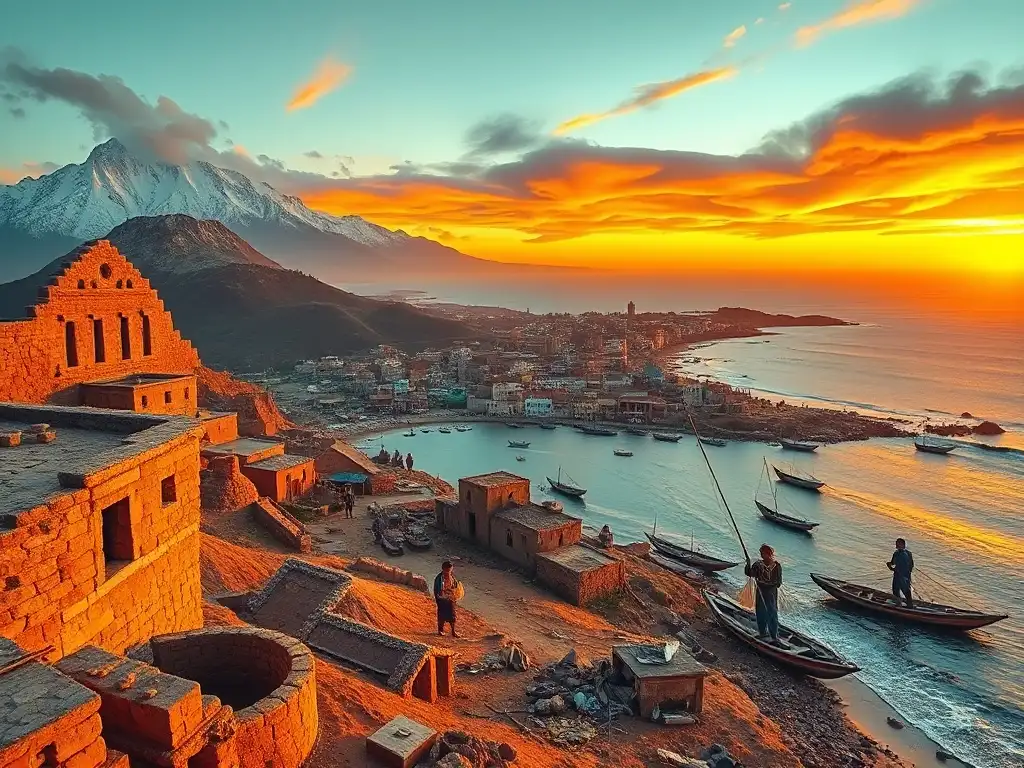
Dive into a world lost to time, yet echoing with the whispers of greatness. Journey with us through the captivating tapestry of Andean coastal civilizations, where ingenuity flourished amidst the harsh beauty of the Pacific. Uncover the secrets behind the rise of these remarkable societies, their breathtaking achievements in engineering, art, and social structure, and the enduring legacy they left behind. Prepare to be amazed by the story of Andean coastal civilizations – a tale of resilience, innovation, and a profound connection to the land.
The Andean coast, a seemingly harsh yet surprisingly fertile strip of land bordering the Pacific Ocean, played a pivotal role in the development of complex societies in South America. Contrary to the popular focus on the high-altitude empires of the Andes, the coastal regions nurtured a vibrant tapestry of cultures, each leaving behind a legacy of innovative technologies, intricate social structures, and awe-inspiring artistic expressions.
This article delves into the rise of these remarkable Andean coastal civilizations, exploring the factors that contributed to their flourishing and the lasting impact they had on the broader Andean world. We will examine how these societies, often overlooked in favor of their highland counterparts, skillfully adapted to their environment, developing sophisticated systems of agriculture, irrigation, and trade that laid the foundation for unprecedented social complexity.
Understanding these coastal transformations is crucial to gaining a complete picture of the rich and diverse history of the Andean region, a history often framed solely by the lens of the Inca empire. This exploration will reveal the vital contributions of civilizations like the Moche, Nazca, and Chimú, demonstrating the significant role the Andean littoral played in shaping the course of Andean history.
The Environmental Challenges and Ingenious Solutions of the Andean Coast
The Andean coastal environment presented unique challenges. Arid deserts, punctuated by fertile river valleys, demanded innovative strategies for survival and prosperity. The scarcity of freshwater was a constant concern. However, these societies didn't simply succumb to these difficulties; they overcame them through remarkable feats of engineering and resource management.
They developed sophisticated irrigation systems, channeling water from rivers and streams to irrigate their crops. These systems, often involving intricate networks of canals and reservoirs, allowed for intensive agriculture in otherwise barren landscapes. The construction of these systems required significant social organization and collaboration, reflecting the development of complex social structures even in the early stages of coastal settlement.
Moreover, the exploitation of marine resources played a critical role. Fishing, shellfishing, and the harvesting of guano (bird excrement) provided essential nutrients and resources for these burgeoning communities. The mastery of these resources demonstrates a deep understanding of the coastal ecosystem and a remarkable capacity for adaptation.
Agricultural Innovations and the Rise of Sedentary Life
The development of intensive agriculture was a cornerstone of the rise of complex societies along the Andean coast. The ingenious irrigation systems, combined with the cultivation of crops adapted to the arid climate such as maize, beans, and squash, allowed for the production of surplus food. This surplus was not only essential for sustaining larger populations but also facilitated the development of specialized labor and social stratification.
The ability to produce more food than needed freed individuals from the constant demands of subsistence farming, allowing them to dedicate their time to other activities such as crafts, trade, and religious practices. This specialization is a key indicator of increasing social complexity and the emergence of hierarchical societies.
Archaeological evidence shows the construction of large-scale storage facilities, further suggesting sophisticated economic and social organization. The shift from nomadic lifestyles to sedentary agriculture was a transformative process, laying the foundation for the growth of larger and more complex settlements.
The Development of Trade Networks and Interregional Exchange
The coastal societies of the Andes were not isolated entities. They established extensive trade networks, connecting them to other regions and fostering cultural exchange. The abundance of marine resources and agricultural products along the coast made these communities important trading partners. They exchanged goods with highland populations, obtaining precious metals, textiles, and other valuable commodities.
The development of sophisticated transportation systems, including roads and seafaring technology, facilitated this exchange. The distribution of certain artifacts and materials across vast distances provides compelling evidence of these extensive trade networks. These networks played a crucial role in the dissemination of ideas, technologies, and cultural practices, contributing to the overall development and interconnectedness of Andean societies. The exchange of goods also fostered economic interdependence and political alliances between different coastal and highland groups.
Monumental Architecture and the Expression of Power
The construction of monumental architecture serves as a powerful indicator of the increasing complexity and sophistication of Andean coastal societies. Massive pyramids, temples, and ceremonial centers, often adorned with intricate carvings and paintings, reflect not only advanced engineering skills but also the power and prestige of the ruling elites. These structures served as symbols of authority and religious importance, reinforcing social hierarchies and consolidating political power.
The scale and complexity of these constructions required the mobilization of large labor forces, highlighting the capacity of these societies to organize and manage human resources. The artistry and craftsmanship displayed in these monuments reveal a flourishing artistic tradition and a profound understanding of architectural principles.
The remains of these impressive structures are a testament to the ingenuity and social organization of the Andean coastal civilizations. Moreover, the intricate iconography and symbolism found in these sites offer valuable insights into their religious beliefs, social structures, and worldview.
- The Environmental Challenges and Ingenious Solutions of the Andean Coast
- Agricultural Innovations and the Rise of Sedentary Life
- The Development of Trade Networks and Interregional Exchange
- Monumental Architecture and the Expression of Power
- What were the main Andean coastal civilizations?
- How did the coastal environment influence Andean societies?
- What were some of the key technological advancements of the Andean coastal civilizations?
- How did the Andean coastal civilizations interact with each other?
- What makes the study of Andean coastal civilizations important?
The Genesis of Andean Coastal Civilizations: An Introduction
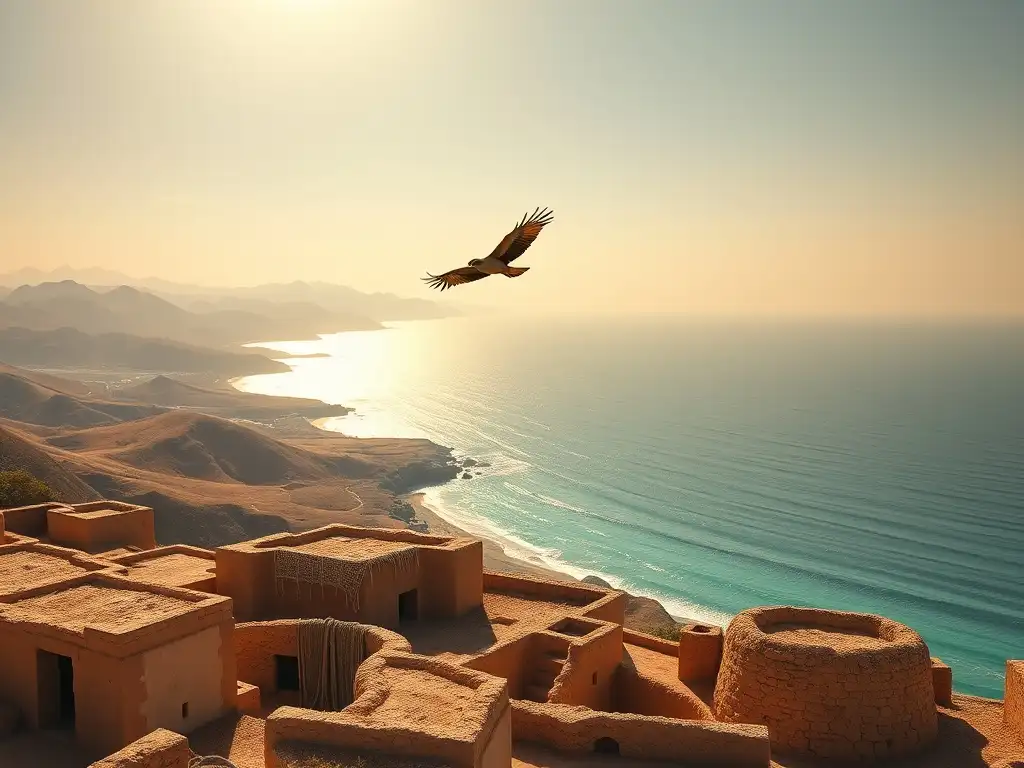
The rise of complex societies along the Andean coast presents a fascinating case study in human adaptation and innovation. Unlike their contemporaries in the highlands, Andean coastal civilizations thrived in a dramatically different environment, shaped by the interplay of the Pacific Ocean, arid deserts, and fertile river valleys. This unique ecosystem, while challenging, provided abundant resources that fueled the development of sophisticated social structures, intricate technologies, and remarkable artistic expressions.
Understanding the genesis of these coastal civilizations requires exploring the interplay of environmental factors, resource management, and the evolution of social organization. This section delves into the unique environmental conditions of the Andean littoral and the adaptive strategies employed by the earliest coastal inhabitants, laying the groundwork for the complex societies that would later flourish. The term "Andean coastal civilizations" encompasses a diverse array of cultures, each leaving its own indelible mark on the region's history.
Their shared experience of the coastal environment, however, fostered certain commonalities in their development, making this a compelling area of study for understanding societal evolution in a challenging but rewarding landscape. Studying these early groups allows us to trace the development of key innovations and social structures that would later characterize the larger, more well-known Andean civilizations.
Understanding the Unique Environment of the Andean Littoral
The Andean littoral, stretching along the western coast of South America, is characterized by a remarkably diverse geography. The stark contrast between the arid desert coastline and the fertile river valleys created a unique ecological niche. The Humboldt Current, a cold ocean current flowing northward along the coast, significantly influences the climate, resulting in low rainfall and fog – a phenomenon known as garúa. This garúa, while seemingly meager, provides crucial moisture for specific plant life, sustaining localized ecosystems.
The presence of numerous rivers, originating in the Andes Mountains, cuts through the desert, creating oases of fertile land ideal for agriculture. These rivers, however, are often unpredictable, with fluctuating water levels and occasional flooding, presenting both opportunities and challenges for human settlement. Furthermore, the rich marine life supported by the Humboldt Current provided a crucial source of protein for coastal populations. The abundance of fish, shellfish, and marine mammals offered a diverse and sustainable food source, contributing significantly to the development of complex societies.
This interplay of arid land, fertile valleys, and a productive ocean fostered a dynamic environment that shaped the lives and technologies of the Andean coastal civilizations. The coastal environment presented both limitations and possibilities, influencing everything from settlement patterns to social organization and technological innovation. Understanding this interplay is key to appreciating the achievements of these remarkable societies.
The Pre-Ceramic Coastal Societies and Their Adaptation Strategies
The earliest inhabitants of the Andean coast, predating the widespread use of ceramics, displayed remarkable ingenuity in adapting to their environment. These pre-ceramic societies, dating back thousands of years, developed sophisticated strategies for resource management and social organization. Evidence suggests the presence of highly organized settlements, indicating a level of social complexity beyond simple hunter-gatherer groups. Their mastery of marine resources is particularly impressive. Archaeological findings reveal evidence of specialized fishing techniques, including the use of woven nets and hooks, allowing them to exploit the rich marine life of the Pacific.
The development of sophisticated harvesting techniques for shellfish and other marine resources further enhanced their food security. In addition to marine resources, these early coastal communities also utilized the limited agricultural potential of the river valleys. They cultivated crops adapted to the arid conditions, such as cotton and various types of beans and squash. The development of irrigation systems, although rudimentary compared to later technologies, allowed them to maximize agricultural yields.
The successful integration of marine and terrestrial resources demonstrates a deep understanding of their environment and a capacity for sustainable resource management. These pre-ceramic societies laid the foundation for the subsequent development of more complex coastal cultures, demonstrating the adaptability and ingenuity of early Andean peoples. The innovative strategies they employed served as a blueprint for future generations, shaping the trajectory of Andean coastal civilizations for millennia. Further research is needed to fully understand the social structures and belief systems of these early groups, offering a more complete picture of their lives and their contributions to the rich tapestry of Andean history.
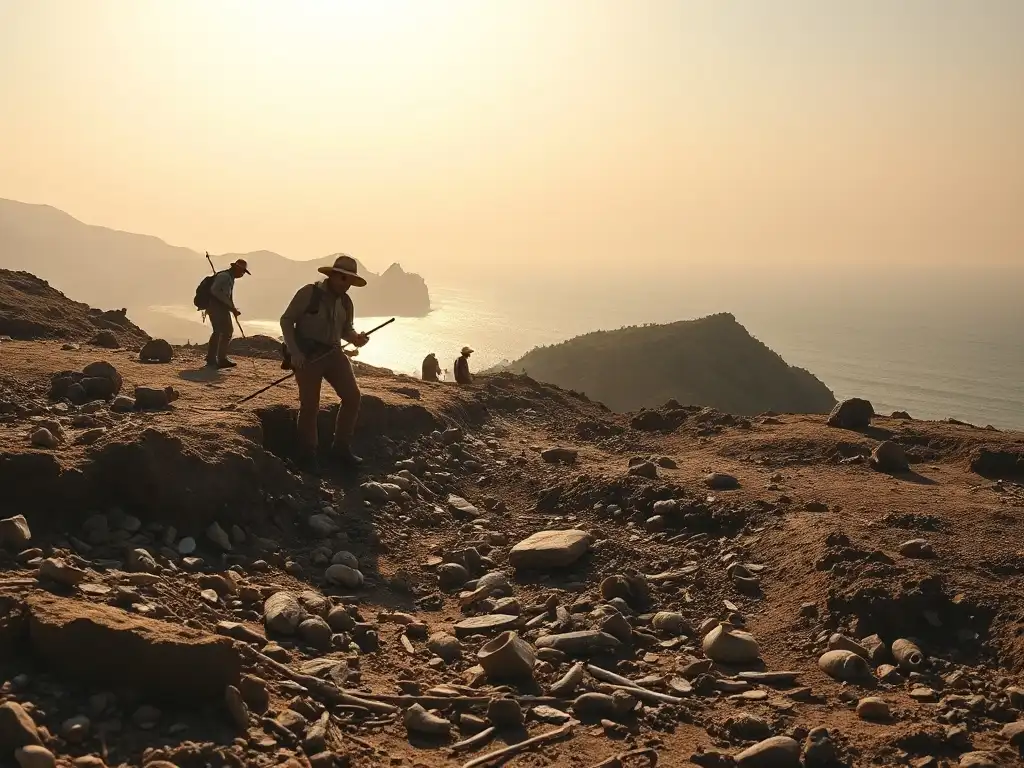
This section delves into the fascinating early stages of societal development along the Peruvian coast, a region significantly impacting the rise of complex Andean civilizations. We'll examine the initial steps towards sedentism, the subtle yet crucial emergence of social hierarchies, and the undeniable role of marine resources in shaping these nascent societies. Understanding these foundational elements is key to comprehending the later flourishing of powerful coastal cultures like the Moche and Nazca. The term "Andean coastal civilizations" itself highlights the unique interplay between environment and societal advancement in this area.
The Emergence of Sedentary Communities
The transition from nomadic hunter-gatherer lifestyles to settled agricultural communities was a pivotal moment in the development of Andean coastal societies. While precise dating remains a subject of ongoing archaeological research, evidence suggests this process began as early as 5,000 years ago. The availability of rich marine resources provided a crucial buffer against the uncertainties of early agriculture.
Coastal settlements, initially small and dispersed, gradually grew in size and complexity as agricultural techniques improved and fishing practices became more sophisticated. This shift wasn't a sudden revolution; it was a gradual process involving adaptation to the environment and increasingly efficient resource management. The development of irrigation systems, even on a small scale, played a significant role in securing a stable food supply, encouraging permanent settlement.
Archaeological digs consistently uncover remnants of early irrigation canals and evidence of cultivated plants like squash, beans, and cotton, alongside evidence of fish remains and shellfish, indicating a mixed subsistence strategy. The increasing sedentism facilitated population growth and the development of more complex social structures.
While early coastal settlements were initially relatively egalitarian, evidence suggests that social stratification emerged gradually. This isn't about sudden, dramatic power shifts, but rather a subtle process of differentiation based on access to resources and specialized skills. Archaeological studies of burial sites reveal the first indications of social inequality.
Larger, more elaborate burials containing prestigious grave goods, such as finely crafted tools, ornaments, and even food offerings, suggest the existence of individuals with higher social status. These differences, initially modest, grew over time. The analysis of dwelling size and construction quality also provides insights into social hierarchies.
Larger, better-constructed houses, often located in more desirable areas, indicate higher status. Furthermore, the presence of specialized craft production, such as pottery making or textile weaving, suggests the emergence of specialized labor, with some individuals dedicating their time to specific tasks, while others focused on food production or other essential activities. The increasing complexity of social organization is reflected in the gradual development of larger, more centralized settlements, laying the groundwork for the larger urban centers that would characterize later Andean coastal civilizations.
The Role of Maritime Resources in the Formation of Complex Societies
The abundance of marine resources along the Peruvian coast served as the engine driving early societal development. The rich biodiversity of the Humboldt Current provided a consistent and reliable source of protein, fostering population growth and supporting the development of larger, more complex settlements. Fishing techniques, initially simple, evolved over time, becoming increasingly sophisticated.
Evidence suggests the use of various fishing methods, including nets, hooks, and traps, allowing for efficient harvesting of fish, shellfish, and other marine life. The exploitation of marine resources wasn't just about sustenance; it also played a crucial role in trade and exchange networks. Seashells, fish products, and other marine-derived goods were valuable commodities, facilitating interaction between coastal communities and potentially inland settlements.
This interconnectedness contributed to the spread of ideas, technologies, and cultural practices, further accelerating the development of complex societies. The abundance of marine resources, therefore, was not simply a factor in survival; it was the foundation upon which complex social structures and intricate trade networks were built, laying the groundwork for the flourishing Andean coastal civilizations that would follow. The study of these early societies underscores the profound influence of the marine environment on the development of the Andean region.
Key Archaeological Sites and Their Contributions
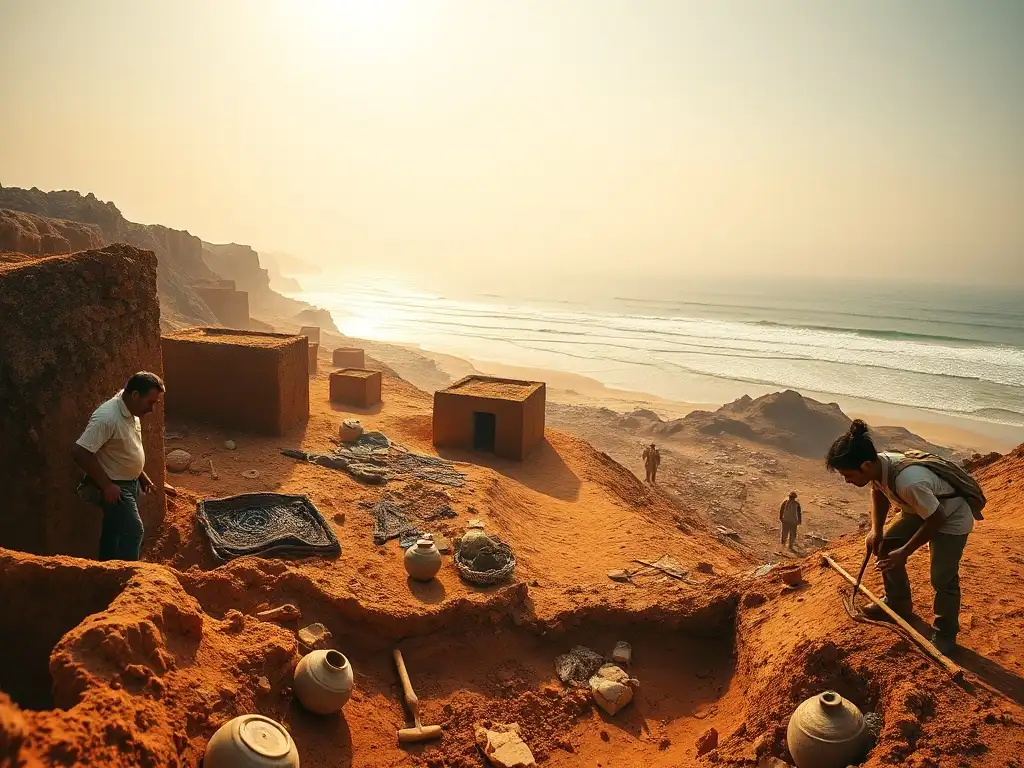
This section delves into the crucial archaeological sites along the Andean coast that provide invaluable insights into the development of complex societies. These sites offer tangible evidence of social stratification, technological advancements, and sophisticated religious practices, collectively painting a vivid picture of the rise of Andean coastal civilizations. Examining these locations allows us to understand the diverse strategies employed by these early Andean communities to thrive in a challenging yet rewarding environment.
The intricate interplay between environmental adaptation and societal organization is a recurring theme, highlighting the ingenuity and resilience of these ancient peoples. Understanding these sites is key to understanding the broader tapestry of Andean coastal civilizations.
Examining Aspero and Its Significance
Aspero, located in the Supe Valley of Peru, stands as a pivotal site for understanding the early stages of social complexity along the Andean coast. Dating back to the Early Preceramic period (circa 3000-2000 BCE), Aspero predates the rise of monumental architecture typically associated with later Andean civilizations. Its significance lies in its demonstration of early social differentiation and the emergence of ritual practices that would become hallmarks of subsequent coastal cultures.
Architectural Marvels and Social Organization
Aspero's architecture reveals a sophisticated understanding of construction techniques. Large platform mounds, constructed using meticulously placed stones and adobe bricks, dominate the landscape. The size and complexity of these structures suggest a hierarchical society, with considerable labor investment and centralized organization required for their construction.
Analysis of the distribution of artifacts within these structures indicates varying levels of access and social status, supporting the hypothesis of a stratified society. The presence of elite residences, distinct from the dwellings of commoners, further reinforces this social stratification. The careful planning and execution of the architectural design demonstrate impressive engineering skills and a sophisticated understanding of urban planning – a crucial element in the development of Andean coastal civilizations.
Evidence of Ritual Practices
Beyond its impressive architecture, Aspero provides compelling evidence of ritual practices. The discovery of numerous burials, often containing elaborate grave goods, suggests the importance of ritual and ancestor veneration. These burials, frequently located within or near the platform mounds, indicate a connection between the elite and the sacred.
Furthermore, the presence of large quantities of marine resources in some burials suggests the significance of maritime activities in their religious beliefs and social structures. Intriguingly, the discovery of various artifacts, such as intricately carved stones and ceremonial objects, points to the development of complex religious ideologies and specialized roles within the society. The evidence uncovered at Aspero highlights the early development of religious practices that played a significant role in shaping Andean coastal civilizations.
Analyzing Caral and Its Insights
Caral, located in the Supe Valley, represents another crucial site for understanding the development of Andean coastal civilizations. Contemporary with Aspero, Caral presents a different, yet equally compelling, picture of early complex societies. Its unique characteristics challenge preconceived notions about the trajectory of societal development in the region and underscore the diversity of approaches to social organization and technological innovation among these early communities.
Technological Innovations in Fishing and Agriculture
Caral's inhabitants demonstrated remarkable technological advancements in both fishing and agriculture. Evidence suggests sophisticated fishing techniques, including the use of nets and possibly boats, allowed for the efficient exploitation of marine resources. This mastery of fishing provided a crucial food source, supporting a growing population and fueling the development of a complex society.
Agricultural innovations were equally impressive. The development of irrigation systems allowed for the cultivation of crops, supplementing their diet and reducing reliance solely on marine resources. The combination of these technological advancements provided a stable foundation for the growth and prosperity of Caral's population, demonstrating the crucial role of technology in the development of Andean coastal civilizations.
The Development of Specialized Crafts
The presence of specialized crafts at Caral further underscores the emergence of complex social organization. The discovery of workshops dedicated to the production of textiles, pottery, and other artifacts indicates a division of labor and the development of specialized skills. The production of these goods, often of high quality and artistic merit, suggests a level of social organization and economic specialization not typically seen in simpler societies.
The presence of these specialized crafts not only contributes to our understanding of Caral's internal social dynamics, but also provides valuable insights into the broader development of craft traditions within Andean coastal civilizations. The intricate designs and techniques employed in these crafts showcase the artistic talent and sophisticated aesthetic sensibilities of Caral's inhabitants. The development of specialized crafts played a vital role in the economic and social development of Caral, highlighting the emergence of a complex and interconnected society.
Investigating El Paraiso and Its Coastal Influence
El Paraíso, located in the central Peruvian coastal region, stands as a pivotal site in understanding the development of complex societies along the Andean littoral. Archaeological investigations reveal a fascinating story of early societal organization and sophisticated resource management, significantly impacting our understanding of "Andean coastal civilizations." The site's monumental architecture, including large platforms and plazas, points to a centralized power structure and the mobilization of considerable labor resources.
The presence of extensive irrigation systems showcases the ingenuity of the inhabitants in harnessing the limited water resources of the coastal desert, a crucial aspect of their agricultural success and societal stability. Analysis of the recovered artifacts, including intricately crafted ceramics and diverse tools, provides insights into the daily lives of the El Paraíso inhabitants and their technological advancements. The sophisticated organization evident at El Paraíso suggests a level of social complexity far exceeding that of earlier coastal settlements, providing a crucial stepping stone in the evolution of Andean coastal civilizations.
The site's strategic location along the coast also highlights its crucial role in the early development of trade networks and communication along the Peruvian coastline, establishing El Paraíso as a significant center of influence. Further research into the site's architecture, agricultural practices, and trade connections promises to further illuminate the intricacies of this remarkable early Andean coastal society.
Trade Networks and Inter-Regional Interactions
The coastal location of El Paraíso facilitated extensive trade networks connecting it with other settlements along the Peruvian coast and potentially even inland regions. Evidence suggests the exchange of various goods, including ceramics, textiles, and precious metals. The distribution of similar artifact styles across multiple sites indicates inter-regional interaction and the potential for cultural exchange.
This trade not only fostered economic growth but also contributed to the dissemination of ideas and technologies, accelerating the development of complex societies along the coast. Analyzing the composition of traded materials can help pinpoint the source regions and further illuminate the extent and nature of these interactions. For example, the presence of obsidian tools from distant sources suggests well-established trade routes extending far beyond the immediate vicinity of El Paraíso.
The study of trade networks at El Paraíso, therefore, offers crucial insights into the interconnectedness of early Andean coastal communities and the mechanisms that fostered regional integration and the development of complex societies in the coastal region. Understanding these trade networks is key to understanding the broader context of the rise of Andean coastal civilizations.
The Rise of Elites and Power Structures
The monumental architecture and sophisticated irrigation systems at El Paraíso strongly suggest the existence of a hierarchical social structure with a powerful elite class. The construction of these large-scale projects required significant organization and labor mobilization, indicating centralized control and the ability of the elite to command resources and manpower. Analysis of burial sites may reveal further evidence of social stratification, with elaborate burials suggesting high status individuals and their privileged access to resources and goods.
The concentration of power in the hands of a few could have been facilitated by control over crucial resources such as water and fertile land, further solidifying their position within society. The development of such power structures was a crucial factor in the evolution of complex societies, enabling the implementation of large-scale projects and the maintenance of social order.
Further investigation into the social dynamics of El Paraíso could provide more detailed information on the nature of the elite, their role in society, and the mechanisms through which they maintained their power. The study of elite power structures at El Paraíso provides valuable insights into the processes that shaped the development of complex societies within Andean coastal civilizations.
The Development of Complex Socio-Political Systems
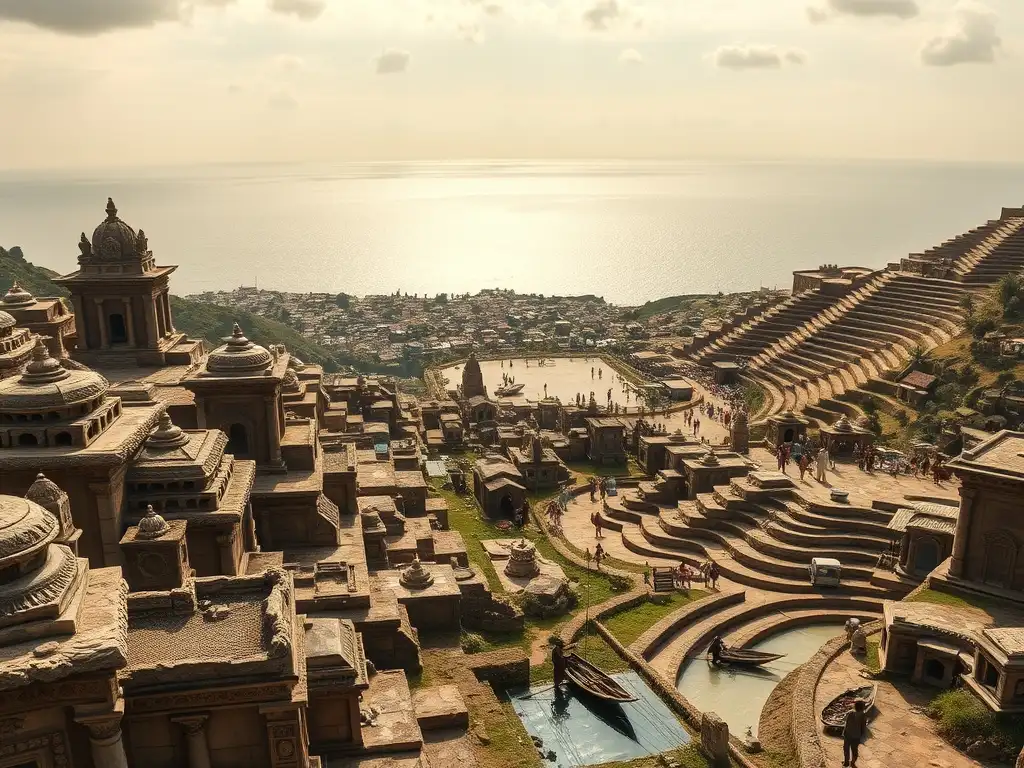
The Andean coastal civilizations, flourishing alongside their highland counterparts, developed intricate socio-political systems characterized by hierarchical structures and sophisticated governance mechanisms. Unlike the often-studied Inca Empire, these coastal societies, including the Moche, Nazca, and Chimú, demonstrated unique pathways to complexity. Understanding their evolution requires examining the interplay of environmental factors, technological advancements, and socio-religious beliefs. This section focuses on the key elements that shaped the development of these complex systems along the Peruvian coast.
The Growth of Hierarchical Societies
The rise of hierarchical societies in the Andean coastal region wasn't a sudden event but a gradual process spanning centuries. Archaeological evidence suggests an initial phase of relatively egalitarian village settlements, slowly evolving into larger, more stratified communities. This transition was facilitated by several factors. Firstly, increased agricultural productivity, driven by sophisticated irrigation systems and advancements in crop cultivation (like the mastery of cotton and maize), generated surplus resources.
This surplus allowed for specialization of labor, with some individuals focusing on craft production, religious activities, or political administration, while others continued agricultural production. This specialization, in turn, fueled social stratification, leading to the emergence of elites and distinct social classes. The Moche culture, for example, displays clear evidence of this hierarchical structure through monumental architecture, elaborate burials containing lavish grave goods for elites, and distinct styles of pottery reflecting different social standings. The concentration of power and resources in the hands of a ruling class became a defining feature of these coastal societies, shaping their political and social landscapes.
Analysis of Moche iconography further supports this, showcasing rulers depicted in powerful poses, often surrounded by symbols of authority and religious significance. Further research is needed to fully quantify the extent of social mobility within these hierarchical structures. [Specific information pending: Data on social mobility within Moche and Nazca societies].
Religion played a crucial role in maintaining social cohesion and legitimizing the power of the ruling elites in Andean coastal civilizations. Elaborate religious rituals, often involving human sacrifice (as evidenced by Moche iconography and archaeological finds), served to reinforce the authority of the ruling class and solidify their connection to the supernatural. The construction of monumental temples and ceremonial centers, like the Huaca del Sol and Huaca de la Luna of the Moche, served not only as religious sites but also as powerful symbols of the state's power and the elites' control over resources.
Furthermore, religious ideology often intertwined with agricultural practices and the control of water resources, vital for survival in the arid coastal environment. Religious beliefs provided a framework for understanding the world, explaining natural phenomena, and justifying social inequalities.
The Nazca Lines, though their exact purpose remains debated, likely held significant religious and ceremonial meaning, further highlighting the importance of ritual practices in coastal society. Analyzing the iconography and symbolism found in these sites, we can see how religious beliefs were used to consolidate power and maintain social order, underscoring the close relationship between religion, politics, and social structure in these Andean coastal civilizations.
The Development of Coastal Governance and Political Structures
The governance structures of Andean coastal civilizations varied across different cultures and time periods, but generally involved a complex interplay of centralized authority and local control. While the extent of centralized control differed, evidence suggests that many coastal societies developed sophisticated political systems capable of managing large populations and vast territories. For example, the Chimú kingdom, known for its extensive irrigation systems and impressive urban centers like Chan Chan, demonstrates a high degree of centralized power.
This is evident in the standardized architecture, sophisticated administrative systems, and the extensive network of roads and communication systems that facilitated the control and integration of diverse communities. However, it's important to note that these centralized systems likely coexisted with local power structures and forms of autonomy. The exact nature of this balance of power is still a subject of ongoing research.
[Specific information pending: Detailed analysis of local governance within the Chimú kingdom and other coastal societies]. The development of these complex governance systems was crucial for managing resources, resolving conflicts, and maintaining social order within these increasingly populous and complex coastal societies. Understanding the intricate interplay between centralized authority and local governance is key to understanding the dynamics of power and the resilience of these impressive Andean coastal civilizations.
Economic Foundations of Andean Coastal Societies
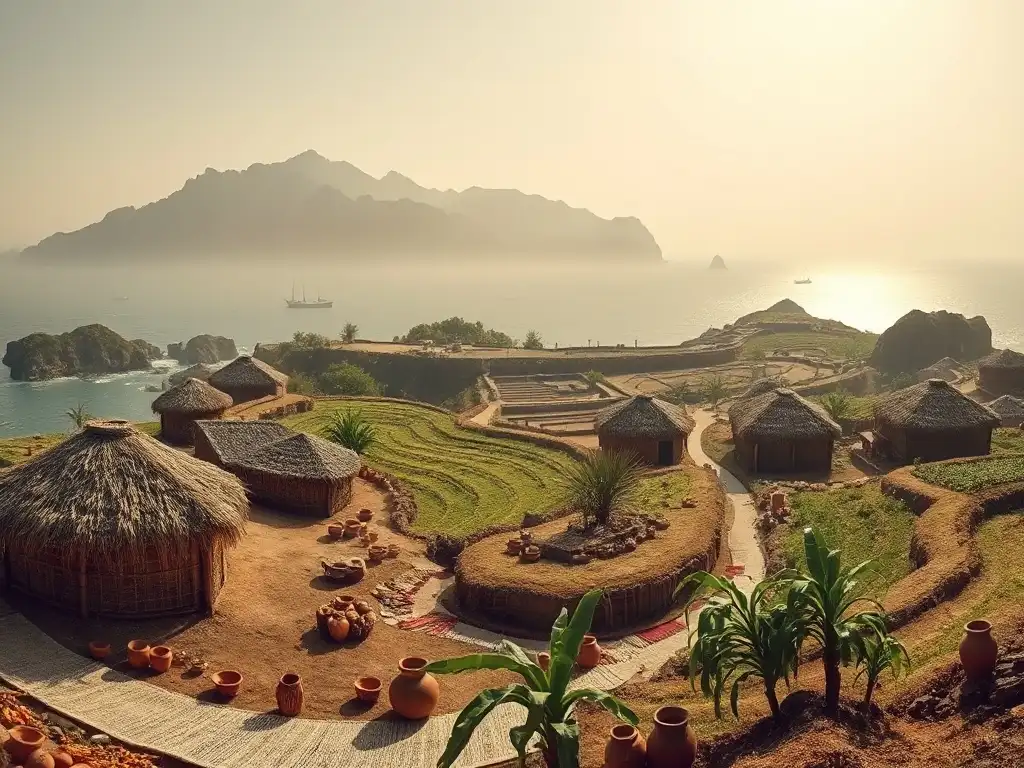
The rise of complex societies along the Andean coast wasn't solely a matter of political organization or religious beliefs; it was fundamentally rooted in robust and innovative economic strategies. The unique geography of the coastal region, characterized by arid deserts interspersed with fertile valleys and a bountiful ocean, presented both challenges and opportunities. Mastering these challenges and exploiting the opportunities led to the development of sophisticated economic systems that fueled the growth and prosperity of Andean coastal civilizations.
Understanding these foundations is crucial to grasping the full complexity of these remarkable societies. We'll explore the key pillars: intensive agriculture, marine resource exploitation, and extensive trade networks.
Intensive Agriculture and Irrigation Techniques
The seemingly inhospitable desert landscape of the Andean coast belied its potential for agricultural productivity. Andean coastal civilizations, such as the Moche and Nazca, developed ingenious irrigation systems to harness the scarce water resources. These weren't simple canals; they were complex engineering feats, often involving the construction of subterranean aqueducts ( canales subterráneos), terraces carved into hillsides, and intricate networks of canals diverting water from rivers and streams. This allowed for the cultivation of crops like cotton, maize, beans, and squash, providing a stable food supply and surplus for population growth and social stratification.
The scale of these irrigation projects was impressive. For example, the Nazca irrigation system, renowned for its complexity, covered vast areas and involved the channeling of water over considerable distances. The precise techniques employed, including the use of carefully graded canals and strategically placed reservoirs, demonstrate a high level of technological sophistication and a deep understanding of hydraulic principles. This intensive agriculture wasn't just about sustenance; it formed the bedrock of a complex economy, enabling specialization of labor and the development of craft production.
The surplus generated supported a larger population and fueled social and political hierarchies. Evidence suggests a sophisticated understanding of water management, with techniques adapted to the specific microclimates and soil conditions of different valleys. This nuanced approach highlights the advanced knowledge and organizational capabilities of Andean coastal agriculturalists.
The Exploitation of Marine Resources and Fishing Technologies
Beyond agriculture, the ocean offered another significant source of sustenance and wealth. The cold Humboldt Current, rich in nutrients, supported an incredibly diverse and abundant marine ecosystem. Andean coastal communities, including the Chimú and Inca, developed advanced fishing technologies to exploit this resource. This involved the use of various fishing techniques, from simple hook and line fishing to more sophisticated methods like netting and the use of specialized boats.
Evidence suggests a deep knowledge of marine biology and migratory patterns. The development of specialized tools, such as intricately woven nets and skillfully crafted fishing hooks, demonstrates a level of technological innovation. Furthermore, the remains of large-scale fish processing sites indicate a significant focus on preserving and storing the abundant catches.
The exploitation of marine resources wasn't limited to fish; sea birds, shellfish, and other marine life also contributed significantly to the diet and economy of these coastal societies. This abundance of protein complemented the agricultural output, ensuring a diverse and reliable food supply. The economic impact of this marine-based economy was substantial, supporting growing populations and contributing significantly to the overall wealth of these coastal civilizations.
The Importance of Trade and Exchange Networks
The productive capacity of both agriculture and fishing generated surpluses that fueled extensive trade networks along the Andean coast and beyond. Coastal communities exchanged goods with inland settlements, facilitating the movement of agricultural products, manufactured goods, and precious materials. This interconnectedness played a vital role in the development of complex societies, fostering cultural exchange and economic interdependence.
The nature of these exchange networks varied over time and across different regions. While some exchanges were based on reciprocal gift-giving, others involved more formalized systems of trade and tribute. The movement of goods was facilitated by well-established trade routes, often following river valleys or coastal pathways.
The transport of goods involved a variety of means, including pack animals like llamas and alpacas, and possibly even boats along coastal waterways. The evidence suggests a complex web of interconnected communities, each specializing in the production of certain goods and exchanging them for others. This intricate exchange system not only ensured economic stability but also played a crucial role in the dissemination of ideas, technologies, and cultural practices.
The scale and sophistication of these trade networks underscore the level of social and political organization necessary to manage these complex economic relationships. The trading of luxury items, like textiles and metalwork, further fueled economic growth and social status.
Coastal Transformations and the Rise of Andean Civilization
This section delves into the fascinating interplay between environmental factors and the development of complex societies along the Andean coast. We'll examine how the unique coastal environment shaped the trajectory of Andean coastal civilizations, influencing their social structures, economic systems, and technological innovations. Understanding this dynamic relationship is crucial to appreciating the remarkable achievements of these early Andean peoples. The term "Andean coastal civilizations" encompasses a diverse range of cultures, each adapting uniquely to the challenges and opportunities presented by their environment.
The Interplay Between Environment and Society
The Andean coastal region, while seemingly arid, offered a surprising abundance of resources. The Humboldt Current, a cold, nutrient-rich ocean current, fostered a remarkably productive marine ecosystem. This bounty fueled the development of sophisticated fishing techniques and provided a stable food source for burgeoning populations. Early Andean societies, such as the Chinchorro and Paracas cultures, developed intricate fishing methods, including woven nets, specialized hooks, and ingenious rafts capable of navigating the sometimes treacherous waters.
These advancements not only secured their food supply but also fostered economic specialization and social stratification. The abundance of marine resources allowed for population growth and the development of larger, more complex settlements. Furthermore, the presence of guano deposits, rich in nitrates, provided a crucial fertilizer for agriculture, enhancing the productivity of limited arable land in the coastal valleys.
This combination of marine and agricultural resources formed the foundation of a thriving coastal economy, supporting the development of complex social hierarchies and elaborate ceremonial centers. The relationship between people and environment was symbiotic; the environment provided the resources, and the people developed the technologies and social structures to manage and exploit them effectively. This dynamic shaped the unique character of Andean coastal civilizations, distinguishing them from their inland counterparts.
The Impact of Climate Change on Coastal Communities
The story of Andean coastal civilizations is not one of uninterrupted progress. Climate change played a significant role in shaping their destinies. Periods of El Niño events, characterized by unusually warm ocean temperatures and heavy rainfall, could lead to devastating floods and disruptions to agricultural cycles. Conversely, periods of prolonged drought could severely restrict access to freshwater resources and impact agricultural productivity.
Archaeological evidence suggests that these climatic fluctuations profoundly affected the trajectory of coastal societies. For example, shifts in settlement patterns and changes in burial practices observed in certain coastal sites strongly correlate with periods of intense climate variability. The ability of these societies to adapt to these environmental challenges varied considerably, depending on factors like population density, technological capacity, and social organization.
Some societies demonstrated remarkable resilience, developing sophisticated water management systems and diverse agricultural strategies to mitigate the effects of climate change. Others, however, faced collapse or significant population decline in the face of prolonged environmental stress. Understanding the impact of climate change on these early societies provides valuable insights into the vulnerabilities of human societies to environmental fluctuations, particularly in the context of today's rapidly changing climate.
Legacy of Early Andean Coastal Societies in Later Civilizations
The achievements of early Andean coastal civilizations left an indelible mark on the region's history. Their innovations in fishing techniques, agricultural practices, and social organization laid the foundation for the later rise of more powerful empires like the Moche and Inca. The sophisticated irrigation systems developed by earlier cultures were adopted and refined by subsequent societies, allowing for the cultivation of larger tracts of land and the support of larger populations.
Similarly, the mastery of metallurgy and ceramic production, apparent in the work of the Paracas and Nazca, continued to evolve and flourish in later Andean cultures. The legacy of these early coastal societies is not merely a historical footnote; it is a living testament to the ingenuity and adaptability of the human spirit.
Their innovations in resource management, social organization, and technological advancement profoundly shaped the development of the Andean region, underscoring the importance of understanding their contributions to the rich tapestry of Andean history. The study of these early Andean coastal civilizations offers crucial perspectives on the processes of societal development, adaptation, and resilience in the face of environmental challenges – lessons that remain highly relevant in our contemporary world.
Frequently Asked Questions
What were the main Andean coastal civilizations?
The article focuses on the rise of complex societies along the Andean coast, highlighting the achievements of various groups, including but not limited to the Moche and Nazca. These civilizations adapted remarkably to the unique challenges of the coastal environment.
How did the coastal environment influence Andean societies?
The coastal environment profoundly shaped Andean cultures. Access to marine resources fueled economic growth, while the arid climate led to innovative irrigation systems and agricultural practices. This environment also influenced their artistic expressions and religious beliefs.
What were some of the key technological advancements of the Andean coastal civilizations?
Andean coastal civilizations demonstrated remarkable technological innovation, developing sophisticated irrigation techniques, advanced metallurgy, and complex ceramic production. These advancements supported their growing populations and complex social structures.
How did the Andean coastal civilizations interact with each other?
The article explores the complex interactions between different coastal groups, including trade networks, cultural exchange, and sometimes, conflict. These interactions shaped the development and evolution of these societies over time.
What makes the study of Andean coastal civilizations important?
Studying these civilizations provides crucial insights into the adaptability of human societies to diverse environments and the development of complex social structures in pre-Columbian America. Their achievements offer valuable lessons for understanding human history and cultural diversity.
Final Reflection: Echoes of the Coast, Shaping Our Present
The intricate societies that flourished along the Andean coast weren't isolated anomalies; their innovative strategies for resource management and social organization offer crucial lessons for navigating the complexities of our modern world. Understanding their triumphs and failures provides a powerful lens through which to examine our own relationship with the environment and the challenges of sustainable development in the face of climate change and population growth.
The ingenuity of these coastal civilizations, their ability to adapt to a challenging environment and build thriving communities, continues to resonate today. Their sophisticated irrigation systems, intricate social hierarchies, and remarkable artistic achievements serve as a testament to human resilience and innovation. The past is never dead. It's not even past.
– William Faulkner. This quote rings particularly true when considering the enduring legacy of these Andean coastal cultures, whose innovations and struggles continue to inform our understanding of societal development and environmental stewardship.
Consider the challenges faced by coastal communities today – rising sea levels, resource depletion, and the pressures of globalization. By studying the successes and failures of past Andean coastal civilizations, we can gain valuable insights into building more sustainable and equitable societies.
You, the reader, are now equipped with a deeper understanding of this rich history. Take this knowledge, reflect on the parallels with our present, and consider how we can build a future where innovation and sustainability go hand in hand, ensuring that the echoes of these ancient coastal societies inspire us to create a more resilient and just world.
**Embrace the Adventure: Dive Deeper into the Andean Littoral! **
Thank you for exploring the fascinating evolution of coastal societies in the Andean region. You've gained valuable insights into the complexities of their flourishing civilizations, and we invite you to continue your journey of discovery!
- **Join the Discussion:** Share your thoughts and perspectives on this topic by commenting below or joining the conversation on our community forum. Your insights will contribute to a richer understanding for everyone.
- **Discover More:** Explore our collection of related articles on Andean civilizations, delving into the rich cultural, social, and historical tapestry of these remarkable societies.
- **Engage with Us:** Follow us on social media for the latest updates, intriguing historical facts, and opportunities to connect with a vibrant community of history enthusiasts.
What aspect of the Andean coastal transformations struck you as most surprising or significant? We encourage you to share your thoughts and continue the discussion!