
Uncovering the Secrets of the Yacumama: The Water Serpent of the Amazon

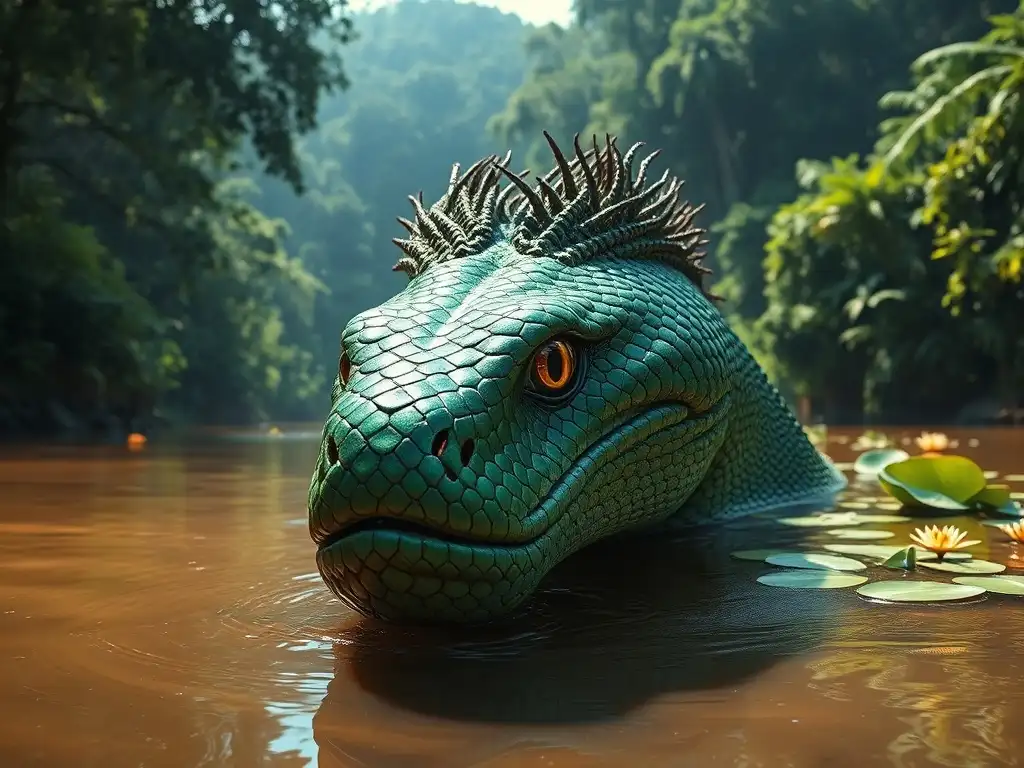
Step into a world lost to time, where mythical creatures intertwined with daily life and the Andes Mountains held sacred secrets. Dive into the fascinating world of Andean Civilizations, and prepare to be captivated by the intricate tapestry of their history, art, and beliefs. But first, we unravel a particularly intriguing enigma: the Yacumama, the colossal Amazonian water serpent, and its profound significance within Andean religion and cosmovision. Are you ready to uncover its mysteries?
- Unveiling the Mysteries of the Yacumama: The Amazon's Enigmatic Water Serpent
- The Yacumama: A Mythical Giant of the Amazonian Rivers
- Yacumama's Role in Indigenous Amazonian Beliefs
- The Yacumama Compared to Other Mythical Serpents
- Analyzing the Yacumama Myth: Cultural Significance
- Exploring Encounters and Stories of the Yacumama
- The Yacumama in the Context of Andean Cosmovision
- The Yacumama: A Symbol of the Amazon's Untamed Nature
- Frequently Asked Questions
- Final Reflection: The Enduring Power of Yacumama
- Dive Deeper into the Mystique of Yacumama!
Unveiling the Mysteries of the Yacumama: The Amazon's Enigmatic Water Serpent
The Amazon rainforest, a vast and verdant expanse teeming with life, has captivated imaginations for centuries. Beyond its incredible biodiversity, however, lies a rich tapestry of myth and legend, woven into the very fabric of the cultures that call this region home. Central to this rich mythology is the Yacumama, a powerful and enigmatic water serpent, whose influence resonates deeply within the spiritual beliefs and cosmological understandings of numerous Amazonian indigenous groups.
This article delves into the fascinating world of the Yacumama, exploring its diverse representations, its significance within different cultures, and its enduring presence in the Amazonian collective consciousness. We will uncover the secrets surrounding this powerful symbol, revealing how it embodies the life-giving properties of water, the dangers of the untamed wilderness, and the intricate relationship between humanity and the natural world in the Amazon basin.
Understanding the Yacumama provides a crucial window into the complex spiritual landscape of the Amazon, offering valuable insights into the beliefs and practices of its indigenous inhabitants. The keyword "Yacumama Amazonian water serpent" will be explored throughout, providing a comprehensive understanding of this captivating creature.
Diverse Depictions of the Yacumama: A Kaleidoscope of Forms
The Yacumama isn't a singular, uniformly depicted entity. Rather, its image varies significantly across different indigenous groups and regions of the Amazon. Some portrayals depict a massive serpent, coiling through the riverbeds, its scales shimmering under the sunlight.
Others describe it as a serpentine being of immense size, capable of engulfing entire canoes or even small villages. These variations reflect the diverse cultural interpretations and experiences with the Amazonian environment, showcasing the adaptability and fluidity of the myth itself. The descriptions often emphasize its immense size, its powerful presence, and its association with both life-giving waters and the unpredictable forces of nature.
For example, some tribes describe it as a benevolent guardian of the rivers, providing sustenance and protection, while others depict it as a fearsome creature, capable of inflicting devastating floods or swallowing unwary travelers whole. The Yacumama's multifaceted nature highlights the complex relationship between humans and the natural world in the Amazon. The sheer scale of variations underscores the rich tapestry of beliefs and interpretations surrounding this mythical being.
The Yacumama's Role in Amazonian Cosmology: Mother of Waters and Guardian of Life
The Yacumama's significance extends beyond mere folklore; it plays a fundamental role in the cosmology of many Amazonian communities. Often depicted as the mother of waters, the Yacumama is considered the source of life and fertility, representing the life-giving properties of rivers and the abundance they provide.
Its presence is deeply intertwined with the cyclical nature of the Amazonian ecosystem, reflecting the ebb and flow of the river systems and the rhythms of life and death. Many creation myths place the Yacumama at the heart of the world's genesis, portraying it as a creator deity or a powerful force that shaped the landscape and brought forth life.
Furthermore, the Yacumama acts as a powerful symbol of the interconnectedness of all living things, emphasizing the delicate balance within the Amazonian ecosystem and the importance of respecting and protecting the natural world. The stories and rituals associated with the Yacumama highlight the deep reverence and respect that indigenous communities have for the Amazonian environment and its life-giving resources.
The Yacumama in Contemporary Amazonian Culture: A Persistent Presence
Despite the pressures of modernization and globalization, the Yacumama remains a powerful and enduring symbol in contemporary Amazonian culture. Its image continues to appear in various forms of art, storytelling, and ritual practices, reflecting its ongoing significance in the lives of indigenous communities. The Yacumama's enduring presence serves as a testament to the resilience of indigenous traditions and the power of mythology to shape cultural identity.
It also highlights the ongoing importance of understanding and respecting the deep spiritual connections between indigenous communities and the Amazonian environment. While specific details may vary, the essence of the Yacumama – as a powerful, life-giving, and sometimes dangerous entity associated with water – continues to resonate throughout the region, serving as a reminder of the profound relationship between humanity and the natural world. The continued presence of the Yacumama in modern Amazonian society underscores the importance of preserving indigenous traditions and knowledge.
The Yacumama: A Mythical Giant of the Amazonian Rivers
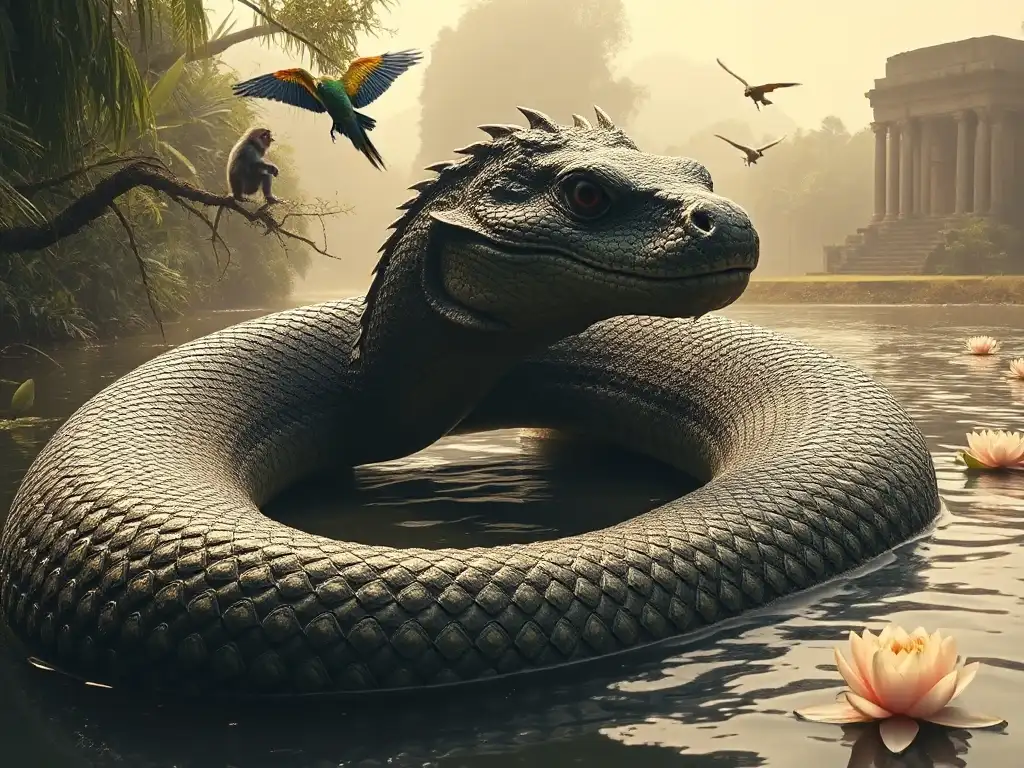
The Yacumama, meaning "Mother of the Waters," is a powerful and fearsome figure in Amazonian mythology. This colossal water serpent holds a significant place in the spiritual beliefs and folklore of numerous indigenous groups inhabiting the Amazon basin, representing the life-giving force of the rivers and the potent mysteries of the aquatic world.
Unlike some deities with clearly defined origins in specific creation myths, the Yacumama's story is woven into the very fabric of Amazonian life, a testament to the enduring power of oral tradition and the deep connection between these communities and their environment. The Yacumama isn't simply a creature of legend; she is a living embodiment of the Amazon's power, a symbol of both creation and destruction, worshipped and feared in equal measure.
Understanding her significance requires delving into the rich tapestry of Amazonian lore and cosmology. This exploration delves into the specific aspects of this powerful Amazonian deity, focusing on the "Yacumama Amazonian water serpent".
Origins of the Yacumama Legend in Amazonian Lore
The origins of the Yacumama legend are shrouded in the mists of time, passed down through generations via oral tradition. There's no single, definitive creation myth, but rather a collection of interconnected stories and beliefs shared among various Amazonian tribes. These narratives often intertwine the Yacumama with the creation of the rivers themselves, portraying her as a primordial being, intimately connected to the lifeblood of the Amazon. Some accounts depict her as an ancient entity, predating even the first humans, while others describe her emergence from the depths of the river, a powerful manifestation of the water's mystical energy.
The absence of a singular, written origin story highlights the fluid and evolving nature of oral traditions. Each community adds its own nuances and interpretations, resulting in a rich tapestry of Yacumama legends. This variation underscores the deeply personal and localized nature of these beliefs, emphasizing the close relationship between the indigenous populations and their environment. The stories are not static; they adapt and evolve reflecting the ongoing relationship between the people and the Amazon. Further research into specific tribal narratives is needed to fully understand the diverse origins of the Yacumama myth across different Amazonian cultures.
Yacumama's Physical Description: Size and Appearance
Descriptions of the Yacumama vary widely depending on the tribe and the storyteller. However, several common themes emerge. She is consistently portrayed as a creature of immense size, often described as being longer than a large canoe, and sometimes even as long as a whole river section. Her body is serpentine, with scales that shimmer and change color depending on the light and the water's movement. Some accounts describe her scales as being iridescent, reflecting the sunlight like jewels, while others mention patterns that mimic the river's currents or the forest's foliage.
Her head is often depicted as being horse-like or even reptilian, with sharp teeth and piercing eyes that seem to hold the wisdom of ages. Some legends add other features, such as powerful claws or even wings, depending on the specific version of the myth. The Yacumama is not merely a large snake; she is a magnificent, awe-inspiring creature that embodies the power and mystery of the Amazon. The inconsistencies in physical descriptions highlight the inherent flexibility of oral tradition and the diverse ways different cultures interpret and represent their deities.
The Yacumama's Habitat: Where the Giant Serpent Lurks
The Yacumama is inextricably linked to the Amazon River and its tributaries. She is said to dwell in the deepest, most secluded parts of the river system, in the swirling currents and dark, unexplored depths. Legends often place her in areas where the river widens, creating deep pools and eddies—perfect hiding places for a creature of her size. These locations are often considered sacred and are treated with a mixture of reverence and fear by the indigenous communities.
The Yacumama's presence is not always visible. Her movements are often indicated by unusual phenomena, such as sudden changes in water currents, unexplained eddies, or unusual sounds emanating from the depths. These events serve as reminders of her powerful presence and her influence over the river's flow.
The Yacumama's habitat is not just a physical location; it represents the untamed, mystical heart of the Amazon, a place where the natural world and the supernatural intertwine. Further research is needed to pinpoint specific geographical locations associated with the Yacumama in different indigenous cultures. This would provide a more complete understanding of the spatial distribution of the myth and its relationship to the Amazon's diverse ecosystems.
Yacumama's Role in Indigenous Amazonian Beliefs
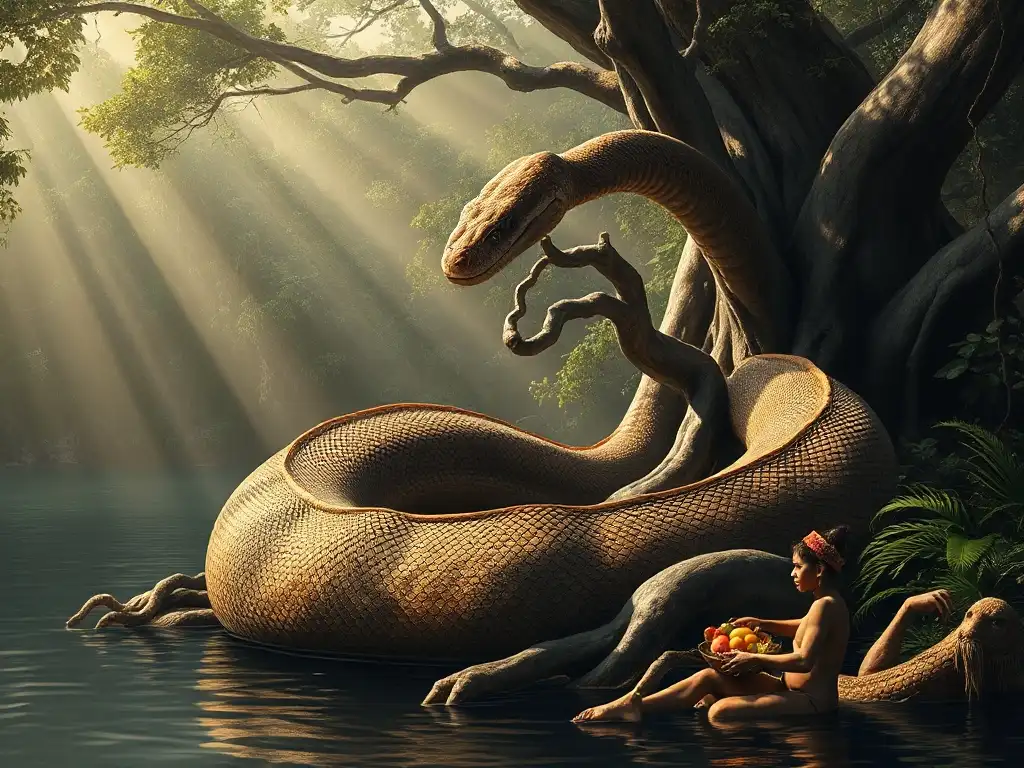
The Yacumama, the mythical Amazonian water serpent, holds a significant role in the spiritual and cosmological beliefs of numerous indigenous groups inhabiting the Amazon basin. While not strictly an Andean deity, its influence extends across the diverse cultures of the region, highlighting the interconnectedness of Amazonian spiritual traditions and their unique interpretations of the natural world. Understanding the Yacumama requires appreciating the deep reverence these communities hold for water sources – rivers, lakes, and streams – which are essential for life and deeply intertwined with their worldview.
The Yacumama is not simply a monster, but a powerful symbol representing the life-giving properties of water, its unpredictable nature, and the interconnectedness of all living things. This powerful symbol is frequently depicted in oral traditions, rituals, and artistic expressions across various Amazonian tribes, reflecting the widespread influence of this mythical being.
The Yacumama as Guardian of the Waters
The most prominent aspect of Yacumama's role is her guardianship of the water. She is often portrayed as a benevolent protector, ensuring the abundance and purity of water sources crucial for the survival of the communities. Many indigenous narratives describe her as a powerful entity who controls the flow of rivers, rainfall, and even the tides in coastal areas.
Disrespecting the Yacumama or polluting the water is believed to incur her wrath, leading to droughts, floods, or other natural disasters. This belief system fosters a deep respect for the environment and encourages sustainable practices. For example, some tribes have strict regulations concerning fishing practices near sacred water bodies, reflecting their understanding of the Yacumama’s role in maintaining ecological balance.
The stories passed down through generations emphasize the importance of living in harmony with nature and respecting the powerful forces that govern it, with the Yacumama serving as a potent reminder of this delicate balance. The Yacumama, therefore, is not just a mythological creature, but a powerful symbol of environmental responsibility and the interconnectedness of life.
Yacumama and the Concept of Water Spirits
The Yacumama is often associated with a broader pantheon of water spirits prevalent in Amazonian mythology. These spirits, often depicted as smaller, less powerful beings, inhabit various aquatic environments and are responsible for specific aspects of water management. The Yacumama, however, reigns supreme, acting as the ultimate authority over these lesser spirits.
This hierarchical structure reflects the complex relationship between indigenous communities and their environment, emphasizing the diverse spiritual forces at play in the natural world. Think of it as a complex ecosystem, mirrored in the spiritual realm, where the Yacumama is the apex predator, maintaining order and balance. Detailed accounts of interactions with these water spirits are often embedded within larger narratives featuring the Yacumama, highlighting her central role in the Amazonian spiritual cosmology.
The precise nature of these interactions varies considerably between different indigenous groups, reflecting the rich diversity of Amazonian beliefs. Further research is needed to fully understand the nuances of these relationships across the different tribes.
Yacumama's Connection to Shamanic Practices
Shamanic practices often incorporate the Yacumama into their rituals and ceremonies. Shamans, acting as intermediaries between the human world and the spirit world, may call upon the Yacumama for healing, protection, or guidance. Specific rituals might involve offerings to appease the Yacumama, ensuring the continued flow of water and preventing misfortunes.
These rituals often involve intricate ceremonies with symbolic gestures, chants, and the use of sacred plants. The use of ayahuasca, a powerful psychoactive brew, is often associated with shamanic journeys that may involve encounters with the Yacumama. These experiences, often described in vivid detail, provide crucial insights into the complex relationship between indigenous communities, their spiritual beliefs, and the natural world.
The Yacumama, in this context, serves as a powerful symbol of the unseen forces that govern the Amazonian ecosystem and human life, underscoring the importance of maintaining a harmonious relationship with the spiritual realm. Detailed ethnographic studies are essential to further explore the specific shamanic practices associated with the Yacumama across different Amazonian cultures.
The Yacumama Compared to Other Mythical Serpents
The Yacumama, the Amazonian water serpent, holds a unique position within the pantheon of Andean mythology, yet shares certain characteristics with other serpentine deities and creatures across the region. Understanding these similarities and differences provides crucial insight into the evolution and specific cultural significance of the Yacumama legend. While often depicted as a benevolent protector of water sources, her power and potential for destruction highlight the precarious relationship between humans and the natural world in the Amazonian context. This contrasts with some other Andean serpent deities, whose roles are less ambiguous.
Similarities and Differences with Other Water Serpents in Andean Mythology
Many Andean cultures feature water-associated serpents in their mythologies. However, the Yacumama differs significantly from others in her specific attributes and the nuances of her worship. For instance, while some Andean water serpents are associated with fertility and abundance, the Yacumama's power is more closely linked to the raw, untamed force of the Amazonian rainforest and its waterways. This is reflected in her depictions; often massive and terrifying, unlike the more stylized representations of other serpent deities found in, for example, Incan iconography.
The specific rituals and offerings dedicated to the Yacumama also set her apart. While some Andean cultures offered sacrifices to appease water spirits, the nature and type of offerings presented to the Yacumama often reflect the unique resources of the Amazon basin—fruits, plants, and perhaps even certain animals native to the region. [Specific ritual details pending further research].
This localized focus reinforces the Yacumama's strong connection to a particular environment, differentiating her from more broadly venerated Andean serpent deities. The Yacumama's mythology underscores the importance of respecting and maintaining a balance with the Amazonian ecosystem, a theme less prominent in other Andean water serpent narratives.
Yacumama vs. Amaru
The Amaru, a prominent serpent deity in Inca mythology, offers a compelling comparison. While both are serpentine figures associated with water, their roles and symbolism differ considerably. The Amaru, often depicted with multiple heads and feathered adornments, is frequently linked to royal power and fertility, acting as a symbol of Inca sovereignty and the abundance of the land. Its representation is often more stylized and regal compared to the powerful, often fearsome imagery associated with the Yacumama.
The Amaru's association with the Inca empire contrasts sharply with the Yacumama's more localized significance within Amazonian communities. The Amaru's mythology is interwoven with the broader Inca cosmology and its imperial narratives, reflecting the centralized power structure of the Inca state. Conversely, the Yacumama's stories are deeply rooted in the specific ecological and cultural context of the Amazon, emphasizing a more direct, often less structured, relationship between humans and the supernatural. The difference highlights the diverse ways in which Andean cultures conceptualized and interacted with serpentine deities, reflecting varying societal structures and environmental contexts.
Yacumama's Unique Attributes and Symbolism
The Yacumama's unique attributes are fundamental to understanding her significance. Her immense size, often described as colossal, emphasizes her power and dominion over the Amazonian waterways. Her association with both creation and destruction reflects the unpredictable nature of the Amazonian environment—a place of both life-giving abundance and potential danger. The Yacumama's ability to control floods and droughts underscores the crucial role of water in the Amazonian ecosystem and the precarious balance between human survival and the forces of nature.
Her symbolism extends beyond the purely environmental. The Yacumama's role as a protector of the waterways also highlights the importance of respecting the natural world and maintaining a harmonious relationship with it. Her image serves as a potent reminder of the consequences of disrupting the delicate ecological balance of the Amazon.
The stories surrounding the Yacumama, therefore, function not only as myths but also as ecological and ethical lessons passed down through generations, reflecting a deep understanding of the Amazonian environment and the crucial role of its waterways. The Yacumama, therefore, represents a powerful symbol of both the awe-inspiring beauty and the potential dangers inherent in the Amazonian rainforest, a potent reminder of the enduring power of nature in the heart of the Andes. 🐍
Analyzing the Yacumama Myth: Cultural Significance

The Yacumama, the monstrous Amazonian water serpent, holds a significant place in the mythology and cultural beliefs of numerous Amazonian indigenous groups. Far from being merely a terrifying creature of legend, the Yacumama represents a complex interplay of fear, respect, and a deep-seated understanding of the natural world. Understanding the Yacumama myth offers a window into the spiritual and ecological perspectives of these cultures, revealing their intricate relationship with the Amazonian ecosystem.
The stories surrounding the Yacumama are not simply tales; they are living narratives that continue to shape social structures, environmental practices, and spiritual beliefs. The "Yacumama Amazonian water serpent" is more than just a name; it's a symbol deeply embedded in the cultural fabric of the region.
The Yacumama as a Reflection of Nature's Power
The Yacumama's immense size and power directly reflect the overwhelming force of nature in the Amazon rainforest. The Amazon River, with its unpredictable currents, powerful floods, and teeming biodiversity, is a source of both life and danger. The Yacumama embodies this duality, representing the river's capacity for both nurturing abundance and devastating destruction.
Stories often depict the Yacumama controlling the river's flow, causing floods or droughts depending on her mood, highlighting the vulnerability of human communities to the whims of the natural world. This depiction underscores the importance of respecting and understanding the power of nature, a crucial element in the survival of Amazonian communities. The myth serves as a constant reminder of the unpredictable nature of the environment and the need for harmonious coexistence.
For example, certain indigenous groups have specific rituals and offerings aimed at appeasing the Yacumama to ensure a bountiful harvest and protection from natural disasters. These practices illustrate the deep connection between the mythical being and the practical concerns of daily life.
Yacumama as a Symbol of Fear and Respect
The Yacumama is not simply a benevolent force of nature; she is also a figure that inspires both fear and profound respect. Tales of her devouring humans or causing catastrophic floods serve as cautionary narratives, emphasizing the dangers of disrespecting the natural world. However, this fear is intertwined with a deep-seated reverence. Many indigenous communities view the Yacumama as a guardian spirit, a powerful entity that must be treated with utmost caution and respect.
Failure to do so is believed to invite misfortune or even death. This duality—fear and respect—is crucial to understanding the Yacumama's role in Amazonian cosmology. It is not merely a matter of fearing a monstrous creature; it is about recognizing and acknowledging a powerful force that shapes the lives and destinies of human communities. The Yacumama's power is not to be trifled with; it is to be understood, respected, and perhaps even appeased.
The Enduring Legacy of the Yacumama in Amazonian Culture
The Yacumama myth continues to thrive in contemporary Amazonian culture. While the specific details of the stories may vary between different indigenous groups, the core symbolism remains consistent. The "Yacumama Amazonian water serpent" remains a powerful symbol, influencing art, storytelling, and spiritual practices.
The Yacumama's image frequently appears in traditional crafts, such as pottery and textiles, serving as a visual representation of the river's power and the importance of maintaining a balanced relationship with nature. The ongoing transmission of these stories through oral tradition ensures that the Yacumama's legacy endures, connecting present-day communities to their ancestral past and reinforcing the importance of respecting the natural world. The continued relevance of the Yacumama myth demonstrates its enduring power and its vital role in shaping Amazonian cultural identity.
It serves as a powerful reminder of the interconnectedness of humans and nature, a lesson as relevant today as it was centuries ago. Further research is needed to fully document the diversity of Yacumama narratives across different Amazonian groups and to analyze the evolving interpretations of this significant mythological figure.
Exploring Encounters and Stories of the Yacumama
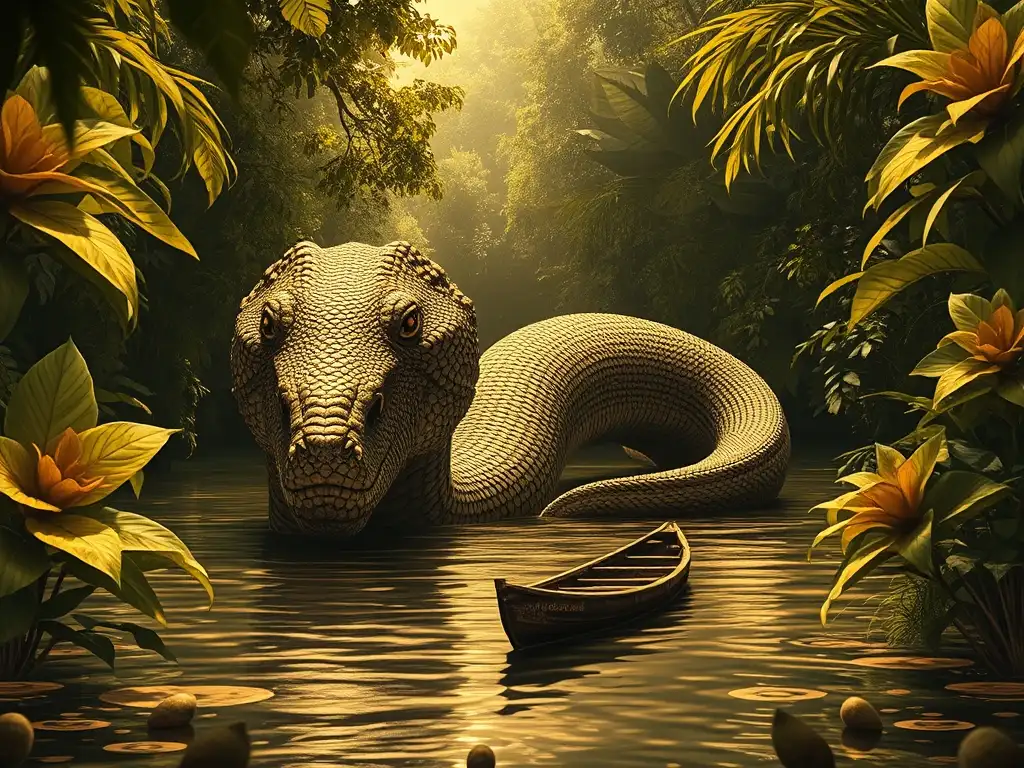
This section delves into the rich tapestry of encounters and narratives surrounding the Yacumama, the mythical Amazonian water serpent, a creature deeply embedded in the beliefs and traditions of numerous Amazonian indigenous groups. Understanding these accounts is crucial to grasping the significance of the Yacumama within the broader context of Amazonian cosmology and its enduring presence in contemporary society.
The Yacumama, often described as a giant serpent, embodies the power and mystery of the Amazonian rivers, reflecting the deep spiritual connection indigenous communities have with their environment. This powerful symbol represents not only the life-giving waters but also the unpredictable forces of nature.
Accounts of Yacumama Sightings: Fact or Fiction?
Reports of Yacumama sightings persist to this day, fueling debate amongst researchers and local communities alike. Are these accounts genuine encounters with a massive, undiscovered species, or are they rooted in folklore and cultural interpretations of natural phenomena? Many sightings describe a creature of immense size, often associated with powerful whirlpools and unusual aquatic activity. Some accounts even describe the Yacumama emitting bioluminescence, adding to the mystique.
Analyzing these accounts requires a nuanced approach. While some may be easily dismissed as misinterpretations of other aquatic creatures or natural events, others possess compelling details and consistent elements across different testimonies. The difficulty lies in verifying these accounts, given the remote and often inaccessible nature of the Amazonian rainforest. Further investigation, involving both scientific exploration and anthropological studies of indigenous oral traditions, is necessary to fully assess the validity of these claims.
The question remains open: does the Yacumama exist as a biological entity, or is it purely a symbolic representation of the Amazon's untamed power? The lack of definitive photographic or video evidence currently leans towards the latter, but the persistent accounts warrant continued attention and investigation. [Specific data on documented sightings pending].
Traditional Stories and Legends of the Yacumama
The Yacumama’s role in Amazonian mythology is multifaceted and deeply ingrained in the spiritual beliefs of numerous indigenous groups. She is often depicted as a powerful, benevolent deity, a guardian of the waters and a symbol of fertility and abundance. In some narratives, she is associated with creation myths, said to have shaped the landscape and given rise to rivers and lakes. Other stories portray her as a protector of the rainforest ecosystem, ensuring the balance of life within the intricate web of the Amazonian biodiversity.
However, the Yacumama is not always depicted as solely benevolent. In some legends, she is portrayed as a fearsome creature, capable of immense destruction and capable of punishing those who disrespect the river and its ecosystem. These contrasting narratives highlight the complex relationship between humans and nature within the Amazonian worldview.
The Yacumama serves as a powerful reminder of the respect and reverence that is due to the natural world, a vital lesson embedded within the rich oral traditions of the region. The stories are passed down through generations, reinforcing the importance of environmental stewardship and sustainable practices within these communities. Understanding these traditional narratives is crucial to appreciating the cultural significance of the Yacumama and its continued relevance in Amazonian society.
The Yacumama in Contemporary Amazonian Narratives
The Yacumama continues to hold a significant place in contemporary Amazonian culture. While scientific explanations might attempt to rationalize sightings, the Yacumama remains a powerful symbol in the collective consciousness of many communities. Her image frequently appears in contemporary art, literature, and music, reflecting her enduring presence in the cultural imagination. This continued relevance highlights the enduring power of oral traditions and the deeply rooted spiritual connection between indigenous communities and the Amazonian environment.
Furthermore, the Yacumama serves as a potent symbol in environmental activism. Her representation is often used to raise awareness about the threats facing the Amazon rainforest and the importance of its conservation. The Yacumama's continued relevance in modern storytelling and activism underscores the enduring power of myth and legend to shape contemporary understanding and action.
The ongoing preservation of these narratives is vital not only for cultural continuity but also for the ongoing protection of the Amazonian ecosystem. The Yacumama, therefore, transcends its mythical origins to become a powerful symbol of environmental stewardship and cultural identity in the 21st century. The enduring power of the "Yacumama Amazonian water serpent" myth serves as a testament to the enduring strength of indigenous traditions and beliefs.
The Yacumama in the Context of Andean Cosmovision
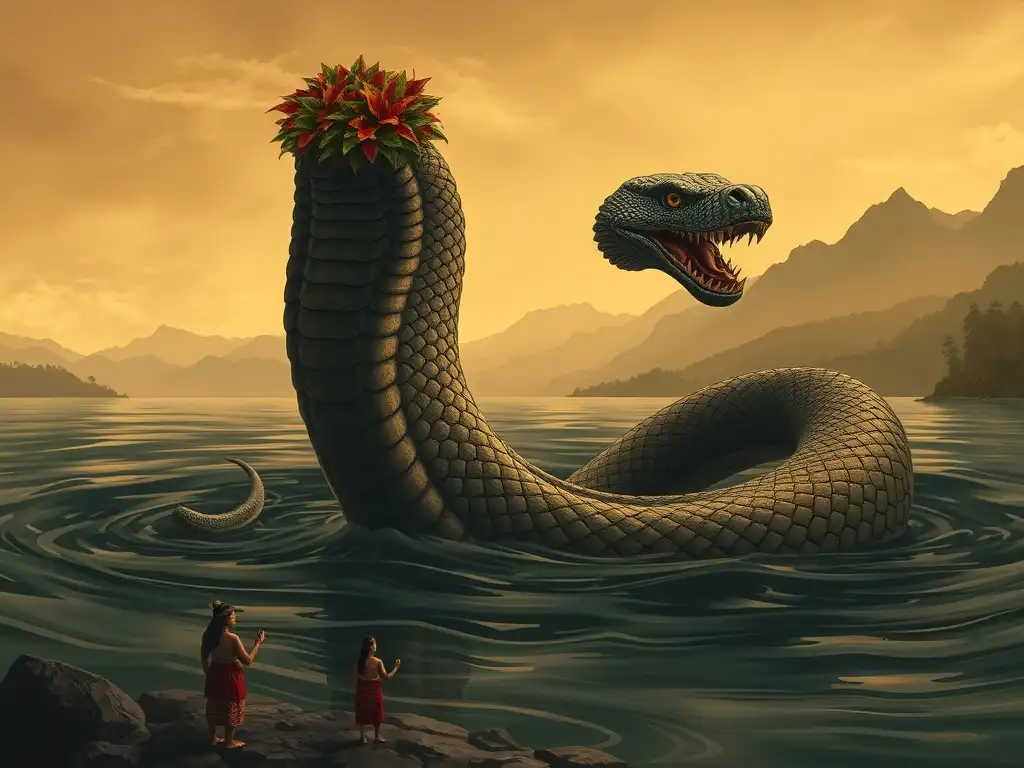
This section delves into the significance of the Yacumama, the Amazonian water serpent, within the broader framework of Andean cosmovision. While the Yacumama is primarily associated with the Amazon basin, its mythological resonance extends to a deeper understanding of Andean beliefs about the interconnectedness of life, the power of nature, and the spiritual world. Unlike some strictly localized deities, the Yacumama's influence on water sources and fertility touches upon core tenets shared across various Andean cultures, demonstrating a surprising level of thematic consistency despite geographical variations.
Understanding the Yacumama requires moving beyond a simple categorization as a “local deity” and recognizing its role in expressing fundamental Andean concepts of power, life, and the cosmos. Its symbolism transcends geographic boundaries, echoing themes present in other Andean mythological figures.
How the Yacumama Fits within the Andean Worldview
The Andean worldview, encompassing diverse cultures like the Inca, Wari, and Tiwanaku, is characterized by a profound respect for Pachamama, Mother Earth, and the intricate relationship between the earthly and spiritual realms. The Yacumama, as a powerful water serpent, perfectly embodies this interconnectedness. She is not merely a creature of myth but a potent force representing the life-giving waters essential for agriculture, sustenance, and the very survival of communities.
The Yacumama's control over water sources directly reflects the Andean understanding of nature's power and the necessity of maintaining a harmonious relationship with it. Failure to respect her could lead to drought, floods, or other natural calamities, reinforcing the importance of ritual appeasement and respectful coexistence.
The reverence for the Yacumama underscores the Andean emphasis on reciprocity and balance within the ecosystem – a core principle of their spiritual beliefs. Stories of the Yacumama often serve as cautionary tales, highlighting the consequences of disrupting the natural order.
Yacumama's Place in the Pantheon of Andean Deities and Spirits
Pinpointing the Yacumama's precise position within a unified "Andean pantheon" is challenging due to the regional diversity of beliefs and the limited surviving documentation. However, we can analyze her attributes and compare them to other known deities and spirits. While not a central figure like Inti (the sun god) or Viracocha (the creator god) in Inca mythology, the Yacumama holds a significant place in the Amazonian region's spiritual landscape.
She shares similarities with other water deities across various Andean cultures, often associated with fertility, abundance, and the cyclical nature of life and death. Her serpentine form echoes the symbolism of serpents found in other Andean mythologies, frequently representing both danger and renewal. Further research is needed to fully understand the Yacumama’s relationship to other deities, particularly within specific Amazonian indigenous groups.
This requires a deeper exploration of oral traditions and a comparative analysis of regional mythologies. [Specific information pending: Detailed comparative analysis of Yacumama with other Andean water deities].
Yacumama and the Understanding of Nature's Balance
The Yacumama's mythology offers a compelling lens through which to examine the Andean understanding of ecological balance. Her control over water resources highlights the crucial role of water in sustaining life and the potential consequences of environmental disruption. The Yacumama's character, often depicted as both benevolent and wrathful, underscores the need for respectful interaction with nature.
The stories surrounding her serve as a powerful reminder of the interconnectedness of all living things and the importance of maintaining harmony within the ecosystem. The Yacumama's role isn't simply that of a deity; she is a symbol of the delicate equilibrium between humanity and the natural world, a recurring theme in Andean cosmovision. Disrespect for the Yacumama, through actions like polluting water sources or exploiting natural resources without consideration, is presented as a direct affront to the natural order, inviting negative consequences.
This reinforces the deeply embedded Andean concept of ayni, the principle of reciprocity and mutual responsibility within the environment. The Yacumama's legend acts as a powerful ecological parable, emphasizing sustainable practices and the long-term consequences of environmental mismanagement. 🌊
The Yacumama: A Symbol of the Amazon's Untamed Nature
The Yacumama, the mythical Amazonian water serpent, is far more than just a creature of legend. She represents the untamed power and life-giving force of the Amazon rainforest and its waterways. Unlike many deities associated with specific Andean cultures like the Incas or Moche, the Yacumama's influence stretches across a broader geographical area, reflecting the shared reverence for the Amazon's ecological significance among numerous indigenous groups.
Her image, often depicted as a colossal serpent with scales shimmering like the sun on water, embodies the immense, unpredictable nature of the river systems. The Yacumama's size alone, often described as stretching for miles, underscores the overwhelming scale of the Amazon and its power to both nurture and destroy. Her association with both creation and destruction highlights the duality inherent in the Amazonian ecosystem – a place of abundant life but also of formidable natural forces.
Understanding the Yacumama requires appreciating the deep spiritual connection indigenous communities have with this vital ecosystem, a connection that permeates their daily lives and worldview. The Yacumama isn't simply a mythical being; she's a living symbol of the Amazon's ecological integrity.
Yacumama and the Importance of Environmental Conservation
The Yacumama's role in indigenous cosmologies directly relates to the importance of environmental conservation. Many indigenous narratives depict the Yacumama as a guardian of the river, ensuring its health and the prosperity of those who respect it. Conversely, disrespect towards the river, through pollution or unsustainable practices, is often depicted as incurring the Yacumama's wrath, leading to floods, droughts, or other natural calamities.
This serves as a powerful ecological message, emphasizing the interconnectedness of human actions and environmental well-being. Modern environmental movements are increasingly drawing parallels between these traditional beliefs and contemporary conservation efforts. The Yacumama, therefore, serves as a potent symbol in promoting sustainable practices and raising awareness about the fragility of the Amazon ecosystem.
For example, some communities use the Yacumama legend to educate younger generations about the importance of responsible resource management and the consequences of deforestation and pollution. This highlights the enduring relevance of ancient myths in addressing modern environmental challenges. The Yacumama, a powerful symbol of the Amazon, acts as a reminder of our responsibility to protect this vital ecosystem for future generations.
The Yacumama's Enduring Mystery and Allure
The Yacumama remains shrouded in mystery, adding to her enduring allure and the fascination she holds for researchers and the public alike. While numerous accounts describe her appearance and actions, there's a lack of standardized depictions across all indigenous groups. This variation reflects the diverse interpretations and localized adaptations of the myth within different communities.
Some accounts describe her as benevolent, a source of life and abundance, while others depict her as a fearsome force, capable of inflicting devastation. This ambiguity contributes to the Yacumama’s enduring mystery. The lack of definitive physical evidence further fuels speculation.
While some interpret sightings of unusually large anacondas or other aquatic creatures as potential Yacumama appearances, these remain anecdotal and unverified. This continued ambiguity ensures the Yacumama remains a captivating figure, a testament to the power of myth to transcend time and inspire wonder. The ongoing debate and interpretations surrounding her only enhance her mythical status as the enigmatic guardian of the Amazon.
Understanding the Yacumama's Significance for Andean Culture
The Yacumama's significance transcends simple mythology; she represents a fundamental aspect of the Andean worldview. Her presence in narratives underscores the deep spiritual connection between humans and the natural world, a connection that is central to many indigenous cultures across the Amazon basin. The Yacumama's influence isn't limited to specific religious rituals or ceremonies, but is woven into the fabric of daily life, shaping perspectives on resource management, community relations, and the understanding of the natural environment.
Furthermore, understanding the Yacumama helps us to appreciate the richness and diversity of Andean cosmologies. The Yacumama's story highlights the importance of respecting and protecting the environment, a message that resonates deeply with contemporary concerns about environmental sustainability.
By studying the Yacumama, we gain a deeper understanding of the complex relationship between humans and nature in the Andean region, a relationship that has shaped cultural practices and beliefs for centuries. The Yacumama, therefore, serves as a valuable lens through which to examine the interconnectedness of culture, religion, and the environment in the Amazonian context.
Frequently Asked Questions
What is the Yacumama?
The Yacumama is a mythological figure in Amazonian cultures, depicted as a giant water serpent. She is often associated with fertility, water sources, and the power of nature.
Where does the Yacumama legend originate?
The Yacumama legend originates from the Amazon basin, specifically among the indigenous peoples of the region. Its stories are passed down through generations via oral traditions.
What are the Yacumama's characteristics?
The Yacumama is described as a massive serpent, sometimes with multiple heads, inhabiting rivers and lakes. She is often depicted as both a powerful and benevolent being.
How does the Yacumama relate to Andean civilizations?
While the Yacumama is primarily associated with the Amazon, its presence in mythology and folklore highlights the interconnectedness of beliefs and spiritual practices across different regions of South America, including those influenced by Andean cultures. The shared themes of nature worship are significant.
What is the significance of the Yacumama in modern times?
The Yacumama remains a powerful symbol in Amazonian communities, representing the importance of protecting the environment and respecting the spiritual forces of nature. Her legend continues to inspire art, storytelling, and environmental activism.
Final Reflection: The Enduring Power of Yacumama
The legend of Yacumama, far from being a relic of the past, remains a potent symbol of the delicate balance between humanity and the Amazonian ecosystem. Her story serves as a stark warning in our era of unprecedented environmental challenges, reminding us of the consequences of disrespecting the natural world. The very survival of the Amazon, and indeed the planet, hinges on our ability to heed the ancient wisdom embedded within such myths.
Yacumama's enduring presence in Amazonian culture speaks volumes about the deep connection indigenous peoples have with their environment. Her image, woven into the fabric of their traditions and beliefs, underscores the profound respect they hold for the river and its life-giving power. This reverence is something we, in our increasingly detached modern world, could learn much from. The earth does not belong to man; man belongs to the earth. This we know. All things are connected.
- Chief Seattle. This quote encapsulates the essential truth at the heart of Yacumama's legend: our interconnectedness with nature and the responsibility we bear towards its preservation.
Consider the impact of Yacumama's story on your own life. What does it reveal about your relationship with the natural world? Are you actively contributing to the protection of our planet, or are you, like those who disregard Yacumama's power, risking the delicate balance that sustains us all? Let the legend of the Amazonian water serpent inspire you to become a guardian of the environment, to act with respect and reverence for the natural world, and to ensure that the spirit of Yacumama continues to thrive for generations to come.
Dive Deeper into the Mystique of Yacumama!
Thank you for joining us on this journey to uncover the ancient legends surrounding the enigmatic Yacumama, the Water Serpent of the Amazon. Your interest in this captivating story reveals a deep connection to Andean cultures and their fascinating beliefs. Now, let's explore how you can continue to engage with this incredible myth!
- Join our community: Sign up for our newsletter to receive exclusive insights and updates about Andean civilizations and their legends.
- Share your thoughts: Engage with us on social media and tell us how the legend of Yacumama resonates with you.
- Explore further: Discover more about mythical creatures and the rich cultural traditions of the Andean region through our related articles.
What aspect of Yacumama's story intrigues you most, and how do you believe these ancient legends shape our understanding of the natural world today?