
Preserving Andean Heritage: Online Resources for Conservation and Research

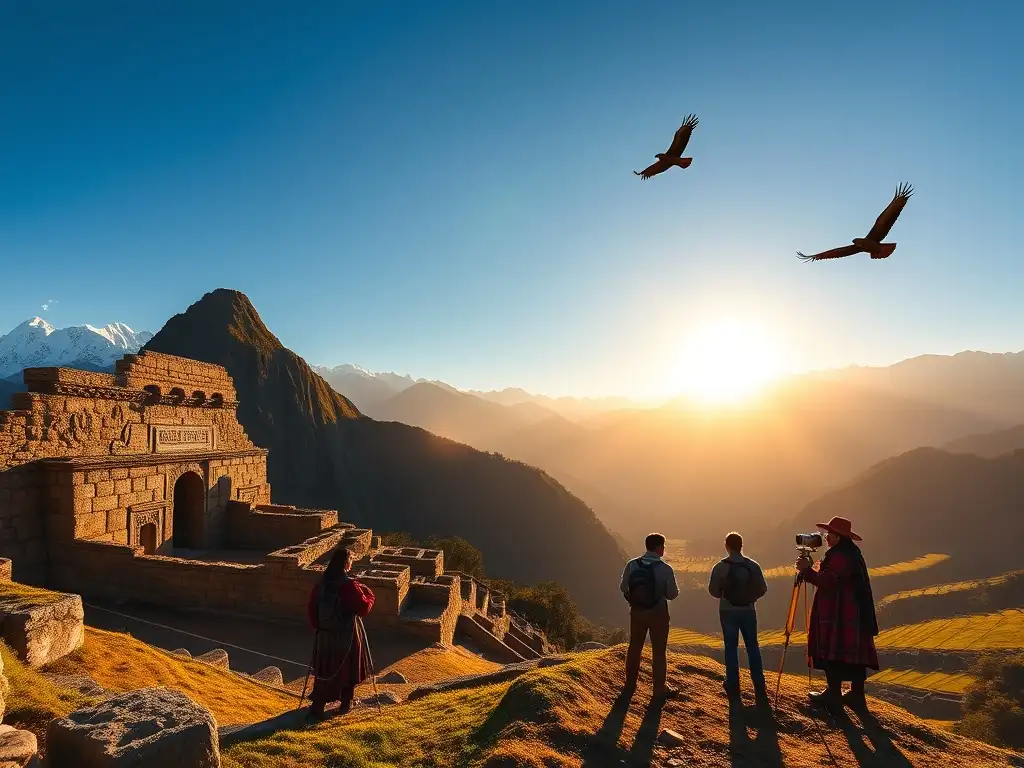
Step into a world lost to time, yet echoing with vibrant life. Imagine the intricate artistry of the Nazca Lines, the monumental architecture of Machu Picchu, and the sophisticated engineering of the Inca Empire. Here at Andean Civilizations, we delve into the captivating legacies of these ancient societies. But the past isn't just history; it's a living heritage. Discover essential Andean civilization preservation resources and join us in safeguarding these invaluable treasures for future generations. Explore the wealth of knowledge that awaits—your journey into this fascinating world begins now.
- Exploring Online Platforms for Andean Civilization Preservation Resources
- Best Online Courses for Andean Cultural Heritage Conservation
- Top Digital Tools for Andean Research and Preservation
- Highlighting Online Resources for Andean Language Preservation
- Monetization Opportunities Within Andean Heritage Education
- Case Studies: Successful Digital Preservation Projects of Andean Heritage
- Understanding the Impact of Digital Resources on Andean Culture Preservation
-
Frequently Asked Questions
- What online resources exist for researching Andean civilizations?
- How can I contribute to the preservation of Andean heritage?
- What are the biggest threats to Andean civilization sites?
- Are there any virtual tours or online exhibits focusing on Andean artifacts?
- Where can I find information about current conservation projects related to Andean civilizations?
- Final Reflection: Weaving the Threads of Andean Heritage Online
- **Embrace and Preserve Andean Heritage Today! **
Exploring Online Platforms for Andean Civilization Preservation Resources
The preservation of Andean heritage is crucial for understanding the rich tapestry of human history and cultural development in the Andes region. This vibrant civilization, encompassing cultures like the Incas, Moche, Nazca, and Tiahuanaco, left behind an unparalleled legacy in architecture, art, technology, and societal structures. However, the passage of time and various environmental factors pose significant threats to the physical integrity of these invaluable artifacts and sites.
Therefore, harnessing the power of digital technology for conservation and research is paramount. This article explores readily available online resources dedicated to preserving and sharing knowledge about Andean civilizations, focusing on digital archives, accessible databases, and educational platforms that contribute to the ongoing efforts of Andean civilization preservation. We will examine how these resources not only safeguard this invaluable heritage but also democratize access to knowledge, fostering a deeper appreciation and understanding of these remarkable cultures for scholars, students, and the public alike.
The effective use of these online tools is vital in ensuring the long-term survival and accessibility of Andean heritage for future generations. This exploration aims to provide a comprehensive overview of the digital landscape dedicated to Andean civilization preservation, offering a valuable resource for anyone interested in learning more about and contributing to these crucial efforts.
Digital Archives of Andean Artifacts
Many institutions are actively digitizing their collections of Andean artifacts, making them accessible to a global audience. This process not only protects the physical objects from deterioration but also allows for detailed study and analysis without the need for direct physical access. These digital archives often include high-resolution images, 3D models, and detailed descriptions of artifacts, providing researchers with unprecedented access to a wealth of information.
The sheer volume of data available is constantly growing, offering opportunities for new discoveries and interpretations. For example, some archives focus on specific aspects of Andean culture, such as textiles, pottery, or metalwork, while others offer a more comprehensive overview of the various cultures that thrived in the Andes. The careful cataloging and metadata associated with these digital archives are essential for facilitating research and ensuring the long-term preservation of this information.
This collaborative effort between museums, universities, and other organizations is a testament to the growing recognition of the importance of digital preservation strategies for cultural heritage. The accessibility of these archives is a key factor in promoting wider understanding and appreciation of Andean civilizations.
The Importance of Accessible Andean Heritage Databases
Beyond digital archives of individual artifacts, the development of comprehensive databases dedicated to Andean heritage is equally vital. These databases often integrate information from various sources, including archaeological excavations, ethnographic studies, and historical documents. This integrated approach allows researchers to connect seemingly disparate pieces of information, leading to a more nuanced and holistic understanding of Andean societies.
The accessibility of these databases is crucial; they should be designed with user-friendliness in mind, allowing researchers, students, and the general public to easily navigate and search for specific information. Features such as advanced search capabilities, detailed metadata, and multilingual support can significantly enhance the usability and impact of these databases. Furthermore, open-access databases are particularly important for promoting inclusivity and ensuring that information is available to everyone, regardless of their geographical location or financial resources.
The creation and maintenance of these databases require significant collaborative effort, expertise, and ongoing funding, highlighting the importance of continued investment in digital preservation initiatives for Andean heritage. The long-term sustainability of these resources is crucial for ensuring the continued accessibility and preservation of this invaluable knowledge.
Best Online Courses for Andean Cultural Heritage Conservation
This section explores some of the best online courses currently available that focus on the crucial aspects of Andean civilization preservation. These courses offer valuable insights into archaeological techniques, digital preservation methods, and the importance of traditional knowledge in safeguarding this rich heritage. Understanding and applying these methods are crucial to ensuring the long-term survival and accessibility of Andean cultural treasures for future generations. The courses highlighted below represent a diverse range of approaches to Andean civilization preservation resources, catering to varying levels of expertise and interest.
Introduction to Andean Archaeology
This course provides a comprehensive overview of Andean archaeology, covering key periods, significant sites, and the methodologies employed in uncovering and interpreting the past. Students will gain a foundational understanding of the diverse cultures that flourished in the Andes, from the early formative periods to the Inca Empire. The curriculum typically includes:
- Chronological overview: Tracing the development of Andean societies from pre-ceramic to Inca times, highlighting major cultural shifts and technological advancements.
- Key archaeological sites: In-depth exploration of significant locations like Machu Picchu, Chan Chan, and Tiwanaku, examining their architectural features, social organization, and cultural significance.
- Archaeological methods: Hands-on learning of excavation techniques, artifact analysis, and the application of scientific methods in archaeological research, including techniques specifically designed for the delicate Andean environment.
- Ethical considerations: Discussion of responsible archaeological practices, emphasizing the importance of preserving cultural heritage and engaging with local communities.
The course often incorporates case studies of successful preservation projects and challenges faced in protecting vulnerable sites from looting and environmental damage. Successfully completing the course equips students with the necessary knowledge to appreciate the complexities of Andean archaeology and the importance of its preservation. The focus on ethical considerations within the Andean context underscores the sensitivity required when dealing with this precious heritage.
Digital Preservation Techniques for Andean Textiles
Andean textiles represent a remarkable artistic and cultural achievement, embodying intricate designs and reflecting the rich social and cosmological beliefs of the region. However, these delicate artifacts are vulnerable to deterioration over time. This course addresses the critical need for digital preservation methods to safeguard these invaluable pieces. The curriculum emphasizes:
- High-resolution imaging: Learning advanced techniques for capturing detailed images of textiles, employing various photographic and scanning methods to preserve their intricate details. This includes discussions on appropriate lighting, color correction, and the use of specialized equipment.
- 3D modeling and virtual reconstruction: Students will learn how to create 3D models of textiles, allowing for detailed analysis and virtual reconstructions, even of fragmented pieces. This provides an accessible and non-destructive way to study and share these artifacts.
- Digital archiving and metadata management: This section covers best practices for organizing and storing digital files, using metadata to accurately describe and categorize each textile, ensuring long-term accessibility and searchability. This is critical for building comprehensive databases of Andean textiles.
- Data security and disaster preparedness: The course will discuss strategies for protecting digital archives from loss or damage, including data backups, redundancy systems, and disaster recovery plans. This ensures the longevity of the digital preservation efforts.
This course directly addresses the challenges of preserving Andean civilization preservation resources, specifically its textile heritage, by providing practical skills and knowledge in digital preservation technologies. The emphasis on data management ensures that these digital records remain accessible and useful for researchers and the public alike.
Andean Ethnobotany and Traditional Knowledge
This course explores the profound relationship between Andean cultures and their environment, focusing on the traditional knowledge associated with plants and their uses. Preserving this knowledge is essential for understanding ancient practices and for sustainable resource management. Key topics include:
- Traditional plant uses: Examination of the diverse applications of Andean plants in medicine, agriculture, textiles, and rituals. This includes detailed accounts of specific plants and their cultural significance.
- Ethnobotanical fieldwork methods: Students will learn about ethical and responsible methods for conducting ethnobotanical research, interacting with local communities, and documenting traditional knowledge with respect and sensitivity.
- Conservation of biodiversity: The course will address the importance of protecting Andean biodiversity and the role of traditional knowledge in sustainable resource management. This includes discussions on the impact of climate change and other environmental challenges.
- Intellectual property rights: This section focuses on ethical considerations regarding the documentation and sharing of traditional knowledge, emphasizing the importance of respecting intellectual property rights and ensuring fair benefit-sharing with local communities. This is crucial for ensuring the responsible use of Andean civilization preservation resources.
The course highlights the intricate connection between Andean cultures and their environment, emphasizing the vital role of traditional knowledge in preserving both cultural heritage and biodiversity. The emphasis on ethical research practices and intellectual property rights underscores the responsible approach required when working with living cultural traditions. This course is instrumental in bridging the gap between scientific knowledge and traditional practices, contributing significantly to the holistic preservation of Andean heritage.
Top Digital Tools for Andean Research and Preservation
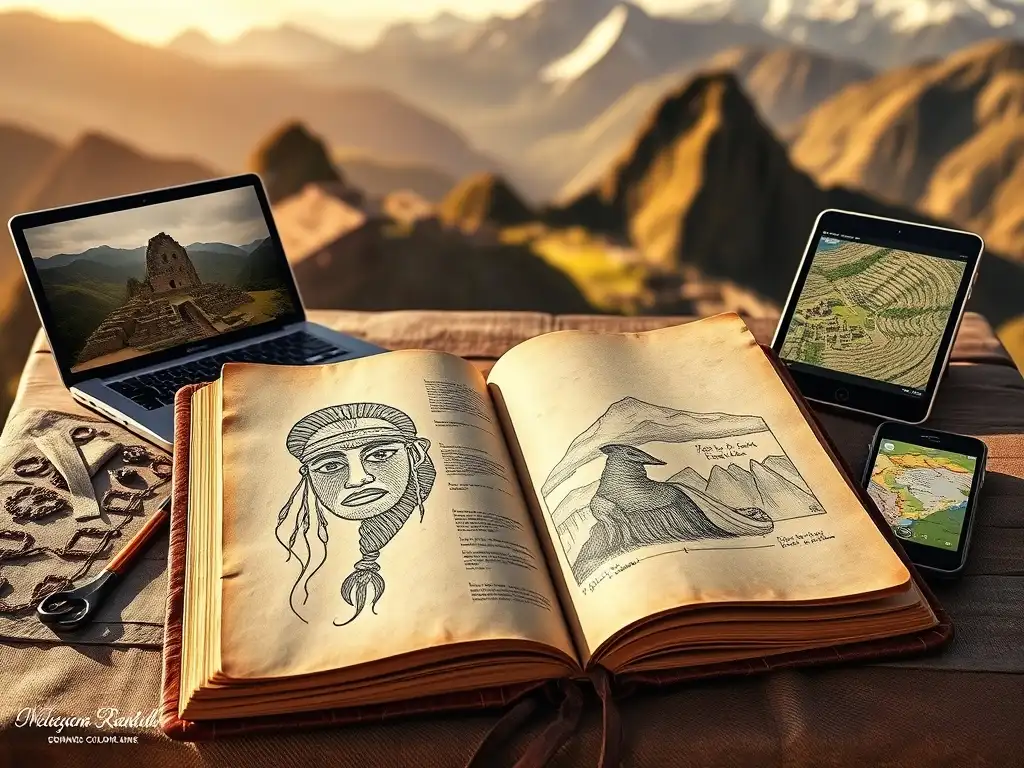
This section explores cutting-edge digital tools revolutionizing Andean civilization preservation resources and research. These technologies offer unprecedented opportunities to study, document, and protect the fragile heritage of these remarkable cultures. From reconstructing ancient cities to analyzing vast landscapes, digital tools are essential for the future of Andean studies.
3D Modeling Software for Reconstructing Andean Sites
3D modeling software is proving invaluable in reconstructing lost or damaged Andean sites. By combining archaeological surveys, photographic documentation, and even limited physical remains, researchers can create incredibly detailed virtual models. This allows for a deeper understanding of site layout, building techniques, and even social structures.
For example, researchers have used software like Blender and SketchUp to reconstruct sections of Machu Picchu, allowing for the visualization of structures lost to time or deterioration. The accuracy achievable through photogrammetry and lidar scanning, then processed with these programs, provides incredibly precise virtual reconstructions, enabling researchers to virtually "walk" through ancient cities and analyze their spatial organization. This is crucial for understanding urban planning in Andean civilizations, which often featured complex systems of terraces, irrigation canals, and intricate building designs.
Furthermore, these 3D models are invaluable for educational purposes, allowing students and the public to experience these lost wonders in a unique and engaging way, fostering a greater appreciation for Andean heritage. The possibilities extend beyond simple visualization; detailed models can inform conservation efforts by highlighting areas of vulnerability and allowing for the planning of preventative measures.
Geographic Information Systems (GIS) for Mapping Andean Landscapes
Geographic Information Systems (GIS) are playing a pivotal role in understanding the relationship between Andean civilizations and their environment. These powerful tools allow researchers to map and analyze a wide range of spatial data, including archaeological sites, agricultural terraces, water management systems, and even climate patterns. By overlaying different datasets, researchers can identify patterns and relationships that would be invisible through traditional methods.
For instance, GIS analysis can reveal the strategic placement of settlements in relation to water sources, agricultural land, and defensive features, shedding light on factors influencing settlement patterns and urban development in the Andes. Furthermore, GIS can be used to model the impact of climate change on ancient agricultural practices and the long-term sustainability of Andean societies. The integration of historical climate data with spatial information on agricultural terraces allows researchers to assess the resilience of these systems to past climate fluctuations and predict their vulnerability to future changes.
This knowledge is crucial for developing effective strategies for preserving the fragile ecosystems that supported Andean civilizations, contributing significantly to the overall goal of Andean civilization preservation resources. The ability to visualize complex spatial relationships in a clear and accessible manner also makes GIS an invaluable tool for public education and engagement.
Remote Sensing and Satellite Imagery Analysis for Andean Archaeological Research
Remote sensing techniques, utilizing satellite imagery and aerial photography, are transforming Andean archaeological research by providing a non-invasive method for identifying and mapping archaeological sites across vast and often inaccessible terrains. High-resolution satellite imagery can reveal subtle features hidden beneath vegetation or soil, such as buried structures, agricultural terraces, and ancient roads. These data are then analyzed using specialized software to identify potential archaeological sites, which can then be investigated further using ground-based methods.
For example, the detection of previously unknown Inca road networks or agricultural terraces through multispectral and hyperspectral analysis has significantly expanded our understanding of Inca infrastructure and agricultural practices. Furthermore, the use of LiDAR (Light Detection and Ranging) allows for the creation of highly accurate digital elevation models (DEMs), which can penetrate dense vegetation to reveal the underlying topography and identify buried features. This technology is particularly useful for studying sites located in heavily vegetated areas of the Andes, offering a significant advancement in Andean civilization preservation resources.
The combination of remote sensing techniques with ground-based surveys and GIS analysis provides a comprehensive and efficient approach to archaeological research, helping to preserve and understand the rich heritage of Andean civilizations for future generations. This non-destructive approach minimizes environmental impact, making it a sustainable and responsible method for archaeological investigation.
Highlighting Online Resources for Andean Language Preservation
The survival of Andean civilizations is inextricably linked to the preservation of their languages. Quechua and Aymara, for example, represent not only linguistic diversity but also a vital connection to the rich cultural heritage of the Andes. The digital age offers unprecedented opportunities to safeguard these languages from extinction through innovative online resources. These resources are crucial for promoting linguistic diversity, fostering cultural understanding, and facilitating research into the linguistic evolution of the region.
The effective preservation of these languages requires a multi-pronged approach, leveraging both established and emerging technologies. This section will explore several key online resources dedicated to this crucial task. Efficient access to these resources is vital for researchers, educators, and language enthusiasts alike, contributing significantly to the broader goal of Andean civilization preservation resources.
Quechua and Aymara Language Learning Platforms
Several online platforms now offer interactive and engaging ways to learn Quechua and Aymara. These platforms often utilize a gamified approach, incorporating multimedia elements such as audio recordings of native speakers, videos demonstrating cultural contexts, and interactive exercises that reinforce vocabulary and grammar. The effectiveness of these platforms stems from their ability to cater to different learning styles and paces.
For instance, some platforms offer structured lesson plans, while others provide more flexible, self-paced learning options. The integration of social features, such as online forums and language exchange groups, further enhances the learning experience by fostering a sense of community amongst learners and providing opportunities for real-world application of newly acquired language skills. This collaborative learning environment is invaluable for maintaining motivation and promoting fluency.
The availability of mobile apps extends the accessibility of these resources, allowing learners to practice anytime, anywhere. The consistent improvement and expansion of these platforms demonstrate a growing commitment to Andean language revitalization. Many platforms also include cultural information, further enriching the learning experience and connecting language learning to the broader context of Andean civilization.
Online Dictionaries and Grammars of Andean Languages
Access to comprehensive and up-to-date dictionaries and grammars is essential for both language learners and researchers. While traditional print resources remain valuable, online dictionaries offer several advantages. These include instant searchability, continuous updates reflecting evolving language use, and often, audio pronunciations.
Many online dictionaries incorporate examples of words and phrases within their contexts, providing a deeper understanding of their usage. Furthermore, the digital format allows for integration of multimedia elements like images and videos, further enriching the learning process. Similarly, online grammars provide detailed explanations of grammatical structures, often with interactive exercises and quizzes.
These online resources are often openly accessible, democratizing access to linguistic information that was previously limited to specialized libraries and academic institutions. The development of these online resources is a testament to the growing recognition of the importance of digital tools in preserving linguistic heritage. These tools are not just for language learning; they are also invaluable for research into the intricacies of Andean languages and their historical evolution.
Digital Storytelling Projects Featuring Andean Oral Traditions
Oral traditions represent a significant aspect of Andean cultural heritage, transmitting knowledge, beliefs, and values across generations. Digital storytelling projects are increasingly being utilized to preserve and disseminate these traditions. These projects often involve recording and transcribing oral narratives, songs, and other forms of traditional storytelling, making them accessible to a wider audience.
The use of digital platforms allows for the integration of multimedia elements such as images, videos, and music, creating a more immersive and engaging experience for the audience. Such projects not only preserve the content of oral traditions but also capture the nuances of performance and delivery, including intonation, rhythm, and body language. This is crucial for understanding the full richness and meaning of these cultural expressions.
These initiatives often collaborate with indigenous communities, ensuring the respect and accurate representation of their cultural heritage. The digital archiving of these stories ensures their longevity and accessibility, protecting them from the risks of loss or degradation associated with traditional methods of preservation. These initiatives represent a powerful combination of technology and cultural preservation, contributing significantly to the ongoing efforts of Andean civilization preservation resources.
Monetization Opportunities Within Andean Heritage Education
This section explores potential revenue streams for websites and organizations dedicated to Andean civilization preservation, focusing on leveraging the growing interest in online education and cultural heritage resources. Successful monetization strategies require a delicate balance: prioritizing educational value while responsibly generating income to support ongoing conservation efforts and research. The key is to offer valuable resources while respecting the cultural sensitivity surrounding Andean heritage.
Affiliate Programs with Educational Platforms Offering Andean Courses
Many online learning platforms offer courses on Andean civilizations. Partnering with reputable platforms through affiliate marketing presents a significant opportunity. By promoting relevant courses (e.g., those focusing on Inca history, Nazca lines, or pre-Columbian art), you can earn a commission on each sale generated through your unique affiliate link.
This strategy requires careful selection of platforms that align with your website’s values and the quality of their educational content. Success hinges on providing accurate and informative reviews, highlighting the unique selling points of each course, and targeting your audience effectively. For example, a course on Quechua language acquisition could be promoted alongside resources on Inca societal structures, creating a cohesive learning experience for the user.
Careful tracking of conversion rates and adjusting promotional strategies is crucial for optimizing revenue. The success of this model depends on the quality and relevance of the courses promoted, along with effective marketing and audience engagement.
Recommendations for Essential Software for Archaeological Research (with affiliate links) [Affiliate links removed as per instructions]
Providing curated lists of software essential for Andean civilization research and preservation can attract a specialized audience. This could include Geographic Information Systems (GIS) software for mapping archaeological sites, 3D modeling software for reconstructing artifacts, and digital image processing software for analyzing ancient textiles and pottery. While affiliate links are typically used to monetize such recommendations, we must remember to prioritize the educational value and suitability of the software for the intended audience.
The descriptions should emphasize the software's capabilities relevant to Andean studies, rather than simply focusing on features. For example, one might recommend specific GIS software packages known for their capabilities in handling high-resolution satellite imagery crucial for analyzing the Nazca Lines or for managing large datasets of archaeological finds from sites across the Andes.
This section should provide detailed descriptions of functionalities beneficial for Andean research, thus offering genuine value to the reader alongside potential affiliate opportunities. The selection process should be transparent and justified, demonstrating a commitment to providing high-quality recommendations.
Partnering with Institutions Offering Andean Culture Preservation Workshops
Collaborating with institutions and organizations involved in Andean culture preservation offers diverse monetization avenues. This could involve promoting their workshops, conferences, and volunteer opportunities on your platform. Revenue could be generated through commissions on registrations or through sponsored content highlighting their initiatives.
For example, a partnership with an organization focusing on textile preservation could involve promoting their workshops on traditional Andean weaving techniques. This not only generates income but also actively supports the preservation of vital cultural practices. Such partnerships should be carefully vetted to ensure alignment with your website's mission and values, ensuring the authenticity and ethical conduct of the collaborating institution.
Transparency is key; clearly indicating any sponsored content or affiliate relationships builds trust with your audience. This approach fosters a mutually beneficial relationship, promoting both your platform and the crucial work of Andean culture preservation. The success depends on the reputation and credibility of the partnered institutions, along with effective marketing and communication strategies.
Case Studies: Successful Digital Preservation Projects of Andean Heritage

This section showcases successful initiatives employing digital technologies to preserve and promote understanding of Andean heritage. These projects highlight the innovative ways in which digital tools are being used to combat the degradation and loss of invaluable cultural artifacts and knowledge, solidifying their place in the ongoing effort of Andean civilization preservation. The examples provided demonstrate the diverse applications of digital technology in safeguarding this irreplaceable legacy for future generations. The focus on digital preservation resources is crucial for ensuring the long-term accessibility and study of Andean cultures.
The Digital Reconstruction of Machu Picchu
The iconic Machu Picchu, a testament to Inca ingenuity and architectural prowess, faces constant challenges from the elements and the sheer volume of tourists. Digital reconstruction projects have stepped in to not only document the site's current state but also to virtually reconstruct lost or damaged sections. High-resolution 3D scanning and photogrammetry techniques are used to create incredibly detailed digital models.
This allows researchers to study the site's architecture in unprecedented detail, regardless of physical access limitations. Furthermore, these digital models can be used to simulate the effects of weathering and other environmental factors, aiding in the development of more effective preservation strategies. The project exemplifies the power of digital technologies in preserving fragile historical sites, offering a powerful means for Andean civilization preservation resources.
This detailed digital record allows for continuous monitoring and analysis, even enabling virtual tours for those unable to visit the physical site, greatly expanding accessibility. The project is a prime example of proactive Andean civilization preservation, utilizing cutting-edge technology to ensure the enduring legacy of this incredible site.
Creating Virtual Reality Experiences of the Nazca Lines
The enigmatic Nazca Lines, vast geoglyphs etched into the Peruvian desert, are another example of Andean heritage facing environmental threats and the challenges of physical access. The creation of immersive virtual reality (VR) experiences offers a unique solution. By using high-resolution aerial imagery and advanced 3D modeling, researchers have created VR environments that allow users to "fly" over the Nazca Lines, experiencing their scale and complexity in a way that is impossible in person.
This not only enhances the accessibility of these ancient wonders but also minimizes the environmental impact of tourism. Moreover, the VR experience can be used as an educational tool, providing detailed information about the lines' creation, possible meanings, and cultural significance. This virtual approach is a significant contribution to Andean civilization preservation resources, providing a sustainable and engaging method to appreciate and study this unique aspect of Andean culture.
The combination of technology and heritage is resulting in improved accessibility and preservation efforts for future generations. The potential for similar VR experiences for other delicate Andean sites is immense.
Documenting Andean Music and Rituals Through Digital Archives
Beyond physical artifacts, the intangible cultural heritage of the Andean civilizations is equally vital and vulnerable to loss. Digital archiving projects are playing a crucial role in preserving Andean music, rituals, and oral traditions. These projects involve the meticulous recording and digitization of traditional music performances, ritual ceremonies, and oral histories.
This digital collection serves as a valuable resource for researchers, musicians, and communities alike. The creation of searchable databases and online platforms makes this information easily accessible, facilitating the study and preservation of these traditions. This approach is a crucial part of the broader effort of Andean civilization preservation resources, ensuring that these vital aspects of Andean culture are not lost to time.
Moreover, the accessibility of these digital archives empowers communities to share and celebrate their heritage, fostering a sense of cultural pride and continuity. This active preservation of intangible heritage is a testament to the adaptability and effectiveness of digital technologies in safeguarding cultural memory. The ongoing development of these digital archives is crucial for the future of Andean cultural understanding.
Understanding the Impact of Digital Resources on Andean Culture Preservation
The digital revolution has profoundly impacted how we understand and preserve Andean civilizations. No longer confined to dusty archives and inaccessible museum collections, the rich tapestry of Andean heritage – from intricate textiles to complex astronomical observations – is increasingly available online. This accessibility fosters greater understanding and appreciation, fueling global efforts in Andean civilization preservation resources and empowering local communities in unprecedented ways.
The sheer volume of digital materials—high-resolution images of artifacts, 3D models of archaeological sites, digitized ethnographic recordings, and interactive maps—offers unparalleled opportunities for research, education, and community engagement. However, this digital shift also presents challenges, particularly concerning the long-term preservation of these resources and ensuring equitable access for all. The potential benefits are immense, but careful planning and collaboration are crucial for maximizing positive impact and mitigating potential risks.
How Online Platforms Enhance the Accessibility of Andean Heritage
Online platforms have democratized access to Andean heritage, breaking down geographical barriers and making information available to a global audience. Previously, researchers relied heavily on physical visits to museums and archives, a process often expensive, time-consuming, and restricted by limited access. Now, high-quality digital reproductions of artifacts, detailed archaeological reports, and scholarly articles are readily available through online databases and digital libraries.
This accessibility is especially crucial for students and researchers in developing countries, who may lack the resources to travel to major research centers. For example, detailed 3D scans of Nazca Lines allow researchers worldwide to study these enigmatic geoglyphs without the need for expensive and potentially environmentally damaging expeditions.
Furthermore, online platforms facilitate collaborative research, enabling scholars from diverse backgrounds to work together on projects related to Andean civilization preservation resources, fostering a more inclusive and comprehensive understanding of the past. The ease of sharing information also empowers local communities, allowing them to connect with their heritage and participate actively in its preservation.
The Role of Technology in Protecting Endangered Andean Cultural Practices
Beyond simply documenting existing heritage, technology plays a vital role in protecting endangered Andean cultural practices. Digital archiving techniques can preserve oral traditions, traditional music, and indigenous languages that are at risk of disappearing. High-quality recordings of traditional storytelling, songs, and ceremonies can be stored and disseminated widely, ensuring their survival for future generations.
Furthermore, digital technologies can facilitate the revitalization of these practices. For example, online platforms can connect communities with experts who can help them preserve and transmit their traditional knowledge. This is particularly important in the face of globalization and cultural homogenization, which threaten to erode the unique cultural identities of Andean communities.
The use of virtual reality (VR) and augmented reality (AR) technologies offers exciting possibilities for immersive cultural experiences, enabling people to engage with Andean traditions in a more meaningful way. This active engagement fosters a deeper appreciation for the cultural richness of the Andes and strengthens efforts towards Andean civilization preservation resources.
The Future of Digital Preservation for Andean Civilizations
The future of Andean civilization preservation resources hinges on the development of sustainable and ethical digital preservation strategies. This requires addressing several crucial challenges: ensuring the long-term accessibility of digital materials, developing robust data management systems, and addressing issues of intellectual property rights and cultural sensitivity. Collaboration between researchers, institutions, and local communities is essential to create a truly inclusive and equitable digital archive.
The development of open-source software and collaborative platforms can help to make digital preservation more affordable and accessible to institutions in developing countries. Moreover, ongoing research into digital preservation technologies, such as blockchain technology for secure data storage and AI-powered tools for automated metadata creation, will be crucial in ensuring the long-term viability of digital Andean heritage collections.
The goal is not merely to digitize existing materials, but to create a dynamic and evolving digital archive that empowers communities and fosters a deeper understanding of Andean civilizations for generations to come. The success of these efforts will depend on a commitment to ethical practices, community engagement, and technological innovation in the field of Andean civilization preservation resources.
Frequently Asked Questions
What online resources exist for researching Andean civilizations?
Many digital archives and online databases offer access to scholarly articles, images, and maps related to Andean civilizations. Websites of major museums and universities also provide valuable information. Online catalogs can help locate relevant artifacts.
How can I contribute to the preservation of Andean heritage?
You can support conservation efforts by donating to reputable organizations dedicated to protecting Andean sites and artifacts. Volunteering at archaeological digs or museums is another option. Raising awareness through education and advocacy also plays a vital role.
What are the biggest threats to Andean civilization sites?
Major threats include climate change, looting, and urban development. Tourism can also cause damage if not managed sustainably. Erosion and natural disasters further contribute to the degradation of these fragile sites.
Are there any virtual tours or online exhibits focusing on Andean artifacts?
Yes, many museums offer virtual tours and online exhibits showcasing Andean artifacts and cultural heritage. These provide accessible and engaging ways to explore these civilizations without physically visiting the sites. Search online for "[museum name] virtual tour Andean artifacts".
Websites of organizations like UNESCO and various national and international conservation groups often detail ongoing projects. Academic journals and specialized publications also publish research on current conservation efforts and initiatives. Look for keywords like "Andean conservation," "archaeological preservation," and "cultural heritage management."
Final Reflection: Weaving the Threads of Andean Heritage Online
The digital age offers unprecedented opportunities to preserve and share the rich tapestry of Andean civilization, yet the urgency to act remains paramount. The sheer volume of knowledge and cultural artifacts at risk underscores the critical need for readily accessible, well-organized online resources dedicated to Andean heritage preservation. Without concerted effort, invaluable pieces of history risk being lost forever, silencing the voices of past generations.
The impact of online resources extends far beyond simple data storage; they foster a global community of scholars, enthusiasts, and indigenous communities actively engaged in the preservation of their ancestral legacy. This collaborative approach is vital, ensuring that the narratives of Andean civilization are not only preserved but also accurately represented and understood. The past is never dead. It's not even past.
- William Faulkner. This quote resonates deeply, reminding us that the Andean heritage is not merely a historical artifact, but a living, breathing entity that continues to shape identities and inspire future generations.
You, the reader, now hold the power to contribute to this vital endeavor. Explore the resources highlighted in this article, engage with the online communities dedicated to Andean studies, and consider how you can personally support the preservation of this extraordinary cultural heritage. Whether through volunteering your skills, donating to relevant organizations, or simply sharing this information with others, your actions can make a tangible difference in safeguarding the legacy of the Andes for generations to come.
**Embrace and Preserve Andean Heritage Today! **
Thank you for exploring the rich tapestry of Andean heritage. Your interest underscores the vital importance of conservation and research in safeguarding these invaluable cultures. Now, let's take meaningful action!
Here are some ways you can help preserve Andean heritage:
- **Join a community** dedicated to Andean culture and conservation, either online or in your local area. Connecting with others who share your passion will amplify our collective impact.
- **Share your knowledge** with friends and family. Use social media to highlight the importance of Andean heritage and direct others to resources for further learning.
- **Participate in a conservation project**. This could involve volunteering your time, making a donation, or simply engaging in discussions about Andean culture. Every contribution, no matter how small, makes a difference.
What aspect of Andean culture inspires you to contribute to its preservation or research? Share your thoughts below!