
The Role of Religion in Ancient Andean Architecture

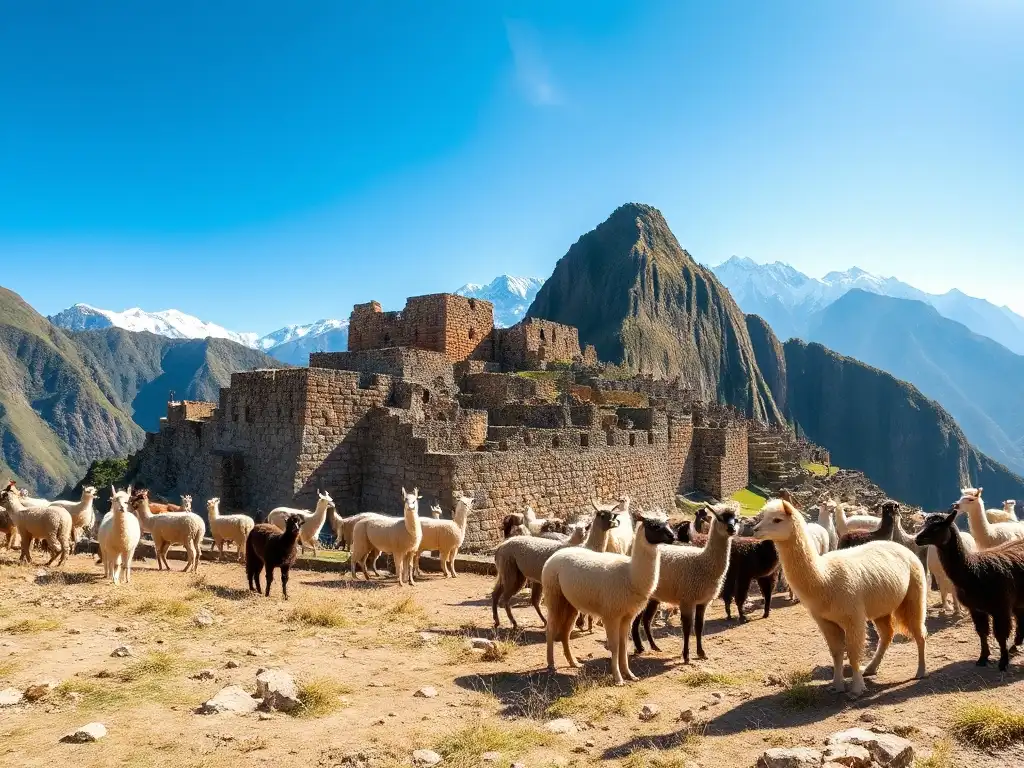
Step into a world lost to time, where towering structures whispered secrets to the gods. Discover the breathtaking ingenuity and profound spiritual significance woven into the very fabric of Ancient Andean religious architecture. From the celestial alignments of Machu Picchu to the enigmatic lines of Nazca, we unravel the mysteries behind these awe-inspiring creations. Prepare to be amazed as we delve into the intricate relationship between faith, power, and the breathtaking landscapes that shaped these remarkable civilizations. Uncover the hidden stories behind the stones— your journey into the heart of Andean spirituality begins now.
- The Role of Religion in Ancient Andean Architecture: Unveiling Sacred Spaces
- Exploring Key Examples of Ancient Andean Religious Architecture
- Deciphering the Symbols: Religious Iconography in Andean Architecture
- The Legacy of Ancient Andean Religious Architecture
-
Frequently Asked Questions
- What role did religion play in Ancient Andean architecture?
- How did Andean religious beliefs impact city planning?
- What are some examples of Ancient Andean religious architecture?
- How did the different Andean cultures express their religious beliefs through architecture?
- What materials were commonly used in Ancient Andean religious architecture?
- Final Reflection: Echoes of Faith in Stone
- **Unveil the Masterpieces of Ancient Andean Architecture! **
The Role of Religion in Ancient Andean Architecture: Unveiling Sacred Spaces
The Andes Mountains, a majestic spine running down the western edge of South America, are not merely a geographical feature; they are the very foundation of ancient Andean spirituality. For millennia, civilizations like the Inca, Moche, Nazca, and Tiahuanaco carved their beliefs into the very landscape, creating a breathtaking tapestry of religious architecture that reflects a profound connection between humanity and the cosmos.
This article delves into the intricate relationship between religion and construction in the Andes, exploring how ancient Andean religious beliefs shaped the design, orientation, and purpose of their remarkable structures. We will journey through the ways in which cosmology, celestial observation, and the worship of deities directly influenced the construction of sacred spaces, offering a glimpse into the spiritual heart of these ancient societies.
Understanding this deeply ingrained connection is crucial to appreciating the true magnificence and meaning behind the surviving remnants of Ancient Andean religious architecture. Prepare to be amazed by the ingenuity and spiritual depth of these remarkable achievements.
Understanding the Intertwined Nature of Religion and Construction in the Andes
The construction of any building in the Andes, regardless of its apparent function, was deeply imbued with religious significance. From the humble dwelling to the monumental temple, every structure participated in a larger cosmological framework. The act of building itself was a ritual, a way of interacting with the sacred forces of the earth and sky.
Materials were carefully selected, often with symbolic meaning. For instance, specific stones might be chosen for their color, texture, or association with particular deities. The positioning of buildings, their orientation towards the sun and stars, and the incorporation of intricate carvings and motifs all served to reinforce the sacred nature of the built environment.
This holistic approach—where architecture, religion, and daily life were inextricably linked—is a key characteristic of Ancient Andean culture and a crucial element in interpreting their surviving architectural marvels. The very act of building was a prayer, a physical manifestation of their spiritual beliefs.
The Influence of Andean Cosmology on Architectural Design
Andean cosmology, a complex system of beliefs centered around the interaction between the earthly and celestial realms, significantly impacted architectural design. The Andes themselves were considered sacred, a physical representation of the universe's structure. The mountains, rivers, and celestial bodies were all imbued with spiritual power, and architectural designs often mirrored these natural formations, reflecting their deep respect for the environment and the cosmos.
This close relationship with nature is evident in the integration of natural materials, the careful alignment of structures with geographical features, and the incorporation of astronomical observations into the planning and construction process. This was not merely about aesthetics; it was about creating spaces that harmonized with the natural world and facilitated communication with the spiritual realm.
Mountains as Sacred Pillars: Shaping Andean Structures
The towering peaks of the Andes were revered as sacred pillars, connecting the earthly realm to the celestial world. Many Andean structures were built to mimic these mountains, incorporating terraces, stepped pyramids, and other features that echoed the layered structure of the mountain ranges. This architectural mirroring wasn't just symbolic; it reinforced the belief that human life was inextricably linked to the natural world.
The construction techniques, often involving immense stones precisely fitted together, were a testament to the builders' skill and their deep reverence for the mountains. The very act of creating such structures was a way of participating in the sacred geography of the Andes. The monumental scale of some structures further emphasized their importance within the overall cosmological system.
The Sun God Inti and Temple Orientation
The sun god Inti held a central position in Andean religion, and his influence is clearly visible in the orientation of many temples and sacred sites. Many structures were carefully aligned to track the sun's movement throughout the year, marking solstices and equinoxes with precise architectural features. This meticulous alignment served not only as a calendrical device but also as a means of connecting the earthly realm to the celestial cycles, emphasizing the importance of the sun in their cosmology.
The precision involved demonstrates a sophisticated understanding of astronomy and underscores the profound influence of religious beliefs on the design and construction of sacred spaces. The sun's journey across the sky was, for the ancient Andean people, a powerful religious experience.
Lunar Cycles and Architectural Rhythms
Beyond the sun, the moon also played a significant role in Andean cosmology, influencing agricultural practices and religious rituals. Some architectural features, such as the cyclical arrangement of buildings or the incorporation of lunar symbols in carvings, suggest a connection to lunar cycles. While more research is needed to fully understand the extent of lunar influence on Andean architecture, the available evidence hints at a complex interplay between celestial observation and architectural design.
Further investigation into this area could reveal deeper insights into the spiritual beliefs and practices of these ancient civilizations. The moon's rhythmic phases, too, held symbolic significance and are believed to have played a role in shaping the design of certain structures. This connection between celestial bodies and earthly architecture highlights the holistic worldview of the ancient Andean people.
Exploring Key Examples of Ancient Andean Religious Architecture
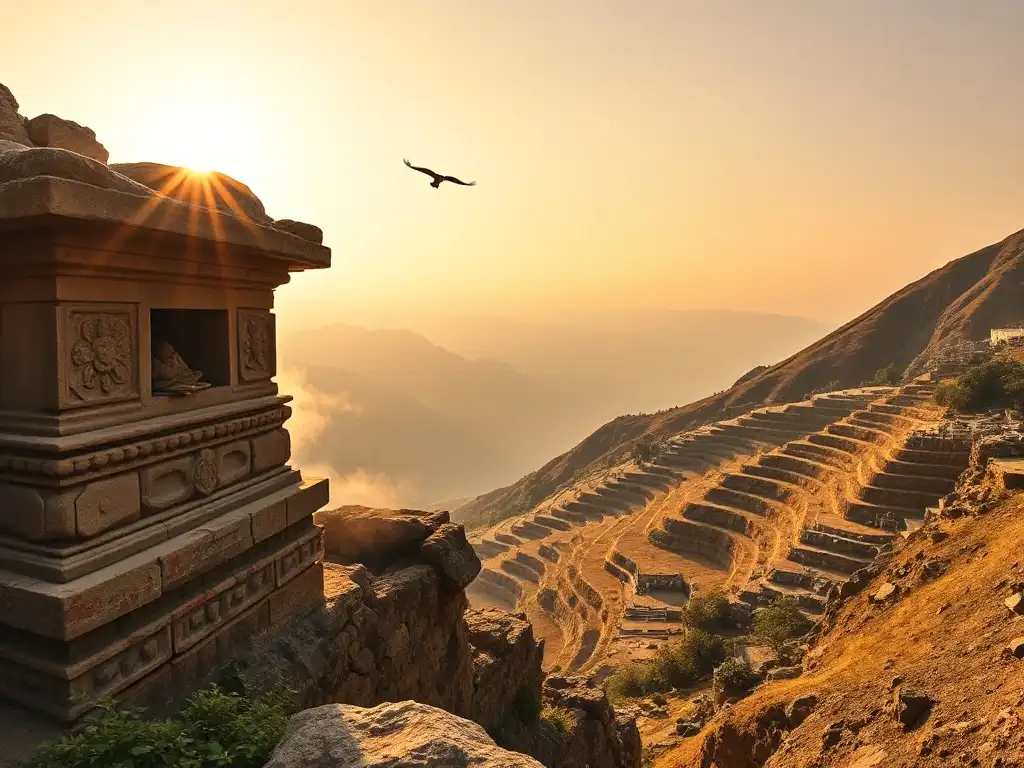
This section delves into the fascinating interplay between religion and architecture in ancient Andean societies. We will examine specific examples of religious structures, highlighting their design, purpose, and the insights they offer into the beliefs and practices of these sophisticated civilizations. Understanding Ancient Andean religious architecture provides a crucial window into the worldview and spiritual landscape of these cultures. The careful consideration of materials, orientation, and symbolic elements reveals a deep connection between the earthly and spiritual realms.
The Majestic Temples of Tiwanaku: A Center of Religious Power
Tiwanaku, located near present-day Lake Titicaca in Bolivia, stands as a testament to the advanced architectural and religious capabilities of the Tiwanaku culture (c. 300-1000 CE). Its monumental structures, meticulously crafted from stone, served as vital hubs for religious practices and ceremonies. The city's layout, carefully aligned with astronomical events, suggests a sophisticated understanding of the cosmos and its influence on daily life.
The impressive scale of the structures reflects the importance of religious authority and the power wielded by the priestly class within the society. The use of massive blocks of stone, some weighing several tons, demonstrates remarkable engineering prowess and a deep understanding of construction techniques. This mastery of engineering, coupled with the intricate carvings and symbolic representations adorning the structures, points to a highly organized and spiritually focused society.
The Akapana Pyramid: A Sacred Hill Replicated in Stone
The Akapana pyramid, one of Tiwanaku's most prominent structures, is believed to have been a sacred hill replicated in stone. Its layered terraces, meticulously constructed, may have represented the different levels of the Andean cosmos. Evidence suggests the presence of elaborate water management systems integrated into the pyramid's design, potentially symbolizing the life-giving properties of water and its connection to fertility and spiritual renewal.
Analysis of the artifacts discovered within and around the pyramid, including ceramics and textiles, reveals further details about the religious rituals performed at this site. The precise astronomical alignment of the structure further strengthens the argument for its astronomical and religious significance. Further research is needed to fully understand the complex symbolism embedded within the Akapana's design.
The Kalasasaya Temple: A Place of Ritual and Ceremony
The Kalasasaya Temple, with its massive stone blocks and intricate carvings, served as a central location for public rituals and ceremonies. The temple's layout and the placement of its monumental structures likely reflected a complex cosmology. The presence of monoliths, intricately carved stone pillars, suggests the deification of ancestors or powerful figures within Tiwanaku society.
The carvings themselves, depicting various deities and symbolic motifs, offer valuable insights into Tiwanaku religious beliefs and iconography. Archaeological evidence suggests that the Kalasasaya Temple was repeatedly modified and expanded over time, reflecting the changing religious landscape and the evolving power structures of Tiwanaku. The discovery of human remains within the temple complex adds another layer of complexity to our understanding of the site's function and its significance in Tiwanaku religious life.
Moche Huacas: Pyramids of Power and Ritual
The Moche civilization (c. 100-800 CE), flourishing along the northern coast of Peru, built impressive adobe pyramids known as huacas. These structures were not merely architectural feats; they were integral components of the Moche religious system, serving as both ceremonial centers and repositories of power. The scale and grandeur of these structures underscore the Moche's centralized political and religious organization.
The use of adobe bricks, readily available materials, demonstrates a practical approach to construction, while the intricate designs and decorations reveal a sophisticated artistic and religious sensibility. The huacas served as focal points for ritual activities, including sacrifices and offerings, reflecting the importance of appeasing the gods and ensuring agricultural prosperity.
Huaca del Sol and Huaca de la Luna: Centers of Moche Religious Life
Huaca del Sol and Huaca de la Luna, two monumental pyramids near the modern-day city of Trujillo, stand as prime examples of Moche religious architecture. Huaca del Sol, the larger of the two, was likely a center of political power, while Huaca de la Luna served as a more prominent site for religious ceremonies. Both structures were decorated with elaborate murals depicting scenes of religious rituals, warfare, and daily life, providing invaluable insights into Moche society.
The discovery of numerous tombs within these structures has yielded a wealth of artifacts, including gold ornaments, elaborate ceramics, and human remains, enriching our understanding of Moche funerary practices and beliefs. The careful study of these artifacts helps paint a vivid picture of Moche religious life and its significance in shaping their society.
The Significance of Moche Murals in Religious Understanding
The Moche murals, found decorating the interior walls of the huacas, are of paramount importance in understanding Moche religious beliefs. These murals depict a pantheon of deities, mythical creatures, and scenes of ritual sacrifice. They offer a visual narrative of Moche cosmology and the relationship between humans and the supernatural. The vivid colors and dynamic compositions of these murals demonstrate a high level of artistic skill and a deep understanding of religious symbolism. The detailed depictions of rituals and ceremonies provide invaluable insights into the practices and beliefs of the Moche people, offering a unique perspective into their worldview. Analysis of these murals, combined with archaeological findings, continues to refine our understanding of Moche religious life and its lasting impact on Andean culture. The vibrant colors and detailed imagery of these murals, often depicting scenes of ritual sacrifice and interaction with the supernatural, continue to fascinate and inspire researchers today.
Inca Religious Sanctuaries: Blending Nature and Sacred Design
The Inca civilization, renowned for its sophisticated engineering and intricate social structures, deeply intertwined its religious beliefs with its architecture. Inca religious sanctuaries weren't merely buildings; they were carefully chosen locations, often incorporating natural features like mountains, rivers, and springs, to create sacred spaces that reflected their cosmology. This approach, blending the natural world with human-made structures, resulted in breathtaking and spiritually significant sites.
The Incas believed in the interconnectedness of all things, and their architecture reflects this philosophy, with temples and ceremonial centers designed to harmonize with their environment. The placement of these structures was meticulously planned, taking into account astronomical alignments and the flow of energy, believed to be vital for maintaining cosmic balance. This holistic approach to sacred space creation is a defining characteristic of Inca religious architecture, setting it apart from many other ancient cultures.
The use of locally sourced materials, such as stone, further emphasized this connection to the land. Precisely cut stones, fitted together without mortar, are a testament to Inca mastery of stonework, creating structures that have endured the test of time. The integration of religious elements within the architectural design, such as niches for offerings and intricate carvings depicting deities and sacred animals, further reinforced the sacred nature of these spaces.
Coricancha: The Temple of the Sun in Cusco
Coricancha, located in Cusco, the Inca capital, stands as a prime example of Inca religious architecture. Originally, this temple was a magnificent structure, plated with gold and adorned with precious jewels, a testament to the Inca's reverence for the sun god, Inti. While much of the original structure was destroyed during the Spanish conquest, the remaining foundations still reveal the impressive scale and complexity of the building.
The temple's design incorporated astronomical alignments, ensuring that the sun's rays illuminated specific areas at significant times of the year. This alignment was not accidental; it was a deliberate act, demonstrating the Incas' deep understanding of astronomy and its connection to their religious beliefs. The walls of Coricancha were meticulously constructed, showcasing the advanced engineering skills of the Inca builders.
Even today, the remaining sections inspire awe, hinting at the former glory of this once-splendid temple. The meticulous craftsmanship and the deliberate integration of astronomical elements highlight the sacred significance of Coricancha within the Inca religious landscape. The surviving foundations serve as a powerful reminder of the importance of solar worship in Inca culture and the sophisticated level of their architectural achievements.
Machu Picchu: A Sacred Retreat in the Clouds
Machu Picchu, often called the "Lost City of the Incas," is more than just a stunning architectural feat; it was a significant religious center. Nestled high in the Andes Mountains, its location itself held spiritual significance. The carefully chosen site, with its breathtaking views and natural surroundings, suggests a deliberate attempt to create a sacred retreat, a place of communion with the divine.
While the exact function of each structure within Machu Picchu is still debated by archaeologists, it's evident that many buildings served religious purposes. The presence of ritual baths, temples dedicated to various deities, and intricately carved stones suggests a complex religious life within this mountaintop sanctuary. The city's layout, with its terraced fields and strategically placed buildings, further enhances its sacred character.
The integration of agriculture and religious practices underscores the interconnectedness of spiritual and material life in Inca society. Machu Picchu’s remarkable preservation allows us to glimpse the religious practices and beliefs of the Incas in a way few other sites can match, offering a unique window into their spiritual world. The stunning natural setting combined with the precise architectural design makes Machu Picchu an unparalleled example of ancient Andean religious architecture.
Sacsayhuamán: Fortress and Temple Complex
Sacsayhuamán, located overlooking Cusco, is a remarkable example of Inca architecture that seamlessly blends military and religious functions. While its imposing walls and strategic location suggest a defensive purpose, the site also served as a significant religious center. The massive, precisely fitted stones, some weighing many tons, are a testament to Inca engineering prowess.
However, the layout of the complex, with its strategically placed structures and astronomical alignments, suggests a more profound purpose than simply defense. Archaeological evidence points to the presence of ceremonial platforms and temples within the fortress complex, indicating that Sacsayhuamán served as a place of ritual and worship. The site's location, overlooking the city of Cusco, further emphasizes its importance as a sacred space, connecting the earthly realm with the spiritual.
The integration of religious and military aspects within a single complex demonstrates the holistic approach of the Inca worldview, where the sacred and the secular were not separate but intertwined aspects of life. Sacsayhuamán stands as a powerful symbol of Inca power and religious beliefs, a testament to their architectural and engineering skills, and a reminder of the complexities of ancient Andean religious practices. The site’s enduring presence continues to inspire awe and wonder, offering a compelling glimpse into the Inca's rich spiritual and cultural heritage.
Deciphering the Symbols: Religious Iconography in Andean Architecture
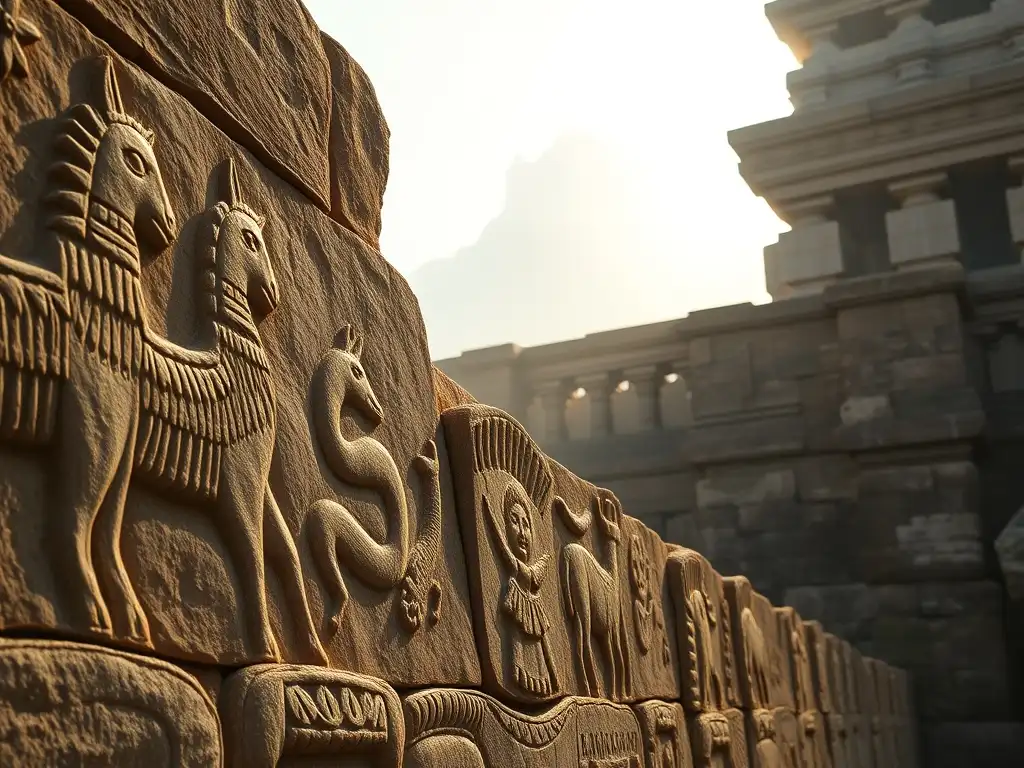
Ancient Andean religious architecture is not merely a collection of stones and mortar; it's a vast canvas depicting a complex cosmology. Understanding the intricate iconography woven into these structures is key to appreciating the deeply spiritual nature of Andean civilizations. Religious beliefs permeated every aspect of Andean life, and their architecture serves as a powerful testament to this profound connection between the earthly and spiritual realms.
This section delves into the symbolic language embedded within these remarkable structures, focusing on animal symbolism and geometric patterns prevalent across various Andean cultures. Analyzing these elements provides invaluable insights into the religious beliefs and practices of these fascinating ancient societies. The study of Ancient Andean religious architecture reveals much about their worldview.
Animal Symbolism: Interpreting the Condor, Puma, and Serpent
The Andean worldview was heavily influenced by the natural world, with animals playing significant roles in their mythology and religious practices. Certain animals, in particular, held symbolic importance, frequently appearing in architectural designs and ornamentation. Three prominent examples are the condor, the puma, and the serpent, each representing distinct aspects of the Andean cosmology. The careful placement and depiction of these animals within architectural contexts reveal the intricate religious narratives embedded within the structures themselves. Their presence is not arbitrary but carefully considered, reflecting the profound significance these creatures held within the Andean belief system.
The Condor: Messenger of the Gods
The condor, a majestic bird soaring high above the Andes, symbolized connection to the celestial realm. Its ability to fly to great heights made it a potent symbol of the gods' messengers, linking the terrestrial and spiritual worlds. In ancient Andean architecture, condor imagery often appears on doorways, lintels, and other prominent locations, suggesting a protective or mediating role.
For example, the presence of condor carvings near sacred sites might indicate a belief that the condor facilitated communication between humans and the divine. The detailed depictions, often showcasing the bird in flight, emphasize its power and spiritual significance. Analyzing the specific stylistic choices in condor representations across different Andean cultures further reveals the nuances of their beliefs and artistic traditions.
The Puma: Representing Power and Earthly Strength
In contrast to the condor's celestial associations, the puma, a powerful feline predator, represented earthly strength, power, and authority. The puma's prowess and dominance in the Andean ecosystem made it a fitting symbol for rulers and elites. Depictions of pumas are often found in palaces, temples, and other structures associated with political and religious authority.
The puma's presence likely served to reinforce the power and legitimacy of those in control. The scale and detail of puma representations often varied depending on the site and the specific cultural context, demonstrating the versatility of this symbol within Andean iconography. The use of puma imagery in Ancient Andean religious architecture directly relates to the power structures and the sacred legitimization of those in power.
The Serpent: Symbol of the Underworld
The serpent, a ubiquitous symbol across many cultures, held a significant place in Andean cosmology, often representing the underworld and the cycle of life and death. Serpents, particularly those with multiple heads, symbolized fertility, regeneration, and the interconnectedness of life and the earth. Their appearance in Ancient Andean religious architecture often suggests connections to water sources, agricultural fertility, and the cyclical nature of time.
The presence of serpent motifs in subterranean structures, such as underground chambers or chullpas (tower-like burial structures), further reinforces their association with the underworld and ancestor veneration. Different serpent depictions might represent different aspects of the underworld or different deities associated with this realm.
Geometric Patterns and Religious Meaning: Understanding Andean Art
Beyond animal representations, geometric patterns played a crucial role in Andean religious architecture. These intricate designs, often incorporating complex mathematical relationships, were not merely decorative elements but held profound religious and cosmological significance. The deliberate use of these patterns in architectural contexts indicates a deep understanding of geometry and its connection to the spiritual realm. Specific patterns, such as the checkerboard motif and the Andean cross (Chakana), are particularly noteworthy.
The Checkerboard Motif
The checkerboard motif, a recurring pattern in Andean textiles, pottery, and architecture, is believed to have represented duality, balance, and the interconnectedness of opposing forces. The alternating squares, often in contrasting colors, could represent the interplay between light and dark, male and female, or the earthly and spiritual realms. The precise arrangement and variations in this motif across different sites and time periods are still under scholarly investigation, offering a rich field for future research on Ancient Andean religious architecture. The checkerboard motif is a powerful reminder of the sophistication of Andean mathematical and artistic knowledge.
The Significance of the Andean Cross or Chakana
The Chakana, a stepped cross, is one of the most recognizable symbols of Andean culture. Its four arms, representing the four cardinal directions, the four elements, or the four levels of existence, are connected by a central square, symbolizing the union of these components. The Chakana often appears in architectural settings, particularly in locations associated with sacred mountains or important ceremonial sites.
The Chakana's profound symbolism suggests a complex cosmological worldview that emphasized balance, harmony, and the interconnectedness of all things, reflecting a deep understanding of the natural world and its spiritual dimensions. Its prevalence in Ancient Andean religious architecture highlights its importance as a religious and cosmological symbol.
The Legacy of Ancient Andean Religious Architecture
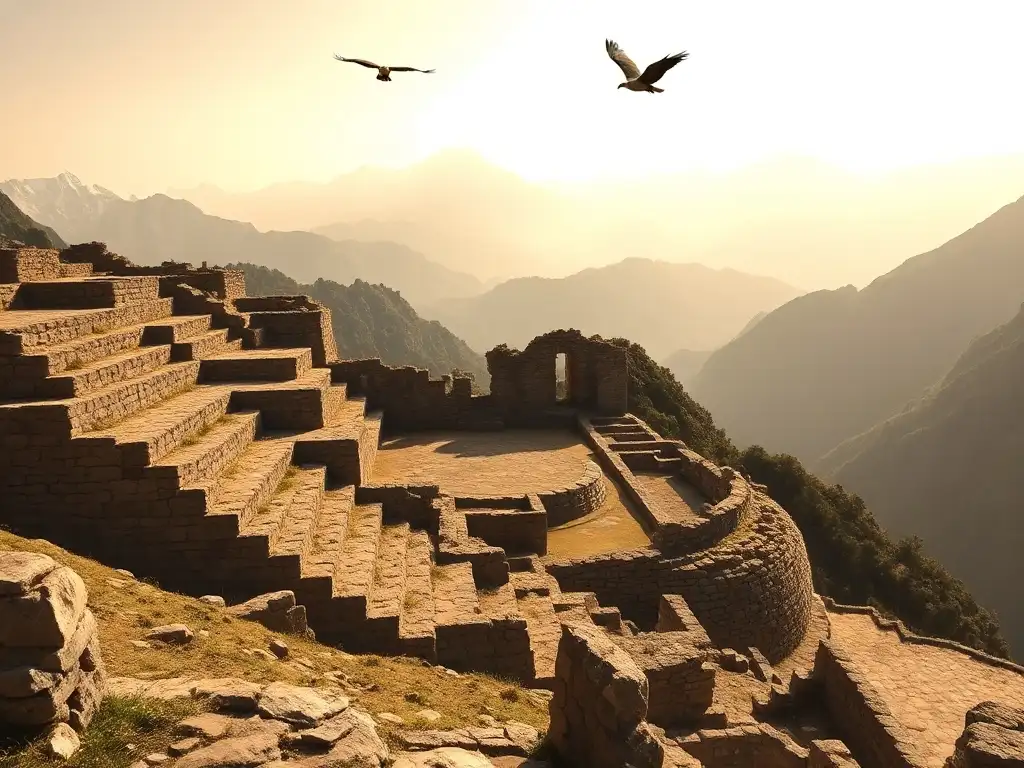
The enduring power of Ancient Andean religious architecture extends far beyond the crumbling stones and weathered walls of the archaeological sites themselves. Its influence resonates deeply within the cultural fabric of modern Andean communities, shaping their worldview, practices, and even their building techniques. Understanding this legacy is crucial to appreciating the full significance of these remarkable structures and the civilizations that created them.
The study of Ancient Andean religious architecture provides invaluable insights into the complex relationship between the physical world and the spiritual realm, a connection that persists to this day. This section will explore this enduring legacy and the ongoing efforts to preserve these sacred spaces.
The Enduring Influence on Modern Andean Communities
The legacy of Ancient Andean religious architecture is not merely a historical artifact; it's a living tradition. Many contemporary Andean communities continue to draw inspiration and meaning from these ancient sites, integrating their cosmology and architectural styles into their daily lives. This enduring influence manifests in several key ways:
The continuation of traditional building techniques
Even today, many Andean communities utilize traditional building techniques passed down through generations, reflecting the ingenuity and resourcefulness of their ancestors. The use of locally sourced materials like adobe bricks, stone, and thatch, combined with intricate construction methods, demonstrates a remarkable continuity with ancient practices. For example, the precise stonework found in many Inca structures continues to inspire modern masons, demonstrating the enduring relevance of these ancient techniques.
The construction of community centers, schools, and even private homes often incorporates elements of ancient Andean architectural styles, seamlessly blending tradition with modernity. This preservation of building methods not only honors the past but also provides sustainable and environmentally responsible solutions for contemporary construction needs. The knowledge embedded within these techniques represents an invaluable cultural heritage, reflecting the wisdom and adaptability of Andean communities across time.
The persistence of Andean cosmology
The cosmology of ancient Andean civilizations – their understanding of the universe and their place within it – is deeply intertwined with their architecture. Sacred sites were not simply buildings; they were carefully designed spaces reflecting a complex system of beliefs about the cosmos, the relationship between humans and nature, and the interaction between the living and the spirit world. This cosmology, with its emphasis on balance, harmony, and the interconnectedness of all things, continues to shape the worldview of many Andean communities. The symbolic significance of mountains, water sources, and celestial alignments, all integral aspects of ancient Andean religious architecture, remain relevant in modern spiritual practices and cultural celebrations. These sites serve as powerful reminders of ancestral wisdom and continue to inspire rituals, ceremonies, and artistic expression. The ongoing reverence for these sacred spaces underscores the enduring power of Andean cosmology and its profound influence on modern Andean identities.
Preservation Efforts and the Importance of Protecting these Sacred Spaces
The preservation of Ancient Andean religious architecture is not only a matter of historical preservation but also a vital aspect of safeguarding cultural heritage and promoting sustainable tourism. These sites are irreplaceable repositories of knowledge, reflecting the ingenuity, artistry, and spiritual beliefs of past civilizations. Their deterioration poses a significant threat to understanding the complex history and cultural significance of the Andes. Therefore, concerted efforts are crucial to ensure their long-term survival and accessibility.
How tourism can support the preservation of these sites
Sustainable tourism plays a critical role in preserving Ancient Andean religious architecture. Responsible tourism initiatives can generate revenue that directly supports conservation efforts, including restoration projects, site maintenance, and community-based initiatives. Educating tourists about the cultural significance of these sites and promoting respectful visitor behavior are also essential.
When tourism is managed sustainably, it can become a powerful tool for both economic development and cultural preservation, ensuring that future generations can appreciate and learn from these remarkable achievements of ancient Andean civilizations. The careful planning and implementation of tourism strategies are paramount to balancing the economic benefits with the preservation of these fragile and invaluable sites.
This requires a collaborative approach involving local communities, government agencies, and tourism operators. The goal is to ensure that tourism contributes positively to the long-term sustainability of these sacred spaces, allowing them to remain as powerful testaments to the richness and depth of Ancient Andean culture.
Conclusion: The Profound Connection Between Faith and Stone in the Andes
The enduring legacy of ancient Andean religious architecture speaks volumes about the profound connection between faith and the physical world in these civilizations. From the monumental structures of Machu Picchu to the intricate designs of Nazca geoglyphs, the meticulous craftsmanship and symbolic significance embedded in these sites reveal a deeply spiritual worldview. The integration of astronomy, agricultural cycles, and ancestor veneration into architectural design highlights the holistic nature of Andean belief systems, where the sacred permeated every aspect of daily life. These weren't merely buildings; they were living expressions of cosmology, embodying the beliefs and aspirations of entire societies.
The careful placement of structures, the use of specific materials, and the incorporation of symbolic motifs all served to reinforce the spiritual power of these locations. Studying these architectural marvels allows us to glimpse the richness and complexity of Andean religious practices, underscoring the critical role religion played in shaping their societies and leaving an indelible mark on the landscape. The meticulous preservation and ongoing study of these sites are crucial not only for understanding the past but also for appreciating the continuing relevance of these ancient spiritual traditions.
The awe-inspiring beauty and enduring mystery of these structures continue to resonate with visitors today, offering a tangible connection to the spiritual heart of the Andes. The legacy of "Ancient Andean religious architecture" continues to inspire wonder and fuel ongoing research, revealing new layers of understanding with each new discovery. The profound connection between faith and stone in the Andes remains a powerful testament to the enduring human need to create physical manifestations of the divine.
Frequently Asked Questions
What role did religion play in Ancient Andean architecture?
Religion was central to Andean life, profoundly influencing their architectural designs. Temples, pyramids, and other structures were built to honor deities, perform rituals, and reflect the cosmos. Sacred geometry and astronomical alignments were often incorporated into the designs.
How did Andean religious beliefs impact city planning?
Andean cities weren't randomly planned; their layouts often mirrored cosmological beliefs. Sacred spaces like temples and plazas were strategically placed to align with mountains, stars, and other significant natural features, reflecting their worldview. Royal palaces were also integrated into this sacred urban landscape.
What are some examples of Ancient Andean religious architecture?
Examples include the Machu Picchu complex, showcasing Inca religious and royal structures; the Sun Temple at Machu Picchu, dedicated to the Inca sun god; and the pyramids of the Moche civilization, used for rituals and possibly royal burials.
How did the different Andean cultures express their religious beliefs through architecture?
Each culture had unique architectural styles reflecting their specific beliefs. The Inca used precise stonework and terraces, while the Nazca created massive geoglyphs. The Moche built elaborate pyramids showcasing their sophisticated engineering and artistic skills. Tiahuanaco featured monumental stone structures reflecting their complex cosmology.
What materials were commonly used in Ancient Andean religious architecture?
Stone was the primary material due to its durability and perceived sacredness. Adobe bricks were also used, particularly in less mountainous regions. Gold, silver, and other precious metals were incorporated into decorative elements, highlighting the importance of these materials in their religious beliefs and ceremonies.
Final Reflection: Echoes of Faith in Stone
The intricate relationship between religion and architecture in the Andes continues to resonate today, a testament to the enduring power of belief shaping the physical world. The monumental structures we've explored—from the precise alignments of Machu Picchu to the symbolic carvings of Tiahuanaco—are not merely buildings; they are solidified prayers, tangible expressions of a deeply spiritual worldview. Their survival, despite the passage of centuries, speaks volumes about the strength and ingenuity of the Andean civilizations.
The enduring legacy of Andean religious architecture transcends mere historical significance; it speaks to the human need for meaning and connection. It reminds us that even in the face of immense challenges, the impulse to create sacred spaces remains a powerful force. The buildings are not just buildings; they are the embodiment of a culture's values, beliefs, and aspirations.
This quote, though not directly from an Andean source, perfectly encapsulates the profound spiritual investment woven into every stone and every carefully placed element of these remarkable sites. The echoes of their faith continue to inspire awe and wonder, prompting us to consider the enduring power of human spirituality.
Consider the impact of these ancient sites on your own understanding of faith and creation. What resonates with you most deeply about the ingenuity and devotion reflected in Andean religious architecture? Let the legacy of these magnificent structures inspire you to contemplate the ways in which your own beliefs shape your world, and how you, in turn, might leave a lasting mark on the world around you. The stones may be silent, but their story continues to unfold, inviting us to participate in its ongoing narrative.
**Unveil the Masterpieces of Ancient Andean Architecture! **
Thank you for exploring the fascinating relationship between religion and architecture in ancient Andean civilizations. You've discovered the profound spiritual influence on their monumental structures. Now, let's put your knowledge to use!
- **Explore** a local museum or online resource showcasing ancient Andean artifacts and architecture to appreciate their beauty firsthand.
- **Share** your insights with friends and family, or on social media, sparking conversations about how religion shapes cultural identity.
- Consider visiting historical sites, or taking a virtual tour, to experience the grandeur of these architectural wonders.
What aspect of ancient Andean architecture most inspires you? Let's discuss!