
Pachamama: Discovering the Earth Mother's Influence on Andean Life

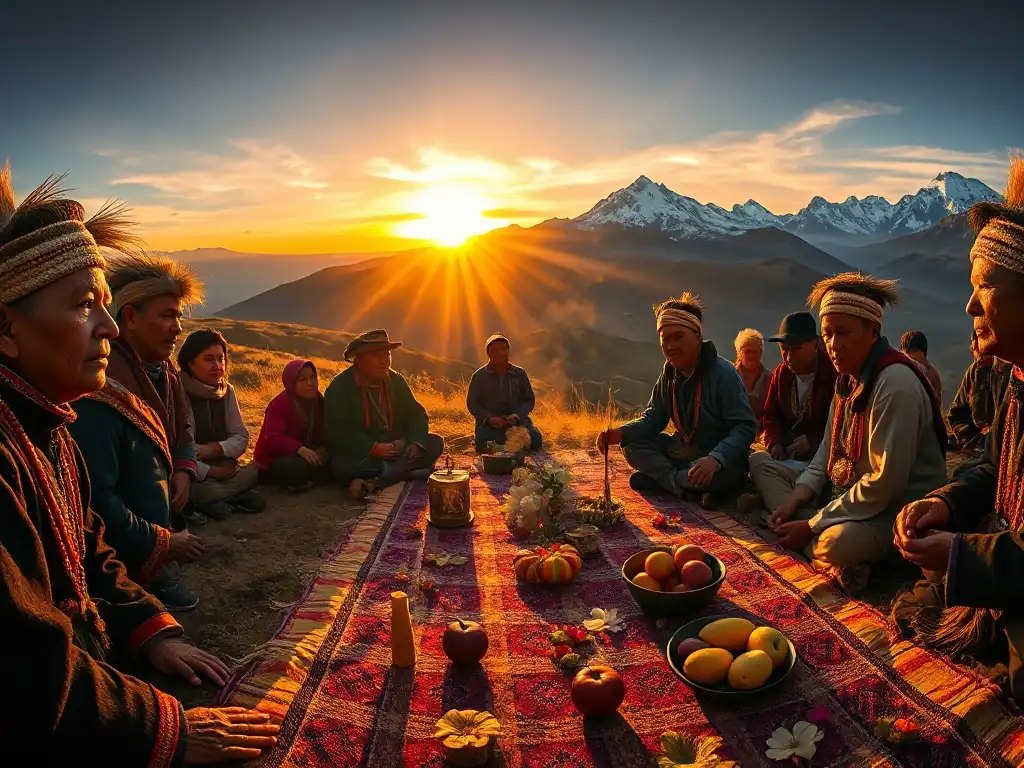
Step into a world lost to time, yet echoing with the whispers of ancient power. Uncover the mysteries of the Andes, where the sacred mountains held sway and the earth itself pulsed with life. This is where you’ll discover the profound impact of Andean Pachamama rituals, a connection to the Earth Mother that shaped civilizations and continues to resonate today. Prepare to be captivated by the vibrant tapestry of Andean culture – a journey waiting to unfold.
- Pachamama: Unveiling the Earth Mother's Impact on Andean Life
- The Significance of Pachamama in Andean Cosmovision
- Andean Pachamama Rituals: Honoring the Earth
- Pachamama and Andean Agricultural Practices
- Pachamama's Influence on Andean Society and Culture
- Modern Interpretations of Andean Pachamama Beliefs
- The Legacy of Pachamama: A Timeless Connection to Earth
- Frequently Asked Questions
- Final Reflection: The Enduring Spirit of Pachamama
- Embrace Pachamama's Wisdom Today!
Pachamama: Unveiling the Earth Mother's Impact on Andean Life
Pachamama, the Andean Earth Mother, wasn't merely a deity; she was the very essence of life, the fertile ground sustaining Andean civilizations for millennia. Her influence permeated every facet of Andean life, from agriculture and daily routines to elaborate rituals and complex social structures. This exploration delves into the profound impact of Pachamama on the Andean worldview, examining her role in shaping religious practices, agricultural techniques, and the overall socio-cultural fabric of these vibrant societies.
We will uncover the rich tapestry of Andean Pachamama rituals, revealing their significance and enduring legacy. Understanding Pachamama is key to understanding the heart and soul of Andean culture, its deep connection to the natural world, and its enduring resilience. This article will analyze the various ways in which Andean peoples honored and interacted with Pachamama, providing insights into the intricate relationship between humanity and the earth in these ancient societies.
The Centrality of Pachamama in Andean Cosmovision
The Andean cosmovision, a holistic worldview encompassing the physical and spiritual realms, placed Pachamama at its very core. She wasn't simply a goddess; she was the embodiment of the fertile earth, the provider of sustenance, and the source of all life. Andean societies viewed the world as interconnected, with humans, animals, plants, and the earth itself existing in a harmonious balance. Disrupting this balance, through actions deemed disrespectful to Pachamama, was believed to invite misfortune, illness, and even famine.
This deeply ingrained belief shaped their daily lives and profoundly influenced their agricultural practices, social structures, and religious ceremonies. The reverence for Pachamama wasn't a mere religious observance; it was a fundamental principle governing their interaction with the natural world. It was a recognition of their complete dependence on the land and its bounty.
Andean Pachamama Rituals: Offerings and Gratitude
Numerous Andean Pachamama rituals were performed throughout the year, often tied to the agricultural cycle. These rituals weren't simply acts of worship; they were expressions of gratitude, reciprocity, and a plea for continued abundance. Common offerings included coca leaves, chicha (a fermented corn beverage), food, and other precious items. These offerings weren't merely symbolic; they were seen as a tangible expression of respect and a way to maintain the harmonious relationship between humanity and the earth.
The act of offering was believed to appease Pachamama and ensure a bountiful harvest. The rituals varied depending on the specific community and the time of year, but the core principle of reciprocity remained constant. The more generous the offering, the greater the expected return from Pachamama.
The Evolution of Pachamama Worship Across Different Andean Cultures
While the reverence for Pachamama was a unifying element across various Andean cultures – including the Inca, Moche, Nazca, and Tiahuanaco – the specific rituals and expressions of this reverence differed. The Inca, for example, incorporated Pachamama worship into their elaborate state religion, with large-scale ceremonies and offerings performed by priests and rulers. Smaller communities, however, maintained their own distinct traditions, often adapting the rituals to their local environment and agricultural practices.
This diversity reflects the rich tapestry of Andean cultures, while the underlying principle of respect for Pachamama remained constant throughout. Further research is needed to fully document the nuanced variations in Pachamama worship across different Andean groups and time periods. Archaeological evidence, combined with ethnohistorical accounts, continues to shed light on this fascinating aspect of Andean religious life.
The Enduring Legacy of Pachamama in Modern Andean Culture
Despite the passage of centuries, the veneration of Pachamama continues to thrive in many Andean communities today. While the forms of worship may have evolved, the core principles of respect for the earth and the reciprocal relationship between humanity and nature remain deeply ingrained in Andean culture. Modern-day Pachamama rituals often blend indigenous traditions with elements of Catholicism, reflecting the syncretic nature of Andean religious practices.
This enduring legacy underscores the profound impact of Pachamama on Andean identity and the lasting connection between people and the land. The spirit of Pachamama continues to inspire a deep sense of environmental stewardship and a profound appreciation for the natural world. Understanding this enduring legacy is crucial to appreciating the richness and resilience of Andean culture.
The Significance of Pachamama in Andean Cosmovision
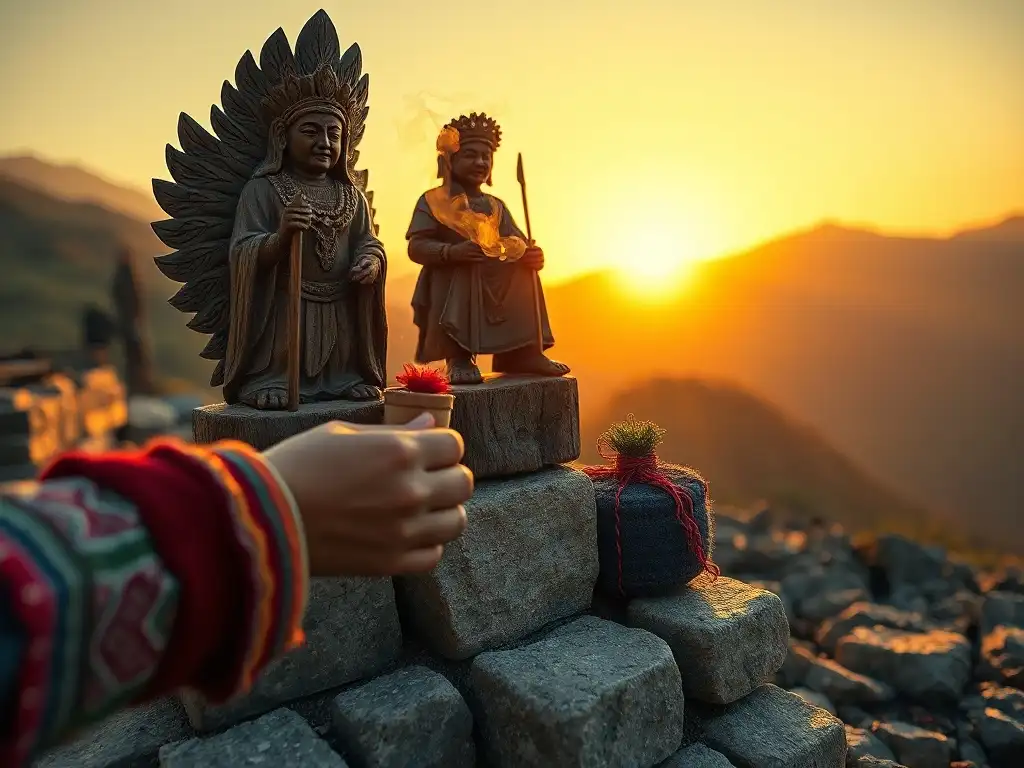
The Andean worldview, a complex tapestry woven from centuries of tradition and spiritual beliefs, places immense importance on Pachamama, the Earth Mother. Understanding her significance is crucial to comprehending the rituals, agricultural practices, and societal structures of ancient Andean civilizations. Pachamama isn't simply a deity; she is the very foundation of Andean life, a powerful force intertwined with every aspect of existence.
Her influence extends far beyond simple reverence; she's a living entity, actively participating in the daily lives of her people. This section delves into the profound role Pachamama plays in shaping Andean cosmovision and the resulting impact on Andean Pachamama rituals.
Defining Pachamama: The Earth Mother Goddess
Pachamama, literally translated as "Earth Mother," is far more than a benevolent deity. She represents the fertile earth, the source of life, sustenance, and prosperity. She's the provider of all things necessary for survival: food, water, and the very land itself. Unlike many Western conceptions of a divine being, Pachamama is intimately connected to the physical world, her essence residing within the soil, mountains, and valleys.
Representations of Pachamama often depict her as a nurturing mother figure, sometimes holding offerings or children, symbolizing her role as provider and protector. Her image varies across different Andean cultures, reflecting the diverse interpretations of her power and influence. Some portrayals emphasize her fecundity, others her fierce protective nature, demonstrating the multifaceted nature of her divine power. Understanding these nuanced depictions is key to appreciating the complexities of Andean Pachamama rituals.
Pachamama's Role in the Andean Worldview
Pachamama's influence permeates the entire Andean worldview. She is not merely a deity to be worshipped; she is an active participant in the cosmic order. Her moods, it was believed, directly affected the success of harvests, the health of livestock, and even the well-being of the community. Respect for Pachamama was paramount; neglecting her could lead to natural disasters, crop failures, or illness.
This belief system fostered a deep connection between the people and the land, promoting sustainable agricultural practices and a reverence for the natural world. The concept of ayni, reciprocity, was central to this relationship. People offered thanks and tributes to Pachamama, ensuring a continued flow of blessings and maintaining a harmonious balance between humanity and nature. This reciprocal relationship is fundamentally embedded within Andean Pachamama rituals.
The Connection Between Pachamama and Nature
The connection between Pachamama and nature is undeniable. She is not separate from the natural world but intrinsically linked to it. Mountains, rivers, and fertile valleys were all considered manifestations of her power, each holding a unique sacred significance.
This deep-seated connection is evident in the numerous rituals and ceremonies performed to honor her. Offerings of coca leaves, chicha (a fermented corn beverage), and other agricultural products were routinely presented to appease her and ensure her continued favor. These offerings weren't merely symbolic gestures; they were acts of profound respect and gratitude, recognizing Pachamama's vital role in the prosperity of the community.
Furthermore, the cyclical nature of Andean agriculture mirrored the cyclical nature of Pachamama's power, emphasizing the interconnectedness of life and the earth. The rhythms of planting, harvesting, and celebrating were carefully timed to coincide with the natural cycles, reflecting a deep understanding of the earth's rhythms and a profound respect for Pachamama's influence. This profound understanding is reflected in the diversity and complexity of Andean Pachamama rituals.
Andean Pachamama Rituals: Honoring the Earth
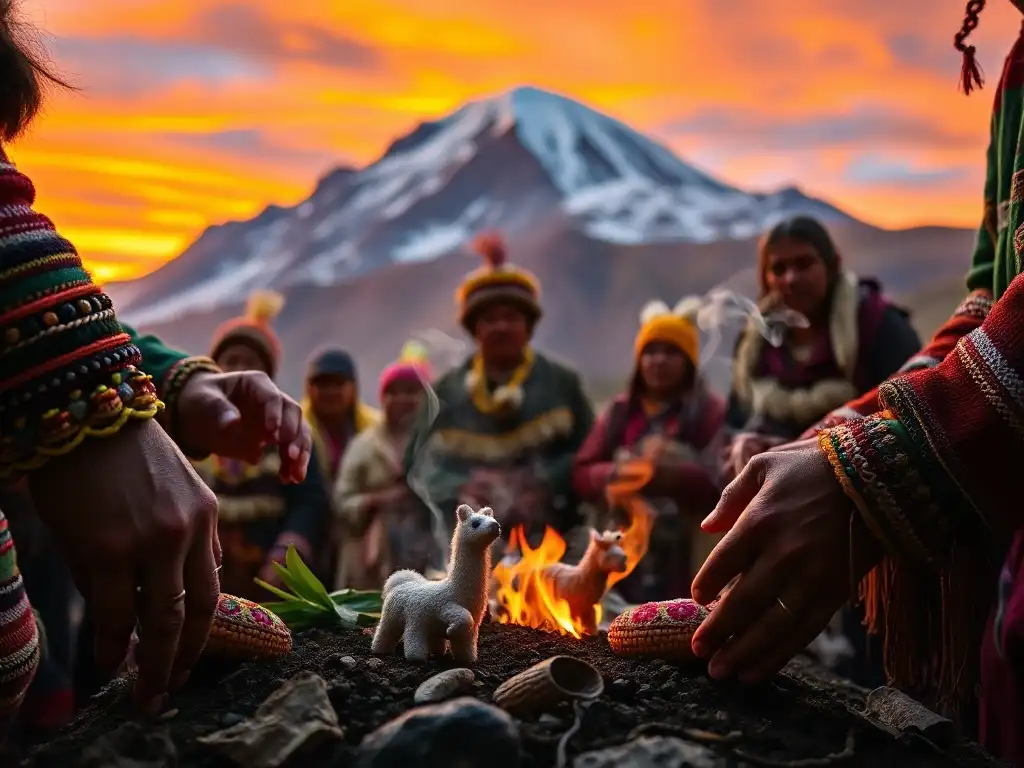
This section delves into the diverse and significant rituals associated with Pachamama, the Andean Earth Mother. Understanding these practices offers crucial insight into the deep spiritual connection Andean cultures maintained with the natural world, shaping their agricultural practices, social structures, and worldview. The reverence for Pachamama wasn't merely a religious observance; it was integral to the very fabric of Andean life.
We'll explore core elements, focusing on the symbolic offerings and their profound meaning. The term "Andean Pachamama rituals" encompasses a wide range of practices, varying across different Andean cultures and time periods, but sharing a common thread of gratitude and reciprocity.
Core Elements of Traditional Pachamama Ceremonies
Traditional Pachamama ceremonies, often held during crucial agricultural periods like planting and harvest, are characterized by a sense of community and shared participation. These weren't solely priestly affairs; entire communities actively engaged in the rituals, reinforcing social bonds and reaffirming their dependence on the Earth's bounty. Key elements typically include:
- Preparation of the Offering: This involved careful selection of items reflecting the community's agricultural produce and livestock. The quality of the offerings reflected the community's respect and gratitude. Careful preparation demonstrated reverence for the sacred act.
- The Ch'alla: This act of sprinkling chicha (fermented corn beer) or other liquids over the earth is a fundamental part of the ritual. It symbolizes the life-giving properties of water and the cleansing of the land. The act is performed with intention and respect, acknowledging Pachamama's power and nurturing nature.
- Incense Burning: The burning of incense, often copal or other aromatic plants, purifies the space and creates a sacred atmosphere. The smoke is believed to carry the prayers and offerings to Pachamama.
- Music and Dance: Music and dance frequently accompany the ceremonies, creating a vibrant and immersive experience. These expressions of joy and gratitude further deepen the connection with Pachamama and the community.
- Prayers and Invocations: Prayers and invocations, often led by a shaman or community elder, express gratitude for Pachamama's blessings and seek her continued favor. These prayers are not merely recited; they are imbued with deep emotion and heartfelt sincerity.
The Offering of Coca Leaves to Pachamama
The coca leaf holds immense cultural and spiritual significance in Andean cultures, far exceeding its recreational use in modern contexts. Offering coca leaves to Pachamama is a deeply symbolic act representing respect, gratitude, and a plea for continued prosperity. The leaves, carefully selected and often accompanied by other offerings, are placed directly on the earth, buried in designated spots, or scattered across fields. The act itself is imbued with reverence and prayer, a silent dialogue between the community and the Earth Mother.
The symbolic meaning extends beyond simple gratitude. Coca leaves are associated with vitality, energy, and connection to the spiritual realm. By offering them, the community symbolically shares its life force with Pachamama, strengthening the bond and ensuring a reciprocal relationship of abundance. The use of coca leaves in Andean Pachamama rituals highlights the profound integration of religious practice with daily life.
Significance of Libations and Animal Sacrifices in Pachamama Practices
Libations, typically chicha or other fermented beverages, are poured onto the earth as offerings to Pachamama. These libations symbolize the lifeblood of the community and its connection to the earth’s fertile power. The act of pouring is deliberate and respectful, a symbolic watering of the earth to ensure its continued fertility.
Animal sacrifices, while less common in contemporary practices, held significant weight in traditional Andean rituals. The animals, often llamas or alpacas, were not simply slaughtered; they were offered as a supreme expression of gratitude and a plea for blessings. The sacrifice was a sacred act, symbolizing the community's willingness to share its most valuable resources with Pachamama, demonstrating a profound commitment to the reciprocal relationship. The meat was often shared communally, further reinforcing the communal aspect of the ritual.
While the practice has evolved over time, the underlying principle of offering something precious remains a core element of Andean Pachamama rituals. The choice of animal and the manner of sacrifice varied according to specific traditions and the nature of the request. The emphasis remained on the sincerity and respect shown to Pachamama.
Pachamama and Andean Agricultural Practices
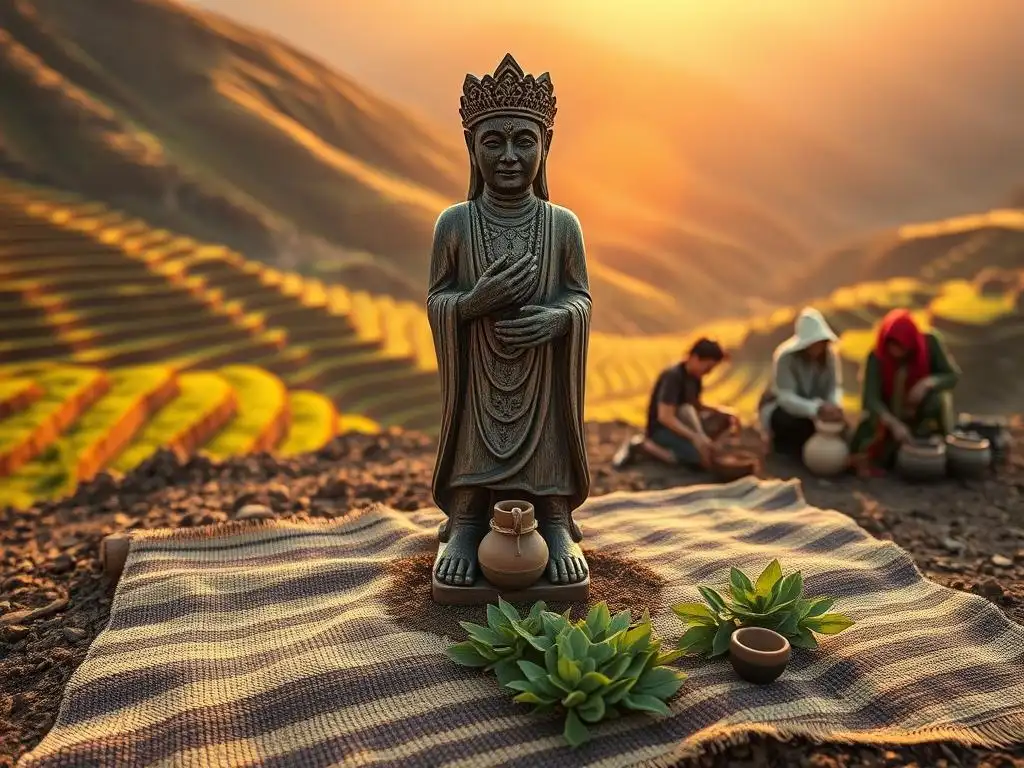
The concept of Pachamama, the Earth Mother, is deeply intertwined with the agricultural practices of Andean civilizations. Her influence permeates every aspect of farming, from the planting of seeds to the harvest, shaping not only the techniques employed but also the spiritual beliefs and social structures that sustained these societies. Understanding the role of Pachamama in Andean agriculture provides crucial insight into the ingenuity and resilience of these ancient cultures.
The reverence for Pachamama wasn't merely a religious observance; it was a practical strategy for ensuring successful harvests and the survival of the community. Understanding Andean Pachamama rituals reveals a sophisticated system of agricultural management rooted in a deep connection with the natural world.
The Influence of Pachamama on Crop Cycles
Pachamama's influence on Andean crop cycles was profound. Farmers meticulously observed natural phenomena, interpreting them as messages from Pachamama regarding the best times for planting and harvesting. The timing of agricultural activities wasn't arbitrary; it was carefully aligned with the rhythms of nature and the perceived moods of the Earth Mother.
For example, the rainy season, crucial for successful crop growth, was considered a direct blessing from Pachamama, and rituals were performed to ensure its continuation and abundance. Conversely, droughts were seen as signs of Pachamama's displeasure, prompting appeasement ceremonies and community-wide efforts to conserve water. Detailed records, though often fragmented, suggest a sophisticated understanding of microclimates and seasonal variations, demonstrating an intimate knowledge of Pachamama's influence on specific localities and crops.
Evidence suggests that certain rituals were performed to ensure the fertility of the soil, symbolically "feeding" Pachamama to guarantee a bountiful harvest. This demonstrates a holistic approach to farming, acknowledging the interconnectedness of all elements within the ecosystem.
Reciprocity and Gratitude in Andean Farming
Andean farming wasn't simply about extracting resources; it was a reciprocal relationship with Pachamama. Farmers understood that they were dependent on the Earth Mother's generosity and felt obligated to show their gratitude. This reciprocity manifested in various rituals and practices.
Before planting, offerings of coca leaves, chicha (a fermented maize beverage), and other agricultural products were presented to Pachamama, requesting her blessing for a successful harvest. During the harvest, a portion of the crop was invariably set aside as an offering, expressing thanks for her bounty. This wasn't a passive act of worship; it was an active engagement, a dialogue between humans and the natural world.
Failure to show gratitude was believed to incur Pachamama's wrath, leading to poor harvests or natural disasters. This principle of reciprocity shaped social structures, fostering a strong sense of community and shared responsibility in managing resources. The concept of ayni, reciprocal exchange, extended beyond the human realm to encompass the relationship between humans and Pachamama.
How Pachamama Guides Andean Agricultural Techniques
Pachamama's influence extended beyond the timing of agricultural activities; it also guided the techniques employed. Andean farmers developed innovative agricultural methods, such as terracing, irrigation systems, and crop rotation, in harmony with the environment and in accordance with what they perceived as Pachamama's wishes. Terracing, for instance, wasn't merely a practical solution to farming on steep slopes; it was also seen as a way to honor Pachamama by carefully shaping the land.
Similarly, intricate irrigation systems, which channeled water from mountain streams to fields, were viewed as a way to nurture and sustain Pachamama's life-giving force. These weren't simply engineering feats; they were expressions of reverence and respect for the Earth Mother. The selection of crops was also influenced by Pachamama; certain plants were considered sacred and were cultivated with particular care, reflecting a deep understanding of the interconnectedness of the natural world and the spiritual realm.
This holistic approach to agriculture, deeply rooted in the belief system centered around Pachamama, ensured the sustainability of Andean societies for centuries. The ingenuity and environmental sensitivity demonstrated by these ancient techniques continue to inspire modern agricultural practices.
Pachamama's Influence on Andean Society and Culture
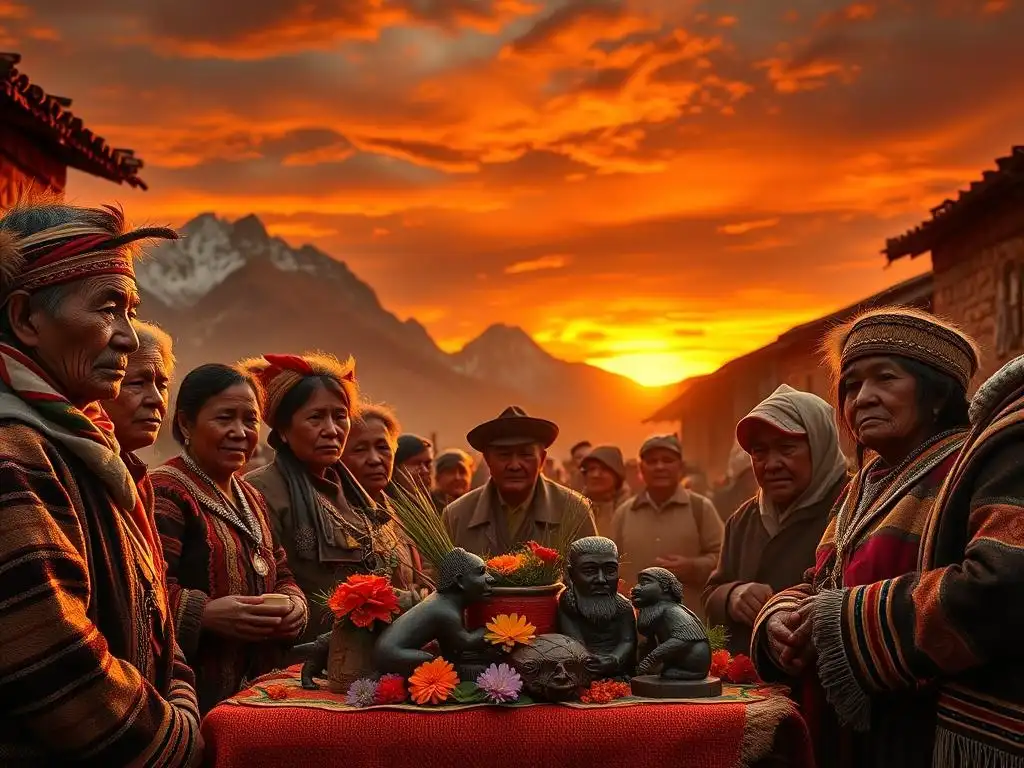
Pachamama, the Andean Earth Mother, wasn't merely a deity; she was the very foundation of Andean life, deeply interwoven with their societal structures, cultural practices, and worldview. Her influence permeated every aspect of their existence, from agricultural cycles to social hierarchies, shaping their beliefs and rituals for millennia. Understanding Pachamama's significance is crucial to grasping the complexities of Andean civilizations.
The reverence for Pachamama fostered a profound connection with the natural world, leading to sustainable agricultural practices and a strong sense of community responsibility. This section will delve into specific examples of Pachamama's pervasive influence, focusing on her role as a symbol of fertility, the importance of women in her worship, and the strengthening of community bonds through shared rituals.
Pachamama as a Symbol of Fertility and Abundance
Pachamama's most prominent role was as the provider of life, symbolizing fertility and abundance. The success of agricultural harvests, the health of livestock, and even human fertility were all attributed to her benevolence. This belief manifested in various rituals and offerings aimed at ensuring her continued favor.
For example, the pago a la tierra (payment to the earth), a common practice across various Andean cultures, involved offerings of coca leaves, chicha (fermented maize beer), and other agricultural products, placed directly onto the earth as a sign of respect and gratitude. The timing of these offerings was often tied to the agricultural calendar, with significant ceremonies occurring during planting and harvest seasons. Failure to properly honor Pachamama was believed to result in poor harvests, disease, and other misfortunes, emphasizing the crucial link between agricultural success and the appeasement of the Earth Mother.
The deep-seated belief in Pachamama's power ensured the perpetuation of sustainable agricultural practices, reflecting a sophisticated understanding of the delicate balance between humanity and nature. This reverence extended beyond mere survival; it shaped their worldview, emphasizing reciprocity and respect for the environment.
The Role of Women in Pachamama Celebrations
While Pachamama worship involved the entire community, women played a particularly significant role in the rituals and ceremonies dedicated to her. Their connection to the earth, through childbirth and agricultural activities, solidified their position as key intermediaries between the human and spiritual realms. In many Andean cultures, women were responsible for preparing the offerings, performing specific rituals, and leading certain prayers. This active participation reflects a matriarchal undercurrent within the broader Andean cosmology, highlighting the significant power and influence women held within their societies. The knowledge of herbal remedies, agricultural techniques, and traditional practices was often passed down through generations of women, reinforcing their role as custodians of ancestral wisdom and traditions related to Pachamama worship. Further research is needed to fully understand the nuances of women's roles in specific Andean cultures and the variations in their participation in Pachamama rituals. [Specific information pending on regional variations in women's roles].
Community Bonds Strengthened Through Pachamama Worship
The collective nature of Pachamama worship played a vital role in strengthening community bonds. Shared rituals and ceremonies fostered a sense of unity and interdependence, reinforcing social cohesion. The pago a la tierra, for instance, was rarely a solitary act; it was often a communal event involving entire villages or ayllus (Andean kinship groups).
This shared experience reinforced social ties, reminding individuals of their interconnectedness and shared dependence on Pachamama's bounty. The collective offerings and prayers created a powerful sense of community, fostering cooperation and mutual support. Moreover, the intricate knowledge surrounding Pachamama rituals and traditions was passed down through generations, strengthening the cultural identity and continuity of Andean communities.
This shared cultural heritage, rooted in the worship of Pachamama, served as a powerful unifying force, ensuring the transmission of values and beliefs across generations. The enduring legacy of Pachamama worship underscores its profound impact on the social fabric of Andean societies.
Modern Interpretations of Andean Pachamama Beliefs
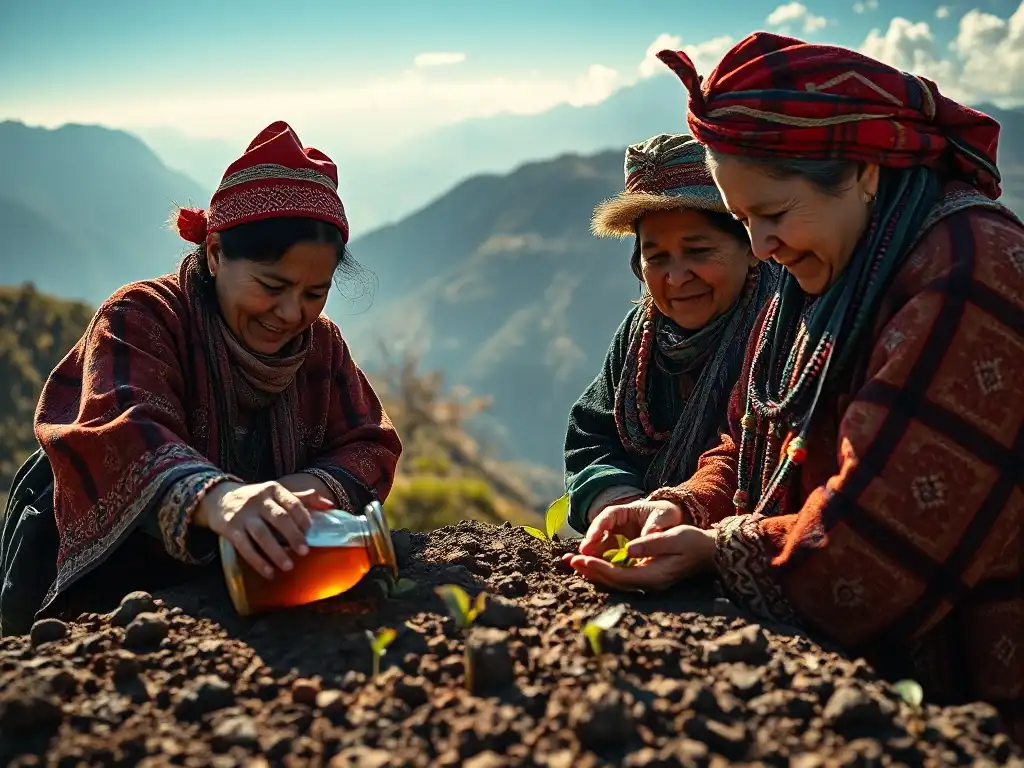
The reverence for Pachamama, the Earth Mother, persists strongly in modern Andean communities, although its expression has evolved alongside societal changes. While core beliefs remain consistent—the interconnectedness of humanity and nature, the reciprocal relationship between offering and receiving, and the inherent sacredness of the land—the manner in which these beliefs are manifested has adapted. Understanding these modern interpretations requires appreciating the dynamic interplay between ancient traditions and contemporary realities. Analyzing Andean Pachamama rituals in their modern contexts reveals a powerful resilience of indigenous spirituality.
Pachamama in Contemporary Andean Communities
In rural Andean communities, Pachamama veneration remains deeply ingrained in daily life. Agricultural cycles continue to be marked by offerings and ceremonies. For example, before planting, farmers often make pagos (offerings) of coca leaves, chicha (corn beer), and other food items, burying them in the earth to appease Pachamama and ensure a bountiful harvest. These rituals are often performed by community elders or designated yatiri (shamans), who possess specialized knowledge of ancestral practices. The offerings aren't simply symbolic; they represent a tangible expression of gratitude and a plea for continued fertility and prosperity. The specific rituals vary across different regions and ethnic groups, reflecting the diverse tapestry of Andean cultures. Detailed ethnographic studies are needed to fully document the diversity of these practices across various Andean communities. This diversity underscores the deeply localized nature of Pachamama worship, showcasing its adaptability and continued relevance in the daily lives of Andean peoples.
The Revival of Pachamama Rituals in Urban Settings
Interestingly, Pachamama veneration isn't confined to rural areas. With the migration of Andean populations to urban centers, Pachamama rituals have experienced a resurgence, albeit in adapted forms. Urban communities often find creative ways to honor Pachamama, adapting traditional practices to fit their environment. This might involve creating small altars in homes or apartments, offering coca leaves and small amounts of food.
Community gatherings and festivals, sometimes incorporating elements of traditional Andean music and dance, are also common. The adaptation of Andean Pachamama rituals to urban environments reveals the enduring power of the belief system to transcend geographical boundaries and adapt to modern living. Further research is needed to understand the socio-cultural factors driving this urban revival, particularly the role of social media in disseminating information and connecting dispersed communities. This urban adaptation demonstrates the remarkable flexibility of ancient traditions in navigating the complexities of modern life.
Pachamama and Environmentalism: A Modern Perspective
The growing global awareness of environmental issues has intersected with Andean Pachamama beliefs in a significant way. The inherent connection between humanity and nature, central to Pachamama veneration, resonates deeply with contemporary environmental concerns. Many environmental activists and indigenous leaders have drawn parallels between traditional Andean practices and sustainable living, highlighting the wisdom embedded in centuries-old traditions of respecting and nurturing the Earth.
The concept of reciprocity, inherent in Andean Pachamama rituals—giving back to the Earth to receive its bounty—provides a powerful framework for promoting responsible stewardship of natural resources. This convergence of indigenous spirituality and modern environmentalism offers a potent message of ecological responsibility, emphasizing the interconnectedness of human well-being and environmental health.
The synthesis of traditional Andean beliefs with modern environmentalism provides a unique and powerful lens through which to address contemporary challenges. This symbiotic relationship highlights the enduring relevance of Pachamama veneration in the face of global environmental concerns.
The Legacy of Pachamama: A Timeless Connection to Earth
The concept of Pachamama, the Earth Mother, is deeply ingrained in the Andean worldview, transcending mere religious belief to become a fundamental principle shaping daily life, societal structures, and even environmental practices. Its influence permeates every aspect of Andean culture, from agricultural cycles and harvest festivals to artistic expression and social hierarchies. Understanding Pachamama is key to unlocking a profound comprehension of Andean civilizations and their intricate relationship with the natural world.
The reverence for Pachamama isn't simply a matter of worship; it's a holistic philosophy that underscores the interconnectedness of all living things and the vital importance of maintaining ecological balance. This enduring connection, passed down through generations, continues to resonate in contemporary Andean communities. The legacy of Pachamama represents a powerful testament to the enduring human need to find meaning and purpose within the natural order.
The Enduring Power of the Pachamama Belief System
The belief in Pachamama isn't a static dogma; it's a dynamic force that has adapted and evolved alongside the changing landscapes and societies of the Andes. While specific rituals and practices may vary across different Andean communities and throughout history, the core principle of respecting and honoring the Earth Mother remains constant. For example, the Inca Empire, while possessing a sophisticated administrative system, incorporated Pachamama veneration into its governance.
Evidence suggests that Inca rulers performed elaborate ceremonies to appease Pachamama, ensuring bountiful harvests and the prosperity of their empire. The continuation of these traditions in modern-day communities highlights the enduring power of the Pachamama belief system. Even amidst the pressures of globalization and modernization, the deep-seated connection to the land and its life-giving forces persists.
This resilience demonstrates the profound and lasting influence of Pachamama on Andean identity and spirituality. The persistence of Pachamama rituals underscores a cultural continuity that spans centuries, demonstrating the profound impact of this belief system on shaping Andean societies and their relationship with the environment.
Lessons from Pachamama for a Sustainable Future
The Andean reverence for Pachamama offers valuable lessons for contemporary societies grappling with environmental challenges. The inherent understanding of the interconnectedness of all living things, a central tenet of Pachamama worship, provides a powerful framework for sustainable practices. The traditional Andean agricultural techniques, often employing terraces and crop rotation, demonstrate a deep understanding of ecological balance and resource management.
These practices, honed over millennia, offer insights into sustainable farming methods that can be applied globally. Furthermore, the emphasis on reciprocity and respect within the human-nature relationship, central to Andean cosmovision, provides a valuable model for fostering a more harmonious coexistence between humanity and the environment.
The wisdom embedded within Andean Pachamama rituals offers a potent counterpoint to unsustainable practices, urging a more responsible and respectful approach towards the Earth. The principles of reciprocity and respect for the environment, inherent in Andean Pachamama rituals, provide a compelling model for sustainable living in the modern world.
Understanding Pachamama: A Key to Andean Culture
Pachamama is not merely a deity; she is a fundamental concept that underpins Andean culture's understanding of the world. Her influence extends far beyond religious practices, shaping social structures, artistic expressions, and even daily routines. For example, the intricate designs found on Andean textiles often depict scenes from nature, reflecting the deep connection between humans and the natural world.
Similarly, Andean music and storytelling frequently invoke Pachamama, highlighting her role as a life-giving force. Understanding Pachamama therefore provides a crucial lens through which to interpret and appreciate the richness and complexity of Andean culture. She is not just a symbol; she is an active participant in the lives of Andean people, shaping their beliefs, values, and interactions with the environment.
A comprehensive understanding of Andean culture requires a deep engagement with the concept of Pachamama and its profound influence on every aspect of Andean life. The study of Andean Pachamama rituals offers a unique window into the intricate tapestry of Andean culture, revealing its deep connection to the natural world and its enduring legacy.
Frequently Asked Questions
What is Pachamama?
Pachamama is the Andean Earth Mother, a central figure in the spiritual beliefs of many indigenous Andean cultures. She represents fertility, abundance, and the interconnectedness of all living things. She is venerated through rituals and offerings.
What are some common Pachamama rituals?
Common rituals include making offerings of food, drink, coca leaves, and other items to the earth. These offerings are often buried or placed in sacred locations. Celebrations often involve music, dance, and community gatherings.
How important is Pachamama to Andean cultures?
Pachamama is of paramount importance, deeply woven into the daily lives and spiritual practices of many Andean communities. Her influence is seen in agriculture, social structures, and understanding of the natural world. She is not just a deity, but a fundamental aspect of their worldview.
Are Pachamama rituals still practiced today?
Yes, Pachamama rituals are still actively practiced by many indigenous communities in the Andes. These traditions are passed down through generations and remain a vital part of their cultural identity. They adapt and evolve while maintaining their core essence.
Where can I learn more about Andean Pachamama rituals?
You can find more information through ethnographic studies, academic research on Andean cultures, and visits to Andean communities themselves (with appropriate respect and sensitivity). Many museums and cultural centers also feature exhibits on the topic.
Final Reflection: The Enduring Spirit of Pachamama
The reverence for Pachamama, the Earth Mother, is not a relic of the past; it remains a vibrant force shaping Andean life and offering crucial lessons for our globally interconnected world. The interconnectedness of humanity and nature, a core tenet of Andean cosmology, provides a powerful counterpoint to the exploitative relationship many modern societies maintain with the environment. This understanding, deeply rooted in ritual and daily practice, offers a path towards a more sustainable and harmonious future.
The enduring influence of Pachamama on Andean culture is undeniable, woven into the fabric of daily life, from agricultural practices to artistic expression. Her presence is felt in the vibrant colors of textiles, the rhythmic chants of ceremonies, and the profound respect shown for the land. This deep connection resonates deeply with me, highlighting the importance of recognizing the intrinsic value of nature, not just its economic worth. The Earth has music for those who listen.
– William Shakespeare. This quote, though not directly related to Pachamama, speaks to the inherent beauty and wisdom found in nature, a wisdom the Andean people have long understood and honored.
Consider, for a moment, the profound implications of this ancient wisdom. How can we, in our modern lives, cultivate a deeper connection with the natural world? How can we integrate the principles of respect, reciprocity, and reverence for the Earth into our own daily actions? I urge you to reflect on the power of Pachamama's influence and to explore ways to incorporate a more sustainable and harmonious relationship with our planet into your own life. Let the spirit of Pachamama inspire you to become a conscious steward of the Earth, ensuring its vitality for generations to come.
Embrace Pachamama's Wisdom Today!
Thank you for exploring the profound connection between Pachamama and Andean life! We hope you've gained valuable insights into how this Earth Mother shapes beliefs, rituals, and daily life in the Andes. Now, let's put that knowledge into action.
Here are a few ways you can make a difference:
- Reconnect with Nature: Spend time outdoors today, reflecting on your relationship with the Earth. Consider how you can integrate sustainable practices into your daily life. For example, try reducing your waste or choosing more sustainable transportation options.
- Share Your Knowledge: Discuss the importance of respecting the Earth with friends, family, or on social media. Let's inspire others to appreciate our planet's significance and the interconnectedness of all living things.
- Support Environmental Initiatives: Explore local organizations dedicated to environmental preservation and consider volunteering your time or donating to a cause you believe in. Even small actions can have a big impact.
How can you incorporate the spirit of Pachamama into your life and community starting today? We'd love to hear your ideas!