
Andean Fertility Rites: Celebrating Life's Cycles Through Ritual

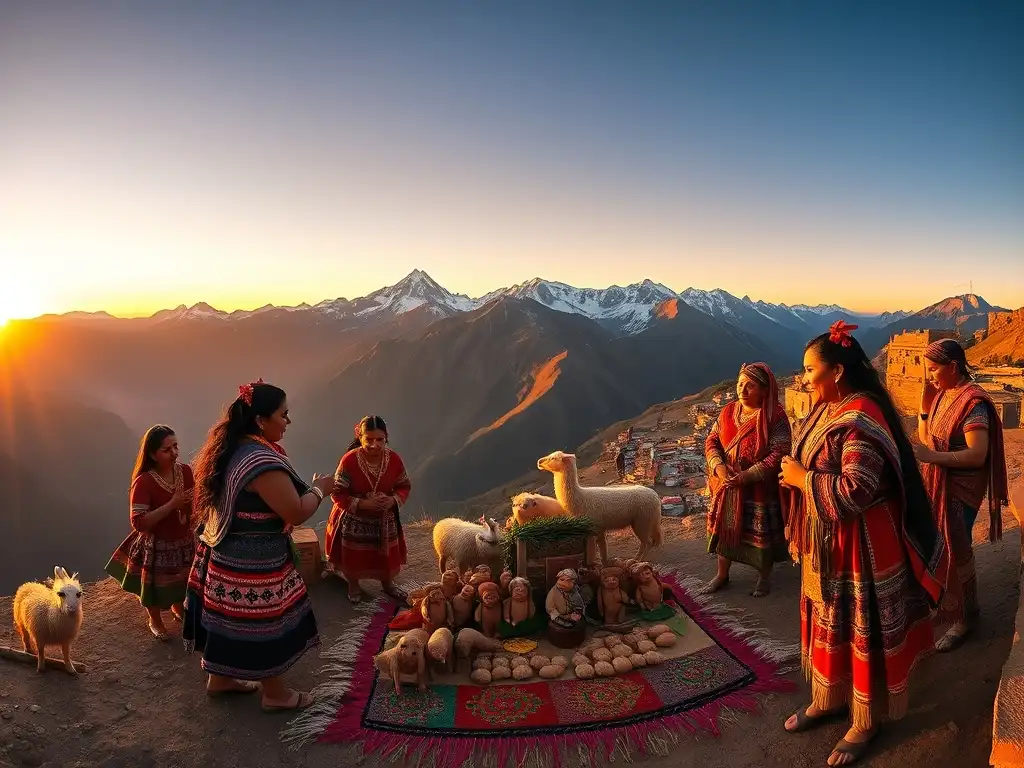
Step into a world lost to time, yet echoing with vibrant life. Imagine colossal mountain ranges, breathtaking landscapes, and civilizations that thrived on intricate rituals and profound spiritual beliefs. This is the realm of the ancient Andean cultures. Uncover the secrets of their enduring legacy, starting with our exploration of Andean fertility rituals—a captivating glimpse into their complex relationship with the earth and the cosmos. Prepare to be amazed by the ingenuity and spiritual depth of these fascinating societies. Dive in and discover more about their captivating world!
The Andes Mountains, a spine of towering peaks and fertile valleys, nurtured some of the most sophisticated civilizations of pre-Columbian South America. These cultures, including the Inca, Moche, Nazca, and Tiahuanaco, developed complex religious systems deeply intertwined with the natural world. Central to their beliefs was the concept of pachamama, Mother Earth, a life-giving force that demanded respect and reciprocal offerings.
This article delves into the fascinating world of Andean fertility rituals, exploring how these ancient peoples celebrated life's cycles—from planting and harvest to birth and death—through intricate ceremonies and offerings designed to ensure the continued abundance and prosperity of their communities. We will examine the core beliefs underpinning these practices, revealing the rich tapestry of Andean spirituality and its intimate connection with the land. Understanding these rituals provides crucial insight into the Andean worldview and its enduring legacy.
The practices surrounding Andean fertility rituals are complex and varied, reflecting the diversity of Andean cultures and their unique interpretations of the natural world. This exploration of "Andean fertility rituals" will uncover the deep spiritual significance embedded within these practices.
Introduction to Andean Fertility Rituals
Andean fertility rituals were not simply about ensuring bountiful harvests; they were integral to the very fabric of Andean society. These rituals, often involving elaborate ceremonies, offerings, and symbolic gestures, aimed to maintain a harmonious relationship between the human world and the supernatural realm. The success of agriculture was paramount, directly impacting the survival and prosperity of communities. Therefore, rituals designed to encourage fertility in crops and livestock were crucial. These rituals varied significantly depending on the specific Andean culture and the particular agricultural cycle. Some common elements included:
- Offerings to pachamama: These often involved pouring chicha (fermented maize beverage) onto the earth, burying coca leaves, or placing other offerings directly into the soil.
- Ceremonial dances and songs: These performances were believed to invoke the spirits and ensure a successful harvest.
- Animal sacrifices: In some cases, animals, particularly llamas and alpacas, were sacrificed to appease the gods and ensure fertility.
- Human sacrifice (in some cultures): While less common than other forms of offering, evidence suggests that in certain Andean cultures, human sacrifice played a role in particularly significant fertility rituals. The specifics of these practices remain a topic of ongoing research and scholarly debate.
The Significance of Fertility in Andean Cosmovision
Fertility in the Andean worldview wasn't limited to the agricultural realm; it encompassed all aspects of life, including human reproduction and the continuity of their societies. The Andean people believed that the prosperity of their communities depended on maintaining a delicate balance between the human and spiritual worlds. This balance was reflected in their fertility rituals, which served as a means of expressing gratitude, seeking divine favor, and ensuring the perpetuation of life.
The concept of ayni, reciprocal exchange, was central to their beliefs. By offering gifts to the gods and pachamama, they hoped to receive blessings in return, ensuring the fertility of the land and the continuation of their lineage.
The cyclical nature of life, death, and rebirth was deeply embedded in their understanding of the cosmos, influencing their approach to agriculture and reproduction. Their understanding of fertility was deeply intertwined with their cosmology, reflecting a profound connection to the land and a holistic view of life itself.
Understanding Andean Beliefs About Life and Creation
Andean beliefs about life and creation were intricately interwoven with their fertility rituals. They believed in a complex pantheon of gods and spirits, each with specific roles in maintaining the balance of the cosmos. Pachamama, Mother Earth, was the most important deity, representing the life-giving force of the land. Other deities, like the sun god Inti and the moon goddess Mama Killa, also played crucial roles in influencing fertility and prosperity.
The Andean people believed that these deities interacted with the human world through various natural phenomena, including weather patterns, earthquakes, and volcanic eruptions. Understanding these interactions was crucial for performing effective fertility rituals. Their creation myths often involved the emergence of life from the earth, emphasizing the sacred connection between humanity and the natural world.
This deep-seated belief in the interconnectedness of all things shaped their approach to fertility, emphasizing the need for respectful interaction with the environment and the divine. Further research into specific Andean cultures will reveal more nuanced beliefs and practices surrounding fertility and creation. The overarching theme, however, remains the profound respect for pachamama and the delicate balance between the human and spiritual realms.
Key Deities Associated with Andean Fertility
Andean fertility rituals revolved around a complex pantheon of deities, each with specific roles in ensuring the bounty of the land and the continuation of life. Understanding these deities is crucial to grasping the depth and complexity of Andean religious practices related to fertility. The most prominent deities associated with fertility were Pachamama, the Earth Mother, and Inti, the Sun God.
However, numerous other lesser deities and spirits also played significant roles, often localized and specific to particular regions or communities. These included mountain spirits ( apu), water spirits ( supay), and various agricultural deities linked to the growth and harvest of specific crops. The interplay between these deities and the rituals performed to honor them formed a comprehensive system aimed at maintaining balance and ensuring prosperity.
The effectiveness of these rituals was believed to be directly tied to the respect and reverence shown to these divine figures, highlighting the intricate connection between the spiritual and material worlds in Andean cosmovision. The precise nature of these lesser deities often varied across different Andean cultures, reflecting the diverse geographic and cultural landscapes of the region.
Pachamama: The Earth Mother and Her Importance
Pachamama, the Earth Mother, holds a central position in Andean fertility rites. She represents the life-giving earth, the source of all sustenance and the provider of abundance. Appeasing Pachamama was paramount for ensuring successful harvests, healthy livestock, and the overall well-being of the community.
Rituals dedicated to Pachamama often involved offerings of coca leaves, chicha (a fermented corn beverage), food, and other precious items, placed directly into the earth as a gesture of respect and gratitude. These offerings were not merely symbolic; they represented a tangible exchange between the human and spiritual realms, reflecting a deep-seated belief in reciprocal relationships with the natural world. The act of burying offerings was believed to nourish the earth, ensuring its continued fertility and productivity.
Failure to honor Pachamama, conversely, was believed to result in crop failure, illness, and other misfortunes, demonstrating the crucial role she played in the daily lives of Andean communities. Archaeological evidence, such as the discovery of offerings buried alongside agricultural terraces, strongly supports the widespread importance of Pachamama in Andean cultures.
Inti: The Sun God and His Role in Fertility
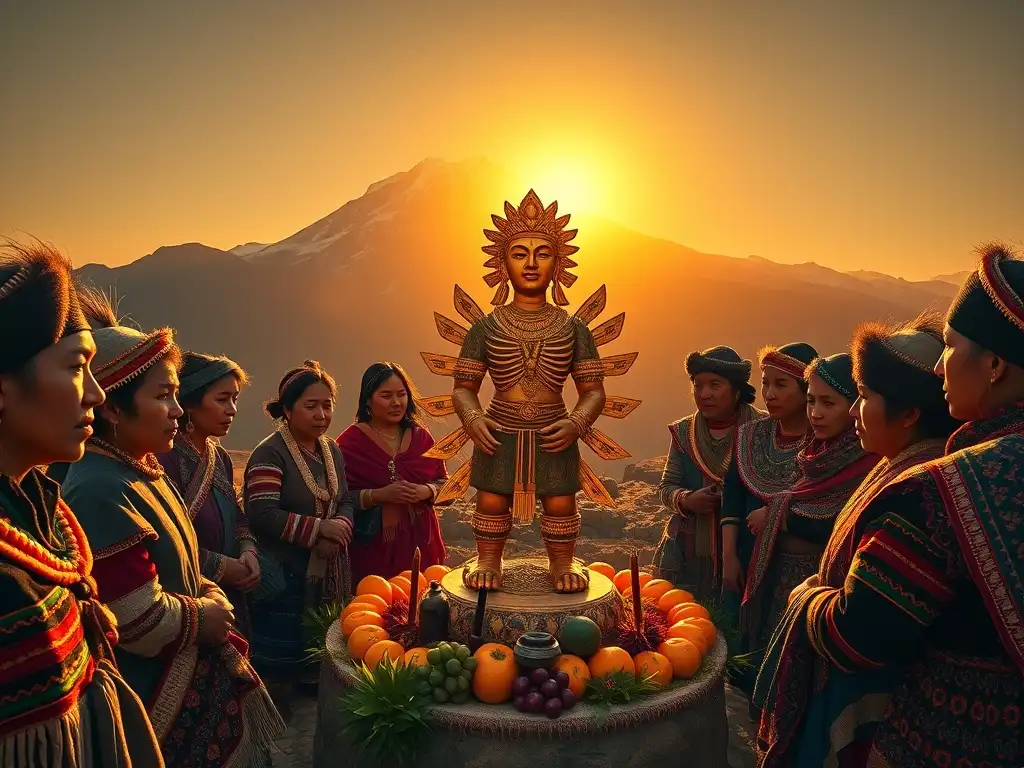
Inti, the Sun God, played a vital, complementary role to Pachamama in Andean fertility rituals. While Pachamama represented the life-giving earth, Inti represented the life-giving sun, providing the essential warmth and energy necessary for plant growth and animal husbandry. The sun's power was seen as essential for the maturation of crops and the success of harvests.
Inti's influence extended beyond agriculture; he was also associated with health, prosperity, and royal power. Festivals dedicated to Inti involved elaborate ceremonies, often involving human sacrifice in some cultures, although this practice varied across different Andean groups. These festivals were marked by feasting, dancing, and the offering of gifts to the sun, symbolizing the community's dependence on its life-giving energy.
The precise nature of the rituals varied depending on the specific Andean culture and the time of year, but the underlying theme of acknowledging and honoring Inti's power remained consistent. The sun's journey across the sky was viewed as a cyclical process, mirroring the cyclical nature of life, death, and rebirth, further emphasizing Inti's role in fertility and renewal. The importance of Inti in Andean cosmology is evident in the numerous sun temples and iconographic representations found throughout the region.
Ritual Practices and Ceremonies for Fertility
Andean fertility rituals were deeply intertwined with the agricultural cycle and the overall well-being of the community. These weren't simply about individual procreation; they were about ensuring the fertility of the land, the animals, and ultimately, the prosperity of the entire society. Many ceremonies involved offerings to deities associated with fertility, such as the Pachamama (Mother Earth) and various mountain spirits (Apus). These offerings could include coca leaves, chicha (fermented corn beverage), food, and even precious objects.
The act of offering itself was considered a crucial element, demonstrating respect and seeking the deities' favor in return for bountiful harvests and healthy children. The specific rituals varied across different Andean cultures, reflecting their unique beliefs and customs. For instance, the Incas might have performed elaborate ceremonies in their temples, while smaller communities might have held simpler rituals in their fields or homes. The common thread, however, was the deep connection between human fertility and the fertility of the natural world.
The success of the harvest was seen as directly linked to the community's ability to reproduce and thrive. Failure in either area was seen as a sign of imbalance, requiring immediate ritual intervention to restore harmony. This holistic approach to fertility highlights the intricate relationship between the Andean people and their environment.
Agricultural Rites and Planting Ceremonies
The planting season marked a crucial period for Andean fertility rituals. These ceremonies weren't just about planting seeds; they were elaborate events aimed at ensuring a successful harvest. The preparation often involved purifying the fields and making offerings to the Pachamama to ensure her blessing on the crops. Farmers might perform specific dances or chants to invoke the spirits of fertility and encourage the growth of their crops.
In some cases, they would bury offerings within the fields, believing it would nourish the land and promote abundant yields. The type of offerings varied depending on the specific crop and the local customs. For example, maize, a staple crop, was often associated with specific deities and received special attention during planting ceremonies. These rituals weren't solely performed by individual farmers; entire communities often participated, reinforcing social bonds and shared beliefs.
The collective nature of these events underscores the importance of community cooperation in ensuring the well-being of the entire group. The success of the harvest was directly linked to the social harmony and the respect shown towards the natural world. Archaeological evidence, such as the discovery of ritual objects buried in fields, provides tangible proof of the significance of these agricultural rites.
Animal Fertility Rituals and Their Purpose
Animal fertility was equally important to the Andean people, as livestock provided essential resources like wool, meat, and transportation. Rituals focused on ensuring the health and reproduction of their animals were common. These might involve offerings to specific animal deities or spirits, seeking their protection and blessing for successful breeding seasons. Farmers often performed ceremonies before mating seasons, hoping to enhance the fertility of their herds and flocks.
Similar to agricultural rituals, these ceremonies frequently involved the community, strengthening social connections and shared responsibility for the well-being of the animals. The health of the animals was closely tied to the overall prosperity of the community. A successful breeding season meant sufficient resources for the community's survival and well-being. The loss of livestock, on the other hand, could have devastating consequences.
Therefore, these rituals were not mere superstitions; they were essential practices for ensuring the continued survival and prosperity of Andean communities. Specific rituals varied depending on the type of animal, with llamas and alpacas, crucial for their wool and meat, likely receiving particular attention in fertility ceremonies. The use of specific offerings, songs, and dances further customized these rituals to the unique characteristics of each animal.
Human Fertility Rituals and Celebrations of Life
Andean cultures placed immense importance on human fertility, viewing it as integral to the continuation of their communities and the prosperity of their societies. These weren't merely biological events; they were deeply intertwined with spiritual beliefs and cosmological understandings. The cycles of life, death, and rebirth mirrored the cyclical nature of the Andean landscape—the seasons, the agricultural cycles, and the movements of celestial bodies.
Consequently, rituals surrounding human fertility weren't isolated events but rather formed a crucial part of a larger cosmic order. These rituals often involved elaborate ceremonies, offerings to deities associated with fertility, and the performance of specific actions believed to influence reproductive success. The health and well-being of both the mother and child were paramount, and rituals were performed to ensure a safe pregnancy, a healthy birth, and the child's successful integration into the community.
Failure to observe these rituals could be interpreted as disrespecting the deities and the natural order, potentially leading to negative consequences. The community played a vital role in supporting expectant mothers and new families, highlighting the collective responsibility in ensuring the continuation of life. This communal aspect further underscores the deeply social nature of Andean fertility practices.
The success of these rituals wasn't solely measured by immediate biological outcomes. The performance of the rituals themselves, the communal participation, and the demonstration of respect for the sacred were equally important aspects of the process. It was a way to reaffirm faith, strengthen community bonds, and maintain harmony within the larger cosmic framework.
Evidence from archaeological findings, such as the discovery of artifacts associated with childbirth and fertility deities, provides tangible support for the significance of these rituals in Andean societies. Further research into iconography and textual sources (where available) continues to illuminate the rich tapestry of beliefs and practices surrounding human fertility in the Andes.
Specific Andean Fertility Rituals
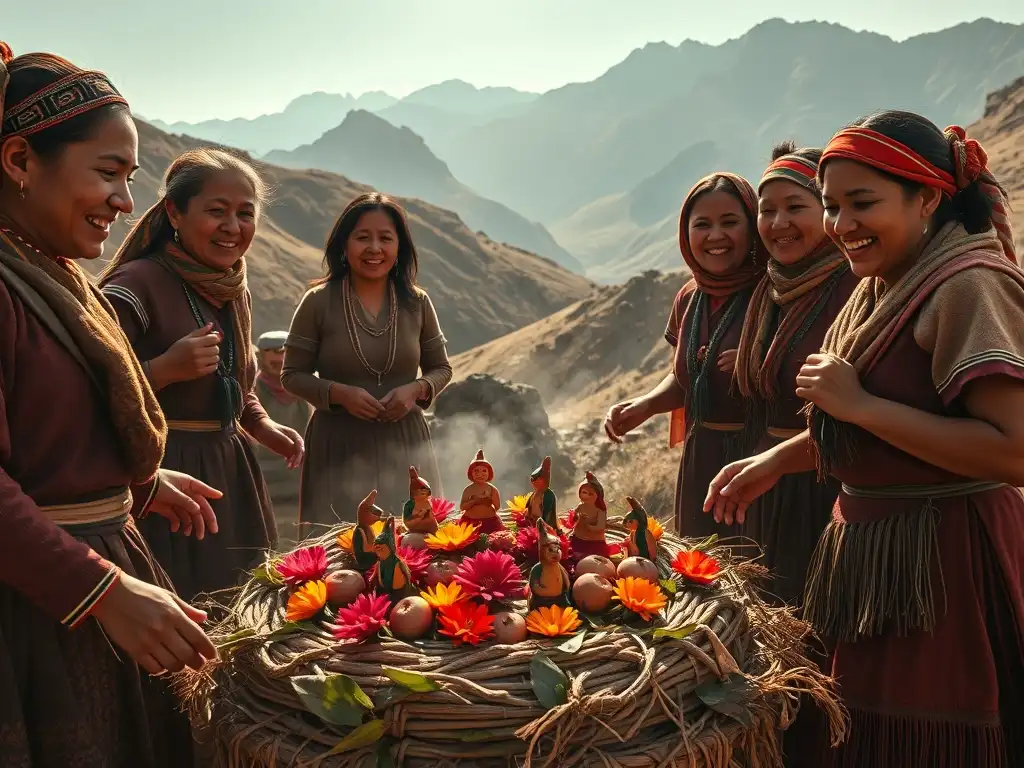
While specific details vary across different Andean cultures and time periods, certain common themes emerge in the study of Andean fertility rituals. For example, the Incas, known for their sophisticated empire, performed elaborate ceremonies involving offerings of coca leaves, chicha (a fermented corn beverage), and other agricultural products to deities associated with fertility, such as Pachamama (Mother Earth) and Inti (the Sun God). These offerings were often accompanied by prayers and chants, seeking divine intervention to ensure successful harvests and healthy offspring.
The Moche culture, renowned for its intricate pottery depicting vibrant scenes of daily life and religious practices, also left behind evidence suggesting fertility rituals. Their pottery frequently portrays figures engaged in acts of worship associated with fertility and reproduction, highlighting the importance of these themes in their religious and social structures.
The Nazca lines, though their precise purpose remains debated, may also have played a role in fertility rituals, with some theories suggesting their alignment with astronomical events crucial to agricultural cycles. The use of specific plants, animals, and minerals in these rituals points to a deep understanding of the natural world and its connection to human reproduction.
The diversity of Andean cultures ensured a variety of ritual practices. Some involved symbolic actions, such as planting seeds to represent the hope for future generations, while others incorporated complex ceremonies with multiple participants and elaborate offerings. Understanding the specific variations requires examining archaeological evidence from different regions and periods, carefully considering the unique cultural context of each society.
Unfortunately, the destruction of many ancient Andean sites and the limitations of available written records pose challenges to a complete understanding of these practices. However, ongoing research and interdisciplinary approaches continue to shed light on the nuances and complexities of these deeply significant rituals. Further study is needed to fully grasp the subtle differences between the fertility rituals of the various Andean cultures.
The Importance of Water in Andean Fertility Rituals
Water played a central role in Andean cosmology and was profoundly associated with fertility. In the Andean worldview, water was not simply a resource; it was a sacred element, a life-giving force intimately connected to the earth, the deities, and the cycles of life. This sacred status is reflected in the numerous rituals involving water, particularly in connection to human fertility.
The presence of water in agricultural practices, essential for successful harvests, further reinforced its association with fertility and prosperity. The connection between water and fertility extended beyond agricultural contexts to embrace human reproduction. Water's life-giving properties were seen as mirroring the ability to create and sustain life.
Many Andean fertility rituals involved the use of water in symbolic or practical ways. For instance, water might have been used in purification ceremonies before or after childbirth, symbolizing the cleansing and renewal associated with the birthing process. Water sources, such as springs and rivers, were often considered sacred places, and ceremonies might have been performed at these locations to seek blessings for fertility.
The precise ways in which water was incorporated into these rituals likely varied across different Andean cultures and time periods, reflecting the specific beliefs and practices of each community. Furthermore, the abundance or scarcity of water directly impacted agricultural success and, consequently, the overall well-being of the community, emphasizing the critical link between water, fertility, and survival. The reverence for water, therefore, extends beyond mere practicality; it speaks to the deep spiritual and cosmological significance of this element in the Andean worldview.
Further research is crucial to fully understand the diverse ways in which Andean communities integrated water into their fertility rites. The study of ancient irrigation systems and water management practices offers valuable insights into the cultural significance of water in relation to Andean fertility and agricultural practices.
The Anata: A Celebration of Abundance
The Anata, a vibrant festival celebrated across various Andean communities, stands as a powerful testament to the region's deep-rooted connection with the earth and its life-giving forces. More than just a festival, the Anata is a complex ritual cycle focused on ensuring agricultural prosperity and, by extension, community well-being. Its origins are ancient, predating the Inca empire, with variations in practice existing across different ethnic groups. The core of the Anata revolves around ensuring the fertility of the land and its ability to provide sustenance.
This is achieved through a series of carefully orchestrated rituals, including symbolic acts of planting and harvesting, processions featuring decorated animals and vibrant costumes, and communal feasts. The Anata isn't simply about the immediate harvest; it's about securing future abundance, a cyclical understanding of life's rhythms deeply embedded in Andean cosmology. The festival often includes music, dance, and storytelling, all contributing to a communal experience that reinforces social bonds and reaffirms the community's dependence on the land and its benevolent spirits.
Specific practices within the Anata vary regionally, reflecting the diverse ecological conditions and cultural traditions across the Andes. However, the underlying theme of agricultural fertility and the celebration of abundance remains consistently central. The Anata is a powerful example of how Andean fertility rituals are not isolated events, but integral parts of a larger, holistic worldview.
The Ch'alla: A Ritual of Gratitude
The ch'alla, meaning "to offer" or "to sprinkle," is a ubiquitous Andean ritual signifying respect, gratitude, and a plea for continued blessings. Unlike the Anata’s focus on the cyclical nature of harvests, the ch'alla is a more pervasive practice woven into daily life and significant events. It involves the sprinkling of chicha (a fermented corn beverage) and coca leaves on the earth, crops, animals, and even inanimate objects. This act is not merely symbolic; it's believed to activate the life-giving energies inherent in these substances, strengthening the bond between humanity and the sacred forces that govern the natural world.
The ch'alla is performed to express gratitude for past blessings and to solicit continued prosperity and protection. Farmers perform ch'allas before planting and harvesting, seeking bountiful yields. Similarly, families might ch'alla their homes and belongings to ensure safety and well-being. The act of sprinkling is accompanied by prayers and offerings, further strengthening the connection between the human and spiritual realms.
The ch'alla is a deeply ingrained practice, reflecting the Andean understanding of reciprocity and the interconnectedness of all things. It's a constant reminder of the importance of maintaining balance and harmony within the natural and spiritual worlds. The simplicity of the ritual belies its profound significance within Andean culture, highlighting the importance of gratitude and mindful interaction with the environment.
Offerings and Sacred Objects in Andean Fertility Practices
Andean fertility rituals are richly adorned with a diverse array of offerings and sacred objects, each carrying specific symbolic meaning and contributing to the ritual's effectiveness. These offerings aren't merely symbolic gestures; they represent a tangible expression of reciprocity and a means of establishing a harmonious relationship with the supernatural forces influencing fertility. Common offerings include coca leaves, representing social cohesion and communication with the spirits; chicha, symbolizing life's energy and nourishment; and various agricultural products, reflecting the community's dependence on the land. In addition to these organic offerings, intricately crafted objects, such as miniature figurines of animals and humans, are often presented.
These miniature representations often depict scenes of abundance and fertility, reinforcing the ritual's purpose. Specific objects used in these rituals vary widely depending on the community and the specific ceremony. However, the underlying principle remains consistent: to strengthen the connection between the human and spirit worlds, ensuring the continued flow of life-giving energies. These offerings are not simply discarded after the ceremony; they often become part of the landscape, further integrating the ritual into the natural environment.
The careful selection and placement of these offerings highlight the meticulous attention to detail and the profound spiritual significance associated with Andean fertility practices. The use of these sacred objects underscores the complex interplay between material culture and spiritual beliefs in shaping Andean religious practices. The careful curation and use of these objects demonstrate a deep understanding and respect for the spiritual forces influencing fertility and abundance.
The Use of Coca Leaves in Andean Fertility Rituals
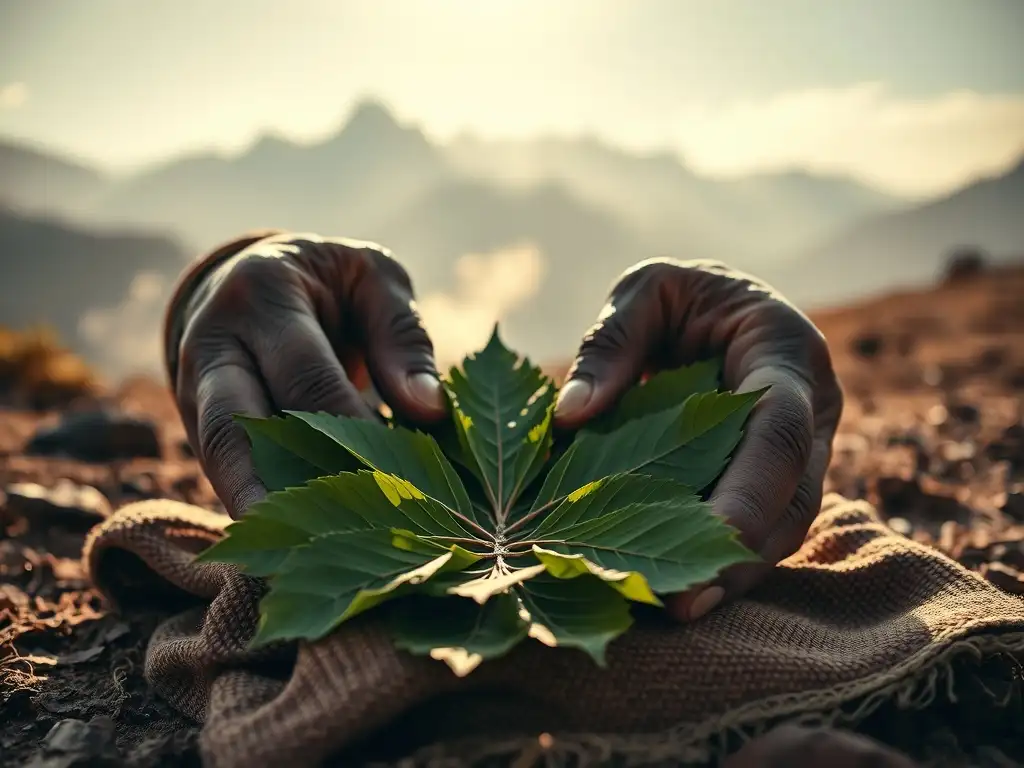
Coca leaves, Erythroxylum coca, held—and continue to hold—a position of profound significance in Andean cultures, extending far beyond simple recreational use. In the context of fertility rites, coca played a vital role in connecting the human realm with the spiritual world, facilitating communication with deities associated with fertility and abundance. Shamans, or paqos, often chewed coca leaves during ceremonies, entering altered states of consciousness to better interpret divine messages and guide the rituals.
The leaves themselves were considered sacred offerings, placed on alters alongside other gifts to appease the gods and ensure bountiful harvests and healthy offspring. The act of sharing coca leaves during ceremonies fostered a sense of community and shared purpose, strengthening social bonds crucial for the success of agricultural endeavors and the continuity of life. Specific rituals involving coca might include carefully prepared bundles of leaves offered to mountain spirits or placed in the earth to nourish the crops, ensuring the fertility of both land and people.
The precise methods and significance varied regionally and between different Andean groups, highlighting the rich diversity within these traditions. Even today, coca continues to be an integral part of many Andean communities’ spiritual practices, demonstrating the enduring power of this ancient tradition. The subtle nuances of coca leaf preparation and use, from the careful selection of leaves to the specific chewing techniques, underscore the profound respect afforded to this plant and its connection to fertility and well-being.
The Role of Music and Dance in Fertility Ceremonies
Music and dance formed the vibrant heart of Andean fertility ceremonies, acting as powerful mediums for expressing hope, invoking divine favor, and celebrating life's cyclical renewal. The rhythmic beats of drums, flutes, and other instruments, often crafted from natural materials like wood and bone, served to create a trance-like atmosphere, allowing participants to transcend the ordinary and connect with the spiritual realm. Intricate dance steps, often mimicking the movements of animals associated with fertility, such as llamas or condors, symbolized the life-giving forces of nature.
These performances weren't merely entertainment; they were ritualistic acts aimed at influencing the natural world, ensuring the successful germination of seeds, the healthy growth of crops, and the continuation of the human lineage. The melodies themselves were often imbued with symbolic meaning, with specific rhythms and harmonies associated with particular deities or stages of the agricultural cycle. For example, certain songs might be sung to invoke rain, while others celebrated the harvest or the birth of children.
The vibrant costumes worn by dancers, frequently adorned with feathers, beads, and other symbolic elements, further enhanced the ritualistic significance of these performances, visually representing the fertility of the land and the abundance desired by the community. The collective participation in music and dance created a powerful sense of unity and shared purpose, reinforcing social bonds and strengthening the community's connection to its spiritual heritage. The legacy of these musical and dance traditions continues to resonate in modern Andean communities, underscoring their enduring importance in celebrating life and fostering fertility.
The Evolution of Andean Fertility Rituals Over Time
Andean fertility rituals, far from being static traditions, have undergone significant transformations over time, adapting to changing environmental conditions, social structures, and religious influences. While the fundamental belief in the interconnectedness of human life and the natural world remained constant, the specific practices and their symbolic meanings evolved considerably. Early Andean cultures, such as the Nazca and Moche, developed elaborate rituals centered around water deities and agricultural abundance, often involving human sacrifice and elaborate offerings. The Incas, who later consolidated much of the Andean region, incorporated and adapted existing traditions, integrating their own imperial ideology and cosmological beliefs.
Their rituals often involved large-scale public ceremonies, involving intricate processions, elaborate costumes, and the participation of vast numbers of people. The arrival of the Spanish conquistadors in the 16th century marked a turning point, leading to the suppression of many indigenous practices. However, Andean communities demonstrated remarkable resilience, adapting their rituals to incorporate elements of Catholicism while secretly preserving many traditional beliefs and practices. Syncretism, the blending of indigenous and European religious elements, became a prominent feature, resulting in unique expressions of Andean spirituality that blended pre-Columbian traditions with Christian iconography and beliefs.
This process of adaptation and evolution continues to the present day, with contemporary Andean communities maintaining and reinterpreting their ancestral traditions in the face of ongoing social and environmental changes. The study of these evolving rituals offers valuable insights into the dynamic nature of Andean culture and its enduring connection to the land and its life-giving forces. Understanding this evolution requires a nuanced approach, acknowledging both continuity and change within the rich tapestry of Andean spiritual practices.
Pre-Inca Fertility Practices
Andean fertility practices long predate the Inca Empire, exhibiting a rich tapestry of beliefs and rituals across diverse cultures. The Moche civilization, known for its intricate pottery depicting vivid scenes of life and ritual, provides compelling evidence of sophisticated fertility rites. Their artwork frequently showcases figures engaged in agricultural activities, suggesting a close connection between human fertility and the bounty of the land. The imagery often includes stylized representations of genitalia, emphasizing the importance of procreation and the cyclical nature of life and death.
Furthermore, archaeological findings suggest the use of ritual offerings, possibly including food and drink, intended to appease deities associated with fertility and ensure successful harvests. These offerings, often buried alongside human remains, highlight the sacred significance attributed to both human and agricultural fertility. The Nazca culture, famous for its enigmatic geoglyphs, also demonstrated a deep reverence for fertility.
While the exact nature of their rituals remains somewhat elusive, the presence of elaborate burial sites and the discovery of artifacts associated with agricultural practices suggest that fertility played a central role in their religious beliefs. These pre-Inca traditions laid a strong foundation for the later development of Inca fertility rituals, influencing their symbolic language and practices. The diversity of these pre-Inca practices underscores the complex and multifaceted nature of Andean beliefs surrounding fertility, emphasizing its importance across various societal aspects.
Inca Adaptations and Transformations of Fertility Rituals
The Inca Empire inherited and significantly adapted pre-existing Andean fertility practices, integrating them into their broader religious and political system. The Inca worldview emphasized the importance of ayni, the principle of reciprocity, extending this concept to the relationship between humans and the natural world. Successful harvests and abundant offspring were seen as a direct result of maintaining a harmonious balance with the apus (mountain spirits) and other deities. The Inca state played a crucial role in organizing and regulating fertility rituals, ensuring the continued prosperity of the empire.
The capac hucha, the royal mummies, were considered powerful symbols of fertility and lineage, acting as focal points for rituals aimed at ensuring the empire's continuity. Elaborate ceremonies, often involving processions, sacrifices, and offerings, were performed to honor deities associated with fertility, such as the earth goddess Pachamama. These rituals were not merely symbolic; they were integral to the Inca's agricultural cycle, ensuring the successful cultivation of crops that sustained the empire's population.
Furthermore, the Inca incorporated elements of ancestor veneration into their fertility practices, believing that the spirits of their ancestors played a vital role in maintaining the fertility of the land and ensuring the continuation of their lineage. The Inca's centralized administration allowed them to standardize and control these rituals, reinforcing their power and authority while simultaneously promoting social cohesion and agricultural productivity. The systematic integration of fertility rituals into the Inca state demonstrates the profound significance attributed to fertility within their society.
Modern Day Manifestations of Andean Fertility Rites
While the Inca Empire fell centuries ago, aspects of Andean fertility rites persist in contemporary Andean communities. Many of the traditional practices, though adapted to modern contexts, continue to reflect a deep-rooted connection to the land and the ancestral spirits. The veneration of Pachamama remains a central element in many Andean communities, with rituals involving offerings of coca leaves, alcohol, and food performed to ensure the fertility of the land and the well-being of the community. These offerings are often accompanied by prayers and expressions of gratitude, highlighting the enduring significance of reciprocity in Andean cosmology.
Furthermore, many communities continue to celebrate festivals and ceremonies related to agricultural cycles, reflecting the historical connection between human fertility and the bounty of the land. These celebrations often involve music, dance, and communal feasts, reinforcing social bonds and celebrating the cyclical nature of life. While the specific forms and practices may have evolved over time, the underlying principles and beliefs remain remarkably consistent, demonstrating the resilience of Andean traditions.
However, it's crucial to acknowledge that the practice and expression of these rituals vary significantly across different Andean communities, reflecting the diversity of cultural practices and beliefs. The ongoing practice of these rituals highlights the enduring legacy of Andean fertility rites and their continued relevance in contemporary Andean society. The persistence of these practices underscores their importance to the cultural identity and spiritual well-being of the Andean people.
Contemporary Celebrations and Adaptations
While many ancient Andean fertility rituals have faded into the past, their essence persists in contemporary Andean communities. These celebrations often blend ancient traditions with modern influences, reflecting the dynamic nature of cultural preservation. For instance, the Pachamama celebrations, honoring Mother Earth, still involve offerings of coca leaves, food, and drink, mirroring ancient practices of appeasing the earth for bountiful harvests.
However, modern interpretations may incorporate elements like music, dance, and community gatherings, creating a vibrant and evolving expression of Andean spirituality. The incorporation of Catholic elements in some regions further highlights this syncretism, where indigenous beliefs and practices intertwine with introduced religious traditions. This blending doesn't diminish the significance of the original fertility rites; instead, it underscores their adaptability and enduring relevance in contemporary Andean life.
The continuity of these traditions demonstrates the deep-rooted connection between Andean peoples and their ancestral practices, ensuring the continuation of a vital aspect of their cultural heritage. Even in urban settings, many Andean communities maintain these traditions, adapting them to fit modern lifestyles while preserving their core values. This adaptability is crucial for the survival of these practices in a rapidly changing world.
The Enduring Legacy of Andean Fertility Practices
The impact of Andean fertility practices extends far beyond their immediate ritualistic context. They significantly shaped the social structures, agricultural techniques, and artistic expressions of these civilizations. The intricate agricultural systems developed by the Andes, such as terrace farming, were not only marvels of engineering but also deeply intertwined with fertility rituals. These rituals aimed to ensure successful harvests and the prosperity of the community, reflecting a holistic worldview that integrated spirituality and practicality.
The extensive iconography found in Andean art—depicting fertility symbols, deities associated with reproduction, and stylized representations of the human body—further underlines the importance given to fertility in their culture. These images, found in ceramics, textiles, and metalwork, offer valuable insights into the beliefs and practices surrounding fertility and reproduction. Many of these artistic expressions served as both aesthetic objects and ritualistic tools, highlighting the interconnectedness of art, religion, and daily life.
The legacy of these practices is also evident in modern Andean societies, where many beliefs and customs related to fertility and the land continue to influence social interactions and agricultural practices. This enduring legacy speaks to the profound impact of these rituals on shaping Andean identity and culture. The study of these enduring practices provides valuable insights into the complex relationship between humans and their environment in pre-Columbian Andes.
Preserving and Respecting Andean Cultural Heritage
The preservation of Andean fertility rituals requires a multifaceted approach that respects the cultural sensitivity and autonomy of Andean communities. It's crucial to avoid the exploitation or commodification of these practices for tourism or other purposes that could undermine their authenticity and spiritual significance. Genuine preservation involves collaboration with Andean communities, recognizing their expertise and leadership in safeguarding their own cultural heritage.
This collaborative approach ensures that the preservation efforts reflect the values and priorities of the communities themselves, preventing the distortion or misrepresentation of these vital traditions. Educational initiatives play a key role in raising awareness about the importance of these rituals and their cultural significance, both within Andean communities and globally. By promoting understanding and respect for Andean cultural heritage, we can contribute to its long-term preservation and ensure that future generations can appreciate and learn from these rich traditions.
Moreover, supporting research and documentation efforts helps to ensure that these practices are properly understood and accurately represented. This includes the careful recording of oral traditions, rituals, and associated beliefs, preserving valuable knowledge for future generations. The ultimate goal is to promote a sustainable approach to cultural preservation that empowers Andean communities and fosters a deeper appreciation for their unique cultural heritage.
Conclusion: The Continuing Relevance of Andean Fertility Rituals
The study of Andean fertility rituals offers a captivating glimpse into the intricate relationship between ancient Andean societies and the natural world. These rituals, far from being mere historical curiosities, resonate with contemporary understandings of life, death, and renewal. The deep-seated connection to the land, the reverence for cyclical processes, and the emphasis on community participation continue to hold relevance in modern Andean communities, albeit often in subtly transformed forms. While the overt expressions of some rituals may have faded, the underlying principles of ensuring abundance, celebrating life, and maintaining harmony with the environment persist.
Many contemporary Andean communities maintain practices rooted in these ancient traditions. For example, the celebration of Pachamama (Mother Earth) often incorporates elements reminiscent of ancient fertility rites, involving offerings and prayers for bountiful harvests and the well-being of the community. These contemporary expressions demonstrate the enduring power of these ancient beliefs and their adaptation to changing social and environmental contexts.
The continuity of these practices highlights the resilience of Andean cultural heritage and its capacity to evolve while retaining its core values. Understanding the historical context of these rituals provides a richer appreciation for the vibrant tapestry of Andean culture that continues to thrive today. The legacy of these rituals is not simply a matter of historical record; it's a living tradition that shapes the spiritual and cultural landscape of the Andes.
Furthermore, studying these rituals provides valuable insights into human societies' universal need to connect with the natural world and ensure the continuation of life. The enduring power of these rituals showcases the fundamental human desire to find meaning and purpose in the face of the cyclical nature of existence. The enduring legacy of Andean fertility rituals serves as a powerful reminder of the enduring connection between humans and the environment, and the importance of celebrating life in all its forms.
- Introduction to Andean Fertility Rituals
- The Significance of Fertility in Andean Cosmovision
- Understanding Andean Beliefs About Life and Creation
- Key Deities Associated with Andean Fertility
- Pachamama: The Earth Mother and Her Importance
- Inti: The Sun God and His Role in Fertility
- Ritual Practices and Ceremonies for Fertility
- Agricultural Rites and Planting Ceremonies
- Animal Fertility Rituals and Their Purpose
- Human Fertility Rituals and Celebrations of Life
- Specific Andean Fertility Rituals
- The Importance of Water in Andean Fertility Rituals
- The Anata: A Celebration of Abundance
- The Ch'alla: A Ritual of Gratitude
- Offerings and Sacred Objects in Andean Fertility Practices
- The Use of Coca Leaves in Andean Fertility Rituals
- The Role of Music and Dance in Fertility Ceremonies
- The Evolution of Andean Fertility Rituals Over Time
- Pre-Inca Fertility Practices
- Inca Adaptations and Transformations of Fertility Rituals
- Modern Day Manifestations of Andean Fertility Rites
- Contemporary Celebrations and Adaptations
- The Enduring Legacy of Andean Fertility Practices
- Preserving and Respecting Andean Cultural Heritage
- Conclusion: The Continuing Relevance of Andean Fertility Rituals
- What were Andean fertility rituals primarily focused on?
- How did the Incas incorporate fertility into their religious practices?
- What role did agriculture play in Andean fertility beliefs?
- Were there any specific symbols or objects associated with Andean fertility rituals?
- How did different Andean cultures express their fertility beliefs?
Frequently Asked Questions
What were Andean fertility rituals primarily focused on?
Andean fertility rituals were centered on ensuring abundant harvests and the continuation of life within their communities. They believed in a reciprocal relationship between humans and nature, impacting both agricultural success and population growth.
How did the Incas incorporate fertility into their religious practices?
Inca fertility rituals often involved human sacrifice, particularly of children and young adults, alongside agricultural festivals and ceremonies dedicated to powerful deities associated with fertility and growth.
What role did agriculture play in Andean fertility beliefs?
Agriculture was central to Andean life, and fertility rituals were directly linked to the success of crops. The health and productivity of the land were seen as intrinsically tied to the fertility of the people.
Were there any specific symbols or objects associated with Andean fertility rituals?
Yes, common symbols included representations of the earth, water, and animals associated with reproduction, such as llamas and pumas. Ceremonial objects like decorated pottery and textiles were also frequently used.
How did different Andean cultures express their fertility beliefs?
While sharing common themes, each Andean culture (Inca, Moche, Nazca, etc.) had its own unique expressions of fertility rites. These varied in specifics, but all aimed to honor the life-giving forces of nature and ensure the prosperity of their communities.
Final Reflection: Echoes of the Andes: A Legacy of Life and Renewal
The ancient Andean fertility rites, far from being relics of a bygone era, resonate powerfully with contemporary concerns about environmental stewardship and the cyclical nature of life itself. Their enduring relevance lies in the profound connection they forged—and continue to inspire—between humanity and the natural world, a connection desperately needed in our increasingly disconnected age. The wisdom embedded within these rituals offers a potent antidote to the pervasive anxieties of modern existence.
The enduring power of these rites lies not just in their historical significance, but in their ability to transcend time and speak to our deepest human needs. They remind us of the inherent beauty and fragility of life, urging us to appreciate the interconnectedness of all things. The earth is what we all have in common.
This simple yet profound statement encapsulates the core message of Andean fertility rituals, highlighting the responsibility we share in nurturing the planet and ensuring its continued vitality for generations to come. The rituals' emphasis on community and shared responsibility offers a valuable lesson for our increasingly individualistic world.
Consider the profound wisdom woven into these ancient practices. How can you, in your own life, cultivate a deeper appreciation for the cyclical nature of life and the interconnectedness of all living things? Embrace the rhythms of nature, find ways to connect with the earth, and foster a sense of community and shared responsibility. Let the echoes of the Andes inspire you to live a life that honors the delicate balance of our planet and celebrates the enduring miracle of life's continuous renewal.
Embrace Life's Cycles: Join the Celebration!
Thank you for exploring the rich tapestry of Andean fertility rites. Your interest in these profound rituals demonstrates a deep appreciation for the beauty of life's cycles and the strong connection to nature celebrated by Andean civilizations. Let's build on this inspiration and take meaningful action together.
- Learn more about Andean traditions: Connect with local communities or cultural organizations to participate in or learn about upcoming fertility ceremonies.
- Share your knowledge: Discuss Andean fertility rites with friends and family, helping spread awareness of these fascinating customs.
- Create a personal ritual: Design a ceremony that honors the seasons or cycles important in your life, drawing inspiration from Andean practices.
Which aspect of Andean fertility rites resonates most with you, and how can you integrate it into your daily life? Let's discuss!