
The PreCeramic Andes: A World of Innovation, Adaptation, and Resilience

Step into a world lost to time, yet echoing with innovation. Before the Inca, before the pottery, flourished a remarkable era of Preceramic Andean innovations. Discover the ingenious solutions and breathtaking advancements of these early Andean civilizations—their mastery of agriculture, their awe-inspiring architecture, and the secrets hidden within their ancient landscapes. Prepare to be amazed as we unravel the mysteries of their resilience and ingenuity, a story far richer and more complex than you ever imagined. Dive in and explore the fascinating beginnings of a legacy that continues to resonate today.
The Preceramic period in the Andes, a time spanning millennia before the advent of pottery, represents a crucial chapter in human history. This era, marked by significant advancements in agriculture, social organization, and technological innovation, laid the foundation for the later flourishing of iconic Andean civilizations like the Inca, Moche, and Nazca. Far from being a "prehistoric" backwater, the Preceramic Andes were a dynamic landscape where humans demonstrated remarkable ingenuity in adapting to diverse environments and building complex societies.
This article explores the key innovations, adaptive strategies, and remarkable resilience of the Andean people during this formative period, revealing a world far richer and more complex than previously imagined. We will delve into the defining characteristics of this era, examining evidence of early agricultural practices, societal structures, and technological achievements that profoundly shaped the trajectory of Andean civilization.
Understanding the Preceramic Andes provides crucial context for appreciating the later, more widely-known Andean cultures and their impressive achievements. This exploration of Preceramic Andean innovations will illuminate the ingenuity and adaptability of these early Andean communities.
Introduction to the Andean Preceramic Period
The Andean Preceramic period, generally dated from approximately 8000 BCE to 1800 BCE, witnessed the initial stages of human settlement and the development of groundbreaking agricultural techniques in the diverse landscapes of the Andes mountains. This wasn't a monolithic culture; instead, diverse groups adapted to varied ecological niches, from the arid coastal deserts to the high-altitude valleys and puna grasslands. Early evidence suggests a gradual shift from nomadic hunter-gatherer lifestyles to increasingly sedentary agricultural practices.
This transition was not a simple linear progression, but rather a complex process involving experimentation, adaptation, and significant innovations in food production and resource management. The development of sophisticated irrigation systems, for instance, allowed for the cultivation of crops in previously unsuitable areas, significantly increasing food production and supporting larger, more settled populations. This period also saw the beginnings of social stratification, as evidenced by the emergence of larger settlements and variations in burial practices.
The development of sophisticated tools and technologies further facilitated these advancements, setting the stage for the more complex societies that would follow. The ingenuity displayed during this era is a testament to the resilience and adaptability of the Andean people in the face of challenging environmental conditions.
Defining the Preceramic Era in the Andes
Defining the Preceramic era hinges on the absence of pottery—a significant technological marker used to categorize later periods. However, this absence shouldn't be interpreted as a lack of technological advancement. Instead, the Preceramic Andes saw the development of other remarkable technologies. For example, the mastery of agriculture was paramount.
Early Andean farmers cultivated a diverse range of crops, including potatoes, quinoa, beans, and various tubers, showcasing a deep understanding of plant domestication and agricultural techniques. This involved not only the selection and cultivation of specific plant varieties but also the development of sophisticated irrigation systems to manage water resources in often arid environments. Evidence of these early irrigation systems, such as canals and terraces, can still be seen in various locations throughout the Andes. Furthermore, the Preceramic period saw the development of advanced textile production, with evidence of finely woven textiles discovered in several sites.
These textiles not only served practical purposes, but also played a significant role in social and ritual contexts. The absence of writing doesn't diminish the complexity of this period; rather, it challenges us to interpret the archaeological record through different lenses, focusing on material culture and settlement patterns to understand social organization and belief systems. The Preceramic Andes were a period of profound innovation, laying the groundwork for the remarkable cultural achievements that would follow.
- What are some key innovations from the Preceramic Andes?
- How did Andean civilizations adapt to their challenging environment?
- What evidence exists to support our understanding of Preceramic Andean innovations?
- How did the Preceramic Andean innovations influence later civilizations?
- What makes the study of Preceramic Andean innovations important?
Early Andean Societies: Beyond Pottery

This section delves into the fascinating world of Preceramic Andean societies, a period often overlooked but crucial in understanding the later flourishing of Andean civilizations. Focusing on the innovations and adaptations of these early inhabitants, we move beyond the familiar narrative centered around pottery to explore a rich tapestry of human ingenuity. The absence of pottery, often considered a marker of "civilization," is not an indicator of a lack of sophistication, but rather highlights a different path of development, shaped by the unique environmental challenges and opportunities of the Andes.
Understanding this period provides critical context for appreciating the later achievements of the Incas, Moche, and other iconic Andean cultures. The ingenuity and resilience displayed by these early Andean groups laid the groundwork for subsequent societal advancements. Their achievements in agriculture, architecture, and social organization represent remarkable examples of Preceramic Andean innovations.
The Absence of Ceramics: A Defining Characteristic
The Preceramic period, spanning roughly from 8000 to 1800 BCE, is defined by the absence of pottery. This might seem counterintuitive, as pottery is frequently used to demarcate the transition to more complex societies. However, the Andean context challenges this simple narrative. The lack of ceramic technology doesn't imply a lack of technological prowess.
Instead, it suggests a different set of priorities and technological trajectories. Early Andean communities were masters of adaptation, focusing their ingenuity on other areas crucial for survival and societal development. Their mastery of resource management, particularly in challenging Andean terrains, stands as a testament to their advanced knowledge and adaptability.
The absence of easily breakable pottery might even be interpreted as a practical adaptation to a mobile lifestyle, minimizing the burden of transportation and facilitating the movement of settlements. Further research is needed to completely understand the reasons behind the delayed adoption of pottery in the Andes, compared to other regions of the world. This delayed adoption, however, doesn't diminish the significance of their achievements during this period.
Preceramic Lifeways: Hunter-Gatherers and Early Settlers
The Preceramic Andean population consisted of a diverse range of groups, encompassing both hunter-gatherer communities and early agricultural settlers. Evidence suggests a gradual shift from nomadic hunter-gatherer lifestyles to increasingly sedentary agricultural practices. This transition was not uniform across the Andes, varying based on local environmental conditions and resource availability. Early agricultural innovations, such as the cultivation of various tubers and other crops adapted to high-altitude environments, were crucial to this shift.
These early farmers developed sophisticated techniques for terracing slopes and managing water resources, demonstrating an impressive understanding of their environment and its limitations. The development of these techniques represents a significant Preceramic Andean innovation and laid the foundation for future agricultural advancements in the region. These early farming communities developed complex social structures, evident in the size and organization of their settlements.
The development of sophisticated irrigation systems, for example, required cooperation and coordination on a scale previously unseen in human history. This collaborative effort points to the emergence of increasingly complex social organizations, laying the groundwork for the larger, more centralized states that would emerge in later periods. The interplay between environmental adaptation and social organization is a key theme in understanding the development of Preceramic Andean societies and their remarkable resilience.
Preceramic Andean Innovations: Key Developments
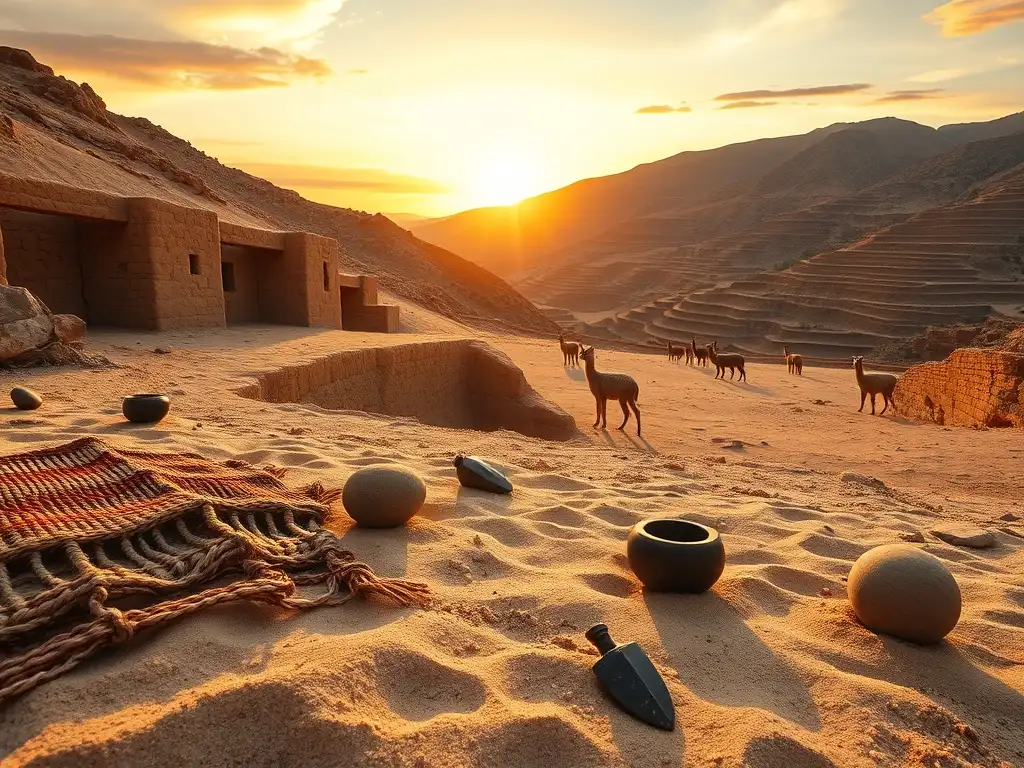
This section explores the remarkable technological and societal advancements achieved by Andean cultures before the advent of pottery, a period archaeologists term the Preceramic era (roughly 8000 BCE – 1800 BCE). These innovations, crucial for the later development of complex Andean societies, showcase incredible adaptation to challenging environments and a burgeoning ingenuity. The study of Preceramic Andean innovations reveals a fascinating picture of human resilience and creativity in the face of adversity. Understanding these developments provides a crucial foundation for appreciating the later achievements of civilizations like the Inca.
Early Architectural Marvels: Monumental Constructions
The Preceramic period witnessed the construction of impressive monumental architecture, challenging the previously held belief that such large-scale projects were only possible with later, more advanced technologies. These structures, often built from adobe bricks or carefully placed stones, demonstrate sophisticated planning, engineering, and social organization. The sheer scale of these undertakings hints at a complex social structure capable of mobilizing significant labor and resources. This level of coordinated effort suggests advanced societal organization and leadership, laying the groundwork for the more centralized states that would emerge in later periods.
The Significance of Caral, Kotosh, and Huaca Prieta
Several sites stand out as prime examples of Preceramic architectural prowess. Caral, located in the Supe Valley of Peru, is considered one of the oldest urban centers in the Americas. Its massive platforms, plazas, and residential structures reveal a sophisticated urban planning system, far surpassing the complexity of contemporary settlements. The site's intricate layout and evidence of specialized labor suggest a highly stratified society with a centralized authority.
Similarly, Kotosh, in the central Andes, is renowned for its monumental architecture, including the iconic "Temple of the Crossed Hands." This temple, with its intricate carvings and unique design, demonstrates artistic skill and religious symbolism, reflecting a complex belief system that played a vital role in societal structure. The meticulous construction and symbolic significance of the structures at Kotosh highlight the importance of ritual and religion in shaping Preceramic Andean societies.
Finally, Huaca Prieta, located on the northern coast of Peru, is significant for its early evidence of monumental construction combined with evidence of early cotton cultivation and complex social organization. The size and complexity of the structures at Huaca Prieta indicate a degree of social and technological sophistication that predates many other known settlements in the Americas.
Agricultural Origins: Cultivating the Andes
The harsh Andean environment presented significant challenges to early inhabitants. Yet, Preceramic Andean communities overcame these obstacles through remarkable agricultural innovations. Their ingenuity in developing sophisticated agricultural techniques is a testament to their adaptability and resourcefulness.
These innovations were not merely about survival; they laid the foundation for population growth and the development of increasingly complex societies. The mastery of agriculture in the Preceramic Andes represents a significant leap forward in human history, offering valuable insights into early agricultural practices and their impact on societal development. This ingenuity is reflected in the successful cultivation of a diverse range of crops, crucial for the sustenance and growth of these early communities.
Early Domestication of Potatoes, Quinoa, and Cotton
The domestication of key crops like potatoes, quinoa, and cotton played a crucial role in shaping Preceramic Andean societies. The potato, with its remarkable adaptability to diverse altitudes and climates, became a staple food source. Quinoa, another highly nutritious crop, provided essential dietary components for the Andean population.
The domestication of cotton, meanwhile, provided crucial raw materials for textiles, demonstrating early expertise in fiber processing and weaving techniques. The successful cultivation of these crops showcases an impressive understanding of agricultural principles, including irrigation, terracing, and crop rotation—techniques essential for maximizing yields in the challenging Andean terrain. These advancements significantly impacted population density and laid the groundwork for the later development of complex social structures.
Evidence suggests that careful selection and breeding of these crops over generations contributed to increased yields and resilience to environmental stressors. The mastery of these agricultural techniques is a testament to the ingenuity and adaptability of Preceramic Andean communities, solidifying their position as innovators in the early history of agriculture.
Textile Production Before Pottery: Woven Wonders
The Preceramic Andes witnessed the remarkable development of textile production, predating the emergence of pottery. This achievement showcases the ingenuity and advanced technical skills of these early Andean societies. Evidence suggests that textiles served a variety of purposes, from clothing and blankets to ritual objects and possibly even forms of early Andean currency. The production of these textiles required a sophisticated understanding of fiber preparation, spinning techniques, and weaving methods.
Archaeological findings, such as fragments of intricately woven fabrics discovered in various sites across the Andes, provide valuable insights into the complexity of these early textile traditions. The use of various natural fibers, including cotton and camelid wools, reveals an intimate knowledge of the Andean ecosystem and its resources. The variety of colors and patterns found in surviving fragments suggest a sophisticated understanding of dyeing techniques and artistic expression.
Furthermore, the durability of some of these textiles, considering their age, underscores the high quality of craftsmanship involved. The discovery of spindle whorls – small, weighted discs used to spin fibers – further substantiates the scale and importance of textile production in Preceramic Andean societies. These findings challenge the notion that complex textile production was a later development in Andean history, highlighting instead the early emergence of these remarkable technologies.
The Art of Twining and Looped Fabrics
Within the broader context of Preceramic Andean textile production, the techniques of twining and looped fabrics stand out as particularly significant innovations. Twining, a method where two or more yarns are interlaced around a core yarn, allowed for the creation of strong and flexible fabrics. This technique, evident in many surviving fragments, demonstrates a high level of dexterity and precision.
The looped fabrics, often employing techniques similar to knotting or braiding, created textured materials with unique properties. These techniques, in conjunction with the use of various plant and animal fibers, enabled the creation of fabrics that were both aesthetically pleasing and functionally adaptable to the diverse Andean environments. The variety of textures and patterns achievable through these techniques suggests a high degree of artistic expression and experimentation.
The mastery of twining and looped fabric production highlights the sophisticated knowledge of material properties and the practical application of these techniques to create diverse textiles for various purposes, representing a significant step in the development of Andean textile technology. The resilience of these fabrics, even after millennia, speaks volumes about the quality of the work and the enduring legacy of these Preceramic Andean craftspeople.
Advanced Lithic Technology: Stone Tool Innovations
The Preceramic Andes also saw significant advancements in lithic technology, reflecting a deep understanding of stone properties and tool-making techniques. Early Andean peoples skillfully crafted a diverse range of stone tools, adapting their methods to the available resources and specific needs. These tools were essential for hunting, gathering, processing food, and constructing shelters.
The sophistication of these tools is evident in their design, functionality, and the precision with which they were made. Archaeological evidence reveals a wide array of tools, including projectile points, knives, scrapers, and grinding stones. The mastery of these techniques demonstrates a considerable understanding of stone fracturing, sharpening, and polishing, showcasing advanced technological skills for the time period.
The development of specialized tools for particular tasks highlights a level of planning and foresight. This sophisticated lithic technology provided the foundation for future innovations and played a crucial role in the development of complex Andean societies. The quality and diversity of these tools are a testament to the ingenuity and adaptability of the Preceramic Andean population.
Development of Fishtail Projectile Points and Ground Stone Tools
Among the most notable achievements in Preceramic Andean lithic technology are the development of fishtail projectile points and ground stone tools. Fishtail projectile points, characterized by their distinctive, bifurcated base, represent a significant advancement in hunting technology. Their design likely improved the effectiveness of projectile weapons, allowing for more accurate and powerful throws.
The precision required to craft these points indicates a high level of skill and knowledge of stone properties. Concurrently, the development of ground stone tools, such as manos and metates used for grinding grains and other plant materials, signifies a shift toward more efficient food processing techniques. These tools reflect a greater emphasis on plant-based food resources and the development of agricultural practices.
The widespread use of these types of tools throughout the Andes suggests a common technological tradition and the sharing of knowledge among different groups. The refinement of both fishtail projectile points and ground stone tools demonstrates the progressive nature of Preceramic Andean lithic technology and its crucial role in the adaptation and survival of these early societies. The evolution of these tools over time also suggests a constant process of innovation and refinement in response to changing environmental conditions and societal needs.
Adaptation and Resilience in the Preceramic Andes
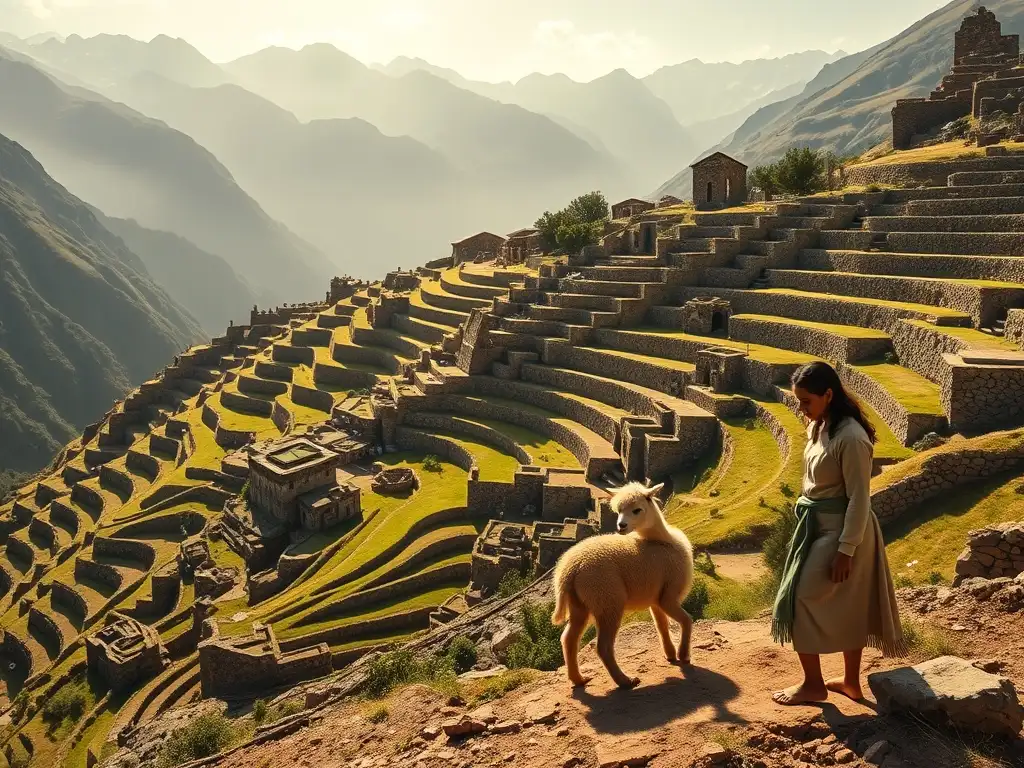
The Preceramic period in the Andes (circa 8000-1800 BCE) wasn't simply a time of initial human settlement; it was a period of remarkable adaptation and resilience. Facing diverse and often challenging environments, early Andean populations developed ingenious strategies for survival and societal organization that laid the foundation for later, more complex civilizations. Understanding these early innovations provides crucial insight into the ingenuity and adaptability that characterized Preceramic Andean cultures, a key aspect of understanding "Preceramic Andean innovations".
Environmental Challenges and Human Ingenuity
The Andes' diverse geography presented significant hurdles for early inhabitants. From the arid coastal deserts to the high-altitude plains and the Amazonian foothills, Preceramic Andean groups faced varying challenges in resource availability, climate, and terrain. These challenges spurred innovation in agriculture, resource management, and settlement patterns.
The development of irrigation systems, for instance, was crucial for successful agriculture in arid coastal regions. Evidence suggests sophisticated canal systems were constructed to divert water from rivers and streams, allowing for the cultivation of crops like squash, beans, and cotton. This wasn't simply a matter of digging ditches; it involved careful planning, community labor, and a deep understanding of hydrology – a testament to their ingenuity and problem-solving skills. This ingenuity in facing environmental obstacles is a significant aspect of "Preceramic Andean innovations".
In higher altitudes, the challenges shifted. The shorter growing seasons and colder temperatures demanded different agricultural strategies. The cultivation of frost-resistant crops like potatoes and quinoa became essential for survival. Furthermore, the construction of raised fields (waru waru) in some regions demonstrates a sophisticated understanding of soil management and water control, enhancing agricultural productivity in challenging environments. These adaptations were not only crucial for subsistence but also represent an early form of sustainable agriculture, showcasing a profound connection between humans and their environment.
The successful adaptation to diverse environments was underpinned by sophisticated social organization. While the details remain debated, evidence points towards increasingly complex social structures developing during the Preceramic period. The emergence of specialized labor, trade networks, and potentially ranked societies signifies a move beyond simple band-level organization. The sheer scale of some Preceramic projects, such as the large-scale irrigation systems mentioned above, would have required coordinated effort and some form of social hierarchy to manage resources and labor effectively. This efficient social organization, a hallmark of "Preceramic Andean innovations", was vital for their survival and prosperity.
Evidence of Ranked Societies and Community Centers
Several lines of evidence suggest the emergence of ranked societies and community centers during the Preceramic period. The presence of large, monumental architecture at sites like Caral in the Supe Valley, Peru, indicates a level of social complexity and organization beyond simple villages. These structures, along with evidence of specialized craft production (e.g., textiles, pottery), suggest the existence of social stratification and a division of labor.
| Feature | Evidence | Significance |
|---|---|---|
| Monumental Architecture | Large platforms, pyramids, and residential structures at Caral and other sites | Indicates centralized authority, social stratification, and the mobilization of large-scale labor resources. |
| Specialized Crafts | Evidence of textile production, pottery manufacture, and other specialized skills | Suggests a division of labor and the emergence of specialized craft producers within the community. |
| Elaborate Burials | Some burials contain grave goods suggesting social status and inequality. | Provides insight into social hierarchies and potential power structures. |
The presence of these features in multiple sites across the Andes suggests that the development of ranked societies was not isolated but rather a widespread trend in the Preceramic period, reflecting a common response to the challenges and opportunities of the Andean environment. Further research is needed to fully understand the nature of social organization and the extent of social inequality in these early Andean communities; however, the available evidence strongly supports the idea of emerging social complexity as a crucial aspect of "Preceramic Andean innovations".
The intricate interplay between environmental adaptation and social organization shaped the trajectory of Andean civilizations, ultimately contributing to the rich tapestry of Andean culture we see today.
Preceramic Andean Art: Expressions of Early Culture

The Preceramic period in the Andes (circa 8000-1800 BCE) witnessed the blossoming of artistic expression, laying the groundwork for the sophisticated artistic traditions of later Andean cultures. While lacking the monumental architecture and elaborate metalwork of subsequent periods, Preceramic art offers a fascinating glimpse into the beliefs, social structures, and worldview of these early Andean societies. The innovations in artistic techniques and the symbolic language developed during this time are crucial to understanding the evolution of Andean art as a whole.
Studying Preceramic Andean innovations allows us to appreciate the ingenuity and creativity of these early peoples, who adapted their artistic practices to the unique challenges and opportunities presented by their environment. Analysis of these artistic expressions reveals a complex and nuanced understanding of the world around them, demonstrating a level of sophistication that often goes unrecognized.
Rock Art and Symbolic Representation
Preceramic Iconography and Meaning
Preceramic rock art, found across various Andean regions, provides invaluable insight into the symbolic world of early Andean societies. These petroglyphs and pictographs, etched or painted onto rock surfaces, depict a range of motifs, including abstract designs, animal figures (camelids, birds, felines), and human-like representations. The meaning and function of these images remain a subject of ongoing research and debate.
However, several interpretations have emerged. Some scholars suggest that the rock art served as a form of territorial marking, asserting the presence and control of specific groups over resources and land. Others propose that the imagery was integral to ritual practices, possibly reflecting shamanistic beliefs or communicating with the spirit world.
The recurring themes in Preceramic rock art – such as the emphasis on animals and the use of geometric patterns – suggest a deep connection between early Andean people and their environment. The meticulous execution of certain designs indicates a significant investment of time and effort, highlighting the importance of these artistic expressions within their social context.
Further research is needed to fully decipher the complex iconography and understand the nuances of meaning embedded within these ancient images. For example, the frequent depiction of camelids might symbolize their importance as a source of sustenance and transport, while abstract geometric patterns could represent cosmological ideas or social structures.
Detailed studies of specific sites and stylistic variations are crucial to unlock the full potential of this valuable source of information about Preceramic Andean innovations. The variability in style across different regions also indicates a lack of centralized artistic control, suggesting a diversity of cultural expressions across the Andean landscape.
Early Forms of Ritual and Ceremony
Evidence suggests that ritual and ceremonial practices were central to the lives of Preceramic Andean communities. While monumental structures are absent, the careful selection of burial sites, the inclusion of grave goods, and the presence of specific artifacts point towards elaborate funerary rituals. The discovery of meticulously crafted pottery vessels, often decorated with intricate designs, suggests that these objects played a significant role in ceremonies. These vessels were not merely utilitarian; their artistic embellishments and the care taken in their production indicate a sacred or symbolic function.
Furthermore, the presence of certain artifacts, such as carved stones and shell ornaments, in burial contexts hints at a complex system of beliefs and social hierarchies. The distribution and types of these items suggest that social status and access to resources played a role in shaping funerary practices. The precise nature of these rituals and ceremonies remains largely unknown, but their presence indicates the importance of religious and spiritual beliefs in the social organization of Preceramic Andean societies. Further investigation into the spatial distribution of sites, the analysis of organic residues on artifacts, and the study of human remains can potentially illuminate the details of these early Andean religious and social practices, furthering our understanding of Preceramic Andean innovations in the realm of ritual and belief systems. The emergence of these sophisticated practices during the Preceramic period lays the groundwork for the highly developed religious traditions of later Andean civilizations.
The Legacy of the Preceramic Andes

The Preceramic period in the Andes (circa 8000-1800 BCE) represents a crucial stage in the development of Andean civilizations, laying the groundwork for the impressive achievements of later cultures like the Incas, Moche, and Nazca. This era, often overlooked in favor of its more visually spectacular successors, witnessed remarkable innovations in agriculture, social organization, and technology, profoundly shaping the trajectory of Andean history. Understanding the Preceramic Andes is key to comprehending the roots of Andean ingenuity and resilience, a narrative woven into the very fabric of "Preceramic Andean innovations."
Foundation for Later Andean Civilizations
The advancements of the Preceramic period served as a bedrock for subsequent Andean societies. The sophisticated agricultural techniques developed during this time, such as the mastery of irrigation and terracing, were refined and expanded upon by later cultures, allowing them to support increasingly larger and more complex populations. Consider, for example, the intricate canal systems discovered at sites like Caral, which demonstrate an advanced understanding of hydraulic engineering.
These systems were not merely functional; they were integral to the social and economic organization of the communities they served. The efficient management of water resources, a challenge inherent to the Andean geography, was a critical factor in the success of later civilizations. This foundational knowledge of water management directly influenced the agricultural practices and urban planning of later Andean societies, demonstrating the enduring legacy of Preceramic Andean innovations.
The social structures that emerged during the Preceramic period also left a lasting mark. Evidence suggests the development of centralized settlements and complex social hierarchies, though the exact nature of these structures remains a subject of ongoing research. The monumental architecture found at sites like Caral, featuring large platforms and plazas, points to a level of social organization and labor mobilization that was unprecedented for its time.
This organizational prowess, coupled with their agricultural achievements, set the stage for the highly structured societies that would flourish in later periods. The seeds of future empires, in essence, were sown during this formative era. The legacy of Preceramic Andean innovations continues to inspire wonder and fuel scholarly debate.
Understanding the Roots of Andean Culture
The Preceramic period offers invaluable insights into the origins of Andean culture. The artistic expressions of this era, though less elaborate than those of later periods, reveal a deep connection to the Andean landscape and a sophisticated understanding of symbolic representation. Early pottery, textiles, and other artifacts provide glimpses into the beliefs, rituals, and daily lives of Preceramic Andean communities. For instance, the discovery of elaborate burial sites suggests the presence of complex belief systems and social hierarchies.
The careful placement of grave goods and the construction of monumental structures underscore the importance of ritual and the collective identity of these communities. Furthermore, the development of specialized craft production, such as the creation of finely woven textiles, indicates a degree of social stratification and economic specialization. These early expressions of art and craft would evolve and flourish in subsequent periods, demonstrating the continuity and dynamism of Andean culture.
The evolution of these cultural expressions helps us to better understand the context of "Preceramic Andean innovations" and their enduring impact. Further research into the symbolic meanings embedded within these early artifacts promises to unlock even deeper understandings of Preceramic Andean society and its lasting influence. The meticulous study of these seemingly simple objects reveals a wealth of information about the beliefs, values, and daily lives of these early Andean peoples.
Conclusion: The Importance of Preceramic Studies
The study of the Preceramic Andes offers a crucial window into the ingenuity and adaptability of early Andean societies. Understanding their innovations in agriculture, settlement patterns, and technology provides a foundational understanding of the later, more complex civilizations that followed. By analyzing the evidence left behind – from sophisticated irrigation systems to intricate textiles – we gain invaluable insights into the processes of cultural development and societal evolution in the Andes.
This understanding isn't merely academic; it offers a richer appreciation for the resilience and creativity of these early peoples, and informs our understanding of human adaptation in challenging environments. The Preceramic period wasn't a simple prelude to the Inca Empire; it was a dynamic era of experimentation and achievement that laid the groundwork for subsequent Andean successes.
It highlights the interconnectedness of human innovation and environmental adaptation, a theme that remains relevant today. The legacy of Preceramic Andean innovations continues to resonate, shaping our perspectives on early human societies and the enduring power of human ingenuity.
Continued Research and New Discoveries
Despite significant progress, much remains unknown about the Preceramic Andes. Ongoing archaeological excavations continue to unearth new sites and artifacts, constantly refining our understanding of this period. For example, recent discoveries in the coastal regions have shed light on the sophisticated maritime technologies employed by Preceramic communities, demonstrating their advanced understanding of navigation and resource management. Advanced dating techniques, such as radiocarbon dating and luminescence dating, are constantly improving, allowing for more precise chronologies and a better understanding of the timeline of Preceramic developments. Furthermore, the application of new analytical methods – such as isotopic analysis of human remains – provides insights into diet, migration patterns, and social structures. The potential for future discoveries, combined with the application of cutting-edge technologies, promises to significantly expand our knowledge of Preceramic Andean innovations in the coming years. This continuous process of research and discovery underscores the dynamic and evolving nature of our understanding of this crucial period. Further research into specific technologies, such as pottery production techniques 1 , will undoubtedly contribute to a more nuanced and complete picture.
Acknowledging the Ingenuity of Preceramic Andean Peoples
The Preceramic Andean peoples were not simply survivors; they were innovators. Their achievements in agriculture, particularly the development of sophisticated irrigation systems in arid environments, demonstrate an exceptional understanding of both their environment and engineering principles. Consider the monumental task of constructing terraced fields on steep slopes, a feat requiring advanced planning, organization, and labor coordination.
These weren't simply practical solutions; they were expressions of cultural values, reflecting a deep connection to the land and a commitment to sustainable resource management. Moreover, the intricate textiles and sophisticated tools discovered at Preceramic sites testify to a highly developed artistic sensibility and technological prowess. The production of these artifacts required specialized knowledge, skill, and a sophisticated understanding of materials.
These innovations weren't isolated events; they were part of a complex web of technological and social advancements that shaped the course of Andean history. Understanding and acknowledging the ingenuity of these early peoples is crucial to appreciating the richness and complexity of Andean civilization as a whole. Their legacy continues to inspire awe and admiration, reminding us of the remarkable capabilities of human beings to adapt, innovate, and thrive in even the most challenging circumstances.
1 Further research is needed to fully understand the specific techniques employed.
Frequently Asked Questions
What are some key innovations from the Preceramic Andes?
The Preceramic Andes saw significant advancements. Agriculture, including the domestication of plants like potatoes and beans, was crucial. Sophisticated irrigation systems and early forms of pottery also emerged.
How did Andean civilizations adapt to their challenging environment?
The diverse geography of the Andes presented many challenges. Andean peoples developed remarkable adaptations, including terracing for agriculture and specialized building techniques for varied altitudes and climates.
What evidence exists to support our understanding of Preceramic Andean innovations?
Archaeological evidence provides crucial insights. Excavations have unearthed agricultural tools, irrigation canals, and early pottery, revealing the ingenuity of Preceramic Andean societies. Ancient settlements also offer valuable information.
How did the Preceramic Andean innovations influence later civilizations?
Preceramic innovations laid the groundwork for later Andean cultures. Agricultural techniques, water management systems, and settlement patterns established during this period were adapted and built upon by subsequent civilizations, like the Incas.
What makes the study of Preceramic Andean innovations important?
Studying these innovations offers valuable insights into human adaptation and resilience. Understanding how these societies thrived in challenging environments provides lessons in sustainable practices and resource management that are relevant today.
Final Reflection: Echoes of Innovation in the Preceramic Andes
The ingenuity of the Preceramic Andean societies continues to resonate today, a testament to human adaptability and the power of collaborative innovation in the face of environmental challenges. Their sophisticated agricultural techniques, complex social structures, and remarkable artistic expressions offer invaluable lessons for navigating our own era of unprecedented change. Understanding their achievements is not merely an academic exercise; it's a crucial step towards building a more sustainable and equitable future.
The enduring legacy of the Preceramic Andes lies not just in its archaeological remains, but in the profound impact it has had – and continues to have – on our understanding of human potential. Their ability to thrive in a harsh environment, developing intricate systems of water management and agricultural intensification, challenges our assumptions about technological advancement and societal development. The past is never dead. It's not even past.
– William Faulkner. This quote perfectly encapsulates the ongoing relevance of studying these ancient societies; their stories inform and inspire our present actions.
Consider the challenges facing our world today: climate change, resource scarcity, and social inequality. The Preceramic Andean experience offers a powerful counterpoint to narratives of inevitable environmental collapse. You, the reader, are now equipped with a deeper understanding of human resilience and the capacity for innovation in the face of adversity. Reflect on the ingenuity of these ancient peoples, and ask yourself: what innovative solutions can we develop to address the challenges of our time? Let the echoes of their achievements inspire you to build a more sustainable and just future.
Unleash Your Curiosity: Dive Into the World of Preceramic Andean Innovation!
Thank you for joining us on this enlightening journey through the remarkable innovations and resilience of the Preceramic Andes. We hope you've gained insights into how these ancient civilizations adapted and thrived in their challenging environment. Now, let's put that inspiration into action!
Here are some ways you can explore this fascinating topic further:
- **Deepen your understanding:** Visit local museums or explore reputable online resources to learn more about ancient Andean civilizations. You might be surprised by what you discover!
- **Share your discoveries:** Engage friends and family in a discussion about the incredible adaptations and innovations of the Preceramic Andean people. Their ingenuity is truly remarkable.
- **Contribute to the conversation:** Consider sharing your insights by starting a blog or participating in community events that focus on historical adaptations and their relevance to modern challenges. Your perspective is valuable.
What innovative solutions from the Preceramic Andes can inspire us to address contemporary societal challenges?