
Inca Social Mobility: Opportunities and Limitations

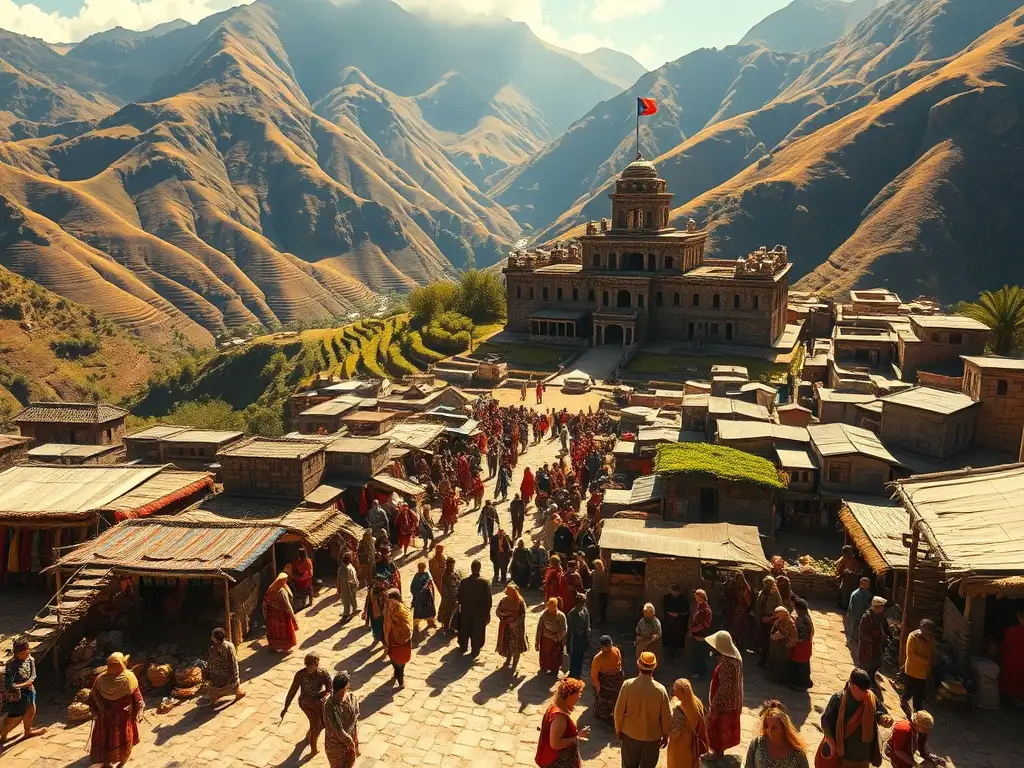
Step into a world lost to time, yet echoing with the whispers of a magnificent empire. The Andean Civilizations website unveils the secrets of ancient societies, from the intricate artistry of the Nazca to the awe-inspiring engineering of the Incas. But what shaped the lives of these extraordinary people? Discover the fascinating complexities of Inca social class mobility, a system far more nuanced than you might imagine. Unravel the opportunities and limitations that defined the lives of individuals within this powerful empire – your journey into the heart of Inca society begins now.
-
Inca Social Mobility: Opportunities and Limitations in the Andean World
- The Rigid Structure of Inca Society: A Hierarchical Framework
- Pathways to Upward Mobility: Merit and Exceptional Service
- Limitations on Social Mobility: The Power of Heredity and Lineage
- The Role of Religion and Ritual in Maintaining Social Hierarchy
- Conclusion: A Complex System of Social Stratification
- Understanding Inca Social Structure: A Foundation for Mobility
- Opportunities for Upward Mobility in the Inca Empire
- Limitations and Barriers to Social Mobility
- Factors Influencing Social Mobility in Inca Society
- The Reality of Inca Social Class Mobility: A Balanced View
-
Frequently Asked Questions
- What was the primary determinant of social class in Inca society?
- Were there any ways for individuals to improve their social standing in the Inca Empire?
- How did the Inca system of mita affect social mobility?
- Did the Inca Empire have a formal system for tracking social mobility?
- How did the Inca's concept of ayllu impact social mobility within the empire?
- Final Reflection: Echoes of the Andes: Inca Social Mobility and its Enduring Legacy
- Unveil New Perspectives on Inca Social Mobility!
The Inca Empire, a vast and complex civilization that flourished in the Andes Mountains from the 15th to the 16th century, presented a fascinating paradox regarding social mobility. While the Inca state was rigidly hierarchical, with a clearly defined social structure based on kinship and service to the Sapa Inca (emperor), opportunities for upward movement did exist, albeit limited and often contingent on specific circumstances. This article delves into the intricacies of Inca social mobility, exploring both the pathways to advancement and the significant barriers that prevented widespread social change.
Understanding this dynamic is crucial to grasping the true nature of Inca society and its remarkable achievements. The rigid structure, while seemingly inflexible, allowed for a degree of fluidity that contributed to the empire's stability and expansion.
We will examine the various factors that influenced an individual's social standing and the extent to which individuals could transcend their assigned positions within the intricate web of Inca social organization. This exploration will shed light on the complex interplay between individual agency and societal constraints within the Inca world, challenging simplistic notions of a completely static social order.
The Rigid Structure of Inca Society: A Hierarchical Framework
Inca society was fundamentally hierarchical, structured around a system of ayllus (extended family groups) and a complex web of reciprocal obligations. At the apex stood the Sapa Inca, considered a divine ruler, followed by a privileged elite comprising royal family members, high priests, and noble officials. Below them were various levels of curacas (local leaders), who governed provinces and administered ayllus.
The vast majority of the population consisted of yanaconas (commoners), who worked the land and provided labor for the state. This system was largely hereditary, with social status largely determined at birth. This rigidly defined structure significantly limited social mobility for the majority of the population.
There were few opportunities to cross these tightly defined boundaries, and social advancement was exceptionally difficult to achieve. The system was designed to maintain the power structure and ensure the stability of the empire. The ayllu system itself, while offering a sense of community and mutual support, also reinforced existing social hierarchies.
Pathways to Upward Mobility: Merit and Exceptional Service
Despite the inherent rigidity of the system, certain avenues for upward mobility existed. Exceptional military prowess was one such path. Soldiers who distinguished themselves in battle or demonstrated exceptional leadership could be rewarded with promotions, land grants, and elevated social standing. Similarly, individuals who exhibited exceptional skills in crafts, such as metalworking, pottery, or weaving, could gain recognition and potentially improve their social position.
This was particularly true for individuals who served the state directly, creating high-quality goods for the Inca elite. Furthermore, those who demonstrated loyalty and competence in administrative roles within the ayllu or the wider empire could also experience some degree of social advancement. This system, however, often favored those who already held some degree of privilege or influence.
The limitations on social mobility within the Inca Empire were substantial. Heredity played a dominant role in determining social standing. Birth into a noble family provided significant advantages, granting access to education, resources, and opportunities unavailable to commoners. Even exceptional talent and achievement could be hampered by one's social origins.
While some individuals could rise through the ranks, their upward mobility was often constrained by the existing power structures and the inherent biases of the system. The emphasis on lineage and kinship ties ensured that the elite maintained their control and influence. This system, while effective in maintaining order and stability, also severely limited the possibility of significant social change. The system was not entirely closed, but the path to advancement was narrow and fraught with challenges.
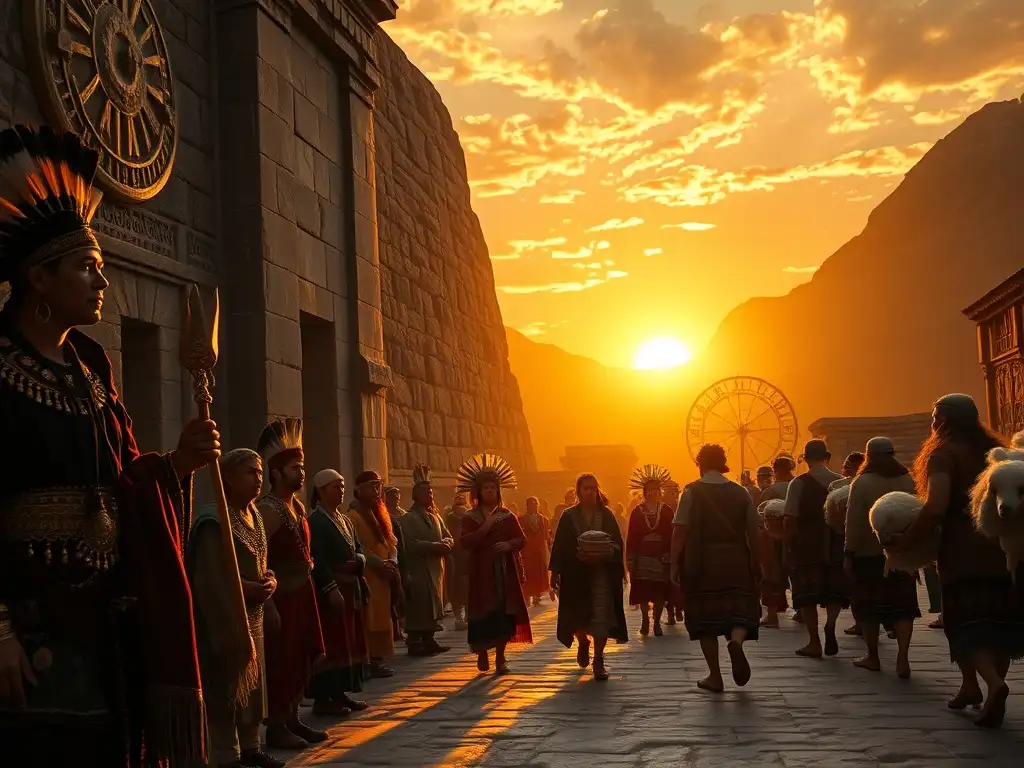
The Inca religion played a crucial role in reinforcing the existing social hierarchy. The Sapa Inca was viewed as a divine figure, and religious rituals and ceremonies served to legitimize his authority and the power of the elite. Access to religious offices and participation in important rituals were largely restricted to members of the upper classes.
This further consolidated the power structure and limited opportunities for social advancement for those outside the elite. Religious beliefs and practices therefore contributed significantly to the maintenance of the social order and the constraints on social mobility. The religious aspect provided a powerful ideological justification for the existing inequalities and limited opportunities for social change.
Inca social mobility presents a complex picture. While opportunities for advancement did exist, they were limited and often contingent on exceptional circumstances such as military achievements or demonstrably exceptional skills. The inherent rigidity of the hierarchical structure, reinforced by heredity, religious beliefs, and the power of the ayllu system, significantly constrained widespread social change. The Inca Empire, therefore, demonstrates a society where social mobility was not entirely absent, but where the pathways to advancement were narrow, and the barriers to upward mobility were substantial. Further research into specific case studies of social advancement could provide a more nuanced understanding of this intricate system.
The Inca Empire, renowned for its sophisticated engineering and expansive territory, also possessed a complex social structure that significantly influenced the possibilities and limitations of social mobility. Understanding this structure is crucial to analyzing the extent to which individuals could improve their social standing. While the Inca system wasn't entirely static, opportunities for upward mobility were constrained by a deeply ingrained hierarchical system. The concept of "Inca social class mobility" needs to be examined within this context, recognizing the inherent limitations alongside the existing avenues for advancement.
The Rigid Hierarchy of Inca Society
Inca society was fundamentally hierarchical, with the Sapa Inca at its apex. He was considered a divine ruler, a descendant of the sun god Inti, and held absolute power. Below the Sapa Inca were the nobility ( curacas), who held significant regional authority and often controlled substantial land and resources. These nobles were crucial in administering the empire, collecting taxes, and maintaining order in their respective provinces.
Their status was largely hereditary, making upward mobility for commoners into this elite group exceptionally challenging. The vast majority of the population consisted of commoners ( ayllus), who worked the land and contributed to the empire's vast infrastructure projects. Their lives were governed by a system of reciprocal obligations ( ayni), where labor and resources were exchanged within their communities and for the benefit of the state.
This system, while providing a degree of social safety net, also reinforced the existing power structure. Finally, at the bottom of the hierarchy were the yanaconas, a group of individuals who served as servants or specialists. Their social standing was often precarious, although some could achieve a measure of relative independence through their specialized skills.
The rigid nature of this hierarchy is evident in the Inca's meticulous record-keeping systems, which carefully documented lineage and social standing. This detailed record-keeping ensured that the social order was maintained and that individuals remained within their designated social strata. This meticulous system, while effective in maintaining control, severely restricted opportunities for social advancement based solely on merit or achievement.
The Inca social structure wasn't simply a binary division between "elite" and "commoner." There were nuanced distinctions within each social class, creating a complex social landscape. The nobility, for example, wasn't a monolithic group. There were different tiers within the nobility, based on proximity to the Sapa Inca and the extent of their landholdings and authority. Similarly, within the commoner class, there were variations in wealth, status, and access to resources depending on the specific ayllu and their geographic location.
The yanaconas, often overlooked in discussions of Inca social structure, present a fascinating case study. While technically outside the traditional ayllu system, their roles were vital to the empire's functioning. They often served as specialized laborers, artisans, or even administrators, holding positions that required specific skills and expertise. While their status remained subordinate, some yanaconas potentially enjoyed a degree of autonomy and influence that exceeded that of some commoners. This suggests a degree of fluidity within the seemingly rigid system, although it was still largely limited.
| Social Class | Description | Mobility Potential |
|---|---|---|
| Sapa Inca | Divine ruler, absolute power | None |
| Nobility ( Curacas) | Regional rulers, hereditary positions, significant land ownership | Limited (hereditary) |
| Commoners ( Ayllus) | Majority of population, worked the land, reciprocal obligations ( ayni) | Limited |
| Yanaconas | Servants, specialists, often outside the ayllu system | Somewhat fluid |
Lineage and birth were paramount in determining social status within the Inca Empire. Inca ideology strongly emphasized ancestry and hereditary succession, solidifying the existing power structure. The concept of panacas, lineages tracing their descent from past Sapa Incas, played a crucial role in maintaining the nobility's power and influence. Membership in a prestigious panaca granted significant social and political advantages, virtually guaranteeing a privileged position within society.
For commoners, upward mobility was extremely difficult. While exceptional skills or service to the empire might lead to minor improvements in status, significant upward mobility was exceptionally rare. The system was designed to maintain the existing power structure, and opportunities for advancement were limited, primarily benefiting those already born into privileged positions.
The emphasis on lineage and birth effectively acted as a significant barrier to social mobility for the vast majority of the Inca population. The system was not completely static, but the inherent biases strongly favored the existing elite and severely limited the opportunities for social advancement for those born into lower social strata. This understanding is key to interpreting the concept of "Inca social class mobility" accurately.
Opportunities for Upward Mobility in the Inca Empire
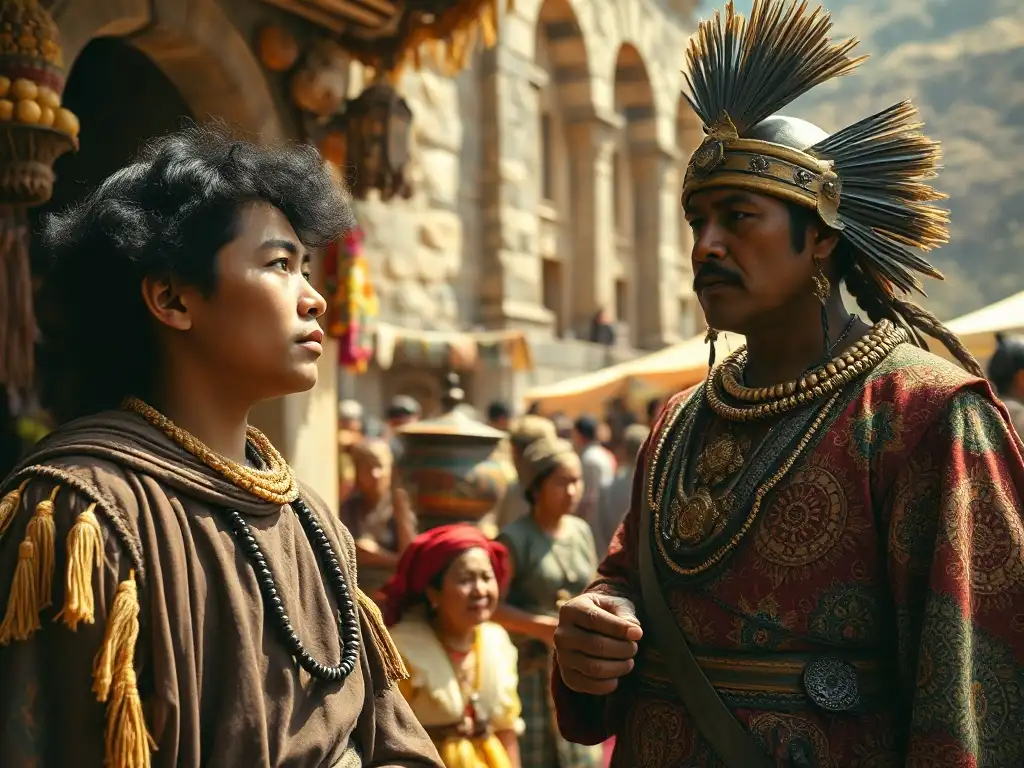
The rigid hierarchical structure often associated with the Inca Empire doesn't tell the whole story. While social standing was largely determined by birth, avenues for upward mobility did exist, albeit limited. Analyzing Inca social class mobility reveals a system more nuanced than a purely hereditary caste system. The Inca state, despite its authoritarian nature, recognized and rewarded individual merit, creating opportunities for advancement, particularly within the context of the empire's expansion and administrative needs. This section explores some key pathways to social climbing within Inca society.
Meritocracy and Recognition of Talent
The Inca system, while hereditary in many respects, wasn't entirely closed. A degree of meritocracy existed, particularly in areas vital to the empire's functioning. Talent and skill in specific areas, such as agriculture, craftsmanship, or religious leadership, could lead to social elevation.
The ayllu system, the foundational community structure, played a role in identifying and promoting individuals exhibiting exceptional abilities. Successful farmers might be promoted to oversee larger agricultural projects, skilled artisans could gain prestige and influence, and those demonstrating aptitude for religious rituals could rise within the priestly hierarchy. This wasn't a widespread phenomenon, and upward mobility based purely on merit was more likely for individuals already possessing some social standing, but it undeniably existed.
For example, a particularly skilled weaver from a relatively low-status family might be selected to create textiles for the Inca elite, thus enhancing their own status and that of their family. This system, however, lacked formal channels and often depended on patronage and the recognition of influential figures.
Military prowess offered perhaps the most significant pathway to social advancement in the Inca Empire. The Inca army was a powerful force, and successful military campaigns were crucial for the empire's expansion and stability. Soldiers who distinguished themselves in battle, demonstrating bravery, skill, and leadership, could significantly improve their social standing. Captains and commanders earned prestige and often received land grants, increased access to resources, and privileges unavailable to ordinary citizens.
The kuraka, local leaders who often provided soldiers to the Inca army, could also gain favor and increased authority through their military success. This system incentivized military service and fostered a culture of valor, directly contributing to the empire's military strength and, simultaneously, providing opportunities for upward mobility based on demonstrated merit on the battlefield. The rewards were tangible and significant, making military service a powerful engine of social change for ambitious individuals.
Beyond military achievement, administrative skills were also highly valued. The Inca Empire was a vast and complex bureaucratic machine requiring skilled administrators to manage resources, collect taxes, and oversee public works projects. Individuals demonstrating proficiency in record-keeping, organization, and management could rise through the ranks of the bureaucracy, gaining influence and prestige.
This was particularly true for individuals who could master the quipu, the complex knotted-cord system used for record-keeping. Proficiency in quipu use was a highly specialized skill, and those who mastered it often held positions of considerable power and authority within the Inca administration. Access to education and literacy, while not equally distributed, played a crucial role in this type of upward mobility.
The ability to manage complex administrative tasks, therefore, offered a less violent but equally effective route to social advancement within the Inca Empire. The demand for skilled administrators ensured that talent, in this sphere, was recognized and rewarded.
Religious Service as a Path to Higher Status
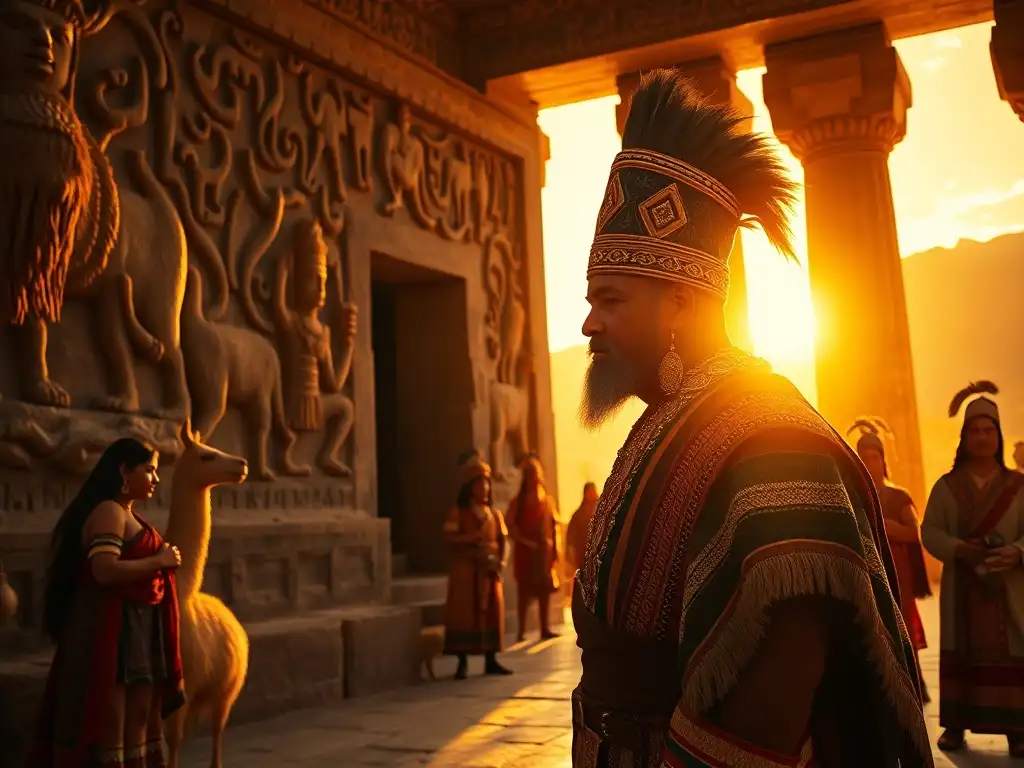
The Inca Empire, while highly stratified, did offer avenues for upward social mobility, albeit limited. One significant pathway was through religious service. The Inca religion played a central role in society, and those who demonstrated exceptional abilities or piety within the religious sphere could gain influence and prestige, effectively climbing the social ladder. This wasn't simply about becoming a priest; rather, it involved demonstrating a deep understanding of religious rituals, prophecies, and the intricate web of Inca cosmology.
Individuals who excelled in interpreting dreams, predicting harvests, or mastering complex astronomical observations were highly valued. These individuals often held positions of significant power within the huacas (sacred sites) or served as advisors to the curacas (local leaders) and even the Sapa Inca himself. Their elevated spiritual knowledge translated directly into social and political influence, allowing them to rise above their birth status.
The meticulous record-keeping surrounding religious events and prophecies often provided a clear path for demonstrating such abilities, making religious service a relatively transparent route to upward mobility. Furthermore, successful leadership of religious ceremonies and pilgrimages, particularly those involving the Sapa Inca, could lead to direct appointments to higher administrative or even noble positions. The combination of spiritual authority and demonstrated competence created a powerful force for social ascension within the Inca system.
The Case of Individuals Elevated for Exceptional Service
Beyond religious service, exceptional service to the Inca state offered another, albeit less predictable, route to upward mobility. The Inca Empire demanded a highly organized and efficient system of resource management, construction, and military defense. Individuals who demonstrated extraordinary skills in these areas could find themselves rewarded with promotions and elevated social standing. For example, a skilled mitmaq (colonist) might prove exceptionally adept at organizing agricultural production in a newly conquered territory.
Their success could lead to appointment as a local administrator, a position of significantly greater power and prestige than their original status. Similarly, a talented craftsman or artisan, renowned for their mastery of weaving, pottery, or metalworking, could attract the attention of the imperial court. Such individuals often received patronage and could be commissioned to create important religious or ceremonial objects, leading to both financial reward and increased social recognition. While not a guaranteed path, the Inca system valued meritocracy to a degree.
Exceptional contributions to the state, demonstrably documented and appreciated by those in power, could lead to significant social advancement, providing a powerful incentive for individual achievement and, consequently, upward mobility. However, it's crucial to note that even in cases of extraordinary service, the individual's origin and lineage still played a role, with those from higher social strata having a clear advantage in the competition for recognition and advancement. The system was not purely meritocratic, but the possibility of advancement through exceptional service undeniably existed.
Inca society, while exhibiting some degree of social mobility, was fundamentally structured around a hierarchical system that presented significant obstacles to upward movement. The idealized image of a meritocratic system, where individual achievement could propel one to higher social standing, clashes with the reality of ingrained social structures and the powerful influence of inherited status. Understanding the limitations is crucial to comprehending the complexities of Inca social class mobility. Analyzing these barriers reveals a system less fluid than often portrayed, with the vast majority of individuals remaining within their assigned social strata throughout their lives.
The Power of the Inca Elite and Hereditary Privileges
The Inca elite, comprised of the royal family, high priests, and administrative officials, held a position of unparalleled power and privilege. Their status was almost entirely hereditary, passed down through generations. This created a near-impenetrable barrier to social mobility for those born outside this elite circle. Membership in this class guaranteed access to resources, land, and political influence, advantages virtually unattainable for commoners.
Even exceptional talent or service to the empire rarely led to a commoner's elevation into the elite. The elite controlled the narrative of success, ensuring their continued dominance and solidifying the limitations of social mobility for the broader population. The system was designed to maintain the power structure, with inheritance and lineage acting as powerful tools to ensure the elite's continued dominance.
While the Inca system wasn't completely rigid, movement between the main social strata – the elite, the commoners, and the yanaconas (a type of servant class) – was extremely limited. Opportunities for advancement were largely confined within each stratum. A skilled artisan might achieve greater prestige and wealth within the commoner class, but rarely would they transition into the elite. Similarly, yanaconas, while bound to their service, could potentially gain some degree of autonomy and improve their living conditions, but their upward mobility was severely restricted.
The mit'a, the system of mandatory labor, while providing opportunities for some individuals to acquire specialized skills, did not necessarily translate into social elevation. The structure primarily served to reinforce the existing social order, rather than facilitate significant social climbing. This created a system where social mobility was more of an exception than the rule.
The Importance of Ancestry and Family Connections
Ancestry and family connections played a decisive role in determining an individual's social standing and prospects for advancement within Inca society. Lineage was a critical factor, with individuals inheriting their social position from their parents. Strong family ties and connections to influential individuals could significantly improve one's opportunities.
This emphasis on inherited status further constrained social mobility, as individuals born into lower strata faced considerable challenges in overcoming the inherent advantages enjoyed by those from privileged backgrounds. Access to education, resources, and networks were largely determined by family lineage, creating a self-perpetuating cycle that limited social advancement for those without such connections. This system, therefore, prioritized maintaining the existing social order, reinforcing the limitations on Inca social class mobility.
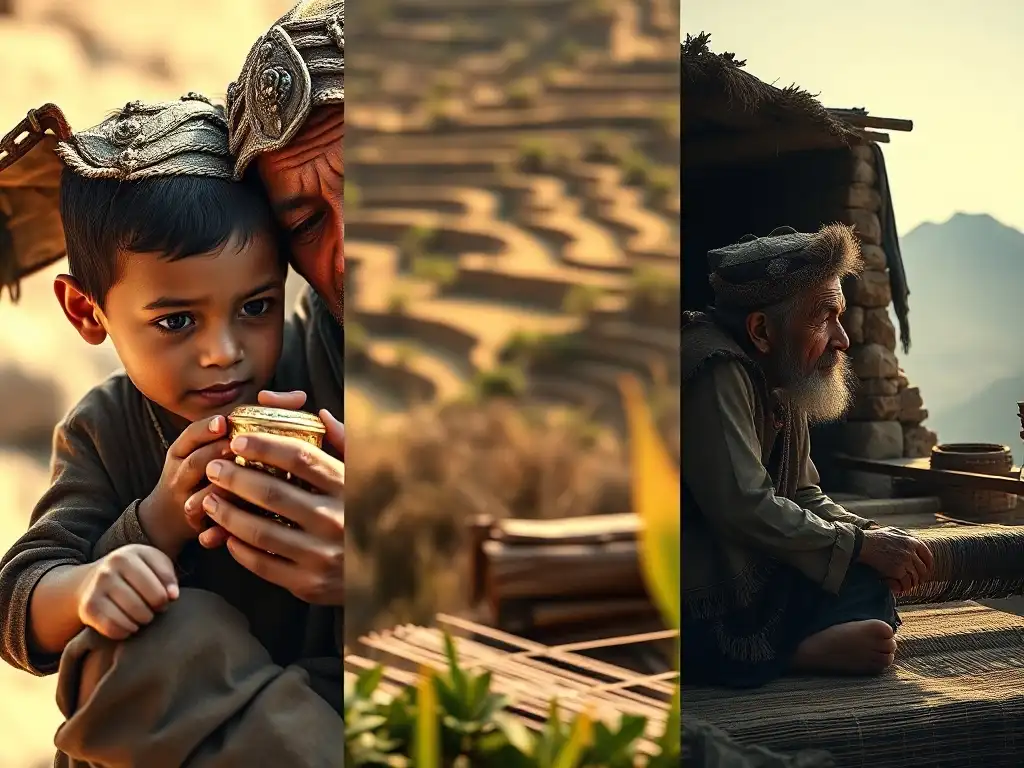
The rigid hierarchical structure of Inca society significantly limited social mobility, particularly for individuals born into lower social strata. A person's ayllu, or community, and their lineage profoundly determined their social standing and future prospects. For example, a child born into a peasant ayllu faced immense challenges ascending the social ladder. Their access to education, specialized training, and prestigious positions within the empire was severely restricted.
Even exceptional talent or hard work could not easily overcome the ingrained prejudices and systemic barriers. We can imagine a particularly skilled artisan, born into a humble family, whose exceptional weaving skills might remain unrecognized, their potential stifled by their birthright. Their opportunities would likely be confined to the traditional crafts of their ayllu, preventing any significant social climbing. Similarly, a talented individual from a lower ayllu might possess the intellect to serve as a quipu keeper (the Inca's system of record keeping using knotted strings), but their access to the necessary training and the influential connections needed for such a position would be virtually nonexistent.
Their social trajectory was largely predetermined at birth. This stark reality underscores the limitations imposed by the Inca social system, illustrating how birth significantly constrained individual aspirations and opportunities for upward mobility. The system prioritized lineage and hereditary status above individual merit.
Gender played a crucial role in limiting social mobility within the Inca Empire. While women enjoyed a relatively higher status compared to many other ancient societies, their advancement opportunities remained significantly constrained by patriarchal norms. Although women held influential positions, such as acllas (chosen women dedicated to religious service and textile production) or wives of high-ranking officials, these roles were largely determined by their birth and social standing, rather than individual merit.
The vast majority of women were expected to fulfill domestic roles, with their social mobility largely dependent on their family's status. For instance, a woman born into a noble family would have access to more resources and opportunities, including specialized education and marriage alliances that could enhance her social standing. However, a woman born into a peasant ayllu would face limited prospects for advancement, regardless of her abilities or skills.
Even within the aclla system, while prestigious, advancement was not based on individual achievement but on selection and religious devotion. The limited avenues for independent social progress for women highlight a significant barrier to social mobility within the Inca social structure, reinforcing the gendered nature of the societal hierarchy. This contrasts with the idealized view of Inca society, where the reality of gender inequality must be acknowledged to fully understand the limitations placed on social mobility.
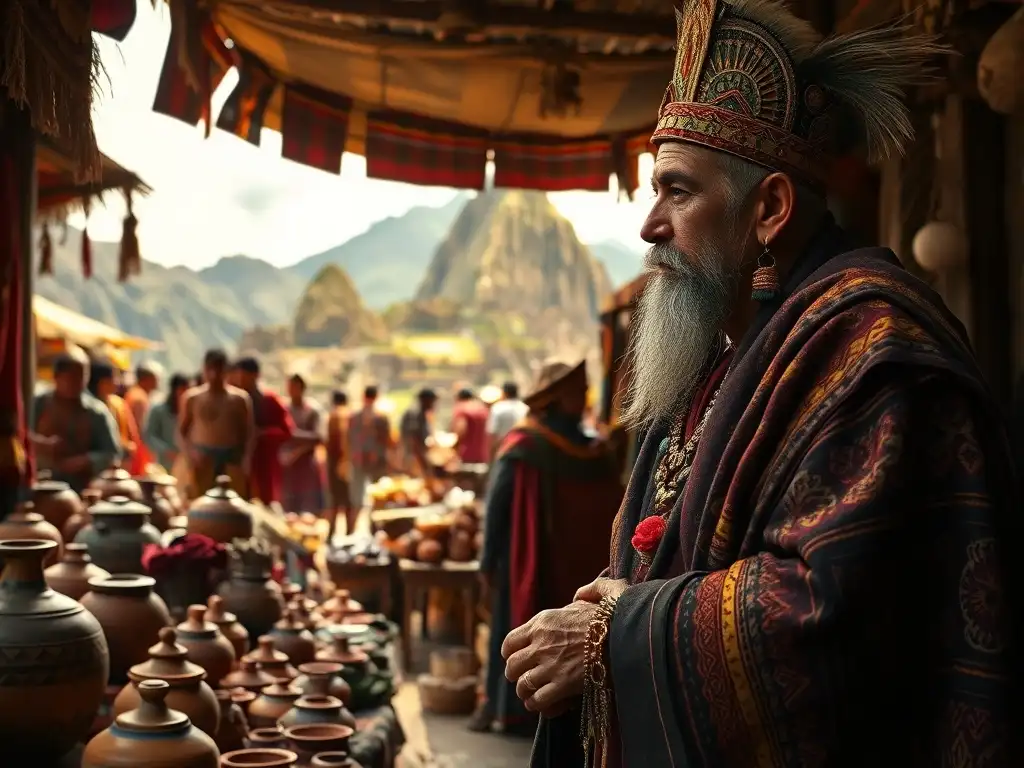
The Inca Empire, renowned for its sophisticated infrastructure and centralized administration, presented a complex social structure where social mobility, while possible, was far from unrestricted. Understanding the nuances of Inca social class mobility requires examining several key factors that both facilitated and constrained upward or downward movement within the hierarchical system. This section delves into the specific mechanisms and limitations that shaped individual trajectories within Inca society. The concept of "Inca social class mobility" is central to understanding the dynamism—and rigidity—of this remarkable civilization.
Inca policies, while often aimed at maintaining social order, inadvertently created avenues for social mobility, albeit limited ones. The mita, the system of mandatory labor, offered a pathway for advancement, particularly for individuals demonstrating exceptional skill or diligence. Exceptional performance during mita service in crucial sectors like construction (e.g., building impressive qhapaq ñan roads or monumental sites like Machu Picchu) could lead to recognition and even promotion to positions of greater responsibility.
However, this system was also a tool for control, with individuals assigned tasks based on their existing social standing. This meant that while talent could be recognized, it rarely led to a significant leap in social class.
Furthermore, the Inca's expansionist policies created opportunities for individuals from conquered territories. While initially subjugated, skilled artisans, engineers, and administrators from conquered groups were often incorporated into the Inca bureaucracy. This integration, however, often involved assimilation into the Inca worldview and adoption of Inca customs, subtly altering their original social standing within the conquered community while offering limited upward mobility within the larger imperial structure. The incorporation of conquered elites into the Inca administrative system is a clear example of a strategically managed form of social mobility, used to consolidate power and minimize rebellion.
The ayllu, the kinship-based community, played a crucial role in shaping social mobility within Inca society. While the ayllu provided a safety net and social support, it also acted as a constraint on individual advancement. Membership in a specific ayllu largely determined an individual's occupation and social standing. While exceptional individuals could rise above their ayllu's typical social position, this was often achieved through service to the state rather than through internal ayllu advancement. The strong communal ties and reciprocal obligations within the ayllu often prioritized collective well-being over individual advancement, making significant social leaps within the system challenging.
Within the ayllu, however, limited vertical mobility existed. A skilled farmer might gain recognition and a slightly higher status within the community, perhaps becoming a leader in communal projects. However, this remained within the confines of the ayllu's existing social hierarchy. The ayllu system, while offering social security, acted as a powerful force that limited radical social change and individual upward mobility. The emphasis was on maintaining a stable, predictable social order based on kinship and reciprocal obligations.
The vastness of the Inca Empire resulted in significant regional variations in social mobility. In densely populated regions with established administrative centers, opportunities for advancement through state service were more prevalent. These areas saw greater interaction with Inca officials and a higher demand for specialized skills, leading to a slightly higher degree of social mobility compared to more remote and sparsely populated regions. In contrast, in peripheral regions, access to state-sponsored opportunities was limited, and social structures were often less rigidly defined, resulting in a different pattern of social mobility.
Data on specific instances of social mobility within different Inca regions is limited, making definitive conclusions challenging. [Specific information pending on regional variations in Inca social mobility from archaeological and ethnographic sources]. Nevertheless, it is clear that the vast geographic expanse of the empire and the varied levels of integration with the Inca administrative system created a diverse landscape of social mobility across the empire. Further research into regional variations in social organization and access to state resources is crucial for a more comprehensive understanding of Inca social mobility.
The Influence of Conquest and Expansion
The Inca Empire's relentless expansion played a significant role in shaping social mobility. Conquests brought about a massive influx of conquered peoples into the Inca system, creating both opportunities and challenges for social advancement. Successful military leaders, for example, often found themselves elevated in rank and granted privileges, including access to resources and land. This is evident in the stories of numerous curacas (local leaders) who, by aligning with the Inca, secured their positions and even saw their families rise in status.
Their loyalty was rewarded with increased power and prestige within the newly integrated Inca administrative structure. This, however, was a double-edged sword. While some curacas successfully navigated this new order, many others lost their autonomy and were relegated to lower social positions, their previous influence diminished within the larger Inca framework.
The incorporation of conquered territories also created a demand for skilled artisans, administrators, and laborers. Those who possessed valuable skills, such as metalworking, weaving, or construction, could find themselves in high demand, leading to improved social standing. The Inca's meticulous record-keeping system, using quipus, provided a detailed account of individuals' contributions, highlighting their skills and loyalty, which could be instrumental in future promotions.
This system, while not guaranteeing social mobility for everyone, offered a pathway for talented individuals from conquered regions to achieve a higher status. However, the opportunities were not equally distributed. Access to resources and training often depended on existing social connections and the favor of Inca officials, illustrating the inherent inequalities within the system.
The expansion, therefore, created a complex dynamic where both upward and downward mobility were possible, depending on individual circumstances and the political climate. The integration of conquered populations into the Inca social structure was a gradual process, often marked by resistance and accommodation, influencing the trajectory of social mobility for generations.
The process of mita, the mandatory labor system, also impacted social mobility. While initially viewed as a form of tribute, mita assignments could, in some cases, lead to opportunities for advancement. Individuals who demonstrated exceptional skills or diligence during their mita service might attract the attention of supervisors, leading to promotions or preferential treatment.
This was particularly true in specialized labor sectors, such as construction projects or mining operations, where skilled workers were highly valued. However, it is crucial to acknowledge that the mita system was also a source of hardship and exploitation for many, especially those from marginalized communities.
The arduous nature of the labor and the potential for abuse significantly limited social mobility for a large segment of the Inca population, highlighting the inherent contradictions of the system. The system, therefore, presented a complex relationship with social mobility, with opportunities for some but hardship and limitations for many others.
The concept of Inca social class mobility is often presented as a rigid system with limited opportunities for advancement. However, a nuanced understanding reveals a more complex reality. While the Inca Empire maintained a hierarchical structure, pathways for social ascension, albeit narrow, did exist.
This section examines the evidence suggesting both the constraints and possibilities within the Inca social structure, challenging the simplistic notion of complete social immobility. Understanding the complexities of Inca social stratification is key to comprehending the empire's enduring legacy and its influence on subsequent Andean societies. The term "Inca social class mobility" itself highlights the inherent tension between the idealized structure and the lived experiences of the population.
Evidence suggests that while social mobility was not commonplace, it wasn't entirely absent. Meritocratic principles, particularly in military and administrative roles, offered avenues for advancement. Exceptional individuals who demonstrated skill, loyalty, and bravery could rise through the ranks. For example, individuals from ayllu communities who excelled in warfare or demonstrated exceptional administrative abilities could be appointed to positions of authority, potentially elevating their social standing and that of their families.
This is supported by archaeological findings showing individuals buried with goods disproportionate to their ayllu origins, suggesting upward mobility. However, it's important to note that such opportunities were likely limited and heavily dependent on the ruler's favor and the prevailing political climate. The system wasn't purely meritocratic; existing social hierarchies still played a significant role.
Furthermore, the Inca mita system, while primarily a labor obligation, also presented a possibility, albeit indirect, for social mobility. Exceptional performance in mita assignments could lead to recognition and potential advancement within the system, opening doors to better opportunities. However, the mita system itself was often exploitative and did not guarantee social improvement for all participants.
The extent to which individual agency and merit played a role in overcoming the inherent limitations of the system requires further investigation. More research is needed into the specific mechanisms and frequency of upward mobility within the mita system to fully understand its impact on social stratification.
The Contrast Between Ideal and Reality
The official Inca ideology presented a relatively egalitarian society, emphasizing collective well-being and the importance of the ayllu. However, this idealized vision contrasted sharply with the reality of a stratified society with clearly defined social classes. The Inca elite, including the Sapa Inca, the royal family, and the nobility, enjoyed significant privileges and access to resources.
This disparity between the idealized and the actual social structure reveals a critical tension within Inca society. The Inca state actively promoted the image of a cohesive and harmonious society, but the reality was a hierarchical system that maintained power through a combination of ideology and control over resources. The gap between the official narrative and lived experience points to the importance of considering multiple perspectives when interpreting the Inca social system.
The Inca social structure, with its inherent limitations on social mobility, profoundly influenced the development of Andean societies after the Spanish conquest. The existing hierarchical system, although modified and reshaped, persisted in various forms. The legacy of Inca social stratification is visible in the socio-economic inequalities that continue to shape Andean societies today.
While the Inca Empire's collapse marked a significant turning point, the deeply ingrained social structures left a lasting imprint on the region's social fabric. The study of Inca social mobility, therefore, is not just a historical exercise but offers insights into the long-term consequences of social inequalities and the enduring impact of imperial power structures on subsequent generations.
Further research into the post-Inca period is crucial to fully understand the enduring influence of the Inca social system and its continuing relevance to contemporary Andean societies. Understanding this legacy is critical for addressing persistent social and economic disparities in the region.
The Inca system of social mobility, while seemingly rigid with its hierarchical structure, reveals a nuanced reality upon closer examination. It wasn't a completely static system, offering avenues for upward mobility, albeit limited and often contingent on specific circumstances. Exceptional talent, particularly in areas vital to the empire like military prowess or religious leadership, could propel individuals to higher social strata.
This is evidenced by the stories of individuals who rose through the ranks to become important officials or even advisors to the Sapa Inca. However, these cases were exceptions, not the rule. The vast majority of the population remained within their assigned social groups throughout their lives.
The system's inherent biases, favoring the nobility and those with established lineage, significantly restricted widespread social mobility. The ayllu system, while providing a sense of community and mutual support, also acted as a constraint, limiting individual advancement beyond the predetermined roles within their community. Furthermore, the Inca's sophisticated bureaucracy and the emphasis on maintaining social order ensured that significant challenges to the existing hierarchy were effectively suppressed.
The Inca state actively managed social mobility, using it as a tool to maintain power and stability. This control manifested in the careful selection of officials and the strategic placement of individuals within the imperial system.
Therefore, understanding Inca social mobility requires moving beyond simplistic narratives of either complete rigidity or boundless opportunity. The reality was far more complex, characterized by a delicate balance between social control and limited avenues for advancement. While individual success stories exist, the overarching structure of Inca society strongly favored the established elite, making significant upward mobility a rare achievement. The system effectively served the Inca state's objectives, prioritizing stability and the preservation of its power structure over widespread social fluidity.
Further research, perhaps focusing on detailed archaeological records or analyzing a larger sample of individual case studies, could provide a more comprehensive understanding of this intricate social dynamic. Ultimately, the degree of social mobility within the Inca Empire remains a subject worthy of continued scholarly investigation and debate. The limited evidence available suggests a system more controlled than truly meritocratic.
Frequently Asked Questions
Inca social class was largely determined by birth and lineage. While some social mobility was possible through exceptional service or merit, it remained relatively limited. Inherited status heavily influenced one's position.
Yes, exceptional military service, demonstrating skill in craftsmanship or administration, and loyalty to the Inca emperor could lead to advancement. However, such opportunities were rare and often limited by existing social structures.
The mita system, a form of mandatory labor, could offer some limited social mobility. Successful completion of mita duties could sometimes lead to rewards or recognition, but it primarily served to reinforce existing social hierarchies.
While no formal system existed to explicitly track social mobility, records of appointments and promotions within the bureaucracy offered some indication of individual advancement. This evidence, however, is fragmented and incomplete.
The ayllu, the kinship-based community system, played a significant role in limiting social mobility. Individuals were largely defined by their membership within a specific ayllu, making significant upward movement challenging.
The rigid social hierarchy of the Inca Empire, while seemingly insurmountable, offers a crucial lens through which to examine the complexities of social mobility, a struggle still relevant in our modern world. Understanding the limited opportunities for advancement within the Inca system, contrasted with the rare instances of upward mobility, provides valuable insights into the enduring power structures that shape societies today. The challenges faced by individuals seeking to transcend their assigned social standing resonate deeply across time and cultures.
The Inca's carefully constructed system of ayllu communities and hierarchical organization, while providing a degree of social security, ultimately restricted individual advancement based largely on birthright. This system's influence continues to shape our understanding of social stratification and the persistent inequalities that plague many societies. The past is never dead. It's not even past.
- William Faulkner. This quote perfectly encapsulates the enduring relevance of studying Inca social structures; their echoes reverberate in the social inequalities we grapple with today, reminding us that the fight for social justice is an ongoing process.
Consider the limitations faced by Inca individuals, and reflect on the parallels in your own life. What systemic barriers might you encounter in your pursuit of personal and professional growth? What actions can you take, both individually and collectively, to foster a more equitable and just society, one where opportunities are not predetermined by birth but earned through merit and hard work? Let the story of Inca social mobility inspire you to challenge ingrained systems and advocate for a future where upward mobility is not a privilege, but a right.
Thank you for exploring the complexities of Inca social mobility with us! We hope you gained valuable insights into the factors that shaped lives within this fascinating civilization. Now, let's put your newfound knowledge to work!
Here are some ways to further your understanding and engage with this rich history:
- Expand your research: Explore additional resources on Inca society and culture. Our website features a curated list of recommended readings.
- Connect with others: Share this article with friends or join online discussions to connect with fellow history enthusiasts who share your passion for the Andean world.
- Reflect and journal: Consider keeping a journal to explore the relevance of social mobility in your own life. What parallels, if any, exist between Inca society and our own?
What aspect of Inca social mobility most captivates you, and how do you see its lessons playing out in contemporary society?