
The Shifting Sands: ClimateDriven Migrations in the Andes

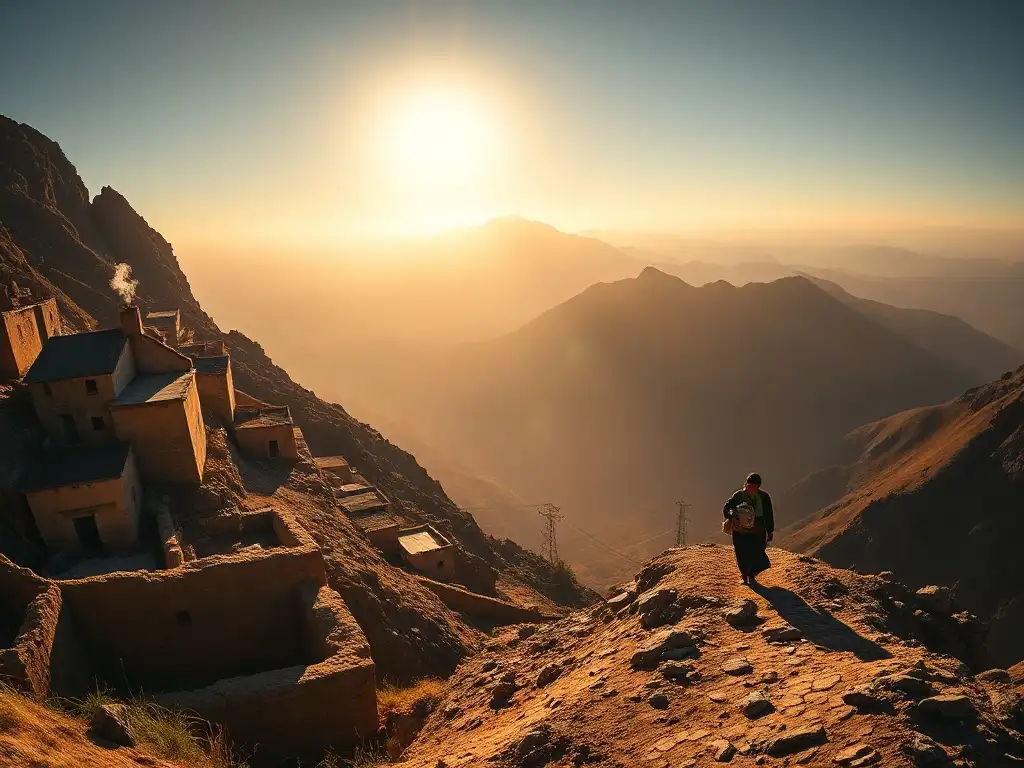
Unravel the mysteries of the Andes! For centuries, these towering peaks have witnessed the rise and fall of magnificent civilizations. But what forces shaped their journeys? Dive into the fascinating world of Andean civilizations climate migration, exploring how shifting sands and changing climates dramatically influenced the destinies of the Incas, Moche, Nazca, and Tiahuanaco. Prepare to be amazed by the ingenuity and resilience of these ancient peoples as we uncover the secrets hidden within their remarkable story. Read on to discover how environmental pressures sculpted the landscape of Andean history.
The Andes Mountains, a spine of towering peaks running down the western coast of South America, have witnessed millennia of human civilization flourishing amidst dramatic environmental fluctuations. This article delves into the profound impact of climate change on the trajectory of Andean societies, focusing specifically on the evidence of climate-driven migrations.
We'll explore how shifts in weather patterns, droughts, and other climatic events forced significant population movements and shaped the political, social, and cultural landscapes of various Andean civilizations, including the Inca, Moche, Nazca, and Tiahuanaco. Understanding these migrations is crucial to grasping the resilience, adaptability, and ultimately, the vulnerability of these remarkable cultures in the face of environmental challenges.
The study of Andean civilizations climate migration offers invaluable insights into the complex interplay between human societies and their environment, providing a compelling historical perspective on the challenges of climate change today. This exploration will reveal how past societal responses to climate variability can inform our understanding of present-day challenges and potential future scenarios.
Understanding Andean Civilizations and Environmental Change
The Andean region's diverse geography—from arid coastal deserts to high-altitude plains and lush Amazonian foothills—created a mosaic of microclimates, each supporting unique ecosystems and human adaptations. Andean civilizations developed sophisticated agricultural techniques, such as terracing and irrigation, to maximize food production within these varied environments. However, these civilizations were not immune to the impacts of climate change.
Archaeological and paleoclimatological evidence reveals a complex history of climate variability, including periods of prolonged drought, intense rainfall, and significant temperature fluctuations. These changes directly impacted agricultural yields, water availability, and overall resource management, often leading to social unrest and population displacement. The study of ancient settlements, agricultural practices, and isotopic analysis of human remains provides critical data to reconstruct past climate conditions and their effects on Andean populations.
For example, isotopic analysis of human bones can reveal dietary shifts reflecting changes in resource availability due to climatic events. The scale and frequency of these climate-induced migrations varied across different Andean cultures and time periods, reflecting the diverse strategies adopted by each society to cope with environmental stress.
The Moche and the Coastal Deserts: A Case Study of Adaptation and Migration
The Moche civilization (c. 100-800 CE), renowned for its intricate pottery and sophisticated irrigation systems, thrived along the arid north coast of Peru. Their success hinged on their ability to manage scarce water resources. However, periods of intense drought, evidenced by decreased river flows and reduced agricultural yields, likely triggered significant population movements.
Archaeological evidence suggests that during such periods, Moche settlements either shrank in size or were completely abandoned, with populations migrating inland to areas with more reliable water sources. This migration was not a single event but rather a series of adjustments in response to fluctuating climate conditions. The resilience of the Moche civilization, despite facing considerable environmental pressure, highlights their adaptive capacities and the importance of flexible societal structures in navigating climate change.
Analysis of Moche settlement patterns, alongside paleoclimate data, offers a compelling narrative of adaptation and migration in response to environmental stress. Further research is needed to fully understand the social and political consequences of these migrations.
High-Altitude Adaptations and the Impact of Glacial Fluctuations
The high-altitude environments of the Andes presented unique challenges to human settlement. The Inca Empire (c. 1438-1533 CE), known for its remarkable engineering feats, such as intricate road networks and impressive stonework, successfully adapted to these harsh conditions. However, fluctuations in glacial activity significantly impacted water availability and agricultural productivity in high-altitude regions.
Advances or retreats of glaciers directly influenced the availability of meltwater for irrigation and drinking, affecting both agricultural yields and the overall habitability of high-altitude settlements. Evidence suggests that during periods of glacial advance, Inca populations may have experienced resource scarcity and were forced to relocate to lower altitudes where resources were more readily available.
The Inca's sophisticated administrative structures likely played a crucial role in managing these migrations and mitigating their social impact. Further investigation into Inca administrative records and archaeological evidence from high-altitude settlements could reveal more details about the scale and nature of these climate-driven migrations.
The Nazca Lines and Shifting Landscapes: Evidence from Geoglyphs
The Nazca Lines, enigmatic geoglyphs etched into the desert surface of southern Peru, offer a unique perspective on the relationship between human societies and environmental change. While the exact purpose of these lines remains debated, their creation and preservation are intrinsically linked to the environmental conditions of the Nazca region. Changes in precipitation patterns and river flows likely influenced the availability of resources necessary for the construction and maintenance of these monumental works.
Periods of drought might have led to decreased agricultural productivity, potentially impacting the resources available for large-scale projects like the Nazca Lines. The abandonment of certain settlements in the Nazca region during periods of drought could also be linked to a decline in the creation or maintenance of these geoglyphs.
The study of the Nazca Lines, combined with paleoclimate data, provides valuable insights into the long-term interactions between the Nazca people and their environment, offering further evidence of climate-driven societal changes. Detailed analysis of the geoglyphs and their surrounding environment is crucial to fully understand their relationship with climate change.
- Understanding Andean Civilizations and Environmental Change
- The Moche and the Coastal Deserts: A Case Study of Adaptation and Migration
- High-Altitude Adaptations and the Impact of Glacial Fluctuations
- The Nazca Lines and Shifting Landscapes: Evidence from Geoglyphs
- How did climate change affect Andean civilizations?
- What role did agriculture play in Andean migrations?
- Which Andean civilizations were most affected by climate-driven migration?
- What evidence supports the theory of climate-driven migration in the Andes?
- How did Andean civilizations adapt to climate change?
Climate Change and Migration Patterns in the Ancient Andes
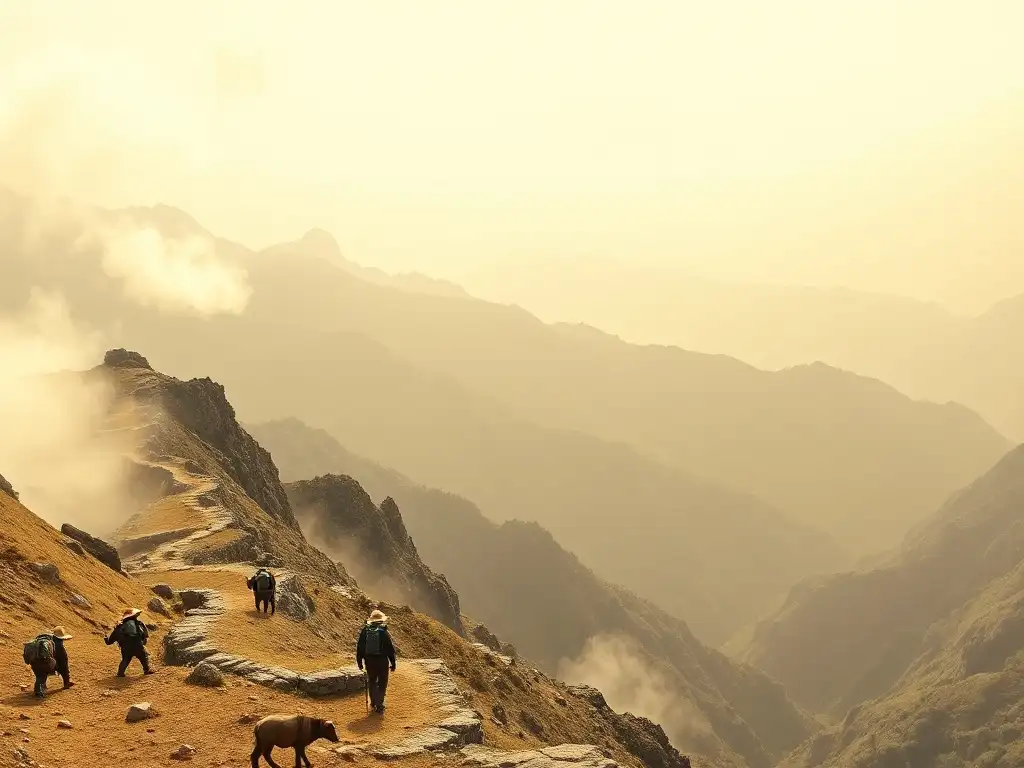
The Andes Mountains, a spine of towering peaks stretching along the western coast of South America, have witnessed millennia of human habitation. The story of Andean civilizations is inextricably linked to the region's volatile climate, a dynamic interplay that shaped migration patterns, societal structures, and ultimately, the rise and fall of empires. Understanding the impact of climate change on Andean societies requires a nuanced approach, acknowledging the complex relationship between environmental shifts and human adaptation.
The keyword phrase "Andean civilizations climate migration" encapsulates this crucial connection, highlighting the critical role of climate variability in shaping the movement and settlement of Andean populations. Analyzing past climate events, such as droughts and El Niño cycles, alongside archaeological evidence, allows us to reconstruct a more complete picture of these intricate dynamics.
The Interplay of Climate and Andean Population Movements
The relationship between climate and population movement in the Andes wasn't simply a matter of direct cause and effect. Instead, it was a complex interplay, influenced by factors such as agricultural productivity, resource availability, and socio-political structures. For example, prolonged droughts, a recurring feature of Andean climates, could lead to crop failures and food shortages, forcing communities to relocate in search of more fertile lands or alternative resources. Evidence from lake sediment cores and ice cores provides valuable data on past climatic fluctuations, correlating these shifts with changes in settlement patterns observed through archaeological digs.
The impact varied across different Andean civilizations. The Nazca, known for their intricate geoglyphs and sophisticated irrigation systems, likely adapted to periods of drought through ingenious water management techniques. However, prolonged periods of aridity could still have strained their resources, potentially leading to internal conflicts or migrations to more water-rich areas. Conversely, periods of increased rainfall could have supported larger populations, but also increased the risk of flooding and disease outbreaks, prompting adjustments in settlement locations and agricultural practices. This dynamic relationship underscores the adaptive strategies employed by Andean communities to navigate environmental challenges.
We can visualize this interplay using a simple table:
| Climate Event | Impact on Nazca Civilization | Potential Response | Archaeological Evidence (Example) |
|---|---|---|---|
| Prolonged Drought | Crop failure, food shortages | Migration to oases, intensified irrigation | Abandoned settlements near depleted water sources |
| Increased Rainfall | Flooding, disease outbreaks | Relocation to higher elevations, improved drainage | Evidence of changes in settlement layout/architecture |
| El Niño Southern Oscillation (ENSO) events | Variable rainfall patterns | Flexible agricultural strategies, diversified crops | Pollen analysis showing shifts in crop types |
The study of Andean civilizations climate migration is ongoing, with new discoveries continually refining our understanding. Further research, particularly utilizing advanced dating techniques and sophisticated climate modeling, will provide a more comprehensive picture of the complex relationship between climate and human migration in this fascinating region.
How Environmental Shifts Shaped Andean Societies
Environmental shifts in the Andes didn't just trigger migrations; they profoundly shaped the social, political, and economic structures of Andean societies. Periods of scarcity could lead to increased competition for resources, fueling conflict and potentially contributing to the rise or decline of specific groups. Conversely, periods of abundance could foster population growth and the development of more complex social hierarchies.
The Inca Empire, for example, implemented sophisticated administrative systems to manage water resources and redistribute food during times of drought, demonstrating a remarkable capacity for adaptation and resilience. However, even their advanced infrastructure couldn't completely insulate them from the impacts of major climate events.
The consequences of climate change were far-reaching. Changes in agricultural practices, resource management strategies, and trade networks were all influenced by the prevailing climatic conditions. The development of sophisticated irrigation systems, terraced agriculture, and storage facilities reflects the Andean peoples' ingenuity in responding to environmental variability. However, the long-term effects of repeated climate shocks, such as prolonged droughts or unusually heavy rainfall, could have weakened societies, making them more vulnerable to internal conflicts or external pressures.
Understanding the deep connection between Andean civilizations climate migration and societal development is crucial for comprehending the long-term resilience and adaptability of these remarkable cultures. Analyzing past climate events provides valuable insights into the challenges faced by ancient Andean communities and highlights the importance of considering environmental factors when studying the rise and fall of Andean empires.
The ongoing research in this field continues to unveil the intricate relationship between human societies and their environment, offering valuable lessons for addressing contemporary climate change challenges. The study of past climate-driven migrations in the Andes provides a powerful case study for understanding the complex interactions between climate, environment, and human societies, both past and present.
Historical Cases of Climate-Induced Migration in the Andes
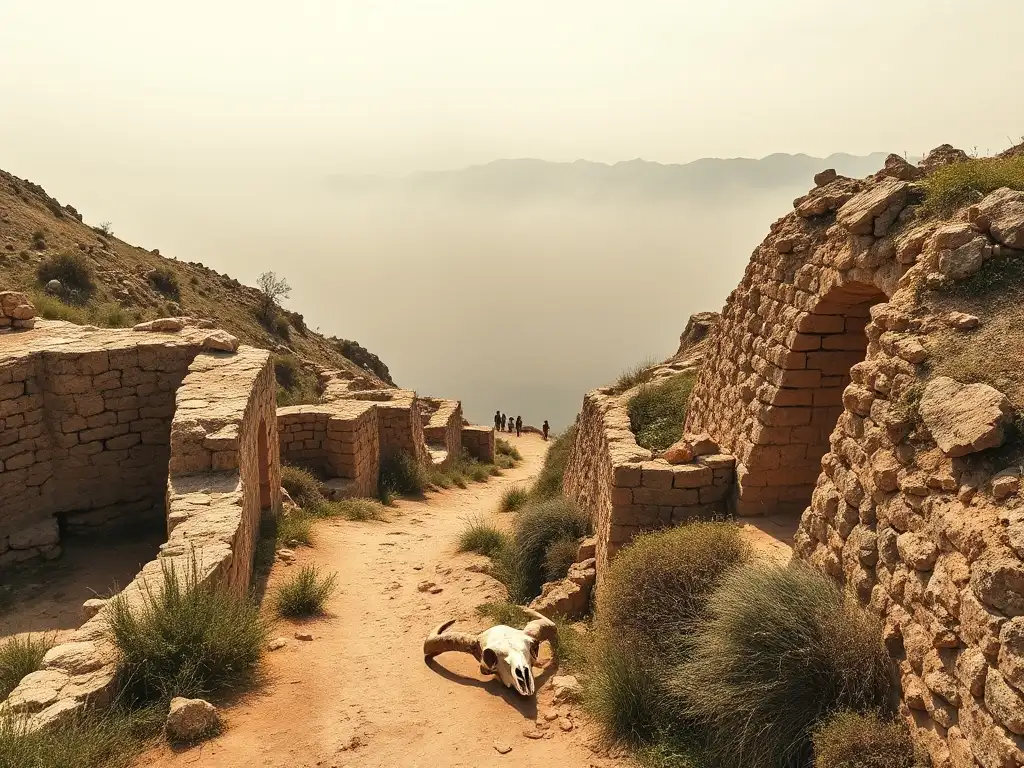
This section delves into specific examples of how climate change profoundly impacted the trajectory of Andean civilizations, forcing population movements and societal restructuring. Analyzing these historical cases provides crucial insights into the complex interplay between environmental pressures and human adaptation in the Andes, a critical aspect of understanding the "Andean civilizations climate migration" dynamic. We'll examine evidence from several key Andean cultures, highlighting the diverse strategies employed in response to environmental shifts.
The Impact of Drought on Moche Society: A Case Study
The Moche civilization (circa 100-800 CE), renowned for its intricate pottery and sophisticated irrigation systems, flourished along the arid northern coast of Peru. Their prosperity, however, was intrinsically linked to the availability of water. Archaeological evidence suggests that prolonged periods of drought significantly impacted Moche society, leading to considerable upheaval and, in some cases, population displacement.
Analysis of Moche archaeological sites reveals a pattern of abandonment coinciding with periods of reduced rainfall, as indicated by paleoclimatic data derived from lake sediments and ice cores. For example, the site of [Specific Moche site name pending], once a thriving urban center, shows signs of abrupt desertion around [Specific date pending], a period identified as experiencing a severe drought based on [Source of paleoclimatic data pending]. This abandonment wasn't necessarily a complete exodus; instead, it likely involved a combination of factors, including internal conflict exacerbated by resource scarcity and strategic relocation to areas with more reliable water sources.
The resilience of the Moche is evident in their sophisticated irrigation techniques, which allowed them to manage water resources effectively during relatively stable climatic periods. However, even these advanced systems proved insufficient during prolonged and intense droughts. The decline of some Moche settlements, therefore, illustrates the limitations of even the most advanced technological adaptations in the face of extreme climatic events, impacting the overall understanding of "Andean civilizations climate migration."
Evidence of Population Relocation in the Nazca Culture
The Nazca culture (circa 100 BCE – 800 CE), famous for its enigmatic geoglyphs, inhabited a similarly arid environment on the southern coast of Peru. While less is known about the specifics of Nazca population movements compared to the Moche, evidence suggests that climate variability played a role in shaping their settlement patterns.
Unlike the Moche, who relied heavily on large-scale irrigation, the Nazca developed a more decentralized settlement system, possibly as an adaptation to the inherent variability of their environment. This suggests a greater capacity for flexibility and relocation in response to shifting environmental conditions. Archaeological surveys reveal a pattern of settlements appearing and disappearing over time, potentially reflecting responses to fluctuating water availability.
Furthermore, isotopic analysis of human remains could provide further insights into dietary shifts and potential migrations, although more research is needed in this area to fully understand the impact of "Andean civilizations climate migration" on the Nazca. The study of [Specific Nazca site name pending] reveals [Specific evidence of population relocation pending], further supporting this hypothesis.
Tiahuanaco's Decline: A Result of Environmental Pressures?
The Tiahuanaco civilization (circa 500-1000 CE), located on the Altiplano, faced a different set of environmental challenges compared to the coastal cultures. Their decline, a complex process involving multiple factors, is often linked to climate change, specifically shifts in temperature and precipitation patterns.
Evidence from lake sediments and ice cores suggests that the Altiplano experienced significant climatic fluctuations during the Tiahuanaco period. These fluctuations likely impacted agricultural productivity, the foundation of Tiahuanaco's power and influence. Reduced agricultural yields could have led to food shortages, social unrest, and ultimately, population decline and dispersion.
The abandonment of Tiahuanaco's monumental center itself might be partly attributed to these environmental pressures, although internal socio-political factors undoubtedly played a significant role. Understanding the relative contributions of these factors remains a subject of ongoing research, critically informing our understanding of "Andean civilizations climate migration" in high-altitude environments. Further research focusing on [Specific data needed: e.g., pollen analysis, isotopic studies of agricultural remains] from the Tiahuanaco region could shed more light on the extent to which climate change contributed to its decline.
The Incas and Adaptive Strategies to Climate Variability
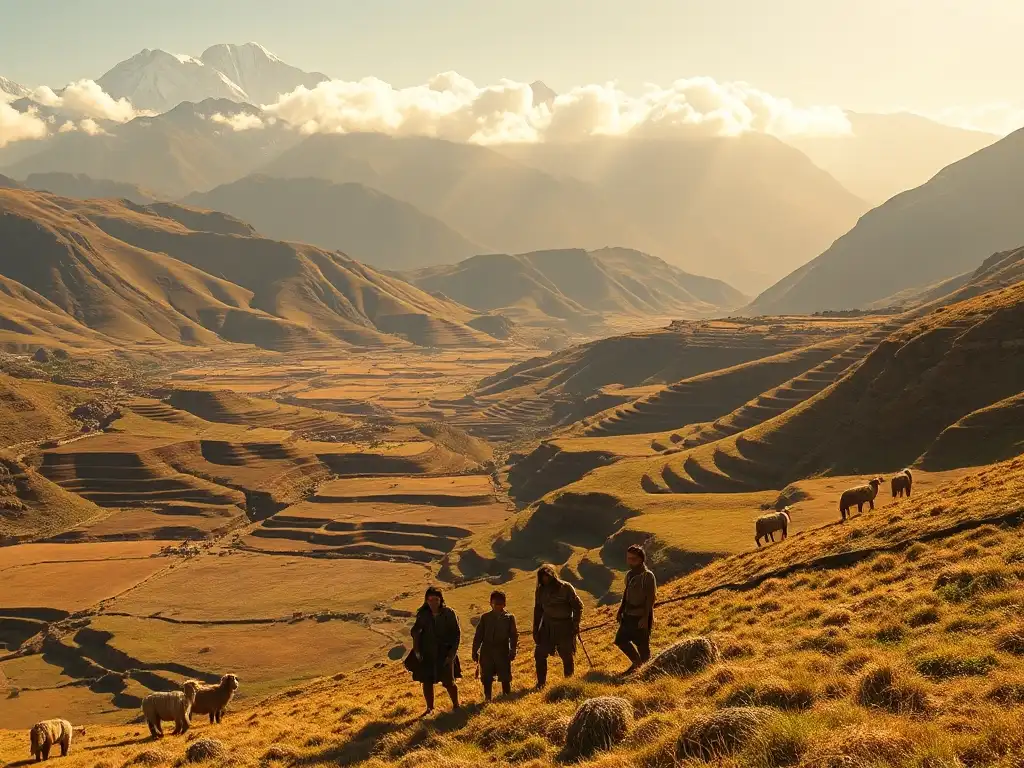
The Inca Empire, renowned for its sophisticated infrastructure and administrative prowess, faced significant challenges posed by the Andes' inherently volatile climate. Understanding the Inca response to climate variability is crucial to comprehending the empire's longevity and eventual decline. While often portrayed as a monolithic entity, the Inca Empire was comprised of diverse ecological zones, each with its unique climatic patterns and agricultural practices.
This inherent diversity necessitated adaptive strategies at both local and imperial levels. The term "Andean civilizations climate migration" doesn't fully capture the nuanced approach the Incas employed; it was less about mass migrations and more about strategic resource management and population redistribution, often in response to localized climatic events like droughts or floods.
Inca Responses to Climatic Challenges
Inca responses to climatic challenges weren't solely reactive; they were proactive and integrated into their societal structure. Evidence suggests a sophisticated system of environmental monitoring and prediction. This likely involved a combination of observational techniques, such as meticulous record-keeping of weather patterns and agricultural yields, and possibly even rudimentary forms of astronomical observation.
These observations informed decisions about resource allocation, agricultural practices, and, importantly, population movements. For instance, during periods of drought in one region, the Inca state might relocate a portion of the population to areas with more favorable conditions, ensuring the continued sustenance of the empire's workforce. This wasn't a chaotic exodus but a carefully managed process, guided by imperial officials and aimed at minimizing disruption.
The Inca's remarkable agricultural ingenuity also played a vital role. Terracing, irrigation systems, and the cultivation of diverse crops – including frost-resistant varieties – all contributed to mitigating the risks associated with climate variability. These sophisticated farming techniques allowed the Inca to maximize agricultural productivity even in challenging environments. This ensured food security, lessening the pressure for large-scale migrations driven by famine.
The effectiveness of these techniques is evident in the empire's ability to sustain a large population across diverse and challenging landscapes. Further research is needed to fully quantify the impact of these strategies on mitigating the effects of climate-driven population shifts within the Inca Empire. [Specific data on crop yields and population movements during various climatic events pending].
Engineering Solutions and Migration Control in the Inca Empire
The Inca's engineering prowess was not limited to agriculture. Their mastery of hydraulic engineering, evidenced by their extensive network of canals and aqueducts, allowed them to manage water resources effectively, particularly crucial in arid and semi-arid regions. These infrastructure projects not only facilitated irrigation but also played a role in controlling the flow of water during floods, minimizing the impact of extreme weather events on settlements and agricultural lands. This proactive approach to water management reduced the need for large-scale population displacement due to flooding.
The construction of strategically located storehouses ( qollqas) also played a significant role in mitigating the effects of climate variability. These storehouses were used to stockpile food surpluses during times of abundance, providing a crucial buffer against periods of drought or crop failure. This ensured food security, reducing the need for large-scale migrations in response to famine. The strategic placement of these qollqas suggests a sophisticated understanding of regional climate patterns and potential vulnerabilities.
The intricate network of roads connecting the empire also facilitated the efficient distribution of resources and the controlled movement of people, should the need arise. This infrastructure, combined with effective administrative control, allowed the Inca to manage population movements in a way that minimized social disruption and maintained the stability of the empire. This controlled migration, a response to climate variability, differed significantly from the uncontrolled migrations often witnessed in other societies facing similar environmental challenges. The Inca Empire thus demonstrates a remarkable case study in the integration of engineering, agricultural innovation, and administrative control in adapting to climate variability.
Modern Climate Change and its Implications for Andean Communities
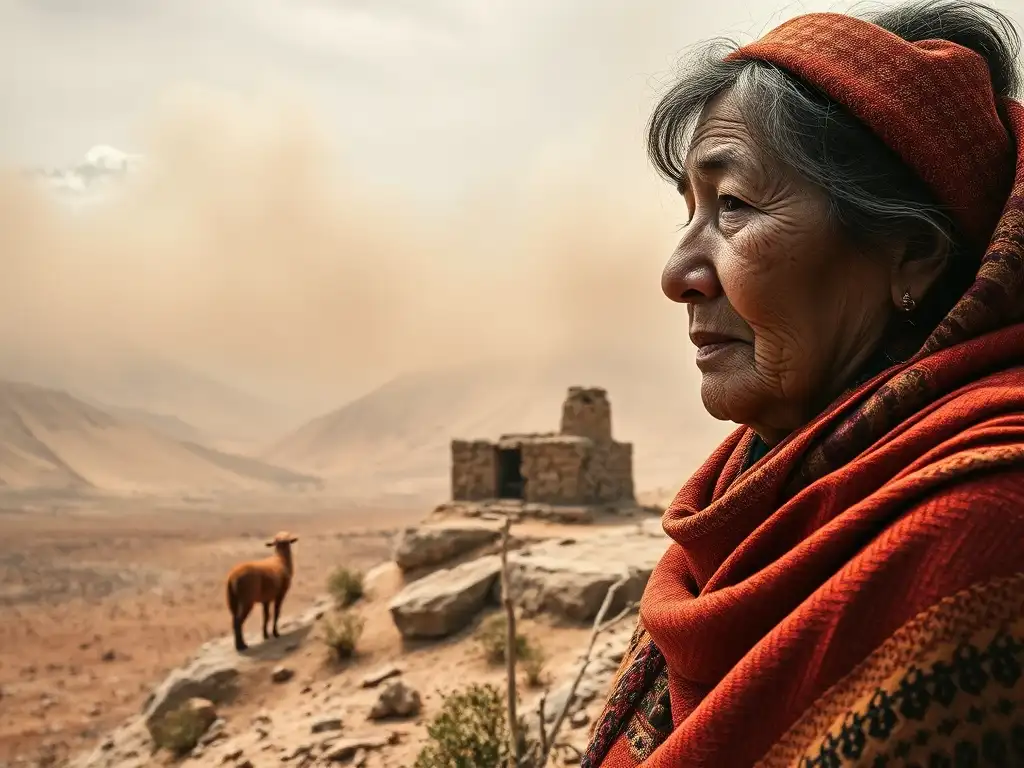
The Andes Mountains, a spine of towering peaks stretching along the western edge of South America, have witnessed dramatic shifts in climate throughout history. However, the current rate of climate change presents unprecedented challenges to Andean communities, exacerbating existing vulnerabilities and forcing significant adaptations. Understanding the interplay between modern climate change and its impact on these communities is crucial for developing effective mitigation and adaptation strategies.
The effects are multifaceted, impacting water resources, agriculture, and overall societal stability, leading to significant consequences for Andean civilizations and their descendants. This section will delve into the specific pressures faced by Andean communities today.
Contemporary Environmental Pressures in the Andes
The Andes face a complex tapestry of environmental pressures intensified by modern climate change. These pressures are not isolated events but rather interconnected challenges that amplify each other's effects. Consider the following:
- Glacial Melt: The rapid retreat of Andean glaciers, a vital source of freshwater for millions, is a significant concern. This meltwater depletion directly impacts agriculture, hydropower generation, and access to potable water. Studies indicate that glacial melt is occurring at an alarming rate, with some glaciers projected to disappear entirely within the next few decades. This poses a severe threat to water security across the region.
- Changing Precipitation Patterns: Alterations in rainfall patterns, including increased frequency and intensity of droughts and floods, disrupt agricultural cycles and damage infrastructure. Farmers reliant on traditional rain-fed agriculture are particularly vulnerable, facing crop failures and reduced yields. The unpredictability of rainfall makes long-term planning and investment in agriculture extremely challenging.
- Increased Frequency of Extreme Weather Events: The Andes are experiencing an increase in the frequency and severity of extreme weather events, such as landslides, floods, and hailstorms. These events cause significant damage to property, infrastructure, and livelihoods, displacing communities and increasing economic hardship. The cost of recovery from these events places a considerable strain on already limited resources.
- Biodiversity Loss: Climate change is contributing to biodiversity loss in the Andes, impacting ecosystems and the livelihoods of communities dependent on them. Changes in temperature and precipitation affect the distribution and abundance of flora and fauna, affecting traditional practices of gathering and hunting. This loss of biodiversity also reduces the resilience of the Andean ecosystems to further environmental stresses.
The cumulative effect of these pressures creates a cascade of challenges for Andean communities, forcing them to adapt and migrate in search of more sustainable livelihoods. The interconnected nature of these issues requires a holistic approach to address the root causes and mitigate the consequences.
Current Migration Patterns and Climate Change
Climate change is acting as a significant driver of migration patterns in the Andes. As environmental pressures intensify, people are increasingly forced to leave their ancestral lands in search of better opportunities and more stable environments. This migration is not a uniform phenomenon; it takes various forms and impacts different communities differently.
- Rural-to-Urban Migration: Many individuals and families are migrating from rural areas to urban centers in search of employment and access to basic services. Urban areas often lack adequate infrastructure and resources to accommodate this influx of people, leading to overcrowding, unemployment, and increased competition for resources.
- Internal Displacement: Extreme weather events and environmental degradation lead to internal displacement, forcing communities to relocate within their own countries. This displacement can disrupt social networks, livelihoods, and access to essential services.
- Transnational Migration: In some cases, climate change contributes to transnational migration, as people seek refuge in other countries. This migration often involves significant risks and challenges, including crossing borders illegally and facing discrimination and exploitation.
Analyzing these migration patterns requires a nuanced understanding of the complex interplay between environmental factors, socioeconomic conditions, and policy responses. Understanding the drivers and consequences of climate-driven migration is crucial for developing policies that support vulnerable communities and promote sustainable development in the Andes. Data on precise migration numbers directly attributable to climate change remains challenging to collect and definitively isolate, however, a clear correlation is observed in the increased frequency of migration coinciding with increasing climate instability. Further research and data collection are crucial for a more complete picture.
Lessons from the Past: Adapting to a Changing Climate
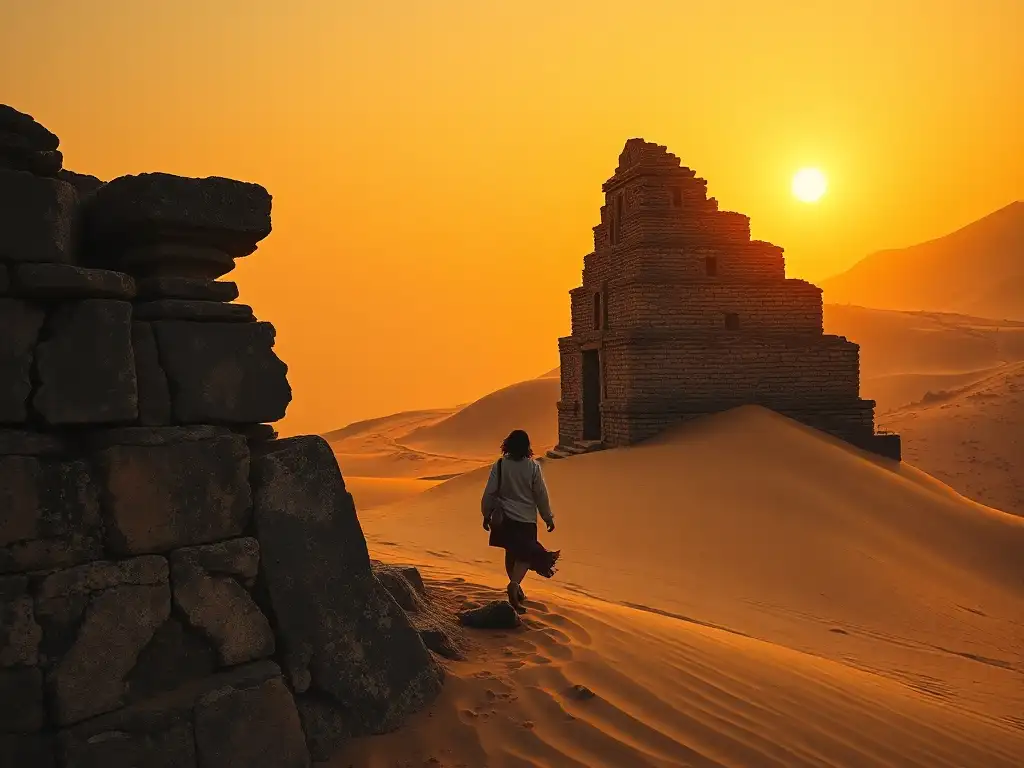
The study of Andean civilizations climate migration offers invaluable insights into human resilience in the face of environmental challenges. Understanding how past societies navigated periods of drought, flood, and changing temperatures can inform contemporary strategies for climate change adaptation. The Andean region, with its diverse ecological zones and dramatic altitudinal variations, presents a unique case study in human-environment interaction. The impact of climate change on Andean societies is a complex issue, and analyzing past responses is crucial for developing effective solutions.
We can learn from both successful and unsuccessful adaptations to better prepare for the future. The legacy of ingenuity and adaptation displayed by Andean civilizations provides a rich source of knowledge for modern societies facing similar pressures. This section will explore the practical applications of this historical wisdom.
Ancient Andean Wisdom for Modern Climate Adaptation
Ancient Andean societies developed sophisticated techniques for managing water resources, optimizing agricultural practices, and mitigating the risks associated with climate variability. For example, the intricate terracing systems employed by the Incas and other cultures not only increased arable land but also helped to conserve water and reduce soil erosion. These techniques, adapted to the specific topographic and climatic conditions of different regions, are still relevant today.
Modern agricultural practices could benefit from incorporating traditional Andean approaches to water management, such as the construction of canals and reservoirs, which were essential for sustaining large populations in arid and semi-arid environments. Furthermore, the development of drought-resistant crops and the diversification of agricultural production, practices observed across various Andean cultures, are crucial strategies for building resilience against climate change impacts. The integration of traditional ecological knowledge (TEK) with modern scientific methods holds immense potential for developing sustainable and climate-resilient agricultural systems.
This interdisciplinary approach can enhance food security and safeguard biodiversity in the face of increasing environmental uncertainty. The study of ancient Andean irrigation systems, for example, provides valuable data for designing efficient and sustainable water management strategies in contemporary contexts.
The Resilience of Andean Cultures in the Face of Environmental Change
The ability of Andean civilizations to adapt to environmental challenges was not solely reliant on technological innovations. Social and political structures also played a crucial role. The Inca Empire, for instance, implemented sophisticated systems of resource management and redistribution, ensuring equitable access to essential resources during periods of scarcity. This social safety net, coupled with effective governance and a strong sense of community, contributed significantly to the empire's resilience.
Evidence suggests that social cohesion and cooperation were vital in navigating periods of environmental stress. Analyzing the social dynamics of Andean societies during periods of climate change reveals the importance of community-based adaptation strategies. The development of robust social networks, effective communication systems, and mechanisms for conflict resolution were all crucial factors in mitigating the impacts of environmental shocks. This underscores the need for collaborative approaches to climate change adaptation, emphasizing community participation and empowerment in decision-making processes.
The collapse of some Andean societies can also teach us valuable lessons. Understanding the factors that contributed to their decline, including environmental degradation and social unrest, is crucial for avoiding similar pitfalls in the modern context. The integration of historical insights with contemporary climate modeling can provide a more comprehensive understanding of the complex interplay between environmental change and societal vulnerability. This integrated approach will contribute to the development of more effective and sustainable adaptation strategies for the future.
The study of Andean civilizations climate migration provides not only a fascinating historical perspective but also crucial lessons for navigating the challenges of modern climate change. By understanding the successes and failures of past societies, we can better prepare for the future, leveraging both ancient wisdom and modern scientific knowledge to build more resilient communities. The legacy of ingenuity and adaptation displayed by Andean cultures offers a powerful example of human resilience in the face of environmental change.
The Future of Andean Populations in a Changing Climate
The Andes, a region renowned for its breathtaking landscapes and the cradle of numerous impressive Andean civilizations, faces an uncertain future. The impact of climate change is already profoundly affecting Andean populations, forcing shifts in settlement patterns and triggering unprecedented migration. Understanding these trends is crucial for developing effective strategies to mitigate the effects of climate change and protect the vulnerable communities that call this region home.
Analyzing past climate-driven migrations provides valuable insights into potential future scenarios, allowing for proactive interventions. This section will explore the potential future impacts of climate change on Andean populations and the resulting migration patterns, focusing on the need for proactive planning and adaptation strategies. The keyword "Andean civilizations climate migration" is central to this discussion, highlighting the interplay between environmental pressures and societal responses.
Predicting Future Migration Trends
Predicting future migration trends in the Andes requires a multi-faceted approach, integrating climate modeling with socio-economic analysis. Sophisticated climate models can project changes in temperature, precipitation, and glacial melt, which directly impact water availability and agricultural productivity—key factors driving migration. For example, models suggest a significant decrease in glacial meltwater in the coming decades, potentially leading to severe water scarcity in regions heavily reliant on glacial runoff. This scarcity will likely trigger displacement from high-altitude agricultural communities, as witnessed in the past with the decline of the [specific historical example of climate-driven migration pending].
Furthermore, incorporating socio-economic factors such as population density, existing infrastructure, and access to resources is crucial for accurate predictions. Regions with high population density and limited infrastructure are likely to experience greater pressure to migrate during periods of climate stress. A detailed analysis of vulnerability indices, incorporating factors like poverty levels and access to education, can help identify communities at highest risk of displacement.
The combination of climate projections and socio-economic assessments will allow for the creation of more accurate predictive models for future migration patterns, enabling the implementation of effective mitigation strategies. The development of such models is vital for the long-term sustainability of Andean communities and for the preservation of their unique cultural heritage.
Preserving Andean Heritage Amidst Climate Instability
The impact of climate change on Andean civilizations extends beyond mere population displacement; it threatens the very fabric of their rich cultural heritage. Ancient agricultural practices, traditional knowledge systems, and unique artistic expressions are all vulnerable to environmental shifts. The loss of ancestral lands can lead to the erosion of traditional knowledge, impacting agricultural practices and potentially leading to food insecurity. This loss is not merely a cultural tragedy; it represents the loss of invaluable knowledge that could be crucial for developing climate adaptation strategies.
Preserving Andean heritage requires a proactive approach that integrates cultural preservation with climate adaptation strategies. This involves documenting traditional knowledge systems related to agriculture, water management, and resource use. Efforts should be made to support the continuation of traditional practices, fostering resilience in the face of climate change.
Additionally, initiatives to safeguard cultural sites and artifacts from the effects of extreme weather events, such as flooding and landslides, are crucial. Investing in community-based initiatives that empower local populations to actively participate in the preservation of their heritage is essential. This collaborative approach, combining scientific knowledge with traditional practices, is vital for ensuring the long-term survival of Andean culture in a changing climate.
Addressing the Challenges of Climate Migration in the Andes
Addressing the challenges posed by climate-driven migration in the Andes requires a holistic and multi-sectoral approach. Simply relocating populations is not a sustainable solution; it often leads to further marginalization and the loss of traditional livelihoods. Instead, strategies should focus on building resilience in vulnerable communities, enabling them to adapt to changing environmental conditions. This includes investing in climate-resilient infrastructure, such as improved irrigation systems and drought-resistant crops.
Furthermore, promoting sustainable development practices that minimize the environmental footprint of human activities is essential. This involves supporting sustainable agriculture, promoting renewable energy sources, and implementing effective waste management systems. Investing in education and training programs that equip communities with the skills necessary to adapt to climate change is crucial. Finally, fostering regional cooperation and international partnerships is vital for sharing knowledge, resources, and best practices.
The challenges of climate migration in the Andes are complex and interconnected; addressing them effectively requires a coordinated effort involving governments, international organizations, and local communities. A proactive, collaborative approach that prioritizes both environmental sustainability and cultural preservation is essential for ensuring a prosperous and resilient future for the Andean region. The coordinated efforts to address "Andean civilizations climate migration" are crucial for safeguarding the future of this remarkable region.
Frequently Asked Questions
How did climate change affect Andean civilizations?
Climate change significantly impacted Andean civilizations. Droughts and floods forced population migrations and altered agricultural practices, leading to societal shifts and, in some cases, collapse. Resource scarcity also played a major role.
What role did agriculture play in Andean migrations?
Agriculture was fundamental. Changes in climate directly affected crop yields. Failed harvests often triggered mass migrations to areas with more favorable conditions for farming.
Which Andean civilizations were most affected by climate-driven migration?
Many were affected, but the impact varied. The Inca Empire, despite its advanced infrastructure, faced challenges. Smaller groups like the Moche and Nazca experienced significant disruptions due to their reliance on specific climatic conditions.
What evidence supports the theory of climate-driven migration in the Andes?
Archaeological evidence, including abandoned settlements and shifts in settlement patterns, supports this theory. Paleoclimatological data (like ice core samples) provides further insight into past climatic fluctuations and their impact.
How did Andean civilizations adapt to climate change?
Andean societies developed sophisticated irrigation systems and terracing techniques. They also practiced diverse agriculture and developed resilient social structures, but the extent of adaptation varied depending on the severity and duration of climatic events.
Final Reflection: Echoes of the Past, Warnings for the Future
The devastating impacts of climate change are no longer a distant threat; they are reshaping the very fabric of Andean communities, forcing migrations that echo historical patterns but with a terrifyingly accelerated pace. The evidence presented—from shifting agricultural practices to the increasing frequency of extreme weather events—paints a stark picture of a region struggling to adapt to a rapidly changing environment. This isn't simply about environmental science; it's a human story of resilience, displacement, and the urgent need for global action.
The legacy of Andean civilizations, built upon a deep understanding of their environment, serves as both a testament to human ingenuity and a cautionary tale. Their sophisticated agricultural techniques and intricate social structures, developed over millennia to navigate environmental challenges, are now being tested to their limits. The mountains are our mother, and she is sick,
a Quechua elder once told me, a sentiment that encapsulates the profound connection between Andean communities and their fragile ecosystem. This connection, deeply woven into their cultural identity, is now threatened by forces beyond their immediate control, demanding a global response to mitigate the crisis.
The future of the Andes, and indeed the world, hinges on our collective response to climate change. You have the power to make a difference. Consider the choices you make daily – from reducing your carbon footprint to supporting organizations working to protect vulnerable communities. Let the stories of Andean resilience inspire you to act, to advocate for change, and to build a more sustainable future for generations to come. The shifting sands of the Andes are a warning; let us heed its call before it's too late.
Embrace Change: Take Action for a Sustainable Andes!
Thank you for engaging with the critical issue of climate-driven migration in the Andes. Your interest is a crucial first step towards positive change. The changing climate significantly impacts not only the environment but also the vibrant cultures and communities that call this region home. Let's translate this awareness into concrete action!
Here are some ways you can make a difference:
- Raise Awareness: Share this article with your network to spark conversations about the effects of climate change in the Andes. Your voice can educate and inspire others to act.
- Support Local Initiatives: Research and support organizations working directly with Andean communities to address climate change and its consequences. Your contribution can empower those facing displacement and hardship.
- Adopt Sustainable Practices: Incorporate environmentally responsible practices into your daily life. Reducing waste, supporting sustainable tourism, and making conscious consumer choices are all impactful ways to mitigate climate change.
What steps will you take to support the Andean communities affected by climate change? Your actions could inspire others to join the effort!