
The Andean Cosmos: Online Courses on Astronomy and Worldview

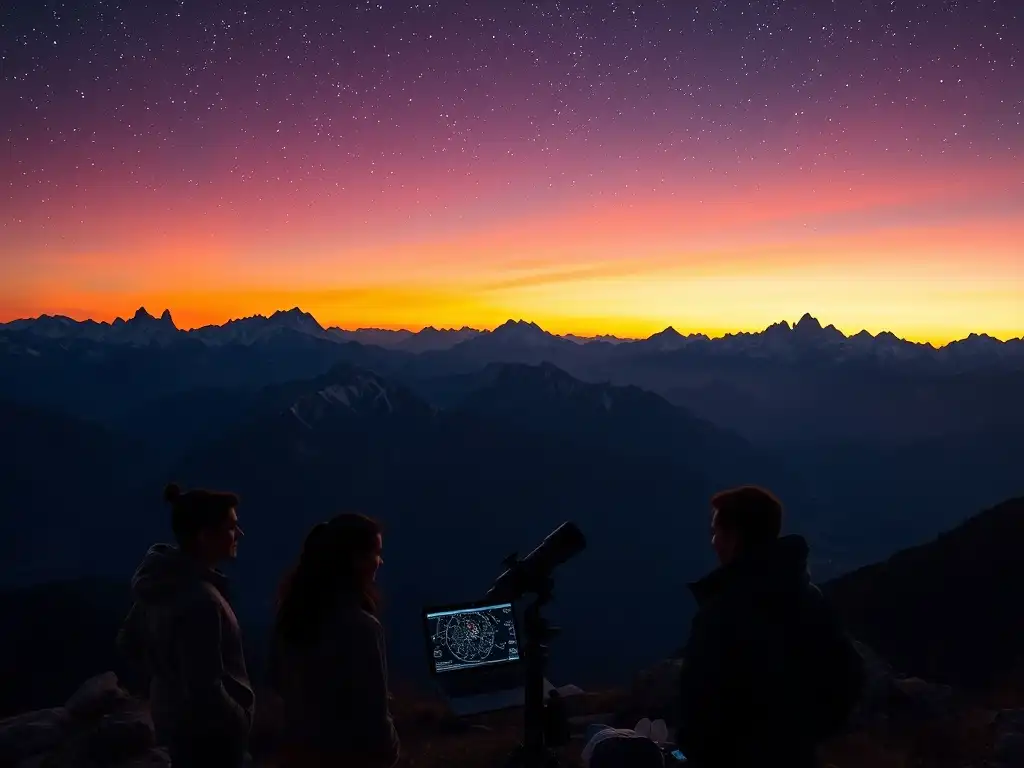
Unravel the mysteries of a lost world. For centuries, the Andes Mountains have held secrets whispered only to the stars. Now, you can unlock them. Dive into the fascinating world of Andean astronomy, exploring the intricate relationship between celestial bodies and the vibrant cultures of the Incas, Nazca, and more. Discover what Andean astronomy courses online can reveal about these ancient civilizations and their profound understanding of the cosmos. Prepare to be amazed.
The Andes Mountains, a majestic spine running down the western edge of South America, were home to a dazzling array of pre-Columbian civilizations. These cultures, including the Inca, Moche, Nazca, and Tiahuanaco, developed sophisticated societal structures, artistic expressions, and technological innovations that continue to fascinate and inspire.
Beyond their remarkable achievements in agriculture, architecture, and engineering, however, lies a lesser-known yet equally captivating aspect of their legacy: their profound understanding and integration of astronomy into their worldview. This article explores the rich tapestry of Andean astronomy, highlighting the availability of online courses designed to unveil the secrets of this ancient knowledge and its enduring significance.
We'll delve into the specifics of finding these courses, examine the reasons why studying this fascinating subject is worthwhile, and ultimately, illuminate the profound connection between the Andean cosmos and the lives of its inhabitants. Prepare to embark on a journey through time, uncovering the celestial wisdom of a remarkable civilization and how you can learn about it from the comfort of your own home.
Unveiling the Secrets of Ancient Andean Astronomy
Ancient Andean astronomy wasn't simply a matter of charting the stars; it was deeply interwoven with their spiritual beliefs, agricultural practices, and social organization. Their observations of celestial cycles informed their calendar systems, agricultural planning, and even their political structures. For example, the Inca meticulously tracked the solstices and equinoxes, using this knowledge to regulate their agricultural activities and religious ceremonies.
The precise alignment of many Andean sites, such as Machu Picchu, with significant astronomical events, further underscores the importance of celestial observations in their daily lives. Evidence suggests a sophisticated understanding of constellations, planetary movements, and the cycles of the sun and moon. This knowledge wasn't confined to a priestly elite; rather, it permeated all levels of society, reflecting a holistic worldview that integrated the terrestrial and celestial realms.
Understanding this intricate relationship reveals a profound connection between humanity and the cosmos, unlike anything found in many other ancient cultures. Many scholars believe that further research will uncover even more intricate details about their astronomical knowledge.
Discovering Andean Astronomy Courses Online
Finding high-quality online courses focused specifically on Andean astronomy can be challenging, but not impossible. While a dedicated, comprehensive course solely on Andean astronomy might be scarce, several avenues offer relevant learning opportunities. Many broader courses on pre-Columbian civilizations or Andean history often incorporate significant sections on astronomy and cosmology. Look for courses that specifically mention Inca, Moche, Nazca, or Tiahuanaco cultures, as these civilizations demonstrated the most advanced astronomical practices.
Another approach is to search for courses on archaeoastronomy or ancient astronomy, which may include case studies or discussions on Andean examples. Remember to check course syllabi carefully to ensure the content aligns with your interests and learning goals. The availability and content of online courses are constantly evolving; therefore, consistent searching and exploration are key to finding the perfect fit. Additionally, consider searching for university extension programs or MOOCs (Massive Open Online Courses) offered by reputable institutions.
Why Study Ancient Andean Astronomy?
Studying ancient Andean astronomy offers a unique opportunity to gain a deeper understanding of a fascinating and often overlooked aspect of pre-Columbian civilizations. It allows us to appreciate the ingenuity and intellectual capabilities of these cultures, challenging Eurocentric narratives of historical development. Beyond its academic value, exploring this subject fosters a greater appreciation for the interconnectedness of nature and humanity. It provides insights into a worldview that integrated the celestial and terrestrial realms, offering a refreshing perspective on our relationship with the cosmos.
Furthermore, understanding the sophisticated astronomical knowledge of the Andean civilizations can help us better appreciate the impact of astronomy on the development of human societies throughout history. The study of Andean astronomy offers a captivating blend of history, archaeology, anthropology, and astronomy, providing a richly rewarding intellectual experience. It is a journey of discovery that challenges assumptions and expands our understanding of the human experience.
Key Aspects Covered in Online Andean Astronomy Programs
Online courses exploring Andean astronomy delve deep into the fascinating intersection of cosmology and culture. These programs don't just present dry facts; they weave together narratives that illuminate the worldview of ancient Andean societies. Expect to explore the intricate relationship between celestial events and agricultural practices, a crucial element of their survival.
For example, the precise timing of planting and harvesting was often determined by observing the solstices and equinoxes, knowledge meticulously passed down through generations. These courses often showcase how the Inca, for instance, used their sophisticated understanding of the cosmos to organize their empire, from the placement of cities aligned with significant celestial bodies to the development of complex calendars.
Furthermore, you'll gain a nuanced understanding of the symbolic significance of celestial objects in Andean mythology. The sun, moon, and stars weren't just astronomical bodies; they were powerful deities, integral to Andean religious beliefs and rituals. Many courses incorporate detailed analyses of iconography found on textiles, ceramics, and stone carvings, revealing the rich symbolism embedded within these artistic expressions.
For example, students might examine the intricate designs on Paracas textiles, which often depict constellations and celestial beings, offering insights into their cosmological beliefs. The analysis of these artifacts isn't just about identifying constellations; it's about deciphering the narratives and beliefs they represent. The courses often incorporate expert analysis of archeological discoveries to bring these ancient perspectives to life.
The practical applications of Andean astronomical knowledge are also a core component of many online programs. Students will discover how the Andean people utilized their knowledge of the stars for navigation, particularly in the challenging terrain of the Andes Mountains. They employed sophisticated techniques to track the movements of celestial bodies, enabling them to navigate vast distances with remarkable precision.
This navigational expertise is often showcased through case studies analyzing the construction of Inca roads and their strategic placement, connecting distant communities and facilitating trade and communication across the empire. The courses may also explore the techniques used for timekeeping and the creation of intricate calendars, highlighting the advanced mathematical and observational skills of Andean astronomers. The level of precision and sophistication in their astronomical observations is often compared to those of other ancient civilizations, revealing their unique contribution to the field.
- Unveiling the Secrets of Ancient Andean Astronomy
- Discovering Andean Astronomy Courses Online
- Why Study Ancient Andean Astronomy?
- Key Aspects Covered in Online Andean Astronomy Programs
- What online courses are available that focus on Andean astronomy?
- Are there any universities offering online courses specifically on Andean cosmology?
- What topics are covered in online courses related to Andean astronomy and worldview?
- What skills or knowledge are needed to take an online course on Andean astronomy?
- Where can I find information about upcoming online courses focusing on Andean astronomy?
Top Online Courses Exploring Andean Astronomy and Cosmology
This section delves into the best online courses currently available that explore the fascinating intersection of Andean civilizations and their astronomical knowledge. These courses offer diverse perspectives, ranging from in-depth analyses of Inca astronomical practices to the symbolic representation of celestial events in Moche art and the enigmatic alignment of the Nazca Lines. Whether you're a seasoned scholar or a curious beginner, these resources provide engaging and accessible pathways to understanding Andean cosmology. The increasing availability of these Andean astronomy courses online reflects a growing global interest in this captivating field.
Inca Astronomy: A Comprehensive Introduction
Many online courses provide a solid introduction to Inca astronomy. These often begin by exploring the Inca worldview, emphasizing the profound connection between the terrestrial and celestial realms. The Inca did not possess a written language in the same way as many other ancient civilizations; therefore, understanding their astronomical knowledge relies heavily on archaeological evidence, such as the orientation of buildings and the presence of specific astronomical instruments.
Several courses meticulously examine the Inca calendar system, its intricate relationship with agricultural cycles, and its role in social organization. They often discuss the significance of solstices and equinoxes, analyzing how these celestial events were integrated into Inca rituals and festivals. The role of specific constellations and celestial bodies, such as the Pleiades, is also thoroughly explored, highlighting their influence on Inca mythology and religious practices.
The courses frequently incorporate high-quality images and 3D models of Inca sites, enhancing the learning experience and providing a more immersive understanding of Inca astronomical practices. Specific examples of course modules might include: "Observational Astronomy in the Andes," "The Inca Calendar and its Agricultural Significance," and "Mythology and Cosmology in Inca Society."
Moche Astronomy: Art, Ritual, and the Cosmos
Moche astronomy differs significantly from the Inca in its expression. While the Inca focused on practical applications of astronomical knowledge, the Moche often integrated celestial themes into their elaborate art and ritual practices. Online courses dedicated to Moche astronomy often begin by examining the rich iconography found on Moche pottery and metalwork. These artifacts frequently depict celestial events, deities, and mythical creatures associated with the cosmos.
The courses analyze the stylistic elements of Moche art to decipher their astronomical meanings. For instance, certain motifs, like stylized stars or celestial serpents, might represent specific constellations or astronomical phenomena. The relationship between Moche astronomical beliefs and their elaborate ritual practices is also a key focus.
Archaeological evidence suggests that Moche rituals were often timed to coincide with specific celestial events, reinforcing the importance of astronomy in their religious and social life. Detailed analyses of Moche burial sites, often containing grave goods with astronomical imagery, are also frequently included in these online courses. A typical course structure might include modules such as: "Decoding Moche Iconography: Celestial Representations in Art," "Rituals and Astronomy: The Moche Connection," and "The Role of Astronomy in Moche Society."
Nazca Lines and the Celestial Alignment
The enigmatic Nazca Lines remain a subject of intense fascination and ongoing research. While their precise purpose is still debated, many online courses explore the hypothesis that some of the geoglyphs might represent constellations or celestial pathways. These courses often present detailed analyses of the lines' alignments, comparing them to the positions of stars and constellations visible from the Nazca plateau.
The courses examine different interpretations of the lines' astronomical significance, considering various factors such as the precision of the alignments, the potential use of astronomical instruments, and the cultural context of Nazca society. The challenges and limitations of interpreting the lines' astronomical meaning are also acknowledged, highlighting the ongoing debates and the need for further research. Advanced courses may also delve into the application of modern astronomical software and techniques to analyze the lines' alignments and explore potential correlations with celestial events. A typical course module might be titled "The Nazca Lines: Celestial Maps or Something Else?"
and would delve into the various hypotheses and evidence surrounding this topic. The analysis of the lines often involves sophisticated techniques and the use of geographic information systems (GIS) to map and analyze their spatial relationships. This creates a fascinating blend of archaeology, astronomy, and advanced data analysis methods.
Benefits of Taking Andean Astronomy Online Courses

Embarking on a journey to understand Andean astronomy through online courses offers a wealth of advantages, enriching your knowledge and appreciation of this fascinating subject. These courses provide a unique opportunity to delve into the intricate relationship between the Andean worldview and the cosmos, revealing insights unavailable through traditional learning methods. The accessibility and flexibility of online learning further enhance the learning experience, making it a compelling choice for enthusiasts of all levels.
Enhanced Cultural Understanding
Online courses dedicated to Andean astronomy offer an unparalleled opportunity to develop a deeper understanding of Andean cultures. Unlike traditional academic settings that may focus primarily on theoretical aspects, these courses often integrate cultural narratives, mythological interpretations, and archaeological evidence to paint a holistic picture of Andean cosmology. You'll gain insights into how celestial events shaped their daily lives, religious practices, and societal structures.
For instance, you'll learn how the Inca's meticulous observation of the constellations influenced their agricultural practices, or how the Nazca lines might have served as astronomical markers. This immersive approach transcends the mere study of stars and constellations, transforming it into an exploration of a rich and complex cultural heritage. The focus on cultural context significantly enhances the learning experience, allowing for a more profound appreciation of the significance of Andean astronomy within its specific cultural framework.
The integration of primary source materials, such as translated chronicles and archaeological findings, further strengthens the authenticity and depth of the learning experience. This enriched understanding extends beyond simple facts and figures, fostering a genuine appreciation for the ingenuity and sophistication of Andean astronomical knowledge.
Flexible Learning Options
One of the most significant advantages of choosing online Andean astronomy courses is the inherent flexibility they provide. Unlike traditional classroom settings with fixed schedules and locations, online courses cater to diverse learning styles and lifestyles. You can access course materials at your own pace, revisiting lectures and readings as needed.
This self-paced learning allows for a deeper understanding of complex concepts without the pressure of rigid deadlines. Furthermore, the asynchronous nature of many online courses eliminates the need for real-time participation, making it ideal for individuals with busy schedules or geographical constraints. Whether you're a working professional, a stay-at-home parent, or a student juggling multiple commitments, online Andean astronomy courses offer the adaptability needed to fit learning into your existing routine.
The ability to access materials anytime, anywhere, using a variety of devices (computers, tablets, smartphones) further enhances convenience and accessibility. This flexibility empowers learners to truly personalize their learning journey, maximizing their comprehension and retention of the material. This translates to a more effective and enjoyable learning experience overall.
Access to Expert Instructors
Online Andean astronomy courses often provide access to leading experts in the field. These instructors, often affiliated with prestigious universities or research institutions, bring a wealth of knowledge and experience to the digital classroom. Their expertise ensures that the course content is accurate, up-to-date, and presented with clarity and authority.
Many online platforms also facilitate direct interaction with instructors through discussion forums, Q&A sessions, or even virtual office hours. This direct access to experts allows for personalized feedback and clarification on complex topics, significantly enhancing the learning experience. The opportunity to engage with renowned scholars in the field fosters a deeper understanding of the subject matter and allows for a more enriching learning experience.
This access to specialized knowledge, often unavailable through other learning channels, positions online Andean astronomy courses as an invaluable resource for anyone interested in this fascinating subject. The quality of instruction is a key differentiator, ensuring a high-level learning experience.
Choosing the Right Andean Astronomy Online Course for You
Embarking on a journey to understand Andean astronomy requires careful consideration of various factors to ensure a fulfilling and enriching learning experience. Choosing the right online course is crucial for maximizing your understanding and appreciation of this fascinating subject. This section will guide you through the key aspects to evaluate when selecting an Andean astronomy course tailored to your specific needs and learning style. Successfully navigating this selection process will unlock a deeper understanding of the intricate relationship between Andean cosmology and the night sky.
Consider Your Interests
Before diving into course comparisons, introspection is key. What specifically within Andean astronomy captivates you? Are you fascinated by the intricate calendar systems developed by the Inca, the sophisticated astronomical observatories of the Nazca, or the symbolic representations of celestial events in Moche pottery?
Pinpointing your area of interest allows you to focus your search on courses that align with your passions. For example, a course focusing on Inca yacu (water management) might also touch upon their astronomical knowledge related to seasonal cycles, while a course concentrating solely on Nazca Lines might only briefly mention the astronomical significance of these enigmatic geoglyphs. Understanding your specific interests will help you filter through the abundant options and select a course that genuinely resonates with you.
Are you more interested in the practical applications of Andean astronomy, such as agriculture and societal organization, or are you more drawn to the mythological and spiritual interpretations of celestial phenomena? This self-assessment is crucial for finding the perfect fit.
Consider also your prior knowledge. Are you a complete beginner, or do you already have some familiarity with Andean cultures and basic astronomy? A course designed for beginners will provide foundational knowledge, while a more advanced course might assume a pre-existing understanding of astronomical concepts and Andean history. Choosing a course that matches your current knowledge level will prevent you from feeling overwhelmed or underwhelmed.
Evaluate Course Content and Structure
Once you've identified your interests, meticulously examine the course content and structure. Look beyond the course title and delve into the syllabus or course description. Does the curriculum comprehensively cover the aspects of Andean astronomy that interest you? Does it utilize a variety of learning materials, such as videos, readings, interactive exercises, and quizzes? A well-structured course will incorporate diverse learning methods to cater to different learning styles, enhancing comprehension and engagement. A balanced approach, combining theoretical explanations with practical applications and visual aids, will significantly improve the learning experience.
Pay close attention to the learning objectives. What specific skills and knowledge will you gain upon completion? Are these objectives clearly defined and measurable? A well-defined set of learning objectives ensures that the course content is focused and delivers on its promises.
The use of primary sources, such as translated texts or archaeological findings, will add depth and authenticity to the learning experience. Furthermore, look for courses that offer opportunities for interaction with instructors and fellow students. Forums, Q&A sessions, or even virtual study groups can significantly enhance the learning process and provide valuable opportunities for discussion and collaboration. The availability of downloadable course materials, such as presentations or readings, is also a valuable asset.
Compare Prices and Reviews
The cost of an online course can vary significantly. Compare prices across different platforms and providers, but remember that price shouldn't be the sole determining factor. Consider the value proposition: does the course offer a comprehensive curriculum, engaging learning materials, and qualified instruction that justifies the price? Look for value beyond the monetary cost; a high-quality course can be invaluable in expanding your knowledge and understanding of Andean astronomy.
Thoroughly examine student reviews and testimonials. These provide invaluable insights into the course's strengths and weaknesses from the perspective of previous students. Pay attention to comments regarding the instructor's teaching style, the course materials, the level of difficulty, and the overall learning experience. Positive reviews, particularly those highlighting the course's effectiveness and engagement, are a strong indicator of a high-quality course.
However, also consider negative reviews to identify potential shortcomings or areas for improvement. A balanced assessment of both positive and negative feedback will provide a more comprehensive understanding of what to expect from the course. Remember, the ultimate goal is to find a course that provides a rewarding and enriching learning experience, aligning perfectly with your interests and learning style.
Frequently Asked Questions
What online courses are available that focus on Andean astronomy?
While dedicated courses solely on Andean astronomy are limited, several online courses covering ancient Andean civilizations incorporate their astronomical knowledge. Search for courses on Inca, Nazca, or pre-Columbian civilizations; many touch upon their astronomical practices.
Are there any universities offering online courses specifically on Andean cosmology?
Currently, there aren't many universities offering dedicated online courses solely focused on Andean cosmology. However, you might find relevant modules within broader archaeology or anthropology programs. Check university websites for course catalogs.
Courses often explore the Andean calendar, celestial observations, the relationship between astronomy and agriculture, and the cosmological beliefs reflected in their art and architecture. They may also discuss the significance of specific constellations and celestial events.
What skills or knowledge are needed to take an online course on Andean astronomy?
No prior knowledge of astronomy is generally required. However, a basic understanding of ancient history and an interest in cultural studies are beneficial. Many courses are designed for a broad audience.
Where can I find information about upcoming online courses focusing on Andean astronomy?
Check university websites, online learning platforms like Coursera, edX, and FutureLearn, and specialized websites focused on archaeology and Andean studies. Regularly searching these platforms for relevant keywords will yield the best results.
Final Reflection: Weaving the Threads of the Andean Cosmos
The resurgence of interest in Indigenous knowledge systems, particularly in the realm of astronomy, highlights a crucial need to decolonize our understanding of the universe. This renewed focus isn't merely an academic exercise; it's a vital step towards recognizing the rich tapestry of human experience and the diverse ways we have, and continue to, interpret the cosmos. The accessibility of online courses, like those focused on Andean astronomy, democratizes this knowledge, making it available to a global audience eager to learn and connect with different perspectives.
The enduring power of the Andean worldview, with its intricate connection between celestial events and terrestrial life, continues to resonate deeply. It challenges the Eurocentric narratives that have long dominated our understanding of astronomy and its place in society. The Andean approach, emphasizing a holistic relationship between humanity and the cosmos, offers a powerful counterpoint to the often-reductionist methodologies of Western science. The universe is not something separate from us. It is within us, and we are within it.
This sentiment, though not directly from an Andean source, captures the essence of their cosmological perspective and its enduring relevance.
Consider, for a moment, the profound implications of this interconnectedness. How might embracing a more holistic understanding of the universe, as exemplified by Andean astronomy, influence your own perspective? I invite you to explore the online courses mentioned in this article, to engage with the rich tapestry of Andean knowledge, and to reflect on how this ancient wisdom can inform your own relationship with the cosmos and the world around you. Let us weave together these diverse threads of understanding, creating a richer, more inclusive, and ultimately more meaningful narrative of our place in the universe.
Unveil the Mysteries of the Andean Cosmos!
Thank you for exploring the captivating world of Andean astronomy and cosmology. Your interest has already opened up a wealth of knowledge about how ancient Andean civilizations understood the universe. Now, let's deepen your understanding and experience it firsthand.
Here are three ways you can begin exploring Andean astronomy:
- Enroll in our online courses to delve into the rich tapestry of Andean astronomy and its cultural significance. You'll gain a deeper appreciation for the intricate relationship between the Andean worldview and the cosmos.
- Join our online community to discuss your insights and connect with fellow learners who share your passion for Andean cosmology. Share your discoveries and learn from others.
- Share this article with friends and family to inspire others to explore the wonders of Andean civilization and its unique perspective on the celestial world.
What aspect of Andean astronomy most fascinates you, and how do you think it can broaden your perspective on the modern universe?