
Machu Picchu's Connection to the Inca Road System: Qhapaq Ñan

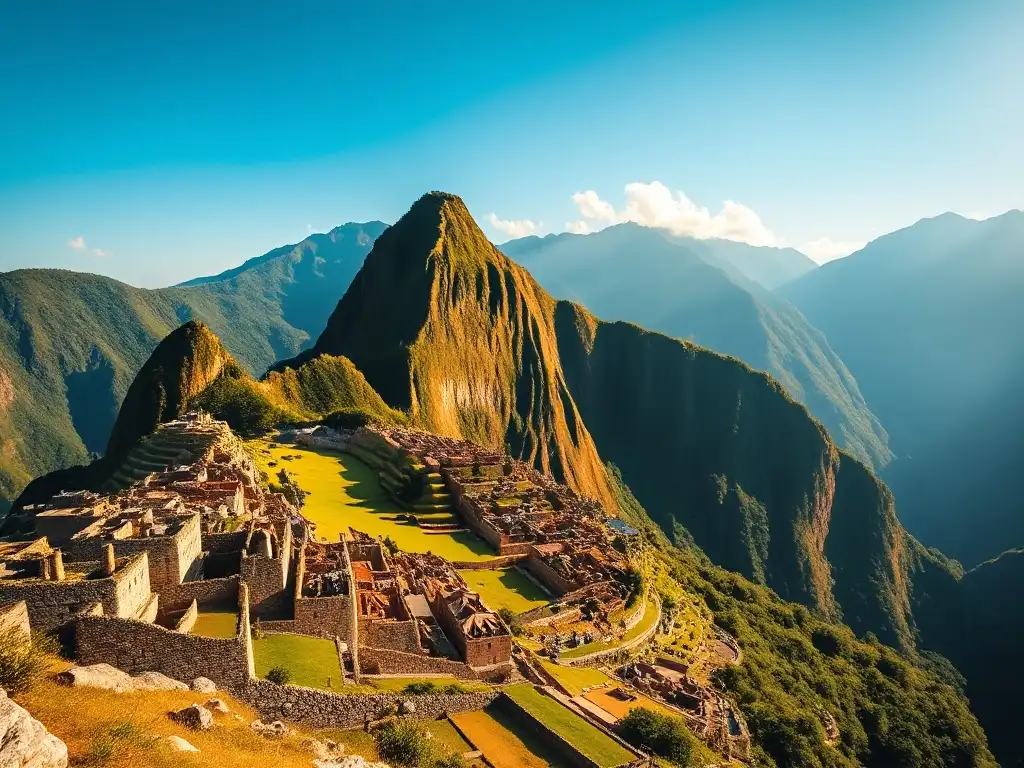
Unravel the mysteries of the Andes! Journey with us through a captivating tapestry of ancient cultures, from the breathtaking artistry of the Nazca lines to the sophisticated engineering of the Tiahuanaco. But prepare to be astonished by the Inca Road System, a feat of human ingenuity that connected a vast empire. Discover how Machu Picchu, the iconic lost city, played a crucial role within this remarkable network—a story waiting to be uncovered in our exploration of the Inca Road System Machu Picchu and the legendary Qhapaq Ñan. Dare to delve deeper?
- Machu Picchu and the Inca Road System: Unveiling Qhapaq Ñan's Connection
- The Inca Road System: Qhapaq Ñan's Vital Role
- Machu Picchu's Strategic Location within the Inca Empire
- Tracing the Inca Trails to Machu Picchu
- The Engineering Marvels of the Inca Road System Around Machu Picchu
- The Function of the Inca Road System at Machu Picchu
- Preserving the Inca Road System near Machu Picchu
- Exploring the Inca Road System Today: Hiking and Trekking
- The Cultural Significance of the Inca Road System for Machu Picchu
- Conclusion: The Indelible Link Between Machu Picchu and the Inca Road System
- Frequently Asked Questions
- Final Reflection: Echoes of the Inca: Machu Picchu and the Enduring Qhapaq Ñan
- Embark on Your Journey Through History!
Machu Picchu and the Inca Road System: Unveiling Qhapaq Ñan's Connection
Machu Picchu, the iconic "Lost City of the Incas," stands as a testament to the ingenuity and power of the Inca Empire. However, understanding its true significance requires acknowledging its integral role within the vast and sophisticated network of roads known as the Qhapaq Ñan. This expansive Inca Road System, a UNESCO World Heritage site, wasn't merely a collection of pathways; it was the lifeblood of the empire, facilitating communication, trade, military movements, and the pilgrimage of religious figures.
This article delves into the intricate connection between Machu Picchu and the Qhapaq Ñan, exploring how this remarkable road network contributed to the city's strategic importance and its enduring legacy. We will examine the specific routes leading to Machu Picchu, the logistical challenges overcome in its construction, and the lasting impact of this infrastructural marvel on the Inca civilization and our understanding of its history.
Understanding this connection provides a crucial perspective on Machu Picchu, moving beyond its breathtaking beauty to grasp its pivotal place within the broader context of the Inca Empire's remarkable achievements. The exploration of the Inca Road System's influence on Machu Picchu is key to understanding the city's function and its enduring power.
The Strategic Importance of Machu Picchu's Location within the Qhapaq Ñan
Machu Picchu's location was far from random. Perched high in the Andes Mountains, it commanded a strategic position within the Qhapaq Ñan, acting as a crucial nexus connecting various branches of the road system. Its accessibility, while challenging, allowed for efficient communication and control over a significant portion of the Inca territory.
The intricate network of trails leading to and from Machu Picchu facilitated the movement of people, goods, and messages across the mountainous terrain, highlighting the Inca's mastery of engineering and logistical planning. The specific routes, while some remain debated due to the challenges of archaeological investigation in the difficult terrain, undoubtedly provided vital connections to major Inca centers, bolstering the city's role as a significant administrative, religious, or possibly even a royal retreat. The construction itself showcases a deep understanding of Andean geography and the ability to adapt to the demanding environment.
Engineering Marvels: Constructing Roads Across Challenging Terrain
The construction of the Qhapaq Ñan presented immense engineering challenges. The Inca builders faced steep inclines, treacherous cliffs, and unpredictable weather conditions. Their innovative solutions included the use of sophisticated techniques like stone paving, suspension bridges, and meticulously engineered terraces to overcome these obstacles. The roads were not merely pathways; they were marvels of engineering, demonstrating an advanced understanding of structural mechanics, materials science, and land management.
[Specific examples of engineering techniques used near Machu Picchu pending]. The durability and efficiency of these roads stand as a testament to the skills and ingenuity of the Inca engineers and the organization of their workforce. The Inca's ability to create such a comprehensive network across such diverse landscapes remains a source of ongoing fascination and study.
The Qhapaq Ñan and the Flow of Goods and People to Machu Picchu
The Qhapaq Ñan wasn't just about connecting distant points; it was a vital artery for the movement of goods and people. The road system facilitated trade, allowing for the exchange of resources and goods across the empire. [Specific examples of goods transported along the routes to Machu Picchu pending]. This efficient transportation network ensured the supply of essential materials and provisions to Machu Picchu, supporting its inhabitants and contributing to its prosperity.
Additionally, the roads facilitated the movement of people, including officials, messengers, and possibly even pilgrims, contributing to the city's vibrant social and cultural life. The efficient flow of goods and people along the Qhapaq Ñan was essential to Machu Picchu's functioning and its role within the wider Inca Empire. The road system was a critical component of the city's economic and social fabric.
Machu Picchu's Legacy and the Enduring Significance of the Qhapaq Ñan
The Qhapaq Ñan's impact extends far beyond the Inca Empire's collapse. Its enduring legacy is evident in the continued use of sections of the road system by local communities and the ongoing efforts to preserve and restore this remarkable achievement. The road's historical and cultural significance has led to its designation as a UNESCO World Heritage site, highlighting its importance to both Peru and the world.
The study of the Qhapaq Ñan continues to provide valuable insights into Inca engineering, social organization, and the intricate workings of their vast empire. Machu Picchu's connection to this network underscores the city's pivotal role within the Inca civilization and its lasting influence on our understanding of Andean history and culture. The preservation of the Qhapaq Ñan remains a critical undertaking for safeguarding a significant piece of global heritage.
The Inca Road System: Qhapaq Ñan's Vital Role
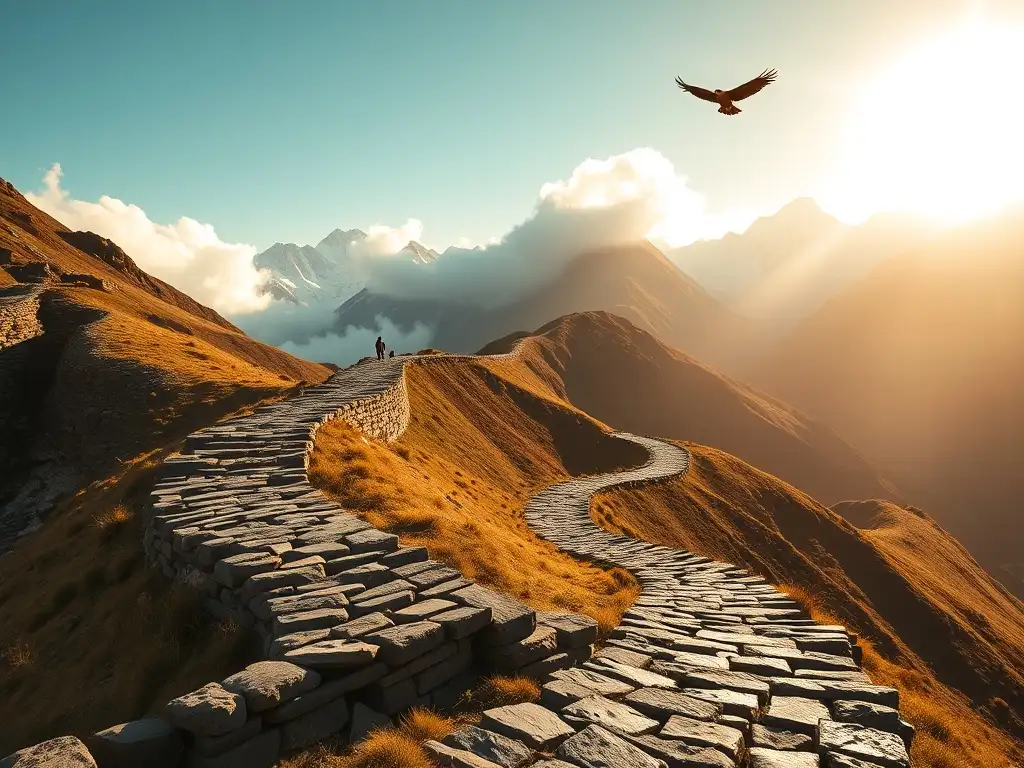
The Inca Road System, or Qhapaq Ñan, wasn't merely a network of paths; it was the circulatory system of the vast Inca Empire, a testament to their advanced engineering and organizational prowess. Its strategic importance to Machu Picchu, a site often perceived in isolation, is undeniable. The Qhapaq Ñan facilitated the movement of people, goods, and information across the challenging Andean terrain, directly connecting Machu Picchu to the empire's heartland and its far-flung provinces.
This intricate network ensured the efficient administration, defense, and economic prosperity of the Inca state, with Machu Picchu playing a significant, albeit multifaceted, role within this system. Understanding the Qhapaq Ñan's influence on Machu Picchu requires appreciating its scale and complexity.
Understanding the Scope of the Inca Road Network
The Qhapaq Ñan stretched over approximately 40,000 kilometers (25,000 miles), traversing diverse and challenging landscapes, from the arid coastal deserts to the high-altitude Andes. This wasn't a single road, but a complex system of interconnected pathways, bridges, and resting places ( tambos). Its construction involved monumental feats of engineering, including the creation of sophisticated suspension bridges spanning deep ravines and meticulously carved pathways along steep mountain slopes.
The Inca’s mastery of stonework is evident throughout the Qhapaq Ñan, with many sections still remarkably well-preserved today. The network's strategic placement facilitated efficient communication and trade, allowing the Inca to maintain control over their vast territory and efficiently manage resources. The road system also played a crucial role in the movement of armies, allowing for rapid response to potential threats or rebellions.
Specific data on the exact number of tambos along the routes leading to Machu Picchu is still being researched, but archaeological evidence suggests a significant number were strategically positioned to support travelers and relay messages. This extensive infrastructure highlights the Inca's sophisticated understanding of logistics and their ability to mobilize resources on an unprecedented scale for their time. The Inca Road System Machu Picchu connection was thus integral to its function and importance.
Qhapaq Ñan: More Than Just Roads
The Qhapaq Ñan was far more than simply a transportation network; it was a vital element of Inca social, political, and religious life. The roads served as arteries of communication, facilitating the rapid dissemination of information across the empire. Royal messengers ( chasquis) relayed messages along the network, ensuring swift communication between the emperor and his governors. These messengers, often runners, utilized a sophisticated relay system to transmit urgent news and decrees across vast distances in remarkably short timeframes.
Beyond communication, the Qhapaq Ñan also facilitated trade and economic exchange. Goods, including agricultural products, textiles, and precious metals, were transported along the roads, connecting different regions of the empire and fostering economic interdependence. Furthermore, the Qhapaq Ñan played a significant role in religious practices. Certain sections of the road were likely considered sacred, and the journey along them may have held religious significance for Inca people.
The strategic placement of tambos along the routes to Machu Picchu, for instance, could have served not only practical purposes but also ceremonial ones. The integration of the Qhapaq Ñan into the Inca worldview highlights its profound significance beyond its purely practical functions. The Inca Road System Machu Picchu relationship is thus a complex interplay of practical and symbolic elements, reflecting the multifaceted nature of Inca society. Further research is needed to fully understand the nuanced relationship between the road system and the various sites it connected, including Machu Picchu's unique position within this intricate network.
Machu Picchu's Strategic Location within the Inca Empire
Machu Picchu's placement within the Inca Empire wasn't arbitrary; it was a masterclass in strategic planning, reflecting the Inca's sophisticated understanding of geography, resource management, and defense. Its location high in the Andes Mountains, seemingly inaccessible, provided several crucial advantages. The city's altitude offered protection from lowland threats, acting as a natural fortress.
The surrounding terrain, a complex mix of steep mountains and dense cloud forests, further enhanced its defensibility. This strategic positioning allowed the Incas to control vital trade routes and oversee a significant portion of their vast empire. The abundance of agricultural terraces carved into the mountainside demonstrates the Incas' ability to adapt their environment to their needs, ensuring food security for the population residing in Machu Picchu.
This self-sufficiency was a key component of the city's strategic importance, minimizing reliance on external resources and bolstering its resilience. The strategic placement, combined with its agricultural potential and defensive capabilities, made Machu Picchu a critical component of the Inca Road System and a vital hub within their sprawling empire.
Why Choose This Location?
The choice of Machu Picchu's location wasn't simply about defensibility; it was a multifaceted decision based on several interconnected factors. Firstly, the altitude provided a cooler climate, suitable for certain crops and offering respite from the lowland heat. Secondly, the surrounding mountains provided natural resources, including stone for construction and timber for fuel and building materials.
Thirdly, the location offered a commanding view of the surrounding valleys, providing crucial surveillance capabilities and early warning of potential threats. This panoramic perspective was essential for monitoring trade routes and controlling access to the region. Furthermore, the abundance of springs and streams ensured a reliable water supply, crucial for sustaining a significant population.
The careful selection of this location demonstrates the Inca's profound understanding of their environment and their ability to leverage its features for both practical and strategic advantage. The location was not just a defensive position, but a carefully chosen center for resource management, agricultural production, and control over vital trade routes within the Inca Road System. Archaeological evidence, including the extensive agricultural terraces and sophisticated water management systems, supports this interpretation of Machu Picchu's strategic significance.
Machu Picchu's Accessibility via Inca Trails
Despite its seemingly remote location, Machu Picchu was intricately connected to the wider Inca Road System (Qhapaq Ñan), a testament to the Incas' advanced engineering capabilities. Several well-maintained trails, carefully constructed to navigate the challenging terrain, converged on Machu Picchu. These trails weren't simply paths; they were sophisticated infrastructure projects, incorporating stone steps, bridges, and retaining walls, allowing for efficient movement of people, goods, and messages.
The Inca Road System facilitated the flow of resources, supporting the city's population and connecting it to other important Inca centers. The trails provided access not only for the Inca elite but also for the farmers, artisans, and laborers who contributed to the city's function. The integration of Machu Picchu into this vast network highlights its crucial role within the Inca Empire.
The precise routes and the degree of traffic along each trail, however, remain areas of ongoing research. Further investigation is needed to fully understand the volume and nature of goods and people that traversed these pathways to and from Machu Picchu, clarifying its position within the wider Inca Road System network and its impact on the Inca Empire's economy and administration. The enduring legacy of these trails is a clear indication of the Inca's impressive engineering skills and their mastery of infrastructure development, emphasizing the crucial role that the Inca Road System played in the accessibility and strategic importance of Machu Picchu.
Tracing the Inca Trails to Machu Picchu
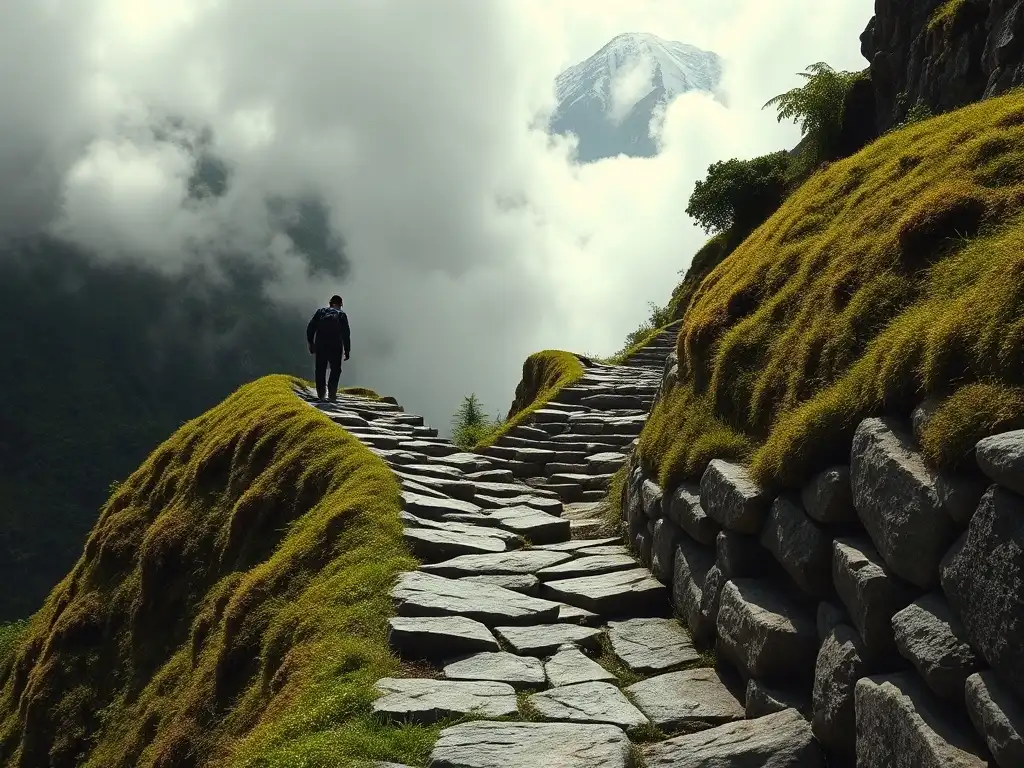
The Inca Road System, or Qhapaq Ñan, wasn't just a network of paths; it was the circulatory system of the Inca Empire, a vital artery connecting its far-flung provinces and enabling the efficient movement of people, goods, and messages. Understanding Machu Picchu's integration into this vast network is crucial to appreciating its significance within the broader Inca context. The city wasn't an isolated mountaintop sanctuary, but a strategically placed node within a complex logistical and administrative system, its accessibility a testament to Inca engineering prowess and planning.
The Inca Road System Machu Picchu connection was not merely a geographical proximity; it was a functional and symbolic link that strengthened the empire's power and control. The very existence of the city relied heavily on its seamless integration with the Qhapaq Ñan.
Key Routes Connecting to the Citadel
Machu Picchu wasn't haphazardly placed; its location was carefully chosen to maximize its strategic advantages. Several key routes of the Qhapaq Ñan converged near or directly connected to the citadel. These weren't simply trails; they were meticulously engineered pathways, often paved with stone, featuring impressive feats of engineering such as bridges, tunnels, and retaining walls. The Inca Road System Machu Picchu connection was facilitated by multiple access points, allowing for flexible movement of resources and people, depending on weather conditions and the specific needs of the empire.
While precise details on every route are still being uncovered by archaeologists, several key pathways are known to have connected to Machu Picchu. One important route likely originated in Cusco, the Inca capital, leading through the Urubamba Valley and eventually reaching Machu Picchu. This route would have been crucial for transporting essential supplies, administrative personnel, and possibly even the Inca ruler himself.
Other routes connected Machu Picchu to other important Inca settlements in the region, forming a network that facilitated trade, communication, and military movement. The sheer number of routes converging on the site points to its vital role within the broader Inca infrastructure.
Here's a simplified representation of some known or hypothesized routes:
| Route Origin | Terrain | Purpose | Significance |
|---|---|---|---|
| Cusco | Mountainous, Valley Passes | Administrative, Supply, Royal Travel | Main artery linking capital to Machu Picchu |
| Vilcabamba | Mountainous, Jungle Trails | Military, Escape Route, Trade | Strategic connection to alternative capital |
| Other Valley Towns | Varied | Local trade, Agricultural Transport | Supporting network, ensuring local integration |
The construction of these routes involved a deep understanding of Andean geography and a remarkable ability to overcome challenging terrain. The Inca's mastery of stonework is evident in the surviving sections of these pathways, showcasing their sophisticated engineering skills. The Inca Road System Machu Picchu connection, therefore, was not just a matter of physical access but also a reflection of the empire’s technological capabilities.
The Significance of the Inca Trail for Pilgrims
Beyond its logistical importance, the Qhapaq Ñan also held significant spiritual meaning for the Inca people. The Inca Road System Machu Picchu connection wasn't simply pragmatic; it was imbued with religious and symbolic weight. Machu Picchu, with its breathtaking location and intricate architecture, might have served as a sacred site, a place of pilgrimage for the Inca elite or even for specific religious ceremonies. The journey along the Inca trails itself could have been considered a pilgrimage, a process of spiritual purification and connection with the Andean deities.
The Inca worldview intertwined the physical and spiritual realms, and the Qhapaq Ñan facilitated this connection. The routes likely passed through sacred landscapes, with specific sites along the way holding religious significance. The arduous journey itself may have been viewed as a form of ritual, testing the pilgrims' devotion and strengthening their connection to the spiritual world.
While the exact nature of these spiritual aspects remains a subject of ongoing research, the evidence suggests that the Inca Road System Machu Picchu connection was integral to the city's religious significance. Further research, including archaeological surveys and anthropological studies, could potentially unveil more details about the religious practices associated with the use of the Qhapaq Ñan leading to Machu Picchu. The integration of the sacred and the secular in the Inca worldview emphasizes the multifaceted nature of the Inca Road System Machu Picchu connection.
It was far more than just a transportation network; it was a fundamental aspect of Inca life and spirituality. The journey to Machu Picchu, therefore, was not merely a physical undertaking but a symbolic and spiritual one.
The Engineering Marvels of the Inca Road System Around Machu Picchu
The Inca Road System, or Qhapaq Ñan, wasn't just a network of paths; it was a sophisticated feat of engineering, intricately woven into the Andean landscape. Its connection to Machu Picchu, the iconic "Lost City of the Incas," highlights the ingenuity and planning that went into this remarkable infrastructure. The roads weren't simply routes for travel; they were vital arteries connecting the vast Inca Empire, facilitating trade, communication, and military movements.
Understanding the engineering marvels surrounding Machu Picchu's integration into this system reveals a deeper appreciation for Inca civilization's capabilities. The sheer scale of the project, encompassing thousands of miles across diverse and challenging terrain, continues to amaze researchers and historians alike.
The Inca Road System Machu Picchu connection is a testament to their advanced understanding of engineering principles and their profound respect for their environment. This section will delve into the specific construction techniques and the remarkable adaptability demonstrated in building and maintaining this crucial network around the sacred site of Machu Picchu.
Construction Techniques and Materials
Inca road construction was a meticulous process, employing techniques adapted to the varied terrain. The Qhapaq Ñan wasn't a uniform structure; rather, it varied in width and construction depending on its function and location. Around Machu Picchu, we see evidence of several distinct approaches. For example, some sections utilized meticulously fitted stones, creating smooth, durable surfaces capable of withstanding heavy traffic and the elements.
These stones, often sourced locally, were carefully shaped and placed without the use of mortar, showcasing a mastery of dry-stone masonry. The precision of the cuts and the remarkable fit of the stones are still remarkable today. This technique, requiring significant skill and planning, ensured the longevity of the roads. In other areas, less demanding sections might utilize simpler techniques, such as compacted earth or gravel surfaces.
The choice of materials also reflected the local environment. Hard, durable stones were favored in areas of high traffic, while less resistant materials were used where the terrain was gentler. Evidence suggests that the Incas used a variety of materials including andesite, granite, and basalt, selecting the most appropriate stone for each specific location.
They also utilized local vegetation in some areas, for example, using packed earth reinforced with plant fibers to create a stable roadbed. The selection and application of materials weren't arbitrary; they demonstrate a deep understanding of engineering principles and a keen awareness of the environmental context. The Inca Road System Machu Picchu integration exemplifies this pragmatic approach to construction.
Adapting to the Andean Terrain
Constructing roads in the rugged Andes presented significant challenges. Steep inclines, deep ravines, and unpredictable weather conditions demanded innovative solutions. The Inca engineers rose to the occasion, developing ingenious techniques to overcome these obstacles. Around Machu Picchu, we see impressive examples of their adaptive engineering.
They employed various techniques such as retaining walls built from massive stones to stabilize slopes and prevent erosion. These walls weren't just barriers; they were carefully engineered structures designed to withstand the forces of gravity and the elements. The use of switchbacks and ramps allowed them to navigate steep inclines, making the roads accessible even in challenging terrain.
Bridges, often made from stone or wood, spanned rivers and gorges, further demonstrating their engineering prowess. Suspension bridges, though less common, were also employed in some locations, showcasing their advanced knowledge of structural mechanics. The integration of these bridges into the Inca Road System highlights the importance of connectivity and the lengths to which the Inca went to ensure continuous passage. The Inca Road System Machu Picchu route is a particularly compelling case study in this adaptation.
The roads weren't simply laid over the landscape; they were carefully integrated into it, utilizing natural features such as existing pathways and adapting to the contours of the mountains. This approach minimized environmental impact and maximized the efficiency of the road network. The enduring legacy of the Qhapaq Ñan around Machu Picchu underscores the Inca's exceptional ability to combine engineering skill with a profound understanding of their environment.
The Function of the Inca Road System at Machu Picchu
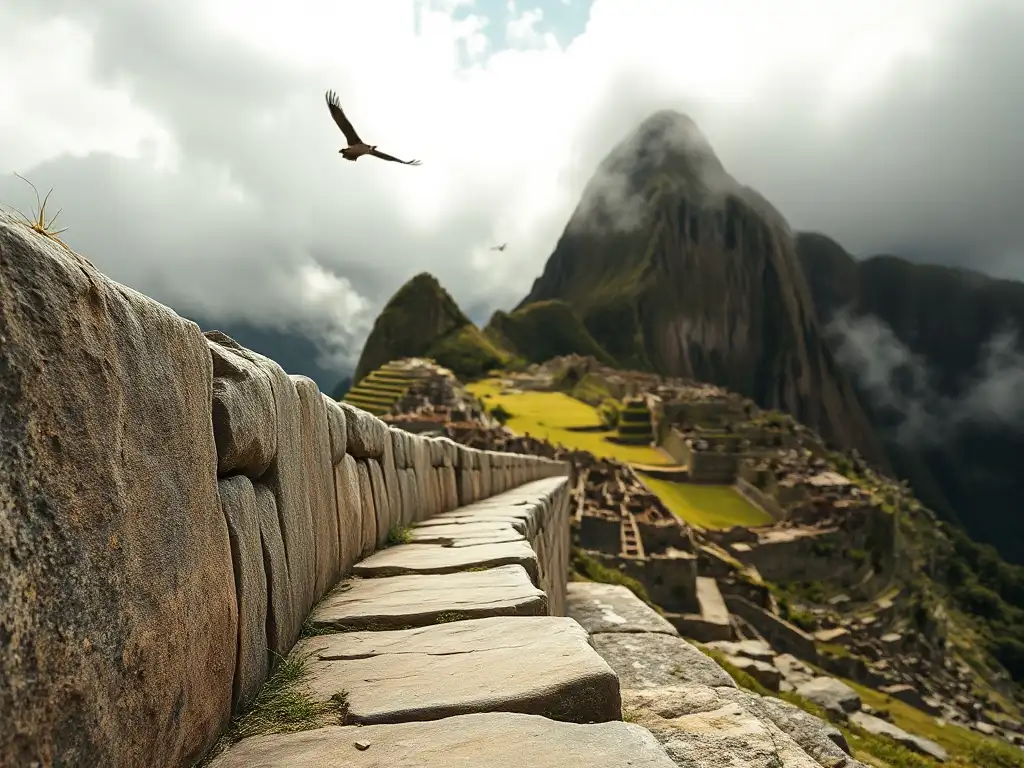
Machu Picchu's iconic status often overshadows its crucial role within the broader Inca empire. Understanding its connection to the Qhapaq Ñan, the vast Inca Road System, is key to appreciating its true significance. This intricate network of roads wasn't merely a means of travel; it was the very artery of the Inca state, facilitating trade, communication, and administrative control, all profoundly impacting Machu Picchu's function and development.
The strategic placement of Machu Picchu along this network underscores its importance as a vital hub within the Inca infrastructure, a point often overlooked in discussions focusing solely on its architectural marvel. The Inca Road System Machu Picchu connection is far more complex than a simple route; it’s a testament to sophisticated logistical planning and engineering prowess.
Facilitating Trade and Communication
The Qhapaq Ñan dramatically improved trade and communication across the vast Inca empire. Machu Picchu, strategically located along a major section of this road, benefited immensely. Goods, including coca leaves, textiles, precious metals, and agricultural products, flowed along these pathways, connecting distant regions and fueling economic prosperity. The efficient transport system enabled the swift exchange of information, solidifying the Inca’s administrative control and allowing for rapid responses to events across the empire.
Imagine the bustling activity along the Inca Road near Machu Picchu: caravans of llamas laden with goods, messengers carrying urgent dispatches, and officials traversing the routes to manage the vast empire. This constant flow of people and resources significantly contributed to Machu Picchu's prosperity and its role as a significant administrative center. Archaeological evidence, such as the discovery of storage facilities and remnants of markets near the site, supports this understanding of its economic importance within the Inca Road System.
The sheer volume of goods transported along the Qhapaq Ñan demonstrates the empire's sophisticated economic organization and the strategic placement of Machu Picchu within this system. Furthermore, the efficient communication networks facilitated by the roads allowed for rapid dissemination of imperial decrees and news, ensuring the cohesion and stability of the Inca state. This rapid exchange of information contributed to the effective governance of a geographically diverse empire.
Supporting Inca Administration and Control
Beyond trade and communication, the Inca Road System was fundamentally crucial for maintaining Inca administrative control. Machu Picchu's location along a major thoroughfare allowed for efficient monitoring and management of surrounding territories. The roads facilitated the movement of officials, soldiers, and laborers, enabling the Inca government to swiftly respond to any challenges or rebellions. The presence of military outposts along the roads further reinforced the empire's authority and ensured the security of trade routes.
The Inca Road System Machu Picchu connection is visible through the meticulous planning of the road itself. The routes were expertly engineered to navigate challenging terrain, showcasing the Inca's advanced understanding of engineering and construction. The roads were not only pathways but also a crucial component of the Inca's administrative apparatus.
The strategic placement of Machu Picchu, coupled with its advanced infrastructure and agricultural capabilities, suggests a deliberate effort to establish a powerful administrative center within a key region of the empire. The ability to rapidly deploy resources and personnel via the Qhapaq Ñan allowed the Incas to maintain their vast empire and effectively govern its diverse population.
The very existence of Machu Picchu, therefore, is inextricably linked to the functionality and strategic importance of the Inca Road System. The roads were not just infrastructure; they were the backbone of the Inca state, and Machu Picchu was a vital node in this intricate network.
Preserving the Inca Road System near Machu Picchu
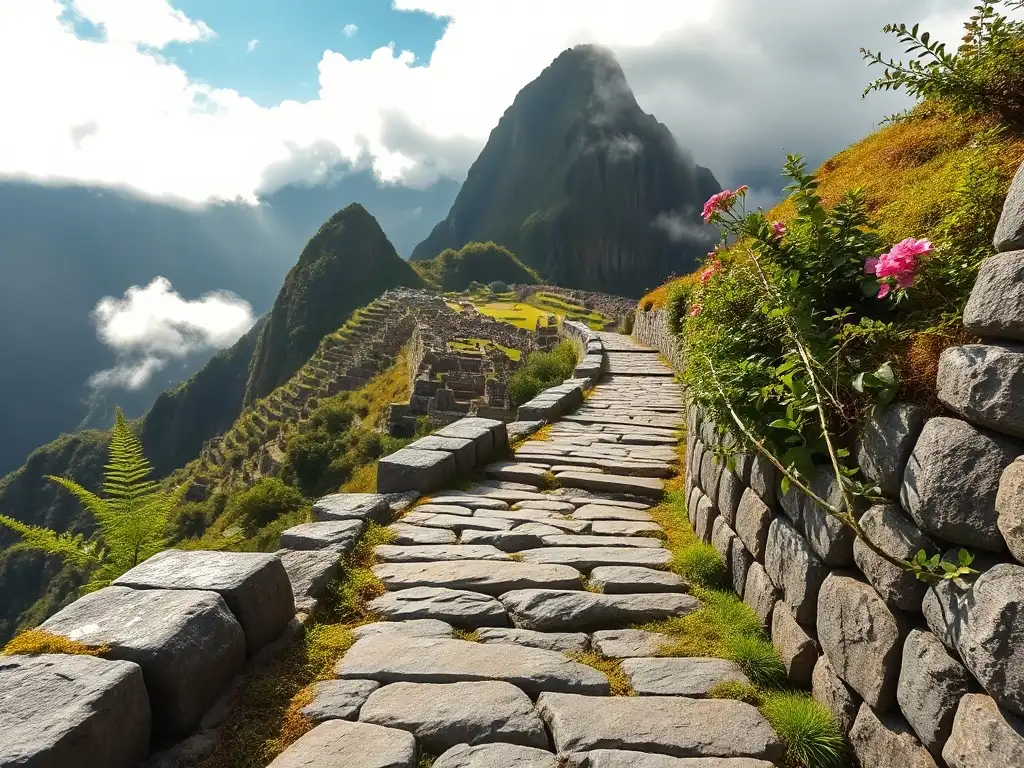
The Inca Road System, or Qhapaq Ñan, is a testament to the ingenuity and organizational prowess of the Inca Empire. Its intricate network, stretching thousands of kilometers across the Andes, played a crucial role in connecting distant regions, facilitating trade, and solidifying Inca control. Preserving this vital part of Andean heritage, especially the sections surrounding Machu Picchu, presents significant challenges and requires a multifaceted approach. The proximity of Machu Picchu, a UNESCO World Heritage site and a major tourist attraction, adds another layer of complexity to conservation efforts.
The sheer volume of visitors impacts the fragile environment and the ancient pathways themselves. Understanding the delicate balance between preservation and accessibility is paramount. The Inca Road System Machu Picchu connection is not just geographical; it's deeply intertwined with the historical and cultural significance of both sites.
Conservation Efforts and Challenges
Conservation of the Qhapaq Ñan near Machu Picchu involves a complex interplay of factors. Significant efforts are underway to stabilize existing sections of the road, employing traditional Inca building techniques where possible. This involves meticulous restoration using locally sourced materials and skilled artisans trained in ancestral methods. However, the challenges are substantial. Erosion from rainfall and foot traffic pose constant threats. The unpredictable Andean climate, characterized by intense sun, heavy rains, and occasional seismic activity, further exacerbates the deterioration. Furthermore, the growth of invasive plant species can destabilize the ancient stonework.
The sheer number of tourists visiting Machu Picchu places considerable stress on the surrounding environment, including the Inca trails. While controlled access and well-maintained pathways help mitigate some of the damage, the delicate balance between tourism and preservation remains a critical issue. Monitoring the impact of tourism and adapting management strategies accordingly is an ongoing process.
Here's a summary of the key challenges:
| Challenge | Description | Mitigation Strategies |
|---|---|---|
| Erosion | Rainfall and foot traffic wear down the stonework. | Improved drainage systems, controlled access, and path stabilization techniques. |
| Invasive Species | Plants damage the integrity of the road. | Regular removal and control of invasive species. |
| Climate Change | Increased frequency and intensity of extreme weather events. | Climate-resilient restoration techniques and improved infrastructure. |
| Tourism Impact | High visitor numbers cause wear and tear on the trails. | Controlled access, well-maintained pathways, and visitor education programs. |
| Lack of Funding | Limited resources hamper comprehensive conservation efforts. | Increased international collaboration and government investment. |
The successful preservation of the Qhapaq Ñan near Machu Picchu requires a collaborative approach involving local communities, government agencies, and international organizations. It’s a long-term commitment that demands continuous monitoring, innovative solutions, and a deep respect for the historical and cultural value of this remarkable site.
The Future of Qhapaq Ñan and Machu Picchu
The future of the Inca Road System near Machu Picchu hinges on sustainable tourism practices and ongoing conservation initiatives. Continued investment in research and development of innovative conservation techniques will be crucial. This includes exploring the use of new materials and technologies while remaining respectful of traditional methods. Furthermore, promoting responsible tourism through educational programs and visitor guidelines is essential to minimize environmental impact. The emphasis should be on preserving the authenticity and integrity of the site for future generations.
Protecting the Qhapaq Ñan is not merely preserving stones; it is safeguarding a living legacy, a tangible link to a remarkable civilization.
The integration of technology, such as advanced monitoring systems and GIS mapping, can help track environmental changes and optimize conservation efforts. Community involvement is also vital. Empowering local communities to participate actively in the preservation process fosters a sense of ownership and ensures long-term sustainability.
By embracing a holistic approach that combines scientific expertise, traditional knowledge, and community engagement, we can ensure that the Inca Road System and Machu Picchu remain powerful symbols of Andean heritage for centuries to come. The Inca Road System Machu Picchu complex should serve as a model for sustainable heritage management globally. The future requires a commitment to balance preservation with responsible access, ensuring that this unique site continues to inspire and educate for generations to come.
The careful management of this invaluable resource is not just a responsibility, but an opportunity to celebrate and share the rich history of the Inca Empire. The ongoing work to preserve the Qhapaq Ñan near Machu Picchu is a testament to the enduring power of cultural heritage and the importance of its protection.
Exploring the Inca Road System Today: Hiking and Trekking
The Inca Road System, or Qhapaq Ñan, isn't just a historical marvel; it's a living testament to Inca ingenuity and a captivating network for modern-day adventurers. Sections of this incredible Inca Road System Machu Picchu network are now accessible for hiking and trekking, offering unparalleled opportunities to experience the Andes as the Inca did. While some trails require significant physical preparation and expertise, others cater to a broader range of abilities, allowing for various levels of exploration.
The enduring legacy of the Qhapaq Ñan continues to attract thousands of hikers and trekkers annually, drawn by the allure of pristine landscapes, breathtaking vistas, and the palpable connection to a rich past. Understanding the different trail options and planning accordingly is crucial for a safe and rewarding journey.
Popular Trails to Machu Picchu
Several trails offer varying levels of difficulty and duration, leading to the iconic Machu Picchu citadel. The most popular, and often most challenging, is the Inca Trail itself, requiring permits booked well in advance. This trail offers a unique blend of historical sites, stunning mountain scenery, and high altitude trekking.
However, numerous alternative treks provide access to Machu Picchu, each with its own character and appeal. These include:
- Salkantay Trek: This longer trek offers spectacular views of the Salkantay mountain and diverse landscapes, ranging from cloud forests to high-altitude passes. It's a physically demanding route, but the rewards are immense.
- Inca Jungle Trek: Combining adventure activities like mountain biking and white-water rafting with hiking, this trek offers a unique blend of adrenaline and cultural immersion.
- Choquequirao Trek: A challenging trek leading to the remote Inca site of Choquequirao, often considered a "sister site" to Machu Picchu. This trek requires excellent physical fitness and preparation.
The choice of trail depends on individual fitness levels, available time, and desired experience. Researching and selecting a trail that aligns with your capabilities is paramount. Remember to always prioritize safety and consider hiring a reputable tour operator with experienced guides.
| Trail Name | Difficulty Level | Estimated Duration | Highlights |
|---|---|---|---|
| Inca Trail | Strenuous | 4 days | Classic Inca Trail, Inca sites along the way |
| Salkantay Trek | Strenuous | 5 days | Salkantay Mountain, diverse landscapes |
| Inca Jungle Trek | Moderate to Strenuous | 4 days | Adventure activities, cultural immersion |
| Choquequirao Trek | Strenuous | 6-8 days | Remote Inca site, challenging but rewarding |
Remember to check for updated information on permits and trail conditions before embarking on your journey. Proper planning and preparation significantly enhance the safety and enjoyment of your trek along the Inca Road System Machu Picchu.
Planning Your Trek Along Qhapaq Ñan
Planning a trek along the Qhapaq Ñan requires meticulous attention to detail. The altitude, weather conditions, and remoteness of certain sections demand careful preparation. Here's a checklist to ensure a smooth and safe journey:
- Physical Fitness: Assess your fitness level honestly. Many trails are demanding, requiring stamina and endurance. Start training well in advance. 🏃♀️
- Acclimatization: Spend a few days at a moderate altitude before embarking on a high-altitude trek to minimize altitude sickness.
- Permits and Reservations: Obtain necessary permits and book accommodations and tours well in advance, especially for popular trails like the Inca Trail. Permits often sell out months in advance. 🗓️
- Gear: Pack appropriate clothing and gear for varying weather conditions, including rain gear, warm layers, sturdy hiking boots, and a backpack. Don't forget sunscreen, a hat, and insect repellent! 🎒
- Guide and Porter: Consider hiring a reputable guide and/or porter, especially for challenging treks. Guides provide invaluable knowledge and ensure safety. Porters alleviate the burden of carrying heavy packs.
- Emergency Preparedness: Carry a first-aid kit and be aware of potential hazards, such as altitude sickness, wildlife encounters, and weather changes. Inform someone of your itinerary and expected return time. ⚠️
Thorough planning is essential for a successful and unforgettable experience exploring the Inca Road System. By carefully considering these factors, you can maximize your enjoyment and minimize potential risks, ensuring a truly enriching journey through this historical marvel. The legacy of the Inca Road System, and its connection to Machu Picchu, awaits your exploration!
The Cultural Significance of the Inca Road System for Machu Picchu
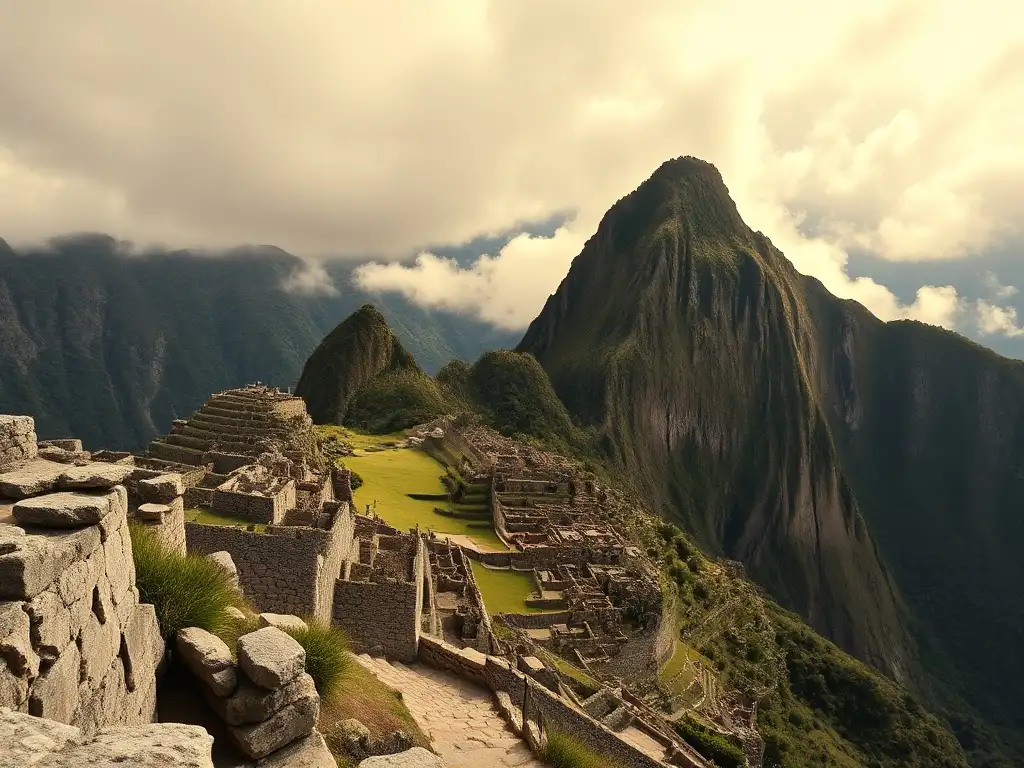
The Inca Road System, or Qhapaq Ñan, wasn't merely a network of paths; it was the very artery of the Inca Empire, pulsating with cultural, religious, and political life. For Machu Picchu, its connection to this vast system amplified its significance beyond a simple mountaintop citadel. The Qhapaq Ñan facilitated the flow of resources, people, and ideas, directly impacting the development and prosperity of Machu Picchu. The strategic placement of Machu Picchu along key routes ensured its role as a vital administrative center, royal estate, and religious sanctuary.
The roads themselves were carefully engineered feats of Inca ingenuity, showcasing their mastery of landscape adaptation and construction techniques. This intricate network wasn't just about physical connectivity; it was a powerful symbol of Inca power and control, extending their influence across their vast empire. The very existence of Machu Picchu is inextricably linked to the efficiency and reach of the Qhapaq Ñan.
Without the road system's robust infrastructure, the city's construction, provisioning, and administrative functions would have been severely hampered, if not impossible. The Qhapaq Ñan thus played a crucial role in shaping Machu Picchu into the iconic site we know today. The seamless integration of Machu Picchu within the Inca Road System underscores its significance as a central hub within the empire's complex web of communication and control.
Connecting to Inca Cosmology and Beliefs
The Inca Road System wasn't just a practical network; it was deeply intertwined with Inca cosmology and religious beliefs. The Qhapaq Ñan was seen as a sacred pathway, connecting the earthly realm to the spiritual world. Certain sections of the road were considered especially sacred, imbued with spiritual power. Machu Picchu's location along these significant routes further enhanced its religious importance.
The Inca worldview saw the mountains as sacred entities, and Machu Picchu's mountainous setting reinforced its connection to the divine. The carefully planned layout of the city, incorporating astronomical alignments and sacred sites, highlights the profound religious significance of its placement within the Qhapaq Ñan network. The roads themselves served as conduits for religious pilgrimages and processions, facilitating the movement of priests, pilgrims, and sacred objects. The intricate network of pathways thus served not only as a practical infrastructure but also as a means of connecting the Inca people to their spiritual beliefs and reinforcing their cosmological understanding.
Think of it as a physical manifestation of their spiritual world, a tangible representation of their beliefs about the cosmos and their place within it. This spiritual dimension significantly adds to the overall cultural significance of Machu Picchu's integration within the Qhapaq Ñan. The very act of traveling along these roads was a spiritual journey, connecting travelers to the Inca worldview and reinforcing their sense of community and shared identity.
The Legacy of Qhapaq Ñan on Modern Andean Culture
The legacy of the Qhapaq Ñan continues to resonate deeply within modern Andean culture. While much of the original road system has deteriorated over time, its influence persists in various ways. Many of the trails and routes still used by local communities today trace their origins back to the Inca road system. These paths are not merely historical remnants but remain integral to daily life, connecting communities and facilitating trade and cultural exchange.
The Qhapaq Ñan also holds immense symbolic importance, serving as a powerful reminder of Inca ingenuity and cultural heritage. It symbolizes a time of remarkable engineering and social organization, inspiring pride and a sense of continuity across generations. The ongoing efforts to preserve and restore sections of the Qhapaq Ñan highlight its enduring cultural significance. These preservation projects not only safeguard a remarkable piece of history but also contribute to the economic development of Andean communities through tourism and cultural promotion.
The Qhapaq Ñan is far more than just a historical artifact; it is a living testament to the enduring legacy of the Inca civilization, continuing to shape the cultural landscape and collective identity of the Andes. Its significance for Machu Picchu, in this context, extends beyond the city itself, serving as a crucial link to a broader, more enduring cultural narrative. The Inca Road System continues to inspire awe and admiration, symbolizing the ingenuity and resilience of the Andean people. The ongoing efforts to protect and promote this remarkable feat of engineering ensure that its legacy will continue to inspire generations to come.
Conclusion: The Indelible Link Between Machu Picchu and the Inca Road System
The Inca Road System, or Qhapaq Ñan, wasn't merely a network of paths; it was the very artery of the Inca Empire, a testament to their sophisticated engineering and logistical prowess. Its connection to Machu Picchu solidifies the citadel's importance not just as a royal estate or religious center, but as a crucial node within a vast, interconnected empire. The strategic placement of Machu Picchu along this vital roadway facilitated the efficient movement of people, goods, and information, underscoring its significance in the Inca's administrative, economic, and military strategies.
The very existence of Machu Picchu, so meticulously planned and constructed, is inextricably bound to the functionality and reach of the Qhapaq Ñan. Without the road system, Machu Picchu's accessibility and, consequently, its role within the empire, would have been drastically diminished. The evidence clearly demonstrates a symbiotic relationship – the road system enhanced Machu Picchu's functionality, and Machu Picchu, in turn, served as a vital point within the larger network.
Analyzing the Inca Road System's impact on Machu Picchu offers a deeper understanding of the Inca's remarkable organizational capabilities and their ability to control and manage a vast and diverse territory. The intricate planning and execution of both the road network and the citadel itself speak volumes about the advanced civilization that was the Inca Empire.
The Enduring Importance of the Inca Road System
The Qhapaq Ñan's legacy extends far beyond its historical significance. Its impact resonates even today. The Inca's mastery of engineering, evident in the road's construction and its ability to withstand the test of time, continues to inspire awe. Sections of the road are still visible, serving as tangible reminders of the Inca's ingenuity and their profound understanding of landscape and terrain.
Furthermore, the Qhapaq Ñan's enduring influence can be seen in its contribution to modern infrastructure development and tourism in the Andes. The road's route has influenced the placement of modern roads and transportation networks, demonstrating the enduring practicality of the Inca's design. The Qhapaq Ñan also plays a crucial role in the tourism industry, attracting visitors from around the globe eager to experience the marvels of Inca engineering and the breathtaking Andean landscapes. This influx of tourism contributes significantly to the local economies, highlighting the continued economic impact of the Inca Road System.
The road's UNESCO World Heritage status further reinforces its importance as a globally significant cultural and historical landmark, ensuring its preservation for future generations. The Inca Road System, therefore, is not merely a relic of the past; it is a living testament to human ingenuity and a valuable asset for present and future generations. Understanding its connection to Machu Picchu provides further insight into the scope and impact of this remarkable achievement.
Reflecting on the Inca Legacy
The Inca Road System and Machu Picchu stand as powerful symbols of the Inca Empire's remarkable achievements. They represent not only advanced engineering and architectural skills but also a sophisticated understanding of administration, logistics, and resource management. The strategic planning evident in both the road network and the construction of Machu Picchu highlights the Inca's capacity for long-term vision and their ability to integrate diverse regions into a cohesive empire.
The Inca legacy extends beyond physical structures; it encompasses a rich cultural heritage, innovative technologies, and a complex social organization. Studying the Inca Road System's relationship with Machu Picchu allows us to appreciate the interconnectedness of different aspects of Inca civilization and to gain a deeper understanding of their remarkable accomplishments. The enduring presence of these structures serves as a constant reminder of the ingenuity and resilience of the Inca people and their lasting contribution to world history.
The Inca legacy continues to inspire awe and wonder, prompting ongoing research and appreciation of their cultural and historical significance. The intricate details of the Qhapaq Ñan and Machu Picchu invite further investigation, promising to uncover even more secrets about this fascinating civilization. The exploration of the Inca Road System and its relationship with Machu Picchu is not just an archaeological endeavor; it's a journey into the heart of a remarkable civilization and a testament to the enduring power of human ingenuity.
Frequently Asked Questions
What is the Qhapaq Ñan?
The Qhapaq Ñan, also known as the Inca Road System, was a vast network of roads and pathways spanning thousands of miles across the Andes Mountains. It was essential for communication, trade, and military control within the Inca Empire. It connected major cities like Cusco and Machu Picchu.
How did the Inca Road System connect to Machu Picchu?
Machu Picchu was strategically located along the Qhapaq Ñan, benefiting from its connectivity. The road system provided access to crucial resources and facilitated communication with other Inca settlements. This strategic location contributed significantly to Machu Picchu's importance.
What was the importance of the Inca Road System for Machu Picchu?
The Qhapaq Ñan provided Machu Picchu with vital links to the rest of the Inca Empire. It enabled the transport of goods, people, and messages, ensuring the city's economic and political stability. The roads also played a vital role in the city's defense.
What materials were used to construct the Inca Road System?
The Inca road system was built using locally sourced materials such as stone, earth, and wood. The roads were adapted to the challenging Andean terrain, employing innovative engineering techniques. This adaptability ensured the roads' durability and functionality.
What is the significance of the Inca Road System today?
Today, the Qhapaq Ñan is recognized as a UNESCO World Heritage Site, highlighting its historical and cultural significance. The remaining sections of the road system are a testament to the Inca's engineering prowess and offer valuable insights into their civilization. Preservation efforts are ongoing to protect this remarkable achievement.
Final Reflection: Echoes of the Inca: Machu Picchu and the Enduring Qhapaq Ñan
The intricate network of the Qhapaq Ñan, the Inca Road System, remains a testament to the ingenuity and ambition of a civilization that thrived centuries ago, and its connection to Machu Picchu continues to resonate powerfully in the modern world. Understanding this ancient infrastructure isn't just about history; it's about recognizing the enduring power of human connection and the importance of preserving our shared heritage for future generations. The sheer scale of the Qhapaq Ñan, and its vital role in supporting Machu Picchu's existence, is a humbling reminder of what human collaboration can achieve.
The Qhapaq Ñan's influence extends far beyond its physical presence; it continues to shape our understanding of Inca society, their sophisticated engineering prowess, and their deeply interconnected worldview. The roads themselves are a powerful symbol of unity and communication, a network that facilitated the exchange of goods, ideas, and people across vast distances. As the historian, Felipe Guaman Poma de Ayala, wrote, The roads were the veins and arteries of the empire, carrying lifeblood to every corner.
This sentiment perfectly encapsulates the vital role the Qhapaq Ñan played in the Inca Empire's success, and its enduring legacy continues to inspire awe and wonder.
Consider the impact of this ancient system. Think about the ingenuity required to build such a complex network across challenging terrain. Now, consider how we can apply that same spirit of innovation and collaboration to address the challenges we face today. Let the legacy of the Qhapaq Ñan inspire you to build connections, to bridge divides, and to create a more interconnected and sustainable future. Let the echoes of the Inca resonate within you, urging you to appreciate the power of human ingenuity and the importance of preserving our shared history.
Embark on Your Journey Through History!
Thank you for exploring the fascinating connection between Machu Picchu and the Inca Road System, the Qhapaq Ñan! Now that you've uncovered the rich heritage of this ancient civilization, it's time to continue your adventure.
Here's how you can learn even more:
- Join a Guided Tour: Experience the wonders of Machu Picchu and the Qhapaq Ñan firsthand. A guided hiking tour or cultural experience will fully immerse you in the history and beauty of the Andes Mountains.
- Share Your Discovery: Inspire others to learn about the incredible ingenuity of the Inca civilization by sharing this article with friends and family or on social media.
- Explore Further: Delve deeper into the Andean civilizations and their lasting impact on modern culture by exploring the additional resources and articles available on our website.
Are you ready to follow in the footsteps of the Incas and uncover more about their incredible legacy? What will you do next to connect with the ancient wisdom of the Andes?