
The Rhythms of the Andes: Exploring the Role of Music in Ancient Rituals

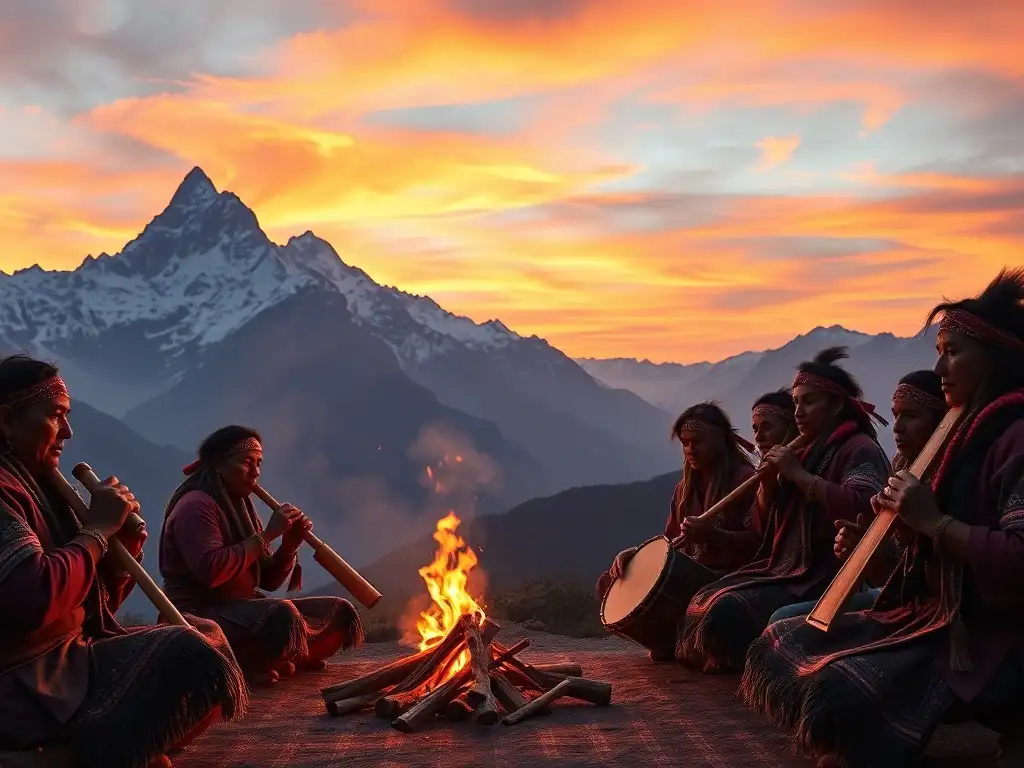
Welcome to Andean Civilizations, where the echoes of a lost world resound. Prepare to journey through millennia of breathtaking artistry, ingenious engineering, and profound spirituality. But first, let us delve into the captivating mystery of Ancient Andean music rituals. Discover how these vibrant sounds shaped the beliefs and practices of civilizations that continue to fascinate and inspire us today. Are you ready to uncover the secrets whispered on the wind across the Andes?
The Andes Mountains, a spine of towering peaks and deep valleys stretching along the western coast of South America, were not only the backdrop for some of the most fascinating ancient civilizations but also the resonant chamber for their spiritual expressions. This article delves into the captivating world of Ancient Andean music rituals, exploring how music played a vital role in their religious ceremonies, agricultural practices, and daily life.
We will journey through the soundscapes of cultures like the Inca, Moche, Nazca, and Tiahuanaco, uncovering the instruments, melodies, and rituals that shaped their connection to the cosmos and their understanding of the world. From the haunting panpipes echoing through sacred valleys to the rhythmic beats of drums accompanying elaborate ceremonies, we will unveil the profound significance of music in shaping the spiritual fabric of these ancient societies.
Understanding their music is key to understanding their beliefs, social structures, and the enduring legacy of Andean culture. This exploration will reveal how deeply intertwined music was with their worldview, impacting everything from agricultural cycles to the very fabric of their social order.
Instruments of the Gods: A Closer Look at Andean Musical Technology
Ancient Andean civilizations crafted a remarkable array of musical instruments, each meticulously designed and imbued with symbolic meaning. These weren't mere tools for entertainment; they were conduits to the spiritual realm, connecting the living with the ancestors and the divine. Let's examine some key examples:
- Panpipes (antara): These iconic instruments, made from a series of graduated pipes, produced haunting melodies that evoked the sounds of nature and the spirits of the mountains. Their construction varied across different cultures, reflecting regional styles and preferences. The number of pipes often held symbolic significance, possibly relating to cosmological beliefs or specific deities.
- Drums (tinku): Drums served a variety of purposes, from accompanying agricultural rituals to marking important social events. Their deep, resonant tones were believed to have the power to summon spirits and influence the natural world. Different sizes and types of drums were used depending on the specific ritual or occasion. Some were made from animal skins stretched over wooden frames, while others were carved from solid wood.
- Shell trumpets (pututu): These powerful instruments, often made from large sea shells, were used to announce important events, summon people to ceremonies, and even communicate across vast distances. Their piercing calls were believed to carry messages to the gods and ancestors.
Detailed archaeological findings provide evidence of the sophisticated craftsmanship and intricate designs of these instruments. The materials used, often including precious metals and stones, further underscore their sacred significance within Andean society. The meticulous detail and artistic skill involved in their creation point to a deep respect for the instruments and their role in religious practice.
Music and the Agricultural Cycle: Harmonizing with Nature's Rhythms
The Andean civilizations were deeply connected to the land, their lives intricately woven into the rhythms of the agricultural cycle. Music played a crucial role in ensuring bountiful harvests and maintaining harmony with nature. Agricultural rituals often involved elaborate musical performances, designed to appease the earth deities and ensure the fertility of the land. These ceremonies involved specific songs and dances, often performed at specific times of the year, coinciding with planting, harvesting, or other crucial stages of the agricultural calendar.
The songs themselves were not merely melodic; they often contained symbolic language and narratives that reflected the community's relationship with the land and their dependence on its bounty. The music served as a form of communication with the supernatural world, a way of expressing gratitude and seeking divine intervention for a successful harvest.
The use of specific instruments, rhythms, and melodies during these rituals further highlights the deep integration of music into the agricultural practices of the Andean civilizations. Studies of ancient Andean texts and archaeological evidence reveal the precise timing and significance of these musical rituals within the broader agricultural calendar.
Music in Inca Rituals: A Tapestry of Sound and Ceremony
The Inca Empire, renowned for its sophisticated organization and vast territory, placed great emphasis on ritual and ceremony. Music was an integral part of these elaborate events, serving to enhance the spiritual atmosphere and connect the participants with the divine. Inca rituals often involved large-scale musical performances, with hundreds of musicians participating in carefully choreographed displays. These performances were not merely entertaining; they were carefully structured to evoke specific emotions and reinforce the Inca worldview.
The Inca utilized a variety of instruments, including panpipes, drums, and shell trumpets, to create a rich and complex soundscape. The music was often combined with dance and other forms of ritualistic expression, creating a powerful and immersive experience for the participants. Archaeological excavations have unearthed evidence of sophisticated musical instruments and musical notations, suggesting a high level of musical sophistication within Inca society.
Further research into Inca iconography and texts is providing deeper insights into the specific meanings and functions of music in their rituals. The detailed descriptions of Inca ceremonies found in Spanish chronicles, while biased, offer valuable glimpses into the scale and complexity of these musical events.
The Legacy of Andean Music: Echoes of the Past
The legacy of ancient Andean music continues to resonate today. Many traditional Andean musical practices are still alive, reflecting the enduring influence of these ancient cultures. Modern Andean music often incorporates traditional instruments and melodies, preserving a connection to the past while adapting to contemporary contexts. The rhythms and melodies of ancient Andean music continue to inspire artists and musicians around the world, demonstrating the timeless power and beauty of these ancient musical traditions.
The study of ancient Andean music offers not only a glimpse into the past but also a rich source of inspiration for contemporary artistic expression. The preservation and celebration of this musical heritage are vital for understanding the cultural identity and the enduring spirit of the Andean people. The continued study of ancient musical instruments and practices is essential for preserving this invaluable cultural legacy for future generations.
- Instruments of the Gods: A Closer Look at Andean Musical Technology
- Music and the Agricultural Cycle: Harmonizing with Nature's Rhythms
- Music in Inca Rituals: A Tapestry of Sound and Ceremony
- The Legacy of Andean Music: Echoes of the Past
- What role did music play in ancient Andean rituals?
- What instruments were used in ancient Andean music rituals?
- How did music influence the social structure of Andean societies?
- What evidence exists to support our understanding of ancient Andean music rituals?
- How did music relate to the agricultural cycle in Andean civilizations?
Understanding Ancient Andean Music and its Significance
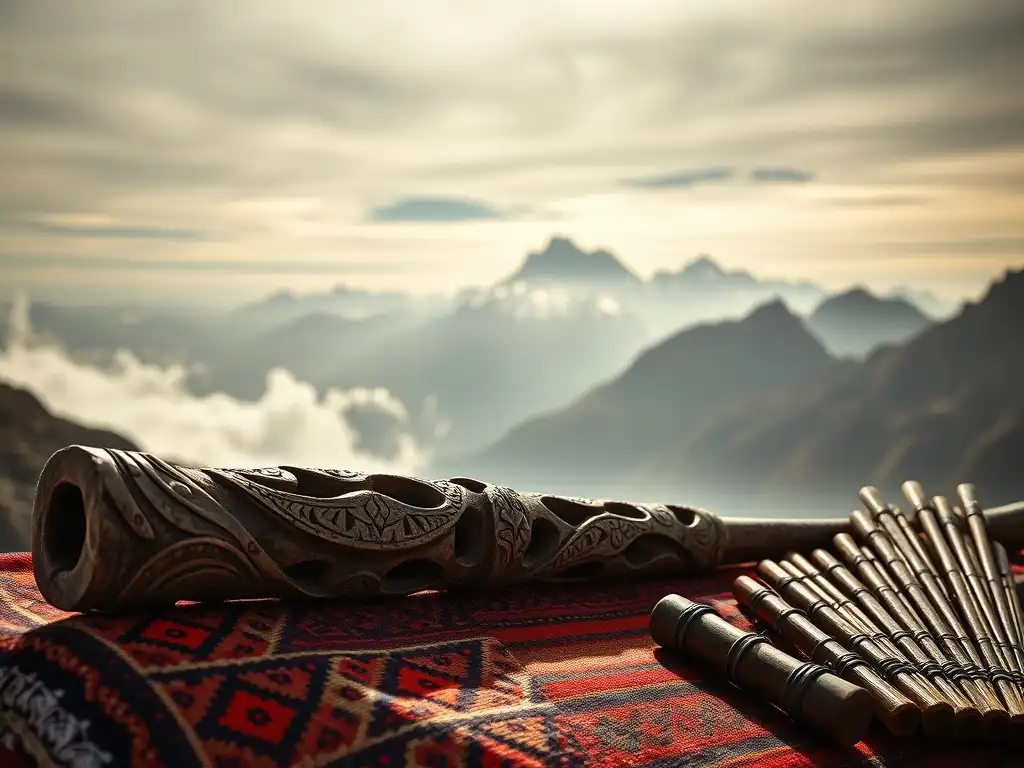
Ancient Andean music rituals were not merely entertainment; they were integral to the fabric of Andean life, deeply intertwined with their cosmology, agriculture, and social structures. The soundscapes of the Andes, from the haunting melodies of panpipes to the rhythmic beats of drums, played a crucial role in connecting the human world with the supernatural realm. Understanding these rituals requires appreciating the profound significance the Andean peoples placed on sound and its ability to influence the world around them.
This section delves into the intricacies of Andean musical practices, exploring their diverse instruments, pre-Inca traditions, and the enduring legacy of their musical heritage. The study of these ancient practices offers valuable insights into the complex beliefs and societal organization of these remarkable civilizations.
The rich tapestry of Andean music provides a powerful lens through which we can glimpse the spiritual and social lives of these ancient peoples. Analyzing the archaeological evidence alongside ethnographic studies of later Andean traditions allows for a more comprehensive understanding of the evolution and continuity of musical practices in the region.
The Importance of Sound in Andean Cosmovision
The Andean worldview was profoundly shaped by a deep connection to nature. Mountains, rivers, and celestial bodies were not just geographical features; they were imbued with spiritual significance, considered active participants in the cosmic order. Sound, therefore, played a vital role in mediating this relationship.
Music was believed to possess the power to influence the natural world, influencing agricultural cycles, appeasing deities, and ensuring the well-being of the community. For example, certain musical performances were believed to encourage rainfall or ward off harmful spirits. The sounds of nature itself – the wind whistling through mountain passes, the rushing of rivers, the calls of birds – were incorporated into rituals, becoming integral components of the overall sonic landscape.
This symbiotic relationship between music, nature, and the spiritual realm is central to understanding the profound importance of Ancient Andean music rituals. The inherent power of sound to influence the world was a cornerstone of their belief system.
Musical Instruments of the Ancient Andes
Archaeological excavations have unearthed a wide array of musical instruments from various Andean cultures. These artifacts provide tangible evidence of the sophistication and diversity of their musical traditions. Among the most commonly found instruments are:
- Panpipes (Antaras): These reed pipes, arranged in a row, produced haunting melodies capable of evoking a wide range of emotions. Their portability suggests their use in both public and private rituals.
- Drums (Tunkas): These varied in size and material, creating diverse rhythmic patterns. Larger drums were often used in communal ceremonies, while smaller ones might have been used in more intimate settings.
- Flutes (Quenas): These instruments, often made from bone or wood, produced clear, high-pitched sounds.
- Shell Trumpets: These instruments, often made from conch shells, were used to communicate over long distances and in ceremonial contexts. Their powerful sound likely resonated with the spiritual dimensions of the rituals.
The materials used to construct these instruments often held symbolic meaning. For example, instruments made from specific types of wood or bone might have been associated with particular deities or rituals. The craftsmanship evident in many of these instruments testifies to the high level of skill and artistry possessed by Andean musicians. Further research into the construction techniques and materials used can provide additional insights into the cultural significance of these artifacts.
Pre-Incan Musical Traditions
While the Inca Empire left a significant mark on Andean music, the rich tapestry of musical traditions predates their rule by millennia. Cultures like the Moche, Nazca, and Tiahuanaco each developed unique musical styles and instruments, reflecting their distinct cosmologies and social structures. Unfortunately, written records of these earlier traditions are scarce, but archaeological evidence, such as depictions of musicians on pottery and textiles, offers glimpses into their musical practices.
These depictions often show musicians playing in elaborate ceremonies, alongside priests and other important figures, further highlighting the central role of music in their society. The stylistic variations between these pre-Inca traditions and those of the Inca Empire demonstrate the dynamism and evolution of Andean music over time. Further research is needed to fully understand the nuances of these earlier musical styles and their relationship to the later Inca traditions.
The study of pre-Incan musical traditions is crucial for understanding the broader context of Ancient Andean music rituals and their enduring impact on the region's cultural heritage. Further investigation into the diverse musical traditions of these pre-Inca societies is critical for a complete understanding of the evolution and cultural significance of Andean music.
Music as a Cornerstone of Andean Rituals
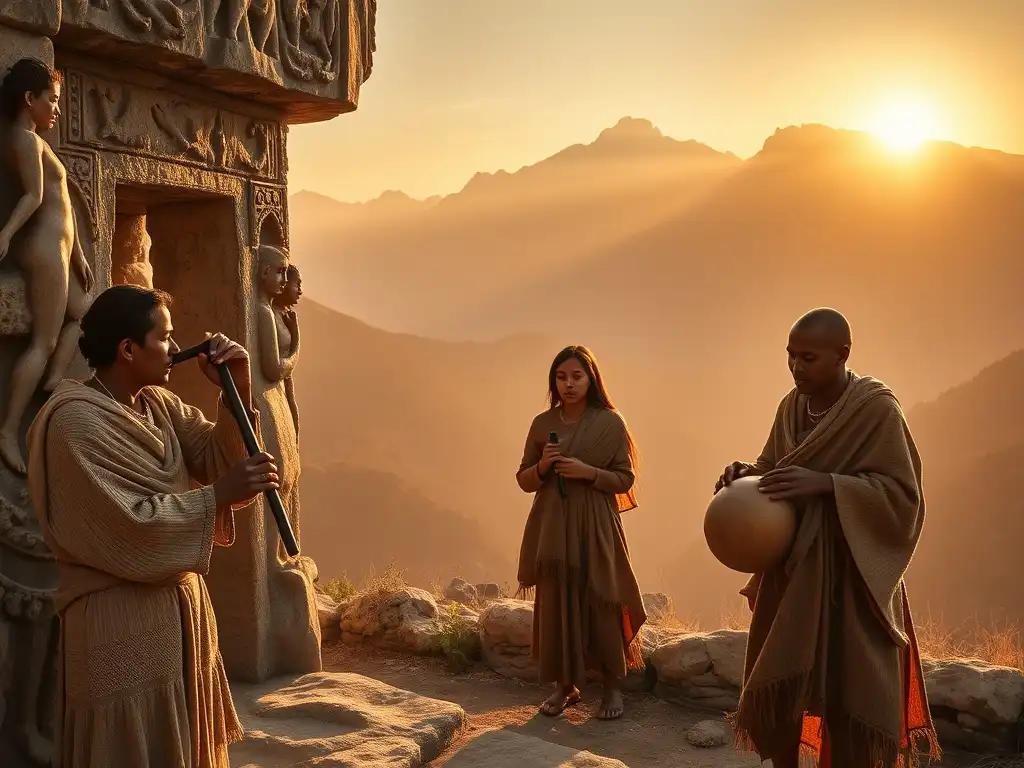
Music wasn't merely entertainment in ancient Andean cultures; it was a fundamental element woven into the fabric of their religious and social life. It served as a powerful tool for connecting with the spiritual world, influencing the natural environment, and reinforcing social structures. Understanding the role of music in these societies requires appreciating its deeply interwoven relationship with ritual, ceremony, and shamanic practices.
The soundscapes of the Andes—from the haunting melodies played on panpipes to the rhythmic beating of drums—were integral to their worldview, shaping their understanding of the cosmos and their place within it. Archaeological evidence, albeit limited in directly representing musical performance, strongly suggests the pervasive presence of music in daily life and especially in ritual contexts. The discovery of musical instruments in burial sites and depictions of musical performances in pottery and textiles provide compelling clues to the significance of music in ancient Andean civilizations.
Further research, particularly in the analysis of preserved instruments and iconography, promises to unveil even more detailed insights into this vibrant aspect of Andean culture. The study of ancient Andean music rituals is crucial for understanding the complex interplay between music, religion, and society in these fascinating civilizations.
Sacred Music in Ancient Andean Ceremonies
Ancient Andean ceremonies were profoundly shaped by music. It wasn't simply background accompaniment; it was an active participant, believed to influence the efficacy of the ritual itself. Consider, for example, the capac hucha, the royal Inca ceremony. While detailed accounts of the musical elements are scarce, surviving descriptions suggest a highly structured and orchestrated performance involving various instruments and vocal styles.
The music likely served to invoke the presence of deities, to create a sacred atmosphere, and to facilitate communication with the supernatural realm. The use of specific instruments, melodies, and rhythms may have held symbolic meaning, directly relating to the specific deities or intentions of the ceremony. Furthermore, the participation of musicians in these ceremonies—often individuals holding high social standing—emphasizes the ritual's importance and the power attributed to music.
The rhythmic structure of many Andean musical traditions, characterized by repetitive patterns and call-and-response sequences, could have facilitated communal participation and fostered a sense of unity among the participants. This shared experience amplified the ritual's power and reinforced social cohesion. Analyzing surviving musical traditions in contemporary Andean communities can provide valuable insights into the potential soundscapes of ancient ceremonies, even though direct evidence is limited. The continuity of certain musical forms and instruments suggests a long and unbroken tradition, offering a window into the past.
The Role of Music in Religious Offerings
Religious offerings in ancient Andean cultures were frequently accompanied by music, enhancing the ritual's power and ensuring the successful transmission of the offering to the supernatural world. Music played a vital role in preparing the offerings, creating a sacred atmosphere, and ensuring the successful delivery of the offering's message to the gods or spirits. The act of playing music during offerings might have been seen as a way of "transporting" the offering to its intended recipient, bridging the gap between the earthly and spiritual realms.
Different types of offerings may have been accompanied by different musical styles or instruments, reflecting the specific nature of the offering and its intended recipient. For instance, offerings to agricultural deities might have involved music associated with fertility and abundance, while offerings to war deities might have incorporated more martial rhythms.
This nuanced approach to musical accompaniment highlights the deep integration of music into the entire ritual process, from preparation to presentation. Unfortunately, the specifics of musical accompaniment for each type of offering remain largely undocumented, leaving room for future research and interpretation.
Music and Dance in Andean Shamanic Practices
Andean shamanic practices heavily relied on music and dance to induce altered states of consciousness and facilitate communication with the spirit world. Shamanic rituals often involved extended periods of drumming, chanting, and dancing, creating a trance-like state that allowed the shaman to enter the spirit world and interact with supernatural entities. The rhythmic patterns of the music, combined with the physical exertion of dance, served to alter the shaman's perception of reality and facilitate their journey to the otherworld.
The use of specific instruments, like the pututu (a type of conch shell trumpet) might have played a key role in shaping the auditory experience and inducing altered states. The sounds produced by these instruments, often described as haunting and otherworldly, may have been intended to evoke specific spiritual entities or experiences. Furthermore, the visual aspects of the dance, often involving elaborate costumes and movements, complemented the auditory experience, creating a multi-sensory ritual environment designed to enhance the shamanic experience.
The study of contemporary Andean shamanic practices offers valuable insights into the potential nature of ancient shamanic rituals, albeit with the important caveat that modern practices may have evolved over time. The continued presence of these traditions offers a glimpse into the powerful role music played in shaping the Andean spiritual experience. 🎶
Exploring Specific Ancient Andean Music Rituals
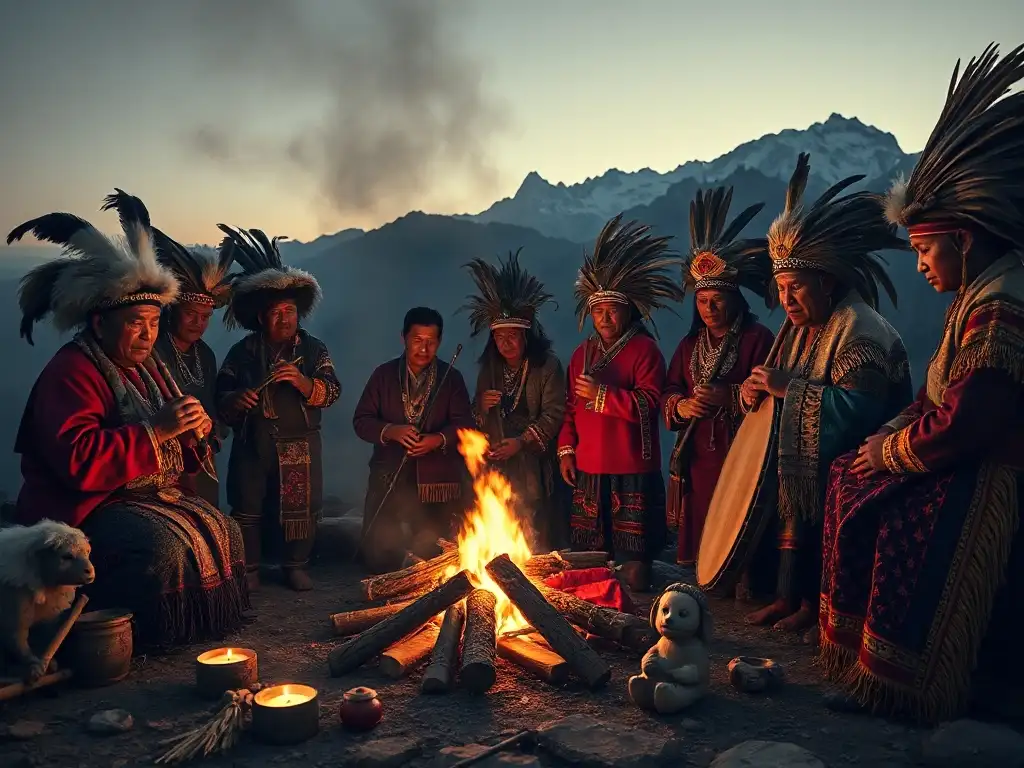
This section delves into the specific musical practices of various Andean cultures, examining how music intertwined with their religious beliefs and rituals. We will explore the rich tapestry of sounds and their significance within the context of their respective cosmovisions. Understanding the role of music in these rituals offers crucial insights into the spiritual lives and societal structures of these fascinating ancient civilizations. The analysis of "Ancient Andean music rituals" reveals a complex interplay between music, religion, and social order.
Inca Ritual Music and its Purpose
The Inca Empire, spanning vast territories across the Andes, developed a sophisticated musical culture deeply integrated into their religious and social life. Music wasn't merely entertainment; it served as a powerful tool for communication with the divine and for reinforcing social hierarchies. Inca music utilized various instruments, including panpipes ( antara), drums ( tinku), and shell trumpets ( pututu), each possessing symbolic meaning and specific roles within different rituals. The sounds produced were believed to influence the natural world and appease the gods. The intensity and rhythm of the music varied greatly depending on the ceremony.
Music in Inca Inti Raymi Celebrations
The most significant Inca festival, Inti Raymi (Festival of the Sun), was a spectacular display of Andean culture, heavily reliant on music to evoke the power and glory of the sun god, Inti. Processions featured musicians playing vibrant melodies on pututus and antaras, creating a powerful and awe-inspiring soundscape. The music accompanied elaborate dances and offerings, aiming to ensure a bountiful harvest and appease the sun god.
The rhythmic drumming, in particular, was believed to resonate with the earth's energy, further strengthening the connection between the human and divine realms. Archaeological evidence, though limited, suggests the use of specific musical scales and modes associated with Inti Raymi, reflecting a sophisticated understanding of music's power.
The Role of Music in Inca Funerary Rites
Inca funerary rites were equally steeped in musical tradition. Music played a crucial role in guiding the deceased's spirit to the afterlife and ensuring a peaceful transition. The sounds of mournful antaras and subdued drumming were believed to soothe the soul and accompany the deceased on their journey.
The intensity and style of music likely varied based on the social status of the deceased, reflecting the hierarchical structure of Inca society. The use of specific instruments and melodies for funerary rites suggests a deep understanding of music's ability to influence the emotional and spiritual state of both the living and the dead. Further research is needed to fully understand the nuances of Inca funerary music, as much of this knowledge was passed down orally and wasn't documented in writing.
Moche Musical Rituals and Iconography
The Moche civilization, renowned for its intricate pottery and sophisticated metalwork, also incorporated music prominently into their rituals. Unlike the Inca, whose musical practices are partially understood through textual accounts from the Spanish Conquest, the Moche left behind rich visual records of their musical traditions through their art. Their pottery depicts musicians playing various instruments, providing invaluable insights into their musical life and its role in their religious ceremonies.
Depictions of Music in Moche Art
Moche pottery frequently showcases scenes of elaborate rituals featuring musicians playing instruments such as flutes, panpipes, drums, and rattles. These depictions not only showcase the instruments themselves but also offer clues about the social context of music-making. Some scenes depict musicians performing for elites, while others show them participating in communal rituals.
The vibrant colors and detailed carvings on the pottery highlight the significance of music within Moche society. The diversity of instruments depicted suggests a rich and varied musical landscape, reflecting the complexity of their culture. Analysis of these depictions reveals a strong connection between music, ritual, and social power.
The Use of Music in Moche Sacrifice Rituals
While the exact nature of Moche sacrifice rituals remains a subject of ongoing scholarly debate, evidence suggests that music played a significant role in these ceremonies. Some Moche pottery depicts musicians performing alongside scenes of human sacrifice, suggesting music may have been used to create a trance-like state or to accompany the ritual proceedings. The rhythmic sounds of drums and rattles might have been used to heighten the atmosphere, reinforcing the ritual's significance.
The precise function of music in these contexts requires further investigation, but the artistic evidence strongly indicates its crucial role in Moche religious practices. The combination of visual and archaeological data offers a powerful glimpse into the complex relationship between music and sacrifice within Moche culture. Further research into Moche burial sites might reveal additional information about the use of music in their funerary rituals.
Nazca Musical Practices and its Connection to the Geoglyphs
The Nazca culture, famed for its enigmatic geoglyphs etched into the desert landscape, also possessed a vibrant musical tradition deeply intertwined with their religious beliefs and practices. While direct evidence of their instruments is limited, archaeological findings suggest the use of wind instruments, possibly panpipes and flutes, and percussion instruments, perhaps drums and rattles. These instruments likely played a crucial role in rituals associated with the creation of the geoglyphs themselves.
The rhythmic sounds, echoing across the vast desert expanse, may have been integral to the process, acting as a form of communication with the supernatural world and possibly guiding the artists as they painstakingly created their massive works of art. The repetitive nature of the music could have mirrored the repetitive actions involved in the construction of the lines, creating a hypnotic and trance-like state conducive to prolonged, focused work.
The sounds might also have been intended to appease or honor the deities believed to control the life-giving waters of the region, crucial for survival in the arid Nazca environment. Further research is needed to fully understand the connection between Nazca music and the geoglyphs, but the evidence suggests a profound relationship.
Music and the Nazca Lines
The precise role of music in the creation of the Nazca Lines remains a subject of ongoing scholarly debate. However, several hypotheses suggest a significant connection. Some researchers propose that the rhythmic sounds produced by instruments served as a form of rhythmic guidance for the workers creating the geoglyphs.
The repetitive movements required for this monumental task could have been synchronized by music, ensuring precision and uniformity in the lines. Another theory suggests that music played a role in the ritualistic aspects of the geoglyph creation. The act of creating the geoglyphs may have been seen as a sacred act, and music could have been used to invoke divine assistance or to ensure the success of the undertaking.
The sounds might have been intended to establish a connection between the earthly realm and the spirit world, facilitating communication with the deities believed to control the elements and the land. The sheer scale of the geoglyphs hints at the importance of collective effort, suggesting that music played a vital role in coordinating the large workforce involved in their construction. The rhythmic patterns of the music could have helped maintain the rhythm of the work, fostering a sense of community and shared purpose amongst the workers.
Ceremonial Music and Nazca Pottery
Nazca pottery provides valuable insights into their musical practices, even if the instruments themselves are rarely found intact. Depictions of musicians playing various instruments on pottery shards offer glimpses into their musical life. These images often feature individuals playing panpipes, flutes, and drums, often within ceremonial contexts.
The artistry and detail of these depictions suggest the importance of music in Nazca society. The pottery frequently shows musicians participating in religious ceremonies, reinforcing the idea that music was an integral part of their rituals. The scenes depicted on the pottery often include other elements of religious ceremony, such as offerings and dances, further highlighting the integral role of music within a broader religious context.
The styles of instruments and the way they are portrayed suggest a diverse and sophisticated musical culture, adding another layer of complexity to our understanding of Nazca civilization. The vibrant colors and intricate designs of the pottery itself mirror the likely vibrant and complex nature of their music.
Tiahuanaco Musical Traditions and their Ritualistic Context
The Tiahuanaco culture, flourishing in the Andes between approximately 500 and 1000 CE, developed a complex and sophisticated musical tradition inextricably linked to their religious practices. While physical evidence of instruments remains scarce, iconographic representations on their monumental architecture and ceramic artifacts reveal a rich musical life. The use of wind instruments, potentially panpipes and flutes, along with percussion instruments such as drums and rattles, is strongly suggested.
These instruments were likely employed in large-scale public ceremonies, accompanying processions and ritual dances dedicated to their deities. The powerful sounds produced by these instruments would have served to enhance the atmosphere of awe and reverence surrounding these sacred events, emphasizing the importance of the rituals. The scale of Tiahuanaco's constructions suggests that music played a role in coordinating the large-scale labor required to build the city and its impressive monuments.
Music and the Gateway of the Sun
The Gateway of the Sun, a monumental stone structure at Tiahuanaco, is adorned with intricate carvings that may depict musical instruments. While interpretations vary among scholars, some believe that certain figures carved on the gateway represent musicians playing wind instruments. These figures, often depicted in ceremonial attire, seem to be participating in ritualistic activities. The Gateway itself, a significant religious center, likely served as a focal point for musical performances during important ceremonies.
The sounds generated by the instruments could have been used to connect the human realm with the spiritual world, reinforcing the significance of this sacred site. The powerful acoustics of the area, amplified by the gateway's monumental scale, likely played a significant role in the overall effect of the music during these ceremonies. The rhythmic patterns of the music could have been used to maintain order and coordination during these large-scale events.
The Role of Music in Tiahuanaco Agricultural Rites
Agriculture was central to Tiahuanaco society, and music likely played a vital role in their agricultural rituals. The rhythmic sounds of instruments could have been used to enhance fertility and ensure bountiful harvests. Music might have been incorporated into ceremonies designed to appease the deities responsible for rainfall and the growth of crops.
The cyclical nature of agriculture, with its rhythms of planting, growth, and harvest, could have been reflected in the musical patterns used in these rituals. Music, therefore, would have been more than just entertainment; it was a tool to connect with the spiritual forces believed to govern the agricultural cycle and ensure the survival of the community.
The use of music in these agricultural rites demonstrates a deep understanding of the interconnectedness between the human world and the natural world, highlighting the essential role of music in maintaining social order and prosperity in Tiahuanaco society. The sounds of music were interwoven with the rhythms of life itself, supporting a complex relationship between humans and their environment.
The Enduring Legacy of Ancient Andean Music
The echoes of ancient Andean music still resonate in the vibrant soundscapes of modern Andean communities. Understanding the role music played in ancient rituals provides a crucial key to interpreting the complexities of Andean cosmovision and social structures. While much of the music itself has been lost to time, archaeological evidence, ethnomusicological studies, and accounts from Spanish chroniclers offer glimpses into its significance.
The enduring legacy of these ancient musical traditions is not merely nostalgic; it remains a vital force shaping contemporary Andean musical expression and spiritual practices. Analyzing ancient instruments, musical styles, and their association with specific rituals allows us to appreciate the deep interconnectedness between music, religion, and daily life in ancient Andean societies.
This section will explore the profound influence of ancient Andean music on its modern counterparts and the ongoing efforts to preserve and understand its rich heritage. The study of “Ancient Andean music rituals” reveals a sophisticated understanding of sound's power and its role in connecting the human and spiritual realms.
The Influence of Ancient Andean Music on Modern Andean Music
Modern Andean music, with its diverse genres and styles, owes a significant debt to its ancient predecessors. Instruments like the panpipes (antara), the pututu (a shell trumpet), and various types of drums and flutes, all with roots in pre-Columbian traditions, continue to be central to contemporary musical practices. The pentatonic scales prevalent in much of Andean music are believed to have ancient origins, reflecting a unique aesthetic sensibility that has persisted across centuries.
Furthermore, the themes and narratives explored in modern Andean music often draw upon ancient myths, legends, and ritualistic practices. For example, many songs still incorporate elements of nature worship, ancestor veneration, and agricultural cycles, mirroring the central themes of ancient Andean religious life. The continuity is not always direct; modern interpretations often blend ancient styles with European influences introduced after the Spanish conquest.
However, the underlying structures, melodic patterns, and spiritual essence often retain a strong connection to the ancient traditions. This vibrant fusion illustrates the resilience and adaptability of Andean musical culture, while simultaneously highlighting the enduring power of its ancient roots. The study of this evolution reveals a fascinating interplay between tradition and innovation, demonstrating how ancient Andean music rituals have shaped the musical landscape of the Andes to this day.
Preserving the Traditions of Andean Ritual Music
The preservation of ancient Andean music rituals faces significant challenges. The oral transmission of musical knowledge, a hallmark of Andean cultural transmission, makes it vulnerable to loss and distortion. Efforts to document and archive these traditions are crucial for ensuring their survival.
Ethnomusicologists and cultural preservationists are actively working to record and analyze the music of contemporary Andean communities, seeking to identify and interpret the echoes of ancient practices. This work involves not only recording musical performances but also documenting the associated rituals, beliefs, and social contexts. The creation of digital archives and educational resources aims to make this knowledge accessible to a wider audience, fostering a greater appreciation for the cultural significance of these musical traditions.
Furthermore, community-based initiatives are empowering local musicians and knowledge keepers to actively participate in the preservation of their heritage. These efforts highlight the vital role of collaboration between researchers, communities, and cultural institutions in safeguarding the legacy of ancient Andean music rituals for future generations. The ongoing work in this field demonstrates a commitment to understanding and celebrating the rich tapestry of Andean musical heritage.
The Spiritual Significance of Music in Contemporary Andean Culture
Music continues to play a central role in the spiritual lives of many Andean communities today. While the specific rituals and practices may have evolved over time, the underlying belief in music's power to connect with the spiritual world persists. Music is often used in ceremonies related to agricultural cycles, ancestor veneration, and healing rituals.
The sounds of ancient instruments, such as the antara and pututu, are believed to evoke the energies of the mountains, the spirits of ancestors, and the forces of nature. Many contemporary Andean musicians view their art as a form of spiritual service, a way of honoring ancient traditions and maintaining a connection to the sacred. The use of music in healing practices demonstrates the enduring belief in its therapeutic properties, reflecting a continuity with ancient Andean cosmovision.
The deep integration of music into the spiritual fabric of Andean life underscores the profound and lasting influence of ancient Andean music rituals on contemporary Andean culture. The continued use of music in spiritual contexts highlights its enduring relevance and its ability to transcend time and connect communities to their rich cultural heritage.
Frequently Asked Questions
What role did music play in ancient Andean rituals?
Music played a central role in ancient Andean rituals. It was believed to connect the spiritual and physical worlds, influencing the success of ceremonies related to agriculture, healing, and ancestor veneration. Ritual music was integral to these practices.
What instruments were used in ancient Andean music rituals?
A variety of instruments were used, including panpipes (antara), flutes, drums (tinku), and conch shells. The specific instruments varied depending on the culture and the type of ritual. Ceremonial instruments often held symbolic meaning.
Music reinforced social hierarchy and power structures. Certain musical styles and instruments were associated with the elite, while others were used by commoners. Music also played a role in community cohesion and identity.
What evidence exists to support our understanding of ancient Andean music rituals?
Archaeological evidence, such as depictions on pottery and textiles, and the discovery of musical instruments provide insights. Ethnomusicological studies of contemporary Andean music also offer valuable clues. Written accounts from Spanish conquistadors, while biased, offer some information.
How did music relate to the agricultural cycle in Andean civilizations?
Music was deeply intertwined with the agricultural cycle. Rituals marking planting and harvesting seasons often featured specific musical pieces and dances. Music was believed to ensure a bountiful harvest and appease the gods associated with fertility.
Final Reflection: Echoes of the Andes: A Legacy of Sound and Spirit
The vibrant tapestry of ancient Andean music, far from being a relic of the past, continues to resonate deeply within contemporary Andean cultures and offers invaluable insights into the enduring power of ritual. Its intricate melodies and rhythmic structures weren't merely entertainment; they were integral to the very fabric of Andean society, shaping spiritual beliefs, social structures, and the relationship between humanity and the cosmos. Understanding this profound connection allows us to appreciate the enduring legacy of a civilization that understood the transformative power of sound.
The influence of ancient Andean music rituals extends far beyond the archaeological record; it permeates the cultural landscape of the Andes today. Many traditional Andean musical practices, though adapted and evolved, still bear the unmistakable imprint of their ancient predecessors. The use of panpipes, drums, and other instruments, the incorporation of vocalizations and chants, and the association of music with specific ceremonies and celebrations all speak to a continuity that spans millennia. Music is the universal language of mankind,
said Henry Wadsworth Longfellow, and in the Andes, this language has spoken volumes across time, weaving together generations through shared sonic experiences.
Consider the echoes of these ancient rhythms in your own life. How does music shape your experiences, your beliefs, your connections with others? Take a moment to listen not just to the sounds around you, but to the deeper resonances of music's power to connect us to something larger than ourselves. Let the legacy of the Andean musicians inspire you to explore the transformative potential of sound, to find your own voice within the universal language of music, and to appreciate the enduring power of ritual in shaping human experience.
**Immerse Yourself in the Sounds of the Andes**
Thank you for exploring the rich tapestry of ancient Andean music and rituals with us! You've discovered the profound connection between sound and culture, and we encourage you to further explore this vibrant heritage.
Here are some ways to deepen your understanding of Andean rhythms:
- **Explore** local Andean music by streaming curated playlists or attending live performances. Experience the cultural energy firsthand!
- **Share** this article with friends and family who appreciate music or history – let them join you in discovering these ancient rhythms and rituals.
- **Connect** with online communities dedicated to Andean culture. Discuss your experiences and learn from others' perspectives.
What aspect of Andean music and its rituals resonates most with you, and how do you see its influence on modern culture?