
Beyond the Display Case: Practical Guide to Handling Ancient Andean Cloth

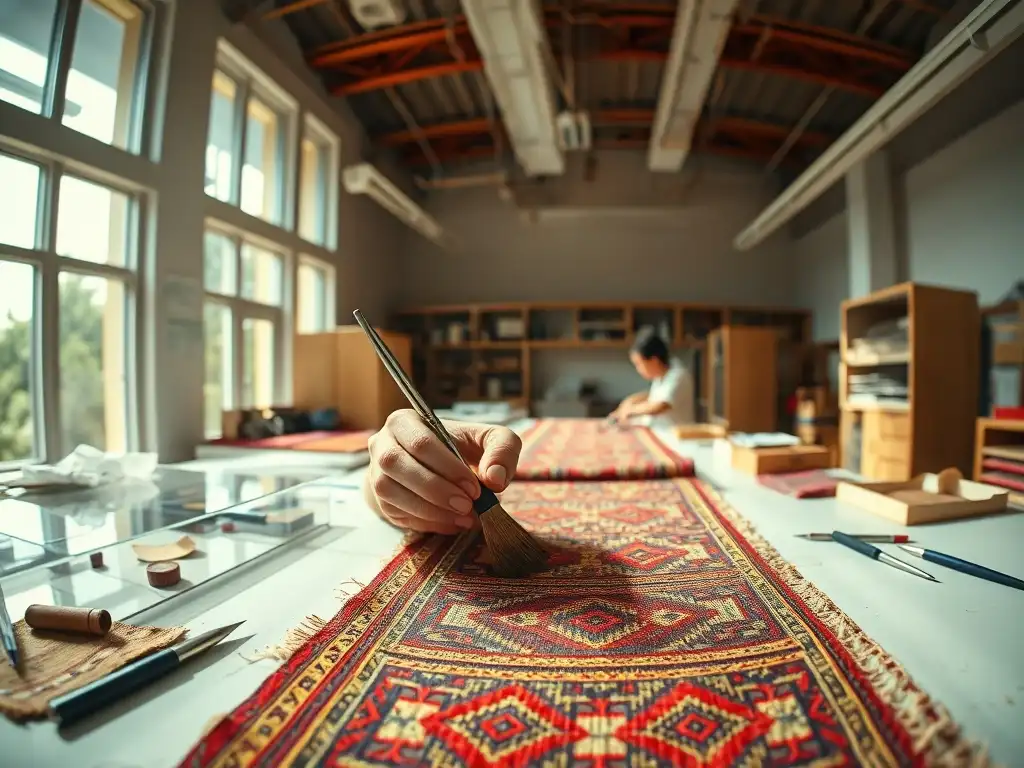
Step into a world lost to time, yet vividly preserved in the intricate threads of ancient Andean textiles. Imagine the hands that wove these masterpieces, the stories whispered into their vibrant designs. This website unveils the secrets of the Andean civilizations, from the Incas to the Nazca, exploring their remarkable achievements in art, technology, and culture. But the journey doesn't end there... Discover the surprising challenges and ingenious solutions involved in ancient Andean textiles preservation techniques—a captivating story revealed within. Dive in and uncover the mysteries that lie within these extraordinary artifacts.
Ancient Andean textiles represent a remarkable legacy of artistry and ingenuity, reflecting centuries of cultural innovation and adaptation to the challenging Andean environment. These fragile artifacts, however, require specialized handling to ensure their preservation for future generations. This guide provides practical advice for handling ancient Andean cloth, focusing on techniques that minimize damage and extend the lifespan of these invaluable pieces.
We will delve into the crucial aspects of preparation, handling procedures, and the importance of understanding the inherent fragility of these unique historical objects. This guide aims to equip collectors, researchers, and enthusiasts with the knowledge to properly care for their ancient Andean textile collections, contributing to the long-term preservation of this important cultural heritage.
Understanding and implementing proper preservation techniques is vital for safeguarding these irreplaceable treasures, ensuring that their beauty and historical significance continue to inspire and educate for years to come. This practical approach to ancient Andean textiles preservation techniques will empower you to become a responsible steward of these remarkable artifacts.
Introduction to Ancient Andean Textile Preservation
The preservation of ancient Andean textiles presents unique challenges due to the materials used, the age of the artifacts, and the environmental conditions they have endured. These textiles, often crafted from camelid fibers like alpaca and vicuña, are susceptible to various forms of degradation. Factors such as light exposure, humidity fluctuations, and insect infestation can significantly impact their condition.
Understanding these vulnerabilities is the first step towards effective preservation. Proper handling techniques are paramount, as even seemingly minor actions can cause irreversible damage. This includes understanding the delicate nature of the fibers, the potential for fraying or breakage, and the importance of avoiding harsh cleaning methods.
Furthermore, the intricate weaving techniques employed by ancient Andean cultures often result in complex structures that require careful consideration during handling and storage. The goal of preservation is not just to prevent further deterioration but also to maintain the textile’s aesthetic integrity and historical context. Proper preservation ensures that future generations can appreciate the artistry and craftsmanship of these remarkable objects.
Preparing for Handling: Setting Up Your Workspace
Before you begin handling any ancient Andean textile, it’s crucial to prepare a workspace that minimizes the risk of damage. This involves creating a clean, well-lit, and climate-controlled environment. Dust, pollutants, and fluctuating temperatures and humidity can all contribute to textile degradation. A dedicated workspace, free from distractions and potential hazards, is essential. The workspace should be well-ventilated to prevent the buildup of harmful gases and particulate matter.
Adequate lighting, ideally with a diffused, non-UV light source, is crucial to prevent light damage. Maintaining a stable temperature and humidity level is vital for minimizing stress on the textile fibers and preventing mold or insect infestation. Remember, even small fluctuations can cause significant damage over time. The environment should be carefully monitored using appropriate instruments, such as hygrometers and thermometers, to ensure optimal conditions are maintained consistently. This controlled environment is the foundation of responsible textile preservation.
Essential Supplies for Handling Antique Andean Textiles
A well-equipped workspace is crucial for the safe handling of ancient Andean textiles. Below is a list of essential supplies:
| Supply | Purpose | Notes |
|---|---|---|
| Soft, clean cotton gloves | Prevents the transfer of oils and dirt from your hands to the textile. | Always wear gloves when handling textiles. |
| Soft-bristled brushes | Gently removes loose dirt and debris. | Use different brushes for different areas to avoid cross-contamination. |
| Acid-free tissue paper | Supports and cushions the textile during handling and storage. | Avoid using acidic materials that can damage the fibers. |
| Acid-free archival boxes | Provides a stable, protective storage environment. | Boxes should be appropriately sized and provide adequate cushioning. |
| Magnifying glass | Allows for close examination of the textile's condition and construction. | Useful for identifying areas of damage or deterioration. |
| Digital camera/scanner | Documents the textile's condition before and after handling. | High-resolution images are essential for tracking changes over time. |
| Pest control measures | Prevents insect infestation, a major threat to textile preservation. | Regular monitoring and appropriate treatments are crucial. |
Remember, meticulous care and attention to detail are paramount when handling these priceless artifacts. The careful application of these preservation techniques will ensure that these beautiful and significant textiles are protected for generations to come.
The Correct Way to Handle Ancient Andean Textiles
Handling ancient Andean textiles requires meticulous care and a deep understanding of their fragility. These artifacts, often centuries old, are susceptible to damage from even the slightest mishandling. The fibers themselves, whether cotton, camelid wool (alpaca, llama, vicuña), or a blend, are delicate and prone to breakage. Years of exposure to the elements, improper storage, or previous handling can further weaken them. Therefore, before even touching a piece, it's crucial to assess its condition. Look for areas of significant wear, loose threads, or fragile sections. This initial visual inspection will guide your approach.
Remember, the golden rule is always to support the entire weight of the textile. Never lift or move a piece by grasping a single thread or a small section. This can easily lead to tears or irreversible damage. Even seemingly strong areas can be surprisingly weak due to age and degradation. Proper handling techniques, outlined below, are paramount to preserving these invaluable cultural treasures. We must prioritize the longevity of these ancient Andean textiles, ensuring they remain accessible for generations to come. The long-term preservation of these artifacts directly contributes to the continuation and understanding of Andean cultural heritage.
Safe Lifting Techniques for Andean Cloth
Lifting ancient Andean textiles requires a gentle and supportive approach. Avoid any sudden movements or jerky actions. For smaller pieces, use clean cotton gloves and support the textile from underneath with both hands, distributing the weight evenly across the entire surface. For larger or heavier pieces, consider using a clean, wide, and soft surface like a cotton sheet or a specially designed textile support. This prevents stress concentration on any single point. Slowly and carefully lift the textile, ensuring it remains flat and supported at all times.
If possible, two people should work together, coordinating their movements to avoid any strain or accidental dropping. Remember, patience is key. Rushing the process increases the risk of damage. The goal is to move the textile with the utmost care and respect for its age and historical significance. Always prioritize safety and the preservation of the artifact over speed.
Examining Andean Textiles Without Damage
Careful examination is essential for understanding and appreciating ancient Andean textiles, but it must be conducted without causing harm. Never use sharp objects or abrasive materials to clean or examine the textile. Instead, use a magnifying glass with a good light source to observe intricate details. For close inspection, consider using a low-powered microscope or a digital camera with a macro lens. Document your observations with detailed notes and high-resolution images, which can be invaluable for future research and conservation efforts.
When handling the textile during examination, maintain a gentle touch, supporting it fully and avoiding any unnecessary stretching or bending. Remember, even seemingly minor damage can be irreversible. The preservation of these textiles hinges on careful and respectful handling. By following these guidelines, we can ensure their long-term preservation for future study and appreciation.
Proper Storage Solutions for Preserving Andean Textiles
Proper storage is crucial for the long-term preservation of ancient Andean textiles. The goal is to create a stable environment that minimizes the risk of damage from light, humidity, pests, and pollutants. Several factors contribute to successful storage, and each should be carefully considered. The ideal storage environment should be cool, dry, and dark, minimizing exposure to light, which can cause fading and fiber degradation. Controlling humidity is equally important, as fluctuations can cause the textiles to expand and contract, leading to stress and damage.
Choosing the Right Storage Materials for Andean Artifacts
The materials used for storing ancient Andean textiles are just as important as the environmental conditions. Acid-free tissue paper or archival-quality cotton muslin are excellent choices for wrapping individual pieces. These materials help to buffer the textiles from physical damage and absorb any residual moisture. Avoid using materials that contain acids or other chemicals, as these can damage the fibers over time. For long-term storage, acid-free boxes or archival-quality storage containers are recommended.
These containers help to protect the textiles from light, dust, and pests. The containers should be made of inert materials that will not react with the textiles. Regular inspection of the textiles and storage materials is essential to ensure that they remain in good condition. Any signs of damage or deterioration should be addressed promptly to prevent further problems. The proper selection of storage materials is an integral part of a comprehensive preservation strategy.
Environmental Control for Andean Textile Conservation
Maintaining a stable environment is crucial for the long-term conservation of ancient Andean textiles. This involves controlling temperature, humidity, and light levels within the storage space. Ideal temperature ranges typically fall between 65-70°F (18-21°C), while relative humidity should be kept between 40-50%. Fluctuations in temperature and humidity can cause the textiles to expand and contract, leading to stress on the fibers and potential damage.
Light exposure should be minimized, as ultraviolet (UV) radiation can cause fading and fiber degradation. Using UV-filtering materials for windows and storage containers can help to mitigate this risk. Regular monitoring of temperature and humidity levels using appropriate instruments is essential.
This allows for proactive adjustments to maintain a stable environment and prevent damage to the textiles. By implementing these environmental controls, we can significantly extend the lifespan of these invaluable cultural artifacts. The long-term preservation of these textiles relies on careful and consistent environmental monitoring and control.
Advanced Preservation Techniques for Ancient Andean Cloth
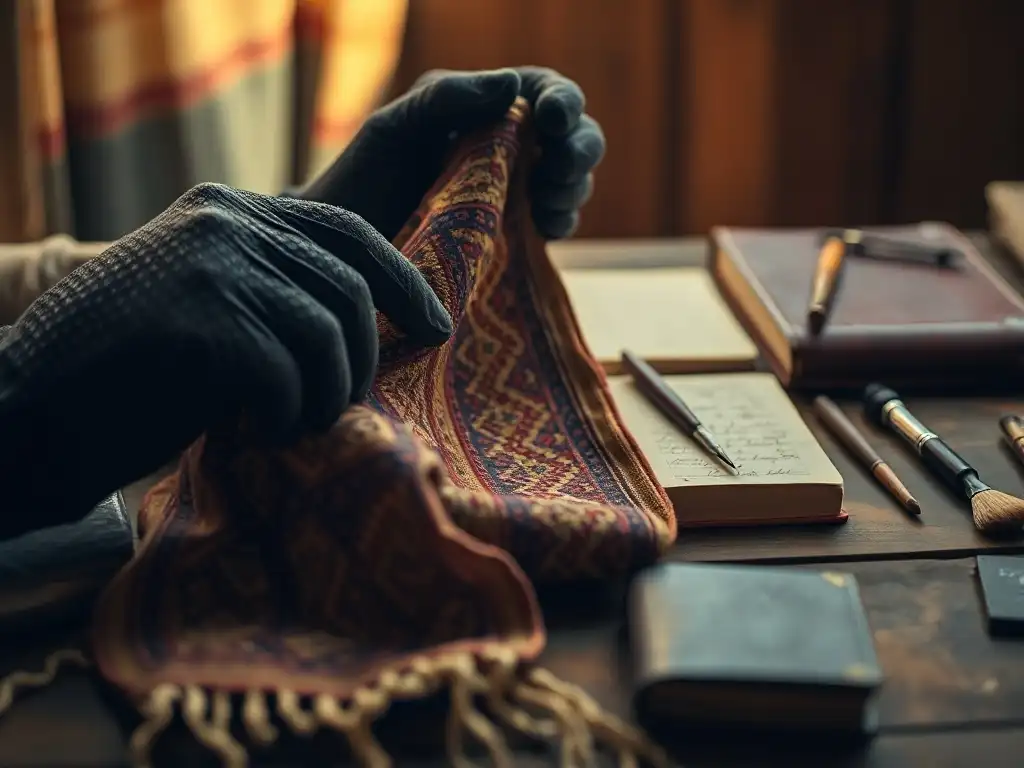
Advanced preservation techniques for ancient Andean textiles often involve specialized procedures best left to trained professionals. These techniques go beyond basic cleaning and mending and focus on stabilizing the artifact's structure and preventing further deterioration. One crucial aspect is environmental control. Maintaining a stable temperature and humidity level is paramount to slowing down the degradation processes caused by fluctuating conditions. This often involves climate-controlled storage environments with precise monitoring equipment.
Furthermore, the use of inert gases, such as nitrogen, can help minimize oxidation and prevent further damage to the delicate fibers. These gases displace oxygen, slowing down the natural aging process. Another advanced technique involves the careful application of consolidants – specialized adhesives that strengthen weakened fibers without altering the textile's original structure. The selection of the appropriate consolidant requires careful consideration of the textile's composition and the type of damage it has sustained.
This process often involves extensive testing and analysis to ensure compatibility and effectiveness. Finally, the use of advanced imaging techniques, such as X-ray fluorescence (XRF) and multispectral imaging, allows for non-invasive analysis of the textile's composition and condition, providing valuable information for informed preservation strategies. These methods help researchers understand the materials used, identify potential weaknesses, and develop targeted preservation plans. The application of these advanced techniques requires extensive expertise and specialized equipment, emphasizing the importance of entrusting such delicate artifacts to experienced conservators.
Professional Cleaning Options for Andean Textiles
Professional cleaning of ancient Andean textiles is a critical step in preservation, and it should always be performed by experienced conservators specializing in textile conservation. Several methods exist, each tailored to specific textile types and levels of soiling. Dry cleaning, using techniques like vacuuming with specialized attachments, is often the preferred method for delicate and fragile textiles. This minimizes the risk of water damage and fiber degradation.
However, for heavily soiled textiles, wet cleaning may be necessary, but it requires meticulous attention to detail and the use of specialized, pH-neutral cleaning solutions. The conservator will carefully assess the textile's condition and select the appropriate cleaning method and solutions to avoid causing further damage. The process often involves a series of carefully controlled steps, including pre-cleaning assessments, gentle cleaning with appropriate solvents, rinsing, and controlled drying.
The choice of cleaning method is crucial; improper cleaning can cause irreversible damage, including fiber weakening, color fading, and structural damage. Therefore, always seek the expertise of a qualified textile conservator for cleaning ancient Andean textiles. They possess the knowledge and experience to select the appropriate method and ensure the textile's long-term preservation.
Repairing Minor Damages in Andean Textiles
Repairing minor damages in ancient Andean textiles requires a delicate touch and specialized skills. The goal is to stabilize the damaged areas and prevent further deterioration without obscuring the original textile. Minor tears and holes can be carefully mended using techniques like invisible mending, where thin, compatible threads are used to recreate the original weave structure. The thread color and texture should match the original as closely as possible.
For more significant damage, patching may be necessary, using carefully selected materials that are as close as possible to the original textile. The patch should be securely attached using appropriate adhesives and stitching techniques. It's crucial to document all repair work meticulously, including the materials used and the techniques employed.
This documentation allows future conservators to understand the history of the textile and its conservation treatments. The use of appropriate adhesives is paramount; incorrect adhesives can cause further damage over time. Therefore, only skilled conservators should undertake repair work on ancient Andean textiles, ensuring the preservation of these invaluable artifacts.
Long-Term Care and Monitoring of Ancient Andean Textiles
Long-term care and monitoring are essential for the ongoing preservation of ancient Andean textiles. This involves a multifaceted approach encompassing environmental control, regular inspections, and preventative measures. Maintaining a stable environment is crucial. Fluctuations in temperature and humidity can accelerate deterioration. Therefore, textiles should be stored in climate-controlled environments with consistent temperature and humidity levels.
The ideal environment minimizes the risks of fiber degradation, mold growth, and pest infestation. Regular monitoring of these conditions is vital. This involves using precise monitoring equipment to track temperature, humidity, and light levels. Any deviations from the ideal conditions should be addressed promptly to prevent damage.
Furthermore, long-term storage necessitates the use of appropriate materials. Acid-free boxes and archival-quality storage materials prevent the transfer of harmful substances to the textiles. These materials protect the textiles from pollutants and physical damage. Careful attention to these details ensures that the textiles remain preserved for generations to come.
Regular Inspections and Documentation for Textile Preservation
Regular inspections are a cornerstone of long-term textile preservation. These inspections allow for early detection of any deterioration or damage, enabling prompt intervention and preventing further damage. Inspections should be conducted at least annually by a trained professional. They should involve a thorough visual examination of the textile, noting any changes in its condition, such as color fading, fiber weakening, or pest infestation.
Detailed documentation is crucial. This should include photographs, written descriptions, and any relevant measurements. This documentation provides a historical record of the textile's condition, allowing for tracking of any changes over time and informing future conservation efforts. The documentation should also detail any previous conservation treatments.
This information is essential for future conservators, allowing them to make informed decisions about future preservation strategies. The use of a standardized documentation system ensures consistency and allows for easy comparison of data over time. Such meticulous record-keeping is crucial for the long-term preservation of these irreplaceable artifacts.
Preventive Measures for Textile Preservation
Preventive measures are vital for the long-term preservation of ancient Andean textiles, minimizing the need for extensive and potentially damaging interventions. These measures focus on preventing damage before it occurs. Proper handling is paramount. Textiles should be handled with clean, gloved hands to avoid transferring oils and dirt. They should be supported during handling to prevent stress and damage to the fibers.
Pest control is another crucial aspect. Regular monitoring for pests and the use of appropriate pest control methods are necessary to prevent damage from insects and rodents. This involves regular inspections and the implementation of preventative measures, such as airtight storage and the use of deterrents. Furthermore, environmental control is crucial. Maintaining a stable temperature and humidity level helps prevent deterioration due to environmental factors.
This includes controlling light exposure, as UV radiation can cause significant damage to textiles. Finally, appropriate storage is essential. Textiles should be stored in acid-free boxes, away from direct sunlight and sources of heat and humidity. These preventive measures play a vital role in the long-term preservation of these fragile and invaluable artifacts.
Conclusion: Ensuring the Legacy of Andean Textiles
The preservation of ancient Andean textiles is not merely a matter of maintaining historical artifacts; it's about safeguarding a vital part of cultural heritage. These textiles are irreplaceable windows into the past, offering insights into the lives, beliefs, and artistic achievements of the Andean civilizations. Their intricate designs, vibrant colors (or what remains of them! ), and the techniques employed in their creation speak volumes about the ingenuity and skill of their makers.
By employing careful handling techniques and adhering to best practices for storage and display, we can ensure that these remarkable pieces continue to inspire awe and understanding for generations to come. The responsibility rests on all of us – collectors, museums, researchers, and enthusiasts alike – to actively participate in the preservation efforts. Failing to do so means risking the irreversible loss of invaluable cultural and historical information. The legacy of Andean textiles is too significant to be left to chance; proactive and informed preservation is the key to ensuring their survival.
This involves not only the physical preservation but also the ongoing research and documentation that help us better understand and appreciate their significance. Each thread, each dye, each weave holds a story waiting to be uncovered and shared. Let's work together to ensure these stories continue to be told.
- Introduction to Ancient Andean Textile Preservation
- Preparing for Handling: Setting Up Your Workspace
- The Correct Way to Handle Ancient Andean Textiles
- Proper Storage Solutions for Preserving Andean Textiles
- Advanced Preservation Techniques for Ancient Andean Cloth
- Long-Term Care and Monitoring of Ancient Andean Textiles
- Conclusion: Ensuring the Legacy of Andean Textiles
- What are the biggest challenges in preserving ancient Andean textiles?
- What are some common preservation techniques used for ancient Andean textiles?
- How do I identify potential damage to an ancient Andean textile?
- What materials should be avoided when handling ancient Andean textiles?
- Where can I learn more about the preservation of ancient Andean textiles?
Frequently Asked Questions
What are the biggest challenges in preserving ancient Andean textiles?
The biggest challenges include environmental factors like humidity and light, which cause degradation of fibers, and the inherent fragility of the materials themselves due to age and previous damage. Careful handling is crucial.
What are some common preservation techniques used for ancient Andean textiles?
Common techniques include controlled storage environments with regulated temperature and humidity, minimal handling, proper cleaning and pest control, and the use of archival-quality materials for storage and display.
How do I identify potential damage to an ancient Andean textile?
Look for signs of fraying, color fading, insect damage, weakness in the weave, or tears. Professional assessment is recommended for valuable pieces. Documentation of any damage is essential.
What materials should be avoided when handling ancient Andean textiles?
Avoid using acids, alkalis, or solvents, as these can damage fibers. Also avoid using unsuitable gloves (e.g., cotton) which could shed fibers onto the textile. Clean, cotton gloves are recommended.
Where can I learn more about the preservation of ancient Andean textiles?
You can find more information through museum websites, academic journals, and conservation organizations specializing in textile preservation. Consider seeking out professional conservators for expert advice.
Final Reflection: Weaving a Legacy: The Enduring Power of Andean Textiles
The delicate threads of ancient Andean textiles whisper stories across millennia, and their preservation is not merely a matter of historical record-keeping; it's a vital act of cultural continuity. These fragile artifacts, imbued with the artistry and spiritual beliefs of past civilizations, demand our utmost respect and careful stewardship. Their survival directly impacts our understanding of a rich and complex history, a history that continues to resonate in the vibrant cultures of the Andes today.
The enduring power of these textiles lies not only in their aesthetic beauty but also in their ability to connect us to the past. They are tangible links to a world vastly different from our own, yet their intricate designs and masterful techniques speak a universal language of human creativity and resilience. The past is never dead. It's not even past.
– William Faulkner. This quote rings profoundly true when considering the ongoing influence of Andean textiles on contemporary art, fashion, and cultural identity. Their enduring presence challenges us to consider our own responsibility in preserving cultural heritage for future generations.
Consider the techniques discussed within this guide – from careful handling and storage to the ethical considerations of research and display. These are not mere technicalities; they are acts of respect, a commitment to ensuring that the voices of these ancient artisans continue to be heard. You, the reader, now hold the power to contribute to this legacy.
By sharing this knowledge, advocating for responsible preservation practices, and fostering a deeper appreciation for these extraordinary artifacts, you become a vital part of the ongoing story of Andean textiles. Let us weave together a future where these treasures continue to inspire and enrich our world.
Transform Your Connection with Ancient Andean Textiles!
Thank you for joining us on this journey to explore the rich heritage of ancient Andean textiles. We hope you gained valuable insights into handling and appreciating these remarkable pieces of history. Now, let's deepen your connection with this fascinating culture!
- Start your own preservation project: Carefully preserve your own textiles or artifacts, applying the best practices you've learned to keep them safe and vibrant for years to come.
- Join a community of textile enthusiasts: Share your experiences and learn from others passionate about ancient textiles. Connect with like-minded individuals through social media groups, online forums, or local museums specializing in Andean cultures.
- Visit a museum exhibiting ancient Andean textiles: Immerse yourself in the history and artistry of these incredible pieces by experiencing them firsthand.
How will you continue to explore and appreciate ancient Andean textiles? We'd love to hear your thoughts and experiences!