
The Power of Collective Action: Indigenous Movements in the Andes

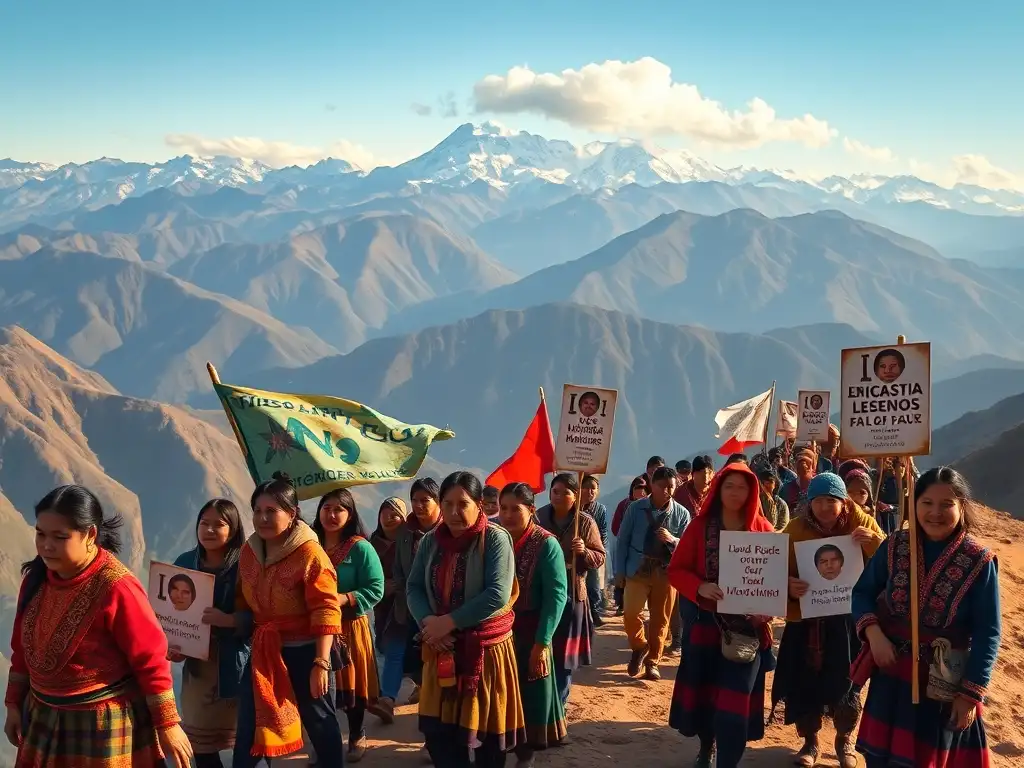
Uncover the echoes of empires and the pulse of resistance in the heart of the Andes. For centuries, these majestic mountains have witnessed the rise and fall of civilizations, from the intricate artistry of the Nazca to the sophisticated engineering of the Incas. But their story doesn't end there. Dive into the fascinating world of Andean indigenous movements, where ancient legacies intertwine with modern struggles, revealing a powerful narrative of collective action and enduring cultural resilience. Prepare to be captivated by their enduring spirit.
- The Power of Collective Action: Andean Indigenous Movements
- The Goals and Demands of Andean Indigenous Organizations
- Forms of Collective Action: Strategies and Tactics
- Impact and Achievements of Andean Indigenous Movements
- Challenges and Future Directions for Andean Indigenous Movements
- The Case of the CONAIE in Ecuador
- The Significance of Andean Indigenous Movements for the Region
- Frequently Asked Questions
- Final Reflection: Echoes of Resistance, Seeds of Change
- Join the Movement for Change!
The Power of Collective Action: Andean Indigenous Movements
The Andes Mountains, a spine of towering peaks running down the western coast of South America, have witnessed millennia of human civilization. From the sophisticated irrigation systems of the Nazca to the breathtaking architecture of the Inca, Andean societies have consistently demonstrated remarkable ingenuity and resilience. However, the legacy of colonialism and ongoing socio-economic inequalities continue to impact Andean communities.
This article delves into the powerful and multifaceted nature of Andean indigenous movements, exploring their historical roots, the key factors driving their contemporary resurgence, and their enduring significance in shaping the political, social, and environmental landscape of the region. Understanding these movements is crucial to comprehending not only the past but also the present and future of the Andes, and the vital role indigenous communities play in safeguarding their ancestral heritage and striving for self-determination.
We will examine the complexities of these movements, highlighting both their successes and the challenges they face in a constantly evolving world. The keyword "Andean indigenous movements" will be explored through the lens of historical analysis and contemporary observations, providing a comprehensive overview of this crucial aspect of Andean history and society.
Understanding the Roots of Andean Indigenous Mobilization
Andean indigenous mobilization isn't a recent phenomenon; it's deeply rooted in a long history of resistance against oppression. Centuries of colonial exploitation, forced labor (like the mita), and the suppression of indigenous languages and cultures fueled a persistent, albeit often covert, struggle for survival and autonomy. Even before the arrival of Europeans, various Andean societies had established complex systems of governance and social organization that prioritized community well-being.
These pre-colonial structures provided a foundation for collective action, laying the groundwork for future resistance movements. The ability to organize large-scale projects, such as the construction of intricate irrigation systems and monumental architecture, demonstrated an inherent capacity for coordinated effort—a skill that proved invaluable in resisting colonial rule. Early forms of resistance included subtle acts of defiance, such as maintaining traditional practices and beliefs, alongside more overt rebellions.
These acts, though sometimes unsuccessful in the short term, contributed to a persistent undercurrent of resistance that continues to shape indigenous movements today. The legacy of these early struggles is palpable in the contemporary movements, which often draw upon traditional forms of organization and communication.
Historical Context of Indigenous Resistance in the Andes
The Spanish conquest marked a turning point, triggering centuries of intense conflict and struggle. The Inca Empire, despite its vast reach and sophisticated organization, ultimately fell to the Spanish conquistadors. However, indigenous resistance continued in various forms, ranging from localized uprisings to larger-scale rebellions.
Notable examples include Túpac Amaru II's rebellion in the late 18th century, which, though ultimately crushed, demonstrated the enduring spirit of indigenous resistance and its capacity to mobilize significant numbers of people. The 19th and early 20th centuries witnessed continued struggles against land dispossession, forced assimilation, and economic exploitation. These struggles often involved alliances between different indigenous groups and sometimes included non-indigenous allies who recognized the injustices faced by indigenous communities.
The creation of indigenous organizations and the articulation of indigenous rights claims became increasingly sophisticated over time, reflecting a growing awareness of global human rights movements and international legal frameworks. The use of legal strategies, alongside more direct forms of action, became a defining characteristic of later resistance movements. Understanding this historical context is crucial for appreciating the complexity and continuity of Andean indigenous mobilization.
Key Factors Driving Contemporary Indigenous Movements
Contemporary Andean indigenous movements are driven by a complex interplay of factors. These include: the ongoing struggle for land rights and access to resources; the fight for cultural preservation and revitalization; demands for greater political participation and representation; and concerns about environmental protection and the impacts of extractive industries. The globalization of indigenous rights discourse has also played a significant role, providing a framework for articulating demands and mobilizing international support.
Furthermore, the increasing interconnectedness of indigenous communities through networks and organizations has facilitated collaboration and the sharing of strategies. The emergence of new forms of media and communication has also allowed for greater dissemination of information and mobilization of support. These movements often face significant challenges, including state repression, internal divisions, and the complexities of navigating globalized systems.
However, their persistence and adaptability demonstrate their enduring strength and resilience, highlighting the importance of collective action in addressing the persistent inequalities that continue to impact Andean indigenous communities. The diversity of approaches within these movements reflects the wide range of contexts and challenges faced by different communities across the Andes.
The Goals and Demands of Andean Indigenous Organizations
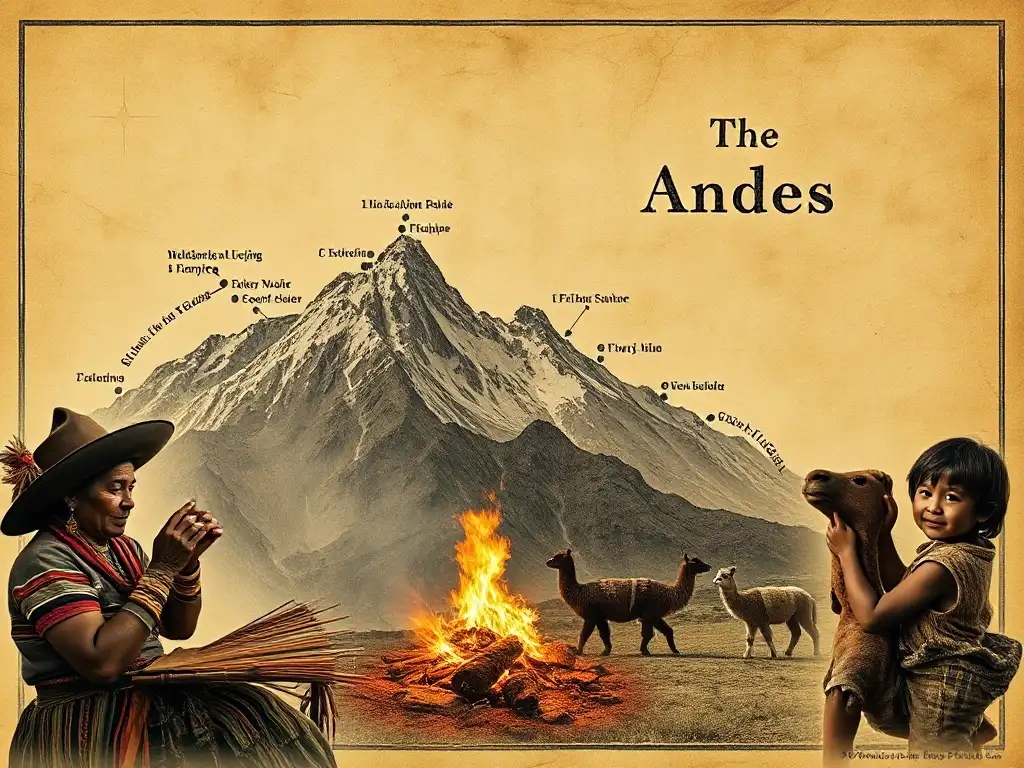
Andean indigenous movements, a powerful force shaping contemporary Andean societies, articulate a wide range of goals and demands stemming from centuries of marginalization and dispossession. Understanding these objectives is crucial to comprehending the complexities of contemporary Andean politics and the ongoing struggle for self-determination. These movements, driven by a potent mix of historical grievances and present-day challenges, are actively working towards a more equitable and just future for indigenous communities.
Their actions are not simply reactive; they are proactive efforts to reclaim their heritage and secure a better life for future generations. The sheer diversity of Andean cultures means the specific demands vary, but common threads unite many groups.
Land Rights and Territorial Claims
The struggle for land rights remains a central tenet of many Andean indigenous movements. Centuries of colonial dispossession and subsequent national policies often left indigenous communities with limited access to ancestral lands crucial for their livelihoods and cultural practices. These lands often hold significant ecological value, containing biodiversity hotspots and essential resources.
The reclaiming of these territories isn't merely about property ownership; it's about preserving cultural identity, ensuring food security, and protecting vital ecosystems. For example, the [specific community name pending] community in the [specific region pending] has been actively engaged in a protracted legal battle to regain control of [specific land area pending] hectares of land traditionally used for [specific agricultural practices pending]. Their case highlights the intricate interplay between historical injustices, legal frameworks, and the ongoing struggle for self-determination.
Many indigenous communities are also advocating for the recognition of their traditional resource management systems, which often offer sustainable alternatives to exploitative practices. This includes challenging mining concessions on ancestral lands and promoting sustainable agriculture and forestry. The fight for land rights is intrinsically linked to the fight for self-determination and environmental protection, making it a crucial aspect of Andean indigenous movements.
Cultural Preservation and Recognition
Beyond land rights, Andean indigenous movements are fiercely dedicated to the preservation and recognition of their unique cultural heritage. This includes promoting and revitalizing indigenous languages, safeguarding traditional knowledge systems, and protecting sacred sites. The erosion of indigenous languages is a significant concern, with many facing extinction.
Movements are actively working to implement bilingual education programs and promote the use of indigenous languages in public life. Furthermore, the preservation of traditional knowledge systems, encompassing medicinal practices, agricultural techniques, and artistic expressions, is vital for maintaining cultural identity and ensuring the continuity of cultural practices. For instance, the [specific community name pending] are working to document and revitalize their unique weaving techniques, which have been passed down through generations and represent a significant aspect of their cultural heritage.
The fight for cultural recognition often involves challenging dominant narratives that have historically marginalized or misrepresented indigenous cultures. This includes pushing for greater representation in education, media, and government, ensuring that indigenous perspectives are accurately reflected and celebrated. The struggle for cultural preservation is a fight for identity, dignity, and the right to self-representation.
Andean indigenous movements consistently advocate for social justice and equality, addressing issues such as poverty, discrimination, and lack of access to basic services. These inequalities are often rooted in historical injustices and systemic discrimination. Indigenous communities frequently experience higher rates of poverty, limited access to healthcare and education, and disproportionate exposure to environmental hazards.
Addressing these disparities requires comprehensive strategies that tackle both the root causes and the immediate consequences of inequality. This involves advocating for policies that promote inclusive development, ensuring equitable access to resources and opportunities, and combating systemic discrimination. For example, movements are pushing for greater indigenous representation in government and decision-making processes, ensuring that indigenous voices are heard and their concerns are addressed.
Furthermore, they are advocating for policies that promote culturally appropriate healthcare and education systems, recognizing the unique needs and perspectives of indigenous communities. The fight for social justice and equality is an integral part of the broader struggle for self-determination, aiming to create a society where indigenous communities can fully participate and thrive. The pursuit of social justice is not just about addressing inequalities; it's about building a more just and equitable society for all.
Economic Empowerment and Self-Determination
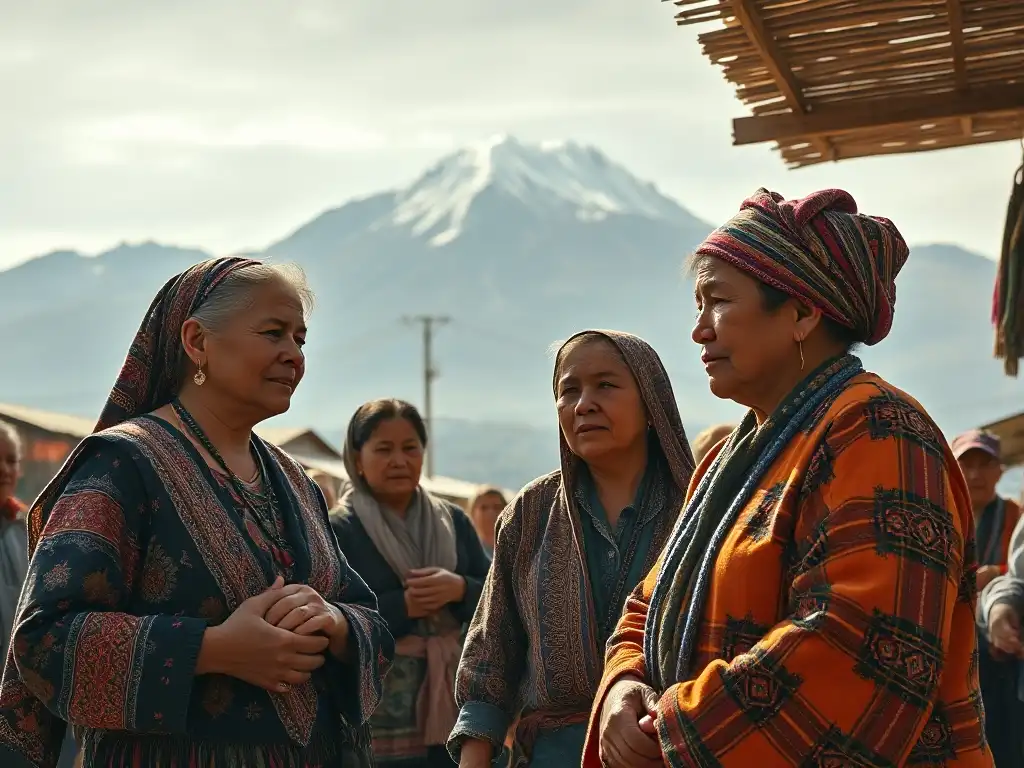
Andean indigenous organizations frequently prioritize economic empowerment as a crucial step towards achieving self-determination. For centuries, these communities have faced systemic economic marginalization, often relegated to subsistence farming or low-wage labor in extractive industries. This economic vulnerability directly undermines their cultural preservation efforts and political agency. Therefore, a significant portion of their advocacy focuses on securing fairer access to resources and markets. This includes demanding land rights, promoting sustainable agriculture practices, and advocating for policies that support indigenous-led businesses and cooperatives.
One example of this is the increasing focus on fair trade initiatives. These initiatives aim to ensure that indigenous producers receive a just price for their goods, allowing them to reinvest in their communities and improve their livelihoods. Beyond fair trade, many organizations are actively involved in developing and promoting indigenous-owned businesses, creating opportunities for employment and economic growth within their communities.
This approach not only strengthens the local economy but also fosters a sense of self-reliance and resilience. The long-term goal is to break free from dependency on external economic forces and build sustainable economic models that align with their cultural values and environmental sustainability. This includes, importantly, resisting extractive industries that often exploit both the land and the indigenous workforce.
Successfully achieving economic independence is seen as a pivotal step towards achieving true self-determination, allowing them to chart their own course and protect their ancestral heritage. The struggle for economic empowerment is therefore intrinsically linked to the broader fight for self-determination and the preservation of Andean indigenous cultures.
Land Rights and Territorial Control
The fight for land rights is a cornerstone of many Andean indigenous movements. For generations, indigenous communities have held a deep spiritual and ancestral connection to their territories, viewing the land as not merely a resource but an integral part of their cultural identity. However, historical injustices, including forced displacement, land grabbing, and the imposition of extractive industries, have significantly eroded indigenous land ownership and control.
This has resulted in the loss of ancestral territories, the disruption of traditional livelihoods, and the erosion of cultural practices. Consequently, reclaiming ancestral lands and securing legal recognition of their territorial rights are central demands of many Andean indigenous organizations.
The pursuit of land rights often involves complex legal battles, negotiations with governments, and community mobilization. These struggles often highlight the conflict between indigenous concepts of land ownership and the Western legal frameworks imposed upon them. Indigenous communities frequently emphasize the collective nature of land ownership, contrasting with the individualized approach prevalent in many Western legal systems.
Securing legal recognition of their collective land rights is a significant challenge, demanding sustained advocacy and strategic legal action. Moreover, the protection of their territories from encroachment by extractive industries and other external pressures is an ongoing battle requiring constant vigilance and coordinated action among different communities and organizations.
The struggle for land rights is not merely about material possession; it is a fight for the preservation of cultural identity, spiritual well-being, and the continuation of traditional ways of life. Success in this area is vital for the long-term survival and self-determination of Andean indigenous communities.
Cultural Revitalization and Language Preservation
Cultural revitalization and language preservation are fundamental goals for many Andean indigenous organizations. Globalization and historical oppression have significantly threatened the survival of indigenous languages and cultural practices. The imposition of dominant languages and cultures has led to a decline in the use of indigenous languages, the loss of traditional knowledge, and the weakening of cultural identities. Therefore, revitalizing indigenous languages and promoting cultural practices are crucial for maintaining cultural diversity and empowering indigenous communities.
Efforts to revitalize indigenous languages often involve community-based language programs, the development of educational materials in indigenous languages, and the integration of indigenous languages into formal education systems. These initiatives aim to increase language fluency among younger generations and ensure the transmission of traditional knowledge through the indigenous language.
The preservation of cultural practices is equally important and often involves supporting traditional art forms, music, ceremonies, and storytelling. These cultural expressions are not merely aesthetic pursuits; they are essential components of indigenous identities and serve as vehicles for transmitting knowledge, values, and beliefs across generations.
The struggle for cultural revitalization is often intertwined with efforts to reclaim and reinterpret indigenous histories, challenging dominant narratives that have marginalized or misrepresented indigenous cultures. By actively promoting and preserving their languages and cultural practices, Andean indigenous organizations contribute to the richness and diversity of global culture while empowering their communities and reinforcing their sense of identity and belonging.
Forms of Collective Action: Strategies and Tactics
This section explores the diverse strategies and tactics employed by Andean indigenous movements in their pursuit of social justice, land rights, cultural preservation, and political representation. Understanding these methods is crucial to comprehending the dynamism and resilience of these movements throughout history and into the present day. The forms of collective action are multifaceted and often interwoven, adapting to the specific challenges and opportunities presented by the political and social landscape. The power of collective action lies in its ability to amplify marginalized voices and create significant social change.
Community-Based Organizing and Grassroots Movements
Community-based organizing forms the bedrock of many Andean indigenous movements. This approach emphasizes self-determination and empowerment through local initiatives. It's not simply about reacting to external pressures; it's about proactively shaping the community's future. A key element is the strengthening of existing social structures and traditional forms of governance.
For example, the revitalization of ayllus (traditional Andean communities) in the Peruvian Andes has played a crucial role in reclaiming ancestral lands and promoting sustainable development. This often involves meticulous documentation of land titles, ancestral knowledge, and cultural practices, providing a strong foundation for legal claims and community-based resource management. These grassroots movements often utilize participatory decision-making processes, ensuring that all community members have a voice in shaping their collective actions. The success of these efforts often hinges on strong leadership, effective communication, and the ability to build consensus among diverse stakeholders.
Furthermore, the exchange of knowledge and solidarity between different communities strengthens the movement as a whole. Data on the number of successful land reclamation projects through community-based organizing in specific Andean regions would further illustrate the impact of this approach. [Specific data on successful land reclamation projects pending].
Protest Marches and Demonstrations
Protest marches and demonstrations remain powerful tools for Andean indigenous movements to express grievances, raise awareness, and exert pressure on governments and corporations. These actions often involve large-scale mobilizations, drawing participants from various communities and regions. The visual impact of these demonstrations, often incorporating traditional Andean clothing, music, and symbols, serves to highlight the cultural identity and the strength of the collective.
While peaceful protests are common, the history of Andean indigenous movements also includes instances of more confrontational tactics, reflecting the intensity of the struggles faced and the perceived lack of responsiveness from authorities. For instance, road blockades have been used effectively to disrupt economic activities and force negotiations. The effectiveness of these demonstrations hinges on careful planning, strategic timing, and the ability to maintain discipline and unity amongst participants.
Analyzing the specific outcomes of major protests throughout history, such as the number of policy changes achieved or concessions gained, would provide valuable insights into their impact. [Data on the outcomes of major protests in the Andes pending]. The use of social media to amplify the message and coordinate actions is also becoming increasingly important in recent years.
Legal Advocacy and Political Participation
Beyond direct action, Andean indigenous movements increasingly engage in legal advocacy and political participation to achieve their goals. This involves utilizing legal frameworks to challenge discriminatory policies, protect land rights, and secure recognition of indigenous rights. This often requires building alliances with national and international human rights organizations and legal professionals. Simultaneously, political participation, through voting, lobbying, and the formation of indigenous political parties, allows movements to influence policy decisions from within the established political system.
The effectiveness of this approach relies on the ability to navigate complex legal systems and build strong relationships with political actors. A detailed analysis of successful legal cases related to land rights or indigenous self-governance would provide valuable insights into the strategies employed and their impact. [Specific examples of successful legal cases and their outcomes pending].
Furthermore, the increasing participation of indigenous representatives in national and regional parliaments demonstrates a shift towards a more inclusive political landscape, although challenges remain in achieving true political representation and influence. The level of indigenous representation in different Andean countries varies significantly and warrants further investigation. [Comparative data on indigenous representation in Andean parliaments pending].
International Solidarity and Alliances
The struggle for indigenous rights in the Andes has transcended national borders, fostering crucial international solidarity and alliances. These networks provide vital support in several key ways. Firstly, they amplify the voices of Andean communities on a global stage, bringing attention to issues often overlooked by mainstream media and international organizations. This increased visibility exerts pressure on governments and corporations to address human rights violations and environmental concerns. For example, the mobilization of international support during the [specific conflict/event pending] significantly impacted the outcome, highlighting the effectiveness of coordinated global action.
Secondly, international alliances facilitate the sharing of knowledge, resources, and strategies. Indigenous communities facing similar challenges in different Andean countries can learn from each other's experiences, adapting successful tactics to their own contexts. This exchange fosters innovation and strengthens collective resistance. This collaborative approach is particularly vital in addressing complex issues such as climate change adaptation and the protection of ancestral territories. We see examples of this in the [specific example of knowledge sharing between communities pending] which illustrates how interconnected these struggles truly are.
Thirdly, international solidarity provides crucial financial and logistical support. International NGOs, human rights organizations, and even individual donors often contribute resources to Andean indigenous movements, enabling them to conduct advocacy campaigns, legal battles, and community development projects. This financial backing is essential for sustaining long-term struggles and building resilience against oppression. The role of [specific NGO or organization pending] in supporting [specific community or movement pending] demonstrates the practical impact of international financial aid.
Without this external support, many movements would struggle to maintain their momentum and effectiveness. The sustained effort requires continued and diversified funding streams, however, to avoid dependency and ensure the continued autonomy of the Andean indigenous movements themselves. This is a delicate balance that requires careful negotiation and transparent partnerships.
Impact and Achievements of Andean Indigenous Movements
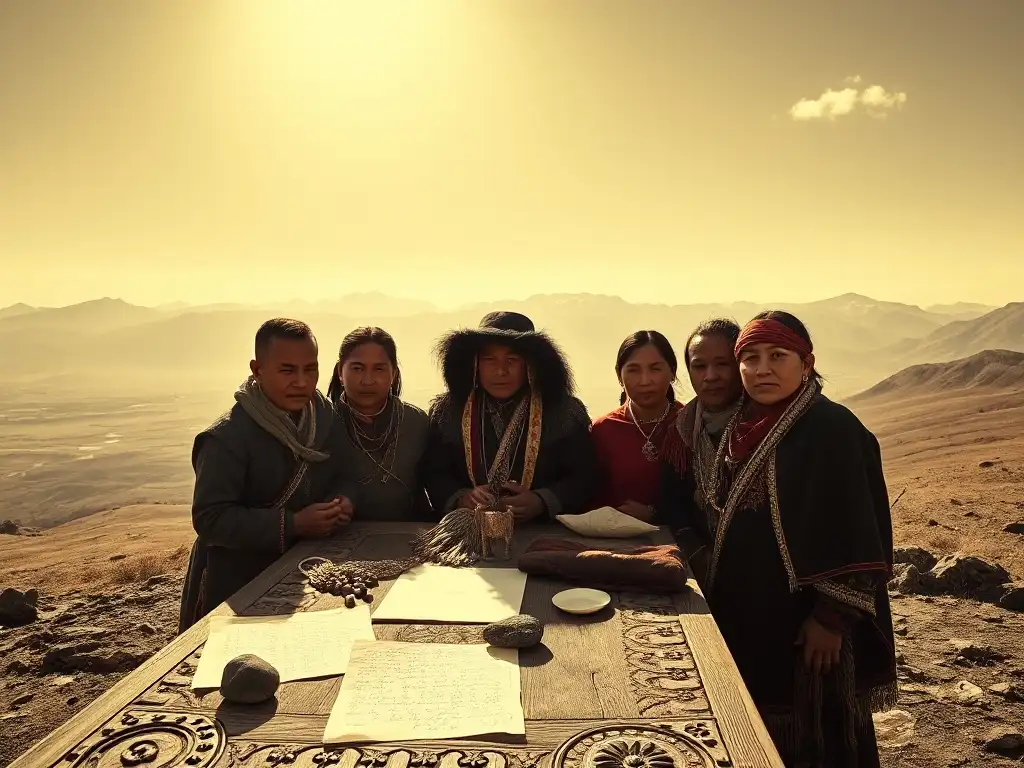
The power of collective action within Andean indigenous communities has yielded significant impacts across various spheres of life, profoundly shaping the socio-political landscape of the region. These movements, driven by a shared desire for self-determination and the preservation of ancestral heritage, have achieved remarkable successes in securing land rights, influencing national policies, and promoting cultural revitalization. Understanding these achievements is crucial to appreciating the enduring resilience and agency of Andean indigenous populations. The term "Andean indigenous movements" itself encapsulates the diverse strategies and goals uniting these groups, often operating within complex national contexts.
Securing Land Rights and Protecting Natural Resources
One of the most significant achievements of Andean indigenous movements has been the securing of land rights and the protection of natural resources. For centuries, indigenous communities faced displacement and dispossession, often driven by extractive industries and agricultural expansion. However, through sustained activism, legal challenges, and strategic alliances, many communities have reclaimed ancestral territories. This has involved meticulous documentation of land tenure, often using traditional methods alongside modern legal frameworks.
For example, the [Specific community name pending] community in the [Specific region pending] successfully regained control over [Specific land area pending] hectares of land after a decades-long legal battle. This victory not only secured their access to vital resources but also established a precedent for other communities facing similar struggles. Furthermore, the movement has effectively leveraged international pressure and the support of human rights organizations to highlight land grabbing and environmental injustices.
The protection of natural resources is intrinsically linked to land rights, with indigenous communities often acting as stewards of biodiversity and crucial ecosystems. Their efforts in conservation, sustainable agriculture, and the protection of sacred sites contribute significantly to environmental preservation in the Andes. This active role in environmental protection directly counters narratives that portray indigenous communities as obstacles to economic development.
Influencing National Policies and Legislation
Beyond securing land rights, Andean indigenous movements have significantly influenced national policies and legislation. Their advocacy has resulted in the inclusion of indigenous perspectives in environmental regulations, land reform initiatives, and educational curricula. This influence is often achieved through participation in national dialogues, lobbying efforts, and the formation of powerful indigenous organizations that act as unified voices.
The increasing recognition of indigenous rights in national constitutions and laws across Andean nations demonstrates the impact of these movements. For instance, the [Specific legislation pending] in [Specific country pending] explicitly recognizes the collective rights of indigenous communities to self-governance and the protection of their traditional knowledge. However, the implementation of such laws remains a challenge, and continued advocacy is crucial to ensure their effectiveness.
The fight for political representation and participation in decision-making processes is another key aspect of this influence. The election of indigenous leaders to national and regional offices signifies a growing recognition of indigenous voices in the political arena.
Promoting Cultural Revitalization and Indigenous Languages
A crucial aspect of Andean indigenous movements is the promotion of cultural revitalization and the preservation of indigenous languages. Facing the threat of cultural assimilation, these movements have actively worked to revive traditional practices, languages, and artistic expressions. This involves the establishment of bilingual education programs, the creation of cultural centers, and the support of traditional arts and crafts.
The revitalization of Quechua, Aymara, and other indigenous languages is a testament to the commitment of these communities to preserving their linguistic heritage. Through community-based language learning initiatives and the integration of indigenous languages into formal education, these movements are working to ensure the continuity of these vital cultural elements. The use of indigenous languages in political discourse and official documents further underscores the progress in cultural recognition and empowerment.
The preservation of traditional knowledge systems—related to agriculture, medicine, and cosmology—is also a central focus, recognizing the profound interconnectedness between culture, environment, and well-being. This multifaceted approach to cultural revitalization reflects the deep-rooted connection between identity, land, and the ongoing struggle for self-determination within Andean indigenous movements.
Andean indigenous movements have consistently fought against deeply ingrained discrimination and social inequities stemming from centuries of colonial legacies. These movements haven't just protested; they've actively worked to dismantle systemic barriers that limit access to education, healthcare, and economic opportunities for Indigenous communities. For example, the ongoing struggle for land rights in the Andes directly addresses historical injustices where Indigenous peoples were dispossessed of their ancestral territories.
These land claims are not simply about property; they are about reclaiming cultural identity, preserving traditional ways of life, and securing the economic foundation for future generations. The fight for land rights often involves navigating complex legal systems and challenging powerful economic interests, showcasing the immense resilience and determination of Andean indigenous communities.
The fight against discrimination extends beyond land rights. Indigenous activists relentlessly advocate for the recognition and revitalization of Indigenous languages, which were often suppressed during colonial periods. This involves pushing for bilingual education programs in schools and promoting the use of Indigenous languages in public spaces. The preservation of language is critical to maintaining cultural heritage and ensuring the transmission of traditional knowledge and practices to younger generations.
Furthermore, efforts to increase Indigenous representation in government and other institutions are crucial steps in addressing the historical marginalization and silencing of Indigenous voices. This involves advocating for affirmative action policies and challenging the structural biases within political systems. The success of these efforts varies across different Andean regions and nations, reflecting the diverse political landscapes and the varying levels of state support for Indigenous rights. However, the persistent advocacy continues to push for meaningful change.
Moreover, many Andean indigenous movements actively challenge the pervasiveness of racism and prejudice in daily life. This includes confronting subtle forms of discrimination, such as stereotypes and microaggressions, as well as overt acts of racism. This work is often done through community-based education initiatives, public awareness campaigns, and collaborative efforts with human rights organizations.
By raising awareness and challenging discriminatory attitudes, these movements contribute to creating a more inclusive and equitable society for all. The fight against discrimination is a long-term process requiring sustained commitment and strategic alliances across various sectors of society. The progress made reflects the tireless dedication of Indigenous communities and their allies in the pursuit of social justice.
Challenges and Future Directions for Andean Indigenous Movements
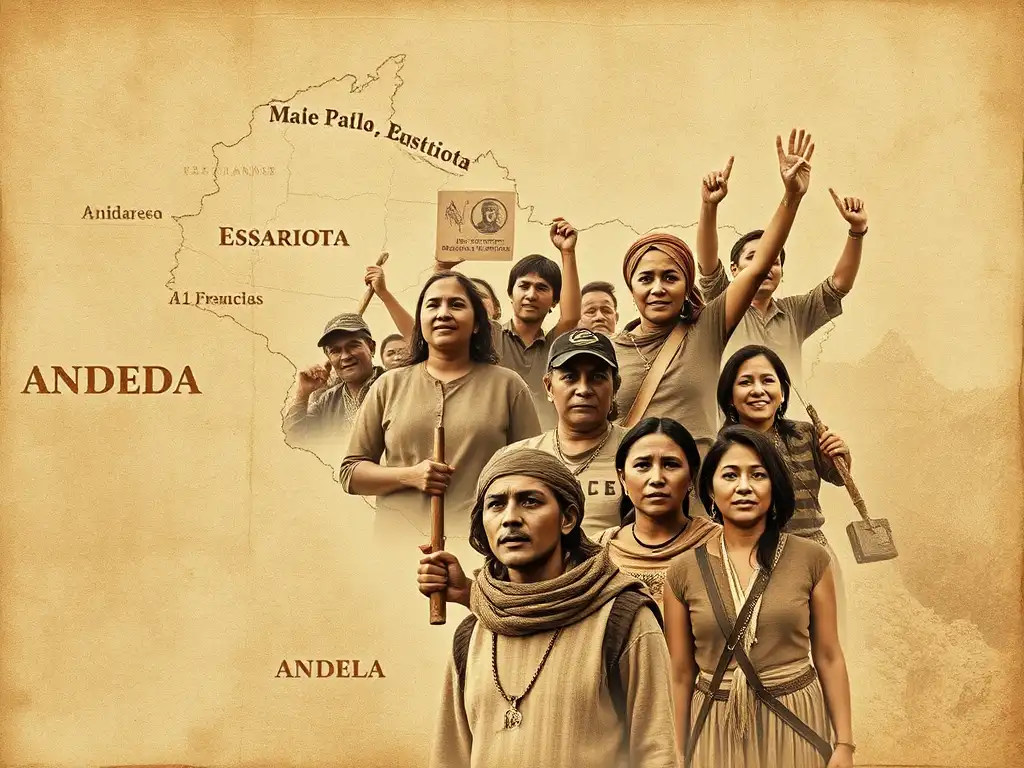
The vibrant tapestry of Andean indigenous movements, woven from threads of ancestral traditions and contemporary struggles, faces a complex web of challenges that threaten their progress and longevity. Understanding these hurdles is crucial to supporting their continued growth and impact. Analyzing these challenges requires a nuanced approach, acknowledging the internal dynamics as well as the external pressures shaping their trajectories. The strength and resilience of these movements are undeniable, but their success hinges on addressing these critical issues effectively.
Internal Divisions and Conflicts
Internal divisions within Andean indigenous movements often stem from diverse factors, hindering their collective power. Differing interpretations of ancestral traditions, competing leadership aspirations, and variations in socio-economic status can create friction and fragmentation. For example, disputes over land rights, water access, or the allocation of resources within a community can lead to significant internal conflicts.
These conflicts can be exacerbated by the influence of external actors who may seek to exploit these divisions for their own gain. This internal strife weakens the movement's overall effectiveness, diverting energy and resources from their primary goals. Furthermore, generational divides can also contribute to internal conflict, with younger generations seeking more radical approaches compared to the more conservative views of older generations.
Building bridges between these diverse factions requires open dialogue, conflict resolution mechanisms, and a shared commitment to the collective good. Effective leadership, capable of navigating these complexities and fostering unity, is paramount for the long-term success of Andean indigenous movements. The ability to find common ground amidst diversity is vital for achieving their shared objectives.
External Pressures and Threats
Andean indigenous movements face significant external pressures and threats that constantly challenge their existence and goals. These range from governmental policies that disregard or undermine indigenous rights to the encroachment of extractive industries on ancestral lands. The pressure exerted by large-scale mining operations, hydroelectric projects, and agricultural expansion often leads to land dispossession, environmental degradation, and the erosion of cultural heritage.
Furthermore, the influence of globalization and neoliberal economic policies can undermine traditional ways of life and exacerbate existing inequalities. The marginalization of indigenous languages and cultural practices through the imposition of dominant cultures poses another substantial threat. These movements often face systematic discrimination and racism, limiting access to education, healthcare, and other essential services.
Moreover, the lack of adequate legal protection and enforcement of indigenous rights leaves them vulnerable to exploitation and abuse. Addressing these external pressures requires strong advocacy, international collaborations, and the development of effective strategies to counter the influence of powerful external actors. Building alliances with national and international organizations that support indigenous rights is crucial for their survival and empowerment.
Sustaining Momentum and Achieving Long-Term Goals
Sustaining the momentum of Andean indigenous movements and achieving their long-term goals requires a multifaceted approach. This includes investing in education and leadership development to ensure the continuity of knowledge and skills across generations. Strengthening internal organizational structures and promoting transparency and accountability are vital to maintain trust and engagement among members. Developing sustainable economic initiatives that respect and integrate traditional practices can empower communities and reduce their dependence on external forces.
Documenting and preserving indigenous knowledge, languages, and cultural practices is essential for their long-term survival and transmission to future generations. Furthermore, advocating for policy changes that recognize and protect indigenous rights is crucial for ensuring their long-term well-being and prosperity. This requires a strategic approach that combines grassroots mobilization with national and international advocacy efforts.
The continued success of Andean indigenous movements depends on their capacity to adapt to changing circumstances while remaining true to their core values and objectives. The path forward demands resilience, innovation, and a unwavering commitment to the collective pursuit of justice and self-determination. The future of these movements hinges on their ability to navigate these challenges effectively and build a sustainable future for generations to come.
The Role of Younger Generations
The future of Andean indigenous movements hinges significantly on the engagement and participation of younger generations. While elders hold invaluable traditional knowledge and historical memory crucial for maintaining cultural identity and advocating for ancestral rights, the younger generation brings a fresh perspective, new technologies, and a different understanding of political and social dynamics. Their access to education and global networks can be instrumental in amplifying the voices of indigenous communities on a wider scale.
However, bridging the generational gap presents a challenge. Many young people, particularly those who have migrated to urban areas, may feel disconnected from their ancestral roots and traditions. This disconnect can stem from various factors, including the pressures of assimilation into dominant cultures and the perceived lack of economic opportunities in rural communities.
Successfully engaging younger generations requires a multi-pronged approach. Indigenous communities need to actively create spaces where young people feel valued and heard. This includes incorporating their perspectives in decision-making processes within the community and creating opportunities for them to contribute their skills and talents.
Educational initiatives focusing on indigenous languages, history, and culture are essential to foster a sense of pride and belonging. Moreover, incorporating modern technologies, such as social media and digital platforms, into advocacy strategies can help young activists reach broader audiences and mobilize support for their causes. Examples of successful initiatives could include community-based technology centers that teach digital literacy skills or the creation of online platforms showcasing indigenous art, music, and stories.
The active involvement of young people in documenting and preserving indigenous languages through digital media is another vital area for future growth. Ultimately, the success of Andean indigenous movements depends on fostering a sense of intergenerational collaboration, where the wisdom of elders and the dynamism of youth work in concert. This requires a conscious effort to bridge the generational divide and create a more inclusive and participatory movement.
The Case of the CONAIE in Ecuador

The Confederation of Indigenous Nationalities of Ecuador (CONAIE), a powerful organization representing a significant portion of Ecuador's indigenous population, exemplifies the enduring strength and influence of Andean indigenous movements. Its history is intricately woven with the nation's political and social fabric, showcasing both the successes and challenges faced by indigenous groups striving for self-determination and equitable representation.
Understanding CONAIE's trajectory offers crucial insights into the dynamics of Andean indigenous movements in the modern era. The organization's impact extends far beyond Ecuador's borders, influencing regional indigenous activism and providing a model, albeit a complex one, for other groups seeking to assert their rights.
CONAIE's Role in National Politics and Protests
CONAIE's involvement in Ecuadorian politics is marked by periods of intense activism and negotiation. The organization has consistently played a pivotal role in shaping national policy debates, particularly concerning land rights, environmental protection, and resource extraction. Their participation in protests, sometimes escalating into significant uprisings, has demonstrably impacted government decisions and forced dialogue on crucial issues.
For example, the 1990 Indigenous Uprising, largely orchestrated by CONAIE, led to significant concessions regarding land reform and indigenous rights. This event solidified CONAIE's position as a major political actor, capable of mobilizing substantial popular support and challenging the established political order. The protests often involved large-scale mobilization, employing traditional forms of collective action alongside modern communication strategies.
The organization's approach to political engagement is multifaceted. While direct action and protest remain key tools, CONAIE also participates in formal political processes, engaging with government officials and advocating for policy changes through lobbying and legal channels. This dual strategy reflects a pragmatic understanding of the need to navigate both the formal and informal spheres of political power.
However, this approach also presents internal challenges, with debates often arising within the organization regarding the most effective strategies for achieving their goals. Balancing radical direct action with engagement within the existing political system is an ongoing tension within CONAIE, mirroring similar internal struggles within many Andean indigenous movements.
CONAIE's Internal Structure and Leadership
CONAIE's organizational structure reflects the diversity of Ecuador's indigenous population. It is a confederation of regional and national indigenous organizations, each representing distinct ethnic groups and regional interests. This decentralized structure, while promoting inclusivity, can also lead to internal disagreements and challenges in coordinating collective action. The leadership of CONAIE has historically been composed of prominent indigenous leaders who have played crucial roles in shaping the organization's political strategies and public image.
The selection and succession of leadership within CONAIE often reflects complex power dynamics and internal political maneuvering within the organization. Understanding the internal dynamics of CONAIE is crucial to comprehending its overall effectiveness and influence. [Specific information pending: details on the current organizational chart and leadership structure of CONAIE].
CONAIE's Impact on Indigenous Rights and Environmental Protection
CONAIE's advocacy has demonstrably improved the lives of many Ecuadorian indigenous communities. Its efforts have resulted in legal reforms protecting indigenous land rights, promoting cultural preservation, and advancing indigenous self-governance. The organization's commitment to environmental protection is also noteworthy. CONAIE has consistently opposed large-scale resource extraction projects that threaten indigenous territories and ecosystems, advocating for sustainable development models that prioritize indigenous communities' needs and environmental sustainability.
This focus on environmental protection reflects a growing recognition within Andean indigenous movements of the interconnectedness between environmental degradation and the erosion of indigenous cultures and livelihoods. The organization’s success in this area has been varied, showcasing both significant victories and ongoing struggles against powerful economic interests. The ongoing challenges highlight the complexities of balancing economic development with environmental protection and indigenous rights.
Challenges and Future Prospects for CONAIE
Despite its significant achievements, CONAIE faces ongoing challenges. These include internal divisions, the need to adapt to changing political landscapes, and the persistent pressure from powerful economic interests. The organization's ability to maintain its unity and effectiveness in the face of these challenges will be crucial to its continued influence.
The future of CONAIE, and indeed the broader landscape of Andean indigenous movements, will depend on its capacity to adapt to evolving circumstances while remaining true to its core principles of self-determination, environmental protection, and social justice. The organization's continued relevance hinges on its ability to effectively represent the diverse needs and aspirations of Ecuador's indigenous populations in an increasingly complex and interconnected world. The continued growth and influence of Andean indigenous movements, as exemplified by CONAIE, will significantly impact Ecuador's political and social landscape for years to come.
The Significance of Andean Indigenous Movements for the Region
The resurgence of Andean indigenous movements represents a powerful force shaping the social, political, and environmental landscape of the region. Understanding their significance requires acknowledging their historical context, their multifaceted goals, and their enduring impact on contemporary Andean societies. These movements aren't monolithic; they encompass diverse groups with varying priorities, yet a common thread unites them: the pursuit of self-determination and the reclamation of ancestral rights.
Their actions have demonstrably influenced policy, fostered awareness, and challenged existing power structures. The impact of these movements is felt not only in the Andes themselves, but also resonates globally, inspiring indigenous rights movements worldwide. The scale and intensity of their actions necessitate a deeper examination of their specific contributions.
Andean indigenous movements are at the forefront of the fight for social and environmental justice. For centuries, indigenous communities have faced systemic marginalization, dispossession of land, and environmental degradation due to extractive industries and unsustainable practices. These movements actively challenge these injustices, advocating for equitable resource distribution, land rights, and environmental protection.
For example, the [specific case study pending] vividly illustrates the impact of indigenous activism in securing land rights and halting destructive mining projects. This involved sustained protests, legal challenges, and the mobilization of international support. The success of this movement demonstrates the effectiveness of collective action in achieving tangible results.
Furthermore, many Andean indigenous movements actively promote sustainable agricultural practices, preserving traditional knowledge and biodiversity. They often champion agroecology as a means of ensuring food sovereignty and environmental sustainability, directly countering the negative impacts of large-scale monoculture farming. The adoption of these practices not only benefits the environment but also strengthens the economic resilience of indigenous communities.
The fight for social justice also extends to issues of healthcare, education, and access to basic services. Indigenous communities often experience disparities in these areas compared to the wider population. Andean indigenous movements actively advocate for improved access to quality healthcare, culturally appropriate education, and the recognition of indigenous languages and knowledge systems.
Strengthening Democracy and Participation
Beyond the fight for social and environmental justice, Andean indigenous movements play a crucial role in strengthening democracy and promoting broader participation in political processes. Historically excluded from mainstream political discourse, these movements have actively sought to increase their political representation and influence policy decisions. This has involved forming political parties, participating in elections, and engaging in advocacy and lobbying efforts.
The rise of indigenous political leaders and representatives in national and regional governments is a testament to their growing political power. Their participation in legislative processes has led to the enactment of laws and policies that protect indigenous rights and promote their cultural preservation. However, challenges remain.
Full and meaningful participation requires overcoming systemic barriers to political representation, including language barriers, lack of resources, and persistent discrimination. These movements are actively working to address these challenges through capacity building initiatives, political education programs, and alliances with other social movements. The ongoing struggle for effective political participation underscores the complexity of achieving true democratic inclusion.
Moreover, many Andean indigenous movements utilize direct action and mobilization to exert pressure on governments and corporations. This can include protests, marches, and civil disobedience campaigns, highlighting issues and demanding government accountability. These actions not only raise awareness but also demonstrate the power of collective action in influencing policy change.
Preserving Andean Cultural Heritage
The preservation of Andean cultural heritage is another key objective of indigenous movements in the region. This involves protecting traditional knowledge systems, languages, art forms, and spiritual practices. These movements actively resist the homogenizing forces of globalization and advocate for the recognition and revitalization of indigenous cultures.
Many Andean indigenous movements are actively involved in the documentation and preservation of traditional knowledge related to agriculture, medicine, and other aspects of life. They work to ensure that this knowledge is passed down to future generations and integrated into education systems. The preservation of indigenous languages is also a central concern, with many movements working to promote bilingual education and the use of indigenous languages in public life.
The protection of sacred sites and cultural landscapes is also a priority, with movements advocating for their designation as protected areas and resisting development projects that threaten their integrity. The ongoing efforts to revitalize and protect Andean cultural heritage are essential for maintaining cultural diversity and promoting a sense of collective identity. The preservation of these cultural assets is not merely a matter of historical significance; it is crucial for the social, economic, and spiritual well-being of indigenous communities.
Building More Inclusive and Equitable Societies
Andean indigenous movements play a crucial role in fostering more inclusive and equitable societies across the region. For centuries, indigenous communities faced systematic marginalization and discrimination, resulting in limited access to resources, education, healthcare, and political participation. These movements actively challenge these historical injustices, advocating for policies that promote social justice and equality. Their efforts often involve demanding land rights, promoting indigenous languages and cultures, and seeking greater political representation.
One significant aspect of this work is the fight for self-determination. Indigenous communities are striving to regain control over their territories and resources, often facing powerful opposition from governmental and corporate entities. This struggle for self-determination is not merely about land ownership; it's about cultural preservation, economic empowerment, and the right to define their own futures. The success of these movements contributes directly to building a more equitable society where indigenous voices are heard and respected, and their rights are protected.
Moreover, these movements are instrumental in advocating for policies that address the deep-seated inequalities within the Andean region. This includes fighting for access to quality education tailored to the needs of indigenous communities, ensuring healthcare services are culturally appropriate and accessible, and promoting economic development initiatives that benefit indigenous populations. By pushing for such inclusive policies, they contribute to dismantling systemic barriers and fostering a more just and equitable society for all.
The impact of their advocacy is visible in increased access to resources and opportunities for indigenous peoples, leading to improved living standards and a stronger sense of community. The fight for inclusivity is an ongoing process, but the Andean indigenous movements are at the forefront of driving positive change. Their work is a testament to the power of collective action in creating a more just and equitable future.
Frequently Asked Questions
What are Andean indigenous movements?
Andean indigenous movements are social and political organizations representing the interests of Indigenous communities in the Andes region. They advocate for land rights, self-determination, and cultural preservation. Their actions often involve collective mobilization and resistance.
How did these movements originate?
These movements have deep historical roots, stemming from resistance against colonial oppression and continued struggles for social justice and recognition of Indigenous rights. Modern movements build upon centuries of resistance.
What are the key goals of Andean indigenous movements?
Key goals often include reclaiming ancestral lands, promoting Indigenous languages and cultures, gaining greater political representation, and achieving economic self-sufficiency. They fight for full participation in society.
What methods do Andean indigenous movements employ?
These movements utilize a range of strategies, including protests, demonstrations, legal challenges, and community organizing. They frequently engage in dialogue and negotiation while also employing more direct action.
How significant is the impact of Andean indigenous movements?
Andean indigenous movements have had a profound impact on regional politics and social structures. They've achieved significant legal and political gains, influencing national policies and raising global awareness of Indigenous rights.
Final Reflection: Echoes of Resistance, Seeds of Change
The fight for Indigenous rights in the Andes is not a relic of the past; it is a vibrant, ongoing struggle deeply intertwined with global conversations about self-determination, environmental justice, and economic equity. The resilience and innovative strategies employed by Andean Indigenous movements continue to inspire activists and policymakers worldwide, demonstrating the power of collective action in the face of overwhelming odds.
The enduring legacy of these movements profoundly shapes the cultural and social landscape of the Andes, impacting everything from land rights and resource management to the preservation of unique languages and traditions. Their fight resonates far beyond the mountain ranges, influencing global discussions on climate change, cultural preservation, and the rights of marginalized communities. The struggle for land is not just a struggle for survival; it is a struggle for dignity and self-determination.
This quote, though from a different context, perfectly encapsulates the spirit of Andean Indigenous resistance and their unwavering commitment to their ancestral lands and ways of life.
The stories shared in this article are not just historical accounts; they are a call to action. Consider the power of collective action in your own life – how can you contribute to movements working for social justice and environmental sustainability? Let the unwavering spirit of the Andean Indigenous movements inspire you to find your voice, connect with others, and work towards a more just and equitable world. Your actions, however small, can contribute to a ripple effect of positive change, echoing the enduring power of collective resistance.
Join the Movement for Change!
Thank you for exploring the powerful stories of Indigenous communities in the Andes. Your interest not only deepens your understanding of their rich cultures but also contributes to a stronger collective voice advocating for justice and respect. Let's work together to make a real difference.
- Engage with Indigenous communities: Attend local events, workshops, or online forums to learn directly from community members and support their initiatives.
- Share their stories: Amplify their voices by sharing information about their struggles and achievements on social media and in your personal networks.
- Continue learning: Expand your knowledge of Indigenous rights and the movements working to protect them in your region. Knowledge is crucial for effective advocacy.
How can you support Indigenous rights in your community today?