
Tiahuanaco's Medical Insights: How its Understanding of Health Shaped Later Andean Medicine

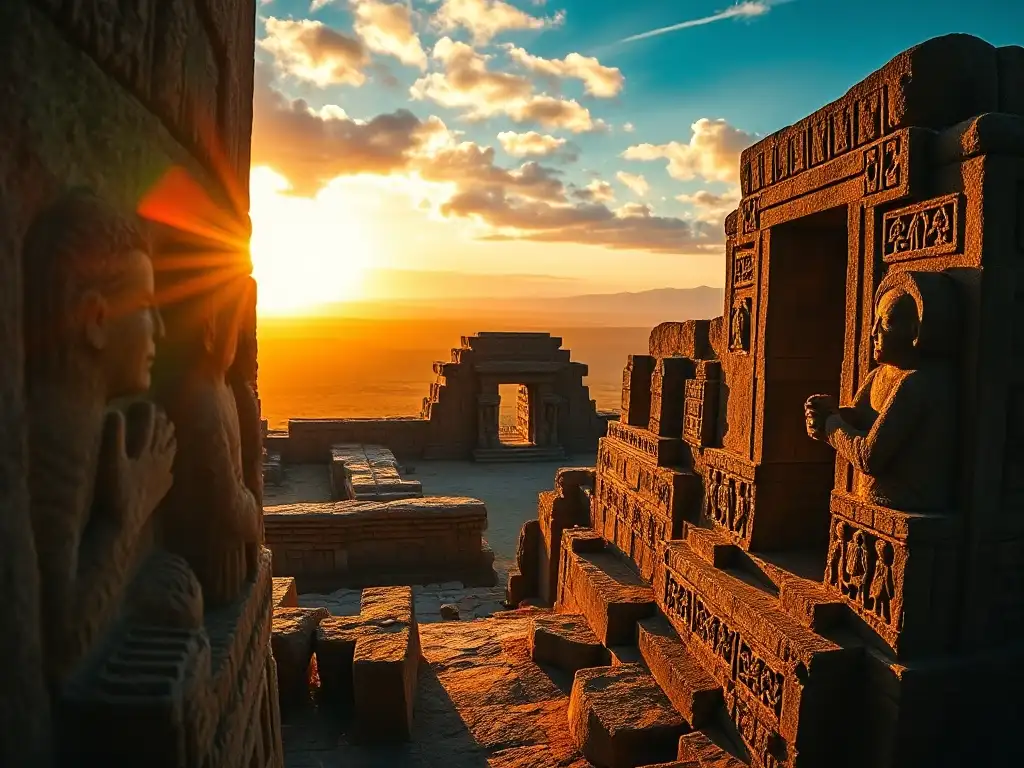
Step into a world lost to time, yet echoing with wisdom. Journey with us through the breathtaking landscapes and enigmatic legacies of the Andean civilizations. Uncover the secrets of their advanced societies, from the intricate artistry of the Nazca lines to the architectural marvels of Machu Picchu. But first, prepare to be amazed by the sophisticated Tiahuanaco medicine practices – a glimpse into a world where healing went beyond the known, and its influence resonates even today. Discover how their understanding of health shaped the future of Andean medicine… dare to delve deeper?
-
Tiahuanaco's Medical Insights: Shaping Andean Health Practices
- Introduction to Tiahuanaco's Medical Understanding
- Tiahuanaco's Knowledge of Anatomy and Physiology
- Tiahuanaco's Herbal Medicine and Medicinal Plants
- Surgical Practices and Bone Setting in Tiahuanaco
- Tiahuanaco's Rituals and Spiritual Healing
- The Legacy of Tiahuanaco Medicine in Subsequent Andean Cultures
- Tiahuanaco's Contributions to Pre-Columbian Healthcare
- Conclusion: Recognizing Tiahuanaco's Medical Innovations
-
Frequently Asked Questions
- What was the significance of Tiahuanaco in Andean medicine?
- What types of medical treatments did Tiahuanaco practitioners use?
- How advanced was Tiahuanaco's understanding of surgery, specifically trepanation?
- What role did religion play in Tiahuanaco's medical practices?
- What evidence exists to support our understanding of Tiahuanaco medicine?
- Final Reflection: The Enduring Legacy of Tiahuanaco's Holistic Approach
- Uncover Your Health Legacy Today!
Tiahuanaco's Medical Insights: Shaping Andean Health Practices
The remarkable civilization of Tiahuanaco, flourishing in the Andean highlands from approximately 300 to 1100 CE, left behind a legacy far beyond its impressive architecture and intricate artistry. This article delves into the surprisingly advanced medical understanding of the Tiahuanaco people and explores how their insights into health and healing significantly influenced subsequent Andean medical practices. We will examine evidence of their anatomical knowledge, their understanding of bodily functions, and the potential impact of their techniques on later civilizations.
Understanding Tiahuanaco's medical practices provides crucial insight into the evolution of Andean medicine and highlights the sophistication of this often-overlooked aspect of their culture. The keyword "Tiahuanaco medicine practices" will be explored throughout this article, offering a comprehensive overview of this fascinating subject.
Introduction to Tiahuanaco's Medical Understanding
Tiahuanaco's medical knowledge, while not documented in the same way as later civilizations, is subtly revealed through archaeological findings. The careful preservation of mummies, the intricate designs on pottery depicting surgical procedures (albeit stylized), and even the layout of urban settlements suggest a sophisticated understanding of health and well-being. Unlike written records, evidence is found in the material culture; the tools, artifacts, and even the organization of their society hint at a complex system of medical practices.
This integrated approach to health, encompassing both physical and spiritual aspects, formed the foundation for many later Andean healing traditions. Analyzing these clues allows us to piece together a clearer picture of Tiahuanaco's unique approach to medicine. The sophisticated understanding of the human body and its functions is particularly noteworthy, setting them apart from many contemporary cultures.
Tiahuanaco's Knowledge of Anatomy and Physiology
While lacking explicit anatomical texts, the Tiahuanaco people demonstrated a clear understanding of human anatomy and physiology. This knowledge, undoubtedly gained through practical experience and observation, was crucial in developing their medical practices. Their understanding wasn't purely theoretical; it was applied in their surgical procedures, reflected in their art, and likely influenced their holistic approach to healing. The level of precision in some of their surgical tools, such as trepanation instruments, indicates a surprisingly advanced understanding of the skull and its delicate structures.
Evidence of Anatomical Awareness in Tiahuanaco Art
Tiahuanaco art, particularly pottery and textiles, offers compelling evidence of their understanding of human anatomy. While often stylized, depictions of the human figure frequently display a remarkable level of accuracy in portraying the body's proportions and key features. Some pottery pieces depict individuals undergoing what seems to be surgical procedures, showing a detailed representation of the body and suggesting a practical knowledge of internal organs and their placement.
Further research and analysis of Tiahuanaco art is needed to fully understand the extent of their anatomical knowledge as depicted in their artistic creations. The intricate detail in these depictions cannot be dismissed as mere artistic license; it suggests a deep familiarity with the human form.
Tiahuanaco's Understanding of Bodily Functions
Beyond anatomical knowledge, evidence suggests a rudimentary understanding of bodily functions, including the circulatory system and the digestive tract. This understanding likely played a crucial role in diagnosis and treatment. While the precise nature of their medical procedures remains a subject of ongoing research, the sophistication of their surgical tools and the apparent understanding of the body's systems are testament to their advanced medical practices for their time.
The effectiveness of their treatments, although difficult to quantify precisely, suggests a remarkable level of empirical knowledge about how the body worked. Further analysis of Tiahuanaco remains and artifacts could reveal more about their understanding of these complex systems.
Tiahuanaco's Herbal Medicine and Medicinal Plants
Tiahuanaco's sophisticated understanding of medicinal plants significantly influenced later Andean medical practices. Their knowledge wasn't simply a collection of remedies; it represented a deep understanding of botany, pharmacology, and the interconnectedness of the natural world with human health. The high altitude environment of the Tiwanaku region likely played a crucial role in shaping their pharmacopoeia, forcing them to adapt and utilize plants with unique properties to thrive in such conditions. Evidence suggests a complex system of plant identification, cultivation, and preparation, showcasing a level of botanical expertise that was remarkably advanced for its time.
This knowledge was likely passed down through generations, carefully preserved within the community's social structure. The integration of herbal remedies into their spiritual beliefs further solidified the importance of this knowledge within their society. Archaeological findings continue to unearth new insights into the specific plants used, strengthening our understanding of their sophisticated medical system.
Identification of Key Medicinal Plants Used by Tiahuanaco
While definitive identification of all plants used by Tiahuanaco healers remains a work in progress, archaeological evidence and analyses of plant remnants found at Tiahuanaco sites suggest the use of several key species. For example, coca leaves, known for their stimulant and analgesic properties, were likely used, aligning with their presence in later Andean cultures. Other plants likely included various species with anti-inflammatory and antimicrobial properties, crucial for treating infections and injuries common in their environment.
Further research is needed to fully catalog the Tiahuanaco pharmacopoeia, but the current findings suggest a diverse range of medicinal plants, reflecting their intimate knowledge of the local flora and its therapeutic potential. The careful selection and preparation of these plants highlight the precision and expertise of their healing practices. The ongoing study of ancient pollen and plant remains at Tiahuanaco is crucial in unveiling the full extent of their herbal medicine knowledge.
Tiahuanaco's Techniques for Preparing Herbal Remedies
The preparation of herbal remedies in Tiahuanaco was likely a meticulous process, involving techniques that optimized the medicinal properties of the plants. This may have included grinding, pounding, boiling, and macerating plants to extract their active compounds. The use of specific solvents, such as water or alcohol (fermented beverages), might have been employed to enhance extraction.
The administration of these remedies may have varied, ranging from oral ingestion to topical application depending on the ailment. Furthermore, the incorporation of other materials, such as minerals or animal products, into their remedies suggests a sophisticated understanding of synergistic effects and combined therapeutic actions. The lack of written records presents challenges in understanding the precise techniques, but the careful preservation of plant remains and the overall complexity of their medical system hint at a refined methodology.
The Role of Healers in Tiahuanaco's Herbal Healing
Healers in Tiahuanaco held a prominent position within their society, acting as both medical practitioners and spiritual guides. Their knowledge of herbal medicine was deeply intertwined with their understanding of the cosmos and the spiritual world. They likely played a crucial role in diagnosing illnesses, preparing remedies, and conducting rituals aimed at restoring balance and well-being.
The status and respect afforded to these healers are evidenced by their possible association with religious or elite structures within the Tiahuanaco society. Their expertise was essential for maintaining the health and well-being of the community, underscoring the importance of herbal medicine within their culture. Further research is needed to fully understand the social organization and training methods of these healers.
Surgical Practices and Bone Setting in Tiahuanaco
Evidence suggests that Tiahuanaco's medical practices extended beyond herbal remedies to include surgical procedures and advanced bone-setting techniques. Their understanding of human anatomy, while not as detailed as later Western medicine, was nonetheless impressive for its time. The ability to perform complex procedures, coupled with their use of herbal remedies for post-operative care, showcases a sophisticated and holistic approach to medical treatment.
This integrated approach, combining surgical intervention with herbal medicine, highlights the advanced nature of Tiahuanaco medical practices and influenced subsequent Andean traditions. The development of such techniques likely stemmed from a combination of practical experience and the development of specialized tools.
Evidence of Cranial Surgery in Tiahuanaco
The discovery of skulls exhibiting evidence of trepanation, a surgical procedure involving drilling holes in the skull, provides compelling evidence of Tiahuanaco's surgical capabilities. While the exact reasons for these procedures remain debated (ranging from therapeutic to ritualistic purposes), the presence of healed trepanation sites indicates a relatively high survival rate, suggesting a level of surgical skill and post-operative care that was far from rudimentary. The tools used for trepanation, likely made of obsidian or other hard materials, showcase the technological sophistication of Tiahuanaco artisans.
The successful performance of such a complex and risky procedure underscores the advanced medical knowledge of Tiahuanaco surgeons. Analysis of these skulls continues to provide valuable insights into their surgical techniques and understanding of the human body.
Tiahuanaco Techniques for Treating Fractures and Dislocations
Tiahuanaco's ability to treat fractures and dislocations is further evidenced by the discovery of skeletal remains showing signs of healing. These findings point to the use of effective reduction and immobilization techniques, likely involving splints and bandages made from natural materials. Their understanding of bone healing and the importance of proper alignment suggests a knowledge of biomechanics that was surprisingly advanced for the time period.
The combination of bone setting with herbal remedies for pain management and infection prevention likely contributed to improved outcomes. Further research, including detailed analyses of skeletal remains and the potential discovery of associated medical tools, will enhance our understanding of their sophisticated fracture and dislocation treatment methods. The success of these treatments further demonstrates the comprehensive and effective nature of Tiahuanaco medicine.
Tiahuanaco's Rituals and Spiritual Healing
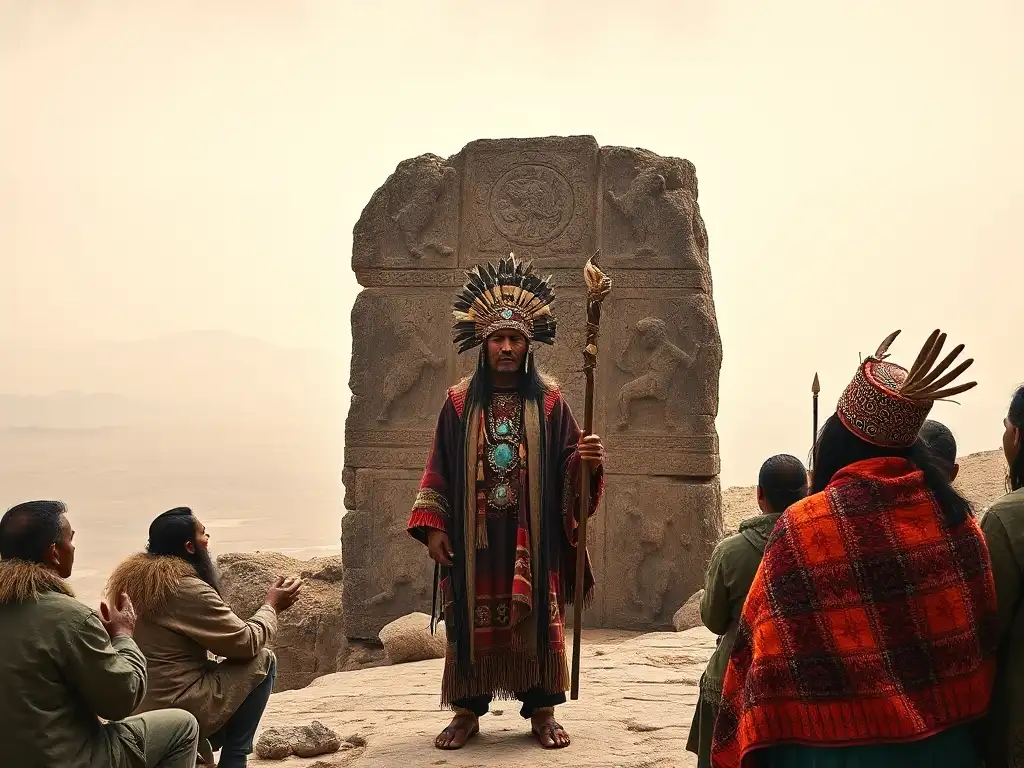
The Connection Between Spiritual Beliefs and Health in Tiahuanaco
The Tiahuanaco people deeply intertwined their understanding of health with their spiritual beliefs. Disease wasn't simply a physical ailment; it was often seen as a consequence of an imbalance in the spiritual realm, a disruption of the cosmic order, or a punishment from the gods. This worldview profoundly influenced their approach to healing, emphasizing ritualistic practices and the intervention of spiritual intermediaries to restore harmony.
Their sophisticated religious system, with its complex pantheon of deities and intricate cosmology, provided the framework for understanding and addressing illness. Shamans and other religious specialists played a crucial role in diagnosing and treating ailments, acting as bridges between the physical and spiritual worlds. The pervasive influence of spiritual beliefs on health is evident in the archaeological record, with numerous artifacts depicting deities associated with healing and fertility.
The Role of Rituals in Tiahuanaco's Healing Practices
Rituals were central to Tiahuanaco's healing practices. These rituals, often performed by shamans or priests, involved a range of activities aimed at restoring balance and appeasing the gods. These could include offerings of food, drink, and precious objects; incantations and prayers; the use of sacred plants with hallucinogenic properties; and symbolic gestures designed to ward off evil spirits or restore cosmic harmony. The specific rituals varied depending on the nature of the illness and the beliefs surrounding its cause.
Archaeological evidence suggests the use of specific ritual spaces or objects dedicated to healing, further emphasizing the importance of ritual in their medical system. For instance, the discovery of certain artifacts in specific contexts within excavated structures could point to dedicated spaces for healing rituals. Further research into these contexts is needed to fully understand the nuances of their ritual healing practices.
Understanding Tiahuanaco's Concept of Disease and its Causes
Tiahuanaco's understanding of disease was holistic and integrated spiritual and physical aspects. Illness wasn't solely attributed to natural causes like bacteria or viruses; instead, it was often perceived as resulting from supernatural forces, the transgression of social or religious norms, or an imbalance within the individual or the community. This holistic approach is reflected in their healing methods which often combined physical treatments with spiritual interventions.
While we don't have detailed written records from Tiahuanaco, archaeological evidence, such as the presence of medicinal plants and tools used in surgery or dentistry, suggests a sophisticated understanding of both physical and spiritual causes of illness. Further research is needed to clarify the specific diseases they recognized and their understanding of their etiology.
The Legacy of Tiahuanaco Medicine in Subsequent Andean Cultures
Tiahuanaco's Influence on Later Andean Medical Traditions
Tiahuanaco's advanced medical knowledge and practices significantly influenced subsequent Andean cultures, particularly the Inca. The sophisticated understanding of medicinal plants, surgical techniques, and the integration of spiritual and physical approaches to healing were passed down through generations, shaping the development of later Andean medical traditions. The continuity of certain practices and beliefs across different Andean cultures suggests a strong connection to Tiahuanaco's medical heritage. This influence is not only seen in specific practices but also in the overall philosophical approach to health and healing that emphasized the interconnectedness of the physical and spiritual realms.
Specific Examples of Tiahuanaco's Medical Knowledge Adoption
Several specific examples demonstrate Tiahuanaco's influence on later Andean medical traditions. For instance, the Inca's use of coca leaves for medicinal purposes likely has roots in Tiahuanaco's traditions. Similarly, the Inca's sophisticated system of healthcare, including specialized healers and hospitals, might have been influenced by earlier Tiahuanaco practices.
The widespread use of trepanation (surgical procedure of drilling holes into the skull) in various Andean cultures, including Tiahuanaco, suggests a continuous practice throughout the region. Though the exact methods and reasons may have evolved over time, the underlying knowledge and skill likely had origins in the earlier Tiahuanaco period. Further research into specific medicinal plants and treatments used in both Tiahuanaco and later Andean cultures is necessary to fully document the extent of this medical heritage.
How Tiahuanaco Practices Laid the Foundation for Inca Medicine
Tiahuanaco's medical practices laid a crucial foundation for the development of Inca medicine. The Inca's renowned medical system, with its network of healers, hospitals, and sophisticated knowledge of medicinal plants, built upon the knowledge and techniques developed centuries earlier in Tiahuanaco. The Inca's emphasis on holistic healing, integrating spiritual and physical approaches, directly reflects Tiahuanaco's worldview.
The Inca's advanced surgical techniques, particularly trepanation, also suggest a continuation of practices developed in earlier Andean cultures, including Tiahuanaco. The impressive organization and infrastructure of the Inca's healthcare system, however, represents a significant advancement over earlier practices, suggesting a continuous process of refinement and development over time. The Inca state's centralized control likely played a crucial role in the standardization and organization of medical practices, building upon the foundations laid by Tiahuanaco's medical traditions.
Tiahuanaco's Contributions to Pre-Columbian Healthcare
Tiahuanaco's sophisticated understanding of healthcare significantly impacted subsequent Andean medical practices. Evidence suggests a highly developed system involving surgical techniques, herbal remedies, and a deep understanding of the human body. Archaeological findings reveal the presence of trepanned skulls, indicating cranial surgery was performed, although the exact methods and success rates remain subjects of ongoing research.
The precision of some of these surgeries, however, points towards a level of skill and knowledge far beyond rudimentary practices. Furthermore, the discovery of various medicinal plants and their possible applications, inferred from analysis of organic residues found in artifacts, points towards a sophisticated pharmacopoeia. These discoveries suggest a complex interplay between surgical intervention and herbal treatments in Tiahuanaco's medical system.
The use of specific plants, potentially possessing analgesic or antiseptic properties, further highlights their advanced understanding of medicinal botany. The integration of these elements suggests a holistic approach to healthcare, far more advanced than previously believed for Pre-Columbian societies. This holistic approach, blending surgical and herbal remedies, became a hallmark of Andean medicine for centuries to come, influencing the medical practices of later cultures, such as the Inca.
Summary of Tiahuanaco's Innovations in Health and Medicine
Tiahuanaco's innovations in healthcare can be summarized as follows: Firstly, evidence of cranial surgery (trepanation) demonstrates a level of surgical skill and understanding of human anatomy. Secondly, the identification of various medicinal plants and their potential uses suggests a complex pharmacopoeia. Thirdly, the apparent combination of surgical techniques and herbal remedies indicates a holistic approach to treatment. Finally, the influence of these practices on later Andean cultures highlights the long-lasting impact of Tiahuanaco's medical knowledge.
These innovations are not isolated occurrences but represent a systemic approach to healthcare, reflecting a sophisticated understanding of the human body and natural remedies. The extent of this knowledge is still being uncovered through ongoing research and analysis of archaeological findings. Further studies are necessary to fully appreciate the complexity and effectiveness of Tiahuanaco's healthcare system.
The Importance of Studying Tiahuanaco's Medical Practices
Studying Tiahuanaco's medical practices is crucial for several reasons. Firstly, it sheds light on the advanced knowledge and skills possessed by pre-Columbian Andean societies, challenging Eurocentric biases about the development of medicine. Secondly, it provides valuable insights into the development of Andean medical traditions, revealing the continuity and evolution of healthcare practices across different cultures and time periods.
Understanding these practices enriches our understanding of the broader history of medicine and challenges simplistic narratives. Thirdly, the study of Tiahuanaco's herbal remedies could potentially lead to the discovery of new medicinal plants and treatments. The potential for discovering novel therapeutic compounds from plants used in Tiahuanaco medicine is a significant area of interest for modern researchers.
Finally, it contributes to a more holistic and inclusive understanding of the history of science and technology in the Americas, highlighting the intellectual achievements of Andean civilizations. These insights can enrich our understanding of global medical history and contribute to the development of modern healthcare.
Conclusion: Recognizing Tiahuanaco's Medical Innovations
Tiahuanaco's contributions to Andean medicine were profound and far-reaching. The evidence suggests a sophisticated system that combined surgical expertise with a deep understanding of medicinal plants. This holistic approach to healthcare influenced subsequent Andean cultures, leaving a lasting legacy. Further research into Tiahuanaco's medical practices is essential not only to understand the evolution of Andean medicine but also to appreciate the significant intellectual achievements of this remarkable civilization. The legacy of Tiahuanaco's medicine is a testament to the ingenuity and innovation of its people, whose knowledge and practices continue to fascinate and inspire researchers today. The study of Tiahuanaco's "medicine practices" offers a compelling glimpse into a rich and complex history of Andean healthcare. Understanding this legacy helps us appreciate the multifaceted nature of pre-Columbian societies and their significant contributions to human knowledge.
Frequently Asked Questions
What was the significance of Tiahuanaco in Andean medicine?
Tiahuanaco's influence on Andean medicine was profound and lasting. Their advanced understanding of surgery, herbal remedies, and trepanation significantly shaped later medical practices across the region. Their knowledge spread through trade and cultural exchange.
What types of medical treatments did Tiahuanaco practitioners use?
Tiahuanaco healers employed a variety of techniques, including herbal medicine, surgery (especially trepanation), and possibly even early forms of dentistry. They likely used a combination of these methods depending on the ailment.
How advanced was Tiahuanaco's understanding of surgery, specifically trepanation?
Their trepanation techniques were surprisingly sophisticated for their time, showing evidence of advanced surgical skills and understanding of cranial anatomy. Success rates, though not fully known, suggest a level of expertise.
What role did religion play in Tiahuanaco's medical practices?
Religion likely played a significant role, with healers potentially viewed as having spiritual powers or connections to deities. Rituals and ceremonies may have been incorporated into the healing process.
What evidence exists to support our understanding of Tiahuanaco medicine?
Archaeological evidence, such as mummified remains showing signs of surgical procedures and healed fractures, provides crucial insight. Furthermore, iconography and artifacts offer clues about their medical knowledge and beliefs.
Final Reflection: The Enduring Legacy of Tiahuanaco's Holistic Approach
Tiahuanaco's sophisticated understanding of health and healing wasn't merely a relic of the past; it laid the groundwork for subsequent Andean medical traditions, profoundly impacting healthcare practices across the region for centuries. The innovative surgical techniques, the emphasis on preventative care through balanced diets and environmental harmony, and the integration of spiritual and physical well-being continue to resonate with modern approaches to holistic medicine. This legacy challenges us to reconsider our own relationship with health and wellness.
The enduring influence of Tiahuanaco's medical insights is evident in the continued use of traditional Andean remedies and practices. These practices, often passed down through generations, demonstrate the resilience and adaptability of a medical system deeply rooted in the understanding of the human body within its natural environment. The earth provides, and the earth heals,
a sentiment echoed across Andean cultures, speaks to the profound connection between environment, health, and spirituality that Tiahuanaco's practitioners so clearly understood. This holistic perspective, often overlooked in modern Western medicine, offers valuable lessons for a more balanced and sustainable approach to healthcare.
Consider the implications of Tiahuanaco's legacy for your own life. How can we integrate a more holistic perspective into our own health practices? How can we appreciate the interconnectedness of our physical and spiritual well-being, mirroring the wisdom of the ancient Andean healers? By reflecting on Tiahuanaco's achievements, we can not only gain a deeper understanding of the past but also inspire a more mindful and integrated approach to health and wellness in the future. Let the enduring legacy of Tiahuanaco guide you on your journey towards a healthier and more fulfilling life.
Uncover Your Health Legacy Today!
Thank you for exploring the fascinating medical insights of Tiahuanaco and their enduring influence on Andean medicine. The innovative health practices of this ancient civilization offer valuable knowledge and inspiration that we can apply today.
Here are some ways to continue your journey towards greater health and understanding:
- **Research traditional Andean remedies**, focusing on local plants and their applications in modern wellness practices.
- **Share your discoveries** with friends and family, or on social media, to encourage discussion about the continuing relevance of ancient medicine.
- Consider attending a **workshop or online course** on holistic health practices inspired by ancestral wisdom.
Which aspects of ancient Tiahuanaco's wisdom resonate most with you on your personal health journey?