
From Coastal Deserts to Mountain Peaks: Crafting the Perfect Andean Itinerary

Unravel the mysteries of a lost world. Imagine traversing the breathtaking landscapes of the Andes, where ancient empires once thrived. From the intricate Nazca Lines to the majestic Machu Picchu, this journey through time begins with our carefully curated Andean historical itinerary. Discover the secrets of the Incas, Moche, and other fascinating Andean civilizations—their ingenuity, their artistry, and their enduring legacy. Are you ready to explore?
-
Crafting the Perfect Andean Historical Itinerary: From Coastal Deserts to Mountain Peaks
- Unveiling the Ancient Andes: Planning Your Journey
- Understanding Andean Historical Sites: A Geographic Perspective
- Building Your Ideal Andean Historical Itinerary: A Step-by-Step Guide
- Must-See Andean Historical Sites for Your Itinerary
- Maximizing Your Andean Historical Journey
- Recommended Resources for Planning Your Andean Historical Itinerary
-
Frequently Asked Questions
- What makes an Andean historical itinerary unique?
- How long should an Andean historical itinerary be?
- What are some must-see sites on an Andean historical itinerary?
- What is the best time of year to visit for an Andean historical itinerary?
- How can I plan a budget-friendly Andean historical itinerary?
- Final Reflection: Echoes of History, Whispers of the Future in the Andes
- Craft Your Dream Andean Adventure Today!
Crafting the Perfect Andean Historical Itinerary: From Coastal Deserts to Mountain Peaks
Embark on an unforgettable journey through time as we craft the ideal Andean historical itinerary. This comprehensive guide navigates the diverse landscapes and captivating cultures of the Andes, from the arid coastal deserts teeming with ancient secrets to the breathtaking mountain peaks that cradle the remnants of mighty empires.
Whether you're a seasoned archaeologist, a history enthusiast, or simply a curious traveler, this itinerary promises an immersive experience into the heart of Andean civilization. We'll delve into the fascinating histories of the Moche, Nazca, Inca, and Tiahuanaco cultures, providing a structured approach to exploring their remarkable achievements in art, architecture, engineering, and societal organization.
This meticulously planned itinerary prioritizes efficient travel while maximizing your exposure to the most significant and well-preserved historical sites, ensuring a truly enriching and unforgettable Andean adventure. Get ready to uncover the mysteries and marvel at the ingenuity of these remarkable ancient societies – your exploration of Andean history begins now!
Unveiling the Ancient Andes: Planning Your Journey
Planning your Andean historical journey requires careful consideration of several key factors. First and foremost is determining the specific cultures and sites you wish to explore. Do you dream of deciphering the enigmatic Nazca Lines, marveling at the intricate artistry of the Moche, or standing in awe before the monumental structures of Machu Picchu? Your interests will largely dictate the duration and geographic scope of your itinerary.
The Andes are vast, and prioritizing specific regions allows for a more in-depth exploration. Secondly, consider the time of year. The Andes experience diverse climates, with some regions experiencing significant variations in temperature and weather patterns throughout the year. Researching optimal travel times for each location is crucial for ensuring a comfortable and enjoyable experience.
Finally, logistical arrangements, including transportation, accommodation, and permits for certain sites, should be planned in advance to avoid unforeseen delays or complications. A well-planned itinerary, incorporating these elements, will unlock the full potential of your Andean adventure, leaving you with lasting memories and a profound appreciation for the rich history of the region. Let's delve into the specifics!
Understanding Andean Historical Sites: A Geographic Perspective
The Andes Mountains present a diverse geographical landscape, directly influencing the development and distribution of ancient Andean civilizations. Understanding this geographical context is crucial for effectively planning your itinerary. The coastal desert regions, characterized by arid climates and limited resources, fostered unique cultural adaptations, as seen in the ingenuity of the Moche and Nazca.
In contrast, the highland regions, with their varied altitudes and climates, provided access to different resources and shaped the development of larger, more complex societies, such as the Inca Empire. This geographical diversity is reflected in the distribution of archaeological sites, with coastal locations showcasing impressive feats of irrigation and artistry, while highland sites boast monumental architecture and intricate urban planning. By understanding this geographical context, you can efficiently organize your itinerary, grouping sites based on their proximity and cultural affiliations, maximizing your exploration while minimizing travel time.
Coastal Desert Marvels: Exploring Moche and Nazca Civilizations
The arid coastal plains of Peru offer a captivating glimpse into the innovative and artistic achievements of the Moche and Nazca civilizations. The Moche, known for their sophisticated irrigation systems and elaborate metalwork, left behind impressive monumental architecture, including impressive pyramids and intricate burial sites. Exploring the Huaca del Sol and Huaca de la Luna near Trujillo provides a fascinating insight into their societal structure and religious beliefs.
Meanwhile, the Nazca, renowned for their enigmatic geoglyphs etched into the desert floor, left behind evidence of a sophisticated understanding of astronomy and engineering. A flight over the Nazca Lines offers a unique perspective on these colossal works of art, while ground-level exploration reveals the intricate details of their construction and the surrounding archaeological sites.
Planning your exploration of these coastal marvels requires considering the distances between sites and the best methods of transportation. Remember to factor in the intense desert sun and prepare accordingly.
Andean Highland Treasures: The Inca Empire and Beyond
The high Andes are home to the remnants of the Inca Empire, one of the most remarkable civilizations of pre-Columbian America. Machu Picchu, the iconic "Lost City of the Incas," stands as a testament to Inca ingenuity in architecture and urban planning. Beyond Machu Picchu, exploring sites like Ollantaytambo, Sacsayhuamán, and Cusco reveals the vastness and complexity of the Inca Empire.
However, the Andean highlands also hold treasures from earlier cultures, such as Tiahuanaco, whose monumental architecture and sophisticated religious beliefs offer a fascinating glimpse into pre-Inca Andean societies. Planning your journey through the highlands requires considering the altitude and its potential effects on your health. Allow ample time for acclimatization and consider the varying accessibility of different sites, especially those situated at higher altitudes.
Remember that many sites require pre-booked tickets and guided tours for access. This meticulous planning will ensure a safe and unforgettable journey through the heart of the Inca and pre-Inca Andean world.
Building Your Ideal Andean Historical Itinerary: A Step-by-Step Guide
Crafting the perfect Andean historical itinerary requires careful planning. This isn't just about ticking off sites; it's about immersing yourself in the rich tapestry of Andean history and culture. To help you navigate this incredible journey, we've broken down the process into manageable steps.
Following these steps will allow you to create a personalized itinerary that caters to your specific interests and preferences, ensuring a truly unforgettable experience exploring the legacies of the Andean civilizations. Remember, flexibility is key – unforeseen circumstances can arise, so be prepared to adapt your plans accordingly. The beauty of independent travel is the ability to tailor your experience to your own pace and desires.
Step 1: Defining Your Interests in Andean Civilizizations
Before you even think about flights or hotels, consider what aspects of Andean history fascinate you most. Are you captivated by the Incas' sophisticated empire, the intricate artistry of the Moche culture, or the enigmatic Nazca Lines? Perhaps you're drawn to the monumental architecture of Tiahuanaco or the sophisticated irrigation systems of pre-Inca societies. Focusing your interests will help you prioritize sites and activities that resonate with you.
For example, if you're a keen archaeologist, you might prioritize sites with extensive excavation work and museum exhibits, while someone interested in textiles might focus on museums showcasing Andean weaving traditions. This initial step is crucial for creating a genuinely personalized and enriching Andean historical itinerary. Consider creating a short list of specific themes or civilizations that particularly intrigue you. This will act as your guiding principle throughout the planning process.
Step 2: Determining Your Travel Style and Budget
Your travel style significantly impacts your itinerary. Are you an adventurous backpacker, a luxury traveler, or somewhere in between? This decision determines your accommodation choices, transportation options, and overall pace. Backpackers might opt for hostels and local buses, while luxury travelers might prefer boutique hotels and private cars. Budget is equally crucial.
The cost of flights, accommodation, entrance fees to historical sites, and internal transportation can vary considerably. Researching costs upfront prevents unpleasant surprises and allows you to allocate your budget effectively. Consider creating a realistic budget that includes a contingency for unexpected expenses. Remember to factor in the cost of meals, souvenirs, and activities beyond site visits. A well-defined budget ensures you can fully enjoy your trip without financial worries.
Step 3: Selecting Your Transportation and Accommodation
Once you have a clear picture of your interests and budget, you can start planning the logistics. Consider the accessibility of each site and the time required to travel between them. Internal flights can save time, but they add to the overall cost. Buses are a more budget-friendly option, but journeys can be lengthy.
For accommodation, research options ranging from budget-friendly hostels to luxurious hotels, depending on your preferences and budget. Booking accommodations and transportation in advance, especially during peak season, is highly recommended, particularly for popular sites and transportation routes. This ensures a smoother travel experience and avoids potential last-minute disappointments. Consider using online booking platforms to compare prices and options.
Must-See Andean Historical Sites for Your Itinerary
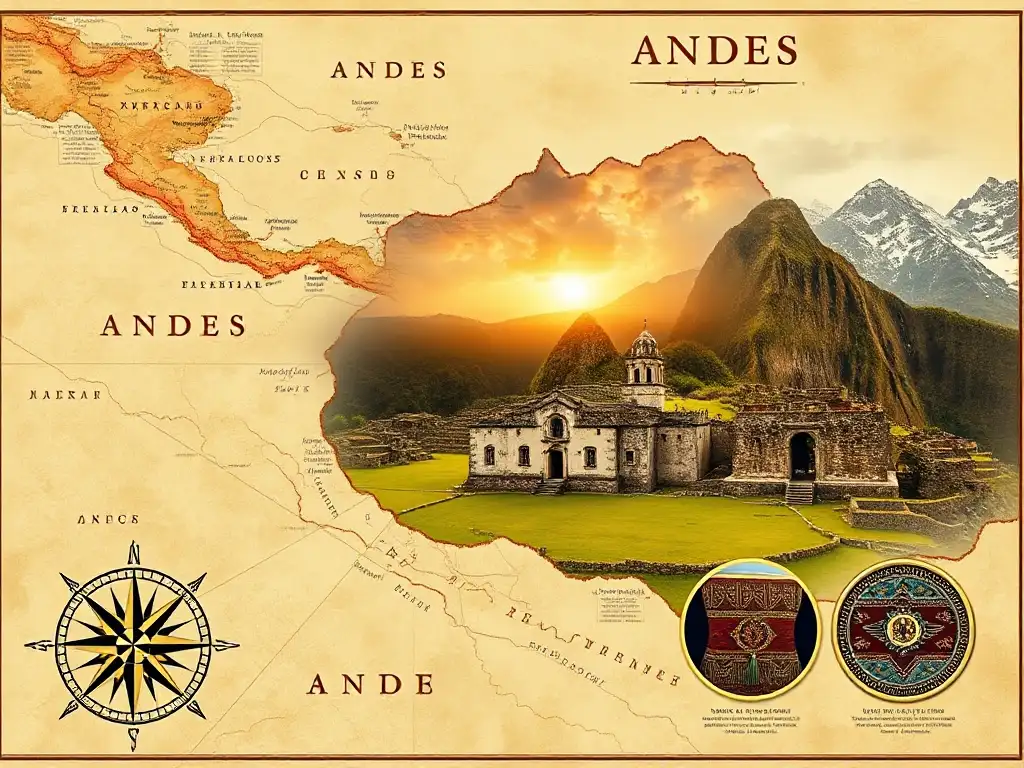
Peru and other Andean nations boast a plethora of incredible historical sites. Prioritizing your visits based on your interests and available time is essential. Here are a few must-see locations to inspire your itinerary, categorized for easier planning. Remember to always check official websites for opening hours, entrance fees, and any necessary permits before your visit. Many sites offer guided tours, which can greatly enhance your understanding and appreciation of the historical context.
Incan Imperial Sites: Pisaq Ruins and Ollantaytambo Fortress
The Incan Empire left an indelible mark on the Andes. Two sites that showcase their architectural prowess and strategic ingenuity are Pisaq and Ollantaytambo. Pisaq, nestled high in the Sacred Valley, features intricately designed agricultural terraces clinging to the mountainside, a testament to the Incas' mastery of engineering and their sophisticated agricultural techniques. Ollantaytambo, a larger and more imposing fortress, served as a crucial military and administrative center.
Its massive stone structures, some weighing several tons, are a marvel of engineering and demonstrate the Incas' advanced understanding of stonework. Exploring these sites offers a tangible connection to the power and sophistication of the Incan Empire. The sheer scale and precision of the stonework are breathtaking, and the breathtaking views from these elevated positions add to the overall experience.
Pre-Incan Civilizations: Chan Chan and Caral Archaeological Site
Long before the Incas, other remarkable civilizations flourished in the Andes. Chan Chan, the capital of the Chimú kingdom, is a sprawling adobe city on the northern coast of Peru. Its intricate city layout, impressive palaces, and sophisticated irrigation systems showcase the Chimú's advanced civilization.
Further south, the Caral Archaeological Site, one of the oldest known civilizations in the Americas, offers a glimpse into a pre-ceramic society that developed complex social structures and impressive monumental architecture. Visiting these sites provides context to the rich history of the Andes, demonstrating the long and continuous development of complex societies in the region. The scale and sophistication of these pre-Inca sites often surprise visitors, highlighting the depth and complexity of Andean history.
Sacred Sites: Coricancha and Temple of the Moon
Beyond the impressive palaces and fortresses, many sacred sites throughout the Andes hold deep spiritual significance. Coricancha, in Cusco, was the most important temple in the Incan Empire, dedicated to the sun god Inti. Its ruins, even in their current state, are breathtaking. The Temple of the Moon, located near Puno, is a fascinating example of pre-Inca architecture, featuring intricate carvings and a captivating atmosphere.
Visiting these sites provides a deeper understanding of the Andean worldview and the importance of religion and spirituality in shaping their societies. These sites often offer a sense of serenity and connection to the past, allowing visitors to reflect on the lasting legacy of these ancient cultures. The spiritual significance of these locations is palpable, offering a unique and enriching experience.
Maximizing Your Andean Historical Journey
Planning an Andean historical itinerary requires careful consideration to ensure a rich and rewarding experience. This involves optimizing your time, understanding the unique challenges of the region, and embracing the cultural nuances. A well-planned trip allows for a deeper engagement with the history, art, and culture of these fascinating civilizations. Don't just rush through sites; take the time to truly appreciate the significance of each location.
Consider the timing of your visit, taking into account weather patterns and potential crowds. For instance, the rainy season in certain areas might limit access to some sites, while peak tourist seasons can lead to longer queues and higher prices. Thorough research and advanced planning are key to maximizing your journey's impact. Remember, the goal is not merely to see these historical wonders but to understand their context and significance within the broader narrative of Andean history.
Hiring Local Guides: Ensuring an Authentic Experience
Hiring a local guide is arguably the single most effective way to enhance your Andean historical experience. These individuals possess an intimate knowledge of the region's history, culture, and geography, providing insights inaccessible through guidebooks alone. They can illuminate the subtle details often missed by casual visitors, bringing the past to life in a compelling way.
Look for guides with proven expertise and a passion for sharing their knowledge. Many communities offer certified guides who are deeply rooted in the local culture, providing an authentic and enriching perspective. Their insights will extend beyond the historical facts, offering valuable context about the present-day communities and their connection to the ancient past.
This personal touch transforms a simple sightseeing trip into a truly immersive cultural experience. Consider the language barrier; a bilingual guide can significantly improve communication and understanding. Furthermore, supporting local guides directly contributes to the economic well-being of the communities you're visiting.
Learning Basic Quechua: Engaging with Local Communities
While not strictly essential, learning a few basic phrases in Quechua, the language of the Inca Empire and still spoken in many Andean communities, can significantly enhance your interactions with locals. Even a simple "Sumaj kawsay" (good life) or "Gracias" (thank you) can go a long way in demonstrating respect and building rapport. This simple act of cultural sensitivity opens doors to more meaningful encounters and deeper connections.
Imagine the difference between simply observing a traditional ceremony and actually understanding the words being spoken, or being able to engage in a simple conversation with a local artisan. Learning basic Quechua demonstrates your respect for their heritage and fosters a more authentic and enriching experience.
There are many online resources and language learning apps available to help you acquire basic conversational skills before your trip. This small investment of time can yield significant rewards in terms of cultural immersion and personal connection.
Packing Essentials: Preparing for Diverse Climates and Altitudes
The Andes boast diverse climates and altitudes, demanding careful consideration of your packing list. Prepare for everything from scorching desert sun to freezing mountain nights. Pack layers, including lightweight, breathable clothing for warmer days and warm fleece or down jackets for colder temperatures. Don't forget sturdy, comfortable walking shoes suitable for varied terrains, as much of your exploration will involve hiking. Sunscreen, a hat, and sunglasses are essential to protect yourself from the intense sun at higher altitudes.
Altitude sickness can be a serious concern; pack medication if prescribed and acclimatize gradually. Bring a reusable water bottle and stay hydrated throughout your journey. A first-aid kit containing basic medications and supplies is also highly recommended. Remember to check the weather forecast before you go and adjust your packing list accordingly. Proper preparation will ensure a comfortable and safe journey through the diverse Andean landscapes.
Recommended Resources for Planning Your Andean Historical Itinerary
Planning a comprehensive trip to explore the rich history of the Andes requires thorough research. Utilizing a variety of resources can ensure that your itinerary is both informative and enjoyable. Consider the different perspectives offered by various sources, combining practical advice with historical context.
Travel Books and Guides: Insights and Practical Information
Numerous travel books and guides provide invaluable insights into the history and culture of the Andean region. These resources offer detailed information on historical sites, practical tips for navigating the region, and recommendations for accommodation and transportation. Choose books written by experienced travelers or historians specializing in the Andes to ensure accuracy and depth of information.
Look for guides that offer maps, itineraries, and practical advice on issues such as altitude sickness and cultural sensitivity. These resources can serve as a starting point for your research, providing a solid foundation for planning your itinerary. Supplement these guides with online research to ensure your information is up-to-date.
Online Forums and Communities: Connecting with Fellow Travelers
Connecting with other travelers who have explored the Andes can provide invaluable firsthand insights and practical advice. Online forums and communities dedicated to travel in South America often feature detailed trip reports, recommendations, and discussions on various aspects of planning an Andean journey. These platforms allow you to ask questions, share experiences, and learn from the mistakes and successes of others.
Engage with the community, seeking advice on specific sites, transportation options, and accommodation choices. Remember to approach information critically, considering the individual perspectives and experiences shared. This collaborative approach can supplement your research and enhance your trip planning process.
Travel Agencies Specializing in Andean Tours: Tour Operator Recommendations
Consider using the services of a reputable travel agency specializing in Andean tours. These agencies often offer pre-planned itineraries, combining transportation, accommodation, and guided tours into a comprehensive package. Choosing a specialized agency ensures that your itinerary is well-structured and caters to your specific interests and budget. They can handle logistics, booking accommodations and transportation, and providing access to expert guides.
However, remember to carefully research and compare different agencies before making a decision. Read reviews, compare prices, and ensure the agency is reputable and experienced in the Andean region. A well-chosen travel agency can alleviate much of the stress associated with planning a complex itinerary, allowing you to focus on enjoying the journey itself.
Frequently Asked Questions
What makes an Andean historical itinerary unique?
An Andean itinerary is unique because it explores the diverse geographical landscapes of the Andes, from the coastal deserts to the high mountain peaks, showcasing the remarkable adaptation and ingenuity of various ancient civilizations like the Incas, Moche, and Nazca. This diversity offers a rich tapestry of history and culture.
How long should an Andean historical itinerary be?
The ideal length depends on your interests and available time. A shorter trip (7-10 days) might focus on a specific civilization or region, while a longer itinerary (14+ days) allows for a more comprehensive exploration of multiple sites and cultures. Flexibility is key to optimizing your experience.
What are some must-see sites on an Andean historical itinerary?
Essential sites include Machu Picchu (Inca), Chan Chan (Chimu), the Nazca Lines, and Tiahuanaco. Consider including lesser-known sites to gain a deeper understanding of regional variations in Andean culture and history. Prioritize based on your interests.
What is the best time of year to visit for an Andean historical itinerary?
The dry season (May to September) offers the best weather for exploring many Andean sites, with less rainfall and clearer skies. However, this is also peak tourist season, so booking in advance is crucial. Consider the specific region you'll be visiting.
How can I plan a budget-friendly Andean historical itinerary?
Budget travel in the Andes is possible! Consider local transportation instead of flights, stay in budget-friendly accommodations like hostels, and take advantage of free activities like hiking. Thorough advance planning and research will help you save money.
Final Reflection: Echoes of History, Whispers of the Future in the Andes
The Andes, a spine of ancient civilizations and breathtaking landscapes, remain a potent symbol of resilience and cultural richness, echoing through time and shaping our present. Understanding this history is not merely an academic exercise; it's a key to unlocking a deeper appreciation for the vibrant tapestry of life woven across this majestic mountain range. The intricate network of Inca trails, the haunting beauty of pre-Columbian ruins, and the enduring traditions of Andean communities all contribute to a narrative that continues to unfold.
The journey through the Andes, as explored in this itinerary, is more than just a sightseeing adventure; it's a pilgrimage through time. It's a chance to connect with the echoes of empires past and the enduring spirit of a people who have shaped this land for millennia. The mountains are calling, and I must go,
a sentiment often attributed to John Muir, perfectly encapsulates the irresistible pull of the Andes, a call that resonates with the spirit of exploration and the desire to understand our shared human story. This journey, both physically and intellectually, leaves an indelible mark, fostering a deeper understanding of our interconnectedness and the importance of preserving cultural heritage.
Now, consider your own journey. What echoes of history resonate with you? What stories do you carry within you? This itinerary is a starting point, a spark to ignite your own exploration of the Andes. Don't just read about these incredible places; experience them. Embrace the challenge of the high altitudes, the beauty of the landscapes, and the warmth of the Andean people. Let the echoes of the past inspire you to create your own unique Andean adventure, leaving your own mark on this incredible region while respecting its rich legacy.
Craft Your Dream Andean Adventure Today!
Thank you for exploring the rich tapestry of the Andean region with us! We hope you've found inspiration to guide your travel planning. Now, let's turn that inspiration into action.
Here are some steps you can take to elevate your Andean journey:
- Begin planning your personalized itinerary. Start by identifying the destinations that most excite you from what you've learned.
- Connect with fellow travelers in online communities dedicated to Andean exploration. Share your ideas and learn from others' experiences!
- Consider hiring a local guide. This will unlock hidden gems and culturally rich experiences often missed by typical tourists.
What unique experiences are you hoping to include in your Andean adventure? Share your ideas—let's inspire each other!