
Food and Drink of the Andes: Savoring Flavors of Ancient Traditions

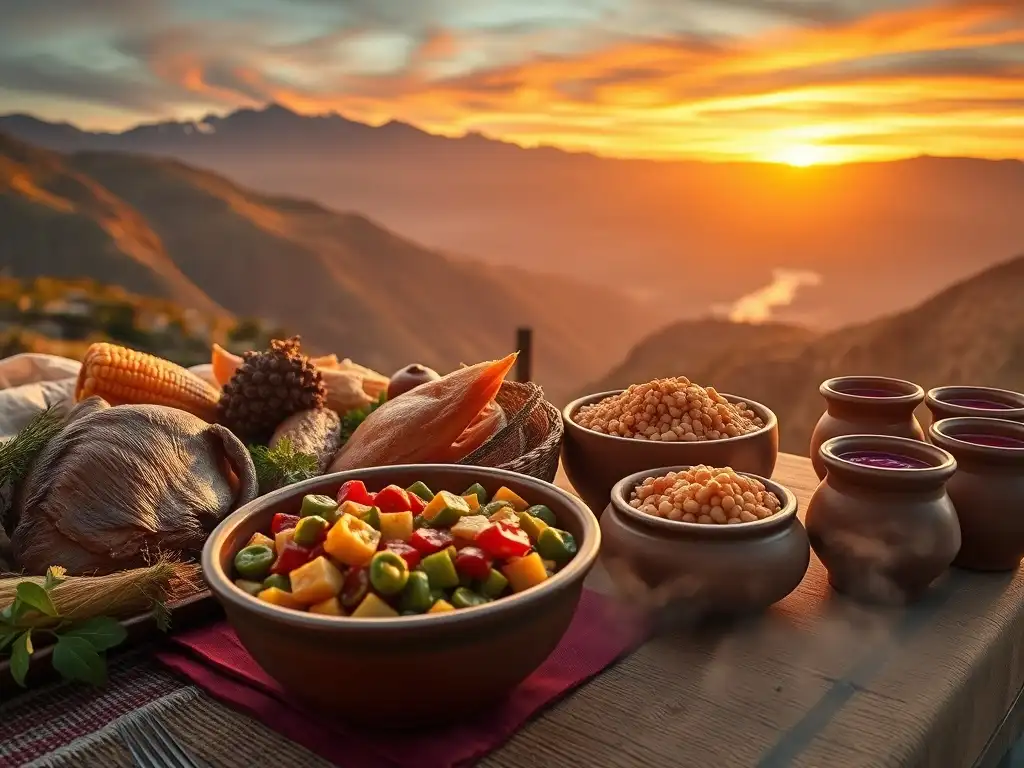
Welcome, explorer! Prepare to embark on a captivating journey through time, uncovering the enigmatic secrets of ancient Andean civilizations. Beyond the breathtaking landscapes and majestic ruins, lies a world of vibrant culture, where ingenious technology met extraordinary artistry. But have you ever considered the secrets whispered through their food? Discover the fascinating world of ancient Andean food traditions and unlock the flavors that sustained these remarkable empires – a culinary heritage waiting to be savored. Dive in and explore!
- Unearthing Ancient Andean Food Traditions: A Culinary Journey
- Experiencing Ancient Andean Flavors Today: Culinary Travel Options
- Bringing Andean Flavors Home: Products and Souvenirs
- Conclusion: Savoring the Legacy of Ancient Andean Food
- Frequently Asked Questions
- Final Reflection: A Legacy of Flavor, A Future of Sustainability
- **Savor the Flavors: Dive Deeper into Andean Culinary Traditions! **
Unearthing Ancient Andean Food Traditions: A Culinary Journey
Embark on a captivating exploration of ancient Andean food traditions, a culinary journey through time that unveils the sophisticated and diverse diets of civilizations that thrived in the challenging yet fertile landscapes of the Andes Mountains. This article delves into the fascinating world of ancient Andean cuisine, revealing the ingenuity and resourcefulness of cultures like the Inca, Moche, Nazca, and Tiahuanaco, who harnessed the bounty of their environment to create a unique and flavorful culinary heritage.
From the humble potato to the energizing quinoa, we'll uncover the key ingredients and culinary techniques that shaped the diets of these remarkable societies, offering a glimpse into their daily lives and cultural practices. Understanding these ancient food traditions provides a deeper appreciation for the enduring legacy of Andean civilizations and enriches the experience of exploring their historical sites today.
This exploration will not only satisfy your curiosity about "ancient Andean food traditions," but also inspire you to savor the flavors of the past when you plan your own Andean adventure.
Discovering the Roots of Andean Cuisine
The Andes Mountains, a geographically diverse region, presented both challenges and opportunities for its inhabitants. The high altitudes, varied climates, and unique ecosystems fostered the cultivation of a remarkable array of crops, forming the foundation of Andean cuisine. Unlike many other ancient civilizations, the Andean people didn't rely on a single staple crop. Instead, they cultivated a remarkable diversity of plants, showcasing remarkable adaptation and ingenuity.
This agricultural diversity is reflected in the complexity and richness of their culinary traditions. For example, the potato, in its countless varieties, played a central role, providing a versatile and nutritious staple. But it wasn't the only star; quinoa, amaranth, and various beans provided essential protein and carbohydrates, complemented by a wide range of fruits, vegetables, and spices. Early Andean societies developed sophisticated agricultural techniques, including terracing and irrigation systems, to maximize food production in challenging environments.
These techniques, combined with a deep understanding of their environment, allowed them to create a sustainable and resilient food system that supported their thriving populations. The ingenuity and resilience of these ancient Andean farmers is a testament to their profound connection with their land and a key element in understanding their rich culinary heritage. The enduring legacy of their agricultural practices is still visible today in the Andean landscape and continues to inspire modern farming techniques.
Key Ingredients in the Ancient Andean Pantry
The ancient Andean pantry was a treasure trove of nutritious and flavorful ingredients. Let's explore some of the key players:
- The Potato ( Solanum tuberosum): Not just one potato, but hundreds of varieties! From small, brightly colored papa to larger, starchy papa, each variety offered unique culinary possibilities, depending on the altitude and climate. They were prepared in countless ways – boiled, roasted, mashed, fermented, and even freeze-dried ( chuño).
- Quinoa (Chenopodium quinoa): This "mother grain" was (and still is!) a nutritional powerhouse, providing a complete protein source along with essential minerals. Its versatility allowed for diverse preparations, from porridges and stews to baked goods.
- Amaranth (Amaranthus): Another highly nutritious grain, amaranth provided a source of protein and essential amino acids. It was often used in porridges, breads, and other dishes.
- Beans (various species): A wide variety of beans, including kidney beans, black beans, and lima beans, complemented the grains and potatoes, providing a vital source of protein and fiber.
- Corn (Zea mays): While not as central as the potato or quinoa, corn played a significant role in the Andean diet, particularly in the form of chicha, a fermented corn beverage that held cultural and ritualistic significance.
| Ingredient | Nutritional Value | Culinary Uses |
|---|---|---|
| Potato | Carbohydrates, vitamins, minerals | Boiled, roasted, mashed, fermented, freeze-dried |
| Quinoa | Complete protein, fiber, minerals | Porridges, stews, baked goods |
| Amaranth | Protein, amino acids, minerals | Porridges, breads, other dishes |
| Beans (various) | Protein, fiber, minerals | Stews, soups, side dishes |
| Corn | Carbohydrates, vitamins | Chicha (fermented beverage), breads, tortillas |
The diversity and nutritional value of these ingredients highlight the sophisticated understanding of agriculture and nutrition possessed by the ancient Andean civilizations. Their culinary traditions, built upon these foundations, continue to inspire and delight today. The vibrant flavors and nutritional richness of these ancient foods are a testament to the ingenuity and resourcefulness of these remarkable cultures. 👨🌾👩🌾
Experiencing Ancient Andean Flavors Today: Culinary Travel Options
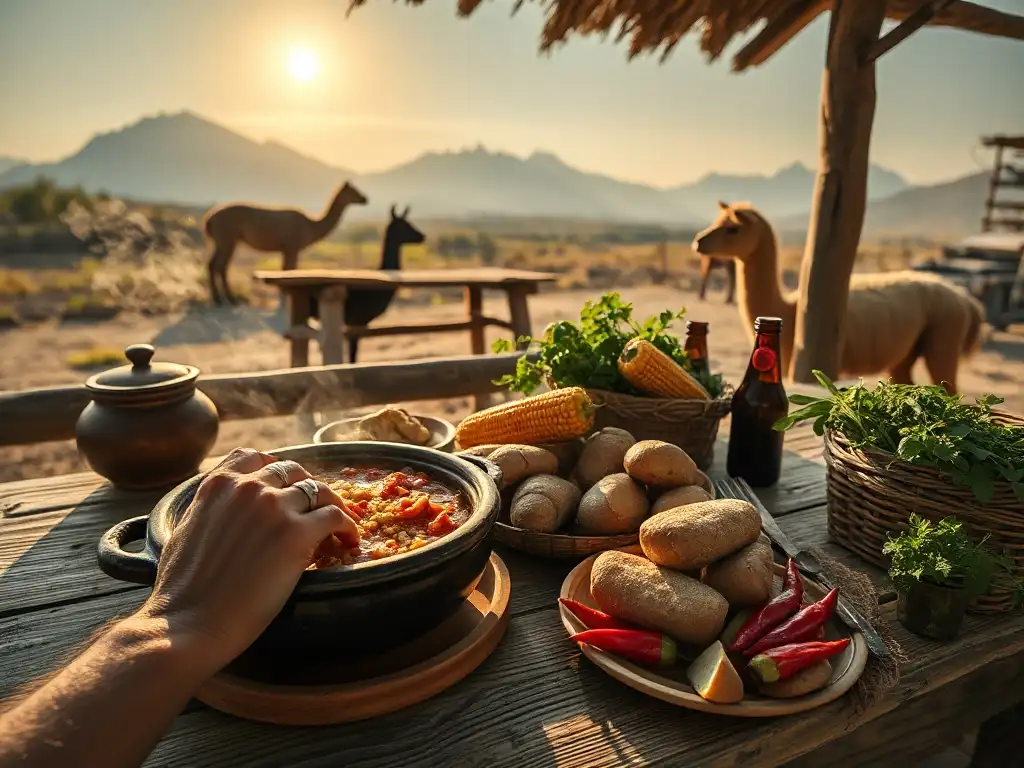
This section explores how modern travelers can connect with the ancient Andean food traditions through carefully curated culinary experiences. Understanding the historical context of Andean cuisine enhances the appreciation of the flavors and ingredients encountered today. Many modern dishes are direct descendants of ancient preparations, reflecting a continuous culinary heritage spanning millennia.
The enduring legacy of ancient Andean agriculture and food processing techniques is evident in the vibrant culinary landscape of the region. This section focuses on two key areas for experiencing these traditions: Cusco, a major historical hub, and the Sacred Valley, renowned for its agricultural bounty and stunning scenery.
Best Food Tours in Cusco: Immerse Yourself in Andean Gastronomy
Cusco, the former Inca capital, offers a wealth of opportunities to explore ancient Andean food traditions through guided food tours. These tours go beyond simple meals; they provide a contextual understanding of the ingredients, preparation methods, and cultural significance of the dishes. Many tours incorporate visits to local markets, allowing participants to witness the vibrant exchange of produce and interact with local farmers. This direct engagement with the source of ingredients enriches the culinary experience, adding a layer of authenticity often missing in standard tourist restaurants.
For example, a typical tour might begin with a visit to San Blas artisan market, where you could sample chicha morada, a traditional purple corn drink, while learning about its historical significance and preparation. Later, the tour might progress to a hands-on cooking class, allowing participants to prepare dishes like cuy (guinea pig), a traditional Andean protein source, or pachamanca, a unique earth oven cooking method. These interactive experiences offer a deeper understanding of ancient techniques and their continued relevance in modern Andean cuisine.
The tours typically conclude with a multi-course meal showcasing a range of flavors and ingredients reflecting the rich diversity of Andean gastronomy. The emphasis is always on fresh, locally-sourced ingredients and traditional preparations, ensuring an authentic and memorable culinary journey.
Choosing a reputable tour operator with experienced guides knowledgeable about the historical context of the food is key to maximizing the experience. Details on specific tour operators and their offerings should be researched individually based on traveler preferences and budget.
Best Restaurants in the Sacred Valley: Authenticity and Flavor
The Sacred Valley, a fertile region nestled between Cusco and Machu Picchu, is renowned for its agricultural richness and its connection to ancient Andean food traditions. Several restaurants in this area pride themselves on using locally-sourced, organic ingredients and traditional cooking methods. These establishments often feature menus that highlight specific Andean ingredients and dishes, providing a unique opportunity to sample authentic flavors. The emphasis on sustainability and traditional practices sets these restaurants apart from more generic tourist establishments.
One could expect to find restaurants specializing in palta rellena (stuffed avocado), a dish with roots in pre-Columbian times, or humitas, steamed corn cakes filled with cheese or other savory ingredients. The restaurants often showcase seasonal dishes, reflecting the cyclical nature of Andean agriculture and the availability of fresh, local produce. The ambiance of these restaurants often complements the culinary experience, incorporating traditional Andean elements into the décor and atmosphere.
Many are located in charming villages amidst stunning scenery, adding to the overall sensory experience. Finding these hidden gems often requires a little research, but the reward is a truly authentic and unforgettable dining experience that reflects the enduring legacy of ancient Andean food traditions. Specific restaurant recommendations require further investigation based on location and desired ambiance, but prioritizing locally-owned establishments that highlight traditional Andean cuisine is advisable.
Bringing Andean Flavors Home: Products and Souvenirs
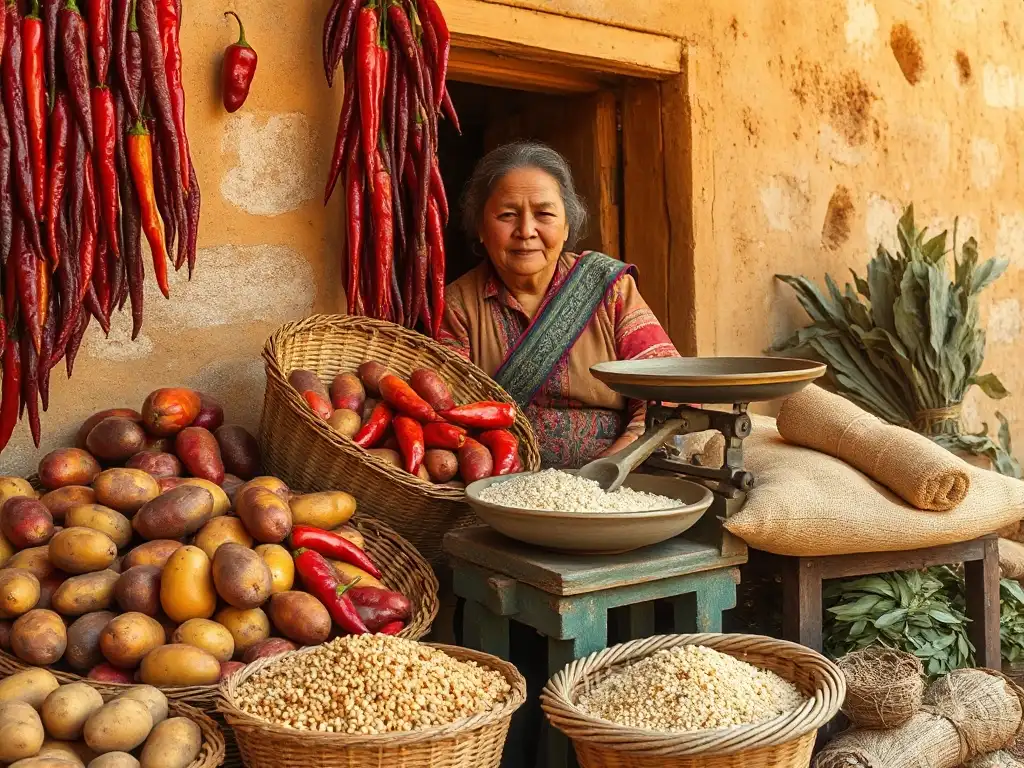
This section explores ways to extend your Andean culinary journey beyond your trip, focusing on bringing home the authentic tastes and traditions of the region. Whether you're a seasoned chef or a casual cook, preserving the memory of ancient Andean food traditions through carefully selected products and resources can enrich your kitchen and inspire future culinary adventures.
Essential Andean Ingredients for Your Pantry
Replicating the flavors of ancient Andean cuisine requires sourcing key ingredients. While some might be challenging to find outside of South America, many are readily available in specialty stores or online. Stocking your pantry with these essentials will allow you to recreate some of the dishes you sampled during your travels, or experiment with new recipes inspired by ancient Andean food traditions.
Here's a list to get you started:
- Quinoa: This superfood, a staple of Andean diets for millennia, is now globally popular. Look for varieties like red, black, and white quinoa for varied textures and nutritional profiles. Consider the origin; Peruvian quinoa often boasts superior quality.
- Aji Panca Peppers: These mild, sweet peppers are crucial to Peruvian cuisine and add a unique depth of flavor. Dried aji panca peppers are readily available and can be reconstituted easily.
- Dried Potatoes: The Andes are the birthplace of the potato, and numerous varieties exist, each with its unique flavor and texture. Dried potatoes, particularly chuño (freeze-dried potatoes) and tunta (sun-dried potatoes), offer a fascinating glimpse into ancient preservation techniques.
- Corn: Different types of corn, including giant kernels and varieties used in chicha (a traditional fermented corn beverage), are integral to ancient Andean food traditions. Look for heirloom varieties for the most authentic flavors.
- Cacao: While not exclusive to the Andes, the region holds a significant place in cacao's history. Look for high-quality, dark cacao nibs or unsweetened chocolate to experience the rich, earthy flavors.
- Spices: Ancient Andean cuisine often utilizes a blend of spices, including cumin, aji amarillo (yellow chili pepper), and oregano. Experiment with different combinations to discover unique flavor profiles.
Remember to check labels carefully for origin and quality. Prioritizing ethically sourced and sustainably produced ingredients supports both local producers and the preservation of ancient Andean food traditions. The quest for authentic ingredients is, in itself, a journey into the heart of Andean culinary heritage.
Andean Cookbooks & Culinary Guides
Beyond ingredients, acquiring authentic Andean cookbooks and culinary guides provides invaluable insight into preparation techniques and historical context. These resources are crucial to understanding the nuances of ancient Andean food traditions and recreating dishes with accuracy and respect for their origins.
Consider looking for cookbooks specifically focusing on:
- Regional variations: Andean cuisine varies greatly across different regions. A cookbook focusing on a specific area, like the Peruvian highlands or the Bolivian Altiplano, provides a deeper understanding of local traditions.
- Historical context: Some cookbooks go beyond mere recipes, providing historical background on the ingredients and preparation methods, enriching your culinary experience with cultural knowledge.
- Modern adaptations: While authenticity is important, many modern chefs adapt ancient Andean recipes to suit contemporary tastes and preferences. Finding a balance between tradition and innovation can lead to exciting culinary discoveries.
Choosing high-quality resources ensures that your culinary explorations are based on accurate information and respect for the rich history of ancient Andean food traditions. This allows you to not only recreate the flavors but also appreciate the cultural significance of each dish. The journey to mastering ancient Andean cuisine is a rewarding one, filled with delicious discoveries and a deeper appreciation for the region's vibrant culinary heritage.
Conclusion: Savoring the Legacy of Ancient Andean Food
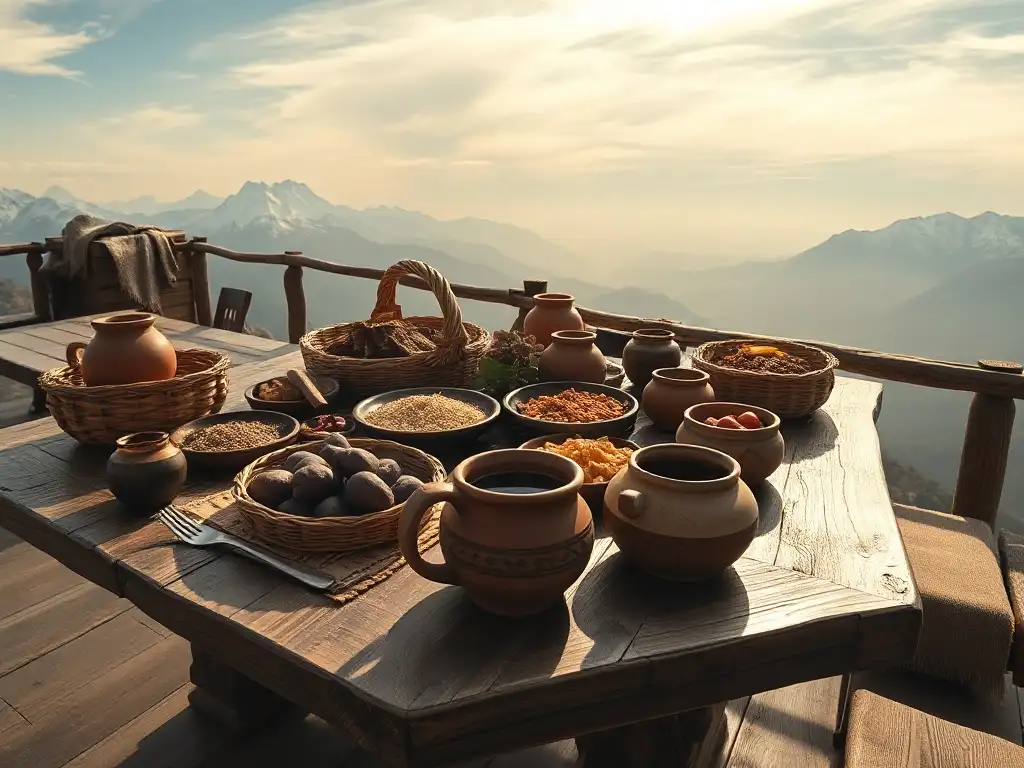
This exploration of ancient Andean food traditions reveals a sophisticated and resilient culinary landscape. The ingenuity of Andean civilizations in adapting to their challenging environment is reflected in their resourceful use of available ingredients and innovative food preparation techniques. From the humble potato, boasting thousands of varieties, to the energizing quinoa, and the flavorful coca leaf, their diet provided both sustenance and cultural significance.
Understanding these ancient Andean food traditions offers a deeper appreciation for the resilience and adaptability of these remarkable cultures. The legacy continues to shape modern Andean cuisine, a testament to the enduring power of tradition and the rich tapestry of Andean heritage.
The Enduring Legacy of Ancient Andean Gastronomy
The impact of ancient Andean food traditions extends far beyond the historical record. Many staple crops and culinary practices persist in modern Andean cuisine. The potato, for instance, remains a cornerstone of Andean diets, with countless varieties still cultivated and consumed. Similarly, quinoa, once a primary food source, continues to enjoy global popularity due to its nutritional value and versatility. The techniques of sun-drying, fermentation, and preserving food, crucial for survival in the Andean highlands, are still practiced today, ensuring food security and preserving traditional flavors.
Furthermore, the cultural significance of food remains deeply ingrained in Andean societies. Many traditional dishes and celebratory meals are directly linked to ancient customs and rituals. Sharing food remains a central aspect of social interaction and community building, reflecting the enduring importance of food as a symbol of unity and shared heritage.
The vibrant markets of the Andes, bursting with colorful produce and traditional ingredients, are a testament to the vitality of these ancient foodways. The flavors of the past continue to nourish and inspire, offering a tangible connection to the rich history of the Andean world. Understanding this enduring legacy enhances the experience of visiting Andean historical sites, providing a deeper appreciation for the cultural context and the significance of the landscape itself.
It’s more than just seeing ruins; it's about experiencing the living heritage that those ruins represent. This living heritage is, in no small part, embodied in the flavors and traditions that continue to thrive in the Andes today. The vibrant tapestry of ancient Andean food traditions is a testament to the ingenuity and resilience of the Andean people, and a legacy that continues to inspire and enrich modern life.
Frequently Asked Questions
What were some staple crops in ancient Andean diets?
Ancient Andean diets relied heavily on potatoes, in countless varieties, alongside quinoa, corn, and beans. These crops formed the basis of their agricultural system and provided essential nutrients.
How did ancient Andean people prepare their food?
Andean cooking techniques involved methods like boiling, roasting, and sun-drying. They also utilized stone mortars and pestles for grinding grains and preparing ingredients.
What role did animals play in the ancient Andean diet?
While crops were central, llamas, alpacas, and guinea pigs provided meat and fiber. Fish was also a significant source of protein in coastal regions.
Were there any unique Andean food preservation techniques?
Yes, freeze-drying (chuño) was a crucial method for preserving potatoes, extending their shelf life and ensuring food security during harsh conditions. Sun-drying was also widely used.
How did ancient Andean food traditions influence modern Peruvian cuisine?
Many traditional Andean ingredients and techniques remain integral to modern Peruvian cooking. Dishes like pachamanca and various potato preparations demonstrate this strong connection to the past.
Final Reflection: A Legacy of Flavor, A Future of Sustainability
The vibrant tapestry of Andean food traditions, woven from millennia of ingenuity and adaptation, remains profoundly relevant today. Not only does it offer a delicious window into the past, but it also holds crucial lessons for building a more sustainable and equitable food future. The resilience of these ancient practices, in the face of globalization and climate change, is a testament to their enduring power.
The enduring influence of Andean foodways extends far beyond the simple act of eating; it's a cultural cornerstone, a living history etched into every bite. These traditions represent a deep connection to the land, a respect for biodiversity, and a sophisticated understanding of agricultural practices that are increasingly vital in our modern world. Food is symbolic of love when words are inadequate.
– Alan D. Wolfelt. This quote perfectly encapsulates the emotional and cultural significance of Andean food, a language spoken through generations and passed down through shared meals.
Consider the ingredients, the techniques, the stories behind each dish. Reflect on how these ancient practices might inspire you to make more conscious choices about your own food consumption. Embrace the opportunity to explore the flavors of the Andes, not just as a culinary adventure, but as a journey into a rich cultural heritage and a pathway towards a more sustainable future. Let the legacy of Andean food traditions nourish not only your body, but also your understanding of the world and your place within it.
**Savor the Flavors: Dive Deeper into Andean Culinary Traditions! **
Thank you for joining us on this flavorful journey through the rich food and drink of the Andes! You've uncovered not just recipes, but the essence of ancient traditions that continue to inspire modern cuisine. Let's further explore these vibrant flavors and bring them into your own kitchen!
- **Recreate** an authentic Andean dish at home—select a recipe from the article, gather the ingredients, and enjoy a taste of history. Perhaps try the *aji de gallina*, a creamy chicken stew, or the hearty *cuy* (guinea pig) if you're feeling adventurous!
- **Share** your culinary creations with friends on social media using the hashtag #AndeanFlavors and inspire others to explore this unique cuisine. A picture of your perfectly prepared *humitas* (corn tamales) would be a delicious start!
- **Join a cooking class** focused on Andean cuisine—either in your local area or online—and connect with fellow food enthusiasts who share your passion. Learning from an expert will elevate your Andean cooking to the next level.
What Andean dish are you most excited to try? Let's start a conversation in the comments!