
Beyond Machu Picchu: Discovering Hidden Andean Ruins for the Intrepid Traveler

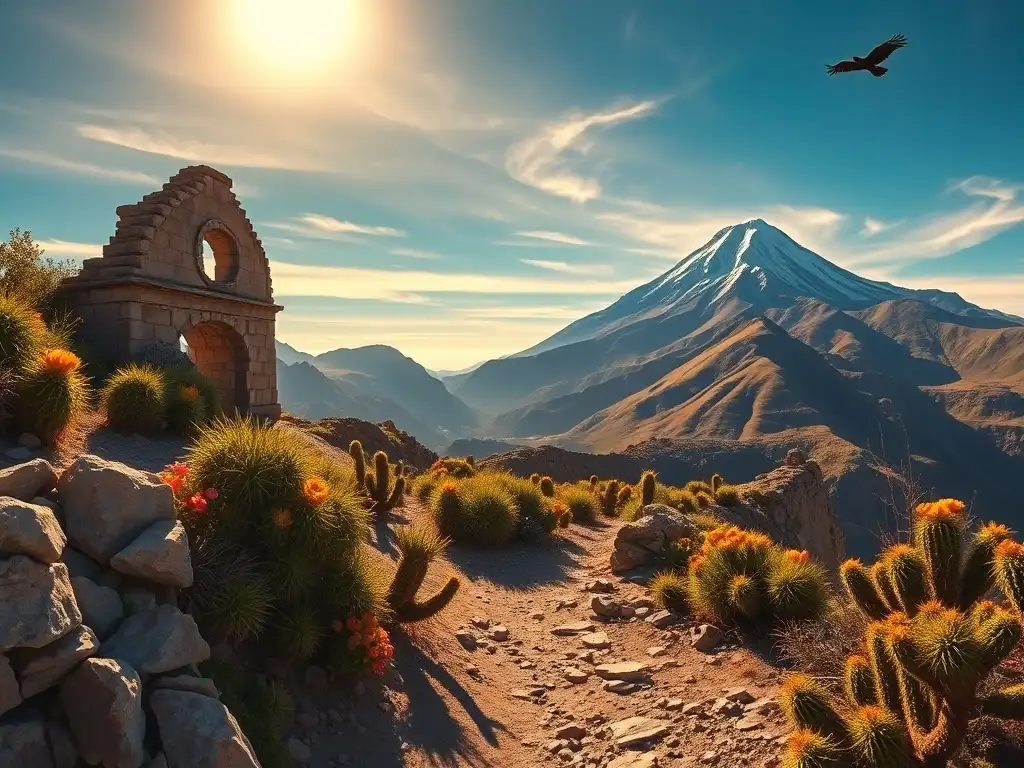
Dare to venture beyond the well-trodden paths of Machu Picchu? Uncover the secrets of the ancient Andean world, a realm of breathtaking Andean ruins travel destinations waiting to be explored. From the enigmatic Nazca Lines to the awe-inspiring citadels of Tiahuanaco, this journey through time will reveal a civilization far richer and more complex than you ever imagined. Prepare to be captivated by the artistry, ingenuity, and enduring legacy of the Andean people—a story waiting to unfold before your eyes.
Machu Picchu, the iconic lost city of the Incas, rightfully holds a place of honor on every Andean traveler's bucket list. However, the allure of the Andes extends far beyond this single, spectacular site. This article delves into the lesser-known, yet equally captivating, hidden Andean ruins that await the intrepid explorer.
We'll uncover a treasure trove of archaeological wonders, offering a deeper understanding of the rich tapestry of Andean civilizations and providing inspiration for planning your own unique journey through time. Forget the crowded tourist trails; prepare to embark on an adventure that reveals the true depth and breadth of Andean heritage, focusing on lesser-known destinations that offer a more immersive and authentic experience, perfect for those seeking an off-the-beaten-path Andean ruins travel destinations experience.
We will explore sites that showcase the ingenuity and artistry of cultures preceding and alongside the Inca Empire, highlighting the diverse architectural styles, intricate artistry, and fascinating societal structures that shaped the Andean landscape. This exploration will encompass not just the physical structures, but also the historical context and cultural significance of these remarkable places.
Unveiling the Secrets of Andean Ruins Travel Destinations
The Andes Mountains boast a breathtaking array of archaeological sites, many of which remain relatively unexplored by the average tourist. These hidden gems offer a more intimate connection with the past, allowing visitors to immerse themselves in the atmosphere and truly appreciate the scale and sophistication of these ancient civilizations. From the intricate geoglyphs of the Nazca Lines to the imposing stone structures of Tiahuanaco, each site offers a unique window into the diverse cultures that thrived in this region for millennia.
Planning a trip to these sites requires careful consideration; some are more accessible than others, and understanding the local context and potential challenges is crucial for a successful and respectful journey. We will examine several key aspects to help you plan your adventure effectively and safely.
This section will cover:
- Accessibility and Infrastructure: Evaluating the ease of reaching different sites, considering factors like road conditions, altitude, and available transportation. Some sites are easily accessible by car or organized tour, while others require more adventurous approaches, such as hiking or using local transport. Understanding these differences is paramount for realistic trip planning.
- Best Time to Visit: The Andean climate varies significantly depending on altitude and location. Understanding seasonal variations in weather conditions is vital for comfortable travel and avoiding potential disruptions. We'll provide guidance on the ideal times to visit specific sites, taking into account factors like rainfall, temperature, and accessibility.
- Respectful Travel Practices: Engaging with these historical sites requires a responsible approach. We'll emphasize the importance of respecting local customs, protecting the environment, and supporting sustainable tourism practices. This includes guidelines on appropriate behavior at archaeological sites, minimizing environmental impact, and supporting local communities.
- Essential Packing List: Planning for varied weather conditions, altitude, and potential trekking is crucial. A well-prepared packing list will ensure comfort and safety throughout your journey. We'll provide a suggested packing list tailored to the specific needs of exploring Andean ruins.
We will also examine specific examples of lesser-known Andean ruins travel destinations, highlighting their unique features and providing practical information for planning a visit. Get ready to explore the wonders that lie beyond the well-trodden path! 🗺️ Let's begin our journey!
Best Undiscovered Andean Ruins for Adventure Seekers
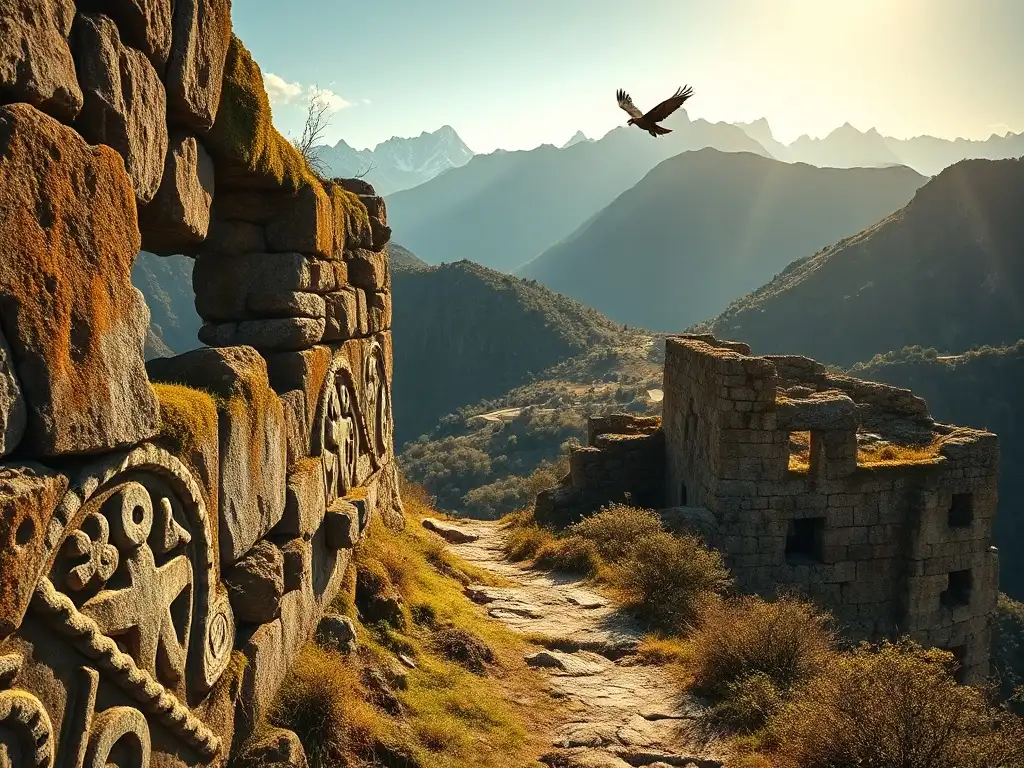
This section focuses on lesser-known, yet equally captivating, Andean ruins perfect for the intrepid traveler seeking an authentic and less crowded experience. Forget the throngs of tourists at Machu Picchu; we're delving into hidden gems that offer a deeper connection with the fascinating Andean past. We'll explore sites offering unique insights into the ingenuity and resilience of ancient Andean civilizations, providing a more immersive and rewarding travel experience than the more popular, albeit impressive, sites. This exploration of hidden Andean ruins caters to those seeking unique "Andean ruins travel destinations."
Choquequirao: The "Other" Inca City
Choquequirao, often dubbed the "other Machu Picchu," is a breathtaking Inca site nestled high in the Vilcabamba mountain range. Unlike its more famous cousin, Choquequirao remains relatively untouched by mass tourism, offering a more intimate and awe-inspiring experience. The scale of the ruins, perched dramatically on mountain ridges, is truly remarkable. Its remote location ensures a journey filled with adventure and unforgettable views.
The challenging trek required to reach it adds to its allure, rewarding visitors with a sense of accomplishment and a profound connection with the ancient Andean world. This hidden marvel offers a unique perspective on Inca architecture and city planning, showcasing a different facet of Inca civilization than Machu Picchu. The sheer scale of the site, its unique location and the relative lack of crowds make it a prime example of an undiscovered Andean ruins travel destination.
Exploring Choquequirao: A Multi-Day Trek Adventure
Reaching Choquequirao is an adventure in itself. The trek typically takes several days, requiring a reasonable level of fitness and preparation. The journey winds through stunning landscapes, passing through cloud forests, traversing rivers, and offering breathtaking panoramic vistas. The multi-day trek allows for a gradual acclimatization to the altitude, reducing the risk of altitude sickness. Experienced guides are essential, not only for navigation but also for their knowledge of the local flora, fauna, and the history of the region.
Pack appropriately; layers are crucial as temperatures can fluctuate significantly throughout the day. The reward? A truly unforgettable experience, connecting you deeply with the landscape and the history of this magnificent Inca city. Remember to bring plenty of water and high-energy snacks for the journey. The trek itself is part of the allure of Choquequirao, making it a unique Andean ruins travel destination.
Why Choose Choquequirao Over Machu Picchu?
While Machu Picchu's grandeur is undeniable, Choquequirao offers a distinctly different and arguably more rewarding experience. Here's a comparison:
| Feature | Choquequirao | Machu Picchu |
|---|---|---|
| Crowds | Significantly fewer | Very crowded, especially during peak season |
| Accessibility | Challenging multi-day trek | Relatively easy access by train and bus |
| Atmosphere | Intimate, peaceful, adventurous | Busy, tourist-oriented |
| Preservation | Less restored, more raw and authentic | Highly restored, more manicured |
| Views | Breathtaking mountain vistas | Stunning valley and mountain views |
For the adventurous traveler seeking a unique and less crowded experience, Choquequirao offers a deeper connection with the Inca past. The effort required to reach it adds to the sense of accomplishment and the overall experience.
Kuelap: The Fortress in the Clouds
High in the northern Andes of Peru, the imposing fortress of Kuelap stands as a testament to the ingenuity and resilience of the Chachapoyas culture. This pre-Inca citadel, built centuries before the Inca Empire, offers a fascinating glimpse into a distinct Andean civilization. Its strategic location atop a mountaintop, surrounded by deep valleys, provided excellent protection and breathtaking views. The impressive stone walls, intricate architecture, and unique circular structures are a testament to the advanced engineering skills of the Chachapoyas. Kuelap is a captivating Andean ruins travel destination, less known than some Inca sites, but equally rewarding.
Discovering the Chachapoyas Culture at Kuelap
Kuelap provides invaluable insights into the Chachapoyas culture, a civilization that flourished in the northern Andes before the Inca conquest. The fortress itself is a masterpiece of engineering, showcasing impressive stonework and sophisticated architectural design. Archaeological finds within the citadel reveal details about their daily life, religious practices, and social organization.
The unique circular structures within the complex are believed to have served as ceremonial or residential spaces. Exploring Kuelap offers a chance to delve into a less-studied, yet equally fascinating, chapter of Andean history. The unique characteristics of the Chachapoyas culture, as evidenced in Kuelap, make it a valuable addition to any exploration of Andean ruins travel destinations.
Getting to Kuelap: Travel Tips and Options
Reaching Kuelap requires some planning. While less challenging than the Choquequirao trek, it still involves travel to a remote region. The most common method is to travel to Chachapoyas, the nearest city, and then take either a cable car or a long, winding road to the fortress. The cable car offers stunning views and a relatively quick ascent.
The road provides a more scenic, albeit longer, journey. Regardless of the chosen method, pre-booking transport and accommodation is highly recommended, especially during peak season. Remember to consider altitude sickness and pack accordingly. The journey to Kuelap is an integral part of the experience, adding to the overall adventure of discovering this remarkable Andean ruins travel destination.
Caral: The Oldest City in the Americas
Exploring the Ancient City of Caral: A Journey Through Time
Caral, located in the Supe Valley of Peru, isn't just any archaeological site; it's a captivating glimpse into the dawn of civilization in the Americas. Unlike the more visually striking Inca sites with their intricate stonework and imposing structures, Caral presents a different kind of wonder. Its significance lies in its age – estimated to be around 5,000 years old – making it one of the oldest urban centers in the Western Hemisphere.
Imagine walking through streets paved with carefully placed stones, surrounded by the remnants of monumental platforms and residential structures. The scale of the city is impressive, hinting at a complex social organization and sophisticated engineering capabilities for its time. Visitors can explore the various pyramids and public buildings, marveling at the intricate design and the evidence of a thriving society that predates many other well-known Andean civilizations.
The experience is one of quiet contemplation, allowing you to truly connect with the echoes of a remarkably ancient past. Caral offers a unique perspective on the development of Andean societies, challenging preconceived notions about the trajectory of civilization in the region. It's a journey not just through space, but also through time, providing a profound understanding of the roots of Andean culture.
Understanding the Significance of Caral's Archaeological Importance
Caral's archaeological importance extends far beyond its age. The site provides crucial insights into the early development of complex societies in the Americas, challenging established theories about the origins of civilization. The absence of evidence for warfare or widespread social inequality suggests a different model of societal organization than that seen in later Andean civilizations. The sophisticated irrigation systems, the presence of specialized craft workshops, and the evidence of a complex social hierarchy all point to a highly developed urban center.
Furthermore, the discovery of musical instruments, such as flutes, offers glimpses into the cultural life of the Caral people and their artistic achievements. The extensive research conducted at Caral has significantly advanced our understanding of pre-Columbian Andean societies, forcing a reevaluation of the traditional narratives surrounding the rise of civilization in the region. The site's meticulous preservation and ongoing research ensure that future generations will continue to benefit from the invaluable knowledge it holds. The significance of Caral lies not only in its antiquity but also in its contribution to our broader understanding of human history and the diverse paths to societal complexity.
The discovery and study of Caral has fundamentally reshaped our understanding of Andean origins and the development of complex societies in the Americas. It's a testament to the enduring power of archaeological discovery to rewrite history and challenge our assumptions about the past. For those interested in Andean ruins travel destinations, Caral offers a unique and profoundly important experience.
Essential Gear for Exploring Andean Archaeological Sites

Planning a trip to explore the breathtaking Andean ruins requires careful consideration of your gear. The high altitude, varied terrain, and often unpredictable weather conditions demand preparedness. Packing the right equipment will not only enhance your comfort and safety but also significantly contribute to a more enriching and rewarding experience exploring these fascinating remnants of ancient Andean civilizations. Choosing the right gear is crucial for your comfort and safety when exploring Andean ruins travel destinations. This section focuses on the essential items you'll need.
Recommended Hiking Boots and Apparel for Andean Trails
Navigating Andean trails requires sturdy footwear and appropriate clothing. The terrain can be challenging, ranging from rocky paths to steep inclines, and the altitude significantly impacts exertion levels. Improper footwear can lead to blisters, sprains, or even more serious injuries. Therefore, investing in high-quality hiking boots is paramount.
- Hiking Boots: Opt for waterproof, ankle-supporting hiking boots with good traction. Break them in well before your trip to avoid discomfort. Look for boots with Gore-Tex lining for optimal waterproof protection against unexpected Andean rain showers. Consider boots with Vibram soles for superior grip on uneven surfaces. Remember that the higher the altitude, the colder it can get, so consider thermal liner socks for extra warmth.
- Apparel: Layering is key to adapting to changing weather conditions. Pack moisture-wicking base layers to keep sweat away from your skin. Fleece or lightweight down jackets provide warmth without adding significant bulk. Pack waterproof and windproof outer layers to shield yourself from the elements. Consider breathable hiking pants that offer protection from the sun and potential scrapes. Don't forget a wide-brimmed hat for sun protection and a pair of sunglasses to safeguard your eyes from the intense Andean sun. Gloves and a warm hat are also essential, even during warmer months, given the altitude.
Remember to choose clothing made from quick-drying materials to avoid discomfort caused by prolonged dampness. Consider packing a lightweight and easily packable rain poncho for unexpected showers. Proper layering will allow you to adapt to the changing temperatures throughout the day, ensuring a comfortable experience exploring these amazing Andean ruins travel destinations.
Many Andean ruins are located in remote areas with limited or no cell service. Therefore, carrying appropriate navigation and safety tools is crucial. Being prepared for unexpected situations can prevent minor inconveniences from escalating into serious problems.
- Navigation: A reliable map and compass are essential, especially if you plan on venturing off established trails. Learn how to use them effectively before your trip. Consider a GPS device as a backup, but remember that battery life can be affected by cold temperatures. Download offline maps onto your phone as a further backup.
- Safety: A well-stocked first-aid kit is indispensable. Include items to treat blisters, cuts, scrapes, altitude sickness, and insect bites. Carry a whistle to signal for help in case of an emergency. A headlamp or flashlight with extra batteries is essential for navigating in low-light conditions. Consider bringing a multi-tool or pocketknife for various tasks. Inform someone of your itinerary and expected return time before embarking on your journey. This is particularly important when venturing to more remote Andean ruins travel destinations.
- Sun Protection: The high altitude and intense sun exposure at many sites necessitate rigorous sun protection. Pack high SPF sunscreen, lip balm with SPF, and a wide-brimmed hat. Reapply sunscreen frequently, especially after sweating. This is particularly important for protecting your skin from the strong UV rays prevalent at high altitudes.
Remember, proper preparation is key to a safe and enjoyable exploration of these incredible Andean ruins travel destinations. By packing the right gear and taking necessary precautions, you can fully immerse yourself in the rich history and beauty of these ancient sites.
Planning Your Andean Adventure: Practical Considerations

This section delves into the practical aspects of planning your journey to explore the captivating Andean ruins. Successfully navigating these ancient sites requires careful preparation, ensuring a safe and enriching experience. We'll cover essential elements to help you optimize your Andean ruins travel destinations.
Booking Tours and Accommodation for Andean Ruins Exploration
Choosing the right tour and accommodation significantly impacts your Andean ruins exploration. Independent travel is possible, but guided tours offer invaluable context and logistical support, particularly for remote sites. Consider these factors when booking:
- Tour Type: Select tours based on your interests and fitness level. Some focus on specific civilizations (e.g., Inca trail treks, Moche site visits), while others offer broader Andean cultural experiences. Look for tours that prioritize responsible tourism practices, minimizing environmental impact and supporting local communities.
- Group Size: Smaller group sizes generally provide a more personalized experience and greater access to less-trafficked sites. Larger groups might offer cost savings but may feel less intimate.
- Tour Duration: The duration of your tour should align with your available time and the sites you wish to visit. Multi-day treks are ideal for exploring extensive regions, whereas shorter day trips suit specific site visits.
- Accommodation: Accommodation options range from basic guesthouses near the ruins to luxury hotels in nearby cities. Consider proximity to the sites, comfort level, and budget when making your choice. Booking in advance, especially during peak season, is crucial to secure your preferred accommodations. Research options carefully; reviews can highlight aspects like cleanliness and service quality.
- Transportation: Confirm transportation arrangements included in your tour package. This often includes airport transfers, transportation between sites, and potentially even internal flights, depending on the remoteness of the locations. Understanding these logistics in advance helps prevent unexpected delays or expenses.
- Example Itinerary: A typical 7-day tour might include visits to Ollantaytambo, Sacsayhuamán, and Pisac in the Cusco region, offering a mix of Inca and pre-Inca sites. A shorter, 3-day trip might focus solely on exploring the immediate vicinity of Machu Picchu.
Travel Insurance for Andean Ruins Tours
Comprehensive travel insurance is paramount when venturing into the Andes. The altitude, remote locations, and potential for unforeseen circumstances necessitate adequate coverage. Your policy should ideally include:
- Medical Evacuation: High-altitude sickness and other medical emergencies can occur. Ensure your policy covers emergency medical evacuation, especially if you are traveling to remote areas with limited medical facilities.
- Trip Cancellation/Interruption: Unexpected events can disrupt travel plans. Coverage for trip cancellation or interruption will protect your investment if you need to cancel or shorten your trip due to unforeseen circumstances.
- Lost or Stolen Belongings: Protect yourself against the loss or theft of your belongings, including cameras, electronics, and other valuable items.
- Emergency Medical Expenses: This is crucial for covering the costs of medical treatment in case of illness or injury. Consider the cost of medical care in the region, which can be significantly higher than in your home country.
- Repatriation of Remains: While a somber consideration, repatriation of remains coverage is a vital component of comprehensive travel insurance.
- Specific Considerations: When purchasing travel insurance, explicitly mention your planned activities, including trekking and visits to high-altitude sites. This ensures your policy adequately covers the risks associated with your planned Andean ruins travel destinations.
| Feature | Importance |
|---|---|
| Medical Evacuation | Critical for remote areas and high altitudes |
| Trip Cancellation | Protects investment from unforeseen circumstances |
| Lost Belongings | Safeguards valuable items |
| Emergency Expenses | Covers medical costs in the region |
| Repatriation | Essential for peace of mind |
Remember to carefully review the policy details and ensure it meets your specific needs before embarking on your Andean adventure. Don't underestimate the importance of thorough preparation; it can significantly enhance the enjoyment and safety of your exploration of these incredible Andean ruins travel destinations. Enjoy your journey! ✈️
Frequently Asked Questions
What are some lesser-known Andean ruins besides Machu Picchu?
Beyond Machu Picchu, numerous fascinating sites await exploration. Consider Chavín de Huántar, Sacsayhuamán, or the ruins of Ingapirca for a truly unique experience. These offer a glimpse into different Andean cultures.
Many are accessible, though some require more planning and potentially guided tours. Check accessibility details before your trip, as conditions can vary. Remote locations may need more preparation.
What is the best time of year to visit Andean ruins?
The dry season (May to September) generally offers the best weather for exploring Andean ruins. However, it's also the peak tourist season, so book accommodations and tours in advance.
Research potential destinations, considering your travel style and fitness level. Booking a guided tour is recommended, especially for remote sites. Factor in travel time between locations and ensure proper permits where needed.
What should I pack for a trip to see Andean ruins?
Pack comfortable walking shoes, layers of clothing (weather can change quickly), sunscreen, a hat, insect repellent, and rain gear. Remember a camera to capture the breathtaking scenery and essential documents.
Final Reflection: Unearthing the Soul of the Andes
The allure of the Andes transcends the iconic Machu Picchu; it lies in the whispers of countless hidden ruins, each a testament to a rich and complex civilization. These forgotten stones speak volumes about resilience, innovation, and a profound connection to the land, a narrative that resonates deeply with modern travelers seeking authentic experiences beyond the well-trodden path. The thirst for these unique encounters is growing, and the responsible exploration of these sites is crucial for their preservation.
The impact of rediscovering and preserving these Andean ruins extends far beyond the realm of tourism. It's about reclaiming a narrative often overshadowed by colonial histories, celebrating the ingenuity and cultural depth of Andean societies. It's about understanding the enduring connection between people and their environment, a connection that feels increasingly vital in our rapidly changing world. The past is never dead. It's not even past.
– William Faulkner. This quote rings true as we uncover these ancient sites, finding echoes of the past that inform our present and shape our future.
Consider the journey you've just taken with me, exploring the lesser-known wonders of the Andes. Now, I invite you to reflect on your own relationship with travel and discovery. What hidden gems are you drawn to? What stories do you hope to unearth? Let the spirit of adventure guide you, not just to the breathtaking landscapes of the Andes, but to a deeper understanding of yourself and the world around you. Embrace the unexpected, respect the past, and become a responsible explorer, ensuring these incredible sites remain a source of wonder for generations to come.
Unveil the Secrets of the Andes Today!
Thank you for joining us on this journey through the mystical hidden ruins of the Andes! We hope you're feeling inspired by the unique treasures that lie beyond Machu Picchu and are ready to explore these incredible sites for yourself.
Now, let's turn that inspiration into action! Here are a few ways you can delve deeper into the world of Andean civilization:
- Plan your next adventure: Research and select a hidden ruin that excites you, and begin planning your trip! Consider sites like Choquequirao or Ollantaytambo, each offering a unique perspective on Inca history and architecture.
- Share your excitement: Post about your newfound knowledge of these marvels on social media and inspire your friends to explore the beauty of the Andes. Share stunning photos and captivating stories of your discoveries!
- Join a community: Connect with fellow adventurers through online travel forums or local groups dedicated to Andean exploration. Exchanging tips, stories, and insights with others will enhance your experience and help you discover hidden gems.
Which hidden gem in the Andes are you most excited to visit, and what draws you to it? Share your thoughts below!