
Inca Medicine: Healing Techniques and Herbal Remedies

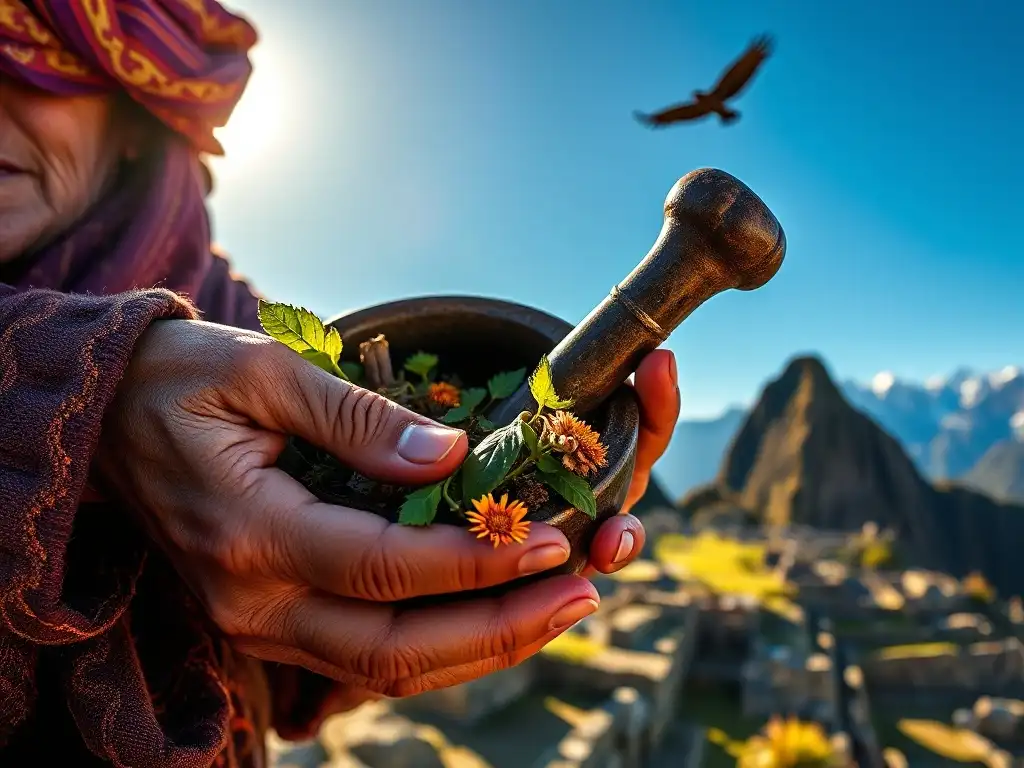
Step into a world lost to time, yet echoing with vibrant life. Imagine a civilization that harnessed the power of the Andes themselves, weaving intricate tapestries of culture and ingenuity. The Andean Civilizations website unveils the mysteries of these remarkable societies, from the towering heights of the Inca Empire to the enigmatic artistry of the Nazca.
But prepare to be captivated by the secrets held within the Inca herbal medicine techniques, a fascinating glimpse into a world where healing was deeply intertwined with nature. Unravel the ancient knowledge and discover the remarkable ingenuity of Andean healing practices – delve deeper now!
The Inca Empire, renowned for its sophisticated infrastructure and intricate social organization, also possessed a remarkably advanced system of medicine. Far from primitive practices, Inca medicine integrated a deep understanding of herbal remedies with spiritual beliefs and a surprisingly nuanced knowledge of the human body. This article delves into the fascinating world of Inca healthcare, exploring their healing techniques and the extensive use of plants for medicinal purposes.
We will examine the foundational principles of their medical practices, the crucial role of spiritual beliefs in health and healing, and their surprisingly advanced understanding of human anatomy and physiology. Understanding Inca herbal medicine techniques reveals a complex and sophisticated approach to healthcare that reflects the ingenuity and resourcefulness of this remarkable civilization. This exploration will illuminate not only their medical practices but also offer insights into their worldview and societal structures.
The Foundations of Inca Medical Practices
Inca medical practices were not solely reliant on herbal remedies; they incorporated a holistic approach that combined herbalism, surgery, and spiritual healing. The curanderos, or healers, held a significant position within Inca society, often working alongside priests and shamans. Their knowledge was passed down through generations, meticulously documented and refined over centuries. This knowledge wasn't confined to a select few; certain medical practices were common knowledge within communities, allowing for basic treatments to be administered at the household level.
The Inca's deep understanding of the natural world, particularly the medicinal properties of Andean flora, formed the bedrock of their medical system. They developed a vast pharmacopoeia, utilizing hundreds of plants for a wide array of ailments. These plants were carefully cultivated and harvested, often in specific locations to maximize their potency.
Detailed records, though not surviving in their entirety, suggest a sophisticated understanding of dosage and preparation methods, indicating a level of precision that belies commonly held misconceptions about pre-Columbian medicine. The Inca also demonstrated skill in surgical procedures, such as trepanation (skull surgery), with evidence suggesting a surprisingly high survival rate in some cases. This demonstrates a level of surgical expertise far beyond what is often assumed.
Spiritual Beliefs and Inca Health
Inca cosmology deeply influenced their understanding of health and illness. Disease was often attributed to an imbalance of spiritual forces or a disruption in the harmony between the individual and the natural world. Therefore, healing was not solely a physical process but also a spiritual one.
Rituals, ceremonies, and offerings to the gods played a significant role in the healing process, aimed at restoring this balance. Shamans and priests often participated in these rituals, employing divination techniques and interpreting omens to guide their treatments. The use of coca leaves, for example, was not limited to its stimulant properties; it also held a significant spiritual role in rituals and healing ceremonies, fostering a connection between the patient and the spiritual realm.
This integration of the spiritual and physical in Inca healthcare underscores the holistic nature of their approach, where the well-being of the individual was considered within a broader cosmological context. The spiritual component was not merely an add-on; it was integral to the effectiveness of their medical treatments.
Inca Understanding of the Human Body
Despite the absence of written anatomical texts in the way we understand them, archaeological evidence and accounts from Spanish chroniclers suggest that the Inca possessed a surprisingly detailed understanding of human anatomy and physiology. Their surgical practices, particularly trepanation, imply a knowledge of skull structure and the brain. The successful treatment of various ailments also indicates an understanding of bodily systems and their interconnections.
While their knowledge may not have been expressed in the same scientific language as modern medicine, their effectiveness in treating injuries and illnesses testifies to a practical understanding of the human body's workings. The use of specific herbs for treating particular ailments, for instance, shows an awareness of the body's various systems and their responses to different medicinal agents.
Further research is needed to fully unpack the extent of their anatomical knowledge, but what evidence we have suggests a more sophisticated understanding than often acknowledged. The precise nature of their understanding of internal organs and their functions remains an area of ongoing research, but their practical application of medicinal knowledge demonstrates a level of empirical observation and understanding that deserves further study.
- The Foundations of Inca Medical Practices
- Spiritual Beliefs and Inca Health
- Inca Understanding of the Human Body
Traditional Inca Healing Methods
The Inca Empire, renowned for its sophisticated infrastructure and societal organization, also possessed a complex and surprisingly advanced system of medicine. Inca herbal medicine techniques were central to their healing practices, relying heavily on the readily available resources of the Andes mountains. Their understanding of medicinal plants and their applications was intertwined with their spiritual beliefs, creating a holistic approach to healthcare that differed significantly from Western medical traditions.
This section will delve into the core methods employed by Inca healers, highlighting the integration of botanical knowledge with spiritual rituals. The effectiveness of their treatments, while often debated in modern contexts, undoubtedly played a crucial role in maintaining the health and well-being of the vast Inca population. The legacy of Inca medicine continues to influence traditional healing practices in the Andes region today, a testament to its enduring impact.
Inca Diagnostic Techniques
Inca healers, often priests or individuals with specialized knowledge, employed a range of diagnostic techniques. These techniques went beyond simply observing symptoms; they incorporated elements of divination and spiritual interpretation. One key method involved meticulously examining the patient's pulse, considered a window into their overall health and energy balance. Changes in pulse rate, rhythm, and strength provided clues about the nature and location of the ailment.
Another diagnostic tool involved careful observation of the patient's physical presentation: skin color, body temperature, and the presence of any visible wounds or lesions. These observations were often supplemented by questioning the patient about their symptoms, lifestyle, and diet. Furthermore, dreams and other seemingly supernatural occurrences were sometimes interpreted to gain insight into the underlying cause of illness. The integration of these diverse diagnostic methods reflects the holistic nature of Inca medicine, where physical and spiritual factors were considered intertwined.
The use of coca leaves also played a significant role in diagnosis. Chewing coca leaves, a common practice in Andean cultures, was believed to enhance intuition and facilitate communication with the spirit world. Healers might use coca leaves during diagnostic rituals to receive guidance from the gods or spirits concerning the patient's condition. While lacking the precision of modern medical tools, these methods provided a framework for understanding illness within the Inca worldview. The accuracy of their diagnoses, while challenging to assess definitively, were likely adequate for managing many common ailments of the time.
The Role of the Inca Priest-Healer
The curandero, or priest-healer, held a position of immense importance within Inca society. They weren't merely medical practitioners; they were spiritual leaders entrusted with the well-being of the community. Their role encompassed both the physical and spiritual aspects of healing, reflecting the interconnectedness of these realms within the Inca worldview. The curandero’s authority stemmed from their deep knowledge of medicinal plants, their understanding of diagnostic techniques, and their ability to communicate with the spiritual world. They were often responsible for performing rituals and ceremonies aimed at appeasing the gods and promoting healing.
Beyond their medical expertise, curanderos served as important social figures, offering guidance and support to their communities. Their knowledge extended beyond herbal remedies, encompassing a wide range of healing practices. They might perform trepanation (surgical opening of the skull), set broken bones, or administer herbal concoctions to treat various ailments.
Their training was likely passed down through generations within families or specific lineages, maintaining the continuity of medical knowledge within the empire. The prestige and influence of the curandero underscore the importance placed on healing and spiritual well-being within Inca society. Their status highlights the profound integration of medicine and religion in the Inca world.
Surgical Practices in Inca Society
Despite lacking sophisticated tools and sterile environments, Inca surgeons performed surprisingly advanced surgical procedures. The most well-documented surgical practice is trepanation, a procedure involving drilling or cutting a hole in the skull. While the exact reasons for trepanation are still debated, evidence suggests it was performed to treat head injuries, relieve pressure from brain swelling, or possibly for ritualistic purposes. Remarkably, many patients survived these procedures, indicating a level of surgical skill and post-operative care that belies the limitations of their technology.
Evidence of Inca surgical practices comes from archaeological findings, including skulls displaying signs of trepanation and successful healing. These findings suggest that Inca surgeons possessed a practical understanding of anatomy and possessed techniques to minimize infection and promote healing. They likely used tools made from obsidian or other sharp materials to perform the trepanation, and they likely employed herbal remedies to control pain and infection.
While the mortality rate from such procedures would undoubtedly have been high, the existence and success rate of these surgeries illustrate the ingenuity and advanced knowledge of Inca medical practitioners. The sophistication of Inca surgical practices further emphasizes the complexity and depth of their medical system, challenging preconceived notions about the limitations of pre-Columbian medicine. Further research is needed to fully understand the extent and techniques of Inca surgery, but existing evidence demonstrates a level of skill that is truly remarkable.
Inca Herbal Medicine Techniques
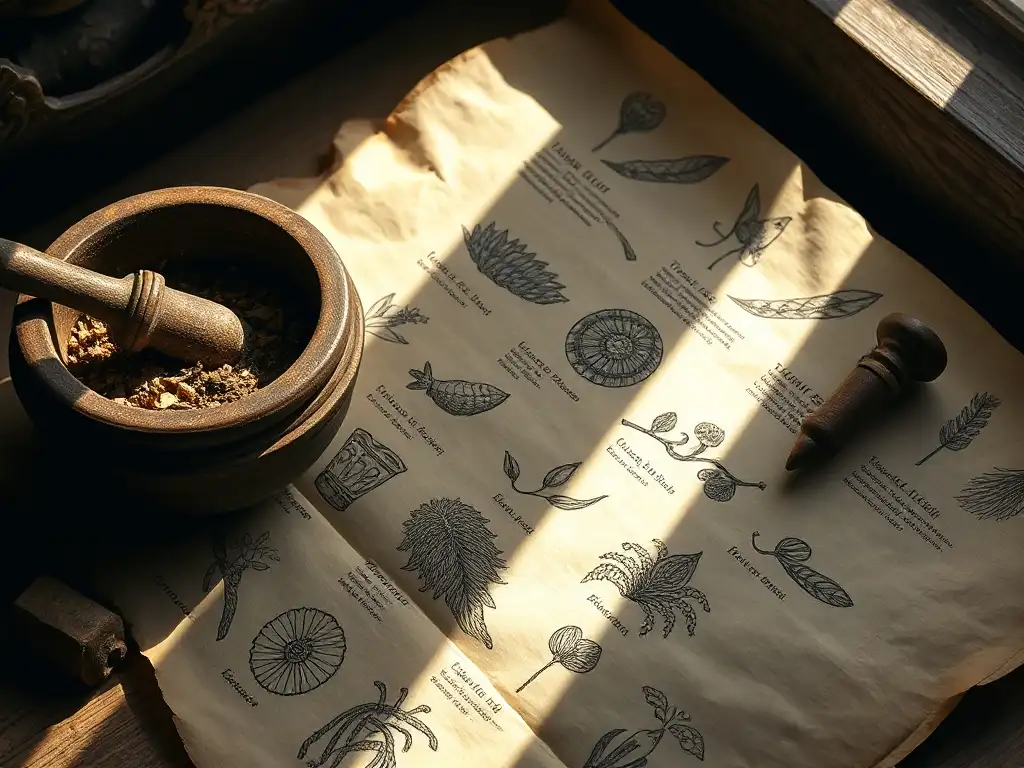
The Inca Empire, renowned for its sophisticated infrastructure and intricate social organization, also possessed a remarkably advanced system of medicine. While surgical practices existed, Inca medicine heavily relied on herbal remedies and holistic approaches, reflecting a deep understanding of the medicinal properties of the Andean flora. This section delves into the specific techniques employed by Inca healers, or curanderos, showcasing their expertise in utilizing plants for therapeutic purposes.
Understanding these techniques provides crucial insight into the sophisticated nature of Inca healthcare and their profound connection with their environment. The term "Inca herbal medicine techniques" encapsulates this intricate system of healing.
Key Medicinal Plants Used by the Incas
The Andean region boasts an incredible biodiversity, providing the Incas with a vast array of medicinal plants. Their knowledge of these plants was extensive, passed down through generations of curanderos. Some key plants frequently used included:
- Coca ( Erythroxylum coca): Not just a stimulant, coca leaves possessed analgesic and anesthetic properties, often chewed to alleviate pain, fatigue, and altitude sickness. Its use was deeply ingrained in Inca society, extending beyond medicinal applications.
- Quinine ( Cinchona species): A crucial remedy for malaria, a prevalent disease in the region. The bark of the Cinchona tree was used to brew a bitter tonic, effective in combating the disease's symptoms. Its discovery and subsequent spread to Europe had a profound impact on global health.
- Sacha inchi (Plukenetia volubilis): The seeds of this plant were a rich source of essential fatty acids and were used to treat various skin conditions and inflammatory ailments. Its nutritional value also contributed to overall health and well-being.
- Maca (Lepidium meyenii): This root vegetable was not only a dietary staple but also held medicinal significance. It was believed to enhance fertility, boost energy levels, and improve overall vitality. Modern research confirms some of its purported benefits.
- Maté (Ilex paraguariensis): While not exclusive to the Inca, maté was widely consumed throughout the Andes for its stimulating and digestive properties. It was used to treat various digestive issues and to provide a boost of energy.
The following table summarizes these key plants and their primary uses:
| Plant Name | Scientific Name | Primary Medicinal Uses |
|---|---|---|
| Coca | Erythroxylum coca | Analgesic, anesthetic, fatigue relief, altitude sickness |
| Quinine | Cinchona species | Malaria treatment |
| Sacha inchi | Plukenetia volubilis | Skin conditions, inflammatory ailments |
| Maca | Lepidium meyenii | Fertility, energy boost, overall vitality |
| Maté | Ilex paraguariensis | Digestive aid, stimulant |
This list is not exhaustive; many other plants, including various herbs, shrubs, and trees, contributed to the Inca pharmacopoeia. Further research is needed to fully document the extensive knowledge of Inca herbal medicine.
Preparation and Application of Inca Herbal Remedies
Inca herbal remedies were prepared using various methods, often involving meticulous processes aimed at maximizing their effectiveness. These techniques demonstrated a sophisticated understanding of botany and pharmacology. Common preparation methods included:
- Infusion: Boiling water was poured over dried or fresh herbs to create teas or infusions. This method was common for treating ailments like colds, fevers, and digestive problems. The precise brewing times and quantities varied depending on the specific herb and intended use.
- Decoction: Involving simmering herbs in water for an extended period to extract potent compounds. This method was typically used for tougher plant parts, such as roots and bark, to extract their medicinal properties more effectively.
- Maceration: Soaking herbs in liquids like alcohol or water for a prolonged period to extract soluble components. This method was used to create tinctures or extracts, offering a concentrated form of the herb's medicinal properties.
- Topical Applications: Crushed herbs, often mixed with other ingredients like oils or fats, were applied directly to the skin to treat wounds, burns, and skin infections. This direct application maximized the herb’s therapeutic effect on the affected area.
- Inhalation: Steam inhalation with infused herbs was used to relieve respiratory ailments. This method delivered the medicinal compounds directly to the respiratory system, providing targeted relief.
The application of these remedies varied depending on the ailment and the patient's condition. Curanderos carefully assessed the symptoms and tailored the treatment accordingly, often combining several remedies for a holistic approach. The administration of remedies also considered the patient’s individual constitution and the prevailing environmental conditions.
Specific Inca Herbal Treatments for Common Ailments
Inca curanderos developed specific herbal treatments for common ailments. While precise recipes are often lost to time, historical accounts and ethnographic studies offer glimpses into their practices. For example:
- Headaches and Migraines: Coca leaves, often combined with other herbs, were chewed or brewed into teas to relieve pain. Specific plant combinations were chosen based on the perceived cause of the headache, reflecting a holistic understanding of the body's interconnectedness.
- Fever and Infections: Quinine-based remedies were crucial for combating malaria, while other herbs, such as those with anti-inflammatory properties, were used to address fever associated with other infections. The selection of herbs varied depending on the type and severity of the infection.
- Wounds and Injuries: Topical applications of crushed herbs, often mixed with honey or other natural antiseptic agents, were used to clean and heal wounds. The choice of herbs depended on the nature of the injury—some herbs promoted healing, while others helped to prevent infection.
- Digestive Problems: Various herbs were used to treat digestive issues, ranging from simple indigestion to more serious ailments. Maté, for example, was commonly used for its stimulating and digestive properties.
The effectiveness of these treatments was likely influenced by a combination of factors, including the actual pharmacological properties of the plants, the placebo effect, and the overall holistic approach of Inca medicine. Further research, incorporating both historical and modern scientific methods, is crucial to fully understand the efficacy of these Inca herbal medicine techniques. The study of these ancient practices offers valuable insights for modern herbal medicine and ethnobotany.
The Use of Coca in Inca Medicine
Coca ( Erythroxylum coca) leaves held a central position in Inca medicine and daily life, far beyond their recreational use known today. The Inca's sophisticated understanding of coca's properties extended to its medicinal applications, leveraging its anesthetic, stimulant, and nutritional benefits. Chroniclers from the Spanish conquest period detail its use in a wide variety of contexts, painting a picture of a plant deeply integrated into Inca society. It wasn't simply a recreational substance; it was a vital component of their pharmacopoeia.
The leaves were chewed, often mixed with an alkaline substance like lime, to enhance the release of active compounds. This practice wasn't solely for enjoyment; it provided sustained energy and suppressed hunger, crucial for those working at high altitudes in the Andes. For Inca healers, k'ampas, coca played a critical role in their rituals and treatments.
Its numbing properties were employed to alleviate pain during surgeries and childbirth, a remarkable feat considering the absence of modern anesthetics. The stimulating effects also helped patients to endure painful procedures. Furthermore, coca was believed to possess spiritual significance, facilitating communication with the gods and enhancing the efficacy of other medicinal plants.
Interestingly, the Inca's use of coca wasn't limited to the leaves themselves. They also developed various preparations, including coca tea and coca-infused ointments, each tailored to specific ailments. While precise recipes are lost to time, ethnobotanical studies of contemporary Andean communities offer insights into potential applications. For example, coca tea was likely used to treat digestive issues, respiratory ailments, and fatigue.
Coca-infused ointments might have been used topically to treat wounds, burns, and skin conditions. The widespread use and versatile applications of coca in Inca medicine highlight its significance as a cornerstone of their healing practices. The holistic approach, combining the plant's physical and spiritual properties, reflects a deep understanding of its potential, exceeding the limited understanding of its properties in modern contexts. Further research into Inca medicinal practices could unlock a deeper appreciation of coca's therapeutic potential.
Other Inca Healing Practices
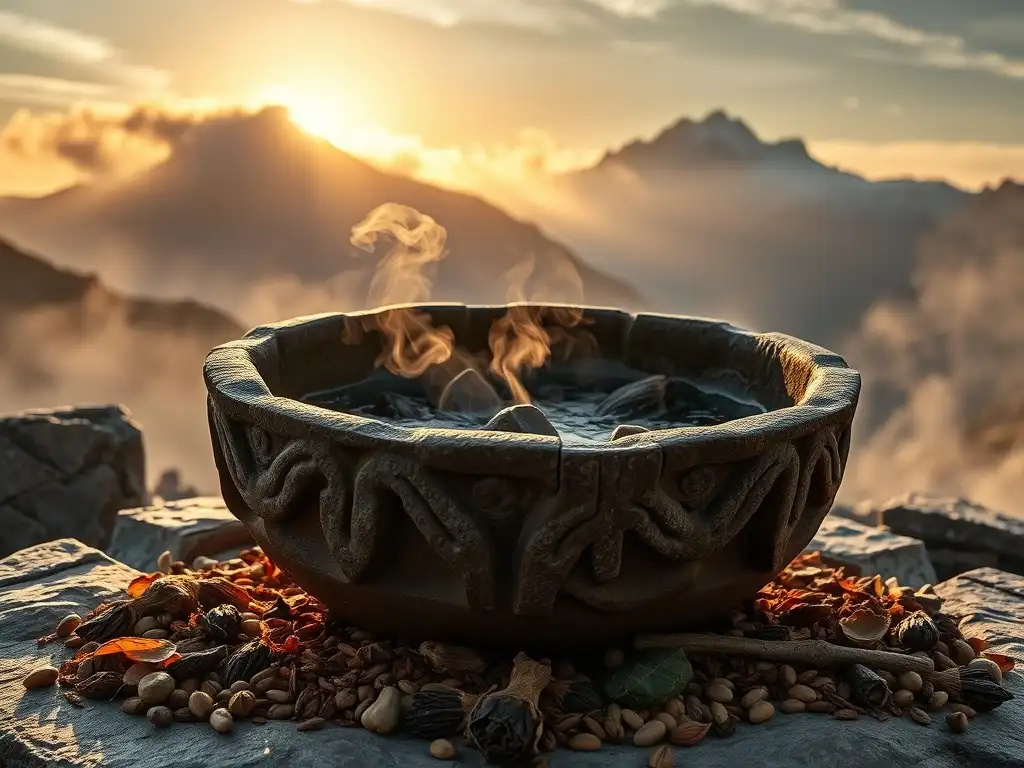
Beyond the extensive use of herbal remedies, Inca medicine encompassed a diverse range of therapeutic practices aimed at restoring physical and spiritual well-being. These practices, often intertwined with religious beliefs and rituals, demonstrate a sophisticated understanding of the human body and its connection to the natural world. The Inca approach to healing wasn't simply about treating symptoms; it was a holistic endeavor that considered the individual's physical, emotional, and spiritual state. This holistic approach to Inca herbal medicine techniques is a key aspect of understanding their advanced medical practices.
Inca Therapeutic Baths and Mineral Springs
Inca civilization thrived in a geographically diverse landscape, rich in natural resources, including numerous thermal springs and mineral-rich waters. These resources weren't merely appreciated for their aesthetic value; they formed a crucial component of Inca therapeutic practices. The use of baños termales (thermal baths) was widespread, with evidence suggesting the construction of elaborate bath complexes near important settlements. These weren't simply places for cleansing; the Incas believed that the mineral-rich waters possessed healing properties, capable of treating a variety of ailments.
Specific mineral springs were associated with particular healing powers. For instance, springs with high sulfur content might have been used to treat skin conditions, while those with high iron content might have been believed to alleviate anemia or boost energy levels. The practice likely involved both immersion in the water and the application of mud or mineral-rich sediments from the springs to the skin.
Archaeological findings, though limited in direct evidence of the specific medicinal uses, show the careful construction and maintenance of these bath complexes, highlighting their significance within Inca society and their role in Inca herbal medicine techniques. Further research is needed to fully understand the specific medicinal applications of different springs and the associated rituals.
Inca Massage and Physical Therapies
Inca healers employed various forms of physical therapy alongside herbal remedies. Massage, a cornerstone of their healing practices, was not merely a luxurious treatment but a therapeutic intervention. Different massage techniques were likely used depending on the ailment. Gentle massage might have been applied to soothe muscle aches and improve circulation, while deeper tissue manipulation could have been used to address more serious injuries or conditions.
Evidence suggests the use of specialized tools and techniques. While specific artifacts are scarce, the sophisticated understanding of anatomy and physiology implied by other aspects of Inca medicine suggests a level of expertise in massage therapy comparable to other advanced ancient cultures. The integration of massage with herbal poultices and other remedies further showcases the holistic approach of Inca herbal medicine techniques. For example, a massage might be combined with the application of a herbal ointment to promote healing and reduce inflammation.
Psychological and Emotional Healing in Inca Culture
The Inca understanding of health extended beyond the physical realm, encompassing a profound appreciation for the interconnectedness of physical, emotional, and spiritual well-being. Psychological and emotional healing formed an integral part of their therapeutic approaches. While direct documentation of specific techniques is limited, it's clear that maintaining emotional balance was considered essential for overall health.
Shamans and healers played a vital role in addressing emotional distress. Rituals, ceremonies, and spiritual practices likely played a significant role in alleviating anxiety, depression, and other emotional challenges. The use of certain plants with psychoactive properties, within carefully controlled contexts, may have been employed to induce altered states of consciousness and facilitate spiritual healing, contributing to the understanding of Inca herbal medicine techniques.
This aspect of Inca medicine highlights their holistic approach, underscoring the importance of addressing the whole person – mind, body, and spirit – in the pursuit of health and well-being. Further research into Inca mythology and religious practices is needed to fully elucidate these important aspects of their healing traditions.
Legacy of Inca Medicine
The Inca Empire, renowned for its sophisticated infrastructure and intricate social organization, also possessed a remarkably advanced system of medicine. Inca healers, known as curanderos, combined a deep understanding of herbal remedies with sophisticated surgical techniques and a holistic approach to well-being. This legacy extends far beyond the empire's collapse, influencing medical practices and shaping our understanding of traditional medicine to this day. The intricate knowledge of Inca herbal medicine techniques, passed down through generations, continues to fascinate and inspire researchers and practitioners alike.
Their understanding of the medicinal properties of Andean plants was exceptionally detailed, surpassing the knowledge of many contemporary societies. This wasn't simply a collection of folk remedies; it was a structured system integrating botanical knowledge with spiritual and ritualistic practices. The effectiveness of many Inca treatments is still being investigated and validated through modern scientific methods.
Influence of Inca Medicine on Modern Practices
The influence of Inca medicine on modern practices is subtle yet significant. Many plants used in traditional Inca medicine, such as coca leaves (used for altitude sickness and as a mild stimulant), quinoa (a highly nutritious grain), and various medicinal herbs, are still utilized today, both in the Andes and globally. While the precise methods and rituals might have been lost or adapted, the core understanding of these plants' medicinal properties persists.
Furthermore, the holistic approach of Inca healers – considering the physical, emotional, and spiritual aspects of health – resonates with contemporary integrative medicine practices that emphasize a patient-centered approach. The Inca emphasis on preventative healthcare, including balanced diets and physical activity, also aligns with modern health promotion strategies. Specific examples include the continued use of coca tea for altitude sickness, a practice directly inherited from Inca traditions and still widely used in the Andes.
The incorporation of quinoa into modern diets worldwide also demonstrates the enduring legacy of Inca agricultural and medicinal knowledge. Further research into Inca pharmacological texts and archaeological findings could reveal more direct links and influences on modern medical practices.
Conservation of Traditional Inca Medical Knowledge
The conservation of traditional Inca medical knowledge is crucial for preserving a valuable part of human history and potentially unlocking further medicinal breakthroughs. However, this task faces numerous challenges. The oral tradition, through which much of this knowledge was transmitted, is vulnerable to loss as elder practitioners pass away.
Globalization and modernization also pose threats, as younger generations are increasingly drawn to Western medicine, potentially leading to the abandonment of traditional practices. Efforts to document and archive this knowledge are underway, involving ethnobotanical studies, interviews with traditional healers, and the analysis of ancient texts and artifacts. These efforts aim to not only preserve the knowledge itself but also to ensure that it is ethically and respectfully documented and shared.
A significant challenge is the need to balance the preservation of traditional knowledge with the potential for biopiracy and the commercial exploitation of these resources. Therefore, community involvement and collaboration with indigenous communities are paramount in ensuring the responsible and sustainable conservation of Inca medical wisdom.
The Importance of Inca Herbal Wisdom Today
The importance of Inca herbal wisdom today extends beyond historical preservation. Many Andean plants possess potent medicinal properties that remain largely unexplored by modern science. For instance, several plants used by Inca healers show promise in treating various ailments, including inflammation, infections, and even certain types of cancer.
The rediscovery and scientific investigation of these plants could lead to the development of new drugs and treatments. Furthermore, understanding the holistic approach of Inca medicine, emphasizing preventative care and the interconnection between physical and spiritual well-being, offers valuable insights for modern healthcare systems. Integrating elements of this traditional knowledge into contemporary healthcare could lead to more effective and patient-centered approaches to treatment and disease prevention.
The potential benefits are immense, ranging from the development of new pharmaceuticals to the improvement of overall healthcare practices. However, rigorous scientific research is necessary to validate the efficacy and safety of these traditional remedies before they can be widely adopted in modern medicine. The continued exploration of Inca herbal medicine techniques promises to yield significant advancements in our understanding of both traditional and modern healthcare.
Frequently Asked Questions
What were some common illnesses treated by Inca healers?
Inca healers treated a wide range of illnesses, including infections, wounds, digestive problems, and respiratory ailments. They also addressed bone fractures and other physical injuries.
What role did plants play in Inca medicine?
Plants formed the backbone of Inca medicine. Herbal remedies were used extensively, with different plants chosen for their specific medicinal properties to treat various conditions. Knowledge of these plants was passed down through generations.
How did Inca healers diagnose illnesses?
Diagnosis often involved observation of symptoms, pulse-taking, and spiritual divination. Healers also considered environmental factors and the patient's overall well-being in their diagnosis.
Were there specialized Inca healers?
Yes, there were specialized healers within Inca society. Some focused on herbal remedies, while others specialized in surgery or spiritual healing. The level of expertise varied based on experience and training.
What are some examples of Inca herbal remedies and their uses?
Coca leaves were used as a stimulant and anesthetic. Other plants, like the quina tree (source of quinine), were used to treat malaria and other fevers. Many plants were used for their anti-inflammatory or antiseptic properties.
Final Reflection: Echoes of the Andes: The Enduring Legacy of Inca Herbal Medicine
The wisdom of Inca herbal medicine, far from being a relic of the past, offers a potent and timely reminder of the interconnectedness between nature, health, and human well-being. In a world increasingly reliant on synthetic pharmaceuticals, rediscovering the principles of traditional healing systems like that of the Inca provides a valuable counterpoint, offering both sustainable and holistic approaches to wellness. The intricate knowledge of Andean plants and their therapeutic properties holds immense potential for modern medicine and sustainable healthcare practices.
The enduring influence of Inca herbal medicine is not merely historical; it's a living legacy woven into the fabric of Andean culture and increasingly recognized globally. The meticulous observation of nature and the deep respect for its healing power, as practiced by Inca healers, resonates deeply with contemporary movements towards natural remedies and sustainable living. The earth provides all we need; we only need to learn how to receive it.
This simple yet profound statement encapsulates the core philosophy underpinning Inca medicine and speaks to a growing global awareness of the importance of environmental stewardship and holistic health.
Consider, for a moment, the profound implications of this ancient knowledge. What if we, too, cultivated a deeper understanding of the plants around us and their potential to heal? I invite you to explore the possibilities, to research the plants native to your region, and to consider how the principles of Inca herbal medicine—observation, respect, and a holistic approach—can enrich your own life and contribute to a healthier, more sustainable future. Let the echoes of the Andes inspire you to connect with the healing power of nature.
Unveil the Healing Secrets of Inca Medicine!
Thank you for exploring the fascinating world of Inca medicine with us! We hope you've gained valuable insights into their enduring healing techniques and herbal remedies. Now, let's put this knowledge into practice and delve deeper into these ancient traditions.
Here are a few ways to connect more deeply with Inca healing practices:
- Cultivate an herbal garden: Research and grow some of the herbs used by the Incas. This hands-on approach not only connects you to their wisdom but also provides access to natural remedies.
- Share your knowledge: Discuss Inca medicine with friends, family, or even on social media; these historical healing techniques offer benefits everyone can appreciate.
- Seek out learning opportunities: Explore workshops or resources on traditional Andean medicine to further immerse yourself in the art and science mastered by the Incas.
What aspect of Inca medicine most intrigues you, and how will you integrate these teachings into your life? We'd love to hear your thoughts!