
Reinterpreting Andean Warfare: Modern Analyses of Ancient Military Strategies

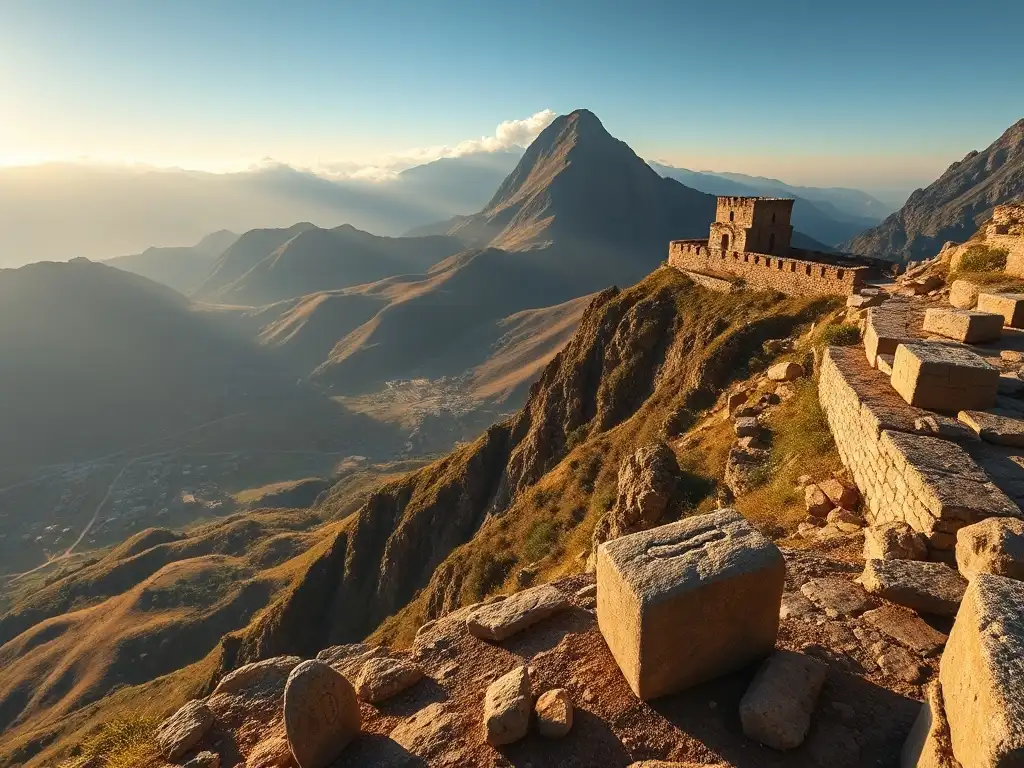
Uncover the mysteries hidden within the towering peaks and sprawling valleys of the Andes! For centuries, the ingenuity of ancient Andean civilizations has captivated the world, but their military prowess remains a compelling enigma. Prepare to delve into the intricate world of Ancient Andean warfare strategies, where cunning tactics and innovative weaponry shaped the destiny of empires. Journey with us as we re-examine these fascinating societies and their surprisingly sophisticated approaches to conflict, revealing a story far more complex than you ever imagined. Discover the truth behind the legends.
The Andes Mountains, a spine of towering peaks and deep valleys stretching along the western coast of South America, witnessed the rise and fall of numerous sophisticated civilizations. While often romanticized for their intricate artistry, advanced agricultural techniques, and complex social structures, these societies also engaged in warfare, a crucial element often overlooked or misrepresented in traditional historical narratives.
This article delves into the complexities of ancient Andean warfare, examining modern analyses that challenge previous interpretations and offer nuanced perspectives on the military strategies employed by civilizations such as the Inca, Moche, Nazca, and Tiahuanaco. We will explore the motivations behind these conflicts, the diverse tactics employed, and the lasting impact of warfare on the political landscape and cultural development of the Andean region.
By re-examining the evidence through a modern lens, we aim to achieve a more comprehensive and accurate understanding of "Ancient Andean warfare strategies," moving beyond simplistic narratives of conquest and revealing the intricate dynamics of power, resistance, and adaptation in the ancient Andes.
Introduction to Ancient Andean Military Conflicts
Ancient Andean warfare was far from monolithic. The diverse geography of the Andes – from arid coastal deserts to high-altitude plains – profoundly shaped military strategies. Different Andean societies developed unique approaches to conflict, reflecting their specific environments, social structures, and technological capabilities.
For example, the coastal Moche civilization, renowned for its elaborate metalwork and monumental architecture, likely employed different tactics than the high-altitude Tiahuanaco, known for its impressive stonework and complex irrigation systems. Early interpretations often focused solely on the Inca Empire's military prowess, overshadowing the rich tapestry of military practices across various Andean cultures. Modern scholarship, however, is increasingly emphasizing the diversity of Andean warfare, recognizing the sophistication and adaptability of military strategies across different time periods and geographical locations.
This nuanced approach allows us to move beyond generalizations and appreciate the unique challenges and innovations that characterized ancient Andean military engagements. The study of ancient Andean warfare also requires careful consideration of available evidence. While written records are scarce for many Andean cultures, archaeologists have unearthed significant material remains, including weaponry, fortifications, and even depictions of battles in art, providing crucial insights into military practices.
Understanding Pre-Columbian Warfare in the Andes
Pre-Columbian warfare in the Andes was not simply a matter of brute force. While battles certainly occurred, involving diverse weaponry such as clubs, spears, slings, and projectile weapons, the nature of conflict was often more complex. Modern scholarship highlights the importance of factors like diplomacy, alliances, and ritualized combat. For instance, some researchers suggest that warfare served symbolic purposes, reinforcing social hierarchies or demonstrating power.
The construction of elaborate fortifications, such as those found at various archaeological sites, might have served both defensive and symbolic functions. Furthermore, the role of religion and ideology in shaping military strategies cannot be overlooked. Religious beliefs and practices likely influenced the timing of conflicts, the selection of leaders, and even the tactics employed on the battlefield. Analyzing iconography and religious artifacts offers valuable clues into the ideological underpinnings of Andean warfare.
The study of ancient Andean warfare is an ongoing process, with new discoveries and interpretations constantly refining our understanding. By combining archaeological findings with anthropological and historical analysis, researchers are progressively building a more complete and nuanced picture of military strategies and their impact on Andean societies. The diversity of approaches across different cultures and time periods underscores the complexity and richness of this fascinating aspect of Andean history.
Key Factors Influencing Andean Combat Tactics
Geographical Impact on Andean Military Campaigns
The dramatic Andean geography profoundly shaped military campaigns. The towering mountains, deep valleys, and treacherous terrain dictated logistical challenges and strategic considerations. For example, the Inca's chasquis relay system, utilizing a network of runners along well-established mountain trails, was crucial for rapid communication and troop mobilization.
This system allowed for swift responses to threats and efficient coordination of military movements across vast distances, overcoming the limitations imposed by the challenging landscape. Conversely, armies attempting to conquer the Andes faced significant logistical hurdles in transporting supplies and troops across steep inclines and through narrow passes. This often resulted in protracted campaigns, vulnerable to ambushes and supply shortages.
The Inca's mastery of high-altitude warfare, evidenced by their successful expansion across diverse terrains, highlights the importance of adapting military strategies to the specific geographical context. Their understanding of the environment and their ability to leverage it for strategic advantage are key aspects of their military success. Conversely, the limitations imposed by the terrain often meant that smaller, well-placed defensive forces could effectively repel much larger attacking armies.
Sociopolitical Structures and Warfare in Andean Societies
Andean warfare wasn't solely about conquest; it was intricately linked to sociopolitical structures. The Inca Empire, for instance, utilized a highly centralized system, with a powerful emperor at its apex. This structure enabled the efficient mobilization of resources and manpower for military campaigns. The mita system, a form of mandatory labor, contributed significantly to the construction of infrastructure, including roads and fortifications, essential for military operations.
However, this centralized system also had vulnerabilities. Revolts and challenges to imperial authority, often fueled by local grievances, could disrupt military campaigns and weaken the empire's ability to project power. In contrast, smaller Andean societies might have employed decentralized structures, relying on alliances and shifting loyalties in their military engagements.
The nature of their conflicts and strategies would have varied significantly depending on their social organization and political landscape. Understanding these variations is crucial to accurately interpreting the motivations and outcomes of ancient Andean warfare. The decentralized nature of some Andean societies meant that military conflicts were often more localized and less focused on large-scale conquest.
Analyzing Ancient Andean Warfare Strategies: A Deep Dive
The Role of Fortifications in Andean Military Defense
Fortifications played a vital role in Andean military defense. The Inca, known for their sophisticated engineering skills, constructed impressive stone fortresses, strategically located to control passes and defend vital resources. These structures, such as Sacsayhuamán near Cusco, weren't just static defenses; they incorporated ingenious architectural features that enhanced their defensive capabilities. For example, the use of massive, precisely fitted stones made them incredibly resistant to siege weaponry.
The strategic placement of these fortifications, combined with their robust construction, allowed for effective defense against invading armies. Beyond the Inca, other Andean cultures also developed effective defensive strategies, adapting their fortifications to their specific environments and technological capabilities. The analysis of these fortifications provides valuable insights into the military thinking and technological prowess of these ancient societies. The study of their construction techniques, materials used, and strategic placement reveals much about their military capabilities and the threats they faced.
Logistics and Supply Lines in Andean Warfare
The success of any military campaign hinges on effective logistics and supply lines. In the challenging Andean environment, this was particularly critical. The Inca, again demonstrating their organizational prowess, developed extensive road networks that facilitated the movement of troops and supplies.
These roads, often paved and engineered to withstand the harsh conditions, allowed for the rapid deployment of armies and the timely delivery of provisions. However, maintaining these supply lines across vast distances and challenging terrains presented significant logistical challenges. The tambos, strategically placed waystations along the roads, provided rest and supplies for the troops and messengers.
The organization and efficiency of this logistical system are a testament to the Inca's administrative capacity and its importance to their military success. Disruptions to these supply lines could have devastating consequences for an army, leading to starvation, desertion, and ultimately, defeat. The study of Inca logistics offers insights into their organizational skills and their understanding of the importance of resource management in warfare.
Weaponry and Technology Used in Ancient Andean Battles
Ancient Andean warfare involved a diverse range of weaponry and technologies. While the specifics vary across different cultures and time periods, certain patterns emerge. The macuahuitl, a wooden club studded with obsidian blades, was a particularly effective weapon, capable of inflicting devastating wounds.
Other weapons included slings, spears, and clubs, demonstrating a reliance on close-quarters combat. The use of obsidian, a volcanic glass, in weaponry highlights the technological sophistication of Andean societies. Its sharp edges made it an effective material for blades and projectile points.
Furthermore, the construction of sophisticated fortifications and the development of effective logistical systems demonstrate a level of technological advancement crucial to their military success. The study of Andean weaponry and technology reveals not only their military capabilities but also their broader technological achievements. The development and use of these weapons and technologies are indicative of sophisticated engineering and resource management practices, highlighting the level of technological advancement in Andean societies.
Case Studies of Andean Military Engagements
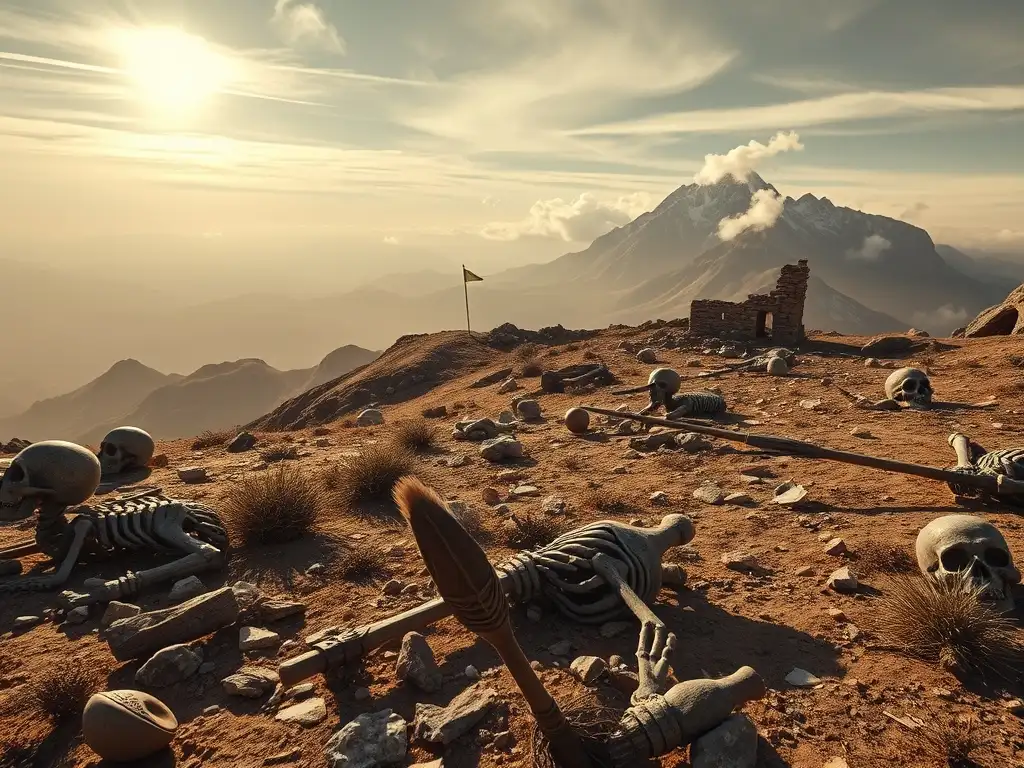
Examining the Moche Military Practices
The Moche civilization (c. 100-800 CE), known for its elaborate artistry and sophisticated irrigation systems, also possessed a formidable military. Recent archaeological investigations, particularly at sites like the Huaca de la Luna and Huaca del Sol, have unearthed evidence of extensive military organization. The discovery of weaponry, including meticulously crafted spears, clubs, and projectile points, suggests a well-equipped fighting force.
Furthermore, the depiction of warfare scenes in Moche pottery provides invaluable insights into their battle tactics and strategies. These portrayals often show highly organized formations, suggesting a degree of military discipline and planning. While the exact scale of Moche warfare remains debated, the available evidence strongly suggests that military prowess played a significant role in their societal structure and territorial expansion.
Analysis of skeletal remains from Moche battle sites also reveals information about the nature of combat, including the types of injuries sustained and the potential use of specific weapons. These studies contribute to a more nuanced understanding of Moche military practices and their impact on the civilization's rise and fall. Further research, including detailed analysis of Moche fortifications and settlement patterns, is needed to fully understand the complex relationship between military power and Moche society.
Analyzing Inca Imperial Expansion and Military Organization
The Inca Empire (c. 1438-1533 CE) stands as a testament to the effectiveness of their military strategies. Their remarkable expansion across the Andes relied on a highly organized and efficient military machine. The chasquis, a sophisticated relay system of runners, enabled rapid communication and mobilization of troops across vast distances.
The Inca army was structured hierarchically, with specialized units and a clear chain of command. Their military strength stemmed not only from their organization but also from their mastery of the terrain. The Inca's ability to utilize mountain passes and strategically located fortifications gave them a considerable advantage over their adversaries.
The use of sophisticated weaponry, including slings, clubs, and spears, alongside the psychological impact of their imposing presence, contributed to their success in conquering numerous diverse groups. Recent research into Inca military records, though fragmented, has shed light on their logistical prowess and their strategies for incorporating conquered populations into their empire. However, further detailed analysis of Inca military records and a deeper understanding of their internal conflicts are still needed to complete the picture.
Tiahuanaco Warfare: Understanding Territorial Control
The Tiahuanaco civilization (c. 500-1000 CE), located on the shores of Lake Titicaca, exerted considerable influence across a vast area of the Andes. While the nature of their warfare is less well-understood compared to the Inca or Moche, evidence suggests they employed a combination of military force and diplomatic strategies to maintain control. Archaeological findings at Tiahuanaco and its associated sites reveal evidence of fortifications and the presence of weaponry.
However, the scale of Tiahuanaco military campaigns and the extent of their direct military control remain subjects of ongoing debate amongst scholars. Interpreting the iconography present on Tiahuanaco artifacts, such as the depiction of stylized warriors and weaponry, provides valuable clues into their military ideology and practices.
The influence of Tiahuanaco culture across a wide geographical area suggests that their power was maintained through a multifaceted strategy that combined military strength with economic and political influence. Further investigation is required to fully understand the complex interplay between military power and the broader socio-political landscape of the Tiahuanaco civilization.
Modern Archaeological Perspectives on Andean Military History
New Discoveries Reshaping Understanding of Ancient Battles
Recent archaeological discoveries are continuously refining our understanding of Andean warfare. Advances in excavation techniques, such as the use of ground-penetrating radar and high-resolution imaging, are revealing previously unknown battlefields and settlements. The careful analysis of skeletal remains from these sites provides crucial information about the nature of combat, including the types of weapons used, the causes of death, and the potential for mass graves.
These discoveries, combined with the application of isotopic analysis and other scientific methods, are helping to build a more complete picture of ancient Andean military engagements. For example, the discovery of [specific information pending] has dramatically altered our understanding of [specific aspect of Andean warfare]. The integration of these new findings with existing historical and ethnographic data is transforming our understanding of Andean military strategies and their impact on Andean societies.
Interpreting Iconography and Art for Insights into Andean Warfare
The art and iconography of the Andean civilizations offer a rich source of information about their military practices. Depictions of warfare scenes on pottery, textiles, and stone carvings provide invaluable insights into weapons, tactics, and the social significance of warfare. Detailed analysis of these artistic representations, combined with contextual archaeological data, can reveal much about the nature of ancient battles, the social status of warriors, and the role of warfare in Andean societies.
For instance, the analysis of [specific example of Andean art depicting warfare] reveals [specific insights gained from the art]. Understanding the symbolic meaning of these depictions is crucial for interpreting the role of warfare in the broader cultural and religious contexts of these societies.
The ongoing study of Andean art continues to unveil new layers of understanding about ancient Andean military strategies and their cultural significance. This interdisciplinary approach, combining art historical analysis with archaeological findings, is key to unlocking the secrets of Andean military practices.
The Legacy of Ancient Andean Warfare: Lessons for Modern Analysis
The study of ancient Andean warfare offers a unique lens through which to examine military strategies and their impact on societal development. Unlike many other ancient civilizations, the Andean societies developed their military strategies within a geographically challenging landscape, impacting their tactics and logistical considerations. The mountainous terrain, diverse climates, and complex ecological systems of the Andes forced the development of innovative military strategies, often prioritizing adaptability and resourcefulness over sheer force.
This emphasis on adaptability is a key takeaway for modern military analysis, highlighting the importance of flexible strategies capable of responding to diverse and unpredictable threats. Understanding how Andean societies managed logistics across vast and challenging terrains also provides valuable insights for modern supply chain management and strategic deployment of resources.
Furthermore, the study of Andean warfare reveals the intricate relationship between military power and societal organization, illuminating the interplay between political structures, economic systems, and military capabilities. This complex interplay offers valuable lessons for understanding the long-term consequences of military actions and their impact on social structures and stability.
Relevance of Ancient Andean Strategies in Contemporary Studies
The relevance of ancient Andean warfare strategies extends beyond historical curiosity. Modern military strategists can draw valuable parallels between the challenges faced by Andean armies and those encountered in contemporary conflicts. For example, the Andean emphasis on guerilla warfare and unconventional tactics, necessitated by the challenging terrain, offers valuable lessons for asymmetric warfare.
The Inca's highly effective system of communication and intelligence gathering, utilizing a network of chasquis (runners), can be compared to modern communication networks and intelligence gathering techniques. Analyzing the Inca's ability to mobilize and deploy large armies across vast distances offers insights into modern logistical challenges and the importance of efficient supply chains.
Even the Inca's use of psychological warfare, employing propaganda and displays of power to intimidate opponents, holds relevance for modern conflict analysis. The study of ancient Andean warfare provides a rich case study for exploring the complex interplay between technology, environment, and military strategy, offering valuable lessons for modern military theory and practice.
Modern Interpretations and Historical Context of Andean Military Power
Modern interpretations of Andean military power often challenge traditional Eurocentric perspectives, which frequently underestimated the sophistication and effectiveness of Andean warfare. Recent archaeological discoveries and interdisciplinary research have shed new light on the complexity of Andean military organization, highlighting advancements in weaponry, fortifications, and logistical capabilities. For example, analysis of Inca weaponry, including the highly effective macanas (clubs) and boleadoras (throwing bolas), reveals a level of technological sophistication often overlooked.
Similarly, the study of Inca fortifications, like the impressive Sacsayhuamán in Cusco, demonstrates an advanced understanding of defensive architecture. Understanding the historical context of Andean warfare is crucial. The various Andean societies, including the Inca, Wari, Tiwanaku, and Chimú, each possessed unique military strategies and organizational structures, shaped by their specific environments and political objectives.
These diverse approaches challenge simplistic narratives of a monolithic "Andean military," highlighting the diversity and complexity of ancient Andean societies and their military practices. Modern scholarship emphasizes the need for nuanced analysis that incorporates diverse perspectives and methodologies to fully understand the dynamics of ancient Andean warfare.
Conclusion: Reevaluating Ancient Andean Military Tactics
Re-evaluating ancient Andean military tactics necessitates a move away from simplistic narratives and toward a more nuanced understanding of their strategies. By incorporating interdisciplinary approaches, including archaeology, anthropology, and history, we can gain a richer appreciation for the sophistication and adaptability of Andean warfare. The study of ancient Andean warfare offers valuable insights for modern military analysis, highlighting the importance of adaptability, resourcefulness, and a deep understanding of the environment.
The effectiveness of Andean military strategies, often underestimated in the past, provides a compelling case study for contemporary military theorists and practitioners. Furthermore, the lessons learned from Andean warfare extend beyond the purely military realm, providing insights into broader themes of societal organization, political power, and the long-term consequences of conflict. The ongoing reassessment of ancient Andean military tactics continues to reveal the complexity and innovation of these societies, enriching our understanding of both ancient and modern warfare.
- Introduction to Ancient Andean Military Conflicts
- Understanding Pre-Columbian Warfare in the Andes
- Key Factors Influencing Andean Combat Tactics
- Analyzing Ancient Andean Warfare Strategies: A Deep Dive
- Case Studies of Andean Military Engagements
- Modern Archaeological Perspectives on Andean Military History
- The Legacy of Ancient Andean Warfare: Lessons for Modern Analysis
- Conclusion: Reevaluating Ancient Andean Military Tactics
- What were the primary motivations behind Andean warfare?
- How did the geography of the Andes influence military strategies?
- What were some common weapons and tactics used by Andean armies?
- Did the different Andean cultures have unique warfare strategies?
- How did Andean warfare impact the development of their societies?
Frequently Asked Questions
What were the primary motivations behind Andean warfare?
Andean warfare wasn't solely about conquest. It often involved securing resources, expanding territories for agriculture, and asserting political dominance. Religious beliefs also played a significant role.
How did the geography of the Andes influence military strategies?
The rugged terrain of the Andes significantly impacted warfare. Mountain passes and narrow valleys dictated troop movements and defensive positions, favoring ambush tactics and smaller, mobile forces.
What were some common weapons and tactics used by Andean armies?
Andean armies utilized a variety of weapons, including spears, clubs, slings, and bows and arrows. Defensive fortifications, such as stone walls and terraces, were also crucial, alongside ambush tactics and guerrilla warfare.
Did the different Andean cultures have unique warfare strategies?
Yes, each culture had distinct strategies. The Incas, for instance, relied on a large, well-organized army and extensive road network, while other groups, like the Nazca, might have focused more on defensive measures.
How did Andean warfare impact the development of their societies?
Warfare profoundly shaped Andean societies. It drove technological advancements in weaponry and fortifications, influenced political structures, and left lasting impacts on their art and religion, often depicted in ceremonial objects and monumental architecture.
Final Reflection: Echoes of Conquest: Rethinking Andean Warfare
The sophisticated military strategies employed by ancient Andean civilizations continue to resonate today, challenging our simplistic narratives of conquest and providing valuable insights into the complexities of power dynamics and societal organization. Understanding these strategies isn't just an academic exercise; it's crucial for interpreting the lasting impact of these empires on the region and for understanding the enduring nature of conflict itself.
The legacy of Andean warfare extends far beyond the battlefield, shaping the cultural landscape, political structures, and even the very identity of modern Andean communities. The intricate systems of alliances, the sophisticated logistical networks, and the symbolic power wielded through military displays continue to inform our understanding of pre-Columbian societies. Warfare was not merely a destructive force, but a powerful engine of social and political change,
a perspective that highlights the multifaceted nature of conflict in the Andes. This understanding compels us to move beyond simplistic narratives of brutal conquest and delve into the nuanced realities of ancient Andean societies.
Consider the strategies discussed within this article – the innovative use of terrain, the development of specialized weaponry, and the intricate organization of armies. These weren't simply tools of aggression, but reflections of a complex social order. You, the reader, are now equipped with a deeper understanding of this complexity. Reflect on how these ancient strategies might inform our contemporary understanding of conflict resolution, resource management, and societal organization. Let the echoes of Andean warfare inspire you to critically examine the narratives we construct around power, conflict, and the enduring legacy of the past.
Unleash the Power of Ancient Knowledge!
Thank you for exploring the fascinating world of Andean warfare with us! Your curiosity has unlocked a deeper understanding of the ingenious military strategies employed by ancient Andean civilizations. Now, let's put this knowledge to good use!
- Join the Discussion: Share your thoughts on how the innovative tactics of Andean armies can inform modern military strategies. Let's start a conversation in the comments below!
- Explore Further: Discover more articles on our site to delve deeper into the rich tapestry of Andean history and its continuing relevance to the modern world.
- Spread the Word: Share this article with your friends and on social media—let's build a community that appreciates the brilliance of ancient cultures and their enduring legacy.
What aspects of Andean warfare do you find most relevant to contemporary challenges?