
Beyond Machu Picchu: Essential Books to Understand the Inca Civilization

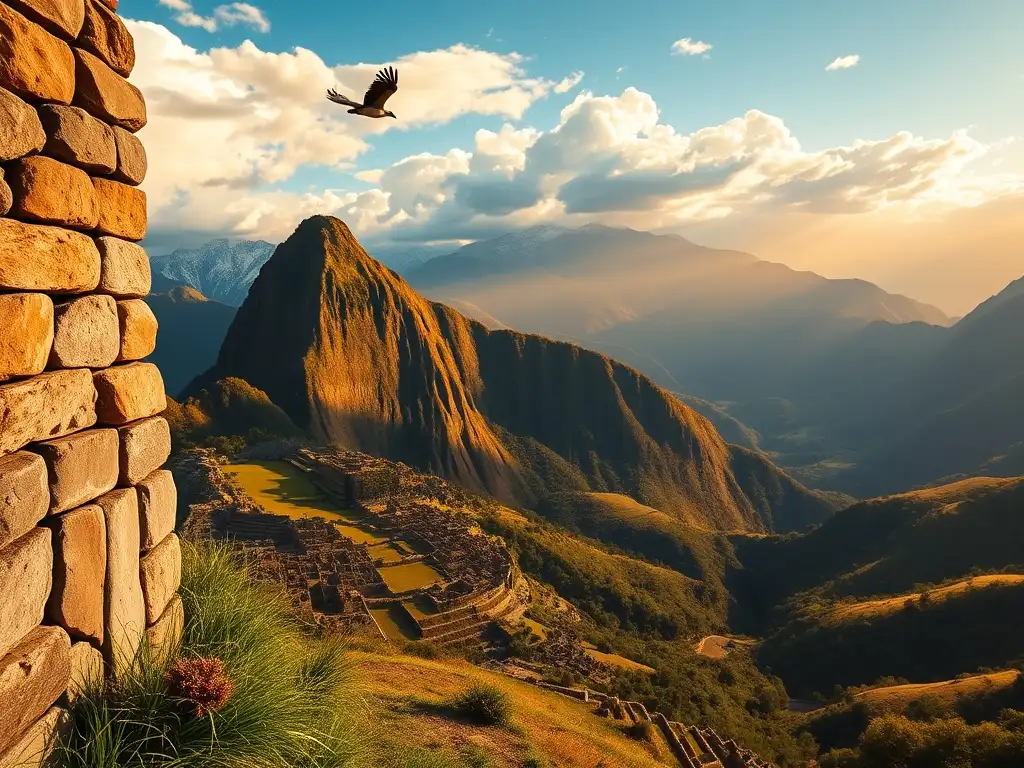
Uncover the secrets whispered on the wind across the Andes! Beyond the iconic Machu Picchu, lies a world of fascinating history, intricate artistry, and advanced technology waiting to be explored. Dive into the vibrant tapestry of Andean civilizations, from the ingenious Moche to the enigmatic Nazca. But where do you begin your journey of discovery? This site offers a curated selection of Inca civilization books that will unlock the mysteries of this remarkable empire and so much more. Prepare to be amazed.
- Unveiling the Inca Empire: Essential Books to Deepen Your Understanding
- Key Books on Inca History and Culture
- Exploring Specific Aspects of the Inca Civilization Through Books
- Recommended Reading for Further Exploration of the Inca Empire
- Conclusion: Your Literary Journey into the Inca World
-
Frequently Asked Questions
- What makes this list of books essential for understanding the Inca Civilization?
- Are these books only about Machu Picchu?
- What types of readers will benefit from these books?
- Where can I find these Inca civilization books?
- Are there books focusing on specific aspects of Inca civilization, like their art or technology?
- Final Reflection: Unearthing the Inca Legacy Through Literature
- **Dive Deeper into Inca Wisdom! **
Unveiling the Inca Empire: Essential Books to Deepen Your Understanding
Machu Picchu, the iconic lost city of the Incas, captivates the imagination worldwide. However, this breathtaking site represents only a fraction of the vast and complex Inca civilization that flourished across the Andes Mountains for centuries. To truly appreciate the ingenuity, resilience, and cultural richness of this remarkable empire, venturing beyond the tourist trail and delving into insightful literature is crucial.
This article explores a curated selection of essential books that offer diverse perspectives on Inca history, society, and legacy, providing readers with a deeper understanding of this fascinating civilization and helping you navigate the wealth of information available on the subject. We'll examine books that tackle various aspects of Inca life, from their sophisticated agricultural techniques to their intricate social structures and religious beliefs.
Get ready to embark on a literary journey that will enrich your appreciation of the Inca civilization and its enduring impact. This guide is designed to help you find the perfect book to satisfy your curiosity about the Inca civilization books.
Delve into the World of the Incas Through Literature
Understanding the Inca civilization requires exploring various perspectives and engaging with scholarly works that go beyond simplistic narratives. The following selection offers a range of approaches, from comprehensive overviews to focused studies on specific aspects of Inca life. These books are not just informative; they are engaging and accessible, making the complex history of the Inca Empire understandable and enjoyable for a wide readership.
The books listed below represent a diverse range of authors and methodologies, ensuring a well-rounded exploration of the Inca civilization. We’ve considered factors such as accessibility for different reading levels, the depth of research demonstrated, and the overall contribution to a nuanced understanding of the Inca world.
Many excellent books delve into specific aspects of Inca culture. For example, some focus on Inca agriculture and its remarkable adaptation to the challenging Andean environment, showcasing their mastery of terracing and irrigation. Others highlight the intricate social structures and political organization of the empire, detailing the roles of the Sapa Inca and the complex system of tribute and labor. Still others explore the fascinating religious beliefs and practices of the Incas, their cosmology, and their relationship with the natural world. The richness of the Inca experience is vast, and these books help uncover its many layers.
We have prioritized books that offer both scholarly rigor and engaging readability. The goal is not just to present facts but also to bring the Inca world to life, allowing readers to connect with the people, their achievements, and their struggles. The selection below is designed to be a starting point for your own journey of discovery into the fascinating world of Inca civilization books.
Consider this a curated list to help you navigate the many resources available and find the perfect book to match your interests and learning style. Remember, each book offers a unique lens through which to view this extraordinary civilization.
Key Books on Inca History and Culture
This section delves into essential reading material for anyone serious about understanding the Inca civilization. We'll explore key texts that offer diverse perspectives and in-depth analyses, going beyond the typical tourist narratives and offering a richer appreciation of Inca achievements and complexities. These books are invaluable resources for researchers, students, and anyone fascinated by the Inca civilization books available today.
"The Incas: The Royal Commentaries of the Inca" by Garcilaso de la Vega: A Foundational Text
Garcilaso de la Vega's Royal Commentaries of the Inca stands as a cornerstone of Inca studies. Written by a descendant of both Inca royalty and Spanish conquistadors, this work offers a unique, albeit sometimes biased, perspective on Inca history and culture. Its significance lies in its combination of firsthand accounts and indigenous perspectives, filtered through the author's own experiences and interpretations. It's a crucial primary source, providing invaluable insights into Inca beliefs, customs, and social structures.
Understanding the Inca Perspective
The Royal Commentaries provides a relatively unique window into the Inca worldview. While filtered through a mestizo lens, it attempts to convey Inca cosmological beliefs, their understanding of the relationship between the human and spiritual realms, and their concept of Ayni, reciprocal exchange, which underpinned their social fabric. Understanding these perspectives is vital to comprehending the Inca civilization's motivations and actions. The book's descriptions of Inca rituals, religious practices, and the role of the Inca emperor offer a compelling narrative of a sophisticated and complex society. It challenges simplistic interpretations of Inca culture often found in less scholarly works.
Exploring Inca Social Structure and Governance
De la Vega's account details the intricate social hierarchy of the Inca Empire, from the Sapa Inca at its apex to the commoners at its base. He describes the mit'a system, a form of labor tribute that played a crucial role in Inca infrastructure projects and agricultural production. The book further illuminates the administrative systems used to manage this vast empire, highlighting the sophisticated organization and communication networks that allowed the Inca to control such a geographically diverse population.
The details provided on Inca governance offer crucial insights into the effective mechanisms used to maintain control and order within a highly stratified society. Analyzing these systems provides a clearer picture of Inca power dynamics and their societal organization.
"The Incas" by Terence N. D'Altroy: A Comprehensive Overview
Terence N. D'Altroy's The Incas provides a more contemporary and academically rigorous overview of the Inca civilization. This book synthesizes archaeological findings and historical accounts to present a balanced and nuanced picture of Inca society, politics, and economy. D'Altroy offers a critical assessment of existing interpretations, challenging assumptions and presenting new perspectives based on the latest research. This is a crucial text for those seeking a detailed and comprehensive understanding of the Inca civilization.
Inca Political and Economic Systems Explained
D'Altroy's analysis delves into the intricacies of Inca political and economic systems. He meticulously explains the mechanisms of power, the role of the Inca state in resource management, and the complex interplay between the central government and local communities. The book provides detailed explanations of the mit'a system's function and impact, analyzing its effectiveness and its consequences for Inca society.
Moreover, it explores the Inca's sophisticated agricultural techniques, including terracing and irrigation systems, which allowed them to support a large population in diverse environments. The detailed analysis of the Inca economy offers valuable insight into its resilience and its limitations.
Analyzing Inca Expansion and Control
This section of D'Altroy's book meticulously examines the processes of Inca expansion, conquest, and integration of conquered territories. It analyzes military strategies, administrative techniques, and the various forms of resistance encountered during the empire's growth. The author carefully examines the different ways the Inca incorporated conquered peoples into their empire, highlighting both the successes and failures of their integration policies.
He discusses the factors that contributed to the Inca Empire's remarkable expansion and the eventual vulnerabilities that led to its downfall. This detailed analysis is essential for understanding the complexities of imperial power and its impact on the conquered populations. The book provides a nuanced perspective on the Inca's military prowess and their approach to governance in a multi-ethnic empire.
"Lost City of the Incas" by Hiram Bingham: The Discovery of Machu Picchu
A Historical Account of Machu Picchu's Rediscovery
Hiram Bingham's Lost City of the Incas offers a firsthand account of the rediscovery of Machu Picchu in 1911. While subsequent scholarship has nuanced some of Bingham's interpretations and highlighted the pre-existing local knowledge of the site, the book remains a crucial historical document. Bingham vividly describes his arduous journey through the Peruvian Andes, the challenges faced by his expedition, and the thrilling moment of stumbling upon the magnificent ruins.
He details the initial explorations, the painstaking process of mapping the site, and the early attempts to understand the city's purpose and significance within the Inca empire. The narrative is infused with Bingham's personal experiences, his excitement at the discovery, and his initial, albeit sometimes inaccurate, hypotheses about the site's function. It's a captivating read that transports the reader back to a time of great adventure and discovery, offering a unique perspective on the initial encounter with this iconic Inca citadel.
The book provides a valuable glimpse into the early days of archaeological investigation at Machu Picchu, setting the stage for future research and interpretations. While modern scholarship has significantly expanded our understanding of Machu Picchu, Bingham's account remains an important historical artifact, offering a window into the early stages of the site's exploration and the evolving understanding of Inca civilization. The book's enduring popularity speaks to its ability to capture the imagination and convey the thrill of uncovering a lost city.
Insights into Inca Architecture and Engineering
Beyond the narrative of discovery, Bingham's Lost City of the Incas also provides valuable, albeit early, insights into Inca architecture and engineering. While lacking the sophisticated analytical tools of modern archaeology, the book presents detailed descriptions of the stonework, the agricultural terraces, and the intricate water management systems of Machu Picchu. Bingham's observations, though sometimes lacking the nuance of modern scholarship, highlight the impressive scale and precision of Inca construction techniques.
He marvels at the perfectly fitted stones, the complexity of the urban layout, and the ingenuity of the agricultural systems that sustained the city's population. Reading these descriptions, even with the benefit of hindsight and modern archaeological knowledge, one can still appreciate the remarkable achievements of Inca engineers and builders. The book's illustrations and photographs, though limited by the technology of the time, offer a visual record of the site's condition in the early 20th century, providing a valuable baseline for comparing changes over time.
Although later research has refined our understanding of Inca construction methods and the city's social organization, Bingham's work remains a seminal contribution, demonstrating the early recognition of the impressive sophistication of Inca engineering and its adaptation to the challenging Andean environment. The book's legacy lies not only in its narrative of discovery but also in its early documentation of the remarkable architectural and engineering feats of the Inca civilization. It serves as a testament to the enduring fascination with Machu Picchu and the ongoing efforts to unravel the mysteries of this remarkable site.
Exploring Specific Aspects of the Inca Civilization Through Books
This section delves into specific aspects of Inca civilization that are richly explored in various books, offering a deeper understanding beyond the iconic Machu Picchu. We will examine how specific titles illuminate Inca religion, spirituality, art, and technology, providing readers with a more nuanced perspective on this fascinating culture. Understanding these facets is crucial for a comprehensive grasp of the Inca civilization and its enduring legacy.
Inca Religion and Spirituality: Unveiling the Sacred World
The Inca worldview was deeply intertwined with religion, shaping their social structures, political systems, and daily lives. Books dedicated to this topic offer invaluable insights into the complex beliefs, rituals, and cosmological understanding of the Inca people. The Inca's sophisticated religious system was not merely a set of beliefs; it was the very fabric of their society, influencing everything from agricultural practices to warfare. Their understanding of the cosmos and their relationship with the natural world provides a fascinating study in human spirituality.
"Religion in the Andes" by Sabine MacCormack: Examining Inca Beliefs and Rituals
MacCormack's work provides a detailed analysis of Inca religious practices, moving beyond simplistic interpretations. She meticulously examines the intricate relationship between the Inca state and religion, highlighting the role of the Sapa Inca as a divine intermediary. The book delves into specific rituals, including human sacrifice – a practice often misunderstood and misrepresented – placing it within its socio-political context.
MacCormack skillfully unravels the complexities of Inca religious beliefs, shedding light on the significance of deities like Inti (the sun god) and Viracocha (the creator god), and their influence on Inca society. The author effectively challenges preconceived notions, presenting a nuanced and scholarly perspective on a frequently sensationalized subject. This careful examination of primary sources and archaeological evidence makes it an essential read for anyone seeking a deeper understanding of Inca spirituality.
Understanding Inca Cosmology and Deities
Inca cosmology was a complex system of beliefs centered around the sun, the stars, and the mountains. The Inca viewed the world as a carefully ordered system, with humans occupying a specific place within a larger cosmic order. Their deities were not simply abstract figures but represented forces of nature and aspects of the Inca worldview. Intriguingly, the Inca religion incorporated elements from previous Andean cultures, highlighting a continuous evolution of spiritual practices.
The worship of Inti, the sun god, was paramount, reflecting the Inca's dependence on agriculture and the sun's vital role in their survival. Further research into specific Inca deities and their associated rituals is crucial to fully grasp the depth and complexity of their religious beliefs. [Specific information pending on detailed analysis of lesser-known Inca deities and their symbolic representation].
Inca Art and Technology: Masterpieces of the Andes
Inca art and technology were remarkable achievements, showcasing both aesthetic sophistication and practical ingenuity. From intricate textiles to precisely crafted stonework, Inca artisans demonstrated exceptional skill and mastery of their craft. Their achievements are not simply aesthetically pleasing; they reveal a deep understanding of engineering principles and a sophisticated knowledge of materials and techniques. Studying Inca art and technology provides a window into their societal organization, economic systems, and worldview.
"Art of the Andes: From Chavín to Inca" by Rebecca Stone-Miller: A Visual Journey
Stone-Miller's book offers a comprehensive visual journey through Andean art, tracing its development from the Chavín culture to the Inca empire. The book features numerous high-quality images of Inca pottery, textiles, metalwork, and stone sculptures, allowing readers to appreciate the artistry and craftsmanship of Inca artisans. The book's strength lies in its ability to connect artistic styles with broader historical and cultural contexts, demonstrating how artistic expressions reflected the social and political dynamics of the time.
Analyzing the stylistic evolution of Inca art, from early regional variations to the later imperial style, provides valuable insights into the cultural transformations within the empire. The detailed descriptions and insightful commentary accompanying each image enhance the reader's understanding of the techniques and symbolic meanings embedded in the artworks.
Analyzing Inca Pottery, Textiles, and Metalwork
Inca pottery, textiles, and metalwork represent distinct aspects of their artistic achievements. Pottery served both utilitarian and ceremonial purposes, with intricate designs reflecting religious beliefs and social status. Textiles, often created with incredibly fine threads and complex patterns, were prized possessions, used for clothing, ceremonial purposes, and even as forms of currency. Inca metalwork, particularly in gold and silver, showcased their mastery of metallurgy and their ability to create intricate and visually stunning objects. [Specific data pending on the techniques used in Inca metalwork, including evidence of alloys and casting methods]. The intricate designs and symbolic representations found in these artifacts provide valuable clues to understanding Inca beliefs, social structures, and daily life. The analysis of these artifacts, combined with archaeological context, allows for a richer interpretation of Inca culture and its sophisticated artistic traditions. Further study is needed to fully understand the complex symbolism embedded within these exquisite pieces.
Inca Society and Daily Life: A Glimpse into the Past
Understanding the Inca civilization requires delving beyond the majestic ruins and exploring the intricacies of their daily lives. Their societal structure, complex agricultural practices, and unique customs offer a fascinating glimpse into a world vastly different from our own. Books dedicated to this aspect of Inca history often reveal surprising details about their daily routines, religious beliefs, and social interactions. For example, we learn about the importance of community cooperation in tasks like ayni, a system of reciprocal labor that bound the society together.
The careful organization of their cities, with intricate irrigation systems and well-planned urban layouts, showcases their advanced engineering and social planning skills. Furthermore, understanding their religious beliefs and practices – including the worship of the sun god Inti and the significance of various deities – is crucial to comprehending the underlying principles that shaped their society. The Inca's sophisticated understanding of astronomy and its influence on their agricultural practices and calendar system also paints a vivid picture of their advanced knowledge and intricate societal organization.
Their ingenious methods of terrace farming, adapted to the challenging Andean terrain, highlight the ingenuity and resilience of the Inca people in the face of environmental limitations. Their mastery of these techniques allowed them to support a large population and sustain their empire. Finally, studying the daily lives of the Inca people helps us appreciate the complexity and sophistication of their civilization beyond its impressive architectural feats.
"Everyday Life of the Incas" by Ann Kendall: Understanding Inca Customs and Traditions
Ann Kendall's "Everyday Life of the Incas" provides a compelling and accessible entry point into the daily lives of Inca people. The book meticulously reconstructs various aspects of Inca life, from their clothing and food to their social customs and rituals. Kendall expertly weaves together archaeological findings, historical accounts, and anthropological perspectives to paint a vivid picture of Inca society.
For instance, the book delves into the intricate details of Inca clothing, highlighting the significance of different textiles and colors in signifying social status and identity. It also explores the variety of foods consumed, demonstrating the importance of agriculture and resource management within their economy. The book also provides insights into their family structures, marriage practices, and the role of women within society, dispelling common misconceptions and presenting a nuanced understanding of gender roles.
Furthermore, Kendall effectively illustrates the significance of festivals and religious ceremonies in the daily lives of the Inca people, highlighting their deep-rooted spiritual beliefs and their integration into the fabric of their society. The book's strength lies in its ability to combine detailed descriptions with a clear and engaging narrative, making it an invaluable resource for anyone seeking a comprehensive understanding of Inca daily life. It's a great starting point for anyone interested in learning more about the Inca civilization, offering a balanced and well-researched perspective.
Exploring the Roles of Different Social Classes
The Inca civilization was characterized by a hierarchical social structure, with the emperor at the apex and various social classes beneath. Understanding these different social classes and their respective roles is crucial to grasping the dynamics of Inca society. The emperor, considered a divine ruler, held absolute power and controlled all aspects of the empire. Below him were the nobility, comprising high-ranking officials, priests, and military leaders, who enjoyed significant privileges and influence. The vast majority of the population consisted of commoners, yanaconas (a class of servants bound to the land), and mitmaq (those relocated from conquered territories).
These groups formed the backbone of Inca society, performing agricultural labor, construction, and other essential tasks. The yanaconas were not slaves in the traditional sense but rather a crucial part of the imperial economy, providing labor and support to the ruling class. The mitmaq played a crucial role in integrating conquered territories into the empire. Finally, at the bottom of the social hierarchy were prisoners of war and those who had committed crimes. The rigid social structure, however, was not static.
Social mobility, though limited, was possible through military service or exceptional skills. The system relied heavily on a complex network of reciprocal obligations and responsibilities, ensuring the stability and functioning of the empire. Understanding the intricacies of this social stratification provides a critical perspective on Inca power structures and social dynamics. The Inca system, though hierarchical, was remarkably effective in managing a vast and diverse empire.
Recommended Reading for Further Exploration of the Inca Empire
This section delves into essential reading material that extends beyond introductory texts on the Inca civilization, offering deeper insights into various facets of their society, culture, and history. We'll explore books that provide crucial context, challenge conventional narratives, and illuminate the complexities of this fascinating civilization. This curated list caters to those seeking a more nuanced understanding of the Inca empire, going beyond the typical tourist-focused narratives.
Understanding Inca history requires appreciating its place within a broader Andean context, as well as acknowledging the diverse perspectives that shape our understanding today. Consider these books as invaluable tools for expanding your knowledge of the Inca civilization books.
Expanding Your Knowledge Beyond the Basics of Inca Culture
The Inca civilization wasn't formed in a vacuum. Understanding its achievements requires acknowledging the rich tapestry of preceding Andean cultures and the complex interplay of factors that contributed to its rise and fall. This section explores books that provide this crucial context, enriching your comprehension of Inca history and its lasting legacy.
"1491: New Revelations of the Americas Before Columbus" by Charles C. Mann: Contextualizing Inca History
Mann's groundbreaking work challenges the long-held misconception of a sparsely populated, "pristine" Americas before European contact. He meticulously presents evidence of sophisticated pre-Columbian societies, including the significant advancements made by Andean civilizations long before the Inca empire's rise. Reading "1491" provides a vital foundation for understanding the Inca's achievements within the context of a rich and complex pre-existing cultural landscape.
The book highlights the environmental impact of these societies and the sophisticated agricultural techniques employed, offering a crucial counterpoint to narratives that minimize the scale and impact of pre-Columbian societies. Understanding this pre-Inca development is crucial to appreciating the Inca's sophisticated infrastructure and social organization. Mann's work significantly contributes to a more accurate and nuanced understanding of the Inca civilization, placing it within a broader historical narrative of the Americas.
Exploring Pre-Inca Influences and Andean Civilizations
Understanding the Inca civilization requires acknowledging the substantial contributions of preceding Andean cultures. The Inca empire built upon a foundation laid by earlier civilizations, incorporating and adapting existing technologies, social structures, and beliefs. This section explores books that highlight these pre-Inca influences, providing a crucial context for understanding the Inca's achievements.
For example, the intricate knowledge of astronomy and engineering present in Inca structures often had roots in earlier Andean traditions. These earlier Andean civilizations, such as the Nazca, Moche, and Tiwanaku, developed advanced irrigation systems, sophisticated ceramics, and complex social hierarchies – all of which influenced and were integrated into the Inca civilization. Exploring these earlier cultures sheds light on the evolutionary nature of Andean societies and the gradual development of the impressive achievements often solely attributed to the Inca.
Further research into specific pre-Inca cultures is encouraged to deepen this understanding. A comprehensive understanding of the Inca civilization requires acknowledging the contributions of these predecessors and the dynamic interplay between different Andean cultures. The Inca empire's success was, in part, due to its ability to synthesize and adapt the knowledge and traditions of these earlier societies, making the study of pre-Inca influences an essential part of understanding the Inca civilization books.
Conclusion: Your Literary Journey into the Inca World
This exploration of essential books on the Inca civilization has hopefully ignited your curiosity and provided a solid foundation for further study. From detailed archaeological accounts to captivating narratives, the literature surrounding the Inca empire is vast and varied, offering something for every level of interest and expertise. Remember, understanding the Inca civilization isn't just about memorizing dates and names; it's about grasping the complexities of their societal structures, their innovative engineering feats, and their enduring legacy.
These books offer a gateway to that understanding, allowing you to connect with a remarkable culture that continues to fascinate and inspire. Delving into these texts allows you to appreciate the richness and depth of the Inca civilization, going beyond the iconic image of Machu Picchu to uncover a sophisticated and resilient society.
Selecting the right book is a crucial first step on your journey, and we hope this guide has helped you navigate the options. Happy reading!
Choosing the Right Inca Civilization Book for You
Selecting the perfect Inca civilization book hinges on your prior knowledge and specific interests. Are you a seasoned scholar seeking in-depth analysis of specific aspects, such as Inca agriculture or their intricate religious beliefs? Or are you a newcomer hoping for a comprehensive overview of their history and culture?
Consider these factors when making your selection:
- Your Reading Level: Some books are highly academic, filled with specialized terminology and detailed analyses. Others cater to a broader audience with more accessible language and engaging narratives. Choose a book that matches your comfort level.
- Specific Interests: Do you want to focus on Inca architecture, their social structures, their military campaigns, or their art and religious practices? Selecting a book focused on your particular interests will enhance your learning experience.
- Book Format: Do you prefer dense academic texts, richly illustrated coffee-table books, or engaging narrative histories? The format can significantly influence your engagement with the material.
- Author's Expertise: Check the author's credentials. Is the author a renowned archaeologist, historian, or anthropologist? Their expertise will influence the reliability and depth of the information presented.
A well-chosen book can transform your understanding of the Inca civilization, offering a rewarding and enriching intellectual experience.
Continue Your Exploration of the Andean World
The Inca civilization, while undeniably fascinating, is just one piece of the larger Andean tapestry. The rich history of the Andes encompasses numerous other remarkable cultures, each with its own unique contributions to the region's vibrant heritage. After immersing yourself in the world of the Inca, consider expanding your knowledge to include:
- Pre-Inca Civilizations: Explore the achievements of cultures like the Moche, Nazca, and Tiahuanaco, whose advancements paved the way for the Inca empire. Understanding their contributions provides crucial context for appreciating the Inca's legacy.
- Post-Inca Andean History: Examine the impact of the Spanish conquest and the subsequent evolution of Andean societies. This exploration provides a complete picture of the region's historical trajectory.
- Contemporary Andean Culture: Delve into the living traditions and cultural practices that continue to thrive in the Andes today. This provides a connection between the past and the present, showcasing the enduring legacy of Andean civilizations.
The Inca civilization books highlighted in this article serve as an excellent starting point for your journey into this captivating world. But remember, the exploration doesn't end there. The vast and complex history of the Andes offers countless avenues for further discovery, ensuring a lifetime of fascinating learning. 🌍📖
Frequently Asked Questions
What makes this list of books essential for understanding the Inca Civilization?
This curated list focuses on providing a diverse range of perspectives on Inca history, going beyond the popular image of Machu Picchu. The books offer insights into Inca social structures, technology, and daily life, providing a more complete understanding. They are also selected for their scholarly rigor and accessibility.
Are these books only about Machu Picchu?
No, while Machu Picchu is mentioned, these books offer a broader perspective on the Inca civilization. They explore various aspects of Inca life, including politics, religion, agriculture, and warfare, beyond the famous citadel. They provide a more holistic view of the Inca empire.
What types of readers will benefit from these books?
These books cater to a wide audience, from casual readers interested in learning about the Incas to serious scholars seeking in-depth analysis. They are written with varying levels of academic detail, ensuring accessibility for all.
Where can I find these Inca civilization books?
You can find these Inca civilization books at most major online retailers like Amazon, as well as in bookstores specializing in history and archaeology. Many university libraries also have copies available. Check your local library too!
Are there books focusing on specific aspects of Inca civilization, like their art or technology?
Yes, the list includes books that delve into specific areas of Inca culture, such as their intricate artistry and advanced engineering techniques. Some titles offer focused studies on Inca textiles, metalwork, or agricultural practices, providing deeper insights into these key aspects of their civilization.
Final Reflection: Unearthing the Inca Legacy Through Literature
The Inca civilization, though vanished centuries ago, continues to resonate powerfully in our modern world, leaving behind a legacy of architectural marvel and a complex social structure that continues to fascinate and inspire. Understanding their history is not merely an academic pursuit; it's a crucial step in appreciating the rich tapestry of human experience and confronting the enduring challenges of societal organization and cultural preservation. The books explored in this article offer a vital pathway to this understanding.
The enduring impact of the Inca civilization is evident not only in the breathtaking ruins that still stand but also in the ongoing conversations surrounding colonialism, cultural appropriation, and the importance of preserving indigenous knowledge. Their sophisticated agricultural techniques, intricate social hierarchy, and unique worldview continue to inform contemporary discussions on sustainability, social justice, and the very definition of civilization. The past is never dead. It's not even past.
- William Faulkner. This quote perfectly encapsulates the enduring relevance of studying the Inca, as their story continues to shape our understanding of the present and inform our future.
Consider the stories, the innovations, the struggles, and the triumphs of the Inca people. You, the reader, now hold the key to unlocking a deeper understanding of this remarkable civilization. Explore the books highlighted in this article, delve deeper into the resources available, and engage with the ongoing scholarly conversations surrounding the Inca.
Let their story inspire you to appreciate the complexities of history, the importance of cultural preservation, and the enduring power of human resilience. The journey into the past is not just a historical exercise; it's a journey of self-discovery and a testament to the interconnectedness of all human experience.
**Dive Deeper into Inca Wisdom! **
Thank you for exploring the rich tapestry of Inca civilization with us! We hope you found our book recommendations inspiring and insightful, deepening your understanding of this fascinating culture. Now, let's take your journey further!
Here are a few **simple steps** to get started:
- Begin reading one of our recommended books today! Immerse yourself in the stories and knowledge that shaped the Inca legacy.
- Share your thoughts – Join our community! Discuss your favorite book or any discoveries in the comments below or on social media.
- Explore local museums or online exhibits showcasing Inca artifacts to bring history to life and enrich your learning experience.
What aspect of Inca civilization intrigues you most, and how will you continue to explore it?