
The Enigma of the Akapana Pyramid: A Sacred Mountain or a Cosmic Model?

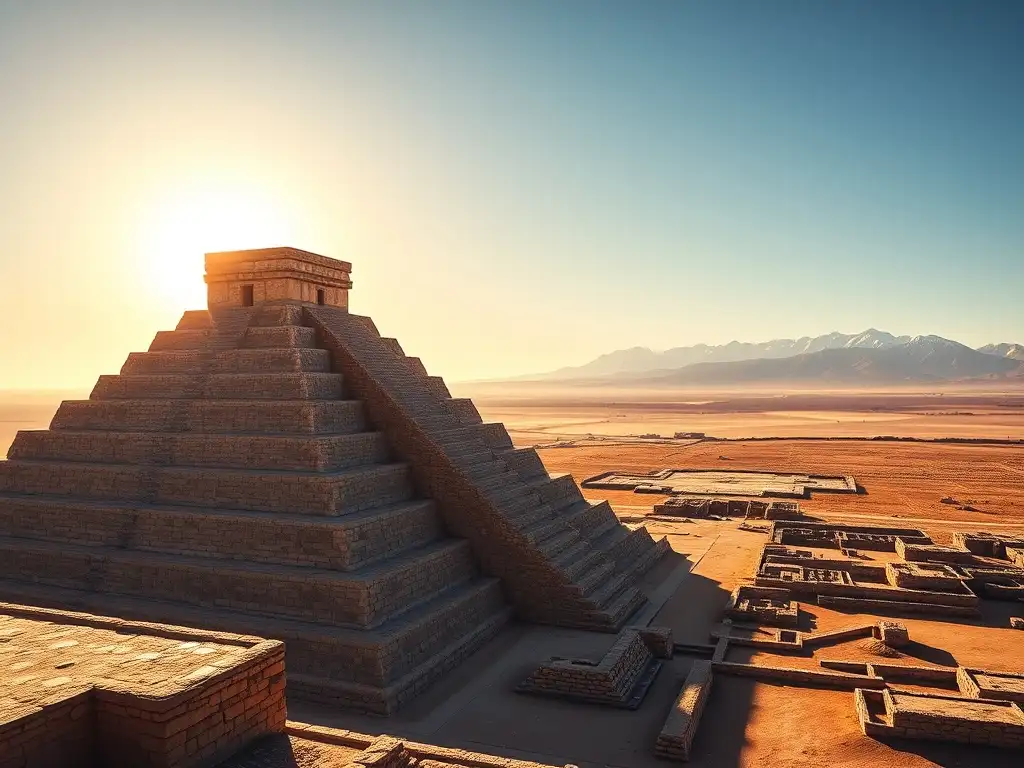
Step into a world lost to time, a realm of towering pyramids and celestial mysteries. For centuries, the Andean Civilizations have captivated imaginations, leaving behind a legacy of breathtaking artistry and enigmatic structures. But what secrets lie hidden within the stones of the Akapana Pyramid? Was it a sacred mountain brought down to earth, or a complex cosmic model mirroring the heavens? Uncover the truth behind this monumental enigma and delve into the fascinating world of the Tiahuanaco civilization – your journey begins here.
The Akapana Pyramid, a colossal structure dominating the Tiwanaku/Tiahuanaco archaeological site in Bolivia, stands as a testament to the advanced engineering and complex cosmology of this pre-Columbian civilization. For centuries, its purpose has remained shrouded in mystery, sparking endless debate among archaeologists and scholars. Was it a sacred mountain, meticulously recreated in stone?
Or did it serve as a sophisticated representation of the cosmos, a three-dimensional model reflecting the Andean worldview? This article delves into the Akapana Pyramid meaning and purpose, exploring the various theories surrounding its construction and significance within the broader context of Tiahuanaco religion and cosmology.
We will examine its architectural intricacies, analyze its symbolic implications, and consider the evidence supporting different interpretations, ultimately aiming to unravel the enigma of this remarkable monument. Understanding the Akapana Pyramid provides invaluable insight into the intellectual and spiritual achievements of the Tiahuanaco people, showcasing their profound understanding of astronomy, mathematics, and their relationship with the natural world.
Architectural Marvels of the Akapana Pyramid
The Akapana Pyramid is not a simple, monolithic structure. It's a complex arrangement of platforms, ramps, and internal chambers, meticulously constructed from massive blocks of stone. Its imposing size, estimated to have originally reached a height of approximately 18 meters, is a testament to the Tiahuanaco's sophisticated organizational skills and mastery of stonework. Archaeological evidence suggests the presence of intricate water management systems, including channels and reservoirs, integrated into the pyramid's design.
These features, coupled with the pyramid's location near Lake Titicaca, further complicate the interpretation of its function, hinting at a possible connection to water rituals or agricultural practices. The precise techniques employed in the construction, including the precision of the stone blocks and the absence of mortar, remain a source of fascination and ongoing research. The sheer scale of the undertaking underlines the importance the Akapana held within Tiahuanaco society.
The Akapana Pyramid as a Sacred Mountain
One prominent theory proposes that the Akapana Pyramid was designed as a representation of a sacred mountain, mirroring the Andean reverence for these natural formations. Many Andean cultures considered mountains to be sacred places, the abode of deities and spirits. The pyramid's stepped design could symbolize the layered structure of the mountains themselves, with each level representing a different realm or spiritual plane.
The presence of water features might relate to the life-giving properties associated with mountain springs and streams. This interpretation aligns with the broader Andean worldview, where the natural world and the spiritual realm were deeply interconnected. Further research into the geological formations surrounding Tiwanaku could provide further insights into the potential link between the Akapana and specific sacred mountains in the region.
The Akapana Pyramid as a Cosmic Model
Another compelling theory suggests the Akapana served as a cosmic model, reflecting the Tiahuanaco's understanding of the universe. The pyramid's orientation, its internal chambers, and its water management systems might have been designed to align with astronomical events or to represent celestial bodies. Some researchers have proposed that the pyramid's layout may reflect a specific cosmological model, perhaps representing the Andean concept of a three-tiered universe, encompassing the underworld, the terrestrial world, and the heavens.
The intricate details of the pyramid's construction could encode astronomical knowledge, reflecting the sophisticated astronomical observations of the Tiahuanaco civilization. Further analysis of the pyramid's alignment with the solstices and equinoxes could strengthen this hypothesis.
Unanswered Questions and Future Research
Despite extensive research, many questions surrounding the Akapana Pyramid remain unanswered. The exact purpose of its internal chambers, the significance of the water management systems, and the precise astronomical alignments, if any, all require further investigation. Advanced technologies, such as ground-penetrating radar and 3D modeling, could provide new insights into the pyramid's internal structure and its relationship to the surrounding environment.
Continued interdisciplinary research, incorporating insights from archaeology, astronomy, anthropology, and other fields, is crucial to unraveling the complexities of this enigmatic structure. The Akapana Pyramid continues to challenge our understanding of Andean civilization, reminding us of the vast knowledge and ingenuity of these ancient cultures. The ongoing research promises to unveil more secrets of this remarkable structure and deepen our appreciation for the rich heritage of Tiahuanaco.
- Architectural Marvels of the Akapana Pyramid
- The Akapana Pyramid as a Sacred Mountain
- The Akapana Pyramid as a Cosmic Model
- Unanswered Questions and Future Research
Unveiling the Mysteries of the Akapana Pyramid
Introduction to the Akapana Pyramid at Tiahuanaco
The Akapana Pyramid, a monumental structure located in the ancient city of Tiahuanaco (Tiwanaku) in modern-day Bolivia, stands as a testament to the advanced engineering and sophisticated cosmology of the Tiahuanaco culture. Its true meaning and purpose remain a subject of ongoing scholarly debate, fueling fascination and inspiring countless theories. Understanding the Akapana Pyramid requires appreciating its scale and complexity.
This massive platform mound, initially thought to be a simple earthen pyramid, is now recognized as a far more intricate structure, incorporating sophisticated water management systems, intricately designed chambers, and a complex arrangement of platforms and terraces. The sheer size of the Akapana, dwarfing many other structures in Tiahuanaco, suggests its profound importance within the society. Its construction, employing massive blocks of stone precisely fitted together without mortar, showcases a mastery of engineering that continues to amaze archaeologists and engineers today.
The Akapana Pyramid meaning and purpose are intricately linked to the broader religious and cosmological beliefs of the Tiahuanaco people, reflecting their deep understanding of the cosmos and their place within it. The pyramid's construction likely spanned centuries, reflecting a continuous process of expansion and modification that mirrored the evolving complexities of Tiahuanaco society and its beliefs.
The Akapana Pyramid's significance is not merely architectural; it's deeply intertwined with the spiritual and ritualistic life of the Tiahuanaco civilization. Evidence suggests the presence of ceremonial spaces and elaborate water channels, hinting at the performance of sacred rites and possibly the manipulation of water as a symbolic element.
Further research is needed to fully understand the precise nature of these rituals, but the evidence strongly suggests that the Akapana was far more than just a monumental structure—it was a vital component of the Tiahuanaco worldview. The meticulous planning and execution of its construction further emphasize the significance placed upon it by the people of Tiahuanaco.
The precise astronomical alignments, if confirmed, would further solidify its role as a sophisticated cosmic calendar or observatory. Understanding the Akapana Pyramid meaning and purpose is key to understanding the broader worldview of the Tiahuanaco civilization and their sophisticated approach to engineering, cosmology, and religion.
The Akapana Pyramid's Geographical Context within the Tiahuanaco Civilization
The Akapana Pyramid's location within the Tiahuanaco complex is not accidental; it occupies a central and dominant position, strategically placed to maximize its visual impact and symbolic significance. Its placement within the city's layout, in relation to other important structures like the Kalasasaya Temple and the Puma Punku complex, reveals a carefully orchestrated plan reflecting a deep understanding of sacred geography. The Akapana Pyramid’s geographical context is crucial to interpreting its meaning and purpose. Its proximity to the Tiwanaku lake and the intricate network of canals suggests the importance of water in their cosmology.
This is further supported by evidence of carefully engineered water channels integrated into the pyramid's structure itself. The precise positioning of the pyramid relative to the cardinal directions also points towards an astronomical significance, possibly aligning with solstices or equinoxes, acting as a kind of cosmic calendar. [Specific astronomical alignments pending further research].
The Akapana, along with other structures in Tiahuanaco, is built from local materials, primarily andesite, a volcanic rock requiring significant effort to quarry, transport, and shape. The sheer volume of stone used in the Akapana's construction highlights the organizational capacity and labor mobilization of the Tiahuanaco civilization. The scale of the undertaking is impressive, hinting at a highly organized society capable of coordinating massive construction projects over extended periods.
This level of societal organization underscores the importance attributed to the Akapana Pyramid and its role in the spiritual and social life of the Tiahuanaco people. The careful placement of the Akapana within the wider urban landscape suggests a deliberate effort to create a sacred space at the heart of the city, a place where the earthly and celestial realms intersected.
The Akapana Pyramid meaning and purpose, therefore, are inextricably bound to its location and its relationship to other significant structures within the Tiahuanaco civilization. The Akapana was not merely a building; it was a central component of a meticulously planned and symbolically charged urban environment.
Exploring the Akapana Pyramid's Structure and Architecture
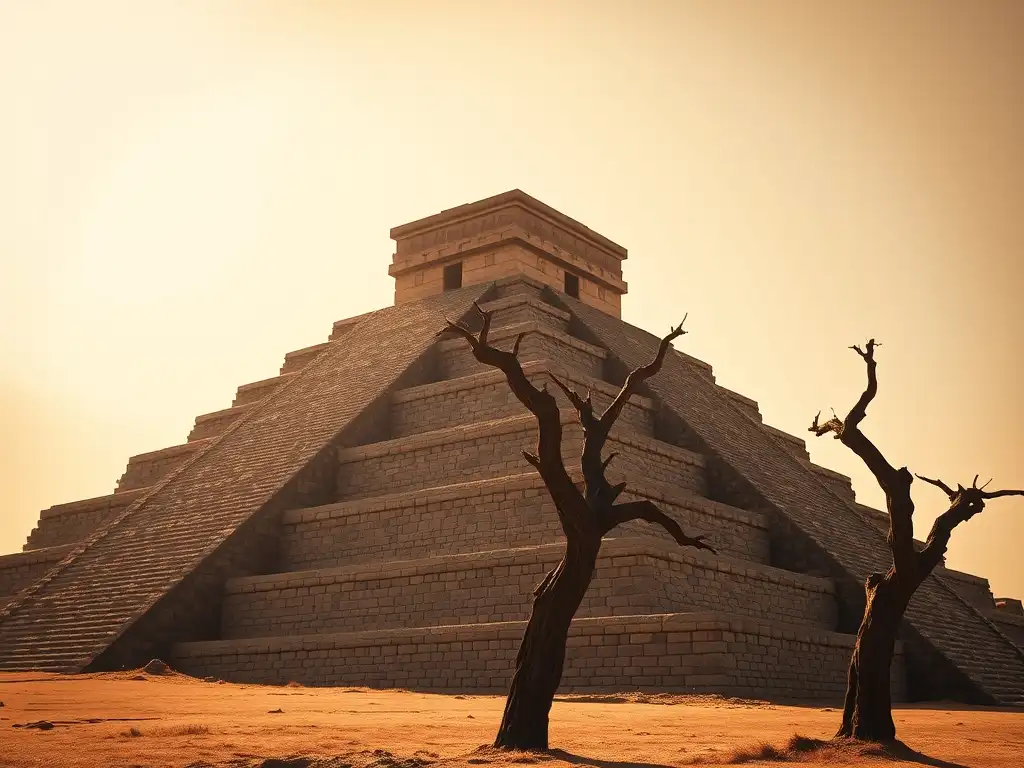
The Akapana Pyramid, a colossal structure at the heart of the Tiwanaku (Tiahuanaco) site in Bolivia, remains a source of fascination and debate among archaeologists and scholars. Its imposing presence and intricate design continue to fuel speculation regarding its meaning and purpose, making the Akapana Pyramid meaning and purpose a central question in Andean studies. This section delves into the architectural marvels of the Akapana, examining its construction techniques and overall layout to better understand this enigmatic monument.
Architectural Features of the Akapana: Seven stepped platforms of andesite and mud-brick construction
The Akapana's most striking feature is its seven stepped platforms, rising in a series of terraces. These platforms, constructed primarily from andesite blocks and mud-brick, are not simply a series of haphazardly stacked stones. Instead, they exhibit a sophisticated understanding of engineering and a meticulous attention to detail.
The andesite blocks, quarried from distant locations, were precisely cut and fitted together, demonstrating a remarkable mastery of stonework. The use of mud-brick, a readily available material, likely served as a filler and stabilizing element within the structure. Evidence suggests that the platforms were likely faced with a more refined material, possibly plaster or even intricately carved stone panels, although much of this facing has deteriorated over time.
The varying sizes and shapes of the andesite blocks, meticulously placed, show a remarkable understanding of structural integrity, allowing the pyramid to withstand centuries of weathering and seismic activity. The overall effect is not just a monumental structure, but a carefully planned and executed architectural masterpiece. Further research into the precise composition of the mud-brick and the types of facing materials used could reveal even more about the Akapana's construction and the level of sophistication of Tiwanaku engineering.
The Akapana's Construction Techniques: Ramp building and precise stone cutting
The construction of the Akapana Pyramid presents a significant engineering challenge, given its size and the precision of its construction. The use of ramps for transporting the massive andesite blocks is a widely accepted theory. These ramps, likely constructed of earth and possibly wood, would have allowed workers to haul the stones up the terraces.
The precise cutting of the andesite blocks, some weighing several tons, is a testament to the Tiwanaku people's advanced knowledge of stoneworking techniques. Evidence suggests the use of sophisticated tools, possibly including copper chisels and hammers, to achieve such precise cuts and fits. The absence of mortar between many of the blocks further highlights the precision of their placement, relying on the weight and shape of the stones themselves for stability.
The challenges presented by the transportation and placement of these massive stones highlight the scale of the undertaking and the level of organization required for such a project. The engineering feats involved in the Akapana's construction are a remarkable testament to the Tiwanaku's capabilities and their understanding of both material science and logistics. Further study of the remaining blocks could reveal more detailed information about tool marks and potential construction techniques.
Examining the Akapana Pyramid's Dimensions and Layout
The dimensions and layout of the Akapana Pyramid are not arbitrary. They appear to reflect a deliberate design, possibly related to astronomical observations or symbolic representations. The pyramid's overall dimensions, while not perfectly symmetrical, demonstrate a high degree of planning. The precise measurements of the platforms, the angles of the slopes, and the placement of internal features all suggest a carefully considered design.
Furthermore, the internal structures, including channels and chambers, hint at a complex network of subterranean features. Some scholars propose that these internal features were used for ritual purposes, water management, or possibly even astronomical alignments. The layout of the pyramid seems to be intentionally aligned with the cardinal directions, suggesting a strong connection to cosmological beliefs.
The relationship between these dimensions and the surrounding landscape, including the location of other structures at Tiwanaku, remains an area of ongoing research. A detailed analysis of the Akapana's dimensions, compared with other structures at the Tiwanaku site and other Andean sites, could reveal further insights into the meaning and purpose of this remarkable pyramid. Detailed 3D modeling and further excavation could help us better understand the internal layout and its possible functions.
The Akapana Pyramid, with its intricate architecture and enigmatic design, continues to offer a profound glimpse into the advanced capabilities and complex cosmology of the Tiwanaku civilization. Further research and analysis are crucial to unraveling the mysteries surrounding this monumental structure and fully understanding its significance within the broader context of Andean history and culture.
Akapana Pyramid Meaning and Purpose: Interpretations and Theories
The Akapana Pyramid, a monumental structure at the Tiwanaku site (also spelled Tiahuanaco), remains one of the most enigmatic constructions of the Andean region. Its true meaning and purpose continue to fascinate archaeologists and scholars, generating diverse interpretations that blend astronomical observations, religious symbolism, and practical considerations. Understanding the Akapana Pyramid's meaning requires examining various competing theories, each offering unique insights into the worldview and capabilities of the Tiwanaku culture.
This section delves into the leading interpretations surrounding the Akapana's significance, exploring the weight of evidence supporting each perspective. The search for the Akapana Pyramid meaning and purpose is an ongoing quest, constantly refined by new discoveries and analyses.
The Akapana as a Sacred Mountain: Axis mundi symbolism and veneration
The Akapana Pyramid's imposing size and central location within the Tiwanaku complex strongly suggest a role as a sacred mountain, or axis mundi. This concept, prevalent in numerous ancient cultures, represents a connection between the earthly and celestial realms. The pyramid's stepped terraces, reminiscent of Andean mountain ranges, might symbolize this vertical link.
Evidence of elaborate ritual activity, including the discovery of offerings and ceremonial spaces, supports the hypothesis of the Akapana as a place of profound religious significance. Furthermore, the presence of water features integrated into the pyramid's design may have enhanced its symbolic association with life-giving forces, further solidifying its status as a sacred site. The careful placement of the Akapana within the broader Tiwanaku layout, aligned with cardinal directions and potentially significant astronomical events, reinforces this interpretation.
This suggests a deliberate and deeply symbolic construction, far beyond a purely practical function. The Akapana Pyramid meaning, in this context, transcends mere physical structure; it becomes a tangible representation of the Tiwanaku worldview.
The Akapana Pyramid as a Cosmic Model: Celestial alignment and calendar function
Another compelling theory posits that the Akapana Pyramid functioned as a sophisticated cosmic model, reflecting the Tiwanaku understanding of the cosmos. This interpretation emphasizes the pyramid's potential astronomical alignments, suggesting its use as a calendar or observatory. While precise alignments are still debated, some researchers propose connections to solstices and equinoxes, indicating a sophisticated knowledge of celestial movements. The meticulous arrangement of the pyramid's various components—its terraces, water channels, and internal structures—may have served to track celestial events and perhaps even predict agricultural cycles.
This interpretation highlights the Tiwanaku's advanced understanding of astronomy and mathematics, skills that would have been crucial for both religious practices and practical applications. The Akapana Pyramid meaning, in this context, expands beyond religious veneration; it becomes a tool for understanding and interacting with the universe. The precision involved suggests a level of planning and execution rarely seen in other ancient structures.
Alternative Theories on the Akapana's Function: Reservoir and elite residence
While the sacred mountain and cosmic model theories are prominent, other interpretations exist. Some researchers suggest that the Akapana Pyramid might have served as a massive reservoir, utilizing its internal chambers and water management systems to store and distribute water. This is supported by evidence of sophisticated water channels and the pyramid's proximity to Lake Titicaca.
This practical function, however, doesn't necessarily exclude the religious or astronomical aspects; the reservoir could have had symbolic significance, particularly given the importance of water in Andean cultures. Another alternative proposes that the Akapana might have served as a residence for the Tiwanaku elite, with its internal chambers providing living spaces and storage areas. However, evidence supporting this theory is less conclusive than that supporting the other interpretations.
This highlights the complexity of the Akapana; its multiple functions, whether simultaneous or sequential, remain a source of ongoing study and debate. The Akapana Pyramid meaning is likely multifaceted, a blend of sacred, practical, and astronomical significances. Further research, including advanced imaging techniques and detailed analysis of unearthed artifacts, is needed to fully unravel the enigma of this remarkable structure.
The Akapana Pyramid's Role in Tiahuanaco Religion
The Akapana Pyramid, a monumental structure at the heart of the Tiahuanaco complex, stands as a powerful testament to the sophisticated religious beliefs and practices of this ancient Andean civilization. Its imposing size and intricate design suggest a central role in Tiahuanaco's cosmology and religious life, far beyond a simple ceremonial platform. Understanding its function requires exploring the intricate interplay of rituals, symbolism, and the deities it represented. The Akapana Pyramid meaning and purpose remains a subject of ongoing scholarly debate, but the evidence strongly suggests a complex interplay of sacred space, cosmic representation, and ritual activity.
Rituals and Ceremonies at the Akapana: Offerings and processions
Archaeological evidence reveals a rich tapestry of ritual activity centered around the Akapana Pyramid. Excavations have uncovered numerous offerings, including ceramic vessels, textiles, and even human remains. These findings suggest that the pyramid served as a focal point for both public and elite ceremonies. The meticulous placement of these offerings indicates a highly structured and symbolic ritual system.
For example, the discovery of intricately decorated ceramic vessels containing food and drink suggests offerings to appease or honor specific deities. The presence of human remains, while less common, may indicate sacrificial practices, though the precise nature of these practices remains a subject of ongoing research and interpretation. Furthermore, the architectural features of the Akapana, such as its internal chambers and water channels, may have played a crucial role in these rituals. The intricate network of channels, for instance, might have been used to control water flow during ceremonies, symbolizing the life-giving properties associated with water in Andean cosmology.
The scale of the Akapana suggests that processions and large-scale public events were also an integral part of its religious function. The pyramid's elevated position within the Tiahuanaco complex would have made it a visually striking focal point for such events, reinforcing its symbolic importance within the community. We can envision large groups of people converging on the pyramid for important festivals and rituals, perhaps moving in procession along carefully planned routes.
This would have been a powerful display of communal identity and religious devotion. The sheer size of the structure itself would have instilled awe and reverence in participants.
The Significance of the Akapana within Tiahuanaco Religious Beliefs
The Akapana Pyramid's significance extends beyond its role as a site for rituals and ceremonies. Its very design and construction reflect a profound understanding of cosmology and the relationship between the terrestrial and celestial realms. Some scholars believe the pyramid’s design, with its multiple levels and intricate internal structures, may represent a symbolic model of the cosmos, mirroring the Andean worldview that saw the world as a layered structure connecting the heavens, earth, and underworld.
The presence of water features within the pyramid further supports this interpretation. Water, a vital resource in the Andean highlands, was deeply symbolic, representing life, fertility, and the divine. The carefully managed water flow within the Akapana might have been intended to evoke and manipulate these powerful symbols, connecting the earthly realm to the spiritual one.
The orientation of the pyramid relative to the cardinal directions may also reflect an attempt to align the structure with the celestial movements of the sun, moon, and stars, further solidifying its cosmic significance. More research is needed to fully understand the precise astronomical alignments, but preliminary findings are suggestive.
Deities and Symbolism Associated with the Akapana Pyramid
While the specific deities worshipped at the Akapana Pyramid remain uncertain, various artifacts and iconographic evidence suggest links to key figures in Tiahuanaco's pantheon. The presence of certain symbols, such as the staff god or the feline deity, on associated artifacts might indicate that these deities were particularly important in the rituals performed at the pyramid. Further research into the iconography found within and around the pyramid is crucial to gaining a better understanding of the specific deities and their associated beliefs.
The intricate carvings and designs found on the Akapana's stonework also hold significant symbolic meaning. These designs, often featuring geometric patterns and stylized figures, may represent cosmological concepts, agricultural cycles, or specific rituals. Deciphering the meaning of these symbols is a complex task, requiring careful analysis of stylistic features and comparison with other Tiahuanaco artifacts. The use of specific colors and materials in the construction of the pyramid may also have held symbolic significance, reflecting the importance of those elements within Tiahuanaco's worldview.
For example, the use of red pigments might have been associated with blood, sacrifice, or the sun. Further investigation into the symbolic meaning of materials and colours used in the Akapana is needed to fully elucidate this aspect. The Akapana Pyramid meaning and purpose, therefore, remains a fascinating area of ongoing research, promising further insights into the religious beliefs and practices of this remarkable ancient civilization.
Akapana Pyramid and its Relationship to Other Tiahuanaco Structures
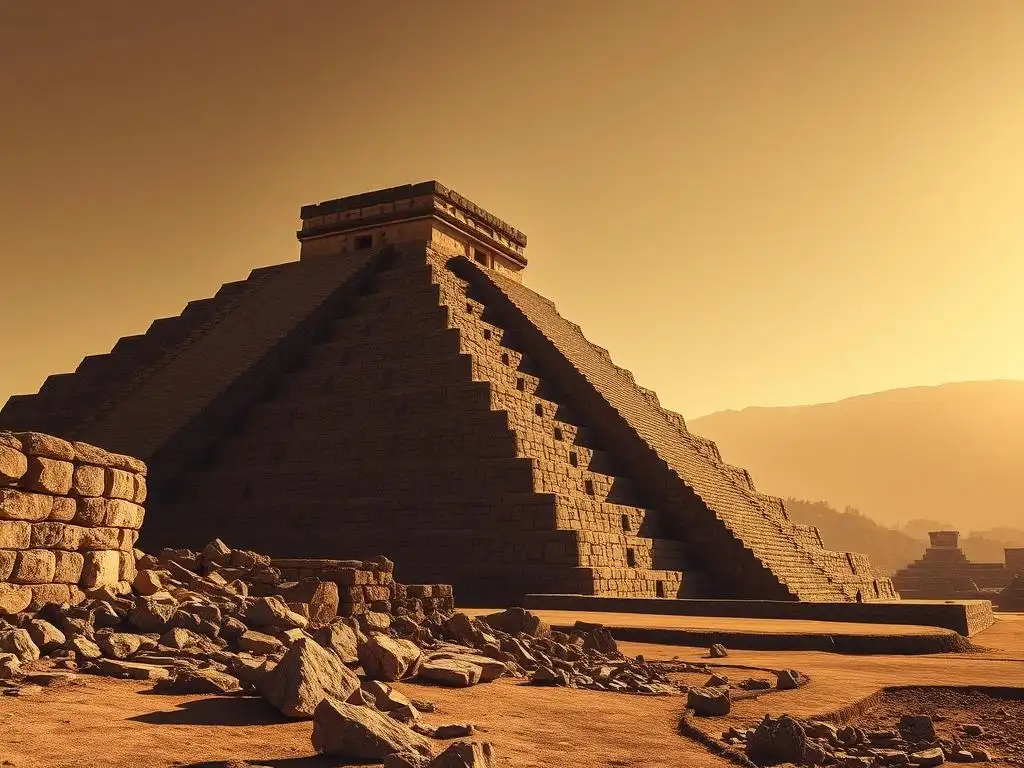
The Akapana Pyramid's significance isn't isolated; it's deeply intertwined with the layout and function of other structures within the Tiahuanaco complex. Understanding its role requires examining its spatial relationship to these other monumental buildings. The city's layout wasn't haphazard; rather, it suggests a deliberate, carefully planned arrangement reflecting a sophisticated understanding of cosmology and ritual. This intricate network of structures likely facilitated complex religious ceremonies and potentially served as a symbolic representation of the Andean worldview. The precise nature of these interactions remains a subject of ongoing research and debate among archaeologists and scholars of Andean civilization.
The Akapana's Connection to the Kalasasaya and Other Ceremonial Centers
The Akapana Pyramid's proximity to the Kalasasaya, a large ceremonial plaza, is particularly noteworthy. The two structures are visually connected and may have functioned as complementary components within a larger ritual complex. The Kalasasaya, with its monumental standing stones and intricate carvings, likely hosted public ceremonies and rituals, while the Akapana, with its internal chambers and elevated position, may have served as a more private or sacred space for elite members of society or specific rituals.
Further strengthening this connection is the alignment of both structures with cardinal directions, suggesting a deliberate cosmological orientation. Evidence suggests that processions and rituals may have moved between these two sites, creating a dynamic and interconnected ceremonial landscape. The precise nature of these rituals and their symbolic meaning are still being investigated, but the spatial relationship between the Akapana and Kalasasaya strongly suggests a functional and symbolic interdependence.
Other smaller platforms and structures in the vicinity might have played supporting roles in these larger ceremonies, creating a complex and multifaceted ritual environment. The specific functions of these supporting structures remain largely unclear, requiring further investigation and archaeological excavation.
The Architectural Unity of Tiahuanaco: City planning and cosmological integration
Tiahuanaco's urban planning reflects a profound understanding of cosmology and its integration into the physical environment. The Akapana Pyramid, along with other structures, isn't simply a collection of individual buildings; it’s part of a larger, unified design that likely reflected the Tiahuanaco worldview. The city's layout, with its emphasis on cardinal alignments and the strategic placement of structures, suggests a deliberate attempt to create a microcosm of the cosmos.
This integration of cosmology into city planning is a hallmark of Andean civilizations, and Tiahuanaco exemplifies this principle particularly well. The precise details of this cosmological model are still debated, but the arrangement of structures like the Akapana, Kalasasaya, and other platforms provides compelling evidence for a highly organized and symbolically rich urban landscape.
Further research into the city's hydraulic systems and agricultural practices could shed additional light on the integration of practical considerations with cosmological principles in Tiahuanaco's urban design. This integrated approach to city planning demonstrates a sophisticated understanding of both practical needs and spiritual beliefs.
Comparisons with Other Andean Pyramids: Similarities and Differences
While the Akapana shares some characteristics with other Andean pyramids, such as its monumental scale and stepped construction, it also possesses unique features that distinguish it. For example, unlike many other pyramids primarily used for funerary purposes, the Akapana's internal chambers suggest a more complex function, potentially involving ritualistic practices or elite residential use. While many pyramids in other Andean cultures are found in isolated locations, the Akapana is integrated within a larger urban center, highlighting its role within the broader Tiahuanaco society.
The use of particular construction techniques, such as the complex arrangement of internal chambers and the use of specific materials, also sets it apart from other Andean examples. Further comparative studies with other Andean pyramids, such as those found in the Moche and Nazca cultures, are needed to fully understand the Akapana’s unique characteristics within the broader context of Andean monumental architecture.
A detailed comparative analysis, encompassing architectural styles, construction materials, and the spatial arrangement within their respective sites, would significantly enhance our understanding of the Akapana Pyramid's significance and place within the broader Andean context. This comparative approach would allow for a deeper understanding of the evolution and diversity of Andean pyramidal architecture.
The Akapana Pyramid Today: Preservation and Research
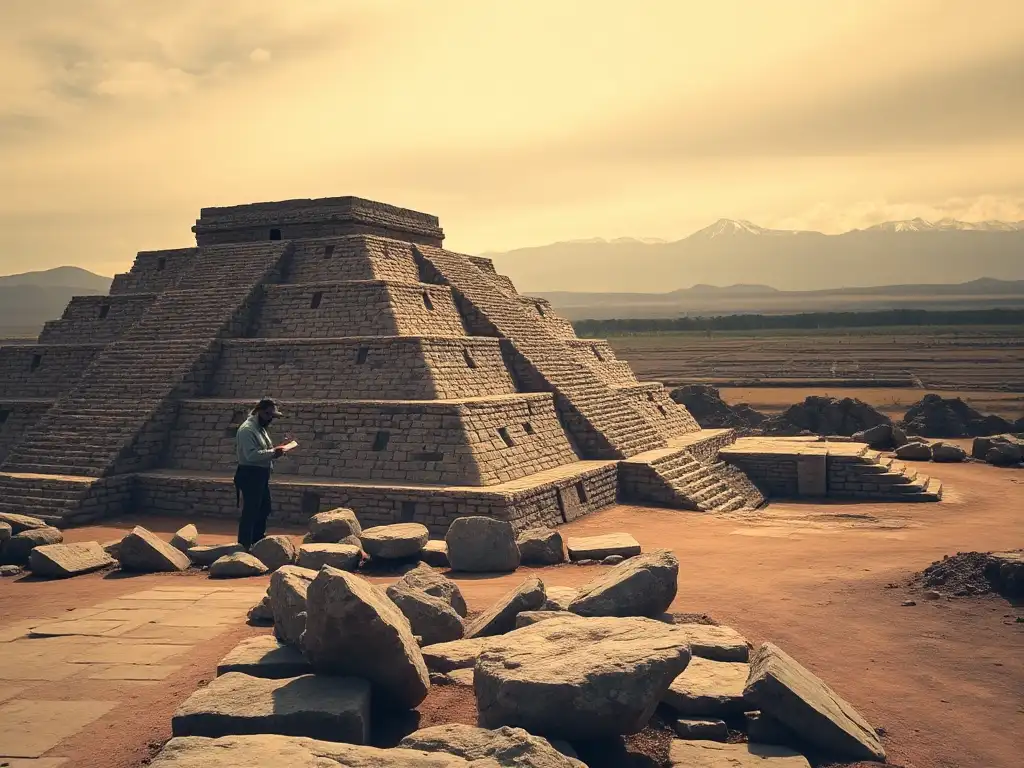
The Akapana Pyramid, a monumental structure at the heart of the Tiwanaku (Tiahuanaco) site, continues to fascinate and challenge researchers. Understanding its meaning and purpose requires considering not only its ancient construction but also its current state and the ongoing efforts to preserve this remarkable piece of Andean heritage. The Akapana Pyramid meaning and purpose are inextricably linked to its physical survival and the ongoing archaeological investigations.
The Current State of the Akapana Pyramid: Ongoing erosion and conservation
The Akapana Pyramid, sadly, is not immune to the ravages of time and the elements. Decades of weathering, both natural and anthropogenic, have taken their toll. Erosion from wind and rain, coupled with the effects of freeze-thaw cycles at high altitude, contribute to the gradual deterioration of the structure. Furthermore, the actions of early looters and more recent, less destructive, but still impactful, tourism have left their mark. Significant portions of the pyramid's surface have been lost, obscuring intricate details and potentially vital clues about its construction techniques and original appearance.
Conservation efforts are ongoing, employing a multi-faceted approach. This includes careful monitoring of the site's stability, the implementation of protective measures against further erosion, and the painstaking restoration of damaged sections. These efforts are crucial not only for preserving the Akapana Pyramid for future generations but also for safeguarding the invaluable archaeological information it contains.
The complexities of the conservation process are immense, requiring a delicate balance between preserving the original material and using modern techniques to ensure its long-term survival. Successfully balancing these aspects is key to unlocking the Akapana Pyramid meaning and purpose. The process is slow and painstaking, requiring careful planning and significant resources.
Ongoing Research and Archaeological Discoveries at the Akapana Site
Despite the challenges, archaeological research continues to shed new light on the Akapana Pyramid. Recent excavations have unearthed intriguing artifacts and architectural features, providing fresh perspectives on its construction, use, and symbolic meaning. These discoveries include evidence of sophisticated water management systems, suggesting a possible connection between the pyramid and the complex hydraulic engineering of the Tiwanaku civilization.
Researchers are also employing advanced technologies, such as ground-penetrating radar and 3D laser scanning, to create detailed maps of the pyramid's interior and uncover hidden chambers or structures. The analysis of these data is crucial to understanding the Akapana Pyramid meaning and purpose.
The ongoing research focuses not only on the pyramid itself but also on its broader context within the Tiwanaku site. By studying the relationships between the Akapana and other structures, such as the Kalasasaya and Puma Punku, researchers hope to gain a more comprehensive understanding of the civilization's religious beliefs, social organization, and technological capabilities. The ongoing discoveries continually reshape our understanding of the Akapana Pyramid meaning and purpose, refining theories and opening up new avenues of investigation.
The Future of the Akapana: Continued study and public access
The future of the Akapana Pyramid hinges on a continued commitment to research, conservation, and responsible tourism. Further archaeological investigations are essential to unlock the remaining mysteries surrounding its construction and purpose. This includes a more detailed analysis of the already discovered artifacts, a deeper understanding of its intricate water systems, and the careful exploration of any previously undiscovered chambers. The careful documentation of the Akapana Pyramid meaning and purpose is vital for future generations.
Simultaneously, it is crucial to ensure that the site remains accessible to the public while safeguarding its integrity. This requires a balance between allowing visitors to experience this remarkable piece of history and preventing further damage through sustainable tourism practices. Educational initiatives aimed at raising public awareness about the importance of the Akapana Pyramid and the need for its preservation are also crucial.
The future of the Akapana Pyramid is one of careful stewardship, ensuring that its story continues to inspire and educate for centuries to come. Balancing research, preservation and public access is key to ensuring the longevity of this important site and to fully understand the Akapana Pyramid meaning and purpose.
Conclusion: The Enduring Legacy of the Akapana Pyramid
The Akapana Pyramid, a monumental structure at the heart of Tiahuanaco, continues to captivate researchers and inspire awe. Its true meaning and purpose remain partially shrouded in mystery, prompting ongoing debate and investigation. However, the accumulated evidence allows us to draw significant conclusions about its role within Tiahuanaco society and its broader implications for understanding Andean civilization.
The Akapana Pyramid's enduring legacy lies not only in its impressive scale but also in the questions it raises about the ingenuity, beliefs, and societal organization of the Tiahuanaco people. The very ambiguity surrounding its function speaks volumes about the complexity and sophistication of their culture.
Further research, combining archaeological excavation with advanced technologies like LiDAR and ground-penetrating radar, promises to shed even more light on this enigmatic landmark. The Akapana Pyramid's significance extends beyond its immediate context; it serves as a powerful symbol of Andean ingenuity and the enduring mystery surrounding ancient civilizations.
The Akapana Pyramid's Significance in Understanding Tiahuanaco Culture
The Akapana Pyramid's significance in understanding Tiahuanaco culture is multifaceted. Its central location within the Tiahuanaco complex suggests a crucial role in religious and ceremonial activities. The presence of water channels, plazas, and other structures surrounding the pyramid points towards a carefully planned urban layout, reflecting a sophisticated understanding of urban planning and water management.
The intricate design and construction techniques showcase a high level of architectural and engineering knowledge. The discovery of various artifacts within and around the pyramid, including pottery, tools, and human remains, provides valuable insights into the daily lives, religious practices, and social hierarchy of the Tiahuanaco people. Analysis of these artifacts, combined with the architectural features of the pyramid itself, allows researchers to reconstruct aspects of Tiahuanaco cosmology, social structures, and economic activities.
Analyzing the Akapana Pyramid’s orientation in relation to celestial events further enhances our understanding of their astronomical knowledge and its potential influence on their religious beliefs and agricultural practices. The Akapana Pyramid, therefore, serves as a key to unlocking many secrets of this remarkable civilization. The more we learn about the pyramid, the more we uncover about the complexities of Tiahuanaco society.
The Akapana as a Testament to Andean Architectural and Engineering Prowess
The Akapana Pyramid stands as a remarkable testament to the advanced architectural and engineering skills of the Andean people. Its massive size, precise construction, and sophisticated water management system are all indicative of a high degree of planning and technical expertise. The meticulous arrangement of stones, some weighing several tons, demonstrates an impressive mastery of construction techniques.
Evidence suggests the use of advanced tools and methods for quarrying, transporting, and placing these colossal blocks. The integration of water channels within the pyramid's structure indicates a sophisticated understanding of hydraulic engineering, vital for water management in the high-altitude Andean environment. Furthermore, the pyramid's construction reflects a profound understanding of structural mechanics, ensuring its stability over centuries.
The scale and precision of the Akapana Pyramid challenge our assumptions about the capabilities of pre-Columbian civilizations. It highlights the immense organizational skills and labor mobilization necessary to undertake such a monumental project, suggesting a complex social structure with a centralized authority capable of coordinating large-scale construction efforts. The Akapana Pyramid’s construction is a powerful demonstration of Andean ingenuity and technological advancement.
Final Thoughts on the Akapana Pyramid Meaning and Purpose
Despite decades of research, the precise meaning and purpose of the Akapana Pyramid remain a subject of ongoing discussion. While the evidence strongly suggests its significance as a religious and ceremonial center, the exact nature of its rituals and functions remains unclear. Was it primarily a temple dedicated to specific deities? A royal tomb?
An astronomical observatory? Or perhaps a multifaceted structure serving multiple purposes? The current evidence supports a complex interplay of religious, ceremonial, administrative, and possibly even astronomical functions. The ongoing debate reflects the richness and complexity of Tiahuanaco culture and the challenges of interpreting ancient sites.
Further research and interdisciplinary approaches, integrating archaeological findings with anthropological, astronomical, and historical analyses, are essential to fully unravel the enigma of the Akapana Pyramid. Ultimately, the Akapana Pyramid serves as a powerful reminder of the enduring mysteries and the fascinating insights that ancient civilizations can offer. The Akapana Pyramid meaning and purpose will likely continue to be refined as new evidence emerges and new interpretative frameworks are developed. The quest to understand this magnificent structure continues, driving further research and enriching our understanding of Andean history and culture.
Frequently Asked Questions
What is the Akapana Pyramid?
The Akapana Pyramid is a massive, stepped pyramid located in Tiwanaku, Bolivia. It's one of the most significant structures of the Tiwanaku civilization, and its purpose remains a subject of debate among researchers. It's a key site for understanding Andean cosmology.
What is the meaning of "Akapana"?
The exact meaning of "Akapana" is unknown, although various interpretations exist. Some scholars suggest it relates to water or a specific mountain in the region. Its true etymology remains a mystery.
What was the purpose of the Akapana Pyramid?
The Akapana's purpose is still debated. Theories range from a ceremonial center and temple platform to a symbol of the cosmos or even a water management system. More research is needed to definitively answer this question.
How does the Akapana Pyramid relate to Andean cosmology?
The Akapana Pyramid's design and location strongly suggest a connection to Andean cosmology. Its layout might represent mountains, water sources, and celestial bodies, reflecting the Tiwanaku's worldview. Further research is needed to fully understand this complex relationship.
What makes the Akapana Pyramid significant?
The Akapana Pyramid is significant because of its size, complexity, and enigmatic nature. It represents a high point of Tiwanaku engineering and offers valuable insights into the beliefs and practices of this influential Andean civilization. It's a crucial site for understanding pre-Columbian Andean history.
Final Reflection: Unraveling Akapana's Legacy
The Akapana Pyramid, far from being a mere archaeological curiosity, stands as a potent symbol of humanity's enduring quest for meaning and connection with the cosmos. Its enigmatic nature continues to resonate today, challenging our assumptions about ancient civilizations and their sophisticated understanding of astronomy, engineering, and spirituality. The very act of attempting to decipher its purpose forces us to confront our own limitations in understanding the past and the diverse ways in which societies have interacted with their environment and beliefs.
The enduring mystery surrounding Akapana's function speaks volumes about the power of unresolved questions to shape our understanding of history and culture. Its influence extends beyond the realm of archaeology, touching upon fields as diverse as anthropology, astronomy, and even contemporary spirituality. The very ambiguity of its purpose allows for multiple interpretations, reflecting the multifaceted nature of human experience. The past is never dead. It's not even past.
- William Faulkner. This quote perfectly encapsulates the ongoing relevance of Akapana, a site that continues to inspire debate and reinterpretation even centuries after its construction.
Consider the implications of Akapana's enduring enigma. What does it tell us about our own relationship with the past? How can we better approach the interpretation of ancient sites, acknowledging the limitations of our current knowledge and embracing the possibility of multiple, equally valid perspectives?
You, the reader, are now part of this ongoing conversation. Engage with the mystery, explore the evidence, and formulate your own conclusions about the meaning and purpose of this remarkable structure. Let Akapana inspire you to question, to explore, and to appreciate the rich tapestry of human history and the enduring power of the unknown.
Unveil the Mysteries of the Akapana Pyramid!
Thank you for exploring the fascinating Akapana Pyramid with us! Your interest opens the door to a deeper understanding of this remarkable site. Let's delve further into the mysteries of this ancient structure.
Here are some ways to learn more about the Akapana Pyramid:
- Join a local history group or online forum dedicated to Andean cultures. Connecting with other enthusiasts will enrich your understanding and provide new perspectives.
- Visit Tiwanaku, Bolivia, the site of the Akapana Pyramid, or explore documentaries and virtual tours to gain a richer appreciation of its cultural context. Seeing the pyramid in its environment will enhance your understanding of its significance.
- Share this article with friends and family to spark conversations about the Akapana Pyramid and its enduring legacy.
What aspect of the Akapana Pyramid most captivates you, and how do you think it contributes to our understanding of Andean civilization?