
The Importance of Agriculture in Andean Civilization

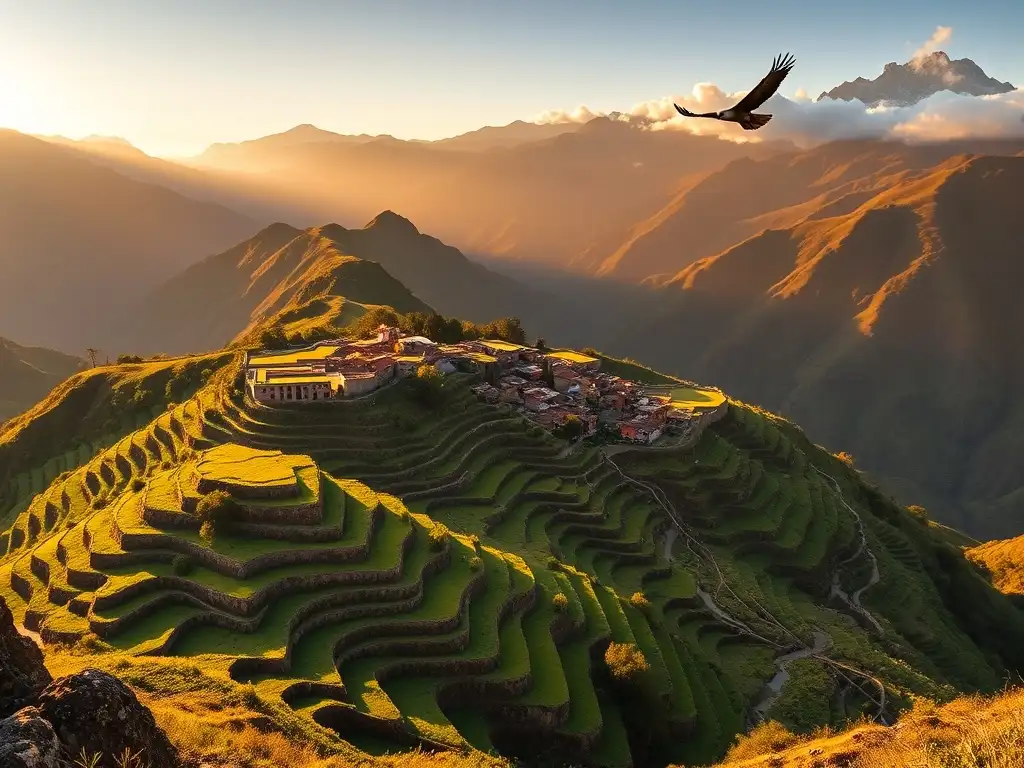
Step into a world lost to time, yet echoing with the ingenuity of ancient masters. Imagine civilizations thriving amidst seemingly impossible landscapes, their survival intricately woven with the land itself. Unravel the secrets of Andean agriculture techniques, the sophisticated systems that fueled the rise and fall of empires like the Inca, Moche, and Nazca. Prepare to be amazed by their mastery of the Andes, a story far more complex and fascinating than you ever imagined. Discover how these innovative farming methods shaped not only their daily lives, but the very course of history.
-
The Importance of Agriculture in Andean Civilization: Sustaining Life and Legacy
- The Challenge of Andean Terrain: Understanding the Need for Advanced Farming
- The Ingenious Solutions: Andean Agricultural Techniques and Their Impact
- Agricultural Innovations and Their Influence on Andean Society
- Exploring the Past: Visiting Archaeological Sites that Showcase Andean Agriculture
- Preserving the Heritage: The Importance of Supporting Andean Agriculture Today
-
Frequently Asked Questions
- What role did agriculture play in Andean civilizations?
- What were some of the key agricultural techniques used in the Andes?
- How did the harsh Andean environment impact agricultural practices?
- What crops were most important to Andean civilizations?
- How did Andean agricultural techniques contribute to the growth of cities?
- Final Reflection: Cultivating the Legacy of Andean Agriculture
- Embrace the Legacy: Cultivate Your Connection to Andean Agriculture!
The Importance of Agriculture in Andean Civilization: Sustaining Life and Legacy
The towering Andes Mountains, a seemingly inhospitable landscape of steep slopes, arid deserts, and high altitudes, were far from barren for the ancient Andean civilizations. These ingenious societies, including the Incas, Moche, Nazca, and Tiahuanaco, developed sophisticated agricultural techniques that not only sustained their burgeoning populations but also shaped their cultural identities and economic systems. Understanding Andean agriculture is crucial to comprehending the rise and longevity of these remarkable civilizations.
Their mastery of farming in challenging environments serves as a testament to human ingenuity and adaptability, providing invaluable lessons for sustainable agriculture even today. This exploration delves into the innovative Andean agriculture techniques that allowed these societies to thrive, focusing on the methods they employed to overcome the unique challenges posed by their environment and the lasting impact these practices had on their societies.
We will explore how these techniques, such as terraced farming and waru waru systems, are still relevant and inspire modern agricultural practices. Learning about these impressive advancements in Andean agriculture is not only fascinating but also offers valuable insights into sustainable living and resource management.
The Challenge of Andean Terrain: Understanding the Need for Advanced Farming
The Andes Mountains present a formidable challenge to agriculture. The steep slopes, unpredictable rainfall patterns, and varying altitudes create a diverse but often unforgiving environment. Soil erosion is a constant threat on steep inclines, while arid conditions in certain valleys demand efficient water management. The high altitudes present their own set of challenges, including shorter growing seasons and intense UV radiation.
These factors necessitated the development of sophisticated and innovative agricultural strategies to ensure food security and societal stability. The Andean people didn't simply adapt; they engineered solutions to their unique environment, showcasing a remarkable understanding of ecology and engineering. Their success is a testament to their ingenuity and resourcefulness, leaving behind a rich legacy of sustainable agricultural practices.
The Ingenious Solutions: Andean Agricultural Techniques and Their Impact
Facing these challenges, the Andean civilizations developed a remarkable array of agricultural techniques that maximized yields and minimized environmental impact. These innovations allowed them to cultivate a diverse range of crops, supporting large populations and fostering complex social structures. The integration of these techniques demonstrates a deep understanding of their environment and a commitment to sustainable resource management. These methods, passed down through generations, highlight the enduring power of traditional knowledge and its relevance to contemporary agricultural challenges. Let's explore some of these key techniques in detail:
Terraced Farming: Adapting to Steep Slopes for Maximum Yield
Terraced farming is perhaps the most visually striking example of Andean agricultural ingenuity. By carving steps into the mountainsides, the Andean people created level platforms for cultivation, reducing soil erosion and maximizing usable land. These terraces also allowed for more efficient irrigation, as water could be channeled more easily across the level surfaces.
The precise engineering involved in creating and maintaining these terraces is a testament to the advanced knowledge and organizational skills of Andean societies. The scale and precision of these projects are truly breathtaking, showcasing a deep understanding of both engineering and environmental sustainability. The terraces not only increased agricultural yields but also enhanced the aesthetic beauty of the landscape, seamlessly integrating human ingenuity with the natural environment.
Waru Waru Agriculture: Raised Fields for Water Management and Temperature Control
Waru waru agriculture involved the construction of raised fields separated by canals. This innovative system provided several advantages. The raised fields improved drainage in waterlogged areas, while the canals retained water for irrigation during dry periods. The canals also helped regulate temperature, creating a more favorable microclimate for crop growth.
This intricate system of raised fields and canals not only maximized crop yields but also enhanced biodiversity and resilience to climate variability. This ingenious technique demonstrates a sophisticated understanding of hydrology and its impact on crop production, serving as a model for sustainable water management in challenging environments. Moreover, the waru waru system demonstrates a holistic approach to agriculture, integrating environmental considerations with productive goals.
Irrigation Canals and Aqueducts: Engineering Water for Dry Environments
In arid regions, access to water was crucial for successful agriculture. The Andean civilizations constructed elaborate systems of canals and aqueducts to transport water from rivers and springs to their fields. These engineering feats, often spanning considerable distances, demonstrate a sophisticated understanding of hydraulics and a remarkable capacity for collective labor.
The construction of these systems required careful planning, precise surveying, and significant community effort, highlighting the importance of cooperation and social organization in Andean society. The precision and scale of these irrigation systems are impressive, demonstrating the advanced technological capabilities of these civilizations. These systems ensured a reliable water supply, even in the driest of conditions, allowing for consistent crop yields and supporting the growth of thriving communities.
Vertical Agriculture: Utilizing Different Altitudes for Diverse Crops
The varying altitudes of the Andes provided a unique opportunity for vertical agriculture. Different crops thrived at different elevations, allowing the Andean people to cultivate a wide range of products. This practice maximized the use of available land and ensured a diversified diet, reducing the risk of crop failure. This approach to agriculture demonstrates a deep understanding of ecological zones and their impact on crop production, showcasing an integrated and sustainable approach to farming. The efficient utilization of diverse altitudes demonstrates a sophisticated understanding of agricultural ecology, significantly enhancing food security and resilience.
The Importance of the Potato: A Cornerstone of the Andean Diet
The potato ( Solanum tuberosum) is arguably the most important crop in Andean agriculture. The Andean people cultivated a vast array of potato varieties, each adapted to specific environmental conditions. The potato provided a staple food source, contributing significantly to the nutritional intake and overall well-being of Andean communities. Its adaptability to different altitudes and climates made it a cornerstone of their food security. The incredible diversity of potato varieties cultivated by the Andean people is a testament to their deep understanding of plant genetics and their ability to adapt crops to challenging environments.
Quinoa and Other Native Crops: Complementing the Diet and Supporting Trade
Quinoa ( Chenopodium quinoa), another staple crop, complemented the potato in the Andean diet. Its high nutritional value and adaptability to diverse conditions made it a crucial component of Andean agriculture. Other native crops, such as maize, beans, and various fruits and vegetables, further diversified the Andean diet and supported regional trade networks.
The cultivation of these diverse crops ensured food security and fostered economic exchange within and between Andean communities. The nutritional diversity provided by these crops contributed significantly to the health and well-being of the Andean population, further highlighting the sophistication of their agricultural practices. The cultivation of these crops not only supported their own needs but also facilitated trade and exchange with neighboring communities.
Agricultural Innovations and Their Influence on Andean Society
Andean agriculture wasn't merely a means of subsistence; it was a sophisticated system that profoundly shaped Andean societies. The ingenuity of these civilizations in adapting to the challenging Andean terrain is remarkable. They developed a range of innovative techniques, including terracing, irrigation systems, and the cultivation of diverse crops suited to varying altitudes.
These weren't simply isolated advancements; they were interconnected elements of a complex agricultural ecosystem. The development of sophisticated irrigation canals, for instance, allowed for the cultivation of crops in otherwise arid regions, significantly increasing food production and supporting larger populations. Similarly, terracing transformed steep slopes into productive farmland, maximizing land use in a mountainous environment.
These innovations weren't static; they evolved over centuries, reflecting a deep understanding of the environment and a continuous process of adaptation and improvement. The mastery of Andean agriculture led to population growth, the development of complex social structures, and the creation of thriving urban centers. The surplus food production, facilitated by these innovations, allowed for specialization of labor, the rise of artisan classes, and the construction of monumental architecture, all hallmarks of advanced Andean societies.
Food Surplus and Social Development: How Agriculture Shaped Andean Civilizations
The impact of Andean agricultural innovations on social development is undeniable. A surplus of food, a direct result of efficient farming practices, fundamentally altered the social fabric of these societies. This surplus allowed for the development of specialized roles beyond farming, leading to the emergence of artisans, builders, priests, and rulers.
The concentration of resources and power in the hands of elites is often linked to the control and management of agricultural production. For example, the Inca Empire's sophisticated system of mit'a, a form of mandatory labor, ensured that agricultural projects, such as irrigation and terracing, were undertaken on a massive scale. This centralized control over agriculture not only boosted food production but also solidified the Inca's power and influence.
The ability to store surplus food in granaries also played a crucial role in mitigating the effects of droughts and other environmental challenges, providing a safety net for the population and contributing to social stability. The distribution of surplus food was a key element in maintaining social order and ensuring the loyalty of communities to the ruling power. Without the innovations in Andean agriculture, the complex social structures and monumental achievements of these civilizations would have been impossible.
The Link Between Agriculture and Religious Beliefs: Rituals and Crop Cycles
Andean agriculture was deeply intertwined with religious beliefs and practices. The success of the harvest was seen as dependent on the favor of the gods, and elaborate rituals were performed to ensure bountiful crops. Many Andean deities were associated with agriculture, fertility, and the cycles of nature.
These rituals often involved offerings, prayers, and ceremonies tied to specific stages of the agricultural calendar. The Inca, for instance, held elaborate ceremonies to celebrate the planting and harvesting of crops, seeking divine blessings for a successful season. The precise timing of planting and harvesting was critical, and knowledge of the agricultural calendar, often intimately linked to astronomical observations, was essential for survival.
Religious leaders played a significant role in agricultural practices, advising farmers on the best times to plant and offering prayers for good harvests. This close relationship between religion and agriculture underscores the importance of agriculture not only as a source of sustenance but also as a fundamental element of Andean worldview and social organization. The integration of religious beliefs into agricultural practices reinforced community cohesion and ensured the continuity of essential farming traditions.
The Legacy of Andean Farming: Lessons for Modern Agriculture
The advanced agricultural techniques developed by Andean civilizations offer valuable lessons for modern agriculture, particularly in the face of climate change and growing global food security concerns. Their ingenious methods of water management, terracing, and crop diversification are remarkably sustainable and adaptable.
The Andean approach to farming, which prioritized biodiversity and conservation, offers a stark contrast to many modern intensive farming practices that have led to environmental degradation and soil depletion. Modern agricultural practices could benefit from re-examining the principles of Andean agriculture, such as the integrated approach to managing water resources, the use of terraces to reduce soil erosion, and the cultivation of diverse crops to enhance resilience.
The Andean legacy underscores the importance of understanding local ecosystems and adapting farming practices to specific environmental conditions. This holistic and sustainable approach to agriculture, developed centuries ago in the Andes, offers valuable insights and potential solutions for the challenges facing modern food production.
Exploring the Past: Visiting Archaeological Sites that Showcase Andean Agriculture
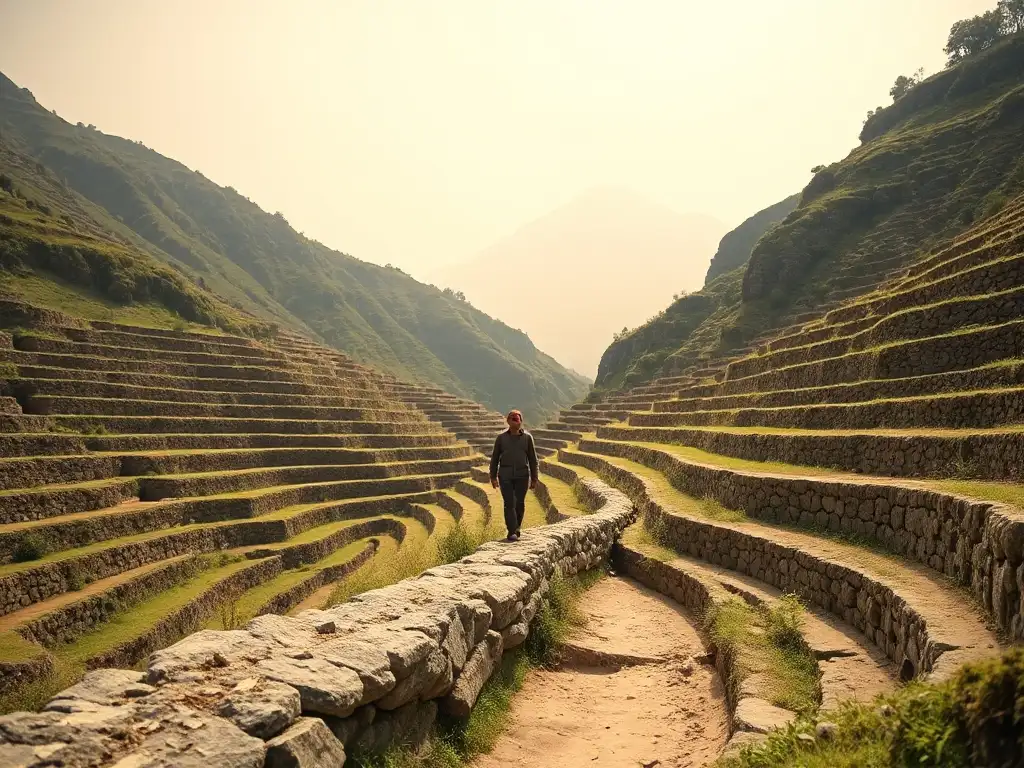
Exploring the archaeological sites of the Andes provides a tangible connection to the past and a deeper understanding of the ingenuity of Andean agricultural practices. Many sites offer remarkable evidence of the advanced techniques employed by these ancient civilizations. These sites are not just places of historical significance; they are living testaments to the resilience and adaptability of Andean cultures.
Visiting these locations allows for a more profound appreciation of the challenges faced by these societies and the innovative solutions they developed to overcome them. The preservation of these sites is crucial for understanding the past and learning from the achievements of these remarkable civilizations.
Sites Where You Can Witness Andean Farming Ingenuity
Numerous archaeological sites throughout the Andes offer compelling evidence of sophisticated agricultural practices. [Specific site names and locations pending]. These sites often feature remarkably preserved terraces, irrigation canals, and evidence of diverse crop cultivation. Visiting these sites allows for a direct appreciation of the scale and complexity of Andean agricultural projects. The sheer engineering feats involved in constructing these systems are awe-inspiring, highlighting the advanced knowledge and organizational capabilities of Andean societies. The well-preserved remains of these agricultural features provide valuable insights into the techniques used, the crops cultivated, and the overall social organization surrounding agricultural production.
Tours and Guides that Focus on Andean Agriculture
For those interested in a more in-depth exploration of Andean agriculture, guided tours offer a valuable resource. [Specific tour operators and details pending]. These tours often provide expert insights into the history, techniques, and significance of Andean agricultural practices.
Experienced guides can provide context and interpretation, enriching the visitor's understanding of the sites and the cultural landscape. Engaging with local communities involved in agriculture can further enhance the experience, offering a deeper connection to the living legacy of Andean farming traditions. Choosing tours that prioritize sustainability and responsible tourism is essential to ensure the preservation of these valuable sites and the cultural heritage they represent.
Preserving the Heritage: The Importance of Supporting Andean Agriculture Today
The ingenuity of Andean agricultural techniques, honed over millennia, is a testament to human adaptability and resilience. Understanding and supporting these methods isn't just about preserving history; it's crucial for the future of the region's food security and cultural identity. The unique ecosystems of the Andes, characterized by high altitudes, varying climates, and challenging terrains, have shaped agricultural practices unlike anywhere else in the world.
These methods, passed down through generations, represent a vast reservoir of knowledge that modern agriculture can learn from. Losing this knowledge would be a significant blow, not only to the Andean communities who rely on these techniques but also to global efforts towards sustainable agriculture. The challenges faced by Andean farmers today—climate change, market fluctuations, and the encroachment of industrial agriculture—threaten this precious heritage.
Therefore, active and sustained support is essential to maintain the viability of these traditional agricultural practices. This support encompasses a multifaceted approach, from promoting sustainable farming practices to safeguarding the livelihoods of local communities.
Promoting Sustainable Farming Practices in the Andes
The Andes face significant environmental challenges, including soil erosion, water scarcity, and the impacts of climate change. Traditional Andean farming techniques, however, often incorporated ingenious solutions to these problems. Terracing, for example, dramatically reduced soil erosion on steep slopes, while sophisticated irrigation systems maximized water usage in arid regions.
Promoting these sustainable practices is vital for long-term food security and environmental protection. This involves investing in research and development to adapt traditional techniques to the challenges of a changing climate. It also requires providing farmers with access to appropriate tools, seeds, and training.
For instance, promoting the use of drought-resistant crops or implementing water harvesting techniques can significantly enhance resilience to climate change. Furthermore, supporting the development of organic farming methods can reduce the environmental impact of agriculture while preserving the unique biodiversity of the Andean region. The long-term benefits of supporting sustainable practices far outweigh the initial investment, safeguarding both the environment and the cultural heritage of Andean agriculture.
Supporting Local Communities and their Agricultural Traditions
The preservation of Andean agricultural techniques is intrinsically linked to the well-being of the local communities that have practiced them for centuries. Supporting these communities requires a holistic approach that addresses economic, social, and cultural factors. Fair trade practices, for instance, ensure that farmers receive just compensation for their products, strengthening their economic resilience and encouraging the continuation of traditional methods.
Investing in infrastructure—such as improved roads and storage facilities—can also help farmers access markets and reduce post-harvest losses. Moreover, preserving cultural heritage through education and awareness programs is crucial. This can involve supporting initiatives that document and share traditional knowledge, creating opportunities for younger generations to learn and continue these valuable practices.
🍎 By empowering local communities, we not only safeguard their livelihoods but also protect the invaluable legacy of Andean agriculture for future generations. This requires a commitment to long-term partnerships and collaborative efforts between governments, NGOs, and the communities themselves. The success of such initiatives hinges on fostering a sense of ownership and pride in the unique agricultural traditions of the Andes.
Frequently Asked Questions
What role did agriculture play in Andean civilizations?
Agriculture was fundamental to Andean societies. It provided the basis for their social structures, economies, and religious beliefs. Without successful farming, these civilizations could not have thrived.
What were some of the key agricultural techniques used in the Andes?
Andean farmers employed ingenious techniques like terracing, irrigation systems, and the cultivation of diverse crops. They adapted their methods to the challenging Andean geography.
How did the harsh Andean environment impact agricultural practices?
The high altitude, steep slopes, and variable climate of the Andes presented significant challenges. Andean farmers developed innovative solutions to overcome these obstacles.
What crops were most important to Andean civilizations?
Potatoes, maize, and quinoa were staple crops, providing essential nutrients and calories. Other important plants included beans, squash, and various fruits.
How did Andean agricultural techniques contribute to the growth of cities?
Successful agriculture generated food surpluses, supporting larger, more complex populations. This surplus allowed for specialization of labor and the development of urban centers.
Final Reflection: Cultivating the Legacy of Andean Agriculture
The ingenious agricultural techniques developed by Andean civilizations remain profoundly relevant today, offering vital lessons in sustainable food production and resource management in the face of climate change. Their mastery of challenging terrains and diverse climates serves as a powerful example of human ingenuity and adaptation, a legacy we ignore at our peril. The ingenuity of these ancient farmers continues to inspire modern agricultural practices.
The enduring impact of Andean agricultural innovations on global food security is undeniable. Their sophisticated understanding of water management, terracing, and crop diversification continues to inform modern agricultural practices, particularly in challenging environments. The Andes are a testament to the power of human adaptation and ingenuity in the face of environmental challenges. Their agricultural practices offer valuable lessons for sustainable development in the 21st century.
This quote encapsulates the enduring relevance of understanding and appreciating the wisdom embedded within these ancient techniques. We can learn much from their resilience and resourcefulness.
Consider the ingenuity of the waru waru system, or the intricate network of canals and terraces that carved their way into the Andean landscape. These weren't simply agricultural methods; they were expressions of a deep connection to the land, a profound understanding of ecological balance. You, the reader, are now empowered to explore these techniques further, to consider how their principles might be applied in your own community, however small the scale. Let the legacy of Andean agriculture inspire you to cultivate a more sustainable and resilient future, one that respects the delicate balance between humanity and nature.
Embrace the Legacy: Cultivate Your Connection to Andean Agriculture!
Thank you for exploring the vital role of agriculture in Andean civilization. You've discovered how farming shaped the region's economy and culture. Now, let's put that knowledge into action!
Here are some ways to deepen your engagement with Andean agriculture:
- **Experience Andean cuisine:** Cook traditional dishes using ingredients like quinoa and potatoes. It's a delicious way to connect with the culture.
- **Support sustainable Andean farming:** Research and support local farmers and organizations committed to sustainable agriculture in the Andes.
- **Share your knowledge:** Discuss your discoveries with friends and family, or share your experiences on social media to inspire others to appreciate the rich heritage of Andean agriculture.
Reflecting on the importance of agriculture in Andean society, consider how you can integrate its principles into your own life and community.