
Beyond the Price Tag: The Intrinsic Value of Authentic Andean Artifacts

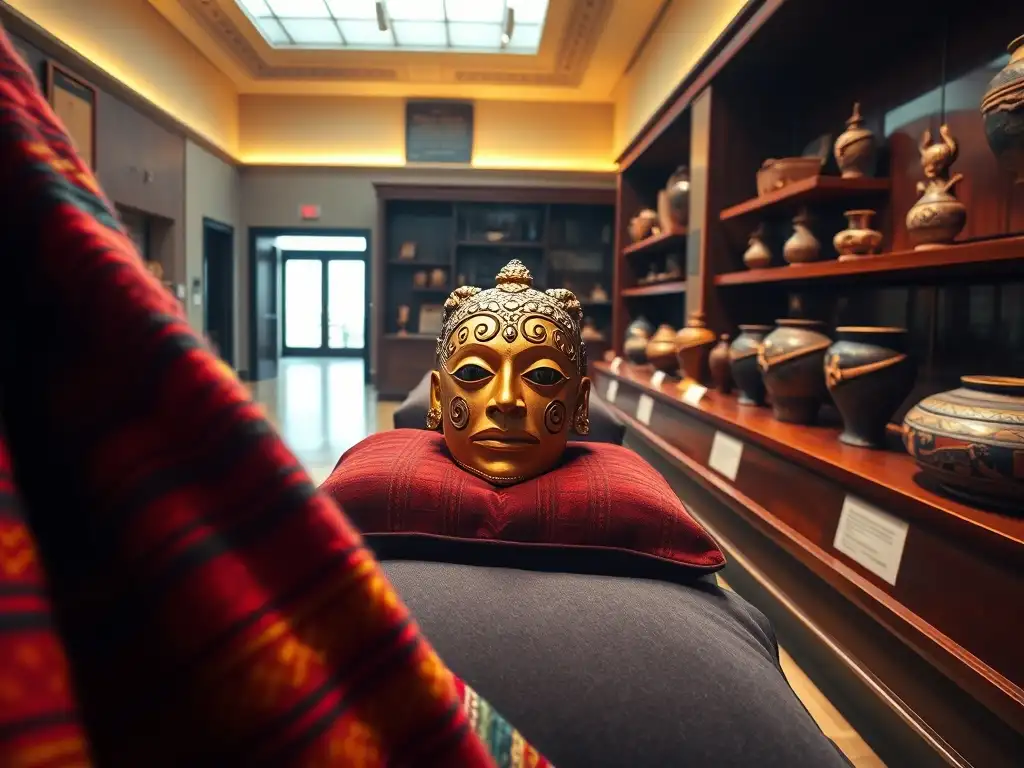
Dive into a world lost in time, where the echoes of empires still resonate. Discover the captivating story behind the grandeur of the Andean civilizations, from the intricate artistry of the Nazca lines to the sophisticated engineering of the Incas. But what truly defines the legacy of these remarkable cultures? This journey into Andean Culture and Crafts begins with exploring the enigma of authentic Andean artifacts value – a question that delves far beyond the price tag, revealing profound insights into the soul of a civilization. Uncover the secrets, and prepare to be amazed.
The allure of authentic Andean artifacts extends far beyond their monetary worth. These objects, meticulously crafted by skilled artisans across millennia, represent a tangible connection to a rich tapestry of civilizations that flourished in the Andes Mountains. From the intricate textiles of the Paracas culture to the powerful ceramics of the Moche, each piece whispers stories of innovation, spirituality, and resilience.
Understanding the intrinsic value of these artifacts—their cultural significance, historical context, and artistic merit—is crucial for collectors, researchers, and anyone seeking to appreciate the enduring legacy of Andean cultures. This article delves into the multifaceted value of authentic Andean artifacts, moving beyond the price tag to explore the profound meaning embedded within these remarkable objects.
We'll examine how factors beyond market fluctuations contribute to their true worth, emphasizing the importance of responsible collecting and preservation for future generations. The keyword "authentic Andean artifacts value" will be explored through a detailed examination of several key artifact types and their cultural contexts.
Understanding the Real Worth of Andean Antiquities: More Than Just a Price
The market value of Andean artifacts is undeniably a factor, influenced by rarity, condition, and provenance. However, true worth transcends mere financial considerations. Authenticity itself is paramount; a forged artifact, no matter how skillfully made, lacks the historical and cultural weight of a genuine piece. Several key factors contribute to the holistic value of an authentic Andean artifact:
- Provenance: A clear and documented history of ownership significantly impacts value. Knowing where an artifact was found, who owned it previously, and how it was acquired enhances its authenticity and historical context.
- Condition: The state of preservation significantly influences an artifact's value. Well-preserved pieces command higher prices, reflecting their rarity and the challenges of preserving these delicate objects over centuries.
- Artistic Merit: The skill and artistry involved in creating the artifact contribute significantly to its value. Intricate designs, masterful techniques, and unique stylistic elements all add to its worth.
- Cultural Significance: The artifact's role within its original cultural context is perhaps the most crucial aspect of its value. Understanding the purpose, symbolism, and significance of the object within its society reveals its true importance.
The Cultural Significance of Authentic Andean Artifacts
Authentic Andean artifacts are not merely decorative objects; they are powerful symbols embodying the beliefs, practices, and societal structures of ancient Andean civilizations. Their cultural significance is deeply rooted in the spiritual and social lives of their creators, making them invaluable windows into the past. Understanding this cultural context is essential to appreciating their true worth. Let's explore this through specific examples:
Deciphering the Stories Woven into Andean Textiles: A Case Study of Paracas Mantles
Paracas mantles, renowned for their vibrant colors, intricate designs, and exceptional weaving techniques, are prime examples of the cultural significance embedded in Andean textiles. These textiles weren't just clothing; they were imbued with symbolic meaning, often depicting mythological figures, celestial events, or shamanistic rituals. The complex iconography woven into these mantles offers valuable insights into the Paracas worldview, their social hierarchy, and their understanding of the cosmos.
Analyzing the colors, patterns, and techniques used provides clues to their cultural context and further enhances their intrinsic value. The meticulous work involved—often requiring hundreds of hours of labor—also speaks to the value placed on these textiles within Paracas society.
The Spiritual Power Embodied in Andean Ceramics: Exploring the Meaning of Moche Stirrup Vessels
Moche stirrup-spout vessels, instantly recognizable for their unique shape and often highly realistic depictions of scenes from daily life or mythology, are more than just containers. They served both practical and ritualistic purposes, often used in ceremonies and offerings to deities. The intricately sculpted figures and scenes depicted on these vessels offer a glimpse into Moche beliefs, social structures, and artistic achievements.
The narrative power of these ceramics, bringing to life scenes of warfare, rituals, and daily life, greatly adds to their intrinsic value. The skill required to create these vessels, with their complex shapes and detailed ornamentation, showcases the advanced ceramic technology of the Moche culture.
The Historical Context Shaping the Value of Andean Metalwork: From the Chavin Period to the Inca Empire
Andean metalwork, spanning centuries and encompassing various cultures, demonstrates remarkable technological advancements and artistic skill. From the early Chavin culture's use of hammered gold and silver to the Inca Empire's mastery of alloying and casting, the development of metalworking techniques reflects the evolving sophistication of Andean societies. The historical context of these artifacts—their creation within specific periods and their role within specific socio-political structures—significantly impacts their value.
For example, a golden mask from the Chavin period holds a vastly different historical and cultural significance than an Inca gold pendant, even if both are crafted from the same material. The use of gold and silver, often associated with power and divinity, further emphasizes the significance of these metal artifacts. The techniques involved, such as repoussé, casting, and inlay, highlight the advanced metalworking skills of Andean artisans.
Factors Influencing the Market Value of Authentic Andean Artifacts
The market value of authentic Andean artifacts is a complex interplay of several factors, going far beyond simple monetary worth. Understanding these influences is crucial for both collectors and those interested in preserving this rich cultural heritage. The intrinsic value of these pieces often surpasses their market price, reflecting their historical significance and artistic merit.
Several key elements contribute to the overall valuation: rarity, condition, provenance, authenticity, and the legal framework surrounding their ownership and trade. These factors interact to determine the desirability and ultimately, the price, of an artifact. For instance, a meticulously preserved gold mask from the Moche civilization will naturally command a higher price than a less well-preserved example, even if both are authentic.
This is due to the rarity of such well-preserved pieces and their superior artistic and historical significance. Furthermore, the fluctuating market demand for specific types of Andean artifacts also plays a role. Certain styles or materials might experience periods of increased popularity, driving up prices temporarily.
The Rarity and Condition of Andean Artifacts: Why Some Pieces Command Premium Prices
Rarity is a primary driver of value in the art market, and Andean artifacts are no exception. Pieces that are unique or extremely rare, such as intricately woven textiles from the Nazca culture or exceptionally well-preserved pottery from the Tiahuanaco civilization, will fetch significantly higher prices. The condition of an artifact is equally important.
A piece in pristine condition, showing minimal wear and tear, will always be more valuable than a damaged or incomplete one. Restoration, while sometimes necessary for preservation, can negatively impact an artifact's value if not done by qualified professionals using ethical methods. The level of craftsmanship and the use of rare materials also affect the rarity and desirability, consequently increasing the value.
A finely crafted gold ornament inlaid with turquoise or lapis lazuli will typically be more valuable than a simpler piece made from a more common material. The scarcity of these materials further enhances their worth. The interplay between rarity and condition creates a hierarchy of value, with the rarest and best-preserved pieces holding the highest positions.
The Provenance and Authentication Process: Ensuring the Genuine Value of Andean Antiquities
Provenance, the documented history of ownership of an artifact, is crucial in establishing its authenticity and, consequently, its value. A clear and verifiable provenance chain significantly increases an artifact's credibility and market value. This chain of custody should ideally trace the artifact's ownership from its discovery to the present day, providing evidence of its legitimate acquisition and preventing the circulation of stolen or illegally obtained items.
The authentication process, often involving expert examination and scientific analysis, is equally vital. Reputable experts can verify the authenticity of an artifact through stylistic analysis, material testing, and comparison with known examples. This process eliminates forgeries and ensures that buyers are investing in genuine Andean antiquities.
Without proper authentication and a clear provenance, the risk of acquiring a fake is high, and the potential financial losses can be substantial. Therefore, due diligence and engaging qualified experts are essential steps in the acquisition of authentic Andean artifacts.
The Impact of Cultural Heritage Laws on the Value of Andean Artifacts: A Global Perspective
International and national laws governing the ownership, trade, and repatriation of cultural artifacts significantly impact their market value. Stricter regulations, aimed at protecting cultural heritage, can restrict the flow of artifacts across borders, making authentic pieces rarer and more valuable. Conversely, lax regulations can lead to an influx of artifacts onto the market, potentially depressing prices. The legal framework surrounding the ownership of Andean artifacts is constantly evolving, influenced by international agreements and national legislation.
Understanding these laws is crucial for both collectors and dealers to ensure compliance and ethical practices. Repatriation efforts, where artifacts are returned to their countries of origin, further reduce the availability of authentic pieces on the international market, enhancing their value for those who legally possess them. These legal considerations are a critical factor in evaluating the long-term value of Andean artifacts, ensuring responsible collecting practices.
Investing in Authentic Andean Artifacts: Beyond Financial Returns
Investing in authentic Andean artifacts offers a unique opportunity to combine financial returns with the satisfaction of owning a piece of history and supporting cultural preservation. However, it's crucial to approach such investments strategically, prioritizing authenticity and ethical acquisition over speculative gains.
Building a Meaningful Collection of Andean Art: Focusing on Quality and Authenticity
Building a collection of Andean art requires careful planning and research. Focus should always be on acquiring high-quality, authentic pieces with verifiable provenance. Consider the historical context, artistic merit, and condition of each artifact. Diversification within the collection, encompassing different styles, periods, and materials, can also be beneficial.
A well-curated collection tells a story, showcasing the diversity and richness of Andean civilizations. This thoughtful approach ensures that the collection's value transcends mere monetary worth, representing a tangible connection to the past. This holistic approach ensures that the investment in Andean artifacts is not solely financial but also contributes to the preservation and appreciation of a vibrant cultural heritage.
Preserving Andean Cultural Heritage: The Responsibility of Collectors
Collectors of Andean artifacts bear a significant responsibility in preserving cultural heritage. This involves proper storage, conservation, and the avoidance of practices that might damage the artifacts. Supporting institutions and organizations dedicated to the preservation and study of Andean art and culture is also essential.
Ethical collecting practices, including ensuring that artifacts were acquired legally and responsibly, are paramount. Collectors should be aware of the legal implications of owning and trading Andean artifacts, respecting national and international regulations. By adhering to these principles, collectors contribute to the long-term preservation of this valuable cultural legacy, ensuring that future generations can appreciate and learn from it.
Connecting with Andean History Through Art: The Emotional Value of Authenticity
Beyond the financial aspects, owning authentic Andean artifacts offers an unparalleled connection to a rich and fascinating history. Holding a piece of pottery crafted thousands of years ago, or examining intricate textiles woven with ancient techniques, provides a tangible link to the past. This emotional connection, the ability to engage directly with the artistry and ingenuity of past civilizations, adds an immeasurable value to the experience of collecting.
The authenticity of these pieces amplifies this emotional resonance, offering a genuine and profound encounter with Andean culture and history. This intrinsic emotional value, often difficult to quantify, is a powerful motivator for collectors and a testament to the enduring power of Andean art.
Monetizing Your Knowledge of Authentic Andean Artifacts: Affiliate and Educational Opportunities
The passion for authentic Andean artifacts can extend beyond personal collection. A deep understanding of these pieces, their history, and their cultural significance opens doors to monetizing your expertise. This can be achieved through strategic affiliate marketing and the creation of educational content. The Andean art market, while niche, possesses a dedicated and growing audience eager to learn more about acquiring and appreciating these unique pieces. This translates into opportunities for those with the knowledge and passion to share their expertise.
Affiliate Marketing Opportunities: Recommending Reputable Sources for Andean Art
Affiliate marketing provides a straightforward path to monetization. By partnering with reputable dealers, museums, or online platforms specializing in authentic Andean artifacts, you can earn commissions by recommending their products or services to your audience. This requires careful selection of partners; only recommend sources with proven track records of ethical sourcing and transparent pricing.
Your reputation relies on the authenticity and ethical practices of the businesses you promote. Thorough due diligence is crucial, ensuring that your recommendations align with your commitment to preserving the integrity of Andean cultural heritage. Transparency is paramount; clearly disclose your affiliate relationships to maintain trust with your audience.
Developing Educational Content about Andean Artifacts: Creating Courses and Guides
Beyond affiliate marketing, creating and selling educational content represents a significant opportunity. This could range from online courses detailing the identification of authentic Andean artifacts, to comprehensive guides on their proper care and preservation. The demand for reliable information about Andean art is high, making educational materials valuable assets both to collectors and enthusiasts.
Consider creating video tutorials demonstrating authentication techniques, detailed ebooks exploring specific styles or periods of Andean artistry, or even in-person workshops for a more hands-on approach. The key is to offer unique insights and high-quality information that caters to the specific needs and interests of your target audience. Market research can help identify underserved areas within Andean art education, allowing you to fill a gap in the market with specialized content.
The Role of Educational Platforms in Promoting the Value of Authentic Andean Artifacts
Educational platforms, such as online learning sites and social media channels, play a vital role in promoting the value of authentic Andean artifacts. Sharing your knowledge through engaging presentations, articles, and videos can help educate a wider audience about the historical significance, artistic merit, and cultural context of these pieces. This broader understanding fosters appreciation and helps combat the spread of misinformation, which is crucial in a market susceptible to counterfeiting and unethical practices.
By actively engaging with online communities and sharing your expertise, you contribute to a more informed and responsible approach to collecting Andean artifacts. Moreover, you elevate the status of these pieces beyond mere commodities, emphasizing their intrinsic cultural and historical value.
Ethical Considerations When Acquiring Authentic Andean Artifacts
The acquisition of authentic Andean artifacts carries significant ethical responsibilities. It's crucial to approach collecting with a deep understanding of the cultural and historical context of these objects, recognizing their inherent value extends far beyond monetary worth. Ignoring these ethical considerations can contribute to the degradation of cultural heritage and the perpetuation of harmful practices.
Avoiding the Support of Illegal Trafficking of Andean Antiquities
The illegal trafficking of Andean antiquities is a major concern. Purchasing artifacts from dubious sources directly supports this destructive trade, often linked to looting and the damage of archaeological sites. Always insist on provenance documentation, verifying the legal and ethical acquisition history of any artifact you consider purchasing. Be wary of unusually cheap prices, which often signal a lack of transparency and potential involvement in illicit activities. Due diligence is non-negotiable; thoroughly research any dealer or seller before making a purchase. Reputable dealers will readily provide information about the artifact's origin and acquisition history.
Promoting Fair Trade Practices in the Andean Art Market
Supporting fair trade practices ensures that the artisans and communities involved in creating and selling Andean art receive fair compensation for their work. This promotes sustainable economic development in the Andean region and protects traditional craftsmanship. Look for organizations or businesses that actively support fair trade initiatives, ensuring that the artisans receive a just price for their creations. This ethical approach not only benefits the creators but also contributes to the preservation of traditional art forms and cultural heritage. By actively seeking out fair trade products, collectors can contribute to a more equitable and sustainable art market.
Respecting the Cultural Significance and Sacredness of Andean Artifacts
Many Andean artifacts hold significant cultural and even sacred meaning for the communities from which they originate. Respecting this inherent significance is paramount. Avoid acquiring artifacts that may have been looted from sacred sites or hold particular spiritual importance to a specific community.
Educate yourself on the cultural context of the pieces you are considering, understanding their historical and symbolic significance. Responsible collecting involves respecting the cultural heritage of the Andean peoples and avoiding the appropriation or disrespectful treatment of these objects. This respect extends beyond personal collections; it involves supporting museums and institutions that prioritize the ethical display and preservation of Andean artifacts.
Conclusion: The Enduring Value of Authentic Andean Artifacts
The allure of authentic Andean artifacts extends far beyond their monetary worth. These objects represent a tangible connection to vibrant, sophisticated civilizations that thrived for millennia in the challenging Andean environment. Their intrinsic value lies in their historical significance, their artistic merit, and their capacity to illuminate the ingenuity and resilience of the Andean peoples.
Owning an authentic Andean artifact is not merely possessing a beautiful object; it's participating in the preservation of a rich cultural heritage. Understanding this intrinsic value allows collectors to appreciate these pieces not just as investments, but as windows into the past, offering a profound and lasting connection to the human story. The careful study and responsible acquisition of these artifacts ensures that future generations can also appreciate and learn from the legacy of Andean civilizations.
Collectors should prioritize ethical sourcing and contribute to the preservation efforts to safeguard this invaluable cultural heritage for years to come. The true value of an authentic Andean artifact is immeasurable, encompassing historical context, artistic skill, and cultural significance that transcends mere monetary appraisal.
The Legacy of Andean Civilizations and the Importance of Preserving their Art
The Andean civilizations—the Incas, Moche, Nazca, Tiahuanaco, and many others—left behind a breathtaking legacy of art and artifacts. These objects, from intricately woven textiles to finely crafted pottery and monumental stone structures, are testaments to their advanced technological skills, sophisticated social structures, and profound spiritual beliefs. Preserving these artifacts is not simply about safeguarding historical objects; it's about safeguarding the story of these remarkable cultures, their achievements, and their enduring impact on the world.
The loss of even a single artifact represents an irreplaceable loss of knowledge and cultural understanding. The importance of preservation extends to the ethical acquisition of these pieces, ensuring that they are obtained legally and responsibly, preventing the looting and destruction of archaeological sites. Active participation in preservation efforts, supporting museums and archaeological research, contributes to the long-term survival of this invaluable heritage.
By actively engaging with and protecting these artifacts, we ensure the continuity of the narrative and the profound impact of these ancient cultures. The legacy of Andean civilizations is not just a historical record; it is a living testament to human creativity and resilience, deserving of our utmost respect and protection. The ethical acquisition and preservation of authentic Andean artifacts are paramount to maintaining this legacy.
The Long-Term Value of Investing in Authentic Andean Culture
Investing in authentic Andean artifacts offers a unique opportunity to connect with a rich cultural heritage while potentially seeing a significant return on investment. Unlike fleeting trends, the value of authentic Andean art and artifacts is rooted in enduring historical significance and artistic merit. While market fluctuations can impact short-term prices, the long-term value of these pieces is consistently underpinned by their rarity, historical importance, and increasing collector demand.
The growing awareness and appreciation of Andean culture worldwide contribute to the sustained value of authentic artifacts. Careful research, due diligence in acquiring pieces from reputable sources, and a commitment to ethical collecting practices are crucial for both preserving the integrity of the artifacts and securing their long-term value. This approach ensures that the investment is not only financially sound but also contributes positively to the preservation and appreciation of Andean cultural heritage.
Moreover, investing in authentic Andean culture goes beyond financial gains; it represents a commitment to supporting the preservation of a significant part of human history and ensuring its accessibility for future generations. The long-term value of these artifacts extends beyond the monetary, encompassing their cultural and historical significance, making them a truly valuable and enduring investment.
- Understanding the Real Worth of Andean Antiquities: More Than Just a Price
- The Cultural Significance of Authentic Andean Artifacts
- Factors Influencing the Market Value of Authentic Andean Artifacts
- Investing in Authentic Andean Artifacts: Beyond Financial Returns
- Monetizing Your Knowledge of Authentic Andean Artifacts: Affiliate and Educational Opportunities
- Ethical Considerations When Acquiring Authentic Andean Artifacts
- Conclusion: The Enduring Value of Authentic Andean Artifacts
- How can I determine the authenticity of an Andean artifact?
- What factors influence the value of an authentic Andean artifact?
- Where can I find authentic Andean artifacts for sale?
- What is the importance of preserving the authenticity of Andean artifacts?
- Beyond monetary value, what is the intrinsic value of an authentic Andean artifact?
Frequently Asked Questions
How can I determine the authenticity of an Andean artifact?
Authenticating Andean artifacts requires expert examination. Look for provenance documentation, and consult with reputable museums or archaeologists. Counterfeit items are common.
What factors influence the value of an authentic Andean artifact?
The value is determined by several factors including age, rarity, material, craftsmanship, historical significance, and provenance. The artifact's condition also plays a crucial role.
Where can I find authentic Andean artifacts for sale?
Reputable auction houses, antiques dealers specializing in pre-Columbian art, and museums (sometimes offering deaccessioned items) are the best places to start. Always verify authenticity.
What is the importance of preserving the authenticity of Andean artifacts?
Preserving authenticity helps us understand the history and culture of Andean civilizations. It prevents the loss of irreplaceable cultural heritage and protects against fraudulent practices.
Beyond monetary value, what is the intrinsic value of an authentic Andean artifact?
Authentic Andean artifacts possess immense cultural and historical significance. They provide a tangible connection to ancient Andean societies and their remarkable achievements, offering insights beyond their monetary worth.
Final Reflection: The Enduring Legacy of Andean Craftsmanship
The enduring allure of authentic Andean artifacts extends far beyond their monetary worth; they are tangible threads connecting us to a rich tapestry of history, culture, and unparalleled artistry. These objects, imbued with the spirit of their creators, offer a profound understanding of a civilization that continues to inspire and resonate in the modern world. Their value transcends the marketplace, demanding a deeper appreciation for the human stories woven into their very being.
The impact of Andean craftsmanship on global aesthetics and cultural understanding is undeniable. These artifacts, often overlooked in discussions of mere market value, represent a powerful legacy of ingenuity and resilience. The past is never dead. It's not even past.
- William Faulkner. This quote perfectly encapsulates the enduring power of these artifacts to speak to us across centuries, reminding us of the interconnectedness of human experience and the importance of preserving cultural heritage. Their continued presence in museums, private collections, and even contemporary art inspires new generations of artists and craftspeople, ensuring that the traditions live on.
Consider, for a moment, the hands that shaped the clay, the minds that conceived the intricate designs, the communities that passed down these skills through generations. You, the reader, hold the power to contribute to the preservation and appreciation of this invaluable heritage. Seek out authentic pieces responsibly, support ethical sourcing, and engage with the stories behind these remarkable objects. By doing so, you become a custodian of history, ensuring that the intrinsic value of Andean artifacts continues to shine brightly for generations to come.
Unveil the True Beauty of Andean Art!
Thank you for exploring the rich history and incredible significance of authentic Andean artifacts. Your interest not only deepens your understanding of these treasures but also helps preserve a breathtaking culture. Let's continue to connect with this vibrant heritage.
Here are some ways you can get involved:
- Support Andean artisans by purchasing an authentic piece of their art, bringing a piece of this culture into your home.
- Share the beauty and importance of Andean artifacts with your friends, family, and online community.
- Learn directly from Andean artists by attending a workshop or event in your area, discovering their techniques and hearing their stories firsthand.
What aspects of Andean art and its history captivate you most, and how will you integrate this cultural legacy into your life?