
The Spirit of the Mountains: Andean Spirituality in the 21st Century

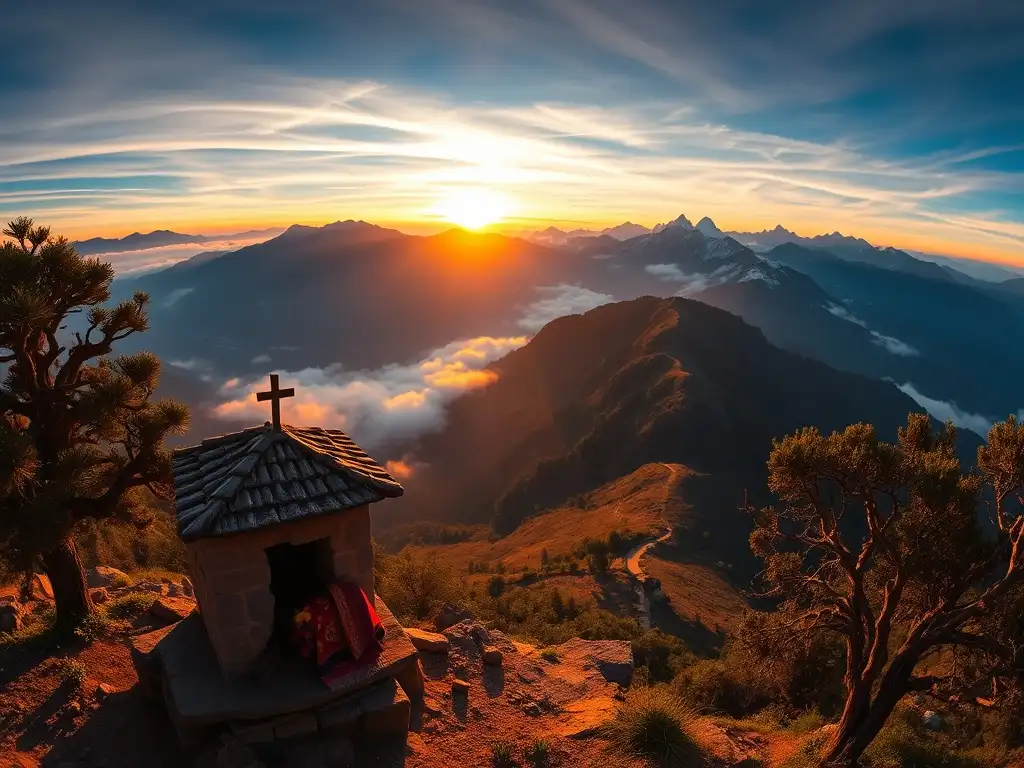
Step into a world lost in time, yet echoing powerfully in the present. For centuries, the towering Andes have witnessed the rise and fall of magnificent civilizations, leaving behind a legacy as breathtaking as the landscapes themselves. But what whispers of their Andean spirituality still resonate today? Discover the surprising impact of ancient beliefs on the modern world, and unravel the enduring mysteries of a culture that continues to fascinate and inspire. Explore the fascinating connection between the past and present in our exploration of " Andean Spirituality Impact Today".
The Andes Mountains, a spine of earth stretching along the western edge of South America, are more than just a geographical feature; they are the cradle of vibrant and enduring civilizations whose spiritual beliefs continue to resonate deeply in the 21st century. This article explores the profound impact of Andean spirituality on contemporary life, examining how ancient cosmovisions and practices influence modern communities and individuals.
We will delve into the core tenets of Andean spirituality, tracing its evolution from ancient rituals to its current expressions, demonstrating how its enduring legacy shapes social structures, environmental stewardship, and personal beliefs. Understanding the continued relevance of Andean spirituality is crucial for appreciating the richness and complexity of Andean cultures and their ongoing contributions to the world.
This exploration aims to illuminate the ways in which the spirit of the mountains continues to inspire and guide, offering a powerful lens through which to understand the lasting impact of Andean traditions on the modern world. The keyword "Andean spirituality impact today" will be addressed throughout, highlighting the multifaceted ways this ancient worldview shapes contemporary society.
Understanding Andean Cosmovision: A Foundation for Modern Practice
Andean spirituality is deeply rooted in a complex cosmovision, a worldview that sees the universe as an interconnected web of life. This holistic perspective emphasizes the sacredness of nature, the importance of community, and the deep relationship between the human and spiritual realms. Unlike many Western belief systems that separate the divine from the material, Andean cosmovision embraces a holistic understanding where the sacred permeates all aspects of existence.
Mountains, rivers, and other natural elements are considered sacred entities, imbued with spiritual power and deserving of respect. This reverence for nature is not merely abstract; it manifests in practical ways, influencing agricultural practices, resource management, and environmental conservation efforts.
The concept of Pachamama, the Earth Mother, is central to Andean cosmovision. Pachamama is not just the physical earth but also a powerful spiritual force, the source of life and sustenance. Respect for Pachamama involves offering thanks for her bounty and seeking her guidance through rituals and ceremonies. These practices are not confined to the past; many Andean communities continue to honor Pachamama through annual celebrations and offerings, demonstrating the enduring relevance of this ancient belief.
Furthermore, the interconnectedness of all living things, a core tenet of Andean spirituality, finds expression in modern ecological movements emphasizing sustainability and environmental responsibility. The ancient wisdom of respecting the Earth finds a powerful echo in contemporary concerns for environmental protection. This interconnectedness is not just about the physical world; it also extends to the social sphere, emphasizing the importance of community and reciprocal relationships.
The Enduring Influence of Ancient Andean Beliefs on Contemporary Life
The influence of ancient Andean beliefs extends far beyond ritual practices. Contemporary Andean communities continue to integrate elements of their spiritual heritage into their daily lives. Traditional healing practices, involving herbal remedies and spiritual cleansing, remain prevalent. Many Andean communities also maintain strong ties to their ancestral lands, recognizing the spiritual significance of place and the importance of preserving their cultural heritage. This connection to the land is often intertwined with traditional agricultural practices, passed down through generations, demonstrating the enduring relevance of Andean knowledge systems.
The impact of Andean spirituality can also be seen in contemporary art, music, and literature. Indigenous artists often draw inspiration from ancient myths and symbols, creating works that reflect both the beauty and complexity of their heritage. This artistic expression serves not only as a form of cultural preservation but also as a powerful means of communication, sharing Andean perspectives with a wider audience.
The vibrant tapestry of Andean culture continues to be woven with threads of ancient spirituality, demonstrating its enduring strength and relevance in the modern world. The continued practice of ancient rituals, alongside their adaptation to modern contexts, highlights the dynamic nature of Andean spirituality and its capacity to adapt while preserving its core values. The resilience of Andean spiritual traditions in the face of globalization speaks volumes about their enduring power and their ongoing relevance to contemporary life.
- Understanding Andean Cosmovision: A Foundation for Modern Practice
- The Enduring Influence of Ancient Andean Beliefs on Contemporary Life
Andean Spirituality Impact Today: Reclaiming Ancestral Wisdom
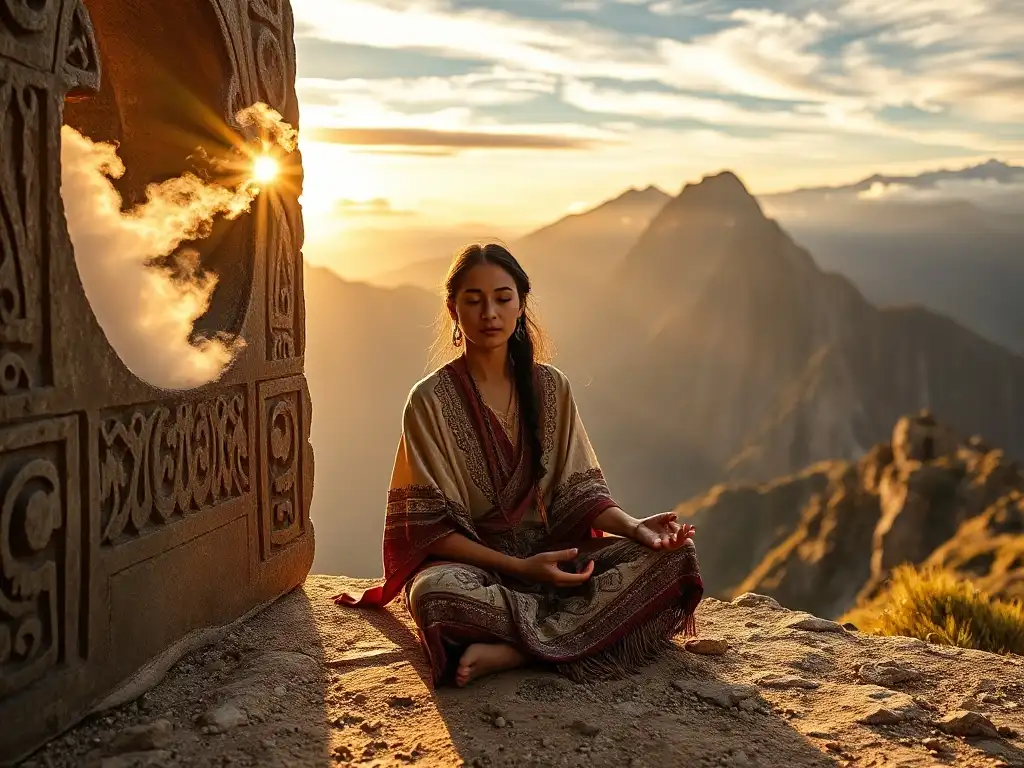
The enduring legacy of Andean spirituality continues to resonate powerfully in the 21st century, profoundly impacting the lives and worldviews of Andean communities and influencing global perspectives on nature, community, and the interconnectedness of all things. This resurgence isn't merely a nostalgic revival; it's a dynamic and evolving process of reclaiming ancestral wisdom and adapting it to the challenges of a modern world.
Understanding this impact requires examining how ancient practices are being reinterpreted and integrated into contemporary life, shaping social structures, environmental stewardship, and individual spiritual journeys. The keyword phrase "Andean spirituality impact today" encapsulates this vital exploration of continuity and change.
Connecting with Pachamama: The Earth Mother in Contemporary Andean Rituals
Pachamama, the Earth Mother, remains a central figure in contemporary Andean spirituality. Her veneration transcends mere symbolism; it's a living relationship deeply embedded in daily life. Modern practices demonstrate the enduring power of this connection. Many communities continue to perform pago a la tierra (payment to the earth), offerings of coca leaves, chicha (fermented corn beverage), and other gifts to express gratitude and seek Pachamama's benevolence for a bountiful harvest and overall well-being.
These rituals are not static; they adapt to modern contexts. For example, some communities incorporate elements of Christian syncretism, blending traditional practices with Catholic devotions. This adaptability highlights the resilience and dynamism of Andean spirituality in facing global influences.
The significance of Pachamama extends beyond agricultural concerns; it represents a profound ethical responsibility towards environmental sustainability, a message particularly relevant in our era of climate change. The ongoing reverence for Pachamama serves as a powerful example of how Andean spirituality informs contemporary environmental activism and shapes a holistic worldview that values the interconnectedness of humanity and nature. The impact is visible in community-led conservation efforts and sustainable agricultural practices rooted in ancestral knowledge.
The Role of Apus: Honoring the Mountain Spirits in Modern Practice
The Apus, the powerful mountain spirits, are another vital component of Andean spirituality that continues to hold immense significance. These sacred mountains are not merely geographical features; they are considered sentient beings, vital to the cosmological balance and the well-being of the communities living in their shadow. Modern Andean communities maintain a deep reverence for the Apus, often undertaking pilgrimages to their peaks to offer prayers, coca leaves, and other offerings.
These rituals, passed down through generations, reinforce the spiritual connection between the people and their environment, fostering a sense of place and belonging. The impact of Apus veneration is evident in the careful stewardship of mountain ecosystems; communities often implement sustainable practices to protect the environment, recognizing their intrinsic link to the spiritual well-being of the Apus. Furthermore, the Apus’ influence extends to decision-making processes within communities, with their symbolic power often invoked in resolving conflicts and promoting social harmony.
The continued reverence for the Apus underscores the enduring relevance of Andean cosmology in shaping community structures and environmental ethics in the 21st century. It exemplifies the intricate relationship between spirituality, environmentalism, and social cohesion.
Rediscovering Andean Cosmology: How Ancient Beliefs Shape Modern Worldviews
Andean cosmology, with its intricate web of interconnectedness between the human world and the spiritual realm, offers a powerful alternative to Western dualistic worldviews. The concept of ayni, reciprocal exchange and balance, is increasingly recognized as a valuable model for sustainable living and social justice. This ancient principle emphasizes the importance of community, cooperation, and shared responsibility, contrasting with individualistic tendencies often prevalent in modern societies. The impact of Andean cosmology is visible in various contemporary movements focused on social equity, environmental protection, and indigenous rights.
The emphasis on interconnectedness challenges the anthropocentric views that often underpin environmental degradation and social injustice. Furthermore, the Andean understanding of time as cyclical rather than linear offers a refreshing perspective on progress and development, promoting a more sustainable and holistic approach to societal advancement. This cyclical perspective challenges the linear, often unsustainable, model of Western progress, emphasizing the importance of respecting tradition while adapting to modern challenges.
The rediscovery and application of Andean cosmological principles offer a valuable contribution to contemporary discussions about sustainability, social justice, and a more balanced relationship with the natural world. The influence of Andean cosmology is a testament to its enduring relevance in shaping a more ethical and ecologically conscious future. The impact of Andean spirituality today is inextricably linked to the revival and reinterpretation of these ancient beliefs.
Modern Manifestations of Andean Spirituality: Adaptation and Evolution
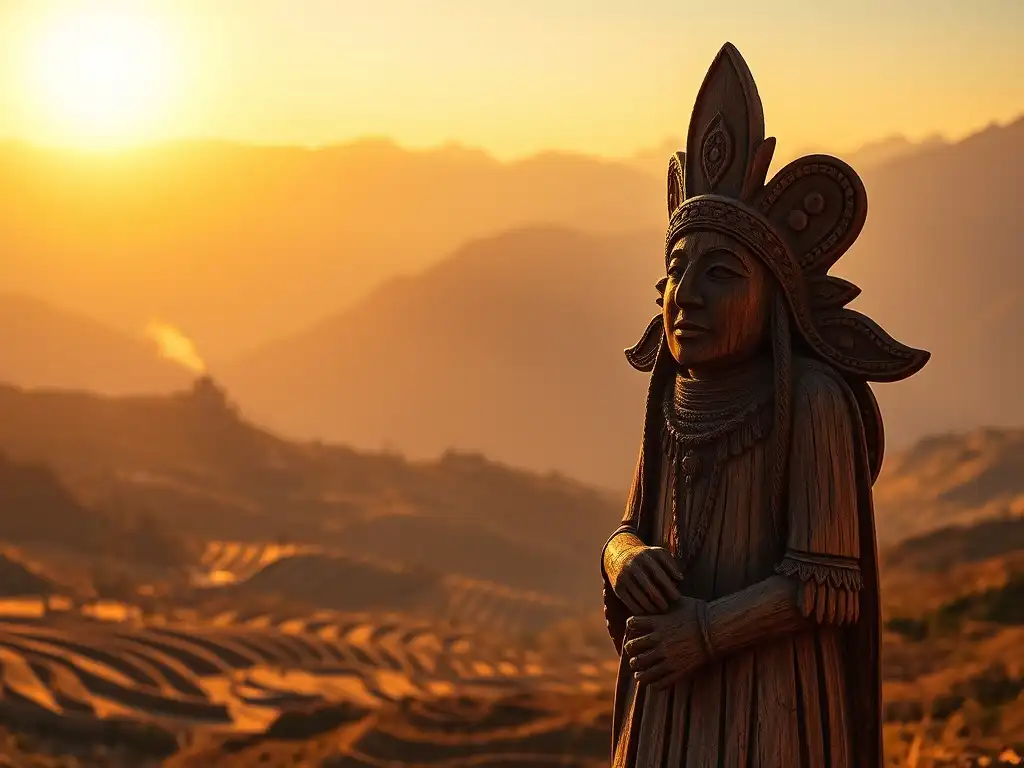
Andean spirituality, deeply rooted in the Andes Mountains and encompassing a rich tapestry of beliefs and practices, continues to exert a profound influence on the lives of millions in the 21st century. Its impact is not limited to remote villages; rather, it has adapted and evolved, finding expression in diverse urban and global contexts. This section explores some key modern manifestations of Andean spirituality, demonstrating its enduring relevance and dynamism. The enduring power of Andean spirituality's impact today is undeniable, shaping contemporary perspectives on health, well-being, and environmental consciousness.
The Adaptation of Andean Spiritual Practices in Urban Environments
The migration of Andean peoples to urban centers has led to creative adaptations of traditional spiritual practices. While access to sacred sites like mountains and lakes might be limited, Andean communities have ingeniously recreated elements of their spiritual world within urban spaces. For example, mesas (ritual altars) are often adapted to smaller apartment settings, maintaining the core symbolic function of connecting with the spiritual realm.
Furthermore, paqos (Andean spiritual leaders) often conduct ceremonies and readings remotely, using technology to bridge geographical distances and maintain connections with their clients. This demonstrates the remarkable resilience of Andean spiritual traditions in the face of rapid urbanization. The ability of Andean spirituality to adapt to modern urban settings showcases its flexibility and enduring appeal, proving its lasting impact today.
Data suggests a significant increase in the number of urban-based Andean spiritual groups and practitioners in recent decades, indicating a growing demand for these practices among both Andean and non-Andean populations. This highlights the increased visibility and accessibility of Andean spirituality in modern society.
The Use of Traditional Andean Medicine and Healing Practices Today
Traditional Andean medicine, deeply intertwined with spirituality, continues to thrive, offering holistic approaches to health and well-being. Practices like limpia (spiritual cleansing) and the use of medicinal plants remain highly valued, often integrated with conventional medicine. The resurgence of interest in natural remedies worldwide has also contributed to the growing popularity of Andean healing practices. Many healers are now incorporating elements of Western medical knowledge, resulting in a more integrated approach to healthcare.
For instance, the use of ayahuasca – a brew traditionally used in spiritual ceremonies – is increasingly studied for its potential therapeutic benefits, although its use requires careful regulation and ethical consideration. The continued application of these traditional practices underscores the enduring relevance of Andean wisdom and its ongoing contribution to global healthcare discussions. The impact of Andean spirituality on modern healthcare is steadily growing, as more individuals seek alternative and complementary healing methods.
The Integration of Andean Spirituality in Yoga and Mindfulness Practices
The principles of Andean spirituality, emphasizing harmony with nature, interconnectedness, and inner peace, resonate strongly with the growing global interest in yoga and mindfulness practices. Many contemporary yoga and meditation techniques incorporate elements of Andean cosmology and shamanic traditions. The emphasis on connecting with the earth, appreciating the natural world, and cultivating inner balance – all central tenets of Andean spirituality – aligns perfectly with the core principles of these practices.
This integration has created a vibrant cross-cultural exchange, enriching both traditions. The rising popularity of these blended practices demonstrates a growing global appreciation for Andean spiritual concepts and their capacity to promote well-being in a modern context.
This fusion is a testament to the adaptability and universality of Andean spiritual principles and their significant impact on global wellness trends today. The increasing number of yoga and mindfulness retreats incorporating Andean elements further solidifies this trend, emphasizing the lasting influence of Andean spirituality on contemporary well-being practices.
Challenges and Opportunities for Andean Spirituality in the Modern World
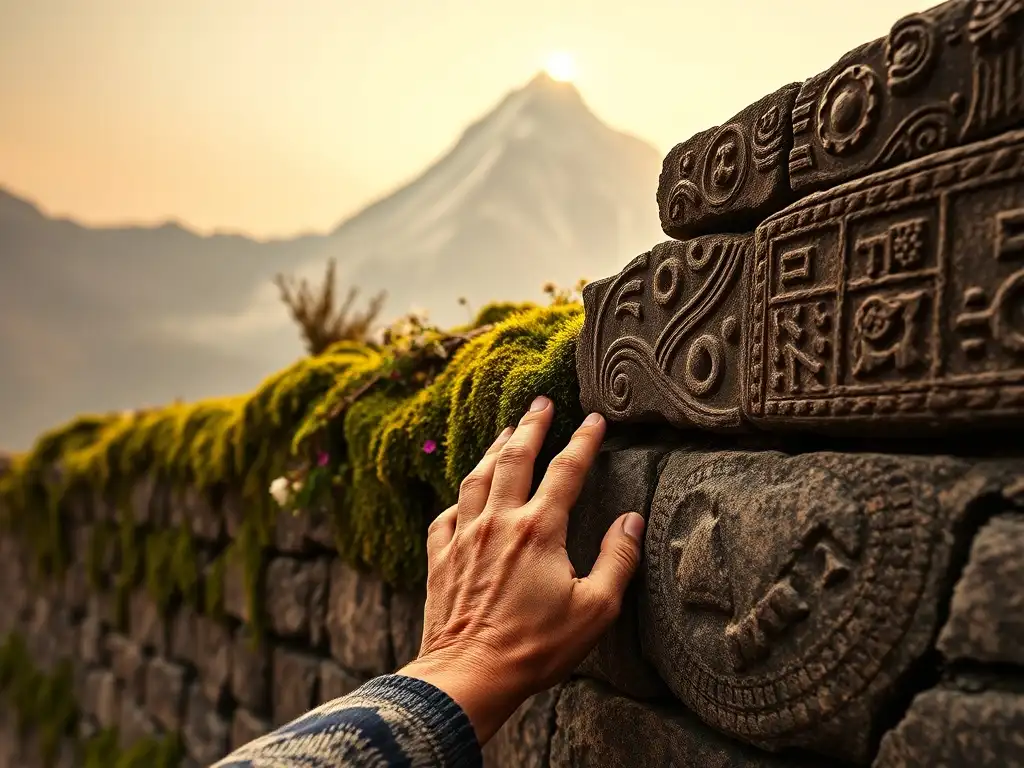
The enduring legacy of Andean spirituality continues to shape the lives of millions, even in the 21st century. However, the impact of modernization presents both significant challenges and exciting opportunities for the preservation and evolution of these rich traditions. Understanding these dual forces is crucial to appreciating the ongoing relevance of Andean spirituality and its impact today. The interplay between ancient beliefs and contemporary realities is a complex tapestry woven with threads of resilience, adaptation, and innovation. This section will explore some of the key factors influencing Andean spirituality's trajectory in the modern world.
The Impact of Globalization on Andean Indigenous Spiritual Traditions
Globalization, while offering increased connectivity and access to resources, also poses a considerable threat to the integrity of Andean indigenous spiritual traditions. The influx of Western ideologies, consumerism, and religious beliefs can lead to the erosion of traditional practices and knowledge systems. For example, the adoption of Western medicine often overshadows the efficacy and importance of traditional Andean healing methods, such as the use of medicinal plants and shamanic rituals. This shift can disrupt the transmission of knowledge across generations, leading to a decline in the number of practitioners skilled in these ancient arts.
Furthermore, the commodification of Andean cultural elements, such as textiles and ceremonies, for the tourist market, can trivialize their spiritual significance and contribute to cultural appropriation. The delicate balance between respecting cultural heritage and facilitating economic opportunities for indigenous communities needs careful consideration. There's a growing need for ethical tourism practices that prioritize the preservation of cultural integrity and the empowerment of indigenous communities. The challenge lies in finding a path that allows for economic development without compromising the authenticity and spiritual heart of Andean traditions.
The Importance of Preserving Andean Cultural Heritage and Spiritual Practices
Preserving Andean cultural heritage and spiritual practices is not merely an academic exercise; it's essential for the well-being and identity of indigenous communities. These traditions are deeply interwoven with their understanding of the world, their social structures, and their relationship with the environment. The loss of these traditions represents a loss of invaluable knowledge, history, and a unique worldview. The consequences extend beyond the cultural sphere; the erosion of traditional ecological knowledge, for example, can negatively impact sustainable land management and environmental conservation efforts.
Several initiatives are underway to address this critical issue. These include efforts to document and archive traditional practices, establish cultural centers and museums, and support the training of new generations of spiritual leaders and practitioners. The revitalization of indigenous languages also plays a vital role, as language is often the vehicle through which cultural knowledge and spiritual beliefs are transmitted. However, these initiatives require sustained funding, community participation, and governmental support to be truly effective. The preservation of Andean spirituality is a collective responsibility requiring a multifaceted approach, combining traditional knowledge with modern strategies for cultural safeguarding.
Opportunities for Cultural Exchange and the Sharing of Andean Wisdom
While globalization presents challenges, it also offers opportunities for cultural exchange and the sharing of Andean wisdom on a global scale. The growing interest in alternative spiritualities and holistic approaches to well-being has created a receptive audience for Andean perspectives on interconnectedness, harmony with nature, and the importance of community. This presents a chance for indigenous communities to share their knowledge and contribute to global discussions about sustainability, environmental ethics, and spiritual growth.
However, it is crucial to ensure that this exchange is conducted respectfully and ethically, avoiding the exploitation or misappropriation of Andean spiritual practices. A collaborative approach, where indigenous communities are empowered to control the narrative and benefit from the sharing of their knowledge, is essential. This could involve partnerships with researchers, educators, and organizations committed to promoting intercultural understanding and cultural preservation.
The potential benefits are significant: not only can Andean communities benefit economically, but the world can also gain valuable insights into alternative ways of living in harmony with nature and fostering spiritual well-being. This exchange can foster mutual understanding and enrich both cultures involved. The key is to approach this exchange with respect, reciprocity, and a genuine commitment to preserving Andean cultural integrity.
The Future of Andean Spirituality: A Call for Respect and Understanding
The enduring legacy of Andean spirituality continues to shape the lives of millions in the 21st century, impacting everything from environmental stewardship to social justice movements. However, the future of these rich traditions faces significant challenges. Understanding these challenges and fostering respect and understanding are crucial for ensuring the continued vitality of Andean spiritual practices.
The impact of globalization, urbanization, and the pressures of modernization threaten to erode traditional knowledge and practices. This section explores these threats and proposes pathways towards a future where Andean spirituality thrives. The continued relevance of Andean spirituality in the modern world hinges on its ability to adapt while preserving its core values.
This requires a nuanced approach that respects both tradition and the evolving needs of Andean communities. The keyword "Andean spirituality impact today" is central to this discussion, as we examine the tangible and intangible ways Andean spiritual beliefs continue to influence contemporary life.
The Role of Young Generations in Carrying Forward Andean Traditions
The transmission of Andean spiritual knowledge and practices often relies on oral traditions and apprenticeship models. This poses a significant challenge in the face of rapid societal changes. Young people are increasingly exposed to globalized culture and may find traditional ways of life less appealing or accessible. However, there are promising signs.
Many young Andean individuals are actively engaging with their heritage, seeking to revitalize traditional ceremonies and practices. Initiatives that support intergenerational dialogue, mentorship programs, and the documentation of traditional knowledge are vital for ensuring the continuity of Andean spirituality. For example, the rise of indigenous-led educational programs focusing on Andean cosmology and traditional healing practices shows a growing interest among younger generations.
This renewed interest is not merely nostalgic; it's a conscious effort to reclaim and reinterpret ancestral wisdom within a contemporary context. The engagement of young people is not just about preserving the past; it's about shaping the future of Andean spirituality, ensuring its continued relevance and dynamism. The success of this transmission depends on creating spaces where young people feel empowered to participate and contribute to the evolution of their traditions.
The Potential of Andean Spirituality to Inspire Environmental Awareness
Andean spirituality is deeply connected to the natural world. The Pachamama (Mother Earth) is a central figure in Andean cosmology, embodying the interconnectedness of all living things. This profound respect for nature offers a powerful framework for addressing contemporary environmental challenges. The Andean worldview emphasizes a reciprocal relationship with the environment, promoting sustainable practices and responsible resource management. The concept of ayni, reciprocal exchange, highlights the importance of balance and harmony within ecosystems. This inherent connection to nature offers valuable lessons for societies grappling with climate change, deforestation, and biodiversity loss. By integrating Andean spiritual principles into environmental education and conservation efforts, we can foster a deeper understanding of ecological responsibility. This approach can lead to more effective and sustainable environmental practices, ultimately benefitting both Andean communities and the planet. The impact of Andean spirituality on environmental awareness is potentially transformative, offering a powerful alternative to anthropocentric approaches to environmentalism.
Promoting Intercultural Dialogue and Understanding through Andean Spirituality
Andean spirituality offers a unique perspective on human existence, emphasizing community, reciprocity, and harmony. These values can contribute to fostering intercultural dialogue and understanding in an increasingly interconnected world. By sharing Andean spiritual practices and beliefs respectfully, we can promote tolerance, empathy, and a deeper appreciation for cultural diversity.
This exchange, however, must be approached with sensitivity and respect, avoiding appropriation or misrepresentation of Andean traditions. It is crucial to ensure that the voices and perspectives of Andean communities are central to any such dialogue. Furthermore, understanding the nuances of Andean spiritual beliefs can challenge dominant Western worldviews, promoting a more inclusive and equitable global society.
Through respectful intercultural exchange, Andean spirituality can contribute to building bridges between different cultures, fostering a more harmonious and just world. This necessitates collaborative efforts between Andean communities and other stakeholders, ensuring that the exchange is mutually beneficial and respectful of cultural integrity. The impact of Andean spirituality on intercultural understanding is significant, offering a pathway towards a more peaceful and equitable future.
Frequently Asked Questions
How did Andean spirituality influence modern practices?
Andean spirituality's impact is seen in contemporary Andean communities through their continued reverence for Apus (mountain spirits), Pachamama (Mother Earth), and their integration of ancient rituals into daily life and festivals. This includes offerings and ceremonies connected to agriculture and well-being.
What are some key beliefs of Andean spirituality that persist today?
Key beliefs like the interconnectedness of all living things, the importance of balance and harmony in the natural world, and the reverence for ancestors continue to shape worldview and practices in many Andean communities. These beliefs influence social structures and environmental stewardship.
How is Pachamama still relevant in modern Andean life?
Pachamama, Mother Earth, remains a central figure in Andean spirituality. People continue to make offerings to Pachamama, seeking her blessings for harvests, health, and prosperity. This demonstrates a continued deep connection to the land and its resources.
What role do Apus play in contemporary Andean culture?
The Apus, mountain spirits, are still considered powerful entities deserving of respect and veneration. Many communities continue to make offerings and pilgrimages to the Apus, believing they hold influence over weather, agriculture, and the overall well-being of the community.
How has globalization impacted traditional Andean spirituality?
Globalization presents both challenges and opportunities. While some traditions are threatened by external influences, many communities actively work to preserve and revitalize their spiritual heritage, blending traditional practices with modern contexts. This demonstrates resilience and adaptation.
Final Reflection: Echoes of the Andes in a Modern World
The enduring wisdom of Andean spirituality continues to resonate powerfully in the 21st century, offering a vital counterpoint to the frenetic pace of modern life and a potent antidote to the pervasive sense of disconnection. Its emphasis on community, respect for nature, and a deep spiritual connection to the land provides a framework for understanding and addressing many of the challenges we face today, from environmental degradation to social inequality. This ancient wisdom, far from being relegated to the past, offers a pathway towards a more sustainable and harmonious future.
The profound impact of Andean spirituality on contemporary society is undeniable; its influence can be seen in the growing interest in indigenous knowledge systems, the resurgence of traditional healing practices, and the increasing awareness of the interconnectedness of all living things. This renewed appreciation for a worldview that prioritizes balance and harmony is a testament to its enduring relevance. The mountains are not just stones, they are living beings, full of spirit and power,
a Quechua elder once told me, a sentiment that encapsulates the core of this ancient tradition and its enduring power to inspire.
Consider, for a moment, the ways in which the principles of Andean spirituality—reverence for Pachamama, the importance of community, and the pursuit of ayni (reciprocity)—could enrich your own life. How might embracing a deeper connection with nature, fostering stronger relationships with those around you, and practicing gratitude transform your perspective and contribute to a more just and sustainable world? Let the spirit of the Andes guide you on this journey, inspiring you to live a life of purpose, balance, and profound connection.
Embrace the Wisdom of the Andes Today!
Thank you for exploring the rich tapestry of Andean spirituality with us! This is just the beginning of your journey into these timeless teachings. Let's delve deeper and connect with the spirit of the mountains.
Here are some ways to continue your exploration:
- Join a local Andean community group or attend cultural events to experience traditional practices firsthand.
- Expand your knowledge: Read books, watch documentaries, or listen to podcasts about Andean spirituality that resonate with you.
- Share your newfound insights on social media to help spread awareness of the beauty and depth of Andean culture.
What aspect of Andean spirituality resonates most with you, and how will you integrate it into your daily life?