
Tiahuanaco's Social Structure: How its Hierarchies Influenced Later Andean Societies

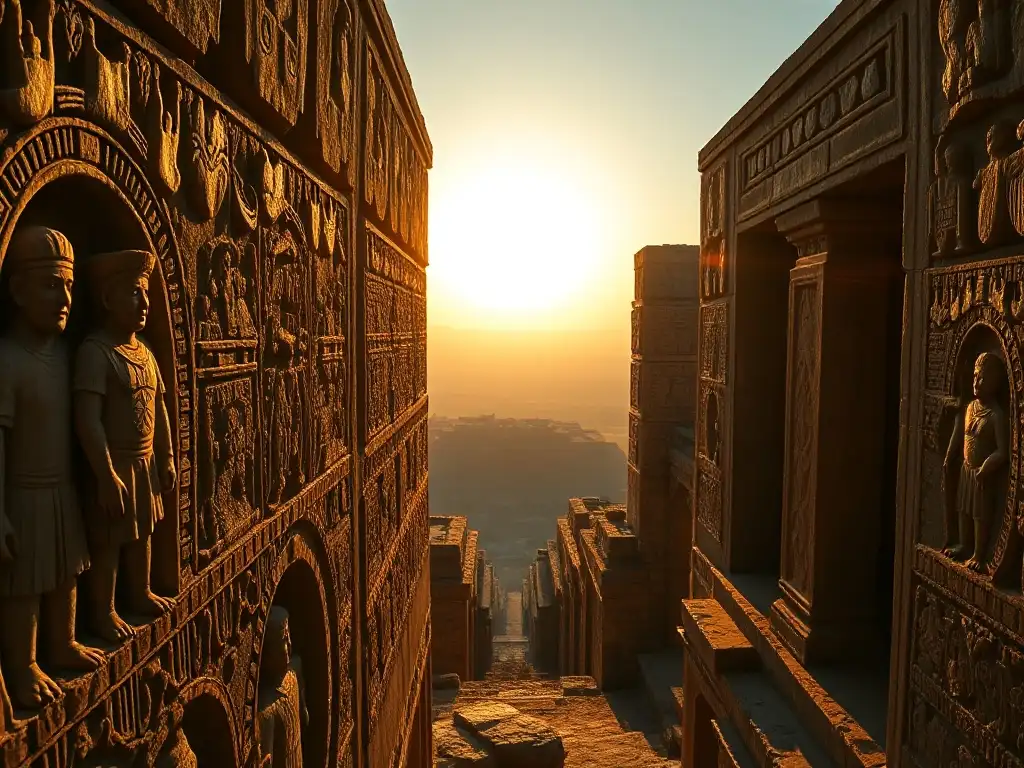
Uncover the mysteries of the Andes! Journey back in time to a world of towering structures and intricate societies. You're about to delve into the fascinating complexities of the Andean civilizations, and specifically, the unparalleled impact of Tiahuanaco's social hierarchy. How did this ancient power structure shape the future of Andean societies? Prepare to be amazed as we unravel the secrets behind this influential civilization and its lasting legacy.
The sprawling city of Tiahuanaco, flourishing in the Bolivian Altiplano between approximately 500 and 1000 CE, left an indelible mark on subsequent Andean societies. Its sophisticated social structure, a complex interplay of power, religion, and economic control, served as a blueprint, influencing the hierarchical systems that characterized later Andean empires, most notably the Inca.
Understanding Tiahuanaco's social organization is crucial to grasping the broader trajectory of Andean civilization and the enduring legacy of its political and religious institutions. This article delves into the intricacies of Tiahuanaco's social hierarchy, examining its key components and analyzing its profound impact on the development of subsequent Andean cultures.
We will explore how the sophisticated systems of governance and social stratification established in Tiahuanaco resonated through centuries, shaping the political landscapes and power dynamics of later civilizations. The influence of Tiahuanaco's social hierarchy extended beyond simple imitation; it provided a framework upon which later Andean societies built and adapted their own unique systems of social control.
Archaeological evidence strongly suggests a highly stratified social structure within Tiahuanaco. The monumental architecture, such as the Akapana pyramid and the Kalasasaya complex, points towards a centralized authority capable of mobilizing vast resources and labor. The construction of these impressive structures required meticulous planning, sophisticated engineering knowledge, and the coordinated efforts of a large workforce.
This implies the existence of a ruling elite who controlled the labor force and commanded the necessary resources. Furthermore, the discovery of elaborate burials containing fine textiles, gold ornaments, and other luxury goods indicates a significant disparity in wealth and status among the population. Analysis of skeletal remains reveals nutritional differences, suggesting variations in access to food and resources across different social groups.
The presence of both elite and commoner residential areas further reinforces the notion of a deeply entrenched social hierarchy. While precise details about the specific social classes remain debated, the evidence overwhelmingly points to a hierarchical society with distinct levels of power and privilege. Further research, particularly in areas like ceramic analysis and iconography, promises to shed more light on the nuances of Tiahuanaco's social organization.
The Role of Religion and the Elite
Religious beliefs played a central role in shaping Tiahuanaco's social structure. The elite likely held significant religious authority, acting as intermediaries between the divine and the common people. The monumental architecture itself served as a powerful symbol of religious power, reinforcing the elite's control over the population.
Elaborate ceremonies and rituals, possibly centered around water management and agricultural fertility, likely consolidated the elite's social and political power. The iconography found in Tiahuanaco art frequently depicts powerful figures, possibly representing deities or rulers, further supporting the idea of a theocratic or religiously-sanctioned hierarchy.
The control of religious practices and interpretations afforded the elite significant influence over the lives of the common people, reinforcing their societal dominance and shaping the cultural norms and beliefs of the entire population. The degree to which religious authority translated directly into political power is a subject of ongoing scholarly debate, but its significance in structuring Tiahuanaco society is undeniable.
Tiahuanaco's Influence on Subsequent Andean Societies
The social structures established in Tiahuanaco served as a model for later Andean civilizations. The Inca Empire, for example, exhibited a remarkably similar hierarchical system, characterized by a powerful emperor at the apex, followed by a complex bureaucracy, and finally, the common people. The Inca's system of mita, a form of mandatory labor service, bears a striking resemblance to the large-scale mobilization of labor witnessed in Tiahuanaco's monumental construction projects.
The intricate administrative systems and the emphasis on centralized control evident in the Inca Empire likely drew inspiration from Tiahuanaco's advanced organizational capabilities. While the Inca adapted and modified Tiahuanaco's model to suit their own context and needs, the underlying principles of hierarchical organization and centralized authority clearly demonstrate a legacy of influence.
Further research is needed to fully delineate the specific mechanisms of transmission and adaptation, but the parallels between Tiahuanaco's social structure and that of later Andean societies are undeniable. The impact extended beyond the Inca, influencing the organization and governance of other regional powers throughout the Andes.
Unanswered Questions and Future Research
Despite significant progress in understanding Tiahuanaco's society, several questions remain unanswered. The precise nature of social mobility within the hierarchy, the roles of different social groups beyond the elite and commoners, and the mechanisms of social control are all areas needing further investigation. More detailed analysis of archaeological data, including sophisticated isotopic studies and advanced imaging techniques, could reveal valuable insights into the daily lives of different social groups and their interactions.
Comparative studies with other contemporary Andean societies could also provide a broader context for understanding Tiahuanaco's unique social structure and its subsequent influence. The ongoing research into Tiahuanaco promises to further refine our understanding of this pivotal Andean civilization and its lasting legacy on the social and political landscape of the region.
- Evidence of Social Stratification in Tiahuanaco
- The Role of Religion and the Elite
- Tiahuanaco's Influence on Subsequent Andean Societies
- Unanswered Questions and Future Research
- Tiahuanaco's Legacy: Social Structures in Post-Tiahuanaco Andes
- Influence on Andean Social Organization: The Case of the Wari Empire
- Tiahuanaco's Model and its Adoption by the Tiwanaku Polities
- Continuities and Changes: Social Hierarchy from Tiahuanaco to the Incas
- The Spread of Tiahuanaco Social Practices and Ideologies
- The Importance of Kinship in Tiahuanaco Social Structure
- Religious Authority and its Relation to Tiahuanaco Social Order
- Economic Power and its Connection to Tiahuanaco's Class System
- How Tiahuanaco’s Social Stratification Shaped Governance
- The Long-Term Effects of Tiahuanaco's Social Hierarchy on Andean Societies
- What was the basis of Tiahuanaco's social hierarchy?
- How did Tiahuanaco's elite maintain their power?
- What was the role of religion in Tiahuanaco's social hierarchy?
- How did Tiahuanaco's social hierarchy impact later Andean societies?
- What evidence is there to support our understanding of Tiahuanaco's social hierarchy?
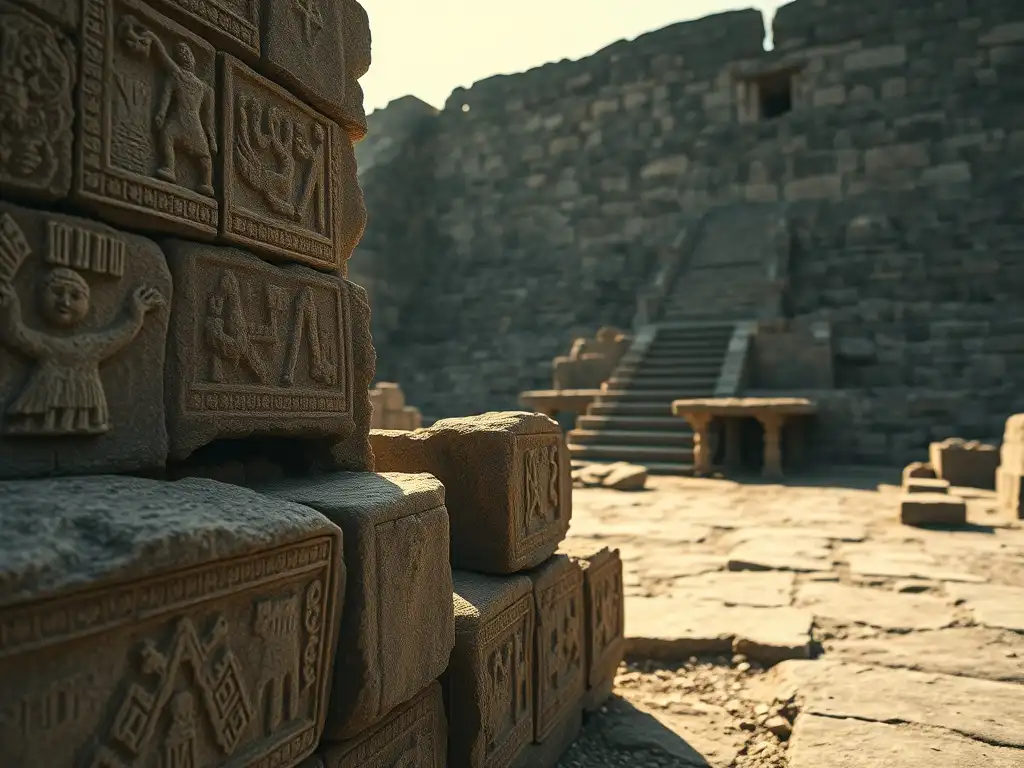
This section delves into the intricate social structure of the Tiahuanaco civilization, exploring its hierarchical nature and examining its profound impact on subsequent Andean societies. Understanding Tiahuanaco's social hierarchy is crucial to grasping the complexities of their political organization, economic systems, and religious beliefs. The influence of this sophisticated system is clearly visible in the development of later Andean cultures, providing a framework for understanding their own social structures and power dynamics. Analyzing the Tiahuanaco social hierarchy impact allows us to appreciate the long-lasting legacy of this remarkable civilization.
The Core of Tiahuanaco Society: A Hierarchical System
Tiahuanaco society was undeniably hierarchical, with power concentrated at the top. Archaeological evidence, including monumental architecture like the Kalasasaya complex and the Puerta del Sol, points to a highly organized and stratified society. The precise details of this hierarchy remain debated among scholars, but a general consensus exists regarding its fundamental structure.
At the apex resided a ruling elite, likely composed of religious leaders and political authorities, who controlled access to resources and dictated social norms. Below them lay various social strata, possibly differentiated by occupation, kinship ties, or access to land and wealth. This system ensured the smooth functioning of the state and the distribution of resources, though it also likely engendered significant social inequalities.
The impact of this structured hierarchy is evident in the remarkable uniformity seen in Tiahuanaco art and architecture, suggesting a centralized control over production and artistic expression. This centralized control was a significant factor in the Tiahuanaco social hierarchy's ability to maintain order and stability over a vast territory.
Several key elements contributed to the stratification of Tiahuanaco society. Access to land, a crucial resource in an agricultural society, was likely a primary determinant of social status. Those with extensive landholdings enjoyed greater wealth and power. Similarly, access to specialized skills and knowledge played a significant role.
Artisans, priests, and administrators held esteemed positions due to their expertise and contributions to the state. The production of sophisticated textiles, ceramics, and metalwork required advanced skills and likely conferred a higher social standing on the individuals involved. Furthermore, kinship ties likely played a role in determining social position, with lineages holding considerable influence and power.
The intricate interplay of these factors created a complex social landscape, with individuals occupying various positions within the hierarchy. This complex system, characterized by both cooperation and competition, shaped the daily lives of Tiahuanaco citizens and had a lasting impact on the social structures of later Andean societies. The evidence suggests a relatively stable system, capable of adapting to changing circumstances, underscoring its resilience and influence.
Tiahuanaco Elites: Power and Control
The Tiahuanaco elite controlled the state's resources, including agricultural lands, labor, and the production of luxury goods. Their power was symbolized by monumental architecture, elaborate religious ceremonies, and the control of specialized crafts. The monumental structures at Tiahuanaco, such as the Akapana pyramid and the Kalasasaya platform, were not only engineering marvels but also powerful symbols of the elite's authority and control over the populace.
These structures likely served as centers of religious and political power, reinforcing the elite's dominance. The elite’s control over religious practices further solidified their power. They likely controlled access to sacred sites and rituals, using religion to legitimize their rule and maintain social order.
The production of luxury goods, such as finely crafted textiles and ceramics, was also controlled by the elite, further enhancing their prestige and power. The Tiahuanaco elite's ability to maintain control over these key aspects of society ensured the stability and longevity of their civilization, and the legacy of their hierarchical system is undeniably visible in the social structures of later Andean cultures. Their influence on the development of subsequent Andean societies is a testament to the effectiveness and enduring nature of their social organization, significantly impacting the “Tiahuanaco social hierarchy impact” on later Andean civilizations.
The Role of Commoners in Tiahuanaco Society
The commoners of Tiahuanaco, the vast majority of the population, formed the bedrock of the society. Their lives revolved around agriculture, the cornerstone of the Tiahuanaco economy. Evidence suggests intensive agricultural practices, including terracing and irrigation systems, were employed to maximize crop yields in the challenging Andean environment. These commoners, likely organized into ayllus (kinship-based groups common in Andean societies), were responsible for cultivating crops like potatoes, quinoa, and maize, crucial for sustaining the large population.
Beyond agriculture, commoners also contributed to the construction and maintenance of the city's impressive infrastructure, participating in monumental building projects that defined Tiahuanaco's urban landscape. Their labor, though not explicitly recorded in the same way as the elite's activities, was essential to the functioning and prosperity of the empire. Archaeological findings, such as the remains of residential structures and tools used in agriculture and construction, provide glimpses into their daily lives and the significant contributions they made.
While not holding political power, the commoners played a vital, albeit largely unsung, role in shaping Tiahuanaco's success. Their collective efforts ensured the survival and growth of the empire, highlighting the importance of a robust and productive commoner class in sustaining a complex, large-scale society. The organization and management of this large commoner population likely involved a complex system of local leadership and community-based organization, although the precise details remain a subject of ongoing research.
Beyond the commoner class, Tiahuanaco's social structure exhibited clear signs of specialized labor and distinct social strata. The monumental architecture and sophisticated artistry found at the site suggest a highly organized workforce with specialized skills. Evidence points to the existence of skilled artisans, metalworkers, stone masons, and textile producers, all contributing to the creation of the city's unique aesthetic and technological advancements. These specialists likely held a higher social status than the average farmer, reflecting the value placed on their skills and contributions to society.
The intricate carvings, precise stonework, and complex designs found in Tiahuanaco's structures and artifacts underscore the high level of craftsmanship and specialization within the society. Furthermore, the presence of elaborate burial sites with rich grave goods indicates a social hierarchy with an elite class, likely comprised of religious leaders, political authorities, and possibly a hereditary aristocracy. The disparity in burial practices, reflecting varying levels of wealth and social standing, underscores the existence of social stratification. The precise nature of the social structure, including the exact number of social classes and the mechanisms of social mobility, remains a subject of ongoing research and debate among archaeologists and historians.
However, the evidence strongly suggests a stratified society with specialized labor contributing to the complex social organization of Tiahuanaco, a model that influenced later Andean civilizations. The presence of specialized labor, therefore, wasn't simply a matter of economic efficiency; it also played a significant role in defining social status and power within Tiahuanaco society. This social hierarchy, with its distinct classes and specialized roles, significantly impacted the organization and development of subsequent Andean cultures.
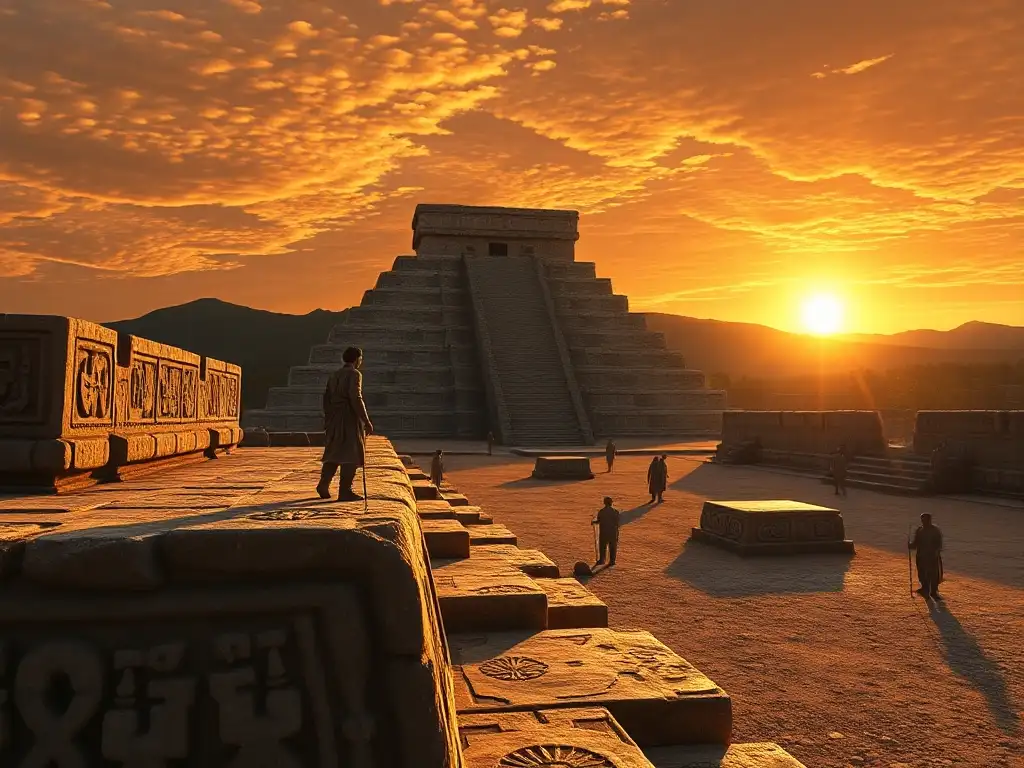
The Tiahuanaco social hierarchy, a complex system characterized by a powerful elite and a stratified population, left an undeniable mark on subsequent Andean societies. Understanding this impact requires examining the ways in which Tiahuanaco's organizational model was adapted, modified, and ultimately, reinterpreted by its successors. The influence wasn't simply a direct replication; rather, it was a process of cultural exchange and adaptation, resulting in diverse expressions of social stratification across different Andean regions and time periods.
The legacy of Tiahuanaco's structured society is visible in the political organization, religious practices, and economic systems of later Andean cultures, a testament to the enduring power of its socio-political model. Analyzing this influence provides crucial insights into the continuities and changes in Andean social organization throughout history, highlighting the enduring impact of Tiahuanaco's sophisticated social engineering. The keyword phrase "Tiahuanaco social hierarchy impact" encapsulates this enduring legacy.
The collapse of the Tiahuanaco state didn't signify the end of its social structures. Instead, fragments of its hierarchical system persisted, influencing the development of various successor cultures. Archaeological evidence suggests a continuity in certain aspects of social organization, such as the presence of elite burial practices and monumental architecture, reflecting the continued importance of social hierarchy.
For example, the distribution of fine ceramics and luxury goods in post-Tiahuanaco sites indicates a persistent stratification of wealth and power. However, the specific manifestations of this hierarchy varied depending on the particular culture and its geographical context. While the rigid centralized control of Tiahuanaco might have weakened, the underlying principle of social stratification—the division of society into different levels of power and privilege—remained a fundamental aspect of Andean social organization.
This demonstrates a significant and lasting impact of Tiahuanaco's social structures on the broader Andean region. The presence of elite compounds and the continued use of specific symbols associated with power in subsequent cultures are strong indicators of the enduring nature of this legacy. Further research into the specific material culture and settlement patterns of post-Tiahuanaco societies is necessary to fully understand the nuances of this complex inheritance.
The Wari Empire, a powerful Andean state that flourished after the decline of Tiahuanaco, provides a compelling case study of the influence of Tiahuanaco's social hierarchy. While the Wari didn't directly copy the Tiahuanaco model, they adopted several key elements, adapting them to their own context. For instance, the Wari's extensive road network and administrative centers, reminiscent of Tiahuanaco's infrastructure, suggest a similarly centralized and hierarchical system of control.
The Wari's elite class, evidenced by lavish burials and the concentration of resources in specific locations, also mirrored the social stratification of Tiahuanaco. However, the Wari also displayed unique characteristics, such as a more decentralized administrative structure and a greater emphasis on regional variations. This highlights the adaptive nature of cultural influence: the Wari absorbed elements of Tiahuanaco's social hierarchy but reshaped them according to their own needs and circumstances.
Analyzing the Wari's administrative practices, settlement patterns, and material culture reveals a complex interplay between continuity and change in Andean social organization, directly influenced by the pre-existing Tiahuanaco model. The Wari example underscores the nuanced and multifaceted nature of Tiahuanaco's impact.
Tiahuanaco's Model and its Adoption by the Tiwanaku Polities
The term "Tiwanaku polities" refers to the smaller, regional successor states that emerged after the collapse of the main Tiahuanaco center. These polities inherited a significant part of Tiahuanaco's social and political legacy, adapting and modifying it according to their specific geographic and social contexts. Evidence suggests a remarkable degree of continuity in their social structures. Many of these successor groups maintained elements of Tiahuanaco's hierarchical system, including the emphasis on elite power and the presence of monumental architecture.
However, the scale and complexity of these hierarchies varied considerably. Some polities retained a relatively strong centralized authority, reflecting a closer adherence to the Tiahuanaco model, while others developed more decentralized structures. This diversity highlights the adaptability of the Tiahuanaco social hierarchy and its capacity to be reinterpreted and reshaped in different contexts.
The study of these diverse Tiwanaku polities illuminates the multifaceted nature of Tiahuanaco's impact and the complex processes of cultural transmission and adaptation in the Andean region. Further research is needed to pinpoint the specific mechanisms of this transmission, focusing on detailed comparative analyses of material culture and settlement patterns across different Tiwanaku polities. This will shed more light on the fascinating interplay between continuity and change in Andean social organization.
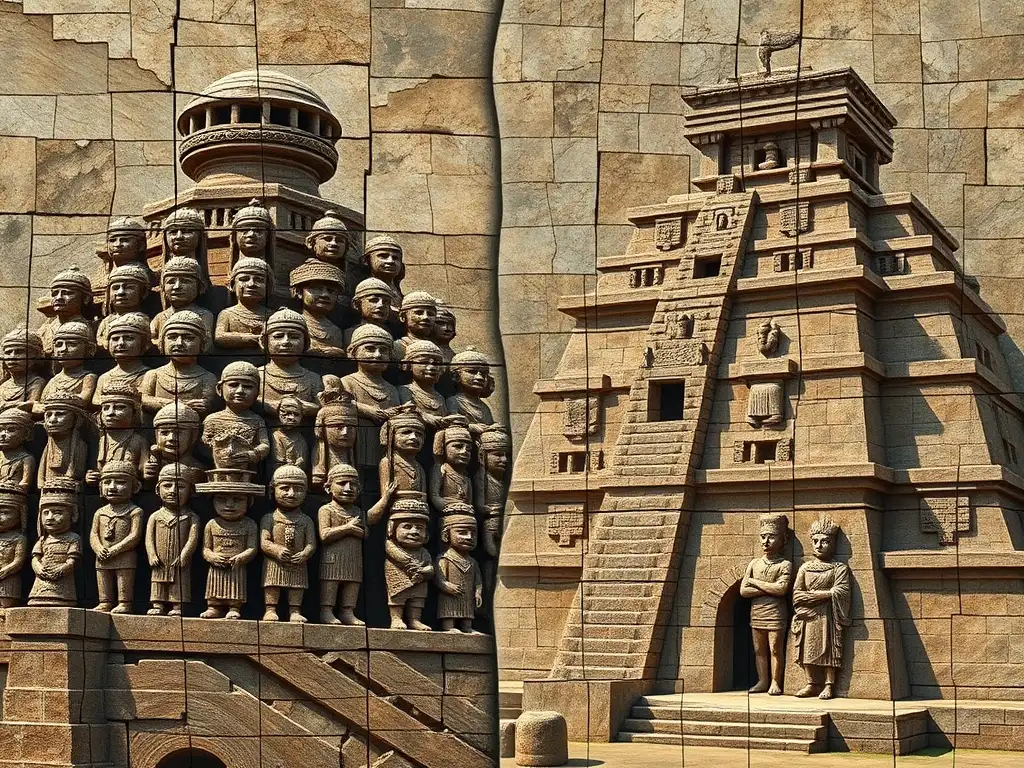
The collapse of Tiahuanaco around the 11th century CE didn't erase its profound influence on subsequent Andean societies. The intricate social hierarchy, characterized by a powerful elite controlling resources and religious authority, found echoes in the Inca Empire centuries later. However, the specifics underwent significant transformations. Tiahuanaco's system, while exhibiting clear stratification, might have been less rigidly defined than the Inca's, with potentially more fluidity in social mobility—though evidence for this is debated amongst scholars.
Archaeological findings suggest a complex interplay of local and Tiahuanaco influences in post-Tiahuanaco settlements, hinting at a gradual assimilation rather than a complete replacement of social structures. The Inca, known for their highly centralized and stratified society, likely adopted and adapted elements of the Tiahuanaco model to suit their own imperial ambitions. For example, the Inca's elaborate system of mit'a labor, while distinct from Tiahuanaco's possibly less formalized labor organization, shares some conceptual similarities in the mobilization of large-scale labor for state projects. The Inca's use of ayllus (kinship-based communities) as a building block of their social organization may also reflect a continuity of community-based social structures present in the earlier Tiahuanaco period, albeit adapted to fit the Inca's imperial framework.
The Inca's emphasis on divine kingship and a highly ritualized court life also shares parallels with the likely strong religious authority and ceremonial practices observed in Tiahuanaco's elite. The precise nature of this continuity, however, remains a subject of ongoing research and interpretation, with scholars continuing to debate the extent to which Inca social structures were directly derived from Tiahuanaco or represent a unique Andean development. Understanding this complex relationship requires careful consideration of both the continuities and the crucial changes that occurred between these two powerful Andean civilizations.
The influence of Tiahuanaco's social hierarchy extended far beyond its immediate geographical sphere. The dissemination of Tiahuanaco's social practices and ideologies occurred through various channels, including migration, trade networks, and cultural exchange. The adoption of Tiahuanaco-style pottery, architecture, and religious iconography in distant regions provides strong evidence of widespread cultural interaction. This suggests that the social structures associated with these cultural elements—including the hierarchical organization of power and the role of religious elites—might have also spread. For example, the presence of Tiahuanaco-style architecture in sites as far away as the north coast of Peru points to the transmission of not only building techniques but also potentially the social structures that supported such monumental projects.
The spread of religious beliefs and practices, often associated with specific social roles and hierarchies, also played a significant role. The iconic Tiahuanaco deity, often depicted in various forms across the Andes, likely carried with it a system of beliefs about power, authority, and the social order. This suggests that the spread of the deity's image also facilitated the dissemination of associated social ideologies. However, it's important to note that the adoption of Tiahuanaco elements wasn't necessarily a straightforward process.
Local cultures often adapted and integrated these elements into their pre-existing social frameworks, resulting in a hybrid system that reflected both Tiahuanaco influence and regional specificities. The interaction between Tiahuanaco influences and pre-existing social structures varied across different regions, leading to a diverse range of outcomes. Further research into regional variations in the adoption and adaptation of Tiahuanaco social practices is needed to fully understand the complex dynamics of cultural transmission and change in the Andean region. The process wasn't simply a one-way flow of influence; it was a dynamic interplay between different cultural groups, resulting in unique expressions of Andean social organization.
This section delves into the intricate social hierarchy of Tiahuanaco and its profound influence on subsequent Andean societies. Understanding Tiahuanaco's social structure is crucial to grasping the complexities of later Andean civilizations, as many of its organizational principles and power dynamics were replicated and adapted throughout the region. The impact of Tiahuanaco's social hierarchy is evident in the political, religious, and economic systems of later cultures, demonstrating a lasting legacy that shaped the Andean world.
The study of this influence provides invaluable insight into the continuity and evolution of Andean social structures across centuries. This analysis focuses on the key pillars of Tiahuanaco's social order: kinship, religious authority, and economic power.
Kinship played a pivotal role in structuring Tiahuanaco society. While the exact mechanisms remain a subject of ongoing scholarly debate, evidence suggests a complex interplay between lineage and social standing. Archaeological findings, such as the distribution of elite burials and the arrangement of residential compounds, hint at a system where family ties were inextricably linked to access to resources and power. The prominence of certain families, possibly through hereditary lines, may have contributed to the formation of an elite class.
Furthermore, the importance of kinship extended beyond the elite. The organization of labor, communal activities, and even religious practices likely involved strong kinship bonds. This system fostered social cohesion and facilitated the efficient management of resources within the society.
The strength of kinship networks likely influenced the stability of Tiahuanaco's social order and contributed to its longevity. Understanding the intricacies of Tiahuanaco kinship systems is key to comprehending the broader social dynamics of the civilization and its lasting impact on later Andean societies. Further research into kinship terminology and genealogical records (where they exist) is needed to better understand this aspect of Tiahuanaco life.
Religious authority was deeply intertwined with the social hierarchy of Tiahuanaco. The elaborate religious architecture, such as the monumental structures at Puma Punku and Kalasasaya, suggests a highly organized and centralized religious system. The construction and maintenance of these structures required immense manpower and resources, implying a hierarchical system that could mobilize and control labor.
It's hypothesized that a priestly class, likely connected to the ruling elite, held significant power and influence. Their control over religious rituals, ceremonies, and possibly even the interpretation of prophecies, granted them considerable authority. This religious authority was not merely spiritual; it permeated all aspects of life, influencing social norms, economic practices, and political decisions.
The religious elite likely played a key role in legitimizing the rule of the political elite, thereby strengthening the overall social hierarchy. The precise nature of the relationship between religious and political power in Tiahuanaco remains an area requiring further investigation, but the influence of religious authority on the social order is undeniable. The iconography found on Tiahuanaco artifacts, depicting figures in ceremonial attire, offers further clues to the role of religious figures in society.
Economic Power and its Connection to Tiahuanaco's Class System
Economic power was another crucial factor shaping Tiahuanaco's social hierarchy. The control of resources, particularly agricultural surpluses and specialized crafts, was likely concentrated in the hands of the elite. Evidence suggests a sophisticated system of agricultural production, possibly involving irrigation and terracing techniques, which generated significant surplus. This surplus was likely controlled and distributed by the ruling class, allowing them to maintain their power and influence.
Furthermore, the production of luxury goods, such as intricately carved stone artifacts and finely woven textiles, also contributed to the concentration of economic power. The artisans who produced these goods likely held a relatively high social status, but they were still subordinate to the elite who controlled the distribution and trade of these items.
The economic disparities within Tiahuanaco society are reflected in the archaeological record, with variations in the size and quality of dwellings, burials, and the presence of luxury goods. Analyzing the distribution of resources and the organization of production provides crucial insights into the economic underpinnings of Tiahuanaco's social hierarchy and its influence on subsequent Andean societies.
Further research into the trade networks and economic exchanges of Tiahuanaco is vital to a more complete understanding of this aspect of its social structure. The impact of this stratified economic system is a critical element in understanding the "Tiahuanaco social hierarchy impact" on later Andean civilizations.
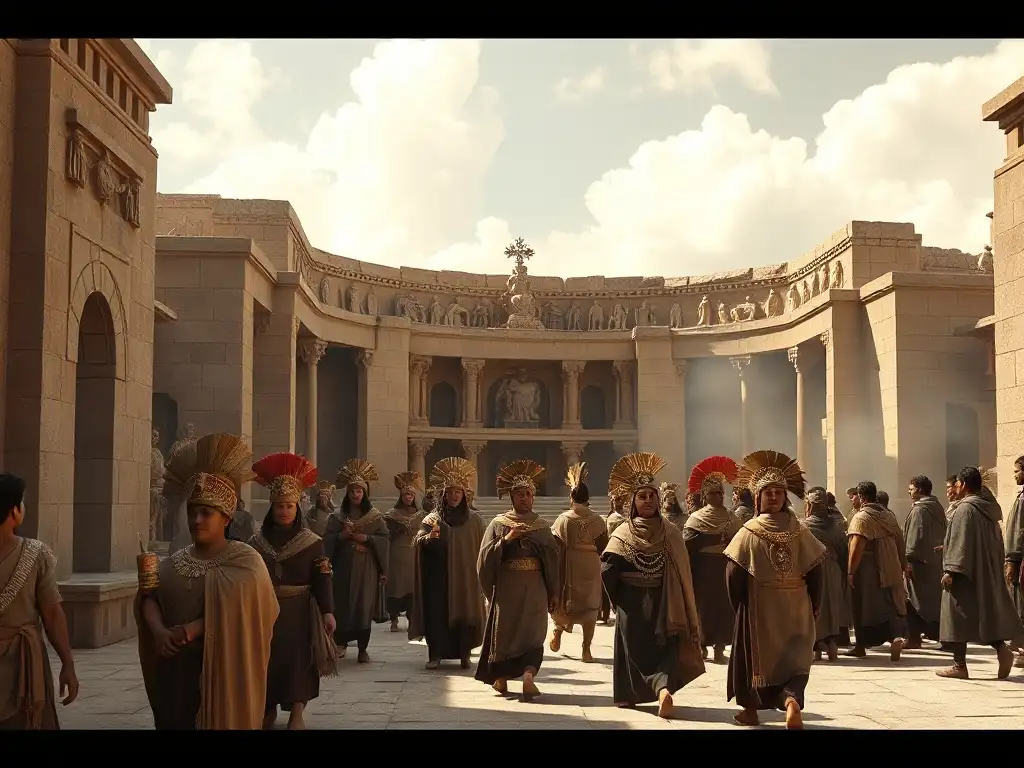
Tiahuanaco's sophisticated social stratification system profoundly impacted its governance structure. Unlike simpler societies relying on kinship ties alone, Tiahuanaco's hierarchy fostered a complex administrative apparatus. Evidence suggests a centralized authority, likely headed by a religious-political elite, controlled resource allocation, public works projects, and religious ceremonies. This elite likely comprised a priestly class, high-ranking officials, and perhaps a hereditary ruling lineage.
Their power was reinforced by the elaborate religious ideology that permeated all aspects of Tiahuanaco life, further solidifying their control and legitimacy. The system wasn't purely top-down, however. Local leaders and specialized artisans likely held significant influence within their communities, mediating between the central authority and the populace. This suggests a degree of decentralization within the overall hierarchical framework, a balance between centralized control and localized autonomy.
The management of vast agricultural projects, such as the sophisticated irrigation systems, demanded efficient organization and coordination, highlighting the importance of a well-defined administrative structure. The impressive scale of Tiahuanaco's monumental architecture, including the iconic Kalasasaya temple complex, also points to a highly organized workforce managed by a powerful and effective governing body. The intricate system of social stratification, therefore, underpinned the governance mechanisms necessary for administering a complex and expansive civilization. The impact of this organizational model can be seen in later Andean societies that adopted similar, albeit adapted, hierarchical structures for managing their resources and populations.
The social hierarchy established in Tiahuanaco had a lasting influence on the development of subsequent Andean societies. The legacy of centralized authority and stratified social structures is evident in the Incas, who built upon and refined many aspects of Tiahuanaco's administrative and organizational models. The Inca's ayllu system, while based on kinship, incorporated elements of centralized control reminiscent of Tiahuanaco's governance. The Inca's sophisticated bureaucracy, responsible for managing vast territories and resources, echoes the organizational efficiency demonstrated by Tiahuanaco's administration.
Furthermore, the Inca's emphasis on public works projects, such as roads and irrigation systems, mirrors the scale and ambition of Tiahuanaco's own infrastructure development. The presence of a powerful elite class, controlling both religious and political power, is another recurring theme in later Andean civilizations, including the Wari and the Chimú. While the specific details varied, the underlying principle of a hierarchical society with a powerful ruling class remained a consistent feature. The influence extended beyond governance.
Tiahuanaco's artistic and religious traditions, reflecting its social hierarchy through iconography and ritual practices, also impacted subsequent cultures. The stylistic elements and religious beliefs found in Tiahuanaco art and architecture can be traced in later Andean societies, demonstrating a continuity of cultural and ideological influence. The impact of Tiahuanaco's social hierarchy, therefore, wasn't merely political; it was deeply ingrained in the cultural and religious fabric of later Andean civilizations, shaping their social structures, governance systems, and artistic expressions for centuries to come. The lasting imprint of Tiahuanaco's social organization highlights its significant role in shaping the trajectory of Andean history.
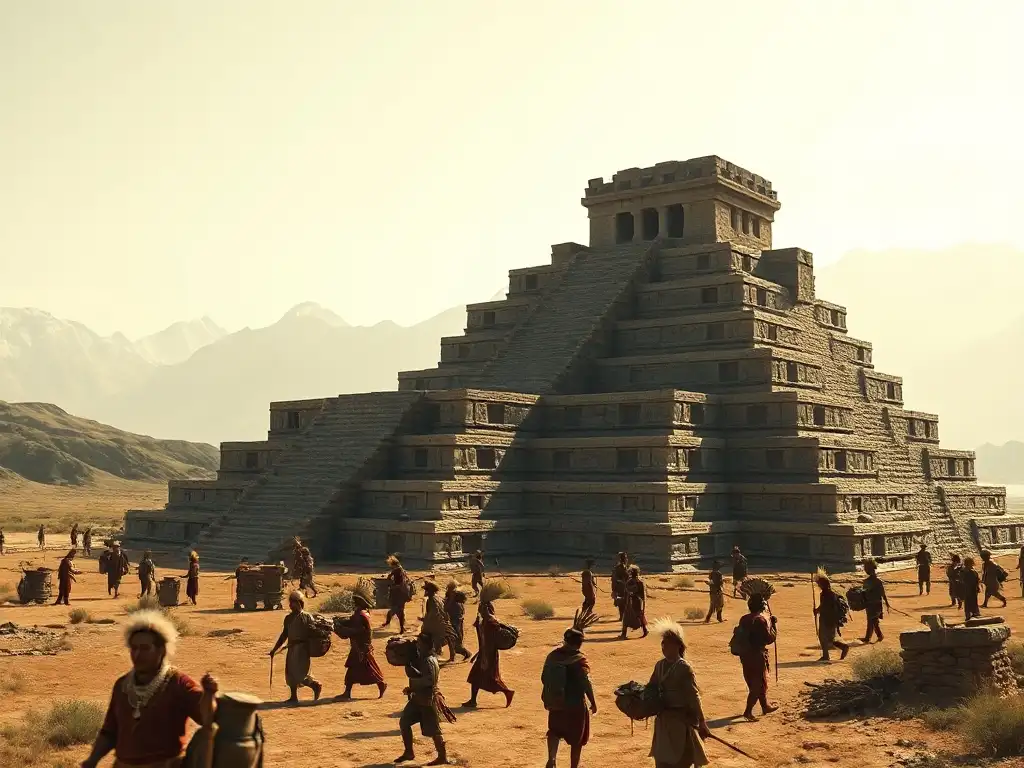
The Tiahuanaco social hierarchy, a complex system reflecting power dynamics and societal organization, left an undeniable imprint on subsequent Andean cultures. Understanding its structure provides crucial insight into the broader trajectory of Andean societal development and the enduring legacy of Tiahuanaco's influence. While precise details remain debated by scholars, archaeological evidence and iconography suggest a stratified society with distinct classes, each playing a specific role in maintaining the elaborate social and political order.
This section will compare and contrast Tiahuanaco's social model with those of other prominent Andean civilizations, highlighting both similarities and key differences. The impact of Tiahuanaco's sophisticated social organization is evident in the subsequent evolution of hierarchical structures throughout the Andes, shaping the political and economic landscapes of later cultures. Analyzing this impact helps us understand the enduring legacy of Tiahuanaco's influence on the "Tiahuanaco social hierarchy impact" on later Andean societies.
The Moche civilization, flourishing contemporaneously with the late Tiahuanaco period, presented a markedly different social structure despite some shared characteristics. While both cultures exhibited hierarchical systems with elites at the top, the nature of that hierarchy differed significantly. The Moche are renowned for their elaborate depictions of warfare and ritual sacrifice, suggesting a society where military prowess and religious authority played a dominant role in defining social standing.
Evidence suggests a strong emphasis on a warrior elite and priestly class, with artisans and farmers forming the lower strata. In contrast, Tiahuanaco's social hierarchy, while also stratified, seems to have placed greater emphasis on religious leadership and centralized administration, as indicated by the monumental architecture and sophisticated irrigation systems. The Moche's focus on individual achievement and military power contrasts with Tiahuanaco's emphasis on collective effort and possibly a more theocratic governance.
Further research is needed to fully understand the nuances of the interaction between these two distinct social systems, particularly concerning the potential influence of Tiahuanaco's organizational model on the Moche's own evolving social structure. The differences in their societal structures underscore the diversity of Andean civilizations, even within a relatively short timeframe.
The Nazca culture, known for its enigmatic geoglyphs and sophisticated textile production, presents another fascinating contrast to Tiahuanaco's social organization. While the Nazca also possessed a hierarchical society, the evidence suggests a less centralized and possibly more decentralized power structure compared to Tiahuanaco. The impressive scale of Nazca's irrigation projects implies a level of social coordination, but the absence of monumental architecture comparable to Tiahuanaco's suggests a different approach to political organization.
Furthermore, Nazca iconography, while rich in symbolism, doesn't showcase the same level of explicit representation of a stratified hierarchy as seen in Tiahuanaco art. The nature of social control and the mechanisms of power seem to have differed significantly, with perhaps a greater emphasis on kinship ties and local leadership within the Nazca culture compared to the more centralized authority likely present in Tiahuanaco.
This contrast highlights the varied ways in which Andean societies developed their social structures, adapting their organizational models to their specific environmental and social contexts. This difference in approach to social organization significantly impacted the "Tiahuanaco social hierarchy impact" on later Andean societies, showing a diverse range of adaptations and influences.
Several aspects of Tiahuanaco's social organization stand out as unique contributions to the Andean world. The scale of its monumental architecture, such as the Kalasasaya and Puma Punku, suggests a highly organized workforce capable of undertaking massive construction projects requiring significant social coordination and resource management. This points to a sophisticated system of labor organization, possibly involving a complex network of specialized labor groups and a centralized authority capable of mobilizing and directing them.
Furthermore, the evidence of extensive irrigation systems indicates a level of centralized planning and resource control that was critical for sustaining a large population. This sophisticated water management system would have required a hierarchical structure capable of overseeing its construction and maintenance, reinforcing the importance of centralized authority in Tiahuanaco society.
The precise nature of social mobility within Tiahuanaco society remains a subject of ongoing research, but the complexity of its social organization and the evidence of significant social stratification suggest a system that was both stable and capable of adapting to changing circumstances. The unique aspects of Tiahuanaco's social organization contributed significantly to its lasting influence on the "Tiahuanaco social hierarchy impact" on later Andean societies, leaving a profound mark on subsequent cultures.
Tiahuanaco's sophisticated social structure, characterized by a complex hierarchy and centralized authority, didn't simply vanish with the civilization's decline. Its influence reverberated throughout subsequent Andean societies, undergoing adaptations and transformations as it integrated with existing cultural frameworks. The concept of a powerful, centralized leadership, though perhaps not always mirroring Tiahuanaco's specific model, persisted. We see echoes of this in the later Inca Empire, which similarly employed a hierarchical system with a clearly defined ruling class and extensive bureaucracy. However, the Inca system, while drawing inspiration from earlier models like Tiahuanaco's, was not a direct copy.
It incorporated elements of other Andean cultures, resulting in a unique blend of traditions and power structures. The Inca state, for instance, developed a sophisticated system of mit'a, a form of labor tribute, which, while sharing similarities with potential earlier forms of labor organization in Tiahuanaco, was adapted to suit the Inca's specific needs and context. The extent of Inca adaptation of Tiahuanaco's social concepts is a subject of ongoing scholarly debate, with some researchers arguing for more direct influence than others. Regardless, the presence of a powerful centralized authority and a stratified social order in the Inca Empire undeniably reflects a long-standing tradition in the Andes, with Tiahuanaco playing a significant, albeit modified, role.
Moreover, the impact of Tiahuanaco's social organization extended beyond the Inca. Smaller, regional societies likely adopted and adapted aspects of Tiahuanaco's hierarchy, integrating them into their own unique social structures. This process of cultural exchange and adaptation resulted in a diverse range of social organizations across the Andes, all shaped, to varying degrees, by the legacy of Tiahuanaco. The study of these diverse adaptations offers valuable insights into the resilience and adaptability of Andean social structures.
The study of Tiahuanaco's social hierarchy offers valuable lessons for understanding the dynamics of power and societal organization in the Andes. Analyzing the ways in which this complex system functioned, its strengths and weaknesses, and its eventual decline provides crucial context for interpreting the rise and fall of subsequent Andean empires. For example, Tiahuanaco's centralized control, while effective in maintaining order and facilitating large-scale projects, may have also contributed to its vulnerability during periods of crisis. A highly centralized system can become brittle, unable to adapt quickly to changing circumstances.
The potential for corruption and abuse of power within a rigid hierarchy also presents a cautionary tale. Conversely, the long-lasting influence of Tiahuanaco’s social model highlights the importance of strong leadership and efficient administrative systems in establishing and maintaining a stable and prosperous society. The sophistication of Tiahuanaco's social organization, including its likely sophisticated record-keeping systems and resource management strategies, suggests a level of planning and coordination rarely seen in other contemporary Andean societies. These aspects, while not directly replicable in later societies, provided valuable precedents for future Andean rulers and administrators.
Understanding the interplay between centralized authority and local autonomy in Tiahuanaco's social structure also provides crucial insights into the challenges of balancing these competing forces. The success of the Inca Empire, for instance, may have partly stemmed from its ability to navigate this tension more effectively than Tiahuanaco. By examining the successes and failures of Tiahuanaco's social hierarchy, we gain a deeper understanding of the factors that contributed to both the flourishing and the eventual decline of complex Andean societies, informing our understanding of the broader dynamics of power and societal organization in pre-Columbian America. The legacy of Tiahuanaco’s social structure continues to shape our understanding of the Tiahuanaco social hierarchy impact on subsequent Andean civilizations.
Frequently Asked Questions
Tiahuanaco's social structure was likely based on a combination of religious authority, land ownership, and military power. Elite classes controlled resources and religious practices, influencing the lives of commoners.
How did Tiahuanaco's elite maintain their power?
The elite maintained their power through control of religious rituals, access to resources, and potentially through coercion. They likely used elaborate ceremonies and monumental architecture to reinforce their authority.
Religion played a central role, with priests and religious leaders occupying high positions in the hierarchy. Religious beliefs and practices helped legitimize the power of the elite and shape societal norms.
Tiahuanaco's complex social organization influenced subsequent Andean civilizations, particularly the Inca Empire. Elements of its hierarchical structure, including state control and specialized labor, were adopted and adapted.
Archaeological evidence, such as monumental architecture, grave goods, and iconography, supports our understanding. Settlement patterns also reveal distinct areas associated with different social classes.
The intricate social hierarchy of Tiahuanaco wasn't merely a historical curiosity; its influence reverberates through Andean societies to this day. Understanding its complex system of power, religious authority, and economic control provides crucial insight into the enduring patterns of social stratification that continue to shape the region. The echoes of Tiahuanaco's sophisticated, albeit unequal, society are undeniable.
The sophisticated system of social control implemented by Tiahuanaco, with its elite class controlling vast resources and religious authority, left an indelible mark on subsequent Andean civilizations. Its impact can be seen in the persistent power structures and social inequalities that have characterized the region for centuries. The past is never dead. It's not even past,
wrote William Faulkner, and this rings profoundly true when considering Tiahuanaco's lasting influence on Andean social structures. The ways in which power was wielded and resources were distributed in Tiahuanaco continue to inform our understanding of contemporary societal challenges related to inequality and access.
Consider the implications of Tiahuanaco's legacy. How does understanding its social hierarchy challenge our own assumptions about power and privilege? What steps can we take to build more equitable societies, learning from both the successes and failures of past civilizations? I urge you to reflect on the enduring power of social structures, and to consider how we can actively work towards a future where the lessons learned from Tiahuanaco's past contribute to a more just and inclusive present.
**Unleash the Secrets of Tiahuanaco's Legacy! **
Thank you for exploring the fascinating world of Tiahuanaco and its complex social structure! Understanding this ancient civilization's intricate hierarchies illuminates its significant influence and deepens our appreciation for the complexities of Andean societies. Now, let's build on this knowledge.
Here are some ways to continue your exploration:
- **Expand your knowledge:** Read more about Andean civilizations to gain a broader understanding of the region's diverse cultures.
- **Share your discoveries:** Discuss your newfound insights with friends and family, sparking their interest in ancient history.
- **Join the discussion:** Share your thoughts on how social structures shape societies, both past and present, by engaging with our community on social media or in the comments below.
Which aspect of Tiahuanaco's social structure intrigues you most, and how do you see its hierarchical principles reflected in modern society?