
The Legacy of the Incas: Planning a Journey Through Their Extensive Empire

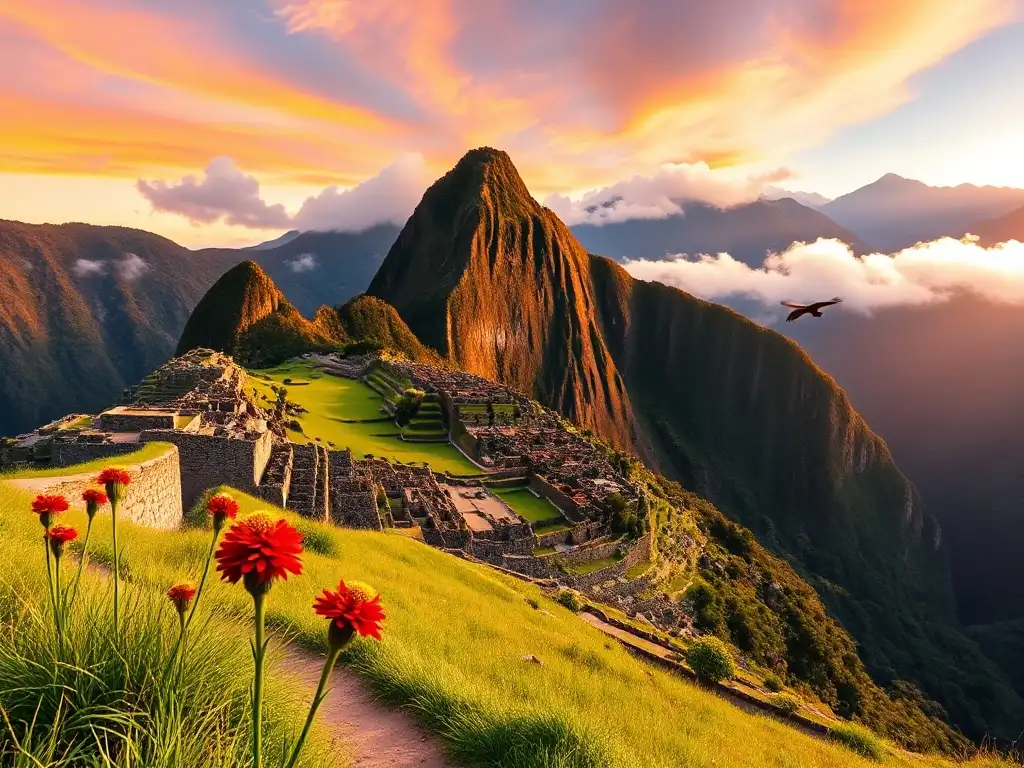
Step into a world lost to time, yet echoing with the whispers of a magnificent empire. Imagine trekking through the breathtaking landscapes that once witnessed the rise and fall of the Incas. This is more than history; it's a journey waiting to be planned. Discover the secrets of the Andean civilizations, from the intricate artistry of the Nazca lines to the awe-inspiring engineering feats of the Inca Empire. Ready to embark on your own adventure? Let's begin planning your unforgettable Inca Empire travel planning experience, exploring the Andes today.
-
Exploring the Inca Empire: Your Ultimate Travel Planning Guide
- Unveiling the Majesty of the Inca Empire: Why Plan a Journey?
- Understanding the Scope of Inca Empire Travel
- Defining Your Inca Trail Adventure: Options and Considerations
- Choosing Your Inca Empire Travel Style: Group Tours vs. Independent Travel
- Key Inca Empire Sites for Your Itinerary
- Essential Gear for Your Inca Empire Expedition
- Navigating Inca Empire Travel Logistics
- Budgeting Your Inca Empire Adventure
- Timing Your Inca Empire Visit: Best Season to Travel
- Health and Safety Tips for Inca Empire Explorers
- Maximizing Your Inca Empire Experience
- After Your Inca Adventure: Reflection and Continued Exploration
-
Frequently Asked Questions
- What is the best time of year to visit sites of the Inca Empire?
- How can I get to Machu Picchu and other major Inca sites?
- What are some essential things to pack for a trip exploring Inca sites?
- Are there guided tours available to explore Inca ruins and other historical sites?
- How much time should I allocate for a trip focused on exploring the Inca Empire?
- Final Reflection: Echoes of the Empire: A Legacy Worth Exploring
- Embark on Your Incan Adventure Today!
Exploring the Inca Empire: Your Ultimate Travel Planning Guide
The Inca Empire, a civilization that flourished in the Andes Mountains from the 15th to the 16th centuries, left an indelible mark on history and continues to captivate travelers from around the globe. This comprehensive guide serves as your ultimate resource for planning an unforgettable journey through the remnants of this remarkable empire.
From the breathtaking Machu Picchu to the sacred Valley of the Urubamba, we will delve into the logistical aspects of exploring Inca sites, ensuring your trip is both enriching and efficient. We'll explore the best time to visit, essential considerations for navigating the high altitude, and practical tips for maximizing your experience, ultimately helping you craft an Inca Empire travel plan that truly resonates with your interests and capabilities.
This guide is designed to assist you in planning your trip, focusing on the Inca Empire and its incredible legacy, answering the crucial questions every traveler needs to ask before embarking on such an adventure. Get ready to uncover the mysteries and marvels of this ancient civilization!
Unveiling the Majesty of the Inca Empire: Why Plan a Journey?
The Inca Empire's allure stems from its breathtaking landscapes, sophisticated engineering feats, and rich cultural heritage. Planning a journey through this vast empire isn't merely about ticking off tourist destinations; it's about immersing yourself in a history that continues to resonate today. Imagine standing amidst the ruins of Machu Picchu, feeling the echoes of a civilization that thrived in the face of formidable challenges. Picture yourself trekking through the Andes Mountains, tracing the ancient Inca trails and marveling at the ingenuity of their road system.
A well-planned trip allows you to experience these wonders in their full context, gaining a deeper appreciation for the Inca's achievements in architecture, agriculture, and social organization. Furthermore, thoughtful planning ensures you can manage the logistical challenges associated with traveling in the Andes, including altitude sickness and navigating potentially remote locations. Don't just visit; experience the legacy of the Inca Empire.
Understanding the Scope of Inca Empire Travel
Planning a trip to explore the Inca Empire requires understanding its vast geographical expanse. The empire stretched across a significant portion of the Andes Mountains, encompassing modern-day Peru, Bolivia, Ecuador, Colombia, Argentina, and Chile. This vast area presents both incredible opportunities and logistical challenges. Some key areas to consider include:
- The Sacred Valley (Peru): Home to numerous Inca ruins, including Ollantaytambo and Pisac, the Sacred Valley offers a blend of history, culture, and stunning scenery. It serves as an excellent base for exploring Machu Picchu.
- Machu Picchu (Peru): The iconic lost city of the Incas, Machu Picchu requires careful planning due to its popularity and limited access. Booking train tickets and entrance permits well in advance is crucial.
- Cusco (Peru): The former capital of the Inca Empire, Cusco is a vibrant city with a rich history and serves as a central hub for exploring the region. Acclimatization to the altitude is essential before venturing to higher elevations.
- Other significant sites: Beyond these well-known locations, numerous lesser-known but equally fascinating Inca sites exist throughout the Andes, offering a more off-the-beaten-path experience. Researching these sites and incorporating them into your itinerary can lead to a truly unique adventure.
Careful consideration of travel time between these locations and the availability of transportation is paramount. The mountainous terrain can impact travel times, and pre-booking transportation is strongly recommended, especially during peak season. Remember to factor in sufficient time for acclimatization to the altitude, as this is crucial for enjoying your trip safely and comfortably. Planning your itinerary with these factors in mind will ensure a smooth and rewarding journey through the heart of the Inca Empire.
Defining Your Inca Trail Adventure: Options and Considerations
Planning your Inca Trail trek requires careful consideration of several factors. The classic Inca Trail to Machu Picchu is a challenging 4-day, 3-night trek, requiring a reasonable level of fitness and prior hiking experience. Permits are essential and often book up months in advance, highlighting the importance of early planning for Inca Empire travel. Alternative treks, such as the Salkantay Trek or Inca Jungle Trek, offer varying levels of difficulty and scenery, catering to different preferences and fitness levels.
These alternative routes often provide a more immersive experience, showcasing diverse Andean landscapes and less crowded trails. Consider your physical capabilities, desired level of challenge, and available time when selecting your trek. Factors like altitude sickness susceptibility should also be factored into the decision-making process.
Remember to consult with your doctor and a reputable travel agency specializing in Inca Trail treks to ensure a safe and unforgettable adventure. Choosing the right gear, including appropriate hiking boots, clothing, and a reliable backpack, is also crucial for a successful journey. This careful planning guarantees a memorable experience exploring the Inca legacy.
Choosing Your Inca Empire Travel Style: Group Tours vs. Independent Travel
Deciding between a group tour and independent travel significantly impacts your Inca Empire exploration. Group tours offer convenience, pre-arranged itineraries, and the expertise of local guides, easing the logistical complexities of navigating the region. They can be particularly beneficial for first-time visitors, offering a structured experience with built-in support. However, they might lack the flexibility and personalization of independent travel.
Independent travel allows for greater freedom to customize your itinerary, explore at your own pace, and delve deeper into specific interests within the Inca Empire. This approach, however, demands more meticulous planning, including booking accommodations, transportation, and entry tickets well in advance. It also requires a higher level of self-reliance and resourcefulness.
The cost comparison is also a key factor: group tours typically offer a more predictable budget, while independent travel can range from budget-friendly to luxurious, depending on your choices. Ultimately, the best option depends on your travel style, budget, and desired level of independence. Weighing these factors carefully will help you make an informed decision for your Inca Empire adventure.
Key Inca Empire Sites for Your Itinerary
Your Inca Empire journey should include visits to several key sites to fully appreciate the civilization's legacy. Prioritizing these locations will ensure you experience the most significant aspects of Inca history and culture.
Machu Picchu: The Crown Jewel of Inca Ruins
Machu Picchu stands as an iconic symbol of the Inca Empire, a breathtaking citadel perched high in the Andes Mountains. Its intricate stonework, agricultural terraces, and stunning views captivate visitors from around the globe. Planning your visit requires obtaining entrance tickets well in advance, particularly during peak season.
Consider exploring Machu Picchu at different times of the day to experience varying light and crowds. The mountain hikes Huayna Picchu or Machu Picchu Mountain offer exceptional panoramic views, but require separate permits and advanced booking. Remember that access to the site can be affected by weather conditions, so flexibility is key.
Cusco: The Heart of the Inca Empire
Cusco, the former capital of the Inca Empire, retains a captivating blend of Inca and colonial architecture. Exploring its cobblestone streets, visiting the Qorikancha (Temple of the Sun), and wandering through the San Blas artisan district offers a rich cultural immersion. Allow ample time to acclimatize to the altitude before undertaking strenuous activities. Consider taking a guided tour to learn more about Cusco's rich history and significance within the Inca Empire. The city's vibrant markets and diverse culinary scene also offer opportunities to engage with local culture.
Ollantaytambo: A Gateway to the Sacred Valley
Ollantaytambo, a remarkably well-preserved Inca fortress, provides a glimpse into the empire's military and agricultural prowess. Its impressive terraces and intricate stonework demonstrate the advanced engineering skills of the Inca people. Ollantaytambo also serves as a crucial gateway to the Sacred Valley, providing access to other significant Inca sites. The town itself offers charming accommodations and a vibrant atmosphere. Consider visiting during a less crowded time of day to fully appreciate its grandeur.
The Sacred Valley: Exploring Inca Agricultural Innovations
The Sacred Valley, nestled between Cusco and Machu Picchu, showcases the Inca's mastery of agriculture. Its fertile lands were ingeniously terraced to maximize crop production, even on steep slopes. Exploring sites like Pisac, with its impressive ruins and vibrant market, and Moray, with its unique circular agricultural terraces, provides insights into the Inca's sophisticated agricultural techniques. These sites demonstrate the ingenuity and resourcefulness of the Inca people in adapting to their challenging environment. Consider hiring a local guide to learn about the specific agricultural practices employed in the Sacred Valley.
Other Notable Inca Sites: Expanding Your Exploration
Beyond the major sites, numerous other Inca ruins and archaeological locations offer rewarding explorations. Sites like Sacsayhuamán, a massive fortress overlooking Cusco, and Tambomachay, an intriguing water temple, provide further insights into the Inca civilization. Consider incorporating these sites into your itinerary depending on your time and interests. Researching lesser-known sites can lead to more unique and less crowded experiences. Remember to prioritize sites that align with your interests and available time. A well-planned itinerary allows for a comprehensive exploration of the Inca Empire's vast legacy.
Essential Gear for Your Inca Empire Expedition
Planning a trip to explore the Inca Empire requires careful consideration of your gear. The altitude, varied climates, and challenging terrains demand preparation. Packing the right equipment will ensure a comfortable and safe journey, maximizing your experience and minimizing potential discomfort. Let's delve into the essentials:
Hiking Gear for Inca Trails
Hiking through the Inca Trail or other Inca sites often involves steep inclines, uneven paths, and unpredictable weather. Therefore, sturdy and comfortable footwear is paramount. Invest in well-broken-in hiking boots with good ankle support. Trekking poles are highly recommended to ease the strain on your knees and ankles, particularly on downhill sections.
Layers are key to adapting to changing temperatures. Pack lightweight, quick-drying base layers, fleece mid-layers, and a waterproof and windproof outer shell. Don't forget a comfortable backpack with enough capacity for water, snacks, and extra layers. A wide-brimmed hat will protect you from the sun, while sunglasses will shield your eyes from the intense glare at high altitudes.
Photography Equipment for Capturing Inca Majesty
The Inca Empire offers breathtaking landscapes and awe-inspiring ruins. To adequately capture these wonders, you'll want reliable photography equipment. A high-quality DSLR or mirrorless camera with interchangeable lenses is ideal. A wide-angle lens is essential for capturing expansive views of the Andes Mountains and sprawling ruins, while a telephoto lens will help you zoom in on intricate details of the stonework.
Remember extra batteries and ample memory cards; charging opportunities might be limited. Consider a tripod for stable shots, especially in low-light conditions or when shooting time-lapses. A cleaning kit is also vital for maintaining your equipment's performance. Don't forget to bring a portable charger to keep your devices powered throughout the day!
Planning the logistics of your Inca Empire journey is crucial for a smooth and enjoyable experience. From flights and transportation to insurance and visas, careful preparation is essential to navigate the complexities of traveling in Peru. Let's explore the key aspects of planning your trip:
Booking Flights and Transportation within Peru
Peru offers various flight options to reach major cities like Cusco, the gateway to many Inca sites. Booking flights in advance, particularly during peak season, is highly recommended to secure the best prices and availability. Once in Peru, you can utilize domestic flights to reach more remote locations, or explore bus travel, which offers a more immersive experience and allows for scenic views.
Consider the travel time and your budget when selecting transportation methods between cities and sites. Domestic flights often prove efficient for longer distances, while buses are preferable for shorter distances and provide opportunities to engage with local culture.
Securing Travel Insurance for Your Inca Journey
Comprehensive travel insurance is strongly recommended for any trip to the Inca Empire. Altitude sickness, unexpected illnesses, and potential accidents are real possibilities. A good insurance policy will cover medical expenses, emergency evacuations, and trip cancellations or interruptions. Ensure your policy covers activities like trekking and hiking, as these are common aspects of exploring Inca sites. Carefully review the terms and conditions of your policy before you travel to understand the extent of coverage. It's advisable to choose a plan that offers sufficient coverage for medical emergencies, especially considering the remote locations of some Inca sites.
Visa Requirements and Travel Documents
Before embarking on your Inca Empire adventure, verify the visa requirements for your nationality. Many nationalities can enter Peru visa-free for tourism purposes for a limited time period. However, it's crucial to check the specific rules and regulations for your country of origin well in advance of your departure date. Ensure your passport is valid for at least six months beyond your intended stay in Peru.
Make copies of your passport, visa (if required), and other essential travel documents. Store these copies separately from the originals to protect against loss or theft. Carrying a printed copy of your flight and accommodation confirmations is also beneficial. Having all necessary documents organized and readily accessible will significantly reduce stress during your journey.
Budgeting Your Inca Empire Adventure
Planning a trip to explore the Inca Empire requires careful budgeting. The cost can vary significantly depending on your travel style, the length of your stay, and the level of luxury you prefer. Factors like flights, accommodation, internal travel, food, entrance fees to sites, and guided tours all contribute to the overall expense. A well-defined budget is crucial for a smooth and enjoyable journey. This section will help you estimate costs and explore ways to save money without compromising the quality of your Inca Empire experience.
Estimated Costs for Accommodation, Food, and Activities
Accommodation costs in Peru range widely. Budget hostels can cost as little as $10-$20 USD per night, while mid-range hotels might range from $50-$100 USD, and luxury hotels can easily exceed $200 USD per night. Food costs are similarly variable. Street food can be incredibly affordable, with meals costing around $5-$10 USD, while dining in restaurants can range from $15-$50 USD or more per meal, depending on the establishment.
Entrance fees to sites like Machu Picchu can add up; expect to pay around $50 USD for a general admission ticket. Guided tours, which are highly recommended for a deeper understanding of the sites, can cost anywhere from $50-$200 USD per day, depending on the tour's length and inclusivity. Internal travel, including buses and trains, will also contribute to your expenses.
For example, the train journey to Aguas Calientes (the town closest to Machu Picchu) can cost upwards of $70 USD per person, each way. Therefore, a realistic budget should consider these variable costs. A ten-day trip could range from $1,000 USD (budget travel) to $5,000 USD (comfortable travel) or even more for luxury travel, excluding international flights.
Tips for Saving Money on Your Trip
Several strategies can help you save money while exploring the Inca Empire. Consider traveling during the shoulder seasons (avoiding peak season) for lower prices on accommodation and flights. Opting for budget-friendly accommodation like hostels or guesthouses can significantly reduce your costs. Eating at local markets and trying street food is a delicious and affordable way to experience Peruvian cuisine.
Taking advantage of free activities, such as hiking and exploring local towns, can also reduce expenses. Booking tours and transportation in advance can sometimes secure better deals, especially if you book as part of a package. Finally, packing light can help avoid baggage fees on flights and trains. Remember, thoughtful planning and research can allow you to experience the wonders of the Inca Empire without breaking the bank.
Timing Your Inca Empire Visit: Best Season to Travel
The best time to visit the Inca Empire depends on your priorities. The dry season, from May to September, offers the best weather for hiking and exploring the sites, with clear skies and minimal rainfall. However, this is also the peak tourist season, resulting in higher prices and larger crowds. The wet season, from October to April, offers lower prices and fewer crowds, but be prepared for potential rain and some trail closures.
Weather Considerations in the Andes
The Andes Mountains experience diverse weather patterns, varying significantly with altitude and location. The higher altitudes, where many Inca sites are located, can experience significant temperature fluctuations, even within a single day. Packing layers is essential, regardless of the season. During the dry season, expect sunny days with cool nights.
During the wet season, expect rain showers, often in the afternoons, but even then, you can still enjoy sunny mornings. Be prepared for potential changes in weather conditions, especially at higher altitudes, and always check the forecast before embarking on any hikes or excursions. Altitude sickness is also a significant consideration, especially at higher elevations. Acclimatizing gradually is crucial to avoid this.
Avoiding Crowds and Peak Season Prices
To avoid the largest crowds and the highest prices, consider visiting during the shoulder seasons—April and May, or September and October. While you might encounter some rain, the sites will be significantly less crowded, and you'll likely find better deals on accommodation and flights. Additionally, consider visiting less popular Inca sites, such as Ollantaytambo or Pisac, which offer equally impressive architecture and history but attract fewer tourists than Machu Picchu.
Planning your trip during the weekdays, rather than weekends, can also help to reduce the number of people you encounter. Early morning visits to the most popular sites are also less crowded than midday or afternoon visits. Careful planning and consideration of these factors will significantly enhance your experience of the Inca Empire.
Health and Safety Tips for Inca Empire Explorers
Planning a trip to explore the Inca Empire requires careful consideration of health and safety. The high altitude, diverse climates, and remote locations present unique challenges. Thorough preparation is key to ensuring a safe and enjoyable journey. This section outlines crucial health and safety tips to maximize your experience and minimize risks.
Altitude Sickness Prevention: Acclimatization Strategies
Altitude sickness, or acute mountain sickness (AMS), is a common concern when visiting the Andes. The Inca trail and many other significant sites are located at high altitudes, significantly impacting those unaccustomed to such environments. Prevention is paramount. Gradual acclimatization is the most effective strategy.
This involves spending several days at lower altitudes before ascending to higher elevations. For instance, spending a few days in Cusco (around 11,152 feet) before attempting the Inca Trail (reaching altitudes over 13,000 feet) significantly reduces the risk. Staying hydrated is crucial; drink plenty of water and avoid alcohol and caffeine, which dehydrate the body. Resting adequately and avoiding strenuous activity upon arrival at high altitudes is also vital.
Consider consulting your doctor about altitude sickness medication, like Diamox, but only under medical supervision. Recognizing the symptoms of AMS, such as headache, nausea, and dizziness, is crucial for early intervention. If symptoms worsen, descend to a lower altitude immediately.
Food and Water Safety in Peru
Food and water safety are crucial aspects of travel in Peru. While Peruvian cuisine is renowned for its delicious flavors, it's essential to be cautious about food hygiene. Stick to reputable restaurants and eateries, opting for well-cooked food and avoiding raw or undercooked meats and seafood. Boiling or purifying water is highly recommended, or purchasing bottled water from sealed containers.
Avoid ice in drinks unless you are absolutely certain of its source. Consider packing some anti-diarrheal medication as a precaution, though this should not replace preventative measures. Proper hand hygiene is also essential. Carry hand sanitizer and wash your hands frequently, especially before eating.
General Safety Precautions for Travelers
Beyond altitude and food safety, taking general safety precautions is vital for a smooth trip. Be aware of your surroundings, especially in crowded areas. Keep valuables secure and avoid displaying expensive jewelry or electronics. Use reputable transportation services and avoid hitchhiking. Inform someone of your itinerary and check-in regularly.
Familiarize yourself with local emergency numbers. It’s wise to purchase travel insurance that covers medical emergencies and evacuations, particularly given the remote nature of some Inca sites. Learning a few basic Spanish phrases can enhance your interaction with locals and potentially help in emergency situations. Being mindful of your belongings and maintaining a cautious approach will significantly enhance your safety.
Maximizing Your Inca Empire Experience
Beyond simply visiting the sites, enriching your Inca Empire journey involves active engagement with the culture and history. This section provides strategies to maximize your experience, transforming it from a simple sightseeing trip into a truly immersive and memorable adventure.
Learning Basic Quechua Phrases
Quechua, the language of the Inca Empire, is still spoken by many people in the Andes. Learning a few basic phrases, such as greetings ("¡Hola! ", "Buenos días," "Buenas noches"), thank you ("Gracias"), and please ("Por favor"), can significantly enhance your interactions with locals. This simple gesture shows respect and can lead to more authentic and meaningful experiences. Even a few words can create a positive impression and foster deeper connections. Many online resources and apps offer Quechua language lessons for beginners.
Respecting Local Customs and Traditions
Respecting local customs and traditions is paramount. The Andean culture is rich and deeply rooted in its history. Before your trip, research basic cultural norms and etiquette. For example, be mindful of appropriate dress, particularly when visiting religious sites. Ask permission before taking photographs of people, and always be respectful of their privacy. Avoid loud or disruptive behavior, especially in sacred places. Remembering that you are a guest in their land and behaving accordingly will significantly enhance your experience and show respect for the local community.
Engaging with Local Communities
Engage with local communities by supporting local businesses, purchasing handicrafts directly from artisans, and participating in community-based tourism initiatives. This not only contributes to the local economy but also provides opportunities to learn more about their culture and way of life. Seek out opportunities to interact respectfully with locals, asking questions about their lives and traditions, while always remaining mindful of their time and privacy. By actively engaging with the community, you will gain a much richer understanding of the Inca legacy and its lasting impact on the present day.
After Your Inca Adventure: Reflection and Continued Exploration
The echoes of Inca history will likely linger long after you've left the majestic ruins. The sheer scale of the empire, the ingenuity of its architecture, and the resilience of its people leave a lasting impression. Take time to reflect on your journey. Did any particular site resonate with you more strongly than others?
Perhaps the intricate stonework of Machu Picchu captivated you, or the sheer expanse of Sacsayhuamán left you awestruck. Journaling your experiences can be a powerful way to process your emotions and solidify your memories. Consider creating a photo album or even a travel blog to share your incredible adventure with others. The stories you share will not only relive your personal journey but also inspire others to explore the Inca legacy.
Beyond the immediate post-trip reflection, consider how you can continue exploring the Inca world. Numerous books, documentaries, and museums offer in-depth perspectives on Inca culture, technology, and daily life. Engaging with these resources will enrich your understanding and allow you to further appreciate the complexity of this remarkable civilization. You might discover fascinating details about Inca agriculture, their sophisticated textile production, or their complex social structures. Perhaps you'll even be inspired to learn Quechua, the language spoken by many descendants of the Inca Empire, to gain a deeper connection with the culture.
Furthermore, the Inca Empire's influence extends beyond the geographical boundaries of its former territory. Consider researching the lasting impact of Inca traditions on modern-day Andean societies. You might find parallels in contemporary art forms, agricultural practices, or social structures that reflect the enduring legacy of the Inca.
Exploring these connections can provide a fascinating context for your previous journey and enrich your understanding of the Inca’s continuing influence on the region. This continued exploration can transform your Inca adventure from a fleeting experience into a lifelong journey of learning and appreciation. The wonders of the Inca Empire are vast and multifaceted; your journey through their legacy is far from over.
Frequently Asked Questions
What is the best time of year to visit sites of the Inca Empire?
The dry season (May to September) offers the best weather for exploring Inca sites, with clear skies and less rainfall. However, this is also peak tourist season, so book accommodations and tours in advance.
How can I get to Machu Picchu and other major Inca sites?
Reaching sites like Machu Picchu often involves a combination of flights to Cusco, followed by train journeys or bus rides, depending on the specific location. Consider booking transportation well in advance, especially during peak season.
What are some essential things to pack for a trip exploring Inca sites?
Pack comfortable walking shoes, as you'll be doing a lot of hiking. Don't forget layers of clothing to adapt to changing weather conditions, and sun protection is crucial at high altitudes.
Are there guided tours available to explore Inca ruins and other historical sites?
Yes, guided tours are highly recommended, especially for Machu Picchu. Guides provide valuable context and insights into the history and significance of the sites, enhancing your experience.
How much time should I allocate for a trip focused on exploring the Inca Empire?
The ideal trip length depends on your interests. A comprehensive exploration of major sites could take at least 10-14 days, allowing for travel time and sufficient exploration of each location. Shorter trips are possible, focusing on fewer locations.
Final Reflection: Echoes of the Empire: A Legacy Worth Exploring
The Inca Empire, a civilization that once commanded a vast and breathtaking landscape, continues to resonate today, not just in the magnificent ruins that dot the Andes, but in the enduring spirit of its people and the profound questions it poses about human ingenuity and societal organization. Its legacy is not merely a historical curiosity; it's a living testament to the power of human ambition and resilience, a legacy that continues to inspire awe and wonder in all who encounter it.
Planning a journey through the Inca Empire is more than just ticking off tourist destinations; it's an immersion into a rich tapestry of history, culture, and breathtaking natural beauty. The echoes of their sophisticated agricultural techniques, intricate social structures, and awe-inspiring architecture still reverberate across the mountains. As the renowned anthropologist, Clifford Geertz, once wrote, Man is an animal suspended in webs of significance he himself has spun.
The Inca Empire, with its intricate web of roads, terraces, and societal norms, is a powerful example of this human capacity to create meaning and order in the world.
Consider the impact of this civilization, its ingenuity, and its ultimate fate. What can we learn from their successes and failures? You, the reader, are now equipped with the knowledge to plan your own journey, not just geographically, but intellectually and spiritually. Embrace the opportunity to connect with this remarkable civilization, to walk in the footsteps of the Inca, and to reflect on the enduring power of human endeavor. Let the legacy of the Inca inspire you to explore, to learn, and to appreciate the rich tapestry of human history.
Embark on Your Incan Adventure Today!
Thank you for exploring the rich history and legacy of the Inca civilization with us! We hope you've gained valuable insights and feel inspired to learn more. Now is the perfect time to start planning your own journey through this incredible empire.
Here are some engaging next steps:
- Begin planning your trip! Research the best routes to iconic sites such as Machu Picchu, Cusco, and the Sacred Valley. Consider incorporating local traditions and experiences into your itinerary for a richer, more authentic experience.
- Connect with fellow travelers in our community by sharing your thoughts and travel plans in the comments below. Exchange tips and stories to enhance your preparation and excitement.
- Explore Incan culture beyond the typical tourist destinations. Learn about local crafts, cuisine, and festivals to gain a deeper understanding of the vibrant heritage that continues to thrive today.
As you plan your journey, what aspect of Incan culture or history most captivates you, and how will you incorporate it into your adventure?