
Inca Pottery: Functional and Artistic Expressions of Culture

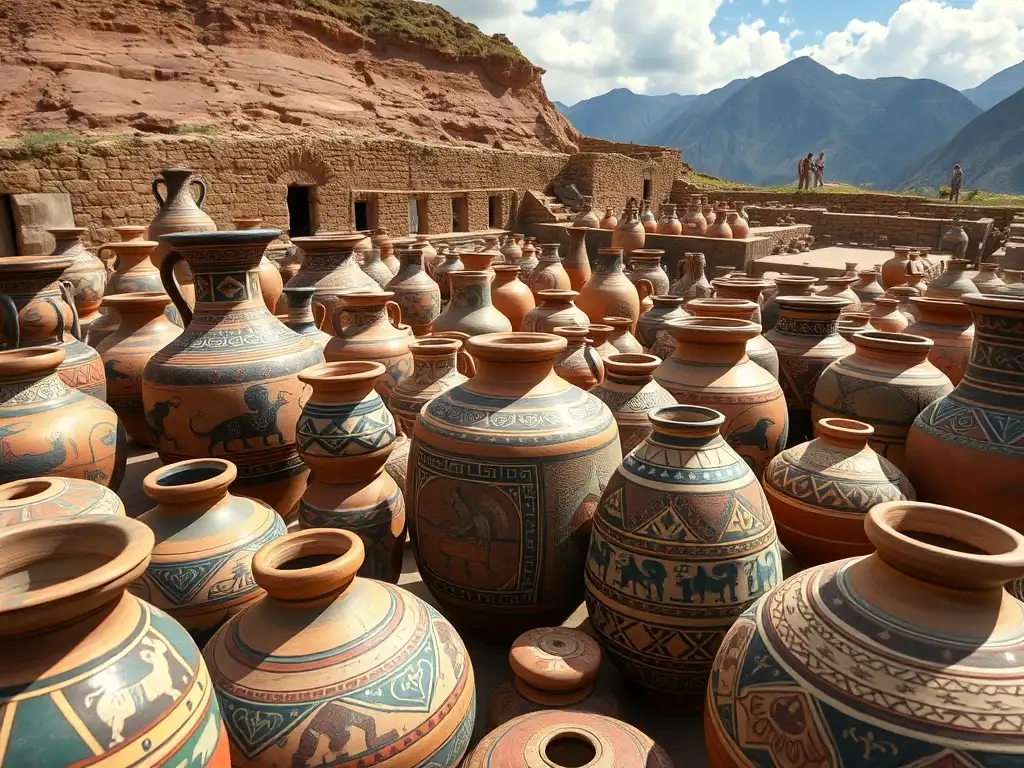
Step into a world lost to time, yet vibrantly alive in its legacy. Discover the breathtaking artistry and ingenuity of the Andean civilizations, from the towering heights of the Inca Empire to the enigmatic artistry of the Nazca. But first, prepare to be amazed by the Inca pottery styles and techniques – a testament to their mastery of form and function that reveals untold stories of their rich culture. Unravel the secrets behind their exquisite craftsmanship and delve deeper into the fascinating world that awaits you.
The Inca Empire, a civilization that flourished in the Andes Mountains from the 15th to the 16th century, left behind a remarkable legacy. Beyond their impressive architectural feats and sophisticated administrative systems, the Incas possessed a highly developed artistic tradition, vividly reflected in their pottery. This article delves into the fascinating world of Inca pottery, exploring the diverse styles and techniques employed, and revealing how these ceramic creations served both functional and artistic purposes, deeply intertwined with Inca culture and beliefs.
We will examine how Inca pottery styles and techniques reflect the society's social structures, religious practices, and daily life, providing a window into the rich tapestry of Andean civilization. Understanding Inca pottery offers a unique perspective on the complexity and sophistication of this remarkable empire, showcasing its artistic mastery and the enduring connection between art and everyday life.
Introduction to Inca Ceramics
Inca pottery, unlike the elaborate metalwork and stone carvings that often overshadow it, provides a unique insight into the daily lives of the Inca people. While often less visually striking than other Inca artifacts, its ubiquity and functional diversity offer a compelling narrative. The sheer volume of surviving pottery fragments demonstrates its widespread use across all social strata, from simple utilitarian vessels to more elaborately decorated pieces for ceremonial purposes.
The techniques employed, ranging from basic hand-building to more advanced wheel-throwing (though less common in the Inca heartland than in coastal regions), reflect a sophisticated understanding of materials and firing processes. The most common clay types used were readily available locally, often exhibiting variations in color and texture depending on the region. These differences, along with stylistic variations, allow archaeologists to trace trade routes and identify regional variations within the vast Inca empire.
The careful study of Inca ceramic styles and techniques reveals a complex interplay between functionality and artistry, reflecting the ingenuity and adaptability of Inca artisans. Many pieces show remarkable attention to detail, with intricate designs and precise execution, highlighting the high level of skill possessed by Inca potters.
The Significance of Pottery in Inca Society
Pottery held a multifaceted significance within Inca society, extending far beyond its practical applications. It served as a crucial element in daily life, utilized for storing food, water, and other essential commodities. Simple bowls, jars, and jugs, often undecorated or featuring basic geometric patterns, were commonplace in households across the empire. However, beyond these everyday objects, pottery played a vital role in religious ceremonies and elite status. Elaborately decorated vessels, featuring intricate designs and sometimes incorporating precious metals, were used in rituals and offered as tributes to the gods. The imagery depicted on these ceremonial pieces often included mythological figures, sacred animals, and symbolic motifs, providing valuable insights into Inca religious beliefs and cosmology. The styles and techniques employed in creating these ceremonial pieces differed significantly from those used in producing everyday pottery, reflecting the hierarchical structure of Inca society and the importance of religious practices. Analyzing the iconography and the materials used in these vessels allows us to understand the complexities of Inca religious beliefs and social hierarchies. Further research into the distribution and context of discovery of these pieces could shed more light on the intricate social and religious life of the Inca people. The use of different colors, forms, and decorative elements could also reveal information about regional styles and social status.
Further Research Areas
Further research is needed to fully understand the nuanced relationship between Inca pottery styles and techniques and the social and political organization of the empire. This includes a more detailed analysis of regional variations in pottery styles, a more comprehensive study of the raw materials used in pottery production, and a deeper understanding of the role of pottery in Inca religious practices. This will allow for a richer and more complete understanding of Inca civilization and its artistic heritage.
Inca Pottery Styles and Techniques: An Overview
Inca pottery, a testament to the ingenuity and artistic prowess of the Inca civilization, showcases a remarkable range of styles and techniques. The empire's vast geographical expanse and diverse regional traditions influenced the development of distinct pottery styles, yet a unifying aesthetic permeates much of Inca ceramic production. Common characteristics include the use of primarily natural pigments derived from minerals and plants, creating a palette of earthy tones – reds, browns, yellows, and blacks. The most prevalent techniques involved hand-building, particularly coiling, although the wheel was not utilized.
Surface decoration varied widely, encompassing simple geometric patterns, intricate zoomorphic and anthropomorphic designs, and complex narrative scenes. These designs often reflected Inca cosmology, mythology, and social structures. Studying Inca pottery provides invaluable insights into their worldview, daily life, and artistic capabilities.
The evolution of Inca pottery styles also reveals changes in societal organization and technological advancements throughout the empire's history. We see a progression from simpler forms and decorations in earlier periods to more elaborate styles in later stages, reflecting increased complexity and sophistication. The analysis of stylistic variations across different regions of the Inca Empire also helps archaeologists understand the degree of centralized control versus regional autonomy in craft production.
Forms and Functions of Inca Pottery
Inca pottery wasn't merely decorative; it served a multitude of crucial functions in daily life, religious rituals, and administrative practices. The shapes, sizes, and decorations of vessels reflected their intended use, providing a fascinating window into the practical and spiritual aspects of Inca society. The diversity of forms reflects the multifaceted nature of Inca life, from the simple storage of grains to the complex rituals honoring their deities.
The careful examination of these forms and their associated decorations allows us to reconstruct a detailed picture of Inca material culture and its significance in their social and religious systems. The sheer volume of surviving pottery also speaks to the scale of Inca production and distribution networks, hinting at a sophisticated economic system that supported both local needs and imperial demands. This wide array of forms and functions is a key aspect of understanding Inca pottery styles and techniques.
Everyday Inca Pottery: Utilitarian Vessels
Everyday Inca pottery consisted primarily of simple, functional vessels designed for cooking, eating, drinking, and storing food and water. These pieces were usually made from readily available clays and were often undecorated or featured simple geometric patterns. Common forms included bowls, plates, jars, and cups, varying in size and shape to suit their specific purpose.
For example, large jars were used for storing grains and other staples, while smaller bowls and cups were used for eating and drinking. The production of these utilitarian vessels likely involved a division of labor, with some individuals specializing in shaping the clay while others focused on firing and finishing the pots.
The durability and practicality of these everyday vessels are a testament to the Inca's understanding of materials and their ability to create functional objects that met the needs of their society. The relative simplicity of their decoration didn't detract from their importance, as these were the everyday tools that sustained Inca communities.
Inca Ritual Pottery: Ceremonial Purposes
In contrast to the utilitarian vessels, Inca ritual pottery was often highly decorated and featured complex designs reflecting their religious beliefs and practices. These ceremonial pieces were used in religious ceremonies, offerings, and funerary rites. Common motifs included representations of deities, mythical creatures, and symbolic elements related to Inca cosmology. The materials used in the creation of ritual pottery were often of higher quality, and the techniques employed were more sophisticated.
Colors were often more vibrant, and the designs were more intricate. The shapes of ritual vessels could also be more elaborate, with some pieces taking on the form of animals or human figures. The creation and use of ritual pottery were likely overseen by priests or other religious specialists, and their production may have been centralized in specific locations. The high level of craftsmanship evident in these pieces underlines the significance of religion in Inca society.
Inca Pottery for Storage and Transportation
Inca pottery played a vital role in storage and transportation, particularly for agricultural products and other essential goods. Large, sturdy jars and containers were used to store grains, dried foods, and other provisions. These vessels were often made from durable clay and were designed to withstand the rigors of transport and storage.
The shapes and sizes of these storage vessels varied according to the goods they were intended to contain. For example, large, wide-mouthed jars were used for storing grains, while smaller, narrower containers were used for liquids or other smaller items. The development of effective storage and transportation systems was crucial to the Inca Empire's success, enabling them to manage and distribute resources efficiently across their vast territory.
The design and production of these storage vessels highlight the Inca's understanding of logistics and their ability to create functional objects that supported their economic and administrative systems. The durability of these containers is another testament to Inca engineering capabilities, allowing for safe and efficient transportation of vital resources across the empire.
Materials and Clay Preparation for Inca Ceramics
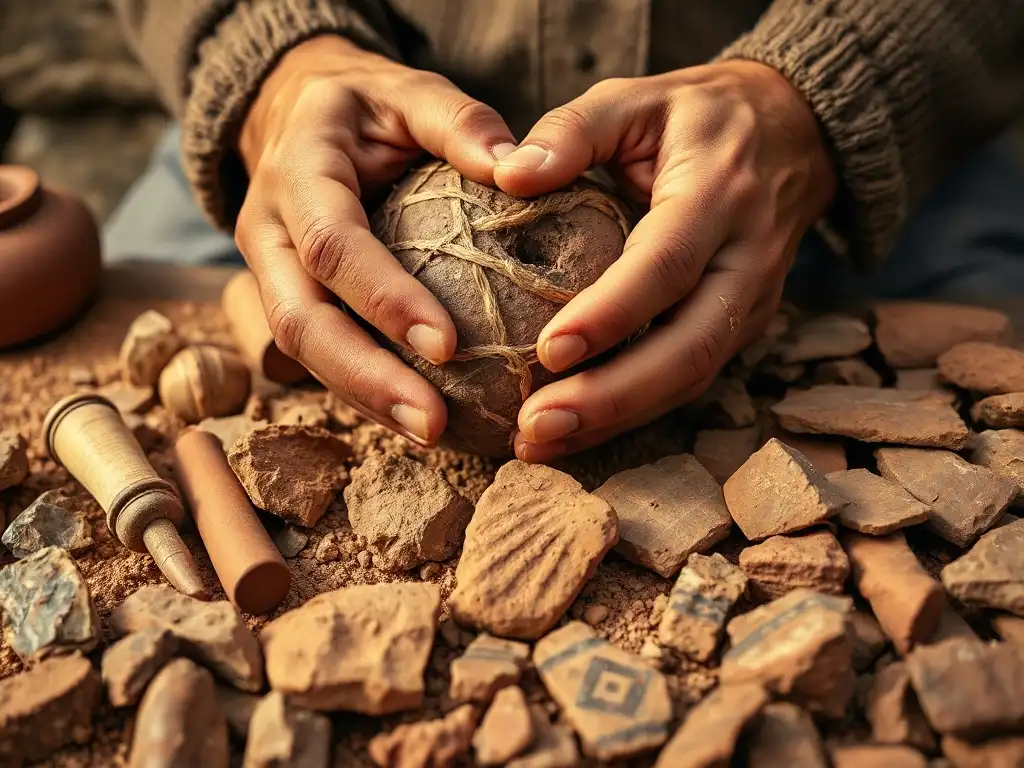
The creation of exquisite Inca pottery began with the sourcing and preparation of high-quality clay. Access to suitable materials was crucial, influencing both the style and distribution of ceramic production across the vast Inca Empire. The quality of the clay directly impacted the final product's strength, durability, and aesthetic appeal.
Potters carefully selected clays based on their plasticity, color, and firing properties, demonstrating a sophisticated understanding of material science. The process wasn't simply about gathering raw materials; it involved a series of meticulous steps to refine the clay, ensuring a consistent and workable texture for shaping and decorating the vessels. This meticulous attention to detail speaks to the high value placed on pottery within Inca society, reflecting its multifaceted role in daily life, religious practices, and elite displays of power.
Sources of Clay for Inca Pottery Production
Inca potters utilized a diverse range of clay sources, adapting to the local geological conditions across the empire. Clay deposits were found in river valleys, along coastlines, and even in higher altitude regions. The specific composition of the clay varied depending on the location, resulting in differences in color and texture. Some clays were naturally rich in iron oxides, leading to reddish-brown hues, while others produced lighter shades of beige or cream.
The availability of these diverse clay sources allowed for regional variations in pottery styles, although certain techniques and decorative motifs were consistent throughout the empire. This geographically diverse sourcing demonstrates the Inca's mastery of logistics and their ability to procure essential resources for their craft across vast distances. Further research is needed to fully map the precise locations of all major clay sources used in Inca pottery production. [Specific information pending: Detailed map of clay sources].
Inca Techniques for Preparing and Refining Clay
The raw clay extracted from the earth underwent a rigorous preparation process before it could be used in pottery making. This involved several steps, beginning with the careful removal of impurities such as stones, pebbles, and organic matter. The clay was then repeatedly washed and filtered to achieve a uniform consistency. This process, often involving sieving through woven materials, ensured the removal of any coarse particles that could affect the final product's quality.
After washing, the clay was often left to dry and then carefully kneaded to further refine its texture and to remove any remaining air bubbles. This kneading process, often done by hand, was essential for achieving the desired plasticity and workability of the clay. The resulting refined clay was then ready for shaping into various forms, demonstrating a sophisticated understanding of material science and the importance of careful preparation in achieving high-quality results.
Inca Pottery Decoration: Motifs and Iconography
Inca pottery decoration wasn't merely ornamental; it was a powerful means of conveying cultural beliefs, social status, and historical narratives. The intricate designs and symbolic motifs found on Inca ceramics offer valuable insights into the rich cultural tapestry of this ancient civilization. The choice of decorative elements, their arrangement, and the techniques used to apply them all contributed to the overall meaning and significance of the finished product. The sophisticated artistry involved shows a high level of skill and artistic expression among Inca potters.
Geometric Patterns in Inca Pottery Design
Geometric patterns, characterized by their precision and regularity, are a prominent feature of Inca pottery design. These patterns, often composed of triangles, squares, zigzags, and stepped frets, frequently adorn the surfaces of vessels, creating visually striking and complex designs. The use of geometric motifs is thought to have had symbolic significance, possibly representing concepts such as order, balance, and the cosmos.
The careful execution of these patterns, often using tools like stamps or incised lines, reflects the high level of skill and precision attained by Inca potters. The complexity and sophistication of these geometric designs vary across different regions and time periods, highlighting the dynamism and evolution of Inca artistic styles.
Zoomorphic and Anthropomorphic Motifs in Inca Ceramics
Beyond geometric designs, Inca pottery frequently incorporates zoomorphic and anthropomorphic motifs, depicting animals and human figures. These representations are often stylized, but they provide glimpses into the Inca worldview and their understanding of the natural and spiritual worlds. Animals such as condors, llamas, and jaguars, often imbued with symbolic meaning, frequently appear in Inca pottery.
Human figures, sometimes depicted in ceremonial attire or engaging in specific activities, also appear, suggesting social hierarchies and ritual practices. The depiction of these figures and animals often demonstrates a remarkable ability to capture movement and expression despite the stylistic constraints of the medium. The use of these motifs helps us understand the Inca's relationship with their environment and their belief systems.
The Use of Color in Inca Pottery Decoration
Color played a significant role in Inca pottery decoration, adding another layer of meaning and visual impact to the designs. The use of vibrant colors, achieved through the application of pigments derived from natural sources, enhanced the aesthetic appeal of the vessels and often carried symbolic significance. Red, black, white, and yellow were frequently used, often in combination to create complex polychrome designs.
The application techniques varied, with some colors applied as slips before firing, while others were painted onto the already fired surface. The skillful blending and layering of colors created a visual richness that enhanced the overall artistic effect of the pottery. The intentional use of color, both in its symbolic meaning and aesthetic impact, underscores the artistry and sophistication of Inca ceramic production.
Inca Pottery Production Centers and Workshops
The Inca Empire, renowned for its sophisticated administrative system, also boasted a highly organized pottery production network. While not centralized in a single location like some other aspects of Inca governance, key pottery production centers emerged strategically across the empire. These weren't simply scattered workshops; they were often integrated into larger economic and social structures. For instance, evidence suggests that certain villages or even entire districts specialized in pottery production, supplying the surrounding regions and potentially even contributing to imperial tributes.
The organization of these workshops likely involved specialized labor, with potters possessing varying levels of skill and expertise. This ranged from those creating simple, everyday vessels to master artisans crafting elaborate ceremonial pieces. Archaeological excavations frequently uncover evidence of these workshops, including kilns, discarded pottery shards, and tools used in the pottery-making process.
The sheer volume of pottery unearthed in these locations speaks to the scale of production and the importance of pottery within the Inca economy and society. The distribution of these centers, moreover, reveals insights into Inca trade routes and communication networks, further highlighting the sophisticated nature of their administrative control. Further research into the specific organization of these workshops, including the social standing of the potters and the nature of their employment, is necessary to fully understand the intricacies of Inca pottery production.
Regional Variations in Inca Pottery Styles
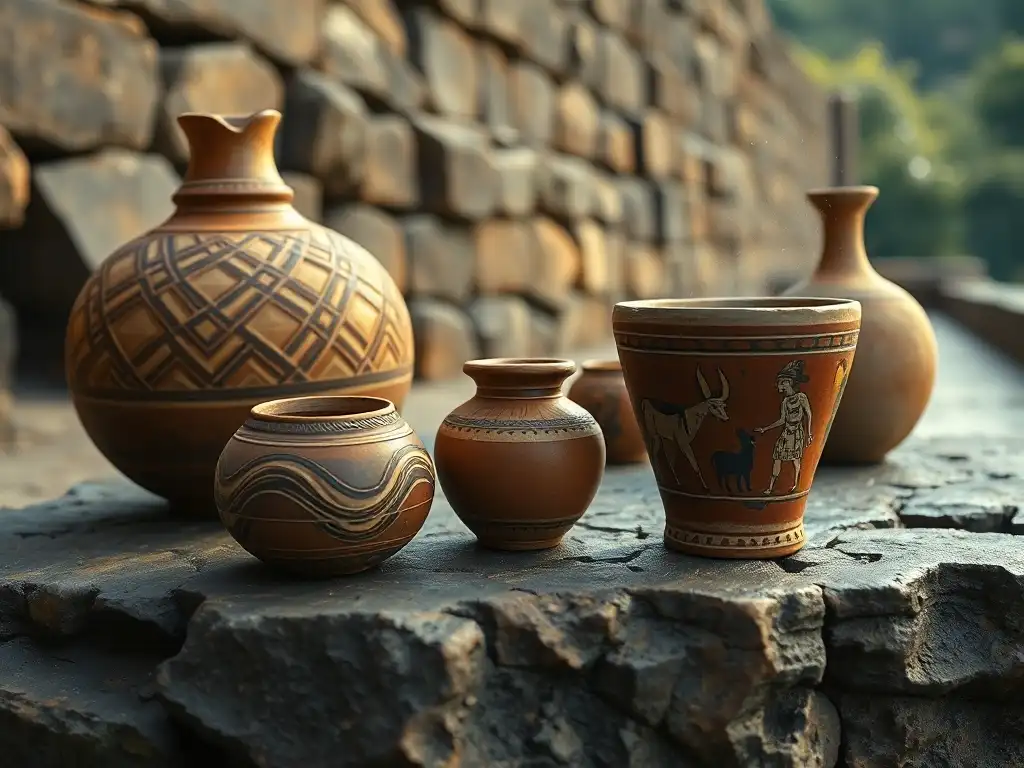
Despite the empire's centralized administration, Inca pottery exhibits remarkable regional variation. While certain stylistic elements, such as the use of specific colors or decorative motifs, appear consistently across the empire, subtle differences in form, technique, and decoration reflect the influence of local traditions and available resources. This diversity wasn't necessarily a sign of weakness in imperial control; instead, it points to a pragmatic approach to governance that allowed for local adaptations within a broader framework of imperial standardization.
For example, pottery from the coastal regions often showcases different techniques and designs compared to those found in the highlands, reflecting the varying environmental conditions and local artistic traditions. This regional diversity is clearly visible in the decorative styles, with some regions favoring geometric patterns while others incorporated zoomorphic or anthropomorphic motifs. The variations in clay types and firing techniques further contribute to the regional distinction of Inca pottery.
The careful study of these regional variations provides crucial insights into the complex interplay between imperial control and local autonomy within the Inca Empire. Understanding these nuances requires a detailed analysis of pottery from various regions across the empire, comparing and contrasting their unique characteristics.
The Influence of Previous Cultures on Inca Ceramics
Inca pottery didn't emerge in a vacuum. The Inca Empire inherited and adapted existing ceramic traditions from the various cultures they conquered and incorporated into their vast realm. For example, the sophisticated pottery-making techniques and styles of the preceding Wari and Tiwanaku cultures significantly influenced Inca ceramic production.
The distinctive styles and techniques of these earlier Andean civilizations were not simply superseded; instead, Inca artisans creatively integrated and modified these elements, resulting in a unique synthesis of old and new. This fusion is evident in the continuity of certain decorative motifs, forms, and techniques found in both pre-Inca and Inca pottery. The Inca, being astute administrators, recognized the value of existing expertise and incorporated skilled artisans from conquered territories into their production system.
This process of cultural exchange and adaptation is a crucial aspect of understanding the evolution of Inca pottery styles and techniques. Further research is necessary to fully elucidate the specific contributions of each preceding culture and the mechanisms by which these traditions were integrated into the Inca system.
Local Adaptations in Inca Pottery Design
While the Inca Empire imposed a degree of standardization on pottery production, local artisans retained a significant degree of autonomy in adapting designs and techniques to their specific environments and cultural contexts. This is evident in the subtle variations found in pottery from different regions, even within the same stylistic tradition. Local access to materials, including clay types and pigments, played a crucial role in shaping regional variations.
Furthermore, local beliefs and artistic preferences influenced the choice of decorative motifs and the overall aesthetic of the pottery. This adaptation wasn't simply a matter of convenience; it reflects a strategy of incorporating local knowledge and skills into the imperial production system. This approach fostered a sense of continuity and ensured the incorporation of regional identities within the broader framework of the Inca state.
The interplay between imperial standardization and local adaptation resulted in a dynamic and diverse range of Inca pottery styles, highlighting the complex relationship between central authority and regional autonomy within the empire. A deeper investigation into the specific circumstances of these adaptations and the mechanisms through which they were facilitated would further enhance our understanding of Inca pottery production and imperial governance.
The Legacy of Inca Pottery: Influence and Preservation
Inca pottery's legacy extends far beyond its historical significance; it continues to resonate in contemporary Andean art and culture, and its preservation is a testament to its enduring value. The intricate designs, vibrant colors, and masterful techniques employed by Inca artisans have inspired generations of artists and potters. The stylistic elements—geometric patterns, zoomorphic representations, and depictions of daily life—are readily identifiable and continue to be incorporated into modern ceramic works, demonstrating the enduring influence of Inca artistic traditions.
This influence isn't limited to high art either; many contemporary Andean craftspeople utilize traditional techniques to create functional pottery that echoes the forms and styles of their ancestors. The persistence of these artistic traditions highlights the cultural continuity and pride associated with Inca heritage.
Moreover, the vibrant colors and unique aesthetic sensibilities showcased in Inca pottery have also influenced other art forms, including textiles and metalwork, further solidifying its impact on the region's cultural landscape. The legacy is not only artistic but also a powerful symbol of cultural identity and continuity.
Inca Pottery in Modern Andean Art and Craft
The influence of Inca pottery on contemporary Andean art and craft is undeniable. Modern artists and artisans often draw inspiration from the forms, designs, and techniques used in ancient Inca pottery, resulting in a vibrant and ever-evolving artistic tradition. Many contemporary potters meticulously recreate traditional Inca styles, utilizing similar clays, pigments, and firing techniques to produce pieces that are remarkably faithful to their ancient counterparts.
This dedication to preserving traditional methods ensures that the unique qualities of Inca pottery—its texture, color depth, and durability—are maintained. However, contemporary artists also experiment with innovative approaches, blending traditional Inca styles with modern artistic expressions. This fusion of old and new creates exciting and dynamic works that both honor the past and embrace the present.
For example, some artists incorporate modern themes and imagery into their pottery, while retaining the distinctive Inca aesthetic. This ongoing dialogue between tradition and innovation ensures that Inca pottery's legacy remains alive and relevant in the 21st century. The result is a rich tapestry of artistic expression that reflects both the enduring power of Inca artistic traditions and the creativity of contemporary Andean artists.
Preservation Efforts for Inca Ceramic Artifacts
The preservation of Inca ceramic artifacts is crucial for understanding the Inca civilization's rich history and artistic achievements. Museums and archaeological institutions play a vital role in safeguarding these fragile relics through careful cataloging, storage, and conservation efforts. Advanced techniques, such as 3D scanning and digital imaging, are increasingly used to create detailed records of Inca pottery, allowing for detailed study without handling the original artifacts and minimizing the risk of damage.
Moreover, meticulous restoration work is undertaken on damaged pieces to stabilize them and prevent further deterioration. This often involves painstakingly reassembling fragments and carefully repairing cracks using specialized materials. Furthermore, educational programs and public awareness campaigns play a critical role in promoting the importance of protecting Inca pottery and other cultural heritage sites.
These initiatives help to instill a sense of responsibility and stewardship among the public, encouraging responsible tourism and discouraging looting and illicit trade. By combining scientific expertise with community engagement, preservation efforts ensure that future generations can appreciate and learn from the remarkable artistry and cultural significance of Inca pottery. The ongoing commitment to preservation is essential to safeguarding a tangible link to the past and ensuring the enduring legacy of Inca civilization.
Conclusion: The Enduring Importance of Inca Pottery
Inca pottery stands as a remarkable testament to the artistic skill, technological ingenuity, and cultural richness of the Inca civilization. Its enduring importance lies not only in its aesthetic beauty and functional utility but also in its capacity to illuminate aspects of Inca society, beliefs, and daily life. Through careful study of Inca pottery styles and techniques, researchers continue to unravel new insights into the complexities of this fascinating culture.
The vibrant colors, intricate designs, and diverse forms of Inca pottery provide a captivating glimpse into the past, enriching our understanding of a civilization that left an indelible mark on the Andean world. Moreover, the ongoing influence of Inca pottery on contemporary Andean art and craft demonstrates the enduring power of its artistic legacy. The preservation of these artifacts is crucial for safeguarding this invaluable cultural heritage and ensuring that future generations can appreciate the remarkable achievements of the Inca people.
The study and appreciation of Inca pottery is, therefore, not merely an academic pursuit, but a vital contribution to preserving cultural memory and fostering a deeper understanding of human history and artistic expression. The enduring appeal and significance of Inca pottery are a testament to its artistic excellence and its lasting cultural impact.
- Introduction to Inca Ceramics
- The Significance of Pottery in Inca Society
- Inca Pottery Styles and Techniques: An Overview
- Forms and Functions of Inca Pottery
- Materials and Clay Preparation for Inca Ceramics
- Inca Pottery Decoration: Motifs and Iconography
- Inca Pottery Production Centers and Workshops
- Regional Variations in Inca Pottery Styles
- The Legacy of Inca Pottery: Influence and Preservation
- Conclusion: The Enduring Importance of Inca Pottery
Frequently Asked Questions
What materials did the Inca use to create their pottery?
The Inca primarily used clay, often mixed with temper like sand or crushed rock, to create their pottery. This mixture ensured the pottery's strength and durability during firing.
How did Inca pottery techniques differ from other Andean cultures?
While sharing some similarities, Inca pottery often featured simpler forms and less elaborate decoration compared to some earlier Andean cultures like the Moche. Standardized styles emerged under the Inca empire.
What were the main functions of Inca pottery?
Inca pottery served both functional and ceremonial purposes. Vessels were used for everyday tasks like storing food and water, while others held ritual significance.
What are some common decorative motifs found in Inca pottery?
Common motifs include geometric patterns, zoomorphic designs, and representations of mythological beings. These designs often reflected Inca beliefs and worldview.
Where can I learn more about Inca pottery styles and techniques?
You can explore museums with Andean collections, academic journals specializing in archaeology, and reputable websites like this one dedicated to Inca pottery styles and techniques. Further research will reveal more details.
Final Reflection: Echoes of the Andes: A Legacy in Clay
The vibrant artistry of Inca pottery isn't merely a relic of the past; it's a powerful testament to human ingenuity and cultural resilience that continues to resonate today. The intricate designs, innovative techniques, and sheer variety of Inca pottery styles offer a window into a sophisticated civilization that thrived in the challenging Andean landscape. Understanding these techniques allows us to appreciate not only the aesthetic beauty but also the deep cultural significance embedded within each piece.
The enduring influence of Inca pottery extends far beyond museums and academic circles. Its impact on contemporary art, design, and even tourism is undeniable. The bold colors, geometric patterns, and symbolic imagery continue to inspire artists and designers worldwide, demonstrating the timeless appeal of this ancient craft. The past is never dead. It's not even past.
– William Faulkner. This quote perfectly encapsulates the enduring legacy of Inca pottery, its forms and styles echoing through time, shaping our understanding of the past and influencing our present.
Consider the intricate detail, the masterful control of materials, the stories whispered in the designs – these are not just objects; they are vessels of history, expressions of faith, and testaments to human creativity. You too can become a part of this legacy. Take a moment to appreciate the artistry you encounter, whether it's in a museum exhibit, a photograph, or even a modern piece inspired by Inca techniques. Let the echoes of the Andes inspire you to explore the rich tapestry of human expression and the enduring power of cultural heritage.
Unveil the Beauty of Inca Pottery Today!
Thank you for exploring the fascinating world of Inca pottery with us! We hope you've gained a deeper appreciation for these beautiful artifacts, where artistry and functionality are seamlessly combined. Now, let's delve further into this vibrant culture.
Here are some ways you can continue your exploration:
- **Learn to make pottery yourself! ** Many local workshops and online classes offer instruction, providing a truly immersive cultural experience.
- **Share your passion! ** Discuss Inca pottery with friends, family, or on social media to help spread awareness of this rich cultural heritage.
- **Visit a museum! ** If you're an art enthusiast, consider visiting a museum with an Andean collection to see these remarkable pieces firsthand.
What aspect of Inca pottery most surprised you, and how will you apply this newfound knowledge to your own creative endeavors?