
The Living Legacy: Revitalizing Traditional Andean Crafts and Skills

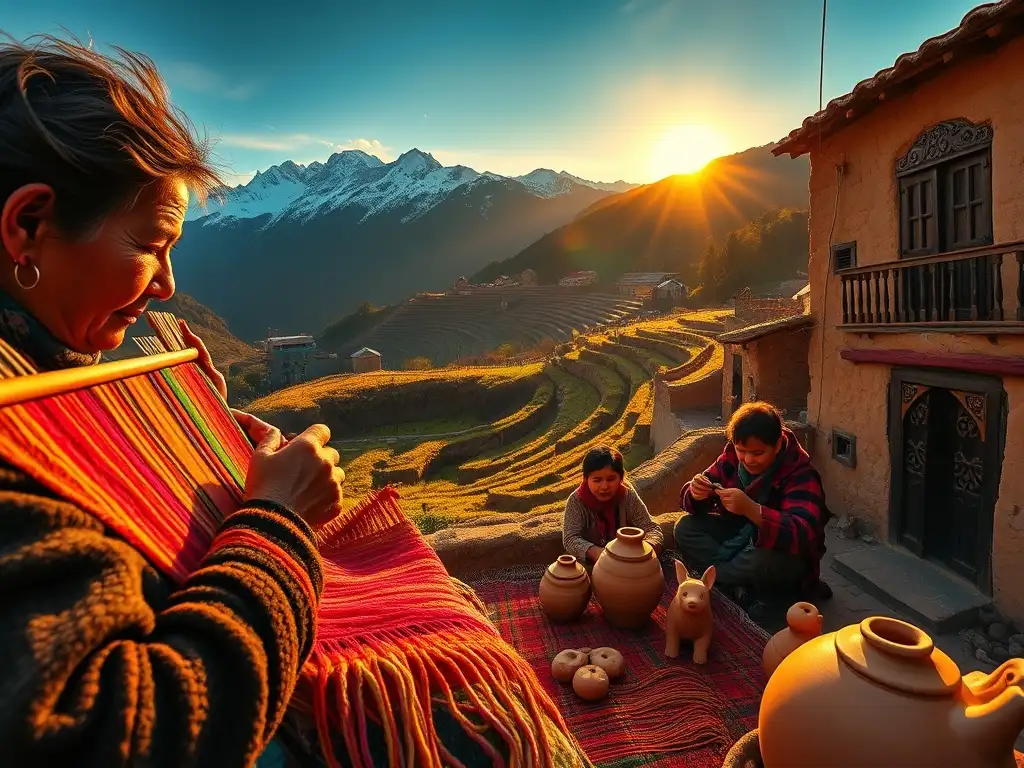
Step into a world lost to time, yet vibrantly alive. For centuries, the Andes Mountains have echoed with the whispers of magnificent civilizations. Discover the ingenuity and artistry of the Incas, Moche, Nazca, and Tiahuanaco, and witness the enduring power of their legacy. But what happens when ancient techniques are reborn? Explore the fascinating story of Andean craft revival techniques and uncover the secrets behind a cultural resurgence that's bridging the past and present. Prepare to be amazed.
The Andes Mountains, a spine of majestic peaks running down the western coast of South America, have nurtured some of the world's most fascinating and enduring civilizations. For millennia, ingenious Andean peoples—from the Incas to the Moche, Nazca, and Tiahuanaco—developed sophisticated techniques in weaving, pottery, metalworking, and stone carving, creating breathtaking artifacts that reflect their unique worldview and profound connection to their environment.
This article delves into the crucial efforts underway to revitalize these traditional Andean crafts and skills, exploring the techniques used in this revival and highlighting the importance of preserving this invaluable cultural heritage for future generations. We will examine the challenges and successes in the ongoing Andean craft revival, showcasing the dedication of artisans and organizations working to ensure that these ancient traditions continue to thrive in the modern world.
The preservation of these crafts is not merely about maintaining artistic traditions; it's about safeguarding a living legacy that embodies the ingenuity, resilience, and cultural richness of the Andean peoples. Understanding the techniques involved in this revival is key to appreciating the depth and complexity of Andean cultural heritage and its ongoing relevance.
Introduction to Andean Craftsmanship and Its Significance
Andean craftsmanship is renowned for its intricate designs, high-quality materials, and the deep cultural significance imbued in each piece. For centuries, these crafts served not only practical purposes but also played crucial roles in religious ceremonies, social structures, and the expression of artistic creativity. Consider, for example, the intricate textiles of the Andes, often incorporating vibrant colors derived from natural dyes and featuring complex patterns that tell stories and transmit knowledge across generations.
Similarly, the mastery of metalworking, evident in the gold and silver artifacts of the pre-Columbian era, demonstrates an advanced understanding of metallurgy and artistic expression. The precision and artistry involved in stone carving, particularly in monumental structures like those found at Machu Picchu and Tiahuanaco, are testaments to the advanced engineering and artistic skills of Andean civilizations. The revival of these techniques requires not only technical skill but also a deep understanding of the cultural context and symbolic meanings embedded within each craft.
This understanding is crucial for ensuring the authenticity and integrity of the revived traditions. Without this knowledge, the revival would be merely a replication, lacking the soul and significance of the original practices.
Examples of Traditional Andean Crafts
- Textiles: Alpaca and llama wool weaving, using backstrap looms and intricate dyeing techniques.
- Pottery: Creating intricately decorated vessels using various techniques, such as coil building and slip painting.
- Metalworking: Working with gold, silver, and copper to create jewelry, tools, and ceremonial objects.
- Stone Carving: Sculpting intricate designs in stone, often using sophisticated tools and techniques.
The Importance of Preserving Andean Cultural Heritage
The preservation of Andean crafts is paramount for several reasons. Firstly, it safeguards a vital part of the region's cultural identity. These crafts are not merely objects; they are tangible expressions of history, beliefs, and artistic traditions that have been passed down through generations. Their continued practice ensures that this rich heritage remains alive and relevant in contemporary society.
Secondly, preserving these traditions supports the livelihoods of many Andean communities. For many artisans, crafting is a source of income, allowing them to maintain their traditional way of life and contribute to the economic well-being of their communities. The revival of these crafts can provide new economic opportunities and empower local communities. Finally, the preservation of traditional Andean techniques offers valuable insights into the ingenuity and resourcefulness of past civilizations.
Studying these techniques can provide valuable knowledge for contemporary artisans and researchers alike, leading to innovations and advancements in various fields. The loss of these crafts would represent an irreplaceable loss to humanity, diminishing our understanding of the past and limiting the potential for future innovation. The ongoing efforts to revitalize these techniques are therefore not simply acts of preservation but also investments in the future, ensuring that the vibrant cultural tapestry of the Andes continues to enrich the world.
- Introduction to Andean Craftsmanship and Its Significance
- The Importance of Preserving Andean Cultural Heritage
Challenges Facing Traditional Andean Crafts
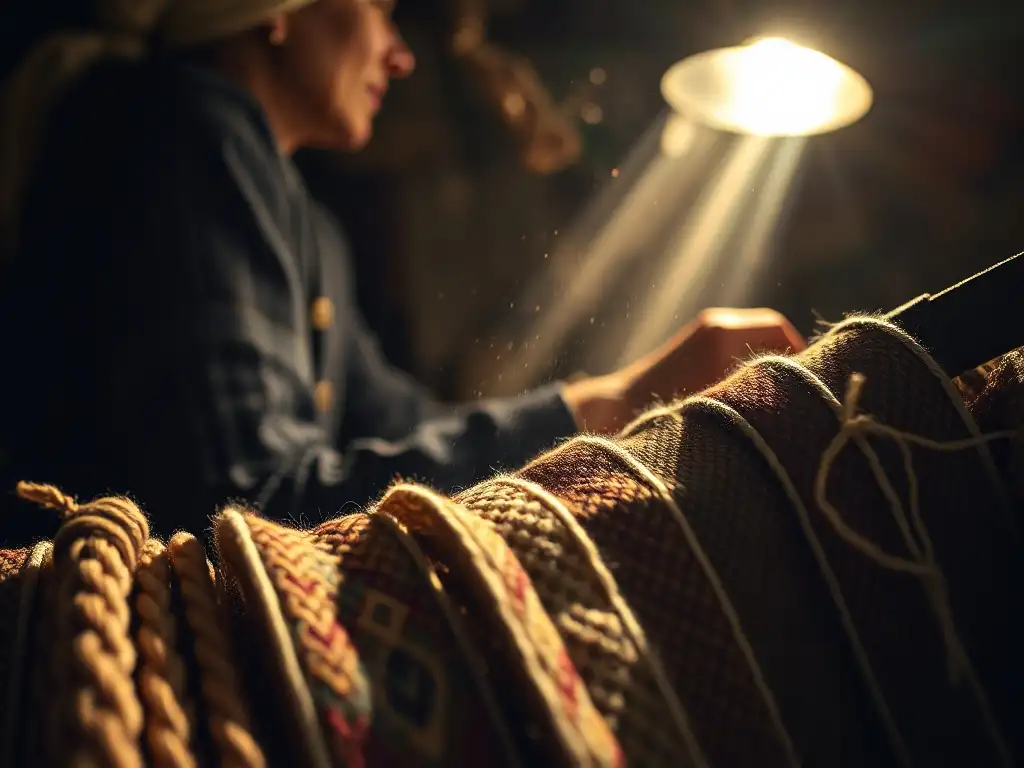
The revitalization of Andean crafts faces significant hurdles, demanding innovative strategies and collaborative efforts to ensure their continued existence and evolution. Understanding these challenges is crucial for effective preservation and the sustainable development of these invaluable cultural expressions. The following sections delve into the key obstacles hindering the flourishing of Andean craft revival techniques.
Modernization and the Decline of Traditional Skills
Modernization presents a double-edged sword for Andean craft traditions. While offering access to new technologies and markets, it simultaneously threatens the transmission of traditional skills. The younger generation, increasingly drawn to urban centers and modern professions, often lacks the interest or opportunity to learn the intricate techniques passed down through generations.
This leads to a critical knowledge gap, jeopardizing the future of many unique crafts. For instance, the meticulous process of creating intricate textiles using backstrap looms, a technique passed down for centuries, is now facing a decline as younger artisans opt for faster, machine-based methods. This isn't solely a matter of speed; it's a loss of cultural knowledge, embodied in the intricate patterns and symbolic representations woven into the fabric.
The delicate balance between embracing innovation and preserving heritage requires careful consideration and strategic intervention. Preserving and promoting apprenticeship programs, integrating traditional techniques into modern education systems, and showcasing the value of these skills are vital steps towards bridging this generational divide and ensuring the survival of these invaluable crafts.
Economic Pressures on Andean Artisans
Economic pressures significantly impact the viability of Andean craft production. The artisans often face challenges in competing with mass-produced, cheaper goods from global markets. The intricate, labor-intensive nature of many Andean crafts means that the production costs are inherently higher, making it difficult to achieve profitability, especially in the face of fluctuating market demands.
Furthermore, access to fair trade markets and opportunities for sustainable income generation remains a significant obstacle for many artisans, particularly those in remote communities with limited access to infrastructure and resources. This economic vulnerability compels many artisans to abandon their traditional crafts in favor of more lucrative, albeit less fulfilling, employment opportunities.
Understanding the complex economic landscape faced by Andean artisans is crucial for developing effective support mechanisms, including fair trade initiatives, access to microfinance, and market development strategies that ensure the economic sustainability of these unique craft traditions. Data suggests that [specific data on artisan income and market access pending] highlighting the urgent need for intervention.
The Impact of Globalization on Indigenous Craft Practices
Globalization, while presenting opportunities for increased market access, also poses significant threats to the authenticity and integrity of Andean craft practices. The pressure to adapt to global market demands can lead to compromises in the traditional techniques and designs, resulting in a homogenization of styles and the dilution of unique cultural expressions. The influx of mass-produced imitations further undermines the economic viability of authentic Andean crafts, creating unfair competition and eroding the cultural value associated with these handcrafted items.
Furthermore, the increasing popularity of certain crafts can lead to overexploitation of resources and unsustainable practices, further threatening the long-term sustainability of these traditions. Protecting the intellectual property rights of Andean artisans and promoting responsible tourism and consumption are crucial in mitigating these negative impacts.
The challenge lies in finding a balance between embracing global markets and preserving the cultural integrity and sustainability of these invaluable Andean craft revival techniques. Strategies such as establishing clear guidelines for authenticity, supporting artisan cooperatives, and promoting cultural tourism that respects and benefits the local communities are critical for ensuring the long-term survival of these traditions.
Andean Craft Revival Techniques: Strategies for Preservation
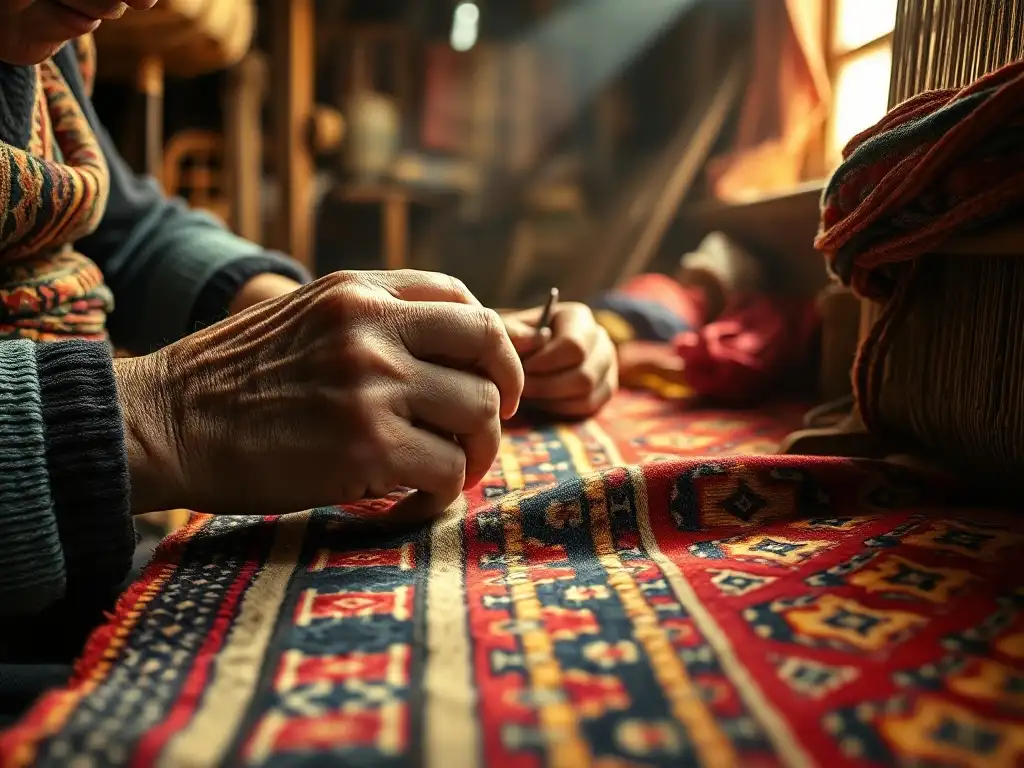
This section delves into the multifaceted strategies employed to revitalize traditional Andean crafts and skills, focusing on the crucial role of community engagement, comprehensive training, and environmentally conscious material sourcing. The preservation of these invaluable cultural expressions requires a holistic approach, addressing both the human and ecological aspects of craft production. Understanding these "Andean craft revival techniques" is essential for ensuring the continued flourishing of this rich heritage.
Community-Based Initiatives for Craft Revitalization
Community-based initiatives are proving to be incredibly effective in the revival of Andean crafts. These initiatives often operate on the principle of collective empowerment, fostering collaboration and knowledge sharing amongst artisans. For instance, many cooperatives are emerging, providing artisans with access to markets, resources, and crucial business skills. This collaborative model not only strengthens the economic viability of traditional crafts but also helps to safeguard the knowledge transmission across generations. The success of these initiatives hinges on several key factors:
- Shared Decision-Making: Effective cooperatives prioritize collective decision-making, ensuring that the artisans’ voices are heard and their needs are addressed. This participatory approach fosters ownership and commitment, resulting in more sustainable and successful projects.
- Fair Trade Practices: These initiatives actively promote fair trade principles, guaranteeing fair wages and ethical working conditions for artisans. This is critical for attracting and retaining skilled artisans and for ensuring the long-term sustainability of the craft.
- Marketing and Distribution: Access to markets is crucial. Many successful initiatives focus on developing robust marketing and distribution strategies, connecting artisans directly with consumers both domestically and internationally. This can involve online platforms, participation in craft fairs, and collaborations with retailers committed to ethical sourcing.
- Cultural Preservation: Beyond economic benefits, community initiatives often integrate cultural preservation efforts. This includes documenting traditional techniques, organizing workshops to share knowledge, and celebrating traditional festivals related to the craft.
Education and Training Programs for Andean Artisans
The transmission of traditional Andean craft skills often relies on informal apprenticeship models. However, to ensure the long-term survival of these skills, structured education and training programs are essential. These programs should aim to:
- Formalize Traditional Knowledge: Many techniques are passed down orally, making them vulnerable to loss. Formalizing this knowledge through documentation, manuals, and workshops helps to preserve and disseminate it effectively.
- Introduce Modern Techniques: While preserving tradition is paramount, incorporating modern techniques can enhance efficiency and productivity without compromising the craft's integrity. This could include the use of improved tools, sustainable materials, and innovative design approaches.
- Develop Business Skills: Artisans often lack business acumen, hindering their ability to thrive economically. Training programs should include modules on marketing, finance, and entrepreneurship to empower artisans to manage their businesses effectively.
- Promote Intergenerational Learning: Encouraging interaction between master artisans and younger generations is critical for ensuring knowledge transfer. Mentorship programs and collaborative workshops can facilitate this process, fostering a sense of continuity and legacy.
The impact of these training initiatives is measurable through increased artisan income, improved product quality, and a growing number of young people engaging in traditional crafts. Data on specific program successes, however, is [specific information pending] and would further strengthen this analysis.
Sustainable Sourcing of Materials for Traditional Crafts
The sustainability of Andean crafts is inextricably linked to the responsible sourcing of materials. Many traditional crafts rely on natural resources, and their extraction and processing must be carried out in an environmentally friendly manner. Key aspects of sustainable sourcing include:
- Responsible Harvesting: This involves implementing practices that minimize environmental impact, such as selective harvesting, replanting, and avoiding overexploitation of resources. For example, the sustainable harvesting of alpaca wool is crucial for the long-term viability of textile crafts.
- Use of Recycled Materials: Incorporating recycled or upcycled materials can significantly reduce the environmental footprint of craft production. This not only conserves resources but can also create unique and innovative designs.
- Minimizing Waste: Implementing efficient production processes that minimize waste is vital. This can involve optimizing material usage, utilizing by-products, and adopting waste reduction strategies throughout the production chain.
- Support for Local Producers: Prioritizing the sourcing of materials from local producers supports local economies and reduces transportation costs and emissions. This strengthens community ties and promotes economic sustainability.
The adoption of these sustainable sourcing practices is not only environmentally responsible but also enhances the ethical and social value of Andean crafts, attracting environmentally conscious consumers and contributing to a more sustainable future for the craft sector. Further research into specific case studies demonstrating the impact of sustainable material sourcing on Andean craft production is [specific information pending]. The adoption of these strategies is crucial for the long-term success of the Andean craft revival.
Specific Examples of Andean Craft Revival Projects
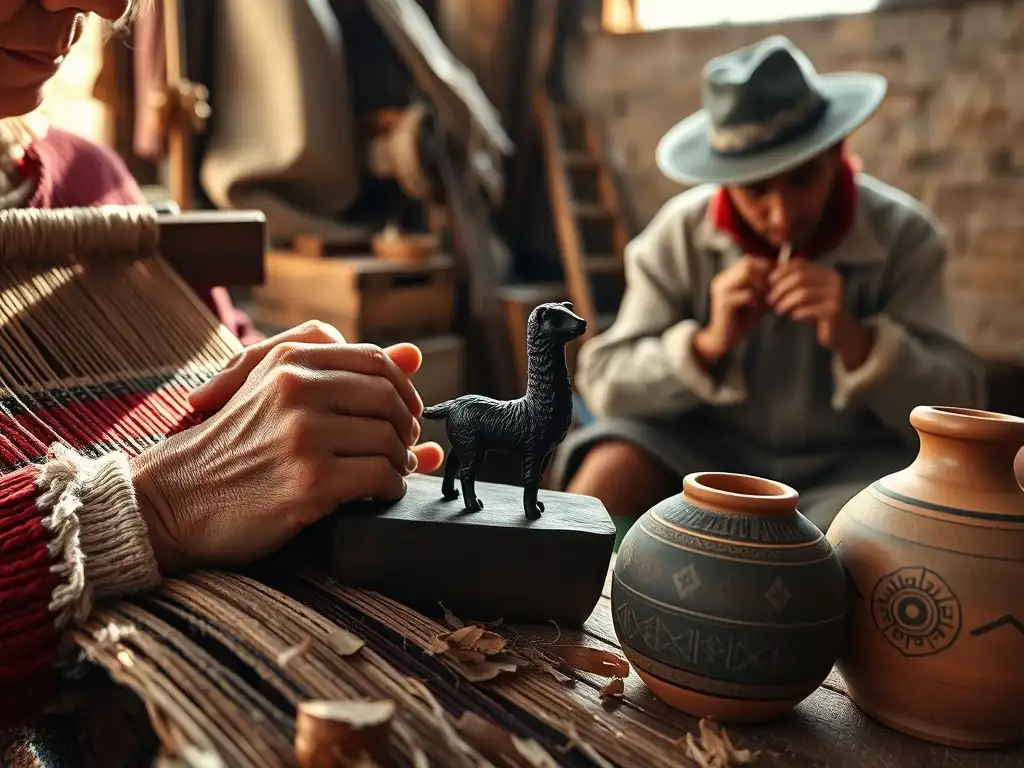
This section delves into specific initiatives demonstrating the practical application of Andean craft revival techniques. We will examine successful projects, highlighting the strategies employed and the impact on both the artisans and the preservation of cultural heritage. The revival of these crafts isn't just about preserving ancient skills; it's about empowering communities and fostering economic sustainability. Understanding these successful examples provides valuable insights into replicating such positive outcomes across different Andean regions. These projects showcase the multifaceted nature of Andean craft revival, encompassing traditional techniques, modern marketing strategies, and community engagement.
Case Study: Awana Uta - Reviving Textile Weaving in the Sacred Valley
Awana Uta, located in the heart of Peru's Sacred Valley, is a prime example of a successful Andean craft revival initiative. This project focuses on the revitalization of traditional textile weaving techniques, particularly those using natural dyes and intricate patterns passed down through generations. The organization doesn't just teach; it empowers. They work directly with local women, providing training, access to high-quality materials, and fair market opportunities for their finished products. Their approach goes beyond simple skill preservation; it addresses economic empowerment, ensuring the sustainability of these ancient techniques.
The success of Awana Uta is evident in several key areas:
- Economic Impact: The project has significantly improved the livelihoods of participating women, providing them with a stable income source and increased financial independence. This economic empowerment is crucial for the long-term sustainability of the project and the continuation of the craft.
- Community Engagement: Awana Uta fosters a strong sense of community among the participating weavers, creating a supportive network and preserving traditional knowledge within the community. The collaborative nature of the project strengthens the social fabric and promotes cultural pride.
- Product Quality: By focusing on high-quality materials and traditional techniques, Awana Uta produces textiles that are highly sought after, both domestically and internationally. This high demand ensures a sustainable market for the weavers' products. They maintain a commitment to authenticity, a key factor in their success.
The Awana Uta model effectively demonstrates how Andean craft revival techniques can be integrated with economic development strategies, leading to significant social and economic benefits for the community.
Success Story: Juana Quispe's Journey in Preserving Backstrap Loom Techniques
Juana Quispe’s story epitomizes the individual resilience and dedication driving the Andean craft revival. Juana, a master weaver from the highlands of Cusco, dedicated her life to preserving the ancient art of backstrap loom weaving. Facing the challenges of modernization and dwindling interest in traditional crafts, Juana actively sought to pass down her skills to younger generations. Her journey highlights the importance of mentorship and the transmission of knowledge across generations as crucial components of Andean craft revival techniques.
Juana's efforts weren't solely focused on teaching the physical techniques. She also emphasized the cultural significance of the designs and patterns, ensuring that the symbolic meaning embedded in each textile was understood and appreciated by her students. This preservation of cultural context is as important as the preservation of the craft itself. Her dedication serves as an inspirational example, showcasing how individual commitment can contribute significantly to broader preservation efforts.
Her story illustrates the human element crucial to the success of Andean craft revival initiatives. The tireless work of individuals like Juana is indispensable in ensuring that these traditions continue to flourish. Her legacy extends beyond her own creations; it lies in the skilled weavers she has mentored, carrying forward her knowledge and passion for generations to come.
The Role of Digital Platforms in Supporting Andean Craft Revival
The digital age presents unprecedented opportunities for supporting Andean craft revival techniques. Online platforms, e-commerce sites, and social media have become vital tools in connecting Andean artisans with global markets. These digital tools offer a powerful means of promoting and selling handcrafted goods, increasing visibility and market access for artisans who might otherwise struggle to reach a wider audience. Moreover, digital platforms provide opportunities for collaborative projects, knowledge sharing, and the documentation of traditional techniques.
The effectiveness of digital platforms in supporting Andean craft revival is evident in several ways:
| Platform Type | Benefits | Challenges |
|---|---|---|
| E-commerce Websites | Direct sales, broader reach, potential for higher income | Need for reliable internet access, digital literacy, competition |
| Social Media | Increased brand awareness, direct engagement with customers, storytelling opportunities | Managing online presence, algorithm changes, potential for misinformation |
| Online Courses/Tutorials | Accessible learning, wider reach for traditional skills, preservation of knowledge | Requires digital skills from both instructors and learners, access to technology |
The integration of digital technologies requires careful consideration of the digital divide and the need for training and support for artisans. However, the potential benefits of leveraging these platforms for marketing, sales, and knowledge dissemination are significant, contributing to the long-term sustainability of Andean craft revival initiatives. The intelligent application of digital strategies is crucial for maximizing the impact of these initiatives and ensuring that the rich cultural heritage of the Andes continues to thrive.
Promoting and Marketing Andean Crafts
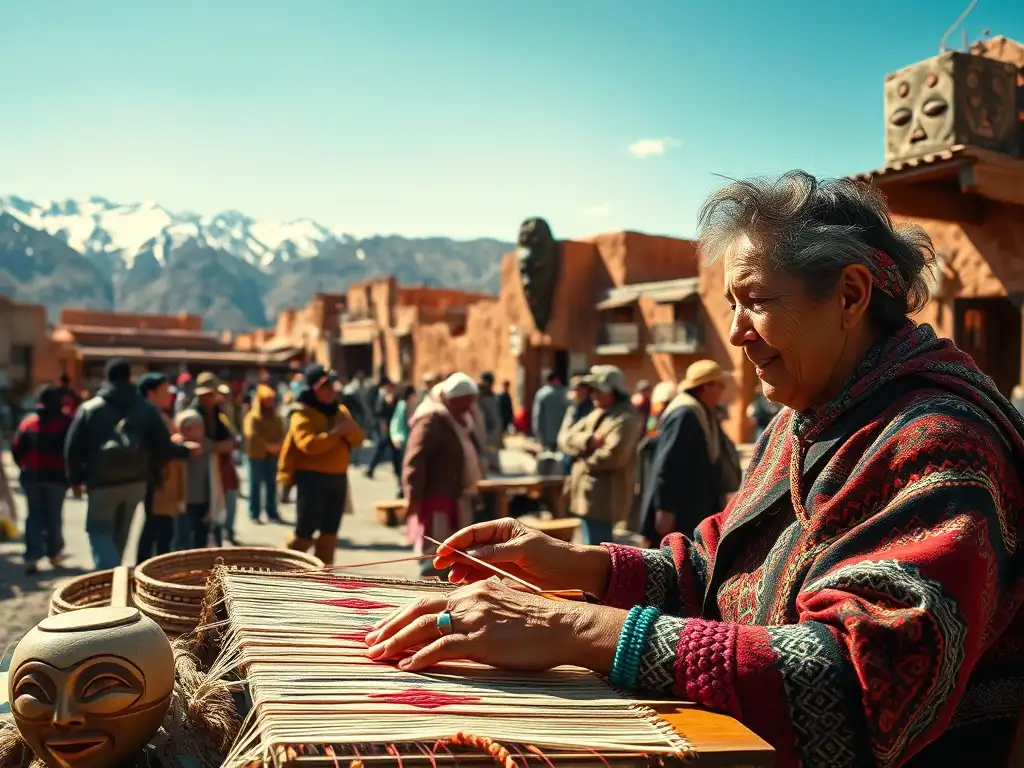
The revival of Andean crafts requires not only the preservation of techniques but also the creation of sustainable markets for these exquisite goods. Simply preserving the skills is insufficient; a robust marketing strategy is crucial for ensuring the long-term viability of this cultural heritage. This involves a multifaceted approach encompassing ethical e-commerce, global market penetration, and compelling storytelling. The success of Andean craft revival techniques hinges on effectively connecting artisans with consumers while upholding cultural integrity and ensuring fair compensation.
Ethical E-commerce and Fair Trade Practices
Ethical e-commerce platforms are vital for connecting Andean artisans with a global audience while upholding fair trade principles. These platforms must prioritize transparency, ensuring consumers understand the origin of the products, the skills involved in their creation, and the fair compensation received by the artisans. This involves detailed product descriptions that highlight the unique techniques and cultural significance of each item.
For example, a hand-woven textile should not only be described by its material and dimensions but also by the specific Andean weaving technique employed (e.g., k'ipu inspired patterns, backstrap loom techniques). The use of fair trade certifications, such as those offered by organizations dedicated to supporting artisan communities, builds consumer trust and guarantees ethical sourcing.
Moreover, platforms should actively promote the stories of the artisans themselves, giving a human face to the products and fostering a deeper connection between consumer and creator. This fosters a sense of community and ensures that the economic benefits directly support the artisans and their communities, contributing to the long-term sustainability of Andean craft revival techniques.
Reaching Global Markets While Maintaining Authenticity
Expanding the reach of Andean crafts into global markets requires a strategic approach that balances accessibility with the preservation of authenticity. Simply mass-producing goods to meet high demand risks diluting the unique qualities that make Andean crafts so desirable. Instead, a focus on niche markets and collaborations with designers and brands committed to ethical production is essential.
This allows artisans to maintain control over their creative processes while reaching a wider consumer base. For instance, collaborations with international fashion houses could showcase Andean textile designs in high-end clothing lines, bringing these intricate patterns to a new audience while simultaneously providing artisans with a stable income. However, careful consideration must be given to ensuring that these collaborations do not lead to cultural appropriation or the commodification of traditional designs.
Transparency and mutual respect are key to successful partnerships that benefit both the artisans and the wider market. The challenge lies in scaling production without compromising the quality and integrity of the crafts, thereby ensuring the longevity of Andean craft revival techniques.
The Power of Storytelling in Showcasing Andean Heritage
Storytelling is a powerful tool for promoting Andean crafts and fostering appreciation for their cultural significance. Each piece tells a story, reflecting centuries of tradition, innovation, and cultural expression. By showcasing the history, techniques, and cultural context behind these crafts, we can connect with consumers on a deeper emotional level.
This can be achieved through various mediums, including detailed product descriptions, captivating videos showcasing the artisans at work, and engaging blog posts that delve into the history and symbolism of specific designs. For instance, a detailed description of a ceramic piece might explain the significance of the depicted motifs, the type of clay used, and the firing techniques employed, providing a rich tapestry of information that enhances the consumer's appreciation for the craft.
Further, using social media platforms to share these stories allows for a wider reach, creating a community of individuals who value and support the preservation of Andean cultural heritage. This narrative approach is crucial in generating genuine interest and demand, ultimately ensuring the success of Andean craft revival techniques.
The Future of Andean Craftsmanship and Skill Preservation
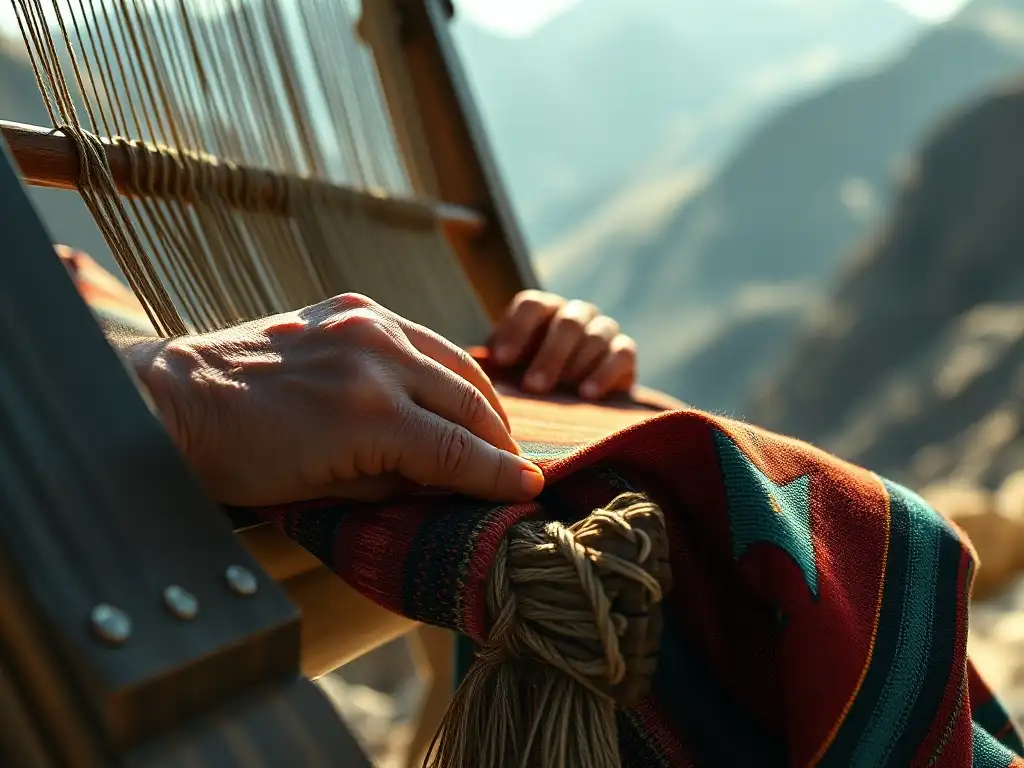
The revival of Andean crafts isn't merely about preserving beautiful objects; it's about safeguarding a living cultural heritage. The intricate weaving techniques, the meticulous pottery styles, the detailed metalwork—these are not just artifacts of the past, but active expressions of Andean identity that continue to evolve. Understanding this dynamic relationship between past and present is crucial for the long-term success of any Andean craft revival techniques.
The future hinges on effective strategies that blend traditional practices with modern approaches to sustainability and market access. This section will explore key aspects of this future, focusing on intergenerational knowledge transfer, the importance of cultural identity, and the ongoing commitment to sustainable practices.
Ensuring Intergenerational Transmission of Knowledge
The most significant challenge in preserving Andean craft traditions is ensuring the continuity of knowledge across generations. Older artisans, the repositories of centuries-old techniques, are dwindling in number. Their expertise, often passed down through families for generations, risks being lost unless proactive measures are taken. Successful initiatives often involve apprenticeships and mentorship programs, where younger artisans learn directly from experienced masters. These programs shouldn't simply focus on replicating techniques; they should also nurture a deep understanding of the cultural context and significance of the crafts.
For example, a successful pottery program in the Cusco region paired young apprentices with master potters for a two-year period. The program included not only hands-on training in traditional techniques but also classes on the history of Andean pottery and its cultural significance. This holistic approach helped ensure that the apprentices didn't just learn how to make pottery, but why it's important to preserve these traditions.
This approach fosters a sense of pride and ownership in the craft, crucial for long-term engagement and sustainability. Quantitative data on the success of these programs, such as the number of apprentices who continue practicing after the program concludes, is crucial for evaluating their effectiveness and informing future initiatives. [Specific data on program success rates pending].
The Importance of Cultural Identity in Craft Revival
The revival of Andean crafts is intrinsically linked to the preservation of cultural identity. These crafts are not simply commodities; they represent a deep connection to ancestral practices, beliefs, and values. Weaving patterns, for instance, often tell stories, encode historical events, or represent spiritual beliefs. Similarly, the designs on pottery and textiles carry significant cultural meaning. Therefore, simply reviving the techniques without acknowledging and respecting this cultural context risks trivializing the craft and undermining its significance.
Successful Andean craft revival initiatives prioritize the active participation of local communities. They involve community members in the decision-making process, ensuring that the revival efforts align with their values and aspirations. This participatory approach is essential for fostering a sense of ownership and ensuring the long-term sustainability of the craft.
Moreover, it is crucial to avoid the commodification of cultural heritage, which can lead to the exploitation of artisans and the erosion of cultural integrity. The focus should always be on empowering artisans and enabling them to benefit economically from their skills while preserving the cultural integrity of their craft. This requires careful consideration of fair trade practices and equitable market access.
Looking Ahead: Continued Efforts for Sustainable Craft Practices
Sustainable practices are crucial for the long-term viability of Andean craft revival efforts. This involves not just preserving traditional techniques but also adopting environmentally friendly methods of production and sourcing materials. The use of sustainable materials, such as natural dyes and locally sourced fibers, is essential for minimizing the environmental impact of craft production. Furthermore, promoting fair trade practices ensures that artisans receive fair compensation for their work and can continue to practice their craft without facing economic hardship.
Looking forward, the success of Andean craft revival techniques depends on several factors: increased funding for apprenticeship programs, greater support for fair trade initiatives, and a broader awareness among consumers of the cultural and environmental significance of these crafts. Moreover, the integration of digital technologies, such as online marketplaces and virtual workshops, can help expand market access and facilitate knowledge sharing among artisans. The future of Andean craftsmanship rests on a collaborative effort involving artisans, researchers, policymakers, and consumers, all working together to preserve this invaluable cultural heritage for generations to come.
The continued development and implementation of effective strategies will be vital in ensuring the preservation and prosperity of Andean craft traditions. The use of data-driven approaches to monitor the impact of these initiatives and adapt strategies accordingly will be paramount.
Conclusion: The Enduring Value of Andean Craft Traditions
The revitalization of Andean crafts isn't merely a nostalgic pursuit; it's a crucial element in preserving a rich cultural heritage and fostering sustainable economic development in the region. Understanding and implementing effective Andean craft revival techniques is paramount for safeguarding these traditions for future generations. The intricate weaving techniques, the masterful pottery, the detailed metalwork – these are not just artifacts of the past; they are living expressions of cultural identity and resilience.
Their continued practice ensures the transmission of invaluable knowledge and skills, strengthening community bonds and promoting a sense of pride in ancestral legacies. The economic benefits are also significant, providing livelihoods for artisans and contributing to the overall economic well-being of Andean communities.
Final Thoughts on the Importance of Preservation
The preservation of Andean craft traditions is a multifaceted endeavor requiring a collaborative approach. Governments, NGOs, educational institutions, and individual artisans must work together to create supportive environments that encourage the learning and practice of these skills. This includes providing access to resources, promoting fair trade practices, and fostering opportunities for artisans to showcase and sell their work. Furthermore, the integration of traditional techniques with modern technologies can enhance production efficiency without compromising the authenticity of the crafts.
For example, the use of digital platforms for marketing and sales can significantly expand the reach of Andean artisans, connecting them with a global audience eager to appreciate their unique artistry. The successful revival of Andean crafts depends on a holistic strategy that values both cultural preservation and economic empowerment. The enduring beauty and skill embedded in these traditions are a testament to the ingenuity and resilience of Andean peoples, a legacy that deserves to flourish for centuries to come.
Investing in the future of Andean crafts is investing in the future of a vibrant and enduring culture. The economic impact alone, while significant, pales in comparison to the cultural preservation aspect; the loss of these techniques would represent an irreplaceable loss to humanity's artistic and cultural heritage. The continued study and practice of Andean craft revival techniques are therefore not just economically viable but morally imperative.
The future of Andean craft traditions hinges on the continued support and engagement of all stakeholders. By embracing innovative approaches while respecting tradition, we can ensure that the vibrant legacy of Andean artistry continues to thrive. 🤝
Frequently Asked Questions
What is the focus of the "Andean craft revival techniques" movement?
The movement centers on reviving and preserving traditional Andean crafts. This involves teaching ancient techniques to new generations and promoting the cultural significance of these skills. It aims to ensure these crafts continue to thrive.
Which Andean cultures are involved in the craft revival?
The revival efforts encompass a wide range of Andean cultures, including the Inca, Moche, Nazca, and Tiahuanaco, among others. Each culture contributes its unique styles and techniques to the rich tapestry of Andean crafts. The goal is to preserve the diversity of these traditions.
What kinds of crafts are being revived?
A vast array of crafts are experiencing a resurgence, including textile weaving, pottery, metalworking, and stone carving. These are being revived using traditional methods and materials, whenever possible. The diversity reflects the rich artistic heritage of the Andes.
How are these traditional techniques being passed down?
Knowledge is being transmitted through a combination of master-apprentice relationships, workshops, and community-based initiatives. Elderly artisans are sharing their expertise with younger generations, ensuring the continuation of these valuable skills.
What is the importance of preserving Andean craft techniques?
Preserving these techniques is vital for maintaining cultural heritage, supporting local economies, and promoting sustainable development in Andean communities. These crafts are not just objects; they are a living testament to a rich history and cultural identity.
Final Reflection: Weaving a Future from the Past
The revitalization of traditional Andean crafts is not merely a nostalgic pursuit; it is a vital act of cultural preservation and economic empowerment. These ancient techniques, passed down through generations, hold the key to sustainable livelihoods and the preservation of a rich cultural heritage facing the pressures of globalization. Ignoring this legacy would be a profound loss, not just for Peru and the Andean region, but for the world.
The enduring power of Andean crafts lies not only in their aesthetic beauty but in their deep connection to the land and the communities that create them. These intricate textiles, meticulously crafted ceramics, and skillfully woven baskets tell stories of resilience, adaptation, and a profound understanding of the natural world. As the renowned Peruvian anthropologist, José María Arguedas, once wrote: The Andean people are not merely the inheritors of a past; they are the living embodiment of a culture that continues to evolve and adapt.
This statement beautifully encapsulates the ongoing relevance of preserving these traditions, ensuring their continued evolution and adaptation in a rapidly changing world.
The future of Andean crafts rests in your hands. Consider supporting artisans directly, appreciating the artistry and cultural significance embedded in each piece, and actively seeking out opportunities to learn about and engage with these vibrant traditions. By understanding and celebrating the legacy of Andean craftsmanship, we can ensure that these timeless skills continue to flourish, enriching both the lives of the artisans and the cultural landscape of the world for generations to come.
Revitalize and Celebrate Andean Crafts Today!
Thank you for exploring the rich world of traditional Andean crafts! Your interest not only honors these age-old skills but also helps sustain the vibrant cultures that created them. Let's work together to keep these traditions alive.
Here's how you can make a difference:
- Learn a traditional craft. Take a local workshop or online course to gain hands-on experience with these exquisite techniques. It's a rewarding way to connect with Andean heritage.
- Share your passion. Spread awareness by sharing your experiences on social media using #RevitalizeAndeanCrafts. Inspire others to discover the beauty and artistry of Andean crafts.
- Support Andean artisans. Visit local craft fairs and markets to purchase unique, handcrafted items directly from the artisans. This provides crucial economic support and helps preserve these valuable skills for generations to come.
What Andean craft will you explore next? Let's work together to ensure these traditions thrive.