
Voices of the Andes: Indigenous Perspectives on Heritage Preservation

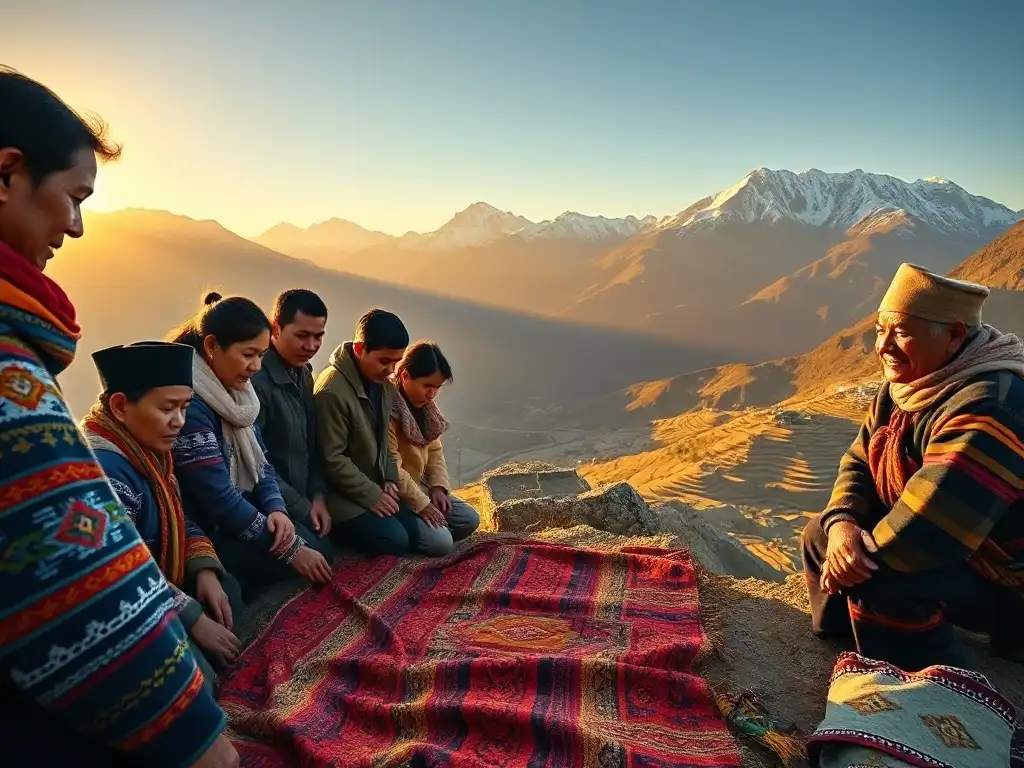
Unravel the mysteries of the Andes! Journey through millennia of breathtaking artistry, innovative engineering, and deeply spiritual traditions in this exploration of ancient Andean civilizations. But what happens when the echoes of these empires fade? Delve into the crucial issue of Andean indigenous heritage preservation and discover the vibrant voices fighting to protect their ancestral legacy in our feature article, "Voices of the Andes: Indigenous Perspectives on Heritage Preservation." Prepare to be captivated.
The Andes Mountains, a spine of towering peaks stretching along the western edge of South America, are home to a rich tapestry of ancient civilizations. For millennia, indigenous communities have thrived in this challenging yet bountiful environment, developing sophisticated agricultural techniques, awe-inspiring architecture, and complex social structures. This article delves into the crucial role of indigenous perspectives in the preservation of Andean heritage, exploring how their intimate knowledge and deep connection to their ancestral lands are essential for safeguarding this invaluable legacy for future generations.
We will examine the multifaceted aspects of Andean indigenous heritage preservation, highlighting the challenges faced and the innovative solutions being implemented by indigenous communities themselves, working alongside archaeologists, historians, and conservationists. Understanding and respecting these indigenous voices is not merely a matter of cultural sensitivity; it is fundamentally vital for the effective and ethical preservation of Andean cultural heritage.
This is particularly crucial in the face of increasing threats such as climate change, unsustainable tourism, and the ongoing effects of colonialism. The preservation of Andean heritage is not just about protecting physical artifacts; it's about protecting living cultures, traditions, and the profound spiritual connection to the land that has sustained Andean communities for centuries.
Understanding Andean Indigenous Heritage
Andean indigenous heritage encompasses a vast and diverse range of cultural expressions. It's not a monolithic entity, but rather a complex mosaic of distinct traditions, languages, and belief systems. From the intricate textiles of the Andes, showcasing vibrant colors and symbolic designs passed down through generations, to the sophisticated astronomical knowledge embedded in ancient structures like Machu Picchu, the legacy is breathtaking in its scope and complexity.
This heritage isn't confined to physical artifacts; it's deeply intertwined with oral traditions, spiritual practices, and a profound understanding of the natural world. For example, the Quechua people of the Andes possess an encyclopedic knowledge of medicinal plants, cultivated over centuries, representing an invaluable resource for both traditional medicine and modern pharmaceutical research. Understanding this multifaceted heritage requires acknowledging the diversity within Andean indigenous communities and recognizing the unique contributions of each group.
Failing to appreciate this complexity risks perpetuating a homogenized and inaccurate representation of Andean culture, hindering effective preservation efforts. We must move beyond simplistic narratives and embrace the nuanced reality of Andean indigenous heritage in all its richness and diversity. This includes actively supporting the revitalization of indigenous languages, fostering cultural exchange, and promoting the participation of indigenous communities in all stages of heritage management.
The Importance of Indigenous Knowledge in Preserving Andean Culture
The preservation of Andean culture is inextricably linked to the active participation and leadership of indigenous communities. Their intimate knowledge of ancestral sites, traditional practices, and oral histories is irreplaceable. For instance, indigenous communities often possess detailed knowledge of the location of archaeological sites, the significance of specific artifacts, and the appropriate methods for their conservation.
This knowledge, often passed down orally through generations, is crucial for responsible archaeological research and the sustainable management of cultural heritage sites. Furthermore, indigenous communities are often at the forefront of developing innovative strategies for heritage preservation, adapting traditional techniques to address contemporary challenges. For example, some communities are using traditional methods of agriculture to restore degraded landscapes, while others are employing traditional building techniques to conserve ancient structures.
Ignoring this indigenous expertise not only undermines effective preservation efforts but also perpetuates a colonial legacy of disregarding indigenous knowledge and agency. True heritage preservation necessitates a paradigm shift, moving away from a top-down approach towards a collaborative and participatory model that centers indigenous perspectives and empowers indigenous communities to lead the way in protecting their own cultural heritage. This requires genuine partnerships built on respect, mutual understanding, and a commitment to shared decision-making.
Challenges Faced in Protecting Andean Cultural Heritage Sites
Protecting the invaluable Andean cultural heritage presents numerous complex challenges. The sheer scale and diversity of sites, spanning millennia and encompassing diverse cultures like the Inca, Moche, and Nazca, demands significant resources and coordinated efforts. Furthermore, the geographical distribution of these sites, often located in remote and fragile ecosystems, adds to the logistical hurdles. Many sites are vulnerable to the elements, with erosion and natural disasters posing significant threats. The delicate balance of preserving these sites while allowing for responsible tourism is another delicate balancing act.
Insufficient funding, a lack of trained personnel, and inadequate infrastructure further compound the difficulties. Effective heritage preservation requires a multifaceted approach that addresses these interconnected challenges. The vulnerability of these sites necessitates a proactive and comprehensive strategy, involving diverse stakeholders and innovative approaches. Without dedicated and sustained effort, the risk of irreversible damage to these irreplaceable treasures is substantial.
Threats to Ancient Andean Sites
Ancient Andean sites face a multitude of threats, both natural and human-induced. Natural disasters like earthquakes, floods, and landslides can cause significant damage, obliterating irreplaceable artifacts and structures. Erosion from wind and rain slowly but surely wears away at the sites, gradually degrading their integrity. Human-induced threats are equally, if not more, concerning. Looting and illegal trafficking of artifacts are persistent problems, robbing these sites of their historical significance and cultural value.
Unsustainable tourism practices, such as excessive foot traffic and inappropriate handling of artifacts, can cause irreparable damage. Moreover, the encroachment of modern development, including infrastructure projects and agricultural expansion, often leads to the destruction or alteration of these sites. Climate change further exacerbates these threats, increasing the frequency and intensity of extreme weather events. Addressing these threats requires a multi-pronged approach that combines conservation efforts, strengthened law enforcement, and community engagement.
The Impact of Modernization on Traditional Practices
Modernization poses a significant threat to the preservation of traditional Andean practices. The influx of Western technologies and lifestyles often leads to the abandonment of traditional crafts, agricultural techniques, and spiritual ceremonies. Younger generations, drawn to urban centers and modern opportunities, may lose interest in maintaining traditional knowledge and skills. This results in a gradual erosion of cultural identity and the loss of invaluable intangible heritage.
For example, the decline in traditional weaving techniques, once a central part of Andean life, not only diminishes artistic expression but also contributes to the loss of ancient knowledge embedded within these practices. Preserving these practices requires fostering a sense of pride in Andean heritage among younger generations, promoting the economic value of traditional crafts, and integrating traditional knowledge into educational curricula. Sustainable development initiatives that respect and incorporate traditional practices are crucial in mitigating the negative impact of modernization.
Indigenous-Led Initiatives for Cultural Preservation

Indigenous communities are at the forefront of efforts to preserve their cultural heritage. Recognizing the intrinsic link between their identity and ancestral sites, they are actively involved in conservation, restoration, and management projects. These initiatives are often characterized by a deep understanding of the cultural significance of the sites and a commitment to preserving them for future generations. They often employ traditional ecological knowledge (TEK) alongside modern techniques, resulting in holistic and culturally sensitive approaches.
Many communities are developing sustainable tourism strategies that generate income while minimizing environmental impact and respecting cultural sensitivities. Their active participation in decision-making processes related to heritage management is critical to ensuring that conservation efforts align with their values and priorities. Supporting these indigenous-led initiatives is crucial for ensuring the long-term preservation of Andean cultural heritage and empowering these communities to maintain their cultural identity.
Community-Based Preservation Projects in the Andes
Numerous community-based projects across the Andes demonstrate the effectiveness of local involvement in heritage preservation. These projects often focus on sustainable tourism, community-managed museums, and the revitalization of traditional crafts. For example, some communities have established eco-lodges near archaeological sites, offering tourists unique cultural experiences while generating income for the community. Other projects involve training local residents in conservation techniques, enabling them to actively participate in the protection and restoration of their heritage sites.
These initiatives not only preserve cultural heritage but also contribute to economic development and community empowerment. The success of these projects highlights the importance of collaboration between local communities, government agencies, and NGOs in achieving effective and sustainable heritage preservation. The focus on community ownership and active participation is key to their success.
The Role of Elders in Safeguarding Andean Traditions
Elders play a vital role in safeguarding Andean traditions, serving as custodians of ancestral knowledge and practices. Their deep understanding of oral histories, traditional techniques, and spiritual beliefs is invaluable for preserving cultural heritage. They often act as mentors, passing down their knowledge to younger generations through storytelling, practical demonstrations, and participation in traditional ceremonies.
Their active involvement in heritage preservation initiatives ensures that conservation efforts are culturally sensitive and respectful of traditional practices. Their leadership and guidance are essential in bridging the gap between generations, fostering intergenerational dialogue, and ensuring the continuity of Andean cultural traditions. The knowledge and wisdom of elders are critical for the successful preservation of both tangible and intangible heritage.
Utilizing Traditional Andean Techniques for Site Restoration
Incorporating traditional Andean techniques in site restoration offers several advantages. These time-tested methods often utilize locally sourced materials and are environmentally sustainable, minimizing the impact on the surrounding ecosystem. Furthermore, they often integrate seamlessly with the existing structures, resulting in a more authentic and respectful restoration. For example, the use of traditional stonework techniques, passed down through generations of Andean masons, ensures that repairs blend harmoniously with the original architecture.
Similarly, traditional plant-based materials may be utilized for stabilizing structures or restoring damaged surfaces. By combining traditional methods with modern conservation science, it is possible to achieve effective and respectful restoration that preserves both the physical integrity and the cultural significance of Andean heritage sites. This approach emphasizes a holistic understanding of the site’s history and context, resulting in a more sustainable and culturally sensitive restoration process.
Case Studies: Successful Examples of Indigenous Heritage Preservation
The preservation of Andean indigenous heritage is a complex undertaking, demanding sensitivity, respect, and a deep understanding of the cultural significance attached to specific sites and practices. Successful preservation efforts often hinge on collaboration and empowerment of indigenous communities. Examining successful examples illuminates best practices and crucial lessons for future initiatives.
These case studies underscore the importance of community-led initiatives and the vital role of respecting indigenous knowledge and perspectives in heritage management. The following examples highlight the effectiveness of collaborative approaches that prioritize the voices and needs of indigenous populations in protecting their ancestral legacies. Failure to prioritize these aspects often results in projects that are culturally insensitive and ultimately ineffective.
The Quechua Community of Ollantaytambo and their Collaborative Restoration of Inca Terraces
The Quechua community of Ollantaytambo, located in the Sacred Valley of Peru, provides a compelling example of successful indigenous heritage preservation. For generations, the Quechua have maintained and utilized the intricate Inca agricultural terraces that cascade down the mountain slopes. Facing the threat of erosion and degradation, the community, in collaboration with archaeologists and government agencies, embarked on a restoration project.
Crucially, the project was driven by the community's own knowledge of traditional agricultural practices and their understanding of the terraces' historical and spiritual significance. This collaborative approach ensured that the restoration efforts not only preserved the physical integrity of the terraces but also upheld their cultural value for future generations. The project involved training local community members in traditional stonework techniques, fostering a sense of ownership and pride in the preservation effort.
This hands-on approach ensured the sustainability of the project, far beyond the initial funding period. The Ollantaytambo example demonstrates that community participation is not just beneficial but essential for long-term preservation success.
The Aymara People of Lake Titicaca and their Efforts to Preserve Traditional Weaving Techniques
The Aymara people, inhabiting the shores of Lake Titicaca in Peru and Bolivia, are renowned for their intricate and vibrantly colored textiles. These textiles are not merely decorative items; they are imbued with deep cultural significance, embodying stories, beliefs, and traditions passed down through generations. Facing the threat of globalization and the allure of mass-produced goods, the Aymara community has actively worked to preserve their traditional weaving techniques.
This preservation effort involves community-based workshops, the establishment of cooperative weaving centers, and the promotion of Aymara textiles in national and international markets. By actively engaging in the production and marketing of their textiles, the Aymara people ensure the economic viability of their craft, thereby promoting its continued practice and transmission to younger generations.
This case study highlights the importance of economic sustainability in cultural preservation, demonstrating that economic empowerment can be a powerful tool in safeguarding indigenous heritage. The vibrant colors and intricate designs continue to thrive, a testament to the community's dedication and the power of collective action.
The Role of Collaboration: Working with Indigenous Communities
Effective Andean indigenous heritage preservation necessitates a paradigm shift away from top-down approaches that often disregard the perspectives and needs of indigenous communities. Genuine collaboration is not merely a desirable goal; it is a fundamental prerequisite for successful and ethical preservation efforts. This collaborative approach requires a conscious effort to decolonize heritage management practices, recognizing the inherent knowledge and rights of indigenous communities.
A truly collaborative framework ensures that preservation initiatives are aligned with the values and priorities of those most directly connected to the heritage being protected. This collaborative model fosters trust, respect, and mutual understanding, leading to more sustainable and culturally sensitive outcomes.
Building Trust and Respect in Preservation Efforts
Building trust and respect within the context of Andean indigenous heritage preservation is a long-term process that requires patience, empathy, and a genuine commitment to working in partnership. It necessitates actively listening to the concerns and perspectives of indigenous communities, acknowledging their historical experiences, and recognizing their inherent rights to their cultural heritage. This means avoiding paternalistic approaches and instead embracing a collaborative model where indigenous communities are active participants in decision-making processes.
Open communication, transparent processes, and a willingness to adapt to community needs are vital components of building strong and lasting relationships. Trust is earned, not assumed, and the foundation of successful collaboration rests on mutual respect and genuine partnership. Respect for traditional knowledge systems and practices is paramount.
Ensuring Indigenous Participation in Decision-Making
Meaningful indigenous participation in decision-making is not merely about consultation; it is about empowering indigenous communities to lead and direct preservation efforts. This requires actively involving community members in all stages of a project, from planning and implementation to monitoring and evaluation. This includes providing adequate resources, training, and support to enable effective participation.
Decision-making processes should be transparent and accessible, ensuring that the voices of all stakeholders are heard and considered. This participatory approach not only ensures that preservation efforts are culturally appropriate and sustainable but also fosters a sense of ownership and responsibility within the community, leading to more effective long-term preservation outcomes. Ultimately, the goal is to empower indigenous communities to become the primary stewards of their own heritage.
The Future of Andean Indigenous Heritage Preservation
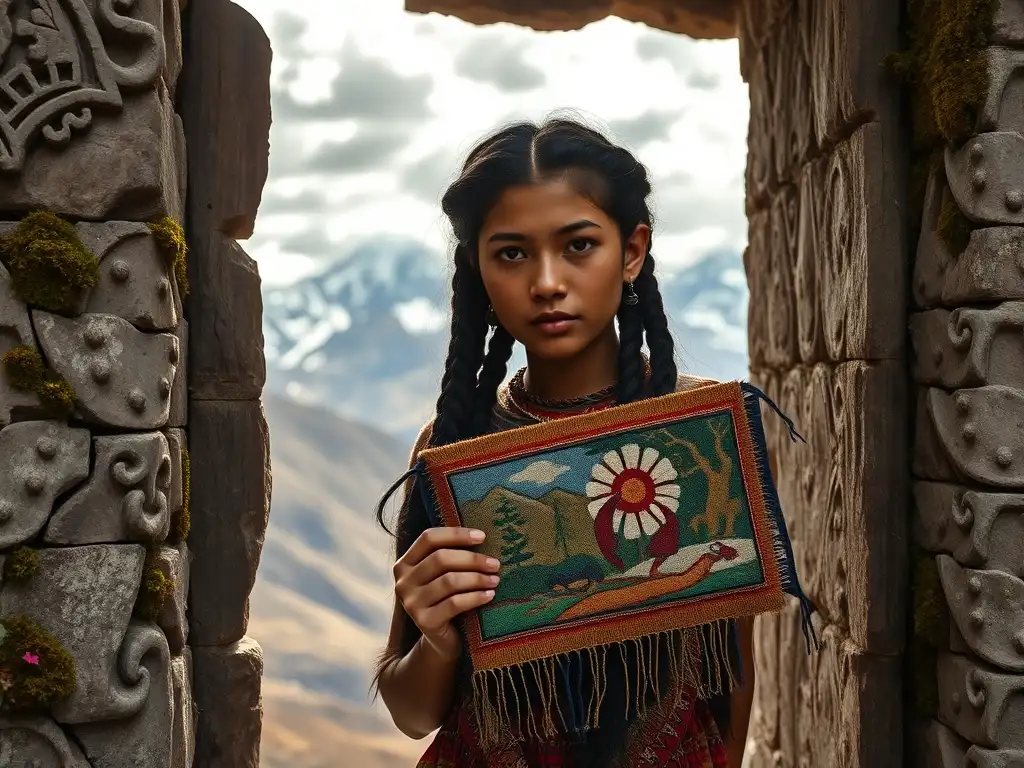
The future of Andean indigenous heritage preservation hinges on several crucial factors. Successful preservation requires a multifaceted approach that goes beyond simply protecting physical artifacts. It demands a deep understanding and respect for the living cultures that continue to connect with their ancestral past. This involves actively involving indigenous communities in every stage of the preservation process, from planning and implementation to monitoring and evaluation.
Their traditional knowledge, often passed down through generations, is invaluable in understanding the significance of sites and artifacts, and in developing appropriate conservation techniques. Ignoring this crucial element risks perpetuating a colonial approach to heritage management, one that often overlooks or diminishes indigenous perspectives and practices. A truly successful future for Andean heritage will be one built with indigenous communities, not for them. This collaborative approach ensures that preservation efforts are not only effective but also culturally sensitive and ethically sound.
Furthermore, sustainable economic development that respects and integrates indigenous cultural heritage is essential for long-term preservation. This might involve supporting community-based tourism initiatives or promoting the use of traditional crafts and knowledge in modern contexts. Such initiatives offer both economic benefits and a sense of ownership and pride in the heritage being preserved.
Empowering Future Generations of Andean Culture Keepers
Empowering future generations is paramount for the long-term survival of Andean indigenous heritage. This necessitates a shift from a passive approach to heritage preservation towards active engagement and education within indigenous communities. Investing in educational programs that teach traditional skills, languages, and cultural practices is crucial. This includes supporting schools and community centers that offer courses in weaving, pottery, music, and other traditional arts.
Furthermore, mentorship programs that connect younger generations with elders who possess traditional knowledge are vital. These programs not only transmit valuable skills but also foster a sense of connection to the past and a commitment to preserving it for the future. Moreover, creating opportunities for young people to participate in heritage preservation projects, such as archaeological digs or restoration efforts, instills a sense of ownership and responsibility.
This active participation fosters a deeper understanding and appreciation of their heritage and empowers them to become active guardians of their cultural legacy. By investing in the education and empowerment of young people, we ensure that Andean indigenous heritage will continue to thrive for generations to come. The transmission of knowledge, both practical and spiritual, is a cornerstone of this approach, ensuring the Andean cultural heritage remains vibrant and relevant.
Promoting Awareness and Education about Andean Heritage
Broader awareness and education regarding Andean heritage are essential components of effective preservation. This requires disseminating accurate and respectful information about Andean cultures to a wider audience, both within and beyond the Andean region. Educational initiatives should go beyond simply presenting facts and figures; they should strive to highlight the richness, diversity, and ongoing vitality of Andean cultures.
This includes showcasing the beauty and artistry of traditional crafts, the complexity and sophistication of Andean technologies, and the enduring spiritual significance of Andean sites. Moreover, combating harmful stereotypes and misconceptions about Andean cultures is crucial. This requires challenging the often-romanticized or exoticized portrayals of Andean peoples that can dehumanize them and diminish their agency.
By promoting a more accurate and nuanced understanding of Andean heritage, we can foster greater respect and appreciation for these cultures and inspire others to support their preservation. This educational outreach should utilize diverse media, including museums, schools, documentaries, and online platforms, to reach a wider audience and encourage intercultural dialogue. The goal is not just to inform, but to inspire action and support for Andean indigenous heritage preservation efforts.
Protecting the Sacred: The Spiritual Significance of Andean Sites
The spiritual significance of Andean sites is inextricably linked to their physical preservation. Many sites hold profound religious and ceremonial importance for indigenous communities, representing ancestral connections, sacred landscapes, and spiritual power. Protecting these sites involves recognizing and respecting their spiritual value, going beyond simply preserving their physical structures. This requires engaging directly with indigenous communities to understand the spiritual significance of each site and incorporating their perspectives into preservation plans.
For example, ceremonial practices may need to be accommodated, and access to certain areas may need to be restricted to ensure the sanctity of the sites is maintained. Furthermore, preserving the spiritual integrity of these sites also means protecting them from looting, vandalism, and encroachment. This requires effective law enforcement and community-based monitoring programs. It also necessitates raising public awareness about the importance of respecting these sacred places and the harm caused by their desecration.
Ignoring the spiritual dimensions of these sites undermines the very essence of Andean heritage and ultimately hinders effective preservation efforts. A holistic approach that values both the physical and spiritual aspects of these sites is essential for ensuring their long-term protection. This sensitive approach demonstrates respect for the indigenous communities and their deep-rooted connection to their ancestral lands and spiritual heritage.
Conclusion: The Vital Role of Indigenous Voices in Preserving the Andean Legacy
The preservation of Andean indigenous heritage is not merely a matter of safeguarding archaeological sites or museum artifacts; it's about upholding a vibrant, living culture. This necessitates a fundamental shift in perspective, moving away from top-down, extractive approaches to heritage management towards collaborative, inclusive models that center Indigenous knowledge and perspectives. Ignoring the voices of the descendants of these ancient civilizations is not only ethically problematic but also fundamentally undermines the effectiveness of conservation efforts. Their intimate understanding of ancestral lands, traditions, and spiritual connections provides invaluable insights into sustainable practices and the nuanced meanings embedded within cultural landscapes.
Indigenous communities possess a wealth of intangible heritage – oral histories, traditional practices, ceremonies, and artistic expressions – that are crucial to a complete understanding of the Andean past. These elements often hold the key to unlocking the deeper meaning behind material remains, providing context and enriching the narrative of Andean civilizations.
For example, the intricate knowledge of traditional agriculture techniques, passed down through generations, is vital for the sustainable management of fragile Andean ecosystems and the preservation of biodiversity. Similarly, understanding the spiritual significance of sacred sites requires engaging directly with Indigenous communities who hold the key to interpreting these spaces and ensuring their respectful preservation.
The challenge lies in creating effective partnerships between government agencies, academic institutions, and Indigenous communities. This requires a commitment to genuine dialogue, mutual respect, and the equitable distribution of resources and benefits. It's crucial to move beyond tokenistic consultations and actively involve Indigenous communities in all stages of heritage management, from planning and implementation to monitoring and evaluation. This includes ensuring that Indigenous communities have the agency to determine how their heritage is represented, interpreted, and protected, ensuring their cultural integrity and preventing misrepresentation or commodification.
Ultimately, the success of Andean indigenous heritage preservation hinges on recognizing and empowering the voices of those who are its rightful custodians. Only through genuine collaboration and respect can we ensure that the rich legacy of the Andes continues to thrive for generations to come. The future of Andean heritage preservation rests, quite literally, in the hands of its Indigenous peoples. 🤝
- Understanding Andean Indigenous Heritage
- The Importance of Indigenous Knowledge in Preserving Andean Culture
- Challenges Faced in Protecting Andean Cultural Heritage Sites
- Indigenous-Led Initiatives for Cultural Preservation
- Case Studies: Successful Examples of Indigenous Heritage Preservation
- The Role of Collaboration: Working with Indigenous Communities
- The Future of Andean Indigenous Heritage Preservation
- Protecting the Sacred: The Spiritual Significance of Andean Sites
- Conclusion: The Vital Role of Indigenous Voices in Preserving the Andean Legacy
- What is the main focus of "Voices of the Andes"?
- Which Andean cultures are discussed in the article?
- How does the article relate to Andean indigenous heritage preservation?
- What are some of the challenges to Andean heritage preservation discussed?
- Where can I find more information on Andean indigenous heritage preservation?
Frequently Asked Questions
What is the main focus of "Voices of the Andes"?
The article, "Voices of the Andes: Indigenous Perspectives on Heritage Preservation," centers on indigenous perspectives on preserving their cultural heritage in the Andean region. It highlights the importance of their voices and active participation in these efforts.
Which Andean cultures are discussed in the article?
While the article covers the broader Andean region, it likely includes insights from various cultures, such as the Incas, Moche, Nazca, and Tiahuanaco, reflecting the diverse heritage of the Andes. Specific groups mentioned will vary.
How does the article relate to Andean indigenous heritage preservation?
The article directly addresses Andean indigenous heritage preservation by showcasing indigenous voices and their approaches to protecting and promoting their cultural heritage. It emphasizes the crucial role of indigenous communities in this process.
What are some of the challenges to Andean heritage preservation discussed?
The article likely explores challenges such as external pressures, lack of resources, and misunderstandings of indigenous traditions and practices that hinder effective preservation efforts. It may also discuss the impact of modernization.
Where can I find more information on Andean indigenous heritage preservation?
The article itself may contain further references and resources, or you can explore academic databases, museums focusing on Andean cultures, and organizations dedicated to indigenous rights and cultural preservation for more information.
Final Reflection: Echoing the Andes: A Legacy of Resilience and Hope
The fight for the preservation of Andean indigenous heritage is not a relic of the past; it is a vibrant, ongoing struggle crucial for the future of cultural diversity and environmental sustainability. The voices we've heard throughout this article – the stories of ancestral knowledge, the challenges of modernization, and the unwavering commitment to cultural survival – resonate powerfully with the urgent need to protect our planet's rich tapestry of traditions. These are not just historical accounts; they are living testimonies demanding our attention and action.
The enduring power of Andean indigenous cultures lies in their deep connection to the land and their ability to adapt while maintaining their unique identities. Their resilience in the face of colonialism, globalization, and climate change offers a profound lesson for us all. The mountains are not just stones; they are our ancestors, our teachers, our home.
– This sentiment, echoing through generations, underscores the intrinsic link between cultural preservation and environmental stewardship, a connection we must actively cultivate. The ongoing struggle to protect sacred sites, traditional practices, and linguistic diversity is a testament to the enduring spirit of these communities and a call for global solidarity.
Consider the stories shared within these pages. Let them inspire you to learn more, to support organizations working to preserve Andean indigenous heritage, and to advocate for policies that protect cultural diversity and environmental sustainability. You, too, have a voice in this conversation. By amplifying these voices and engaging with the challenges they face, we can collectively ensure that the rich legacy of the Andes continues to thrive for generations to come. Let the echoes of these voices guide us towards a future where cultural heritage and environmental responsibility are inextricably linked.
Embrace and Elevate Indigenous Heritage Today!
Thank you for exploring the rich perspectives of Andean indigenous communities on heritage preservation. Your engagement deepens your understanding and contributes to the crucial work of safeguarding cultural legacies. Now, let's translate that understanding into action!
- **Connect directly with indigenous communities** by attending a local event or workshop—experience their heritage firsthand and support their initiatives.
- **Share your knowledge** with friends and on social media to raise awareness about the importance of heritage preservation. Every conversation makes a difference!
- Explore opportunities to **volunteer with organizations** dedicated to cultural conservation—make a tangible contribution to the lives of indigenous communities.
Reflecting on this journey, consider: **How can you actively support the preservation of indigenous heritage in your own community? ** Let's discuss in the comments below!