
The Woven Legacy of the Incas: Unveiling the Royal Textiles of Tawantinsuyu

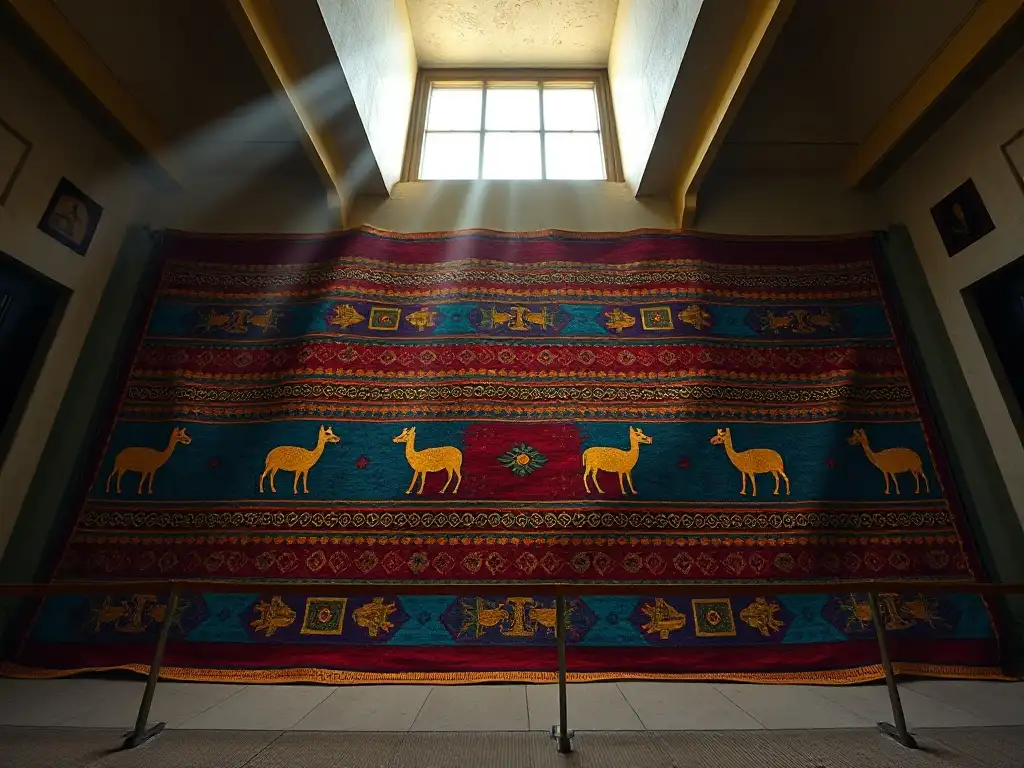
Step into a world woven with gold and mystery. Imagine the intricate artistry of the Inca royal textiles of Tawantinsuyu, symbols of power and spirituality in a civilization that reached for the stars. This is more than just fabric; it's a captivating story of innovation, tradition, and a legacy that continues to resonate today. Unravel the secrets behind these magnificent creations and discover the vibrant tapestry of Andean culture – begin your exploration now.
More than just clothing, Inca textiles represent a captivating tapestry woven from threads of power, spirituality, and artistry. This article delves into the fascinating world of Inca royal textiles from Tawantinsuyu, exploring the techniques, materials, and symbolism embedded within these exquisite artifacts.
We'll uncover the intricate details of their creation, revealing the sophisticated knowledge and artistry that characterized Inca textile production and its crucial role in maintaining the social fabric and power structure of the empire. From the vibrant hues and intricate patterns to the choice of materials, each element contributes to a rich narrative that speaks volumes about Inca society and its enduring legacy.
Understanding Inca royal textiles provides invaluable insight into the complexities of Tawantinsuyu, highlighting the sophisticated technology and artistic expression that defined this remarkable civilization. This exploration will reveal how these textiles served not only as clothing but also as symbols of status, religious significance, and intricate record-keeping.
Introduction to Inca Textile Art and Its Significance
Inca textile art holds a unique position within the broader context of Andean civilizations. Unlike many other cultures where textile production was primarily a domestic activity, weaving in the Inca empire was a highly specialized craft, often overseen by state-controlled workshops. The production of textiles, particularly those intended for the royal court, was a complex process involving meticulous planning, specialized labor, and the careful selection of high-quality materials.
The significance of Inca textiles extended far beyond mere clothing; they were integral to religious ceremonies, royal insignia, and even record-keeping. The intricate designs and symbolic colors encoded complex narratives, signifying social status, lineage, and religious beliefs. The sheer variety of techniques employed – from intricate tapestry weaving to finely detailed embroidery – showcases the advanced level of skill and technological sophistication within Inca society.
The enduring legacy of Inca textiles is evident in the numerous surviving examples, which provide a window into the rich cultural heritage of Tawantinsuyu. These textiles serve as tangible links to the past, offering valuable insights into the lives, beliefs, and artistic achievements of the Inca people. Their continued study allows us to unravel the complex social and political structures that shaped this impressive civilization.
Decoding the Art of Inca Royal Textiles from Tawantinsuyu
The royal textiles of Tawantinsuyu were far more than simple garments; they were powerful symbols of authority and status. Reserved for the Inca elite, these textiles were often adorned with elaborate designs and intricate patterns, reflecting the wearer's position within the social hierarchy. The quality of the materials and the complexity of the weaving techniques further emphasized their importance.
Specific motifs, such as the tocapus (a type of headdress) or representations of sacred animals, were frequently incorporated into royal textiles, signifying the wearer's connection to the Inca gods and their divine right to rule. The preservation of these textiles, often found in royal tombs, provides invaluable evidence of the Inca's sophisticated understanding of textile production and their deeply ingrained belief system.
The intricate designs and color palettes used in these textiles offer a glimpse into the rich symbolism and intricate cosmology of the Inca worldview. Analyzing these textiles allows researchers to decipher clues about Inca social structures, religious beliefs, and the intricacies of their political system.
Materials Used in the Creation of Inca Royal Fabrics
The creation of Inca royal fabrics relied on a careful selection of high-quality materials, reflecting the empire's vast resources and sophisticated understanding of textile production. The most commonly used fiber was alpaca wool, prized for its softness, warmth, and durability. Llama wool, while coarser, was also utilized, particularly for certain types of textiles.
Cotton, grown in the warmer coastal regions, was another important material, often used in combination with wool to create lightweight and breathable fabrics. The meticulous preparation of these fibers—including spinning and dyeing—was a crucial step in the textile production process. The quality of the raw materials directly impacted the final product, with the finest fibers reserved for the creation of royal textiles.
[Specific information pending on the exact proportions of each fiber type used in different royal textiles]. The selection of these materials was not arbitrary; it was deeply intertwined with the symbolic meaning and intended use of the finished product.
Dyes and Color Symbolism in Inca Weaving
Inca weavers employed a remarkable range of natural dyes derived from plants, insects, and minerals, creating a vibrant palette of colors. These dyes were carefully prepared and applied, resulting in textiles that retained their brilliance for centuries. Color held significant symbolic meaning within Inca culture, with different hues representing various aspects of their worldview.
For example, red was often associated with power and royalty, while yellow symbolized divinity and the sun god Inti. [Specific information pending on the exact plants and minerals used for each dye and the specific symbolic meaning of other colors]. The careful selection and application of these dyes were integral to the overall meaning and significance of the royal textiles, further emphasizing their importance as symbols of power and religious authority.
The skillful use of color and pattern created a complex visual language that conveyed complex messages and reinforced the Inca worldview. The persistence of these vibrant colors across centuries is a testament to the mastery of Inca dyeing techniques.
- Introduction to Inca Textile Art and Its Significance
- Decoding the Art of Inca Royal Textiles from Tawantinsuyu
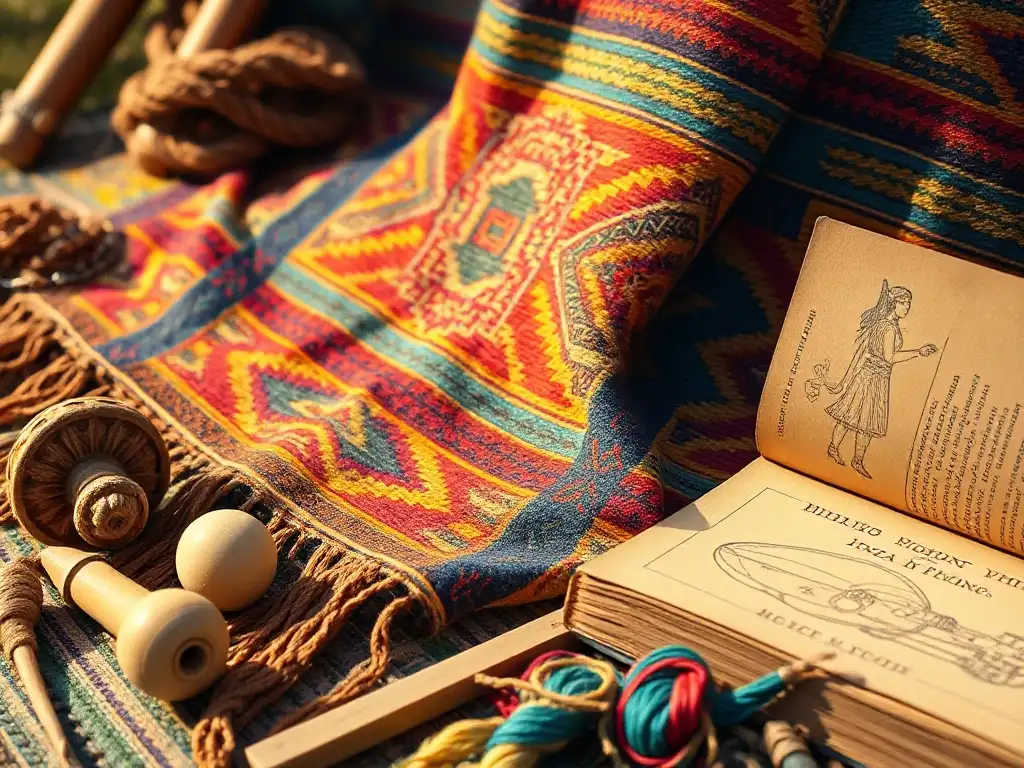
The intricate artistry and symbolic richness of Inca royal textiles offer significant potential for economic development, particularly within communities with a strong connection to this heritage. Monetizing this knowledge requires a thoughtful and respectful approach, balancing economic gain with the preservation of cultural integrity. This can be achieved through a variety of avenues.
Ethically Sourced Replicas and Crafts
Creating high-quality replicas of Inca textile designs is a viable option. This, however, necessitates rigorous adherence to ethical sourcing practices. Materials should be sustainably harvested, and production methods should respect traditional techniques. Working directly with Andean artisans ensures fair wages and the preservation of traditional knowledge.
This approach not only generates income but also empowers local communities. For example, a cooperative producing meticulously crafted replicas of unku (a type of Inca tunic) could provide a sustainable livelihood for several families, while simultaneously offering tourists and collectors authentic pieces. The key here is transparency—clearly labeling products with details about their origin, materials, and production methods.
Educational Resources and Workshops
The knowledge surrounding Inca textiles is vast and captivating. Developing educational resources, such as books, documentaries, and online courses, can effectively disseminate this knowledge to a broader audience. These resources can delve into the symbolism of different designs, the techniques used in weaving, and the social context of textile production within Tawantinsuyu.
Furthermore, offering hands-on workshops, teaching traditional Andean weaving techniques, provides an immersive and engaging experience for participants. These workshops can be conducted in community centers or even integrated into tourism packages, creating a unique and valuable experience for visitors. The income generated from these activities can be reinvested in community projects or used to support further research.
Museum Exhibits and Cultural Tourism
Museums play a crucial role in showcasing Inca royal textiles. Collaborating with museums to develop engaging exhibits that highlight the historical significance and artistic merit of these textiles can attract a larger audience and generate revenue. This can include guided tours, educational programs, and interactive displays. Moreover, promoting cultural tourism focused on Inca textile traditions can provide significant economic benefits to local communities. This could involve visits to artisan workshops, demonstrations of traditional weaving techniques, and opportunities to interact with artisans. This approach not only generates income but also fosters a deeper appreciation and understanding of Inca culture.
Sustainable Fashion and Design
Inca textile designs lend themselves beautifully to contemporary fashion and design. Collaborating with ethical fashion designers to incorporate these motifs into clothing and accessories can create a unique and high-demand product line. By ensuring fair labor practices and sustainable materials, this approach can combine economic success with environmental responsibility. For example, a collection of scarves or clothing featuring adapted tocapus (Inca headbands) designs could be a highly marketable product. This requires careful consideration of cultural sensitivity to avoid appropriation.
Conclusion: The Enduring Threads of Inca Culture
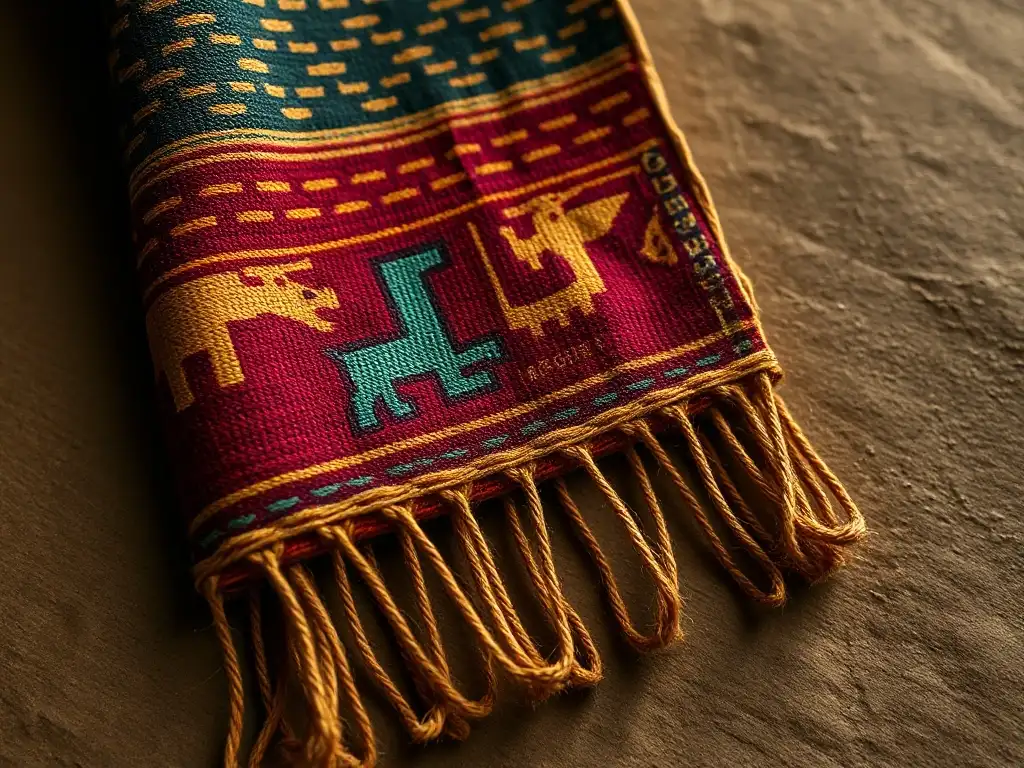
The legacy of Inca royal textiles extends far beyond their aesthetic beauty. They represent a rich tapestry of cultural knowledge, technological innovation, and social significance within Tawantinsuyu. By thoughtfully monetizing the knowledge surrounding these textiles, we can not only generate economic opportunities but also ensure the preservation and celebration of this invaluable cultural heritage for generations to come.
The key lies in prioritizing ethical practices, community empowerment, and a deep respect for the cultural significance of Inca royal textiles. The enduring threads of Inca culture can be woven into a vibrant and sustainable future, benefiting both local communities and the global appreciation of Andean artistry.
Frequently Asked Questions
What makes Inca royal textiles so unique?
Inca royal textiles were exceptionally fine and used rare materials like vicuña and alpaca wool, often incorporating intricate designs and gold and silver threads. Their creation was a highly skilled and specialized craft.
How did the Incas use textiles to display power?
Textiles served as powerful symbols of royal authority and status in Tawantinsuyu. Elaborate garments and tapestries were reserved for the Inca elite, signifying their high social standing and connection to the gods.
What techniques did Inca weavers employ?
Inca weavers mastered sophisticated techniques like backstrap loom weaving, creating incredibly detailed and complex patterns. They also used various dyeing methods to achieve a wide range of vibrant colors.
Where can I see examples of Inca royal textiles today?
Many examples are held in museums worldwide, including the Museo Larco in Lima and the American Museum of Natural History in New York. You can also find some in smaller museums in South America near the sites of Inca settlements.
What role did textiles play in Inca religious practices?
Textiles were deeply integrated into Inca religious life. They were used in ceremonies and rituals, and sacred garments were often adorned with symbolic imagery representing deities and mythical beings.
Final Reflection: The Enduring Threads of Tawantinsuyu
The intricate artistry of Inca royal textiles continues to resonate today, a powerful testament to a civilization's ingenuity and enduring cultural legacy. These vibrant threads, meticulously woven centuries ago, speak not only of technical mastery but also of a complex social and political order, a sophisticated understanding of the natural world, and a profound connection to the Andean landscape. Their survival, often in remarkably preserved condition, offers us a unique window into a lost world, a world we can still learn from and appreciate.
The impact of Inca textile traditions extends far beyond the museum walls where many of these treasures reside. Their influence can be seen in contemporary Andean art, fashion, and cultural practices, a living testament to the enduring power of tradition. The meticulous craftsmanship, the symbolic richness of the designs, and the sheer beauty of these textiles continue to inspire awe and wonder. The past is never dead. It's not even past.
– William Faulkner. This quote perfectly encapsulates the enduring relevance of Inca textiles; they are not simply artifacts of a bygone era, but active participants in a continuous cultural conversation.
Consider, for a moment, the dedication and skill required to create these magnificent pieces. Imagine the stories woven into each thread, the intricate symbolism embedded in every pattern. Now, consider how you can weave your own legacy, your own unique contribution to the world.
Let the enduring spirit of the Inca artisans inspire you to pursue your passions with the same dedication, creativity, and unwavering commitment to excellence. Let their legacy remind you of the power of human ingenuity and the enduring beauty of handcrafted artistry. Embrace the opportunity to learn from the past and create a future rich in creativity and cultural understanding.
Awaken Your Curiosity: Dive Deeper into Inca Textiles!
Thank you for exploring the rich tapestry of Inca civilization with us! This article has hopefully uncovered the intricate artistry and cultural significance of the royal textiles of Tawantinsuyu. Now, let's explore ways to connect more deeply with this vibrant heritage.
Here are some inspiring next steps:
- Learn traditional weaving techniques and create your own masterpiece inspired by Inca designs by **joining a local textile workshop**.
- Share this article with friends and on social media to spark conversations about preserving indigenous arts and crafts.
- Delve further into the beauty of Andean textiles by **visiting a museum** or exploring **online exhibitions**.
What aspects of traditional Inca textiles captivate you most, and how can we best ensure this incredible legacy thrives for future generations?