
The Role of the Sapa Inca: Divine Ruler and Architect of the Empire

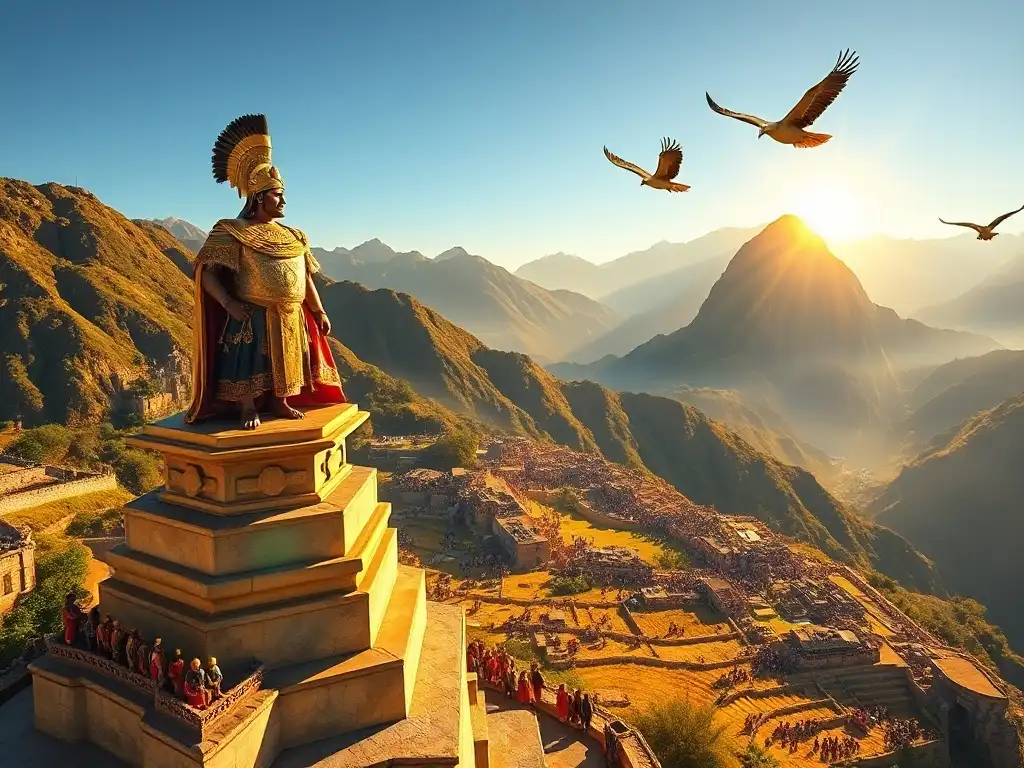
Step into a world lost to time, yet echoing with power and mystery. Imagine a civilization that sculpted mountains, mastered intricate textiles, and built an empire spanning a vast and challenging landscape. Here, on Andean Civilizations, we unravel the enigma of the Sapa Inca's role in Andean empire, a story of divine rule, ingenious engineering, and a legacy that continues to fascinate. Dare to explore the breathtaking achievements and enduring impact of the Inca, and uncover the secrets held within the heart of the Andes.
-
The Sapa Inca's Role in Andean Empire: Divine Ruler and Architect
- The Divine Mandate of the Sapa Inca: Origins and Legitimacy
- The Sapa Inca as a Religious Figure: High Priest and Sun God's Representative
- Political Power of the Sapa Inca: Centralized Authority and Imperial Control
- The Sapa Inca’s Economic Role: Managing Resources and Redistribution
- Sapa Inca's Responsibilities: Maintaining Order and Justice
- The Sapa Inca as a Military Leader: Expansion and Defense of the Empire
- Sapa Inca's Architectural Legacy: Construction and Urban Planning
- The Daily Life of the Sapa Inca: Rituals and Royal Court
- Succession of Power: Choosing the Next Sapa Inca
- The Sapa Inca's Influence on Inca Society: Shaping Culture and Traditions
- Symbolism and Representation of the Sapa Inca: Dress, Regalia, and Imagery
- The End of the Sapa Inca's Reign: The Spanish Conquest
- Legacy of the Sapa Inca: Impact on Andean History and Culture
- Understanding the Sapa Inca: Key to Comprehending Inca Society and Power
- Frequently Asked Questions
- Final Reflection: Echoes of the Sapa Inca in the Andes Today
- Embrace the Legacy: Step Into the World of the Sapa Inca!
The Sapa Inca's Role in Andean Empire: Divine Ruler and Architect
The Sapa Inca, meaning "only Inca," wasn't merely the emperor of the vast Inca Empire; he was considered a divine ruler, a living bridge between the earthly and spiritual realms. His authority wasn't based solely on military might or political maneuvering, but on a deeply ingrained belief system that intertwined religious power with imperial control. Understanding the Sapa Inca's multifaceted role is crucial to comprehending the Inca Empire's remarkable organization, expansion, and enduring legacy.
This article delves into the complexities of his position, examining his religious authority, administrative responsibilities, and the intricate web of power that sustained his rule and shaped the lives of millions across the Andes. We will explore how the Sapa Inca’s divine mandate influenced every aspect of Andean society, from religious practices and agricultural cycles to infrastructure development and military campaigns.
The Sapa Inca's role in the Andean empire was not simply that of a king, but a complex interplay of religious, political, and economic power, ultimately shaping the very fabric of Inca civilization. The keyword "Sapa Inca's role in Andean empire" will be explored across various aspects of his reign, providing a comprehensive understanding of his influence.
The Divine Mandate of the Sapa Inca: Origins and Legitimacy
The Sapa Inca's power stemmed from a divinely ordained lineage, tracing back to the mythical origins of the Inca people. Legend held that the Inca were descended from the sun god, Inti, solidifying the Sapa Inca's position as Inti's earthly representative. This divine connection wasn't merely symbolic; it provided the foundation for his absolute authority.
The legitimacy of his rule was constantly reinforced through elaborate religious ceremonies, carefully crafted narratives, and the meticulous control of information. The Inca state actively cultivated the Sapa Inca's image as a divinely appointed leader, ensuring unwavering loyalty and obedience among his subjects. This carefully constructed narrative was crucial to maintaining social order and justifying the Inca's expansionist policies.
Specific rituals, such as the capacocha (child sacrifice), further reinforced the Sapa Inca's connection to the divine and the cosmic order. The empire's success was attributed directly to the Sapa Inca's ability to maintain this divine link, ensuring prosperity and stability. Any challenge to his authority was not just a political rebellion, but an affront to the gods themselves.
The Sapa Inca as a Religious Figure: High Priest and Sun God's Representative
Beyond his political authority, the Sapa Inca served as the supreme religious leader of the Inca Empire. He wasn't merely a patron of religious activities; he was the huillac uma, the high priest, directly responsible for maintaining the relationship between the Inca people and the gods. This role involved overseeing the vast network of temples, conducting elaborate ceremonies, and interpreting the will of the gods. As Inti's representative, the Sapa Inca was central to the sun worship that permeated Inca culture.
His actions were believed to directly influence the agricultural cycles, the weather patterns, and the overall prosperity of the empire. The Sapa Inca's religious duties were not merely symbolic; they were intricately woven into the fabric of Inca daily life. His pronouncements were considered sacred, and his participation in religious festivals was essential for maintaining cosmic harmony and securing the empire's continued success.
The Sapa Inca's religious authority reinforced his political power, creating a symbiotic relationship between the sacred and the secular that was fundamental to the Inca's governance. This dual role cemented his position as the ultimate authority, both earthly and divine. The intricate rituals and ceremonies he presided over were not simply religious events; they were powerful tools of social control, maintaining order and reinforcing the Sapa Inca's absolute authority within the Andean Empire.
The Sapa Inca's political power was absolute and unquestioned. He held the supreme authority within the vast Inca Empire, a position solidified by the intricate tapestry of religious belief and carefully constructed political structures. His word was law, and his decisions shaped every aspect of Inca life, from grand infrastructure projects to the daily routines of ordinary citizens. This centralized authority wasn't merely a matter of personal dominance; it was a fundamental element of the Inca political system, designed to maintain order and control across a geographically diverse and populous empire.
The Sapa Inca's power stemmed from his perceived divine status, a belief that reinforced his authority and ensured obedience. He was considered the direct descendant of Inti, the sun god, a lineage that imbued his rule with sacred legitimacy. This divine connection wasn't simply a matter of religious dogma; it was actively cultivated through elaborate ceremonies, rituals, and visual representations of the Sapa Inca's divine heritage, constantly reinforcing his authority.
Furthermore, the Sapa Inca controlled the vast bureaucracy of the empire, appointing governors (Apus) and other officials to manage different regions and sectors. This intricate system of governance ensured that imperial directives were disseminated and implemented efficiently throughout the empire, further solidifying the Sapa Inca's control and maintaining a remarkably stable political landscape for centuries. The Sapa Inca's ability to effectively manage this complex network of power and influence is a testament to the sophistication of the Inca political organization.
The Sapa Inca’s Economic Role: Managing Resources and Redistribution
The Sapa Inca wasn't just a political leader; he was also the supreme economic authority within the Inca Empire. His role in managing resources and implementing a sophisticated redistribution system was crucial to the empire's economic stability and the well-being of its population. The Inca economy was based on a system of ayllu, communal land ownership, and mita, a form of mandatory labor service. The Sapa Inca oversaw the production and allocation of resources from these systems, ensuring that goods were distributed effectively throughout the empire.
This involved managing vast agricultural lands, overseeing the construction of extensive irrigation systems, and controlling the production of textiles, ceramics, and other essential goods. The Sapa Inca's economic power was directly linked to his political authority; his control over resources allowed him to maintain the loyalty of his subjects and fund the vast infrastructure projects that characterized the Inca Empire. The redistribution of goods wasn't merely a matter of economic efficiency; it was a crucial mechanism for social cohesion and stability. By ensuring that all citizens, regardless of their social standing, received a fair share of resources, the Sapa Inca maintained social harmony and prevented widespread unrest.
This intricate economic system, meticulously managed by the Sapa Inca, allowed the Inca Empire to thrive for several centuries. The efficient management of resources and the equitable redistribution of goods were key to the empire's remarkable success. The scale of this endeavor is a testament to the organizational capabilities of the Inca civilization and the central role played by the Sapa Inca.
Sapa Inca's Responsibilities: Maintaining Order and Justice
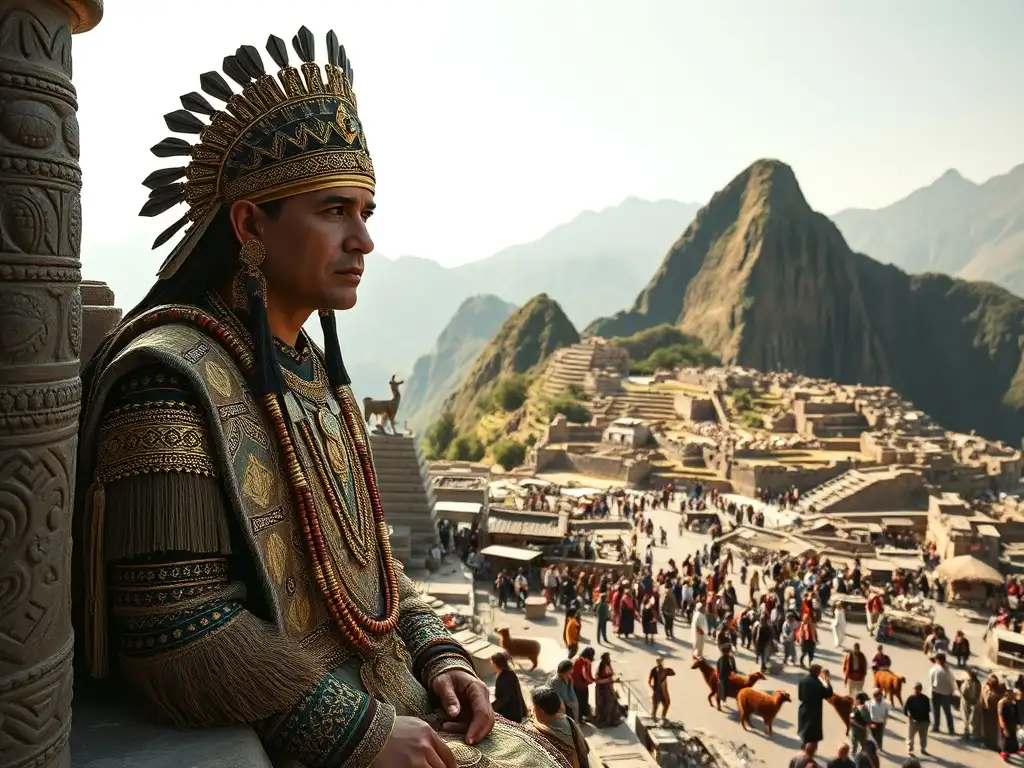
Beyond political and economic control, the Sapa Inca bore the ultimate responsibility for maintaining order and dispensing justice within the Inca Empire. His role extended far beyond merely enacting laws; he was the embodiment of justice and the guarantor of social order. The Inca legal system, while not codified in written form, was remarkably effective in maintaining peace and resolving conflicts. The Sapa Inca, advised by a council of officials, presided over major legal cases and oversaw the enforcement of laws. While local officials dealt with most minor disputes, cases of significant importance, involving crimes against the state or disputes between different regions, were brought before the Sapa Inca for final judgment.
His decisions were considered inviolable, and his authority in judicial matters was absolute. The Sapa Inca's role in maintaining order wasn't solely punitive. He also played a crucial role in mediating conflicts and ensuring social harmony. His decisions often aimed not only at punishing wrongdoing but also at restoring balance and social equilibrium within the community.
This approach reflects a holistic view of justice that emphasized reconciliation and the preservation of social order. The Sapa Inca's commitment to justice and his active role in maintaining social harmony were crucial to the stability and longevity of the Inca Empire. The effectiveness of the Inca legal system, under the Sapa Inca's leadership, exemplifies a sophisticated approach to governance and social control in a large and complex empire. The Sapa Inca's responsibility extended to all aspects of society, highlighting the profound impact of his leadership on the daily lives of the Inca people.
The Sapa Inca as a Military Leader: Expansion and Defense of the Empire
The Sapa Inca wasn't merely a religious figurehead; he was the supreme commander of the Inca army. His role in the expansion and defense of the vast Andean empire was paramount. The Inca military was a highly organized and effective force, employing sophisticated tactics and logistics. The Sapa Inca personally oversaw military campaigns, often leading troops into battle, solidifying his authority and inspiring loyalty.
Successful military ventures expanded the empire's territory, bringing new resources and populations under Inca control. Conversely, the Sapa Inca's military prowess was crucial in repelling external threats and maintaining the empire's borders. The efficient mobilization of troops and resources, a direct reflection of the Sapa Inca's leadership, ensured the empire's stability and longevity. Defeats, while rare, likely resulted in internal challenges to his authority, highlighting the critical link between military success and his divine legitimacy.
Specific examples of Sapa Inca military campaigns and their impact on the empire's growth are needed here to further illustrate this point. [Specific information pending on notable campaigns and their results]. The army's structure, training, and weaponry, all under the Sapa Inca's ultimate command, contributed significantly to the Inca empire's impressive territorial reach.
Sapa Inca's Architectural Legacy: Construction and Urban Planning
The Sapa Inca's influence extended far beyond military matters; he was also the driving force behind the empire's remarkable architectural achievements. As the supreme authority, he commissioned and oversaw the construction of monumental structures throughout the Andes, shaping the urban landscape and leaving an enduring legacy. From grand temples and imposing fortresses to meticulously planned cities and intricate road networks, the Sapa Inca's architectural vision transformed the Andean world.
His role wasn't simply to approve projects; he actively participated in the planning and execution, ensuring adherence to Inca aesthetics and engineering standards. The mobilization of vast labor forces, the meticulous organization of resources, and the precise execution of complex construction projects all demonstrate the Sapa Inca's power and control. This architectural prowess not only served practical purposes but also reinforced his divine status, showcasing the power and wealth of the Inca empire.
The standardization of architectural styles across the empire further cemented the Sapa Inca's authority and unified the diverse populations under his rule. The integration of religious symbolism into architecture also served to reinforce the Sapa Inca's divine connection and legitimize his rule.
Machu Picchu: A Royal Estate and Sacred Site
Machu Picchu, often referred to as the "Lost City of the Incas," stands as a testament to the Sapa Inca's architectural genius and his connection to the sacred. While its precise function remains a subject of ongoing research, evidence suggests it served as a royal estate and a significant religious site. The meticulous planning and construction, the integration of agricultural terraces into the mountainside, and the strategic location all reflect the Sapa Inca's vision and control.
The architectural style, materials used, and the incorporation of astronomical elements point to the site's importance in the Inca worldview. The sheer scale and complexity of the construction, achieved with limited technology, showcase the organizational prowess of the Inca empire under the Sapa Inca's leadership. Further research is needed to definitively ascertain the exact role of specific Sapa Incas in its construction.
[Specific information pending on which Sapa Inca(s) were involved in Machu Picchu's construction]. The city's survival and rediscovery have only enhanced its legendary status, further solidifying its importance in understanding the Sapa Inca's role in shaping the Inca landscape.
Sacsayhuamán: A Fortress of Immense Scale
Sacsayhuamán, a massive fortress located near Cusco, represents another pinnacle of Inca architecture directly attributable to the Sapa Inca's influence. Its cyclopean walls, constructed from enormous, precisely fitted stones, stand as a testament to Inca engineering prowess. The strategic location, overlooking Cusco, and the fortress's imposing scale served not only as a defense against potential invaders but also as a powerful symbol of the Sapa Inca's authority.
The sheer scale of the project, the precision of the stonework, and the organization required for its construction highlight the Sapa Inca's power and his ability to mobilize the resources of the entire empire. The fortress’s design also incorporated religious elements, reflecting the Sapa Inca's position as a divine ruler.
[Specific information pending on the exact involvement of specific Sapa Incas in the construction of Sacsayhuamán]. The enduring presence of Sacsayhuamán stands as a potent reminder of the Sapa Inca's legacy in Andean architecture and military strength.
Coricancha: The Temple of the Sun
Coricancha, or the Temple of the Sun, located in Cusco, was the most important religious center in the Inca empire. The Sapa Inca played a crucial role in its construction and maintenance, reinforcing his status as a divine ruler. The temple’s opulent design, featuring gold and silver plating, showcased the empire's wealth and the Sapa Inca's power.
The temple’s construction served not only as a religious center but also as a symbol of the Sapa Inca’s divine authority and the empire's prosperity. [Specific information pending on the exact role of specific Sapa Incas in the construction and maintenance of Coricancha]. The meticulous detailing and the use of precious metals further underscore the Sapa Inca's commitment to religious symbolism and the importance of the temple in maintaining his legitimacy.
The destruction of much of Coricancha after the Spanish conquest highlights its importance and the Sapa Inca's central role in its creation. The remaining ruins continue to serve as a powerful reminder of the Sapa Inca's influence on Inca religion and architecture.
The Daily Life of the Sapa Inca: Rituals and Royal Court
The Sapa Inca's daily life was far from ordinary. He wasn't simply a political leader; he was considered a divine intermediary between the gods and the Inca people. His days were meticulously structured, filled with religious rituals and state affairs. He began his day with elaborate ceremonies, often involving offerings to the sun god, Inti, the most important deity in the Inca pantheon. These rituals weren't merely symbolic; they reinforced his divine status and solidified his power. The Sapa Inca's participation in these rituals was crucial for maintaining cosmological balance and ensuring the prosperity of the empire.
His royal court, located in Cusco, the capital city, was a bustling center of activity. High-ranking officials, priests, and nobles constantly surrounded him, attending to his every need. He held audiences, received tribute, and made critical decisions impacting every facet of Inca life. The daily routine included consultations with advisors on matters of governance, military strategy, and infrastructure projects.
This constant engagement with his court was vital for effective administration of the vast empire. The sheer scale of the Inca empire demanded a structured and efficient system of governance, and the Sapa Inca was at its heart. His daily schedule, therefore, wasn't just a personal timetable but a reflection of the intricate workings of the entire empire. Even seemingly mundane activities were imbued with ritual significance, underscoring the Sapa Inca's sacred role.
Succession of Power: Choosing the Next Sapa Inca
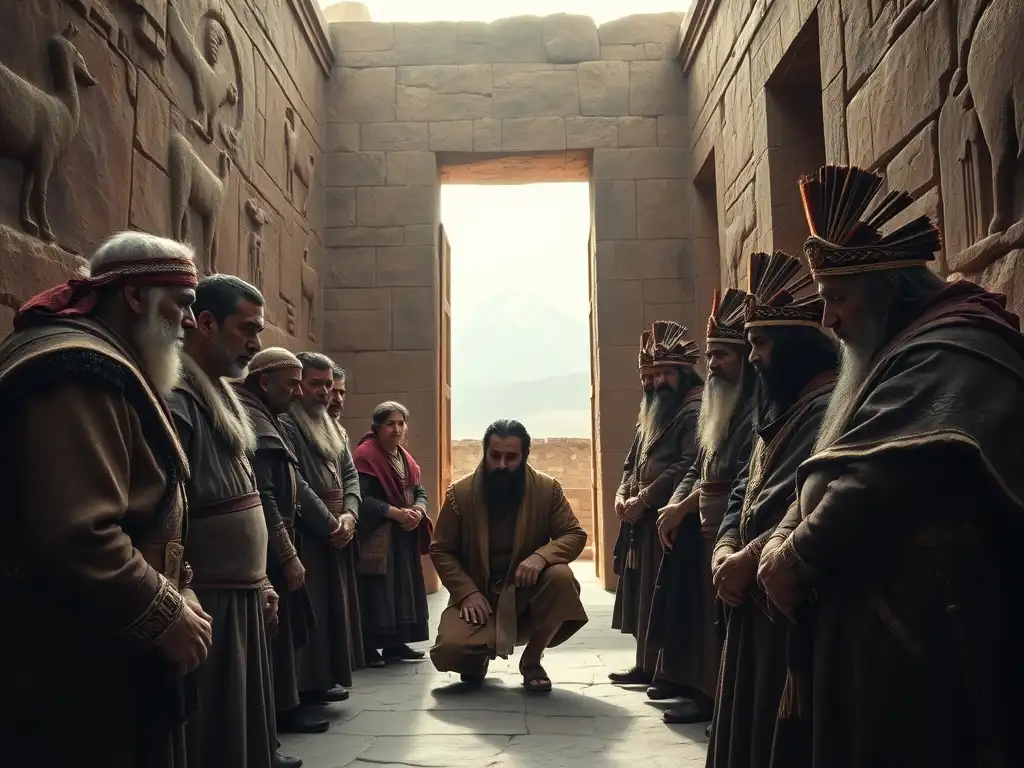
The succession of the Sapa Inca was a critical process, heavily influenced by both religious beliefs and political considerations. While ideally, the heir apparent would be the Sapa Inca's eldest son, the process wasn't simply hereditary. The selection involved a complex interplay of factors, including the assessment of the potential heir's capabilities and the approval of the nobility and religious leaders. The chosen heir needed to demonstrate physical and mental strength, political acumen, and a devout understanding of Inca traditions and religious practices. This selection process aimed to ensure the continuation of stable and effective leadership.
The process frequently involved a period of observation and testing, allowing the potential successor to prove his capabilities. He might be given responsibilities in different regions of the empire, allowing him to demonstrate his administrative skills and his ability to command respect and loyalty. This ensured that the next Sapa Inca was not merely a figurehead but a capable leader prepared to govern the vast and complex Inca empire.
The involvement of the high priests and the nobility in the selection process further emphasized the importance of this decision for the entire Inca society. The stability of the empire rested upon the proper selection of the next Sapa Inca. Instances where succession was contested or unclear often led to periods of internal strife and instability, highlighting the critical nature of this process.
The Sapa Inca's Influence on Inca Society: Shaping Culture and Traditions
The Sapa Inca's influence on Inca society was profound and far-reaching, shaping its culture, traditions, and daily life in countless ways. As the supreme religious authority, he played a key role in maintaining the intricate system of Inca beliefs and practices. His decisions on religious matters, including the construction of new temples and the performance of major ceremonies, directly impacted the spiritual lives of his subjects. The Sapa Inca's authority was not merely political; it was deeply intertwined with the spiritual fabric of Inca society.
Furthermore, the Sapa Inca's decisions regarding infrastructure projects, such as the construction of roads, irrigation systems, and storehouses, significantly impacted the economic and social well-being of the empire. These massive undertakings required the mobilization of labor and resources, reflecting the Sapa Inca's power and control over the entire Inca population.
His ability to organize and direct these massive projects was a testament to his administrative capabilities and the efficiency of the Inca state. The carefully planned and executed infrastructure projects not only facilitated trade and communication but also served as a powerful symbol of the Sapa Inca's authority and the strength of the Inca empire.
The Sapa Inca's legacy is not simply one of political power; it’s a legacy etched into the very landscape and culture of the Andes. His influence permeated every aspect of Inca life, making him more than just a ruler, but a vital part of the Inca identity.
Symbolism and Representation of the Sapa Inca: Dress, Regalia, and Imagery
The Sapa Inca's attire wasn't merely clothing; it was a powerful visual manifestation of his divine authority and the Inca's cosmological beliefs. His elaborate garments, meticulously crafted from the finest textiles, served as potent symbols of his power and connection to the gods. The llantas, a type of multi-colored, intricately woven cloth, were a staple, often adorned with intricate designs representing celestial bodies, animals significant in Inca mythology, and other symbolic motifs.
The colors themselves held deep meaning, with specific hues associated with particular deities or aspects of the Inca worldview. For instance, purple, a rare and highly valued dye, was often reserved for the Sapa Inca, further emphasizing his elevated status.
Beyond the llantas, the Sapa Inca wore a variety of headdresses, ornaments, and jewelry. The mascapaicha, a distinctive red and yellow headband, was a symbol of royal power, visually reinforcing his status as the supreme ruler. Gold and silver ornaments, often depicting animals or deities, further embellished his attire, underscoring his connection to the supernatural realm.
These weren't simply decorations; they were carefully chosen elements that projected an image of divine authority and reinforced the Sapa Inca's role as a mediator between the human and spiritual worlds. The careful selection and arrangement of these items were crucial to maintain the perception of his divine lineage and power. Even the way he carried himself, the very posture and demeanor of the Sapa Inca, were part of the carefully constructed image of a divine ruler.
The End of the Sapa Inca's Reign: The Spanish Conquest
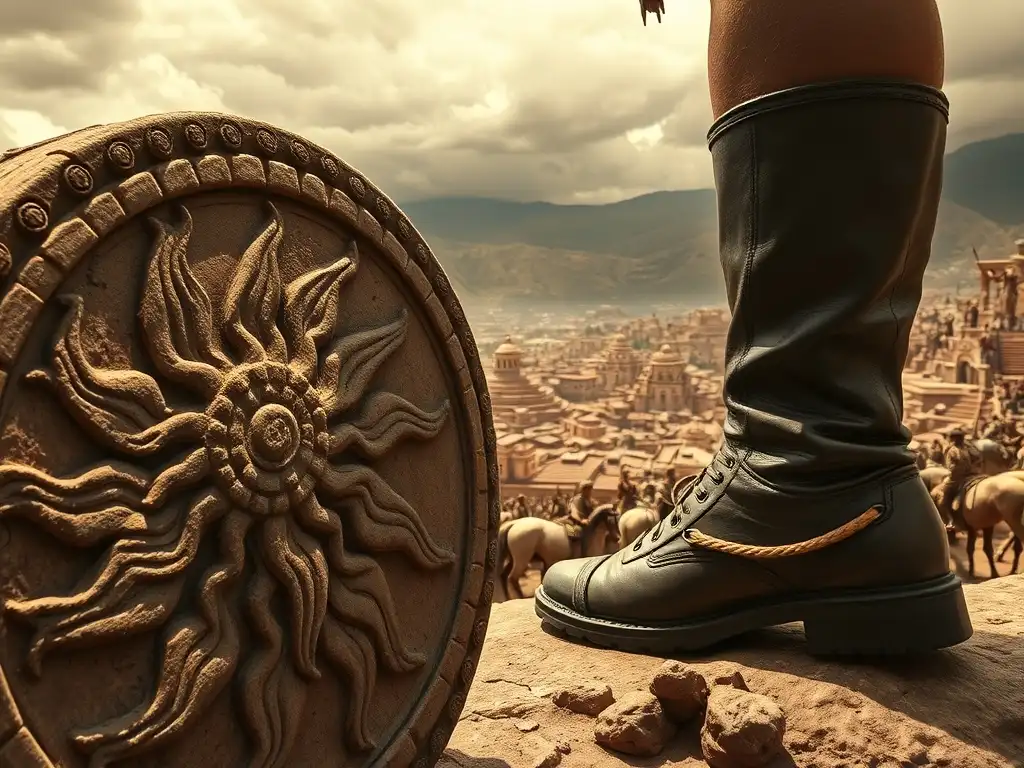
The Spanish conquest dramatically altered the role and ultimately, the existence of the Sapa Inca. The arrival of Francisco Pizarro and his conquistadors in the early 16th century marked a turning point in Andean history, irrevocably changing the political landscape and ending the centuries-long reign of the Inca empire. The carefully constructed system of power, centered around the Sapa Inca's divine authority, crumbled under the onslaught of Spanish weaponry, disease, and political manipulation.
The final Sapa Inca, Atahualpa, initially resisted the Spanish advance, but the superior weaponry and strategic alliances of the conquistadors ultimately led to his capture and execution in 1533. His death marked the symbolic end of the Inca empire, though resistance continued for several years. The Spanish systematically dismantled the Inca power structure, replacing it with a colonial administration that served Spanish interests.
The subsequent attempts by the Spanish to control and exploit the Inca population further weakened the traditional power structure and the significance of the Sapa Inca's role. The conquest led to the disruption of Inca religious practices, the destruction of sacred sites, and the suppression of indigenous traditions, effectively erasing the Sapa Inca's divine authority from the public consciousness.
Legacy of the Sapa Inca: Impact on Andean History and Culture
Despite the Spanish conquest's devastating impact, the legacy of the Sapa Inca remains deeply ingrained in Andean history and culture. The Sapa Inca's role as a divine ruler and architect of a vast empire left an indelible mark on the region. The sophisticated administrative system, the impressive infrastructure projects (like the road network), and the advanced agricultural techniques all bear witness to the Sapa Inca's influence and the power of the centralized Inca state.
Even today, elements of Inca culture and traditions persist, reflecting the enduring impact of the Sapa Inca's reign. Many Andean communities continue to hold onto aspects of their ancestral heritage, including aspects of their cosmology and religious beliefs, which were deeply intertwined with the Sapa Inca's perceived divine authority. The Sapa Inca's legacy is not just about the political structures he oversaw; it's about the cultural values, beliefs, and practices that shaped Andean society for centuries.
The story of the Sapa Inca serves as a powerful reminder of the resilience of Andean cultures and their ability to adapt and persevere in the face of immense challenges, even if the original structure of power drastically altered over time. The continued fascination with Inca history and the enduring presence of Inca-inspired art and traditions are a testament to the lasting influence of the Sapa Inca and the empire he ruled.
Understanding the Sapa Inca: Key to Comprehending Inca Society and Power
The Sapa Inca, meaning "the only Inca," was not merely a political leader; he was the cornerstone of Inca society, a figurehead embodying the very essence of their civilization. His role transcended earthly governance; he was considered a divine intermediary between the gods and the people, a living embodiment of the sun god Inti. This divine status imbued his authority with unparalleled power, shaping every facet of Inca life, from religious practices and economic policies to social structures and military campaigns.
Understanding the Sapa Inca is, therefore, paramount to understanding the intricate workings and enduring legacy of the Inca Empire. His influence permeated all levels of society, dictating the hierarchy, customs, and even the daily routines of his subjects. The sheer weight of his authority ensured the cohesion and stability of the vast empire, a testament to the power of religious and political authority intertwined.
The Sapa Inca's power was not simply inherited; it was carefully cultivated and reinforced through elaborate rituals, ceremonies, and symbolic displays. These practices served not only to maintain his divine image but also to solidify his control over the empire. For example, the capacocha, a ritual sacrifice of children and young adults, was believed to appease the gods and ensure the Inca's continued reign.
This act, while horrific from a modern perspective, demonstrates the extent to which the Sapa Inca's authority was linked to the spiritual well-being of the entire empire. His actions, both public and private, were meticulously scrutinized and interpreted as divine pronouncements, shaping the beliefs and behaviors of millions. This constant reinforcement of his divine status contributed to the overall stability and obedience within the vast Inca realm.
Furthermore, the Sapa Inca's role extended beyond the realm of the spiritual. He was the supreme commander of the army, the chief administrator of the vast agricultural system, and the ultimate judge in matters of law. His decisions, often based on consultation with advisors and priests, impacted every aspect of Inca life.
The ayllu, the fundamental social unit of Inca society, was directly accountable to the Sapa Inca, highlighting the pervasive nature of his authority. His control over resources, including land, labor, and food, allowed him to maintain order and ensure the prosperity of the empire. This comprehensive control over all facets of life solidified his position as the undisputed ruler and architect of the Inca Empire.
The intricate system of mit'a, a form of mandatory labor, directly served the Sapa Inca's grand projects, further reinforcing his immense power and influence. The Sapa Inca was not just a king; he was the very embodiment of the Inca state.
Frequently Asked Questions
What was the Sapa Inca's primary role in the Andean empire?
The Sapa Inca was the supreme ruler of the Inca Empire, holding both political and religious authority. He was considered a descendant of the sun god Inti, embodying divine power.
How did the Sapa Inca maintain control over such a vast empire?
The Sapa Inca maintained control through a complex system of bureaucracy and infrastructure, including a network of roads, officials, and a highly organized military. He also relied on religious legitimacy to solidify his power.
What were the Sapa Inca's responsibilities regarding religion?
The Sapa Inca was the highest priest and played a crucial role in religious ceremonies and festivals. He was responsible for maintaining the cosmology and religious practices of the Inca Empire.
How was the Sapa Inca chosen?
While the Inca succession was ideally hereditary, the next Sapa Inca was chosen from among the sons of the reigning emperor. Sometimes, this selection involved political maneuvering and intrigue.
What happened to the Sapa Inca after death?
After death, the Sapa Inca was mummified and continued to be revered as a powerful ancestor. Elaborate funeral rites and offerings were performed to honor their memory and maintain their connection to the living.
Final Reflection: Echoes of the Sapa Inca in the Andes Today
The legacy of the Sapa Inca reverberates through the Andes even now, a testament to the enduring power of centralized authority and sophisticated societal structures. The intricate systems of governance, infrastructure, and religious belief established under their rule continue to shape the cultural landscape of the region, influencing everything from modern political structures to the enduring reverence for Andean traditions. Understanding their role is not merely an academic exercise; it's crucial to comprehending the complexities of Andean history and its lasting impact on the present.
The Sapa Inca's influence extended far beyond mere political control; it permeated the very fabric of Andean society, shaping its spiritual and material dimensions. Their divine status fostered a unique relationship between ruler and ruled, a dynamic that continues to fascinate and inspire debate. As the Inca Garcilaso de la Vega eloquently stated, The Inca was not merely a king, but a god among men, the embodiment of the sun's power and the guarantor of the empire's prosperity.
This quote highlights the profound spiritual significance of the Sapa Inca, a dimension that continues to resonate in contemporary Andean spirituality and cultural practices.
Consider the enduring impact of Inca engineering feats, the intricate road systems that once connected the vast empire, and the agricultural innovations that sustained its population. These achievements are not simply relics of the past; they are a source of pride and inspiration for modern Andean communities. You, the reader, are now equipped with a deeper understanding of the Sapa Inca's multifaceted role.
Reflect on how this knowledge can inform your perspective on leadership, governance, and the enduring power of cultural legacies. Let the echoes of the Sapa Inca inspire you to explore the rich tapestry of Andean history and its continuing relevance in our world.
Embrace the Legacy: Step Into the World of the Sapa Inca!
Thank you for joining us on this exploration of the Sapa Inca's remarkable influence as both a divine ruler and architect of an incredible empire. You've uncovered key insights into this monumental figure and how their legacy continues to shape Andean culture. Now, let's put your newfound knowledge into action!
Here are some ways to further explore and celebrate this ancient legacy:
- Dive deeper: Expand your understanding of Inca governance and architectural marvels by reading a book or watching a documentary about the Inca civilization. Consider focusing on specific aspects like their sophisticated road system or their innovative agricultural techniques.
- Share your insights: Discuss your newfound knowledge with friends, family, or colleagues. Joining an online community dedicated to Andean history is another excellent way to enrich your appreciation of this fascinating culture and learn from others' perspectives.
- Visit local museums: Explore exhibitions featuring Inca culture and artifacts. A hands-on experience with history can significantly deepen your understanding and appreciation. Many museums offer interactive exhibits designed for all ages.
What aspect of the Sapa Inca's legacy resonates most with you, and how might it inform your perspective on leadership today?