
Echoes of Tiahuanaco: How its Art and Architecture Shaped Later Andean Cultures

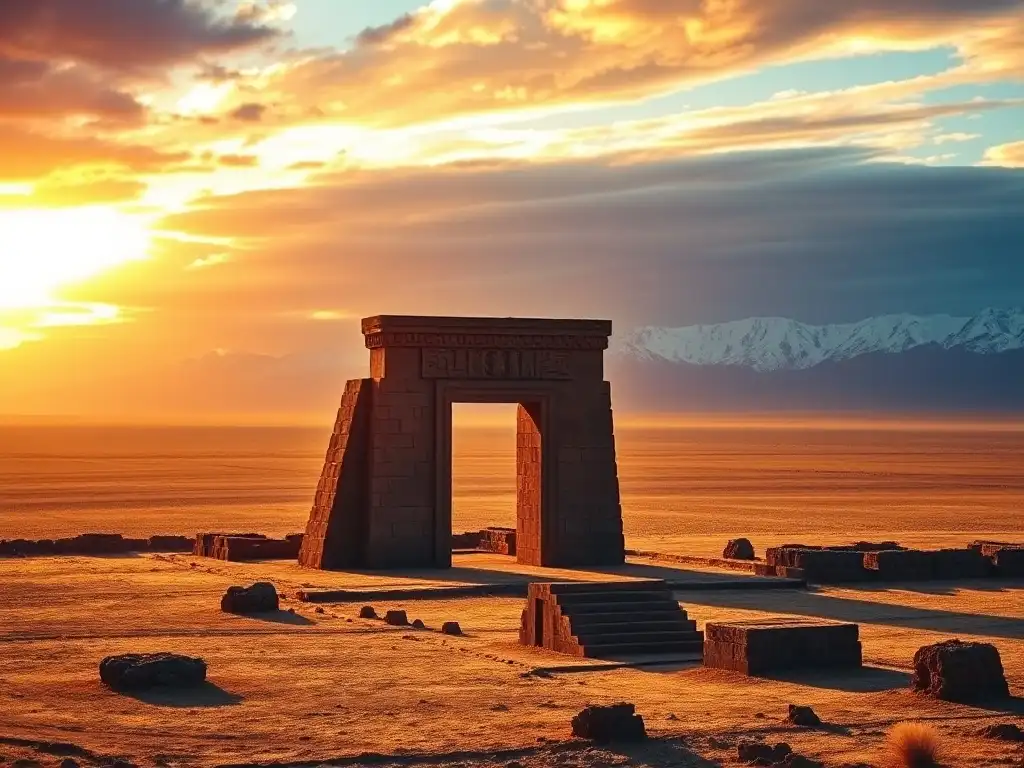
Step into a world lost to time, yet echoing through the ages. Journey with us to the heart of the Andes, where breathtaking artistry and monumental architecture shaped the destinies of empires. Discover the profound and lasting Tiahuanaco art and architecture influence, a legacy that continues to resonate in the vibrant tapestry of Andean civilization. Unravel the mysteries and marvel at the ingenuity of a culture whose impact reverberates even today – prepare to be amazed.
The monumental city of Tiahuanaco, flourishing in the Bolivian Altiplano between 500 and 1000 CE, left an indelible mark on the subsequent development of Andean cultures. Its sophisticated art and architecture, characterized by massive stone structures, intricate carvings, and unique stylistic elements, served as a powerful source of inspiration and influence for generations of Andean peoples.
This article delves into the profound impact of Tiahuanaco's artistic and architectural legacy, exploring how its distinctive features resonated across time and space, shaping the aesthetic and technological advancements of later civilizations like the Incas, Aymaras, and others. We will examine the evidence of this influence, revealing the subtle and overt ways in which Tiahuanaco's artistic and architectural innovations were adopted, adapted, and reinterpreted by succeeding Andean societies.
Understanding this legacy is crucial to appreciating the interconnectedness of Andean cultures and the enduring power of Tiahuanaco's artistic and architectural achievements. The keyword "Tiahuanaco art and architecture influence" is central to this exploration.
The Distinctive Style of Tiahuanaco Art and Architecture
Tiahuanaco's artistic and architectural style is immediately recognizable. Its monumental structures, built from precisely cut and fitted andesite blocks, demonstrate an impressive mastery of stonework. The scale of these structures, such as the enigmatic Puerta del Sol (Sun Gate) and the Kalasasaya complex, is breathtaking. The intricate carvings adorning these structures feature recurring motifs, including stylized figures, geometric patterns, and representations of deities and animals.
These motifs often incorporate a unique aesthetic sensibility, characterized by a blend of realism and abstraction. The use of bold lines, symmetrical compositions, and a preference for specific colors (achieved through pigments and the natural coloring of the stone) all contributed to the distinctive character of Tiahuanaco art. The precision and sophistication of the stonework, reflecting advanced engineering techniques, are equally remarkable. Detailed analysis of these techniques reveals a deep understanding of both stone-cutting technology and architectural principles.
The Spread of Tiahuanaco's Artistic Motifs
The influence of Tiahuanaco's artistic motifs is evident in the art and artifacts of numerous later Andean cultures. These motifs, often adapted and reinterpreted, appear in ceramics, textiles, metalwork, and stone carvings across a vast geographical area. For example, the characteristic stylized figures and geometric patterns found in Tiahuanaco art can be traced in the ceramic traditions of the later Wari and Inca cultures. Similarly, the iconography of Tiahuanaco deities and animals is echoed in the religious imagery of subsequent Andean societies.
Archaeological evidence, including the discovery of Tiahuanaco-style artifacts in distant locations, supports the widespread dissemination of these artistic ideas. This dissemination likely occurred through various mechanisms, including trade networks, migration patterns, and cultural exchange. The adoption of these motifs suggests a process of cultural assimilation and adaptation, with later cultures selectively borrowing and modifying elements to suit their own artistic and religious contexts.
Tiahuanaco's Architectural Innovations and Their Legacy
Beyond its artistic style, Tiahuanaco's architectural innovations also exerted a significant influence on later Andean cultures. The mastery of stonework displayed in Tiahuanaco's monumental structures, particularly the precise cutting and fitting of massive blocks, represents a remarkable feat of engineering. This advanced technology was not easily replicated, and the scale of Tiahuanaco's constructions remained unmatched for centuries.
However, later Andean societies, particularly the Incas, clearly demonstrated an appreciation for sophisticated stonework. While they may not have replicated the exact techniques used at Tiahuanaco, the Incas’ impressive masonry, seen in sites like Machu Picchu and Sacsayhuamán, certainly reflects a legacy of advanced stone-cutting and construction practices.
The emphasis on monumental architecture, the use of large stone blocks, and the careful planning of urban spaces all suggest a continuity of architectural principles that can be traced back to Tiahuanaco. The impact of Tiahuanaco's architectural ingenuity is further evident in the layout and design of subsequent Andean cities and settlements.
The Enduring Influence: A Synthesis
The influence of Tiahuanaco's art and architecture extended far beyond its immediate geographical area and temporal context. Its impact can be observed across multiple Andean cultures and centuries, demonstrating the lasting power of its artistic and technological achievements. While later cultures adapted and reinterpreted Tiahuanaco's stylistic elements and architectural principles, they nonetheless acknowledged and incorporated its legacy into their own cultural expressions.
The presence of Tiahuanaco motifs in the art and architecture of subsequent Andean societies is a testament to the city's enduring significance and its profound influence on the development of Andean civilization as a whole. The study of this influence provides crucial insights into the complex processes of cultural transmission, adaptation, and continuity in the Andes. Further research is needed to fully understand the nuances of this cultural exchange and the precise mechanisms by which Tiahuanaco's artistic and architectural legacy was transmitted and transformed.
- The Distinctive Style of Tiahuanaco Art and Architecture
- The Spread of Tiahuanaco's Artistic Motifs
- Tiahuanaco's Architectural Innovations and Their Legacy
- The Enduring Influence: A Synthesis
- What is the significance of Tiahuanaco in Andean history?
- How did Tiahuanaco's art influence later Andean styles?
- What architectural features of Tiahuanaco were particularly influential?
- Did Tiahuanaco's influence extend beyond its immediate geographical area?
- How can we still see the influence of Tiahuanaco art and architecture today?
The Enduring Legacy of Tiahuanaco's Artistic and Architectural Innovations
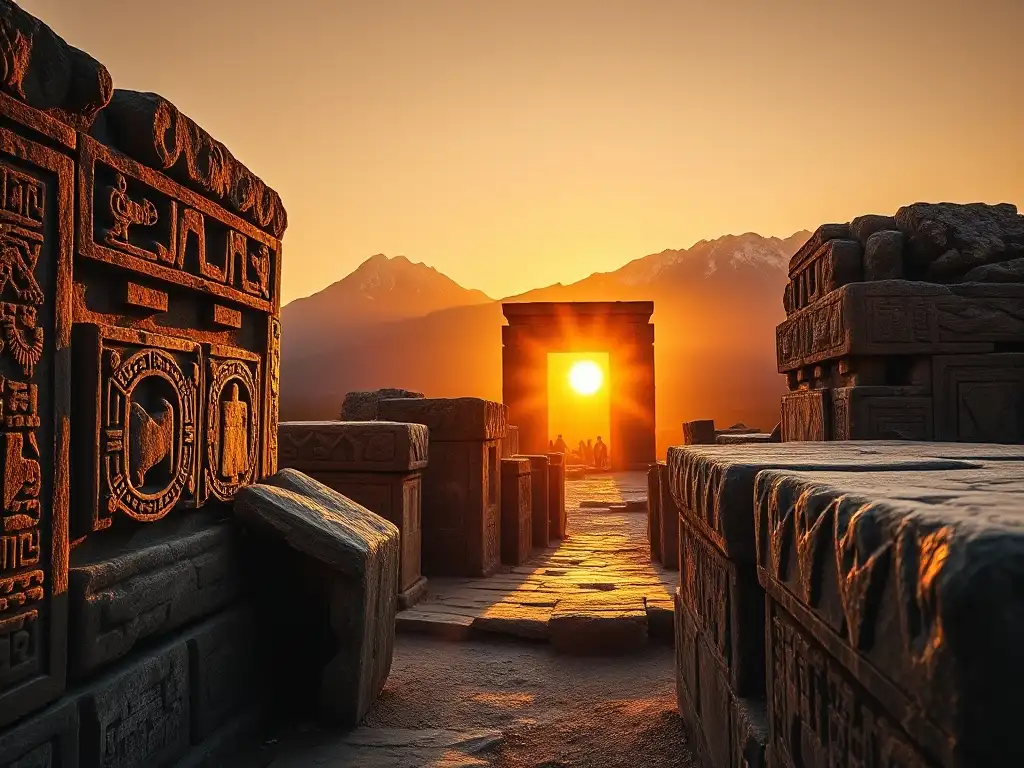
The influence of Tiahuanaco art and architecture resonates profoundly throughout subsequent Andean cultures, leaving an indelible mark on their artistic expressions and building techniques. Its impact wasn't merely a superficial imitation; rather, it represented a fundamental shift in aesthetic sensibilities and construction methodologies, inspiring adaptation and innovation across diverse groups and geographical locations. This legacy is evident not only in direct stylistic borrowings but also in the underlying principles of design and craftsmanship that were adopted and reinterpreted by later Andean societies.
The sheer scale and sophistication of Tiahuanaco's achievements served as a powerful benchmark, influencing the aspirations and capabilities of succeeding civilizations. Understanding this influence requires examining both the specific artistic motifs and the broader architectural principles that characterized Tiahuanaco's unique contribution to Andean cultural heritage.
Understanding Tiahuanaco's Unique Art Style
Tiahuanaco's artistic style is immediately recognizable for its distinctive features. Monumental sculptures, often crafted from andesite stone, feature stylized human and animal figures, characterized by elongated heads, wide eyes, and intricate headdresses. These figures, frequently depicted in ceremonial contexts, are often associated with religious or mythological narratives.
A key element is the recurring motif of the "Porteador," a figure carrying burdens, often interpreted as representing the importance of trade and transportation within the Tiahuanaco empire. The artistic style is characterized by its geometric precision, with a clear preference for symmetrical compositions and the use of repeated patterns. The use of intricate carvings, often incorporating geometric designs and zoomorphic elements, demonstrates a high level of technical skill and artistic refinement.
These stylistic elements, such as the iconic stepped pyramids and the characteristic representations of gods and mythical creatures, were adopted and adapted by later cultures, often appearing in modified forms within their own artistic traditions. For example, the influence of Tiahuanaco's artistic conventions can be seen in the ceramics and textiles produced by later Andean societies, reflecting a clear lineage of artistic inspiration.
The color palette commonly employed in Tiahuanaco art, predominantly reds, browns, and blacks derived from natural pigments, also influenced later artistic traditions. While the specific techniques might vary, the symbolic use of color and the preference for certain hues can be traced across different Andean cultures, demonstrating the enduring impact of Tiahuanaco’s aesthetic choices. Further research is needed to fully understand the nuances of these color choices and their symbolic meanings within the context of Tiahuanaco's religious beliefs. [Specific information pending: detailed analysis of Tiahuanaco color symbolism and its influence on later cultures].
Tiahuanaco's Architectural Marvels: A Foundation for Future Construction
Tiahuanaco's architectural achievements are equally impressive, showcasing a mastery of stonework and a sophisticated understanding of engineering principles. The precise cutting and fitting of massive stone blocks, without the use of mortar, is a testament to their advanced construction techniques. The iconic Kalasasaya temple, with its massive stone walls and intricate carvings, stands as a prime example of Tiahuanaco's architectural prowess.
The use of monumental architecture, characterized by large-scale structures and precisely cut stone blocks, became a defining feature of later Andean civilizations. The influence is observable in the construction methods employed by subsequent cultures, particularly in their use of massive stone blocks and intricate stonework. This is evident in structures built by the Inca and other groups in the later periods.
The design principles employed in Tiahuanaco's architecture, such as the use of platforms, terraces, and monumental gateways, were adapted and reinterpreted by later builders. The emphasis on symmetry and the incorporation of geometric patterns in architectural layouts reflect a continuity of design principles across different Andean societies.
Moreover, the innovative techniques of stone cutting and fitting, which were perfected in Tiahuanaco, were passed down through generations of Andean builders, contributing to the architectural achievements of subsequent empires. The precision and scale of Tiahuanaco's structures served as a model for later Andean builders, inspiring them to strive for similar levels of architectural grandeur.
[Specific information pending: Comparative analysis of Tiahuanaco's construction techniques and those of later Andean cultures, including detailed case studies]. The legacy of Tiahuanaco's architectural innovations is therefore not just a matter of stylistic imitation, but a fundamental inheritance of technical expertise and design principles that shaped the urban landscapes and monumental architecture of the Andes for centuries to come.
Tiahuanaco Art: Motifs and Iconography Transmitted Through Time
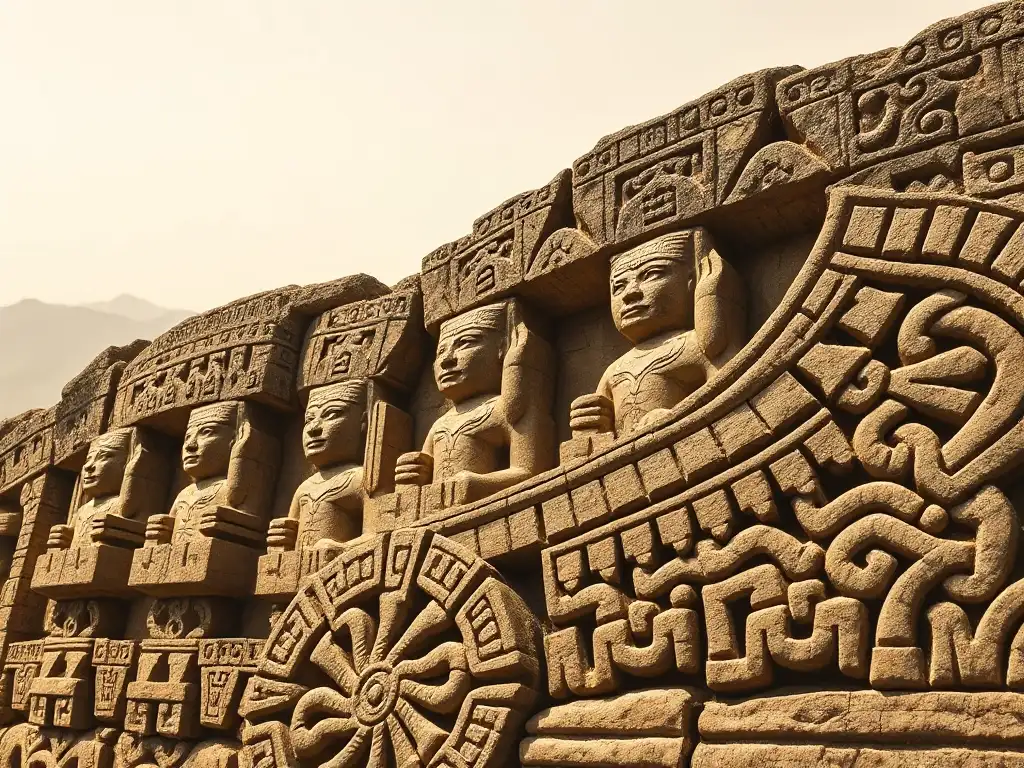
The artistic legacy of Tiahuanaco is undeniable, its influence rippling outwards to shape the visual languages of subsequent Andean cultures. Understanding the core motifs and iconography of Tiahuanaco art is crucial to tracing this enduring impact. The sophisticated artistry, characterized by its unique style and symbolic depth, wasn't simply aesthetically pleasing; it served as a powerful vehicle for communicating religious beliefs, social structures, and cosmological understandings. This section will explore key elements of Tiahuanaco art and their subsequent dissemination, demonstrating the profound and lasting effect of Tiahuanaco's "Tiahuanaco art and architecture influence" on later Andean civilizations.
The Significance of the Staff God in Tiahuanaco Art
The Staff God, a recurring figure in Tiahuanaco art, stands as a prime example of the civilization's enduring artistic influence. Depicted with a staff, often adorned with stylized birds or other symbolic elements, this deity’s representation varied across different media—stone carvings, ceramics, textiles—yet maintained a consistent iconic presence. The Staff God's symbolic weight likely represented a supreme deity, a ruler, or a powerful intermediary between the earthly and spiritual realms. Its presence in Tiahuanaco art is pervasive, appearing on monumental structures like Kalasasaya and in smaller artifacts like intricately carved figurines.
The continued use of the Staff God motif in later Andean art forms provides compelling evidence of cultural continuity and artistic transmission. While the specific interpretation might have shifted slightly over time and across different cultural groups, the fundamental iconographic elements persisted, indicating a shared understanding and reverence for this powerful figure. Analysis of later Andean artwork reveals clear stylistic echoes of the Tiahuanaco Staff God, suggesting a direct lineage or, at the very least, a strong inspirational source.
For instance, [Specific examples of Staff God representations in later cultures pending]. Further research into the specific regional variations of the Staff God representation across different post-Tiahuanaco cultures would further illuminate the extent of this influence.
The Condor and Other Animal Representations: Enduring Iconography
Beyond the Staff God, Tiahuanaco art abounds with depictions of animals, many of which hold significant symbolic meaning. The condor, a majestic bird of the Andes, features prominently, often portrayed in a stylized manner, reflecting the artistic conventions of the time. Its inclusion in Tiahuanaco art likely symbolized power, strength, and a connection to the high altitudes and spiritual realm. Other animals, such as pumas, snakes, and camelids, also appear frequently, each potentially representing specific cosmological or societal concepts.
The prevalence of these animal representations in Tiahuanaco art showcases the civilization's sophisticated understanding of the natural world and its integration into their worldview. The enduring presence of these animal motifs in subsequent Andean artistic traditions further highlights the cultural continuity and the lasting impact of Tiahuanaco's artistic vocabulary. For example, [Specific examples of Andean cultures using similar animal representations pending].
The stylistic variations observed in later depictions, while significant, do not negate the clear link to the original Tiahuanaco representations. The persistence of these animal motifs underscores the enduring "Tiahuanaco art and architecture influence" on the artistic expression of later Andean societies.
Geometric Patterns and Their Symbolic Meaning in Tiahuanaco Visual Culture
The geometric patterns found in Tiahuanaco art are equally significant, often intertwined with the representations of deities and animals. These patterns, ranging from simple stepped frets to more complex interlocking designs, are not merely decorative; they are integral to the symbolic meaning conveyed within the artwork. Scholars have proposed various interpretations, suggesting that these geometric patterns represent cosmological concepts, social structures, or even abstract mathematical principles.
The use of intricate geometric patterns in Tiahuanaco architecture and artifacts demonstrates a high level of artistic skill and mathematical understanding. The repetition and variation of these patterns across different media suggest a standardized system of symbolic representation, indicating a sophisticated level of cultural organization and communication. This attention to detail and the consistent use of these patterns are readily apparent in the surviving artifacts.
The influence of these geometric patterns extends beyond Tiahuanaco, evident in the decorative arts of later Andean cultures. The continued use of similar geometric designs in later Andean pottery, textiles, and architecture suggests a direct transmission of artistic knowledge and symbolic meaning.
Further investigation into the specific mathematical and symbolic systems underlying these patterns would enhance our understanding of their cultural significance and the "Tiahuanaco art and architecture influence" on subsequent artistic developments. For example, [Specific examples of geometric pattern usage in later Andean cultures pending].
Tiahuanaco Architectural Influence: Building Techniques and Urban Planning
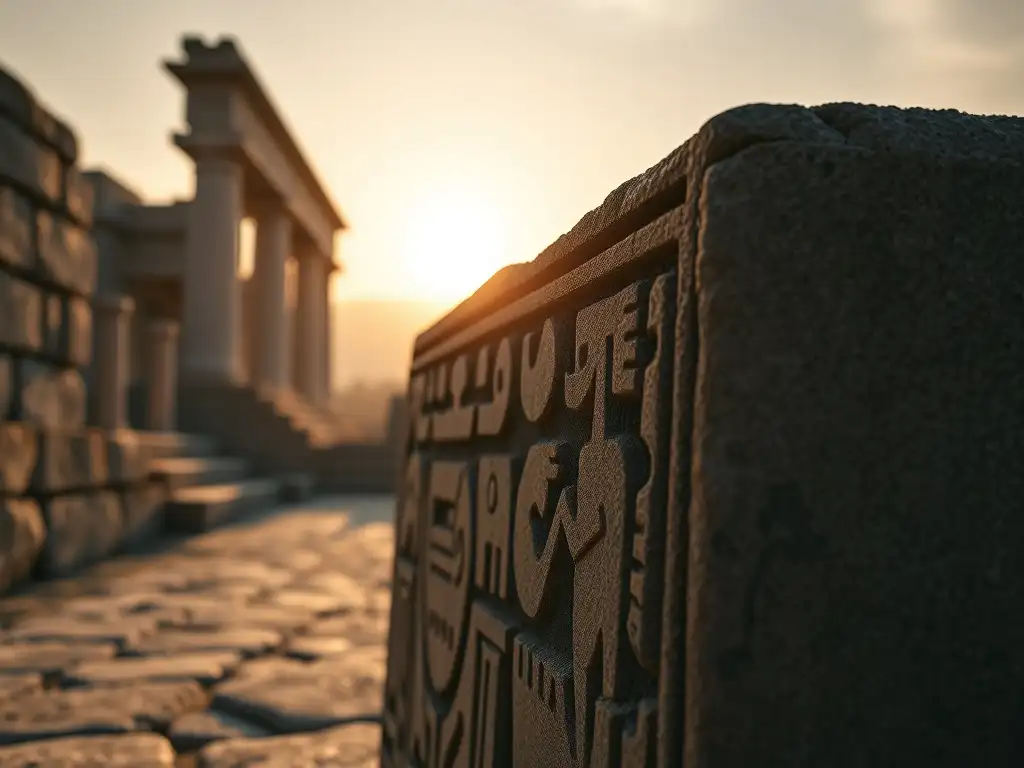
The monumental architecture of Tiahuanaco left an indelible mark on subsequent Andean cultures. Its innovative building techniques and urban planning principles served as a blueprint for generations of architects and city planners across the Andes. The legacy of Tiahuanaco's architectural prowess is evident in the structures and city layouts of later civilizations, demonstrating a clear line of influence and adaptation. This section will explore the specific techniques and urban design elements that traveled through time, shaping the Andean landscape.
The Use of Ashlar Masonry and its Transmission to Later Cultures
Tiahuanaco's mastery of ashlar masonry—the precise cutting and fitting of large, precisely shaped stones—is arguably its most significant architectural contribution. The incredibly tight joints, often without mortar, showcase a sophisticated understanding of stonework. This technique, demanding high levels of skill and precision, was not easily replicated. However, evidence suggests its influence spread significantly.
Later Andean cultures, notably the Inca, while developing their own styles, clearly adopted and adapted elements of ashlar masonry. We see this in the precision of stonework in Inca constructions like Sacsayhuamán, Ollantaytambo, and Machu Picchu. While the Inca may have employed slightly different techniques and utilized different types of stone, the underlying principle of precisely cut and fitted blocks, a hallmark of Tiahuanaco architecture, is undeniably present.
This transmission wasn't simply a matter of copying; rather, it represents an evolution, with later cultures adapting the technique to their specific needs and available resources. The meticulous nature of Tiahuanaco's ashlar masonry served as a powerful example of architectural excellence, inspiring and influencing subsequent Andean builders for centuries. Further research is needed to definitively quantify the extent of this influence, but the visual similarities are striking and undeniable.
Tiahuanaco's Urban Planning Principles: A Model for Andean Cities
Beyond individual building techniques, Tiahuanaco's urban planning exerted considerable influence. Although the precise layout and function of Tiahuanaco's city remain a subject of ongoing research and debate, certain principles are clear. The city’s apparent organization around plazas and monumental structures suggests a sophisticated understanding of urban space and social hierarchy.
This emphasis on central plazas, a common feature in many Andean cities, likely reflects Tiahuanaco's influence. The strategic placement of buildings, the creation of open spaces, and the integration of monumental architecture into the urban fabric all point to a well-planned city that prioritized both functionality and symbolic power. While the scale and complexity might vary, later Andean urban centers, particularly those of the Inca, exhibit similar principles of urban organization.
The Inca capital, Cusco, with its main plaza and radiating streets, bears a resemblance to the hypothesized layout of Tiahuanaco, suggesting a possible lineage in urban design philosophy. Furthermore, the integration of monumental structures within the urban fabric, a prominent feature of Tiahuanaco, is mirrored in Inca cities, where temples and palaces were seamlessly integrated into the everyday life of the community. This suggests a conscious emulation of Tiahuanaco's urban planning ideals, adapting them to the specific context of later Andean cultures.
The Significance of Raised Fields and Agricultural Terraces in Later Andean Societies
Tiahuanaco's sophisticated agricultural practices, particularly its raised fields and terraced systems, played a crucial role in its success and likely influenced later Andean agricultural techniques. These innovative methods allowed for increased agricultural productivity in challenging environments. The raised fields, created by constructing artificial mounds in marshy areas, provided fertile land for cultivation and improved drainage. This technique, requiring considerable engineering skill and labor, is considered a remarkable feat of pre-Columbian engineering.
The impact of Tiahuanaco’s agricultural innovations extends beyond its immediate vicinity. Evidence suggests that the use of raised fields and terraced agriculture, though adapted to local conditions, spread throughout the Andes. Later cultures, including the Inca, adopted and refined these techniques, integrating them into their own agricultural systems.
The Inca, known for their extensive terracing systems along the Andes slopes, likely built upon the knowledge and experience gained from earlier Andean cultures, including Tiahuanaco. The widespread adoption of raised fields and terraces across diverse Andean environments speaks to the enduring legacy of Tiahuanaco's agricultural ingenuity and its significant contribution to the development of sustainable agricultural practices in the region. The efficiency and resilience of these systems contributed to the growth and prosperity of later Andean societies, underscoring the lasting impact of Tiahuanaco's agricultural innovation.
Tracing Tiahuanaco's Impact on Specific Andean Cultures
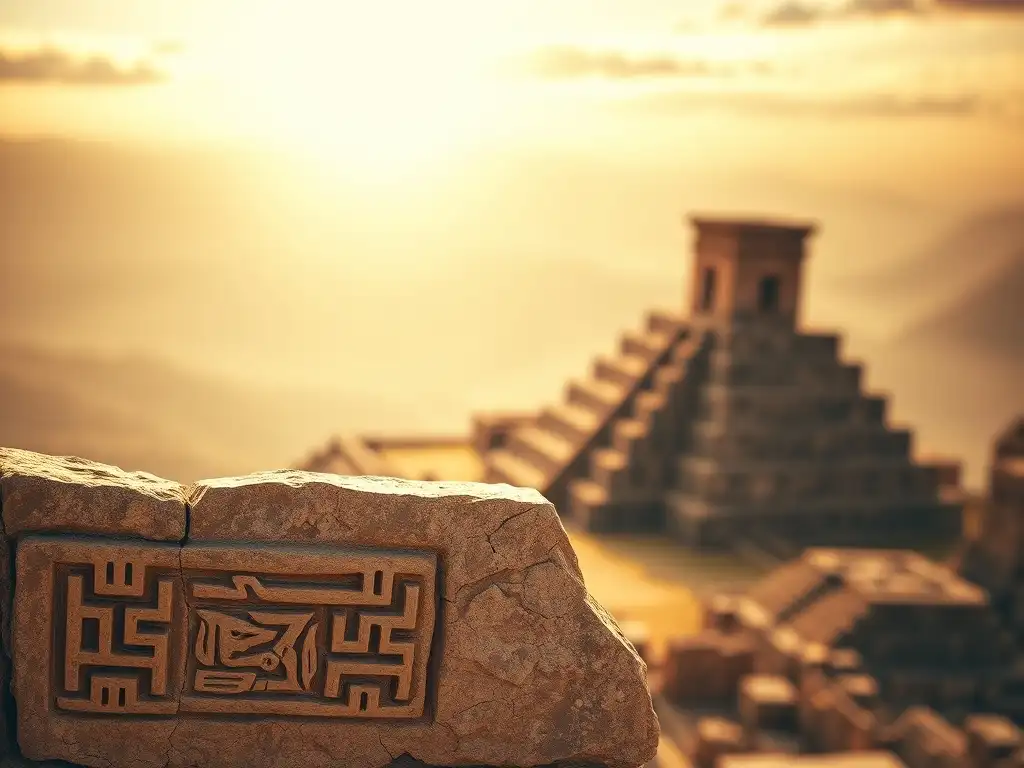
This section delves into the tangible and intangible ways Tiahuanaco art and architecture influenced subsequent Andean cultures. We'll examine specific examples to illustrate the enduring legacy of this powerful civilization, demonstrating the profound impact of Tiahuanaco's aesthetic and engineering innovations on the development of later Andean societies. The spread of Tiahuanaco's influence wasn't simply a matter of imitation; it involved adaptation, reinterpretation, and integration into pre-existing cultural frameworks. This complex interplay shaped the artistic and architectural landscapes of many subsequent Andean civilizations.
Tiahuanaco's Influence on the Wari Empire: Art and Administration
The Wari Empire (600-1000 CE), a vast and sophisticated civilization that preceded the Inca, shows clear evidence of Tiahuanaco influence, particularly in its art and administrative structures. While the Wari developed their own distinct artistic style, elements of Tiahuanaco iconography, such as the stylized figures and geometric patterns found in Tiahuanaco ceramics and textiles, appear frequently in Wari art.
The use of standardized administrative practices and monumental architecture also suggests a connection. The Wari's impressive urban planning, exemplified by their capital city of Huari, mirrors the advanced urban design principles evident in Tiahuanaco's meticulously planned urban layout. This suggests potential administrative and technological exchanges, with Tiahuanaco’s sophisticated systems potentially inspiring or influencing Wari administrative structures. Further research is needed to pinpoint the exact nature of this interaction, but the similarities are undeniable and point towards a significant Tiahuanaco influence on Wari state formation.
The Continuity of Tiahuanaco Art in the Colla Culture
The Colla culture, inhabiting the altiplano region after the decline of Tiahuanaco, provides a compelling case study in the direct continuity of Tiahuanaco artistic traditions. Colla pottery often features stylistic elements directly traceable to Tiahuanaco, including the use of specific motifs, colors, and techniques. This isn't mere coincidence; it suggests a strong cultural and possibly even familial link between the Colla and the Tiahuanaco people.
The persistence of Tiahuanaco artistic styles in Colla culture highlights the enduring power of artistic traditions and their role in shaping cultural identity. While the Colla adapted and modified these traditions, the fundamental elements remain recognizable, demonstrating the lasting influence of Tiahuanaco art on this later Andean culture. This continuity underscores the importance of Tiahuanaco art and architecture influence in shaping the cultural landscape of the region. Further investigation into Colla burial practices and religious iconography could reveal more about the depth of this connection.
Tiahuanaco's Architectural Legacy in the Inca Empire: A Case Study of Ollantaytambo
Ollantaytambo, a remarkable Inca site in the Sacred Valley of Peru, stands as a powerful testament to Tiahuanaco's enduring architectural legacy. While built centuries after the decline of Tiahuanaco, Ollantaytambo showcases architectural techniques and principles that bear a striking resemblance to those employed in Tiahuanaco structures.
The use of massive stone blocks, precise stonework, and sophisticated engineering solutions are all hallmarks of both Tiahuanaco and Inca architecture. The impressive terracing at Ollantaytambo, for instance, echoes the intricate terracing systems found in Tiahuanaco, suggesting the transmission of knowledge and techniques across generations and cultures. The sheer scale and precision of the stonework at Ollantaytambo suggest the Inca builders may have inherited and adapted Tiahuanaco's mastery of stone construction.
This inheritance is not simply a matter of style; it represents a transmission of practical knowledge and engineering expertise, solidifying Tiahuanaco's impact on subsequent Andean architectural developments. Analyzing the specific types of stone used and the construction methods employed in both locations would further illuminate the extent of this architectural legacy. The potential for further research into the Inca's understanding and application of Tiahuanaco’s architectural principles is immense.
Tiahuanaco's Religious and Ideological Influence
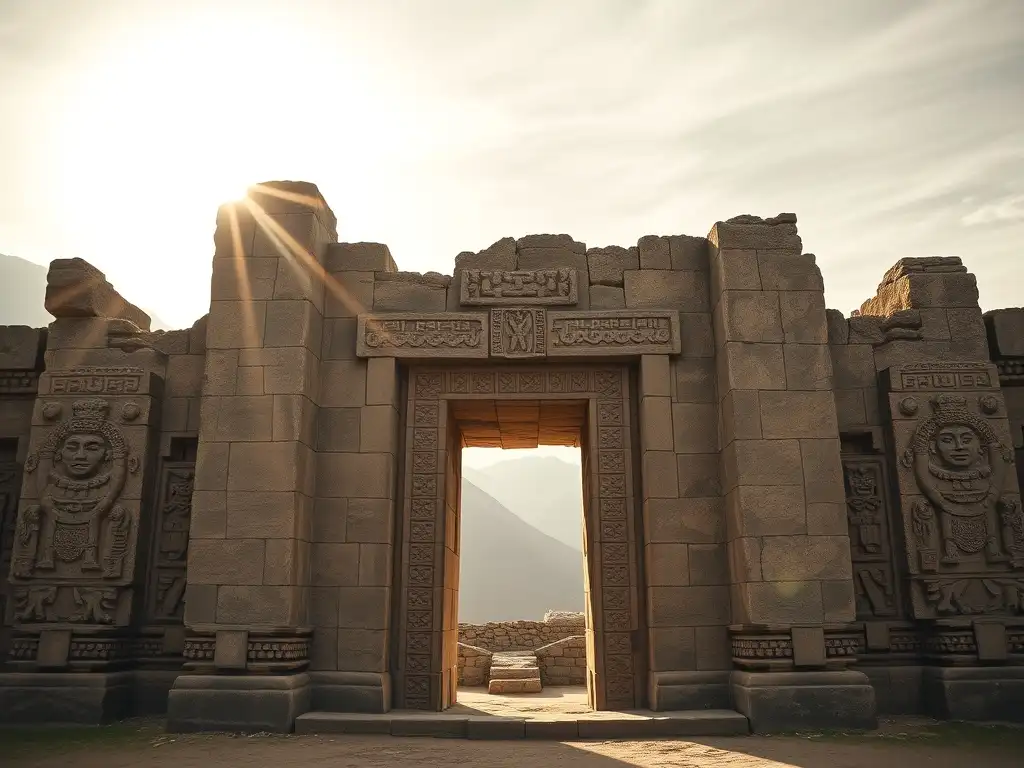
The monumental architecture and intricate art of Tiahuanaco weren't merely aesthetic achievements; they served as powerful vehicles for disseminating religious beliefs and ideological concepts that profoundly impacted subsequent Andean cultures. The influence of Tiahuanaco's religious worldview extended far beyond its geographical boundaries, leaving an indelible mark on the spiritual landscape of the Andes for centuries. Understanding this influence requires examining both the tangible evidence—the stylistic echoes in later art and architecture—and the intangible aspects, such as the likely spread of religious practices and rituals.
The Spread of Tiahuanaco Religious Beliefs and Practices
The precise nature of Tiahuanaco's religious beliefs remains a subject of ongoing scholarly debate. However, evidence suggests a complex pantheon of deities, possibly centered around a creator god and associated with water, fertility, and the sun. The iconic Monolito Bennett, for instance, is often interpreted as a representation of a powerful deity.
The widespread distribution of similar iconographic motifs in later Andean cultures, particularly in the styles of the Huari and Inca, strongly suggests the diffusion of religious ideas and practices. This diffusion wasn't necessarily a direct, top-down imposition; it likely involved a more nuanced process of cultural exchange and adaptation. Archaeological findings, such as the presence of similar ceramic styles and ritual objects across vast geographical areas, support this hypothesis.
For example, the use of specific types of pottery and the prevalence of certain ritual practices in geographically distant sites suggest a shared religious framework rooted in Tiahuanaco's influence. The adoption, adaptation, and even syncretism of Tiahuanaco religious elements into the belief systems of later societies demonstrate the enduring legacy of this powerful civilization. Further research into specific ritual sites and their associated artifacts is needed to fully elucidate the pathways and mechanisms of this religious transmission.
Tiahuanaco art played a crucial role in reinforcing social hierarchies and legitimizing political power within the civilization and its sphere of influence. The sophisticated craftsmanship and monumental scale of Tiahuanaco structures, such as the Plataforma de Kalasasaya and the Pumapunku, visually communicated the power and prestige of the ruling elite. The intricate carvings and detailed iconography found on these structures and on smaller artifacts likely served as symbolic representations of the rulers' divine authority and connection to the supernatural world.
The use of specific materials, such as meticulously carved stone and precious metals, further emphasized the social stratification. The stylistic elements of Tiahuanaco art, including its distinctive geometric patterns and representations of deities, were subsequently adopted and adapted by later cultures, often serving a similar function of reinforcing power structures.
For instance, the use of Tiahuanaco-inspired motifs on royal garments and in elite burials among the Inca suggests a conscious effort to connect with the legacy of this powerful ancestor civilization and to legitimize their own rule. Analyzing the distribution of Tiahuanaco-style artifacts in different social contexts provides valuable insights into how art functioned as a tool for social control and the maintenance of power.
How Tiahuanaco's Ideological Concepts Shaped Later Andean Societies
Beyond religious beliefs, Tiahuanaco's influence extended to broader ideological concepts that shaped the social, political, and economic structures of later Andean societies. The sophisticated urban planning of Tiahuanaco, with its intricate network of canals and monumental architecture, may have served as a model for later urban centers. The emphasis on centralized control and state organization apparent in Tiahuanaco's administrative structures likely influenced the development of later Andean empires, particularly the Huari and Inca.
The concept of pan-Andeanism, a sense of shared cultural identity across vast geographical areas, might have originated or been significantly strengthened by Tiahuanaco's influence. While the exact mechanisms of this influence remain a topic of ongoing research, the presence of similar administrative practices, construction techniques, and artistic styles across diverse Andean cultures suggests a shared cultural heritage rooted in Tiahuanaco. The adoption of Tiahuanaco's sophisticated irrigation systems and agricultural techniques across different regions further demonstrates the practical and ideological influence of this remarkable civilization.
Examining the economic and political systems of later Andean cultures in relation to Tiahuanaco's legacy reveals the profound and lasting impact of its ideological concepts on the development of Andean societies. The enduring legacy of Tiahuanaco's art and architecture continues to inspire awe and wonder, while the subtle yet significant influence of its ideologies resonates deeply in the cultural tapestry of the Andes.
Conclusion: The Lasting Impact of Tiahuanaco's Artistic and Architectural Contributions
The monumental architecture and sophisticated artistry of Tiahuanaco left an indelible mark on subsequent Andean cultures. Its influence wasn't simply a matter of imitation; rather, it served as a powerful catalyst, inspiring innovation and adaptation across diverse societies and geographical regions. Understanding this legacy requires examining not only the direct stylistic parallels but also the underlying principles of design, construction, and symbolic representation that resonated for centuries.
The enduring power of Tiahuanaco's aesthetic and technological achievements is a testament to its sophisticated civilization and its profound impact on the trajectory of Andean development. The echoes of Tiahuanaco reverberate throughout Andean history, shaping the artistic and architectural landscapes of later civilizations in ways that continue to fascinate and inspire researchers today.
Summarizing the Key Elements of Tiahuanaco's Legacy
Tiahuanaco's legacy is multifaceted, encompassing several key elements that profoundly impacted later Andean cultures. Its monumental architecture, characterized by precise stonework, massive structures like the Kalasasaya, and intricate carvings, inspired awe and served as a model for subsequent builders. The iconic Tiahuanaco style, with its distinctive artistic motifs – including the stylized figures, stepped-pyramid architecture, and complex iconography – can be traced in various forms throughout the Andean region.
This includes the use of specific iconographic elements, like the chakana (Andean cross), which appears in many later cultural expressions. Furthermore, Tiahuanaco's advanced engineering and construction techniques, evident in the precise fitting of massive stones without mortar, influenced later architectural practices, demonstrating a sophisticated understanding of engineering principles. Finally, the ideological and religious significance of Tiahuanaco's sites likely played a crucial role in shaping the worldview and belief systems of later Andean societies.
The pervasiveness of Tiahuanaco motifs suggests a widespread dissemination of ideas and beliefs. This cultural diffusion, even across geographically diverse areas, is a crucial aspect of understanding the lasting impact of Tiahuanaco.
The Importance of Studying Tiahuanaco for Understanding Andean History
Studying Tiahuanaco is paramount for a comprehensive understanding of Andean history and cultural development. Its influence transcends mere stylistic imitation; it represents a fundamental shift in Andean artistic and architectural paradigms. By analyzing Tiahuanaco's impact, we gain a deeper understanding of the processes of cultural transmission, adaptation, and innovation within the Andean world. The study of Tiahuanaco's influence helps us to understand the complex networks of interaction and exchange that connected different Andean societies.
Moreover, tracing the evolution of Tiahuanaco's artistic and architectural motifs allows us to reconstruct the historical relationships and interactions between different cultural groups. Without a thorough understanding of Tiahuanaco's contributions, our picture of Andean civilization remains incomplete, missing a crucial piece of the puzzle that shaped the course of Andean history. The legacy of Tiahuanaco serves as a powerful reminder of the interconnectedness of Andean cultures and the enduring influence of its sophisticated civilization.
Further Research on Tiahuanaco's Influence: Iconographic Analysis and Regional Variations
Further research on Tiahuanaco's influence requires a nuanced approach, focusing on detailed iconographic analyses and regional variations. A systematic study of the evolution and transformation of key motifs across different Andean cultures is crucial. This involves comparing and contrasting the stylistic variations of Tiahuanaco-inspired art and architecture across different regions, identifying both commonalities and unique adaptations.
Such an approach would help to establish more precise timelines and geographic ranges of Tiahuanaco's influence. Furthermore, investigating the contexts in which Tiahuanaco-inspired motifs appear can reveal much about their symbolic meaning and cultural significance within different societies. This requires a multidisciplinary approach, integrating archaeological data, stylistic analysis, and anthropological interpretations to fully understand the complex interplay between Tiahuanaco's legacy and the unique cultural identities of later Andean groups.
For example, a detailed comparison of the representation of the chakana across different regions and time periods could shed light on its evolving symbolic meaning and its adaptation to different cultural contexts. This type of in-depth analysis is essential for a more complete understanding of the profound and lasting impact of Tiahuanaco art and architecture.
Frequently Asked Questions
What is the significance of Tiahuanaco in Andean history?
Tiahuanaco was a powerful and influential civilization that flourished in the Andes between 500 and 1000 CE. Its art, architecture, and religious beliefs profoundly impacted subsequent Andean cultures. Its influence spread across a vast region.
How did Tiahuanaco's art influence later Andean styles?
Tiahuanaco's distinctive artistic motifs, such as the iconic Step Pyramid and stylized figures, are found in the art of later civilizations like the Inca. Ceramics, textiles, and metalwork all show clear Tiahuanaco influences. This demonstrates cultural exchange and adaptation.
What architectural features of Tiahuanaco were particularly influential?
The monumental architecture of Tiahuanaco, particularly its precise stonework and sophisticated engineering, inspired later builders. The use of massive stones, complex layouts, and geometric designs became hallmarks of subsequent Andean constructions.
Did Tiahuanaco's influence extend beyond its immediate geographical area?
Yes, Tiahuanaco's influence extended far beyond its immediate region. Its religious beliefs, artistic styles, and administrative practices spread through trade networks and possibly conquest, impacting cultures across the Andes. This is evidenced by similar artistic motifs in distant sites.
How can we still see the influence of Tiahuanaco art and architecture today?
The legacy of Tiahuanaco is evident in surviving structures, artifacts, and artistic styles across the Andes. The influence on later Andean art and architecture is undeniable, shaping the cultural landscape of the region for centuries. Its impact is still studied and appreciated today.
Final Reflection: The Enduring Legacy of Tiahuanaco
The sophisticated artistry and monumental architecture of Tiahuanaco continue to resonate through the Andean world, a testament to the enduring power of cultural influence. Its impact is not merely historical; it's a living legacy woven into the fabric of modern Andean identity and artistic expression. Understanding Tiahuanaco is key to understanding the rich tapestry of Andean civilizations that followed.
The echoes of Tiahuanaco's artistic innovations – its intricate textiles, its powerful iconography, its mastery of stonework – are palpable in subsequent Andean cultures. These weren't simply copied; they were reinterpreted, adapted, and transformed, demonstrating a dynamic process of cultural exchange and evolution. The enduring power of Tiahuanaco's influence is perhaps best summarized by the words of the renowned archaeologist, Tiahuanaco's legacy is not just in the stones themselves, but in the spirit of innovation and artistic expression that it ignited, a flame that continues to burn brightly in Andean art and culture.
Consider the profound impact of this ancient civilization on your own understanding of art, history, and cultural transmission. Take a moment to reflect on the ways in which past societies shape our present, and how the echoes of Tiahuanaco's greatness continue to inspire and inform us today. Let the legacy of Tiahuanaco inspire you to explore the interconnectedness of cultures and the enduring power of human creativity. Seek out the echoes of Tiahuanaco in the art and architecture around you – you might be surprised by what you discover.
Unveil the Legacy of Tiahuanaco!
Thank you for exploring the rich tapestry of Tiahuanaco's art and architecture with us! We appreciate your interest in this ancient civilization and its profound influence on Andean cultures. To further your understanding and appreciation, consider these suggestions:
- Deepen your research: Explore academic articles and documentaries about Tiahuanaco and its lasting impact on subsequent cultures. Understanding its history unlocks many of its mysteries.
- Connect with fellow enthusiasts: Join a local archaeology group or online community dedicated to Andean civilizations. Sharing your passion with others can lead to exciting new perspectives.
- Share your discoveries: Discuss your newfound knowledge with friends, family, or online. You might inspire others to explore this fascinating subject!
How has learning about Tiahuanaco changed your perspective on the sophistication of ancient Andean cultures? We encourage you to share your thoughts and insights in the comments below!