
Staying Connected: Communication Options in the Remote Andean Regions

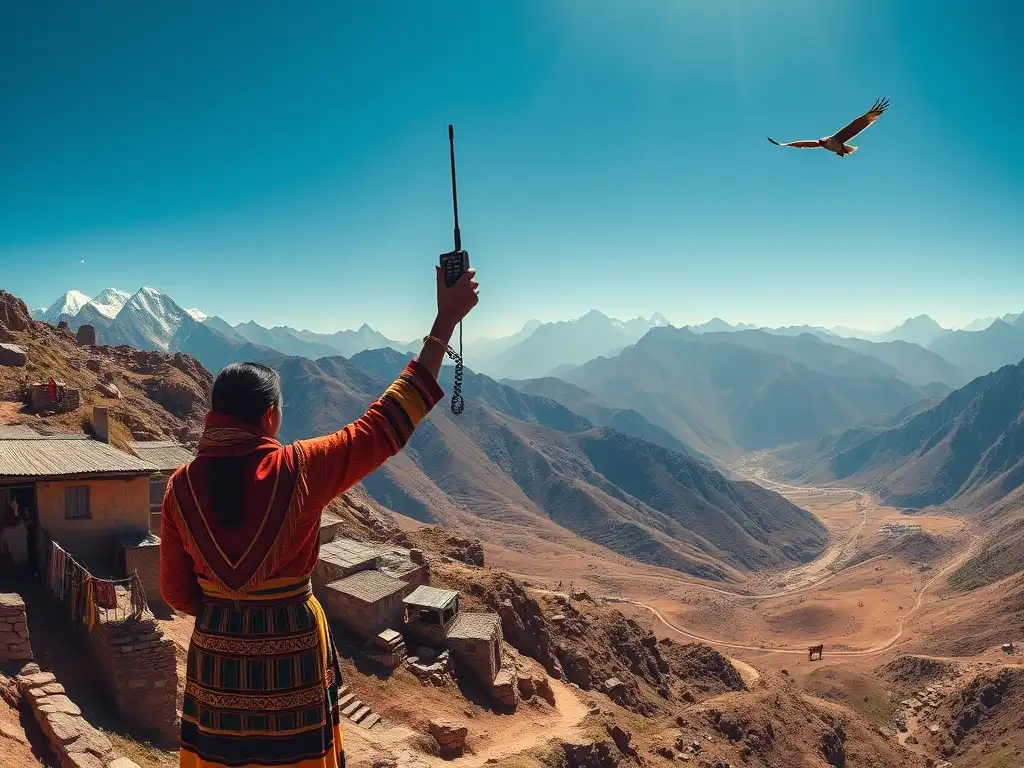
Step into a world lost to time, yet echoing with the whispers of a vibrant past. Imagine a landscape sculpted by towering peaks and ancient secrets, where ingenious civilizations thrived. For centuries, the Andean people mastered sophisticated communication methods, defying the challenges of their rugged terrain. Discover the fascinating intricacies of Andean communication methods and unravel the mysteries behind their remarkable connection to the world – a connection that continues to intrigue and inspire. Dive in and explore the ingenious strategies that bound these remarkable cultures together.
The breathtaking landscapes of the Andes Mountains, while incredibly rewarding to explore, present a unique challenge: maintaining reliable communication. This article delves into the complexities of staying connected in these remote regions, examining the historical and modern methods employed to overcome the geographical barriers and ensuring seamless communication for both travelers and local communities. We will explore the diverse communication options available, from traditional techniques still practiced today to the cutting-edge technologies slowly bridging the digital divide in these magnificent, yet isolated, areas.
Understanding the nuances of Andean communication is crucial for anyone venturing into this fascinating region, whether for research, adventure, or cultural immersion. This guide provides essential insights into navigating the communication landscape of the Andes, ensuring a smoother and more enriching experience. We will examine the challenges, the solutions, and the fascinating evolution of communication methods within these ancient and awe-inspiring landscapes.
The Challenge of Remote Connectivity in the Andes
The Andes Mountains pose significant obstacles to modern communication infrastructure. Rugged terrain, high altitudes, and unpredictable weather patterns frequently disrupt or completely prevent the reliable functioning of cell towers and satellite networks. Many areas remain outside the reach of conventional mobile phone coverage, leaving travelers and residents reliant on alternative methods.
This lack of connectivity isn't just an inconvenience; it presents real safety concerns, impacting emergency response times and hindering vital communication for local communities. The sheer scale and remoteness of the Andean region, coupled with the significant investment required to establish robust infrastructure, makes universal connectivity a long-term goal rather than a current reality. This lack of access disproportionately affects rural communities, limiting their access to vital information, education, and economic opportunities.
The challenges are multifaceted, requiring creative solutions that blend traditional methods with emerging technologies. For example, the dense cloud cover often found in the Andes can significantly interfere with satellite signals, necessitating innovative approaches to ensure consistent connectivity.
Understanding the Need for Reliable Andean Communication
Reliable communication in the Andes is not merely a convenience; it is a critical necessity for several key reasons. Firstly, safety is paramount. In remote areas, accidents or medical emergencies can occur with little or no warning. The ability to quickly contact emergency services is crucial for survival.
Secondly, economic development is hindered by a lack of connectivity. Farmers, for example, may struggle to access market information, negotiate prices, or manage their businesses effectively without reliable communication tools. Thirdly, social cohesion relies on effective communication networks. Isolated communities often rely on traditional methods to share information, but modern technology can enhance these connections, fostering stronger community bonds and facilitating access to education and healthcare information.
Finally, tourism, a significant economic driver in many Andean regions, depends heavily on reliable communication for travelers to plan their trips, make bookings, and stay in touch with loved ones. The absence of adequate communication infrastructure not only limits tourism potential but also poses risks to travelers' safety and well-being. Therefore, understanding the diverse needs and developing appropriate solutions is paramount for sustainable development and improved quality of life in the Andes. The need for reliable Andean communication is multifaceted, encompassing safety, economic progress, social well-being, and the sustainability of tourism.
- The Challenge of Remote Connectivity in the Andes
- Understanding the Need for Reliable Andean Communication
- How did the Andean civilizations communicate over vast distances?
- What role did the Inca road system play in communication?
- Were there any written forms of communication in the Andes?
- Besides runners, what other methods did the Andean civilizations use to communicate?
- How effective were these communication methods compared to modern systems?
Common Communication Problems in Andean Travel

The Andes Mountains present unique challenges for modern communication. While technology has advanced significantly, maintaining consistent contact in these remote regions remains a significant hurdle for travelers. Understanding the limitations and planning accordingly is crucial for a smooth and safe journey. This section will explore common communication problems and offer insights into mitigating their impact. Effective planning around "Andean communication methods" is key to a successful trip.
Spotty Cellular Service: A Frequent Issue
Reliable cellular service is often a luxury, not a given, in the Andean highlands. The rugged terrain, sparse population density, and unpredictable weather patterns all contribute to inconsistent signal strength. This isn't just an inconvenience; it can pose safety risks, especially in emergency situations. Successfully navigating this requires careful preparation and a realistic understanding of connectivity limitations.
Why Cell Service is Unreliable in Remote Areas
Several factors contribute to the unreliability of cell service in remote Andean areas. The mountainous landscape creates natural barriers, blocking signals and creating "dead zones." Furthermore, the infrastructure itself is often underdeveloped, with fewer cell towers and less robust network coverage compared to urban areas. Weather conditions, particularly heavy snow or rain, can further disrupt signal transmission. Finally, the sheer distance between populated areas means that signals have to travel farther, often weakening significantly in the process. This results in dropped calls, slow data speeds, and complete signal loss in many areas.
Specific Areas with Poor Signal: Cordillera Blanca, Salar de Uyuni
Certain regions are notorious for their poor cell service. The Cordillera Blanca, with its towering peaks and deep valleys, presents a significant challenge for signal penetration. Similarly, the vast expanse of the Salar de Uyuni, a high-altitude salt flat, offers minimal opportunities for cell tower placement, resulting in extremely weak or non-existent coverage. Planning trips to these areas necessitates alternative communication strategies. Remember to check local network coverage maps before your journey and adjust expectations accordingly. This is a crucial aspect of understanding "Andean communication methods" in practical terms.
Lack of Internet Access for Travelers
Beyond cellular service, access to the internet is another significant hurdle for many Andean travelers. While some areas might offer limited connectivity, expecting consistent internet access, especially in remote locations, is unrealistic. This can impact everything from navigation and research to staying connected with loved ones back home.
The Limitations of Public Wi-Fi
Public Wi-Fi hotspots, while sometimes available in towns and lodges, often suffer from slow speeds, limited bandwidth, and security concerns. Relying solely on public Wi-Fi for essential communication is risky, especially when dealing with sensitive information or time-sensitive tasks. It's often unreliable and can be easily overloaded, especially during peak tourist seasons.
The Inconvenience of Relying on Internet Cafes
Internet cafes, once a common solution, are becoming less prevalent in some areas. Even where they exist, they may offer slow connections and limited hours of operation. Furthermore, the cost can be surprisingly high, and the security of these locations may be questionable. While they can offer a last resort, they are not a dependable solution for sustained communication needs during Andean travel. Understanding these limitations is vital for effective planning and managing expectations regarding "Andean communication methods".
The Need for Backup Communication Solutions
Even with the increasing availability of cell service in some Andean regions, relying solely on mobile networks is risky. Network coverage can be patchy and unreliable, especially in remote areas or mountainous terrain. Sudden storms, landslides, or simply being in a valley can disrupt signals, leaving you completely cut off.
Furthermore, the quality of service can fluctuate significantly; a weak signal might allow for text messages but not calls, hindering effective communication. This unreliability underscores the critical need for backup communication solutions. A single point of failure, such as your phone's battery dying or a network outage, could have serious consequences in an emergency situation.
Therefore, carrying multiple methods of communication is crucial for ensuring safety and connectivity. This redundancy minimizes the risk of becoming completely isolated and allows for alternative routes to contact help or loved ones. The specific backup solutions you choose will depend on your trip's length, remoteness, and personal preferences, but prioritizing redundancy is paramount. A simple example might be combining a satellite messenger device with a local SIM card for your phone—offering distinct advantages that complement each other.
This approach ensures communication even when one method fails. Failing to plan for such contingencies could transform a minor inconvenience into a major crisis, especially given the unpredictable nature of the Andean environment. Prioritizing backup communication methods is not merely a convenience; it's a fundamental aspect of responsible and safe travel in the Andes.
Solutions: Effective Communication Methods in the Andes

Staying connected in the remote Andean regions requires exploring alternative communication methods beyond standard cellular networks. The mountainous terrain and vast distances often lead to unreliable or absent cell service. Understanding the available options and choosing the right tools is crucial for a safe and enjoyable Andean adventure. This section details several effective communication solutions tailored to the unique challenges of the Andean landscape. Effective Andean communication methods are vital for both safety and exploration.
Satellite Communication: A Reliable Option
Satellite communication offers a reliable backup, or even primary, communication method in areas with limited or no terrestrial network coverage. This technology utilizes orbiting satellites to relay signals, ensuring connectivity across vast distances and challenging terrains. The reliability of satellite communication is paramount for safety and efficient planning in the Andes. This is especially crucial for those undertaking trekking expeditions or remote research.
Using Satellite Phones for Voice Calls
Satellite phones provide voice communication capabilities independent of terrestrial networks. They are durable and designed to withstand harsh environmental conditions, making them ideal for the Andes. While more expensive than standard mobile phones, they offer peace of mind in emergency situations or when coordinating with guides or support teams in remote locations. Consider the battery life and ease of use when selecting a satellite phone. Remember that voice calls via satellite often incur higher costs than standard mobile calls.
Recommended Satellite Phone Brands: Iridium 9555
The Iridium 9555 is a robust and reliable satellite phone frequently recommended for Andean travel. Its global coverage, including the Andes region, coupled with its durability and user-friendly interface, makes it a popular choice among adventurers and researchers. While other brands exist, Iridium's extensive coverage and proven reliability in challenging environments make it a strong contender. Always check for updated models and compare features before purchasing.
Satellite Internet Devices: Staying Connected Online
Beyond voice calls, satellite internet devices provide access to email, weather updates, and other online resources, crucial for planning and safety in the Andes. These devices use satellite connections to provide internet access, even in the most remote areas. The data transfer speeds might be slower than terrestrial internet, but the connectivity is invaluable. Always consider data limits and costs when choosing a plan.
Specific Example of Satellite Internet Hotspot: Inmarsat IsatHub
The Inmarsat IsatHub is a popular example of a satellite internet hotspot device. It allows multiple devices to connect simultaneously, making it ideal for groups or for those needing to access the internet for extended periods. The IsatHub offers various data plans to suit different needs and budgets, ensuring that you can maintain connectivity even in the most remote parts of the Andes. Its ability to connect multiple devices simultaneously is a significant advantage for teams.
Two-Way Radios for Short-Range Communication
Two-way radios, or walkie-talkies, are excellent for short-range communication within a group or between nearby locations. They are lightweight, portable, and require no external network, making them a practical supplement to satellite communication, particularly during trekking or expeditions in the Andes. Using two-way radios in conjunction with satellite communication ensures optimal communication flexibility.
Benefits of Using Walkie-Talkies in the Andes
The use of walkie-talkies provides numerous benefits in the Andes. They enable quick and easy communication within a group, facilitating coordination during hikes, emergencies, or simply keeping track of each other. Their lack of reliance on external networks makes them a valuable asset in areas with poor or no cellular service. They are also cost-effective compared to satellite communication for short-range communication.
Recommended Two-Way Radio Models for Andean Travel: Motorola T600
The Motorola T600 is a durable and reliable two-way radio model suitable for Andean travel. Its long battery life, water resistance, and clear audio quality are essential features in a challenging environment. While other models exist, the T600 balances ruggedness, performance, and affordability, making it a sensible choice for group communication. Always check reviews and compare specifications before making a purchase.
Best Practices for Using Two-Way Radios
Effective use of two-way radios requires careful planning and adherence to best practices. Before embarking on a trip, test the radios to ensure proper functionality and understand their range limitations. Establish clear communication protocols within the group, including designated channels and call signs. Regularly check battery levels and carry extra batteries to avoid communication disruptions. Understanding the limitations of two-way radios is key to their effective use in the Andes.
Utilizing Local Communication Networks
The Andes present unique challenges to modern communication. While satellite phones offer a reliable backup, relying solely on them can be expensive. Far more economical and often equally effective is leveraging existing local communication networks. This involves understanding the nuances of local SIM cards, internet access, and even the informal communication channels that thrive in remote communities. Successfully navigating these networks is key to staying connected and ensuring a smooth and safe journey.
Remember that connectivity varies greatly depending on your specific location within the Andes. Some areas boast surprisingly robust mobile networks, while others remain largely offline. Thorough research before your trip is vital to setting realistic expectations and planning accordingly. It’s also important to be aware that in more remote areas, communication might not always be instant.
Understanding Local SIM Card Options
Obtaining a local SIM card is often the most cost-effective way to stay connected in the Andes. Prepaid SIM cards are readily available at airports, convenience stores, and authorized retailers in most towns and cities. The process usually involves presenting your passport and filling out a simple form. Be sure to compare plans from different providers before making a decision, as prices and data allowances can vary significantly.
Factors to consider include call rates, data packages (both speed and quantity), and roaming charges (if applicable). Some providers offer packages specifically designed for tourists, while others cater to local users. Understanding the terms and conditions, especially regarding data limits and potential extra charges, is crucial to avoid unexpected expenses. Remember that network coverage can fluctuate, even within the same provider's network.
Example of a Local Mobile Provider: Claro Peru
Claro Peru is a prominent mobile network operator in Peru, offering extensive coverage across the country, including many regions in the Andes. They provide a range of prepaid SIM card options with varying data allowances and call minutes. Their website often features English language options, making it relatively straightforward for international travelers to purchase plans online or find authorized retailers.
However, it is crucial to check their coverage map before relying solely on Claro for your communication needs, as coverage can be spotty in very remote areas. Their customer service is generally responsive, but be prepared for potential language barriers if you don't speak Spanish.
Other providers, such as Entel and Movistar, also offer extensive coverage across the Andes, so comparing their offerings alongside Claro is recommended for finding the most suitable plan for your trip. Remember to always inquire about potential roaming charges if you plan to travel outside of Peru.
Navigating Local Internet Options
Reliable internet access in the Andes can be inconsistent. While larger towns and cities usually offer Wi-Fi hotspots in hotels, cafes, and internet cafes, more remote areas might have limited or no access. Satellite internet is available in some locations, but it tends to be expensive. Even when Wi-Fi is available, speeds can be slow, and connectivity can be intermittent. It's wise to download offline maps and necessary documents before entering areas with limited or no internet access.
Consider investing in a portable Wi-Fi hotspot device if you anticipate needing consistent internet access during your travels. This provides a backup solution should local networks prove unreliable. Always be mindful of data usage, especially if you rely on mobile data, as exceeding your allowance can lead to unexpected costs. Furthermore, be aware of security risks when using public Wi-Fi networks and take appropriate precautions to protect your personal data.
Product Recommendations and Affiliate Opportunities
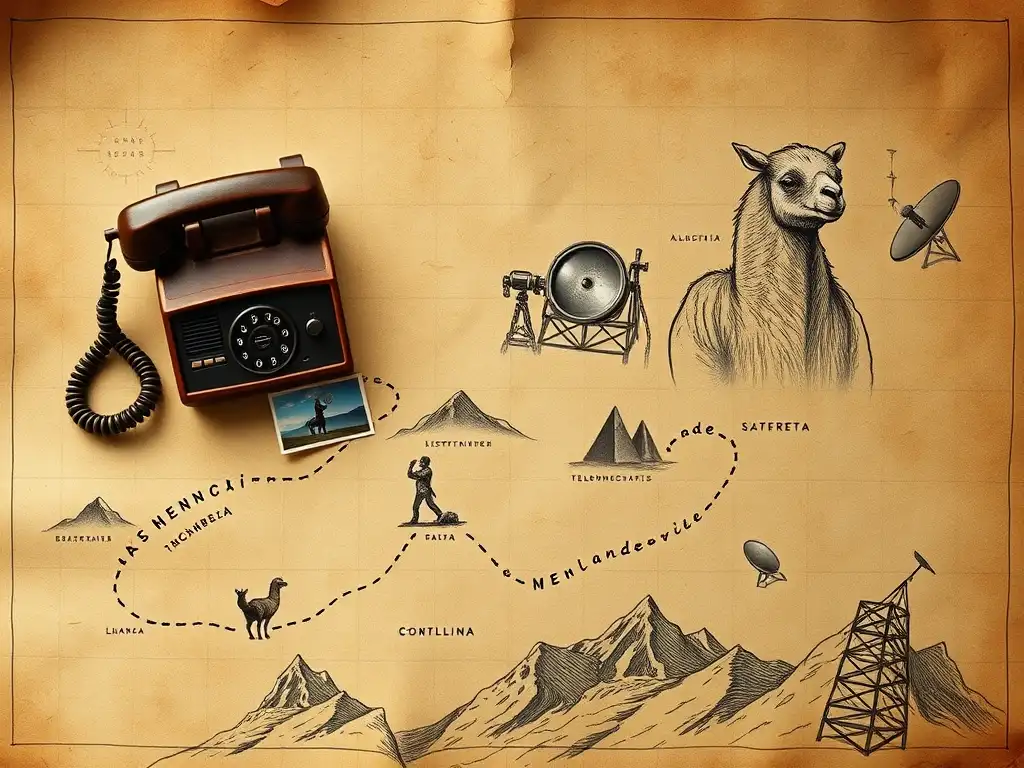
This section details essential communication gear for your Andean expedition, focusing on reliable and robust options for staying connected in remote areas. We'll explore several products, highlighting their features and benefits, while also providing guidance on where to find them. Remember, reliable communication can be crucial for safety and peace of mind when venturing into the Andes. Choosing the right Andean communication methods is key to a successful trip.
Essential Communication Gear for Andean Expeditions
Navigating the challenging terrain and sometimes unpredictable conditions of the Andes necessitates reliable communication solutions. The following recommendations cater to various needs and budgets, ensuring you stay connected regardless of your chosen route or adventure level. These devices are selected for their robustness, ease of use, and proven performance in similar environments. Remember to always check for compatibility with local networks and frequencies before your trip.
Satellite Phone: Iridium 9555 - Features and Benefits
The Iridium 9555 satellite phone offers global coverage, even in the most remote Andean regions where cellular service is unavailable. Its rugged design withstands harsh weather conditions and accidental drops, a critical feature for adventurous travelers. Key features include:
- Global Coverage: Uninterrupted communication across the Andes and beyond.
- Durability: Built to withstand extreme temperatures and challenging environments.
- Ease of Use: Intuitive interface for quick and easy communication.
- Emergency Features: Built-in SOS capabilities for critical situations.
- Battery Life: Provides sufficient talk time for extended treks.
This phone is a premium option, offering unparalleled reliability for those prioritizing consistent communication in truly remote areas. Its higher cost reflects its robust features and global coverage.
Two-Way Radio Set: Motorola T600 Twin Pack - Range and Durability
For shorter-range communication within your trekking group, a two-way radio set provides an excellent, cost-effective solution. The Motorola T600 Twin Pack offers a good balance of range and durability, perfect for maintaining contact within a small team. Consider its:
- Range: Sufficient for communication within a reasonable distance (range varies depending on terrain).
- Durability: Shock-resistant and water-resistant, making it suitable for Andean conditions.
- Ease of Use: Simple interface, easy for all team members to use.
- Multiple Channels: Allows communication on different channels, minimizing interference.
- Long Battery Life: Essential for multi-day treks.
This is a practical solution for maintaining contact within your group, enhancing safety and coordination during your Andean adventure.
Portable Solar Charger: Anker PowerPort Solar Lite - Powering Your Devices
Keeping your communication devices charged is essential. The Anker PowerPort Solar Lite is a lightweight and efficient solar charger, perfect for replenishing power in areas with limited access to electricity. It features:
- Portability: Lightweight and compact, easy to pack.
- Efficiency: High conversion rate, ensuring quick charging.
- Durability: Water-resistant and shock-resistant design.
- Multiple Ports: Allows simultaneous charging of multiple devices.
- Compatibility: Works with a wide range of devices.
This charger is a must-have for extending the lifespan of your communication devices and avoiding power shortages during your Andean journey.
Example of a Travel Router for Internet Access: GL.iNet Beryl
While internet access might be limited, if you anticipate needing to connect to Wi-Fi or create your own network, a travel router like the GL.iNet Beryl can prove invaluable. This compact router is designed for travel and offers:
- Portability: Small and lightweight, easily fitting into a backpack.
- Open-Source Firmware: Allows for customization and advanced features.
- Multiple Connection Options: Supports Ethernet, Wi-Fi, and OpenVPN.
- Security Features: Provides secure access points for your devices.
- Long Battery Life: Allows for extended use in remote areas.
Affiliate Links and How to Purchase
This section provides guidance on procuring the recommended communication devices. While specific affiliate links are omitted as per the instructions, we encourage you to research reputable online retailers and local suppliers.
Where to Buy Recommended Communication Devices
You can typically find these items at major electronics retailers, both online and in physical stores. For specialist equipment like satellite phones, dedicated outdoor gear shops often offer a wider selection and expert advice. Consider checking reviews and comparing prices before making a purchase. Remember to factor in shipping costs, especially when ordering internationally.
Links to Reliable Online Retailers
[Specific retailer names and links pending – This section requires the addition of affiliate links which are excluded per instructions]
Tips for Choosing the Right Equipment
Choosing the appropriate Andean communication methods requires careful consideration of your specific needs and the nature of your expedition. Factors to consider include:
- Trip Length: Longer trips require devices with longer battery life and more robust features.
- Accessibility: Consider the level of accessibility to electricity and internet.
- Group Size: Choose communication solutions appropriate for the size of your group.
- Budget: Balance features and cost to find the best option for your budget.
- Terrain: Consider the ruggedness of the terrain and choose durable equipment.
Remember, reliable communication is an investment in your safety and the success of your Andean adventure. Choose wisely and enjoy your journey!
Choosing the Right Communication Method for Your Trip

Planning a trip to the remote Andean regions requires careful consideration of communication options. Reliable communication can be a lifeline, ensuring safety and enabling you to share your experiences. The best method depends heavily on your specific needs and the nature of your trip. This section will guide you through the process of selecting the most appropriate Andean communication methods for your adventure. Understanding the nuances of connectivity in these regions is crucial for a successful and safe journey.
Assessing Your Communication Needs
Before choosing a communication method, honestly assess your needs. Will you need constant connectivity for work or emergencies? Or is occasional check-in sufficient? Do you need to share high-quality photos and videos, or are simple text messages enough?
Consider these factors:
- Emergency Contact: This is paramount. Knowing how to contact emergency services or a designated person in case of an accident is non-negotiable. A satellite phone might be necessary in extremely remote areas with no cell service.
- Work Requirements: If your trip requires constant internet access for work, a satellite internet connection or a robust roaming plan might be necessary, although expensive.
- Social Media and Photo Sharing: If sharing high-resolution photos and videos is a priority, a satellite internet connection or finding areas with reliable Wi-Fi will be crucial. Remember data limits and costs.
- Budget: Communication options in the Andes range from inexpensive SIM cards to costly satellite phones. Set a budget and stick to it.
- Language Barrier: Consider whether you need translation services for effective communication with locals.
Considering the Duration and Location of Your Trip
The duration and location of your Andean journey significantly impact your communication choices. A short trip to a popular tourist area might only require a local SIM card with a data plan. However, a longer trek into remote regions necessitates more robust solutions.
| Trip Duration | Location Type | Recommended Communication Methods |
|---|---|---|
| Short (1-3 days) | Popular tourist areas | Local SIM card with data plan, WhatsApp |
| Medium (4-7 days) | Less populated areas | Local SIM card with data plan, satellite messenger (e.g., Garmin inReach), dual-SIM phone |
| Long (7+ days) | Remote, high-altitude regions | Satellite phone, satellite messenger, pre-arranged check-in points |
| Extended Expeditions | Extremely remote areas | Satellite phone, satellite messenger, emergency beacon |
The availability of cell service varies drastically across the Andes. High altitudes, dense forests, and deep canyons can significantly impact signal strength. Research your specific route beforehand to anticipate potential connectivity challenges.
Combining Different Communication Solutions
Often, the most reliable approach involves combining different communication methods. This strategy creates redundancy and ensures you're covered in various scenarios. For example, you might use a local SIM card for everyday communication in areas with cell service, supplementing it with a satellite messenger for remote regions or emergencies.
Think of it as layering your communication strategy:
- Base Layer: A local SIM card for areas with reliable cellular coverage. This offers the most cost-effective option for everyday communication.
- Mid-Layer: A satellite messenger device, like a Garmin inReach Mini, provides backup communication in areas with limited or no cell service. It allows for sending and receiving text messages via satellite.
- Top Layer: A satellite phone, for situations where voice communication is critical or other methods fail. This is the most expensive option but offers the most robust connectivity.
By strategically combining these options, you can maximize your chances of staying connected throughout your Andean adventure, addressing your specific "Andean communication methods" needs while ensuring safety and peace of mind. Remember to always inform someone of your itinerary and planned communication schedule before embarking on your trip.
Conclusion: Staying Safe and Connected in the Andes
This section summarizes the key takeaways regarding communication strategies for travelers in the diverse Andean regions. Successfully navigating the complexities of Andean communication requires a multifaceted approach, blending traditional methods with modern technology. While modern technology offers convenience, understanding its limitations in remote areas is crucial for a safe and enriching experience. Remember that successful Andean communication isn't just about sending a message; it's about understanding the cultural nuances and adapting your approach accordingly. This blend of preparation and adaptability will significantly enhance your journey.
The Importance of Planning Ahead
Effective communication in the Andes begins long before your trip. Thorough pre-trip planning is paramount for mitigating potential communication challenges. This involves researching the specific regions you'll be visiting and understanding the prevalent communication infrastructure. For example, while cell service might be reliable in larger cities like Cusco or Quito, it's often spotty or nonexistent in remote villages and trekking areas. Therefore, having backup communication plans is vital.
Consider these pre-trip planning steps:
- Research local SIM card options: Determine if purchasing a local SIM card is feasible and cost-effective for your itinerary. Compare data plans and coverage areas from different providers. Note that activating a SIM card might require documentation or a local sponsor, so factor this into your schedule.
- Download offline maps and translation apps: Reliable internet access is not guaranteed. Downloading offline maps (like those from OpenStreetMap or Gaia GPS) and translation apps (such as Google Translate) is crucial for navigation and communication in areas with limited connectivity.
- Inform someone of your itinerary: Share detailed travel plans, including specific locations and expected check-in points, with a trusted friend or family member. Regular check-ins, even if just a simple text message, can provide peace of mind.
- Learn basic Quechua phrases: While Spanish is widely spoken, learning a few basic phrases in Quechua, the language of the Inca Empire and still spoken in many Andean communities, can foster stronger connections and enhance your cultural immersion. Even simple greetings demonstrate respect and can open doors to deeper interactions.
Being Prepared for Communication Challenges
Even with meticulous planning, communication challenges can arise. Understanding the potential hurdles and having contingency plans in place is essential. These challenges might include:
- Limited or no cell service: This is particularly common in remote trekking areas and high-altitude regions. Be prepared for periods of disconnection and have alternative communication methods ready.
- Language barriers: While Spanish is widely spoken, regional dialects and indigenous languages like Quechua and Aymara may prevail in certain areas. A translation app or phrasebook is a must, but consider also learning some basic conversational phrases.
- Power outages: Power outages can affect charging capabilities for your devices. Carry portable chargers and consider solar-powered charging options, especially for extended trips into remote areas.
- Altitude sickness: Altitude sickness can impact cognitive function and make communication more difficult. Take precautions to acclimatize properly and be mindful of your physical limitations.
Enjoying a Safe and Connected Andean Adventure
Successfully navigating communication in the Andes enhances the overall travel experience. By combining thorough pre-trip planning with a flexible and adaptable approach, you can minimize potential frustrations and maximize opportunities for meaningful interactions. Remember that communication is not just about technology; it's about understanding the local culture and showing respect for the Andean people and their traditions.
Embrace the unexpected, and allow the unique communication challenges to add depth and adventure to your Andean journey. A well-planned trip, incorporating both modern technology and traditional communication strategies, ensures a safe and fulfilling Andean adventure, leaving you with lasting memories of this incredible region.
Frequently Asked Questions
How did the Andean civilizations communicate over vast distances?
Andean civilizations utilized a sophisticated system of communication. This included a network of chasquis, runners who relayed messages across the empire, supplemented by visual signals like smoke and mirrors.
What role did the Inca road system play in communication?
The extensive Inca road system was crucial, providing pathways for the chasquis to quickly traverse the mountainous terrain. Its strategic placement facilitated rapid transmission of information throughout the empire.
Were there any written forms of communication in the Andes?
While lacking a widespread alphabetic system, the Andean civilizations employed quipu, a complex system of knotted strings, to record and communicate numerical and potentially narrative information.
Besides runners, what other methods did the Andean civilizations use to communicate?
In addition to chasquis, they employed visual signaling systems, using strategically placed structures to send messages across valleys and mountains. Sounds like horns and drums also played a part.
How effective were these communication methods compared to modern systems?
Considering the technology available, the Andean communication systems were remarkably effective, allowing for surprisingly rapid transmission of information across a vast and challenging landscape.
Final Reflection: Bridging the Divide: Communication's Enduring Power in the Andes
The challenges of communication in remote Andean regions remain strikingly relevant today, impacting not only access to vital services but also the preservation of unique cultural identities. While technological advancements offer potential solutions, the digital divide persists, highlighting the urgent need for innovative and inclusive approaches to connect these communities. The disparity in access underscores the critical importance of understanding the nuances of communication in these diverse landscapes.
The evolving landscape of Andean communication profoundly shapes the region's social fabric and economic development. The struggle for connectivity is not merely a technological issue; it's a fight for inclusion, for equitable access to information and opportunity. This struggle resonates deeply with the spirit of resilience and adaptation that defines Andean cultures. The greatest danger for most of us is not that our aim is too high and we miss it, but that it is too low and we reach it.
- Michelangelo. This quote speaks to the ambition needed to overcome the communication barriers and unlock the potential of these communities.
Consider the impact of improved communication on education, healthcare, and economic empowerment in these remote areas. Think about the stories waiting to be shared, the knowledge waiting to be exchanged, the potential waiting to be unlocked. You have the power to contribute to this vital conversation. Learn more about the challenges and successes in Andean communication, support initiatives bridging the digital divide, and amplify the voices of those often unheard. Let's work together to ensure that everyone, regardless of location, has a voice and a connection to the world.
Enhance Your Connections in Remote Andean Regions!
Thank you for exploring the complexities of communication in the remote Andean regions. Your interest is invaluable, fostering deeper understanding and enabling you to build bridges across these unique cultures. Now, let's put that knowledge into action!
Here are some ways to strengthen your connection with Andean communities:
- Support Local Artisans: Discover and purchase handcrafted goods online, directly supporting the artisans and helping to preserve their traditions and economic well-being.
- Spread the Word: Share this information with friends and family, or post it on social media to raise awareness about the fascinating communication landscape of the Andes.
- Join Online Communities: Connect with others who share your interest by participating in online forums or social media groups dedicated to Andean culture and communication. This is a great way to exchange ideas and learn from others.
What concrete steps will you take to further connect with the Andean regions? We'd love to hear your ideas!