
Healing the Wounds: The Impact of Colonialism on Andean Indigenous Communities

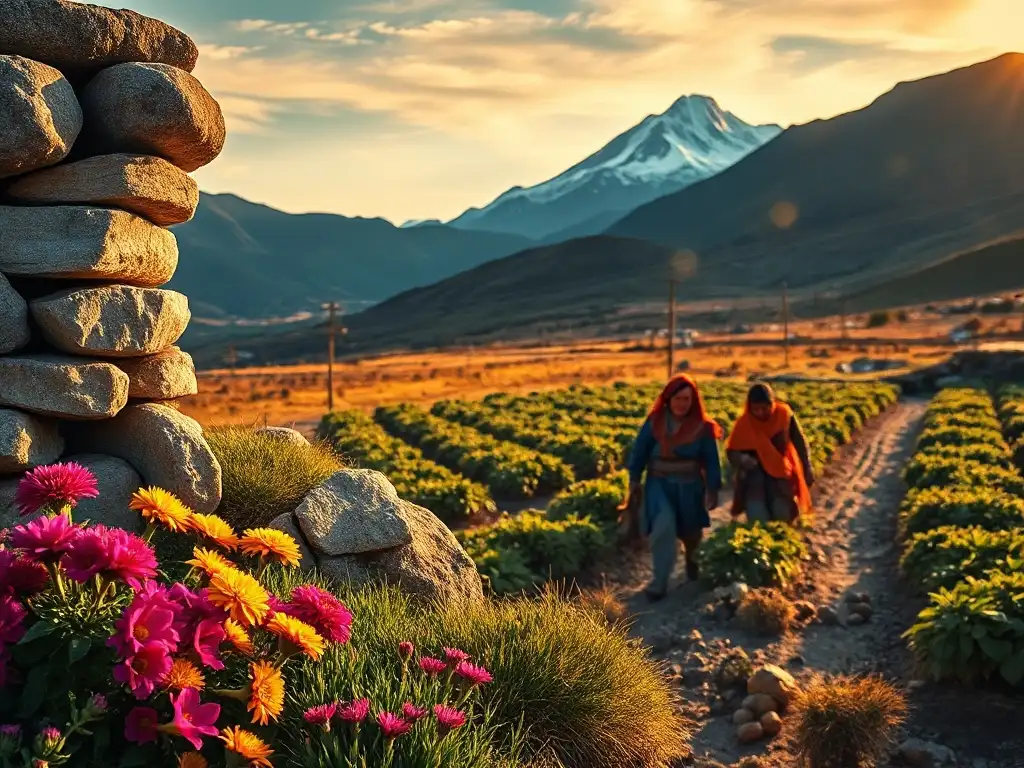
Step into a world lost to time, yet echoing powerfully in the present. For centuries, the breathtaking Andean civilizations—from the Incas to the Nazca—thrived, leaving behind a legacy of unparalleled artistry and ingenuity. But what happened when this vibrant tapestry met the brutal force of colonialism? Discover the profound and lasting impact on Andean indigenous communities, a legacy that continues to shape their lives today. Uncover the story in our in-depth exploration of "Healing the Wounds: The Impact of Colonialism on Andean Indigenous Communities" and begin your journey into a fascinating and often heartbreaking history.
- Healing the Wounds: The Lasting Impact of Colonialism on Andean Indigenous Communities
- The Legacy of Colonialism in the Andes: An Overview
- The Multifaceted Impact of Colonialism on Andean Peoples
- Persistent Challenges Faced by Andean Indigenous Communities
- Resilience and Resistance: The Strength of Andean Cultures
- Addressing the Colonial Legacy: Paths Toward Healing and Reconciliation
- The Future of Andean Indigenous Communities: Building a Path Forward
-
Frequently Asked Questions
- What was the most significant impact of colonialism on Andean indigenous communities?
- How did Spanish colonialism affect the Andean population?
- What were the long-term effects of the mita system?
- How did colonialism impact Andean art and culture?
- What efforts are being made today to address the legacy of colonialism in the Andes?
- Final Reflection: Echoes of Empire, Whispers of Resilience
- Unveil Your Role in Healing: Take Action Today!
Healing the Wounds: The Lasting Impact of Colonialism on Andean Indigenous Communities
The arrival of European colonizers in the Andes dramatically reshaped the landscape and the lives of the indigenous communities that had thrived there for millennia. This article explores the profound and enduring impact of colonialism on Andean indigenous communities, examining the multifaceted ways in which their social structures, economic systems, cultural practices, and spiritual beliefs were irrevocably altered. We will delve into the devastating consequences of this historical period, analyzing its lingering effects on contemporary Andean societies and highlighting the ongoing struggles for cultural revitalization and social justice.
Understanding this historical trauma is crucial to appreciating the complexities of Andean societies today and supporting their continued efforts towards self-determination and healing. The legacy of colonialism continues to shape the realities faced by Andean indigenous communities, making this a critical area of study for anyone seeking a deeper understanding of the region's rich and complex history.
This exploration will focus on the key areas of social disruption, economic exploitation, and cultural suppression, showcasing the resilience and ongoing efforts of Andean communities to reclaim their heritage and build a more equitable future. The keyword "Andean indigenous communities colonialism impact" will be explored throughout the article to provide a comprehensive understanding of this significant historical period and its continuing consequences.
The Spanish conquest systematically dismantled the intricate social structures that had characterized Andean societies for centuries. Pre-colonial Andean communities often possessed sophisticated systems of governance, kinship networks, and social hierarchies, which were replaced by the colonial system of encomienda and later, repartimiento. These systems, designed to exploit indigenous labor, led to the breakdown of traditional leadership structures and the forced assimilation of indigenous populations into a rigidly hierarchical colonial society.
This disruption resulted in the loss of social cohesion and the erosion of traditional forms of social control and conflict resolution. The imposition of foreign religious beliefs and practices further contributed to the disintegration of indigenous spiritual and social life. The forced relocation of communities and the destruction of sacred sites exacerbated the social trauma.
The effects of this disruption are still felt today, manifesting in challenges related to social inequality, marginalization, and the erosion of traditional knowledge systems. Many communities continue to struggle to rebuild and strengthen their social structures in the face of ongoing societal pressures.
Economic Exploitation and its Lingering Effects
Colonialism implemented a ruthless economic system that systematically extracted wealth from Andean communities. The forced labor system, coupled with the imposition of unfair trade practices and the appropriation of land and resources, resulted in widespread poverty and economic dependence. The introduction of the mita system, a form of forced labor, devastated indigenous populations, leading to significant loss of life and the disruption of agricultural practices.
The extraction of precious metals like silver and gold enriched the Spanish crown while leaving Andean communities impoverished and vulnerable. This economic exploitation created a legacy of inequality that persists to this day. Many Andean communities continue to experience high levels of poverty and lack access to essential resources and opportunities.
The historical patterns of economic marginalization continue to hinder development and perpetuate cycles of poverty. The economic impact of colonialism continues to be a major obstacle to the social and economic advancement of Andean indigenous communities.
Cultural Suppression and the Fight for Revitalization
Colonialism actively sought to suppress indigenous cultures and languages. The destruction of sacred sites, the suppression of traditional ceremonies and practices, and the imposition of Catholicism significantly impacted indigenous cultural identity. The Spanish crown actively promoted the adoption of Spanish language and customs, aiming to erase indigenous traditions and beliefs.
This cultural suppression had devastating consequences, leading to the loss of invaluable knowledge, artistic expressions, and spiritual practices. However, Andean communities demonstrated remarkable resilience. Despite centuries of oppression, many indigenous groups managed to preserve aspects of their cultural heritage through oral traditions, secret ceremonies, and the continued use of their native languages.
Today, there is a growing movement towards cultural revitalization, with communities actively working to reclaim and celebrate their cultural heritage. This process involves efforts to revive traditional languages, revive ancestral practices, and protect cultural sites. The fight for cultural survival and revitalization is a central aspect of the ongoing struggle for self-determination among Andean indigenous communities.
(To be continued…)
The Legacy of Colonialism in the Andes: An Overview
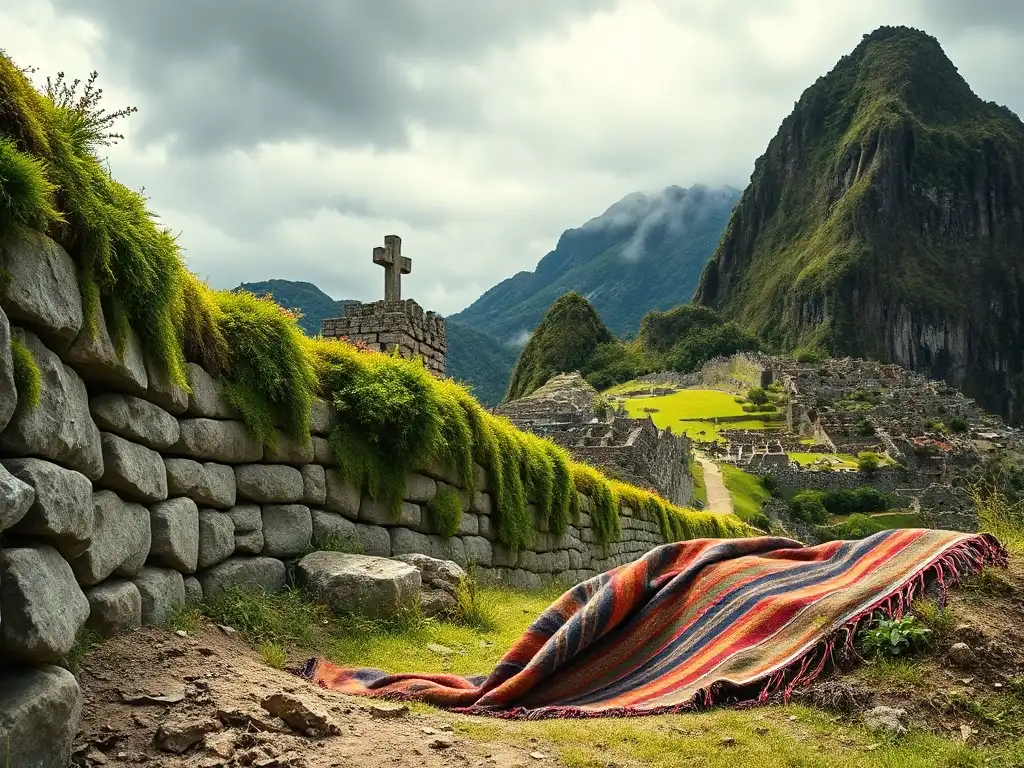
The impact of colonialism on Andean indigenous communities remains a profound and multifaceted issue, shaping their social, economic, and political realities even today. Understanding this legacy requires examining the pre-colonial structures, the mechanisms of colonial control, and the lasting consequences that continue to affect Andean indigenous communities. This section delves into the historical context, exploring the devastating effects of colonial policies and institutions on these vibrant societies. The keyword phrase "Andean indigenous communities colonialism impact" is central to understanding the enduring challenges faced by these communities.
Historical Context: Pre-Colonial Andean Societies
Before the arrival of European powers, the Andes were home to a complex tapestry of diverse and sophisticated indigenous societies. The Inca Empire, while the most geographically extensive and well-known, was only one among many. Highly developed agricultural techniques, such as terracing and irrigation, allowed for thriving populations and complex social hierarchies. Advanced knowledge of astronomy, mathematics, and engineering is evident in their monumental architecture, intricate textiles, and sophisticated record-keeping systems using quipus (knotted cords).
These societies possessed their own intricate legal systems, spiritual beliefs, and governance structures, all significantly disrupted by the subsequent colonial era. The pre-colonial Andean world was characterized by a nuanced understanding of land ownership, resource management, and social responsibility, radically different from the exploitative models imposed during the colonial period. Understanding this pre-colonial context is crucial for appreciating the full extent of the colonial disruption.
The Arrival of Colonial Powers and its Initial Impact
The arrival of Spanish conquistadors in the 16th century marked a brutal turning point for Andean indigenous communities. The initial impact was characterized by widespread violence, disease, and the systematic dismantling of existing social structures. The introduction of smallpox, measles, and other European diseases decimated indigenous populations, leading to a dramatic decline in numbers. Estimates suggest that upwards of 90% of the pre-colonial population perished within the first century of contact.
This demographic catastrophe weakened the indigenous resistance to Spanish rule and facilitated the imposition of colonial control. The conquistadors' lust for gold and silver fueled a brutal system of forced labor ( mita ), exploiting indigenous communities in mines and on encomiendas (land grants). This period witnessed the systematic destruction of cultural heritage, including the suppression of indigenous languages, religious practices, and artistic traditions. The initial shock of conquest irrevocably altered the social fabric of Andean societies.
The Establishment of Colonial Structures and Systems
The initial conquest gave way to the establishment of enduring colonial structures and systems designed to maintain Spanish control and extract resources. The encomienda system, while initially intended to be temporary, evolved into a form of hereditary servitude, binding indigenous communities to forced labor for generations. The repartimiento system, a successor to the encomienda, formalized the allocation of indigenous labor for specific tasks, ensuring a continuous supply of cheap labor for the Spanish crown and colonial elites.
The imposition of the Catholic faith involved the destruction of indigenous religious practices and the forced conversion of the native population. This cultural subjugation aimed to erase indigenous identities and replace them with a colonial worldview. The establishment of new administrative, legal, and economic systems further marginalized Andean indigenous communities, limiting their access to land, resources, and political power.
The enduring impact of these colonial structures continues to manifest in contemporary social inequalities and persistent struggles for land rights and self-determination within Andean indigenous communities. The consequences of this period are still felt today, highlighting the long-lasting nature of colonial legacies.
The Multifaceted Impact of Colonialism on Andean Peoples
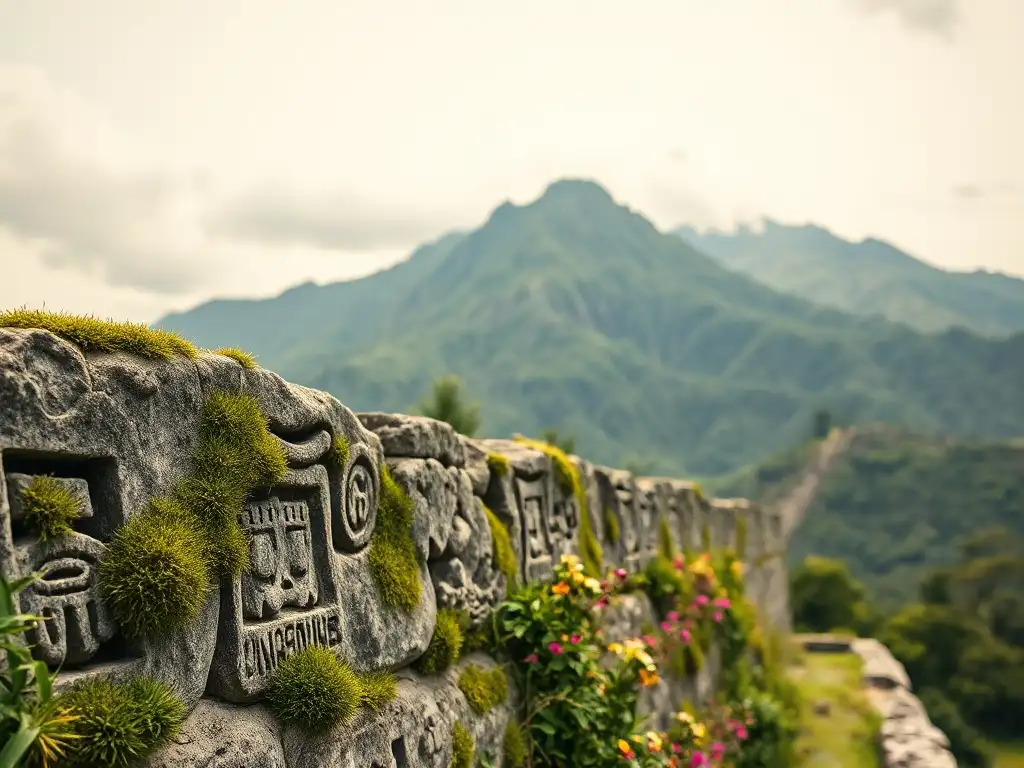
The arrival of European colonizers in the Andes drastically altered the trajectory of Andean indigenous communities, leaving a lasting legacy of trauma and hardship that continues to resonate today. The impact wasn't simply a single event but a multifaceted process encompassing economic exploitation, social and cultural disruption, and political marginalization. Understanding this complex interplay is crucial to appreciating the ongoing struggles and resilience of Andean indigenous communities. The term "Andean indigenous communities colonialism impact" encapsulates the profound and enduring consequences of this historical period.
Economic Exploitation: Resource Extraction and Land Dispossession
The Spanish conquest initiated a brutal system of economic exploitation centered on resource extraction and land dispossession. Indigenous populations, previously organized around sophisticated agricultural systems and intricate trade networks, were forcibly integrated into a new economic order designed to benefit the Spanish crown. The mita, a system of forced labor, became a cornerstone of colonial extraction, compelling indigenous people to work in mines, on farms, and in other demanding sectors under inhumane conditions. Many perished due to overwork, malnutrition, and disease.
This system didn't simply exploit labor; it fundamentally altered land ownership. Vast tracts of land, previously communally owned and managed by indigenous communities, were seized by the Spanish conquistadors and granted to encomenderos and other privileged individuals. This land dispossession not only deprived indigenous communities of their primary means of subsistence but also severed their deep-rooted connection to the land, a connection central to their spiritual and cultural identity.
The consequences of this economic devastation continue to manifest in present-day inequalities in land access and economic opportunity for many Andean indigenous groups. For example, [Specific data on current land ownership disparities pending].
Colonialism inflicted profound social and cultural damage on Andean indigenous communities. The imposition of Spanish language and Catholicism actively suppressed indigenous languages, beliefs, and practices. Indigenous leaders and knowledge keepers were systematically eliminated, weakening the transmission of cultural heritage across generations. The destruction of temples, the suppression of traditional ceremonies, and the forced conversion to Christianity eroded the fabric of Andean societies, leading to a significant loss of cultural diversity and identity.
The systematic destruction of pre-Columbian artifacts and knowledge further exacerbated this cultural loss. The Spanish considered many indigenous practices "pagan" and actively sought to erase them. This deliberate cultural erasure led to the fragmentation of communities and the erosion of traditional social structures. The impact on indigenous languages is particularly stark.
While Quechua and Aymara remain spoken by millions, the colonial period significantly reduced linguistic diversity within the Andes, with many smaller languages disappearing entirely. [Specific data on the number of extinct Andean languages pending]. The ongoing efforts to revitalize indigenous languages and cultural practices highlight the continued struggle to reclaim and preserve a rich cultural heritage threatened by centuries of oppression.
Political Marginalization: Exclusion from Decision-Making Processes
Colonial rule established a system of political marginalization that excluded Andean indigenous communities from decision-making processes affecting their lives. The Spanish colonial administration prioritized the interests of the colonizers, leaving indigenous populations with little or no political power or agency. This power imbalance created a system of oppression that continues to shape the political landscape of the Andes today.
Even after independence from Spain, many Andean indigenous communities faced continued marginalization and political exclusion. The newly formed nation-states often failed to address the historical injustices suffered by indigenous peoples, perpetuating a legacy of inequality and disenfranchisement. Access to education, healthcare, and other essential services remained limited for many indigenous communities, reflecting their ongoing political marginalization. [Specific examples of continued political marginalization and lack of representation pending]. The struggle for indigenous rights and self-determination remains a central challenge for Andean communities in the 21st century, highlighting the long-lasting impact of colonial political structures.
Religious Imposition and the Suppression of Indigenous Beliefs
The arrival of the Spanish conquistadors in the Andes marked a brutal turning point for Andean indigenous communities, profoundly impacting their spiritual and religious lives. The imposition of Catholicism wasn't a mere introduction of a new faith; it was a systematic dismantling of deeply rooted indigenous belief systems, a process that continues to resonate today. The Spanish Crown, driven by a fervent desire for religious conversion and control, actively sought to eradicate indigenous religious practices, deeming them pagan and heretical.
This wasn't a subtle shift; it was a violent and forceful suppression. Temples were destroyed, sacred objects were confiscated and often melted down, and indigenous priests and shamans were persecuted, killed, or forced to renounce their beliefs.
The destruction of religious sites wasn't simply an act of vandalism; it represented a deliberate attempt to sever the connection between the Andean peoples and their ancestral spirits. These sites, often intricately woven into the landscape and imbued with profound spiritual significance, served as vital centers for community life, embodying the cosmology and worldview of the indigenous population. Their obliteration left a gaping spiritual wound, disrupting traditional social structures and weakening communal bonds. The systematic burning of sacred texts and the prohibition of traditional ceremonies further contributed to the erosion of indigenous spiritual identity.
The imposition of Catholicism wasn't solely based on religious zeal. It served a crucial political function in solidifying Spanish colonial rule. By replacing indigenous religious practices with a new, imposed faith, the Spanish aimed to control the hearts and minds of the conquered population, fostering obedience and undermining any potential for resistance. The conversion process often involved coercion, with indigenous people forced to attend mass, learn Spanish prayers, and participate in Catholic rituals under threat of punishment. This forced assimilation contributed to the cultural trauma experienced by Andean communities for centuries.
The consequences of this religious suppression are still felt today. While many Andean communities have integrated elements of Catholicism into their existing beliefs, creating syncretic practices, the legacy of suppression remains a powerful force shaping their spiritual landscape. The loss of ancestral knowledge, the destruction of sacred sites, and the trauma of forced conversion continue to affect the spiritual well-being of Andean indigenous communities, highlighting the enduring impact of colonialism on their cultural identity and spiritual expression.
The ongoing effort to reclaim and revitalize indigenous religious traditions underscores the resilience and determination of these communities in the face of historical oppression. This reclamation is not simply a matter of reviving ancient practices; it is a crucial step in healing the deep wounds inflicted by colonial religious imposition.
Persistent Challenges Faced by Andean Indigenous Communities
The legacy of colonialism continues to cast a long shadow over Andean indigenous communities, manifesting in a multitude of persistent challenges that hinder their social, economic, and cultural well-being. Understanding these ongoing struggles is crucial to appreciating the resilience of these communities and the ongoing need for support and recognition of their rights.
The impact of colonialism on Andean indigenous communities is multifaceted and deeply rooted, requiring a nuanced approach to address its consequences effectively. This section will delve into some of the most pressing issues facing these communities today, focusing on land rights, economic disparities, and the preservation of their unique cultural identities.
Land Rights Struggles and Ongoing Conflicts
The dispossession of ancestral lands remains a central challenge for Andean indigenous communities. Colonial policies systematically stripped indigenous populations of their territories, often through violent means, leading to a legacy of land scarcity and insecure tenure. Even today, many communities face ongoing conflicts over land ownership, facing powerful interests such as mining companies and large agricultural enterprises.
These conflicts frequently involve legal battles, often protracted and complex, with indigenous communities frequently disadvantaged by a legal system that may not fully recognize their customary land rights. The lack of clear land titles and the weak enforcement of existing legislation often leave communities vulnerable to exploitation and displacement. For example, the [specific case study pending] highlights the persistent struggle of a Quechua community in [specific region pending] to reclaim ancestral lands encroached upon by a mining operation.
The ongoing struggle underscores the urgent need for stronger legal frameworks that protect indigenous land rights and provide effective mechanisms for resolving land disputes fairly. The impact of this ongoing struggle on Andean indigenous communities is devastating, affecting their livelihoods, cultural practices, and overall well-being. The fight for land is not simply a fight for property; it is a fight for survival and cultural continuity.
Economic Disparities and Poverty
Economic disparities are a stark reality for Andean indigenous communities. Centuries of exploitation and marginalization have resulted in significantly lower incomes, limited access to education and healthcare, and higher rates of poverty compared to the national average. This economic vulnerability is often exacerbated by lack of access to credit, limited market opportunities for their traditional products, and the lack of infrastructure in rural areas.
Many Andean indigenous communities rely on subsistence agriculture, which is often susceptible to climate change and market fluctuations. The lack of diversification in their economic activities makes them highly vulnerable to external shocks. Furthermore, the limited access to quality education prevents many young people from accessing better job opportunities, perpetuating the cycle of poverty.
This economic marginalization significantly impacts their quality of life and social mobility. Data from [specific source pending] shows that [specific statistic pending] of Andean indigenous communities live below the poverty line, highlighting the urgent need for targeted economic development initiatives that empower these communities and promote sustainable livelihoods. Addressing this challenge requires a multi-pronged approach that includes investments in infrastructure, access to credit, market development, and educational opportunities tailored to the specific needs of Andean indigenous communities.
Cultural Identity and Preservation Efforts
The preservation of cultural identity is another crucial challenge for Andean indigenous communities. Colonialism sought to suppress indigenous languages, traditions, and beliefs, leading to a significant loss of cultural heritage. While efforts are underway to revitalize indigenous languages and cultural practices, many challenges remain. The dominance of Spanish and other languages threatens the survival of indigenous languages, which are often essential to the transmission of traditional knowledge and cultural practices.
The increasing influence of globalization and mass media also pose a threat to the unique cultural identities of these communities. However, Andean indigenous communities demonstrate remarkable resilience. Many communities actively work to preserve their languages, traditional arts, and spiritual practices through community-based initiatives, cultural centers, and educational programs. These efforts often face limited resources and lack of government support.
The success of these preservation efforts is vital for maintaining the cultural diversity of the Andes and ensuring the continuation of a rich cultural heritage. The importance of supporting these initiatives cannot be overstated. The preservation of Andean indigenous cultures is not merely a matter of preserving traditions; it's about preserving a vital part of humanity's cultural heritage and ensuring the continued flourishing of these unique communities. The ongoing efforts to revitalize and preserve Andean languages and cultural practices are a testament to the resilience and determination of these communities in the face of adversity.
Access to Education and Healthcare
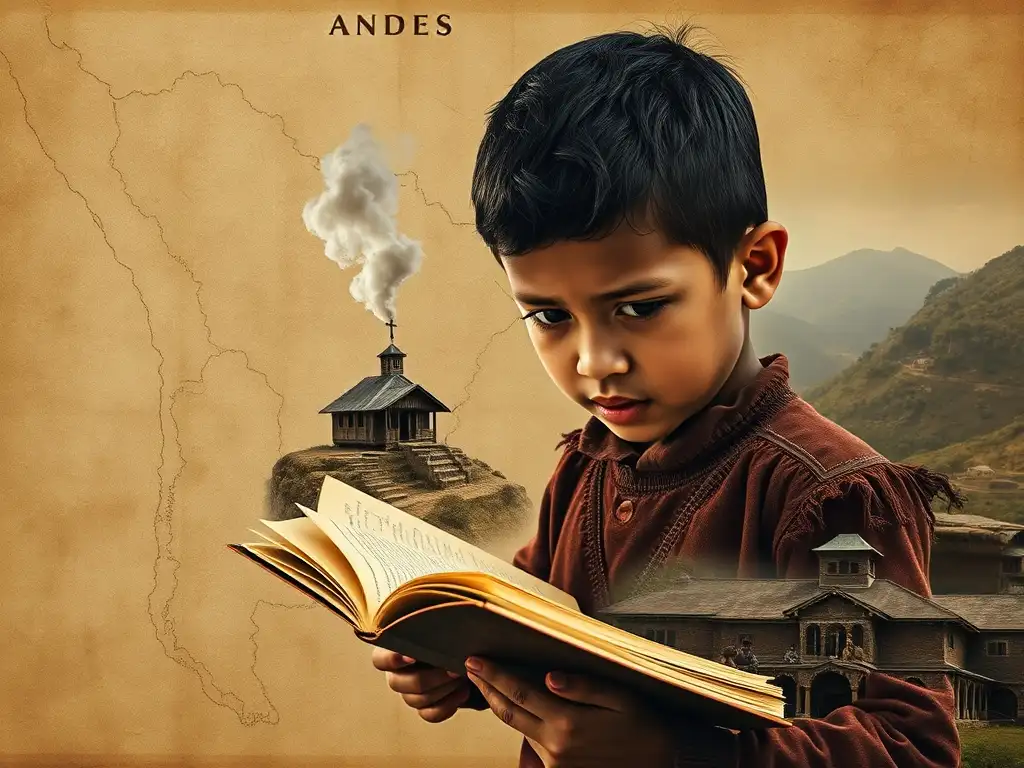
Access to quality education and healthcare remains a significant challenge for many Andean indigenous communities, hindering their social and economic advancement. The legacy of colonialism continues to manifest in unequal resource allocation, with indigenous communities often receiving fewer resources than their non-indigenous counterparts. This disparity is particularly acute in remote rural areas, where geographical isolation exacerbates existing inequalities. Many indigenous children lack access to schools with qualified teachers and appropriate learning materials, resulting in lower literacy rates and limited opportunities for future advancement.
The curriculum itself often fails to reflect the rich history and cultural heritage of Andean indigenous communities, perpetuating a sense of marginalization and cultural erasure. Furthermore, healthcare services in these communities are often inadequate, lacking sufficient personnel, equipment, and culturally appropriate care. Traditional healing practices, deeply intertwined with Andean cultural identity, are frequently overlooked or dismissed by mainstream healthcare systems, further compounding the problem. The lack of access to essential healthcare leads to higher rates of preventable diseases and lower life expectancy within these communities.
Addressing this disparity requires a multifaceted approach, including increased investment in rural infrastructure, culturally sensitive educational programs, and the integration of traditional healing practices into modern healthcare systems. This needs to be coupled with policies that actively promote multilingual education and the recognition of indigenous knowledge systems. Only then can we hope to truly bridge the gap in access to education and healthcare for Andean indigenous communities and help them thrive.
Discrimination and Systemic Racism
Systemic racism and discrimination continue to plague Andean indigenous communities, deeply impacting their lives and perpetuating a cycle of poverty and marginalization. This discrimination manifests in various forms, from subtle biases in everyday interactions to overt acts of violence and prejudice. Many indigenous people face discrimination in employment, housing, and access to justice. Their ancestral lands are often threatened by encroaching development projects, with little or no consultation or compensation provided.
The criminal justice system often operates unfairly against indigenous individuals, who may face linguistic barriers, cultural misunderstandings, and a lack of legal representation tailored to their specific needs. Furthermore, the historical erasure of indigenous languages and cultural practices has contributed to a sense of inferiority and marginalization. This systemic racism is rooted in centuries of colonial oppression, and its persistence poses a significant obstacle to the social and economic advancement of Andean indigenous communities.
Combating this requires a comprehensive approach that includes anti-discrimination legislation, educational programs aimed at raising awareness about indigenous rights and cultures, and affirmative action policies to promote indigenous representation in all sectors of society. Crucially, it also requires a fundamental shift in societal attitudes, moving away from stereotypes and prejudices towards a greater appreciation of the richness and diversity of Andean indigenous cultures. The fight against discrimination and systemic racism is a long and arduous one, but it is essential for ensuring the well-being and prosperity of Andean indigenous communities.
Resilience and Resistance: The Strength of Andean Cultures
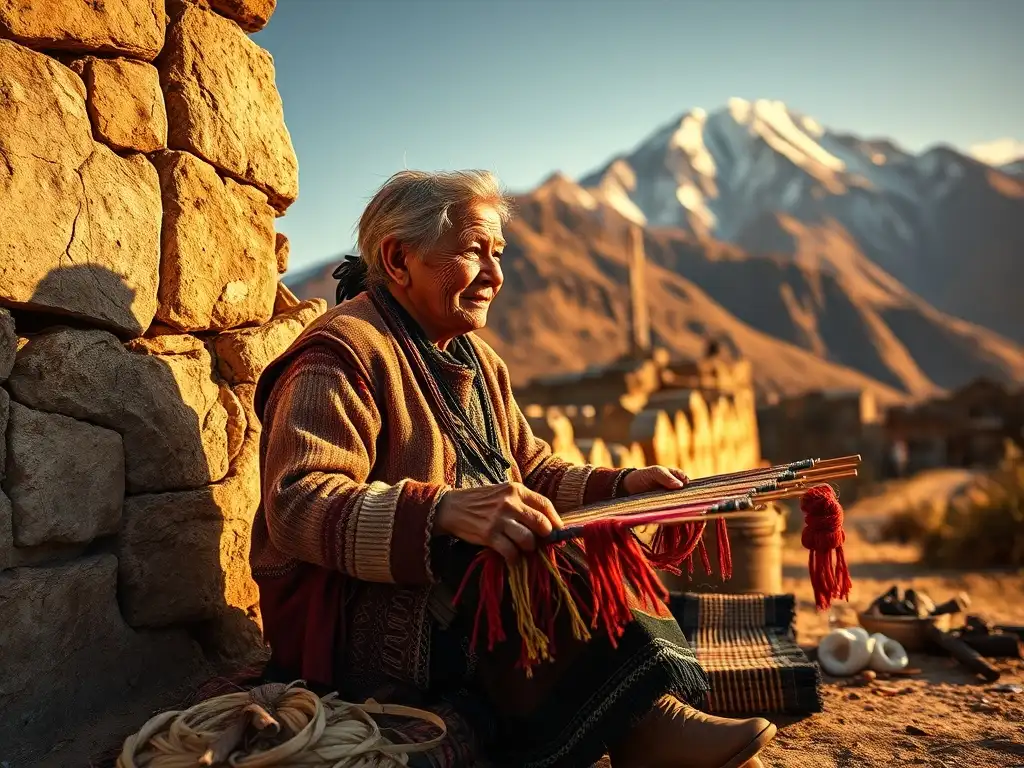
The impact of colonialism on Andean indigenous communities was devastating, leaving deep scars on their social structures, economies, and spiritual beliefs. However, the narrative of colonialism is not solely one of oppression and destruction. A crucial aspect often overlooked is the remarkable resilience and resistance demonstrated by these communities throughout centuries of subjugation. Their capacity for adaptation, innovation, and the tenacious preservation of their cultural heritage stands as a testament to their enduring strength.
Understanding this resilience is essential to fully grasping the complexities of the Andean indigenous experience and their ongoing struggles for self-determination. The keyword "Andean indigenous communities colonialism impact" highlights the severity of the situation, but it is equally important to emphasize the enduring spirit and capacity for renewal found within these communities. This section will explore specific examples of this profound resilience.
Revitalization of Indigenous Languages and Traditions
The systematic suppression of indigenous languages during the colonial era aimed to erase cultural identity and facilitate assimilation. Spanish was imposed as the dominant language, leading to a significant decline in the use of Quechua, Aymara, and other Andean languages. However, in recent decades, there's been a powerful resurgence of efforts to revitalize these languages.
Community-based language programs, educational initiatives incorporating indigenous languages, and the use of technology to create digital resources for language learning are all contributing to this revival. For instance, the creation of Quechua-language radio stations and television programs has played a vital role in making the language accessible to younger generations. This revitalization extends beyond language; traditional practices, ceremonies, and artistic expressions are also being actively reclaimed and celebrated.
The renewed interest in traditional Andean medicine, weaving techniques, and musical forms demonstrates a conscious effort to maintain cultural continuity and identity in the face of historical trauma. This active preservation is not merely nostalgic; it's a vital act of resistance, a powerful assertion of cultural sovereignty. The commitment to preserving these traditions ensures that the rich cultural heritage of Andean indigenous communities continues to thrive.
Community-Based Initiatives and Self-Governance
A significant aspect of Andean communities' resilience lies in their ability to adapt and create innovative solutions to the challenges they face. Community-based initiatives focused on sustainable development, economic empowerment, and environmental protection are gaining momentum. These initiatives often prioritize local knowledge and traditional practices, integrating them with modern approaches to address contemporary issues. For example, many communities are implementing sustainable agricultural practices that preserve biodiversity and minimize environmental impact.
These initiatives are not only economically beneficial but also contribute to the preservation of traditional ecological knowledge and strengthen community bonds. Furthermore, the pursuit of self-governance is a key element of this resilience. Many Andean communities are actively working to reclaim control over their lands, resources, and decision-making processes.
This struggle involves navigating complex legal and political landscapes, advocating for land rights, and demanding greater autonomy in managing their affairs. The pursuit of self-governance represents a fundamental assertion of sovereignty and a crucial step towards achieving true self-determination. These efforts demonstrate a proactive approach to shaping their own futures, rather than passively accepting the legacies of colonialism.
The fight for social justice and the recognition of indigenous rights is central to the ongoing struggle of Andean communities. Advocacy groups and organizations are working tirelessly to raise awareness about the historical injustices faced by these communities and to demand redress for past and present violations of their rights. These efforts involve legal challenges to discriminatory policies, campaigns to protect ancestral lands, and advocacy for greater political representation.
The fight for indigenous rights is intricately linked to the broader struggle for social justice and equality. The pursuit of social justice is not merely a reaction to past injustices; it is a proactive effort to create a more equitable and inclusive future. This includes advocating for access to quality education, healthcare, and economic opportunities for Andean communities.
The ongoing advocacy efforts demonstrate a persistent commitment to achieving lasting change and securing a future where the rights and cultural heritage of Andean indigenous communities are fully respected and protected. The resilience of these communities is fueled by their unwavering determination to overcome historical injustices and secure a future where their voices are heard and their rights are upheld. This ongoing struggle is a powerful testament to their enduring strength and determination.
The Role of Indigenous Knowledge in Sustainable Development
The enduring legacy of Andean indigenous communities extends far beyond their rich history and cultural heritage; it plays a vital role in contemporary sustainable development initiatives. For centuries, these communities have developed intricate systems of resource management, agricultural practices, and environmental stewardship that are now being recognized for their potential to address global challenges like climate change and biodiversity loss. This indigenous knowledge, often passed down through generations orally and through practical application, offers valuable insights into sustainable living that are increasingly relevant in the face of modern environmental pressures.
One compelling example is the Andean practice of ayni, a system of reciprocal exchange and mutual support. This principle, deeply embedded in Andean cosmology, fosters community-based resource management and ensures the equitable distribution of resources. In contrast to exploitative models of resource extraction, ayni promotes long-term sustainability by prioritizing community needs and environmental well-being. Modern initiatives are increasingly incorporating elements of ayni to create more equitable and sustainable development projects.
Furthermore, traditional Andean agricultural techniques, honed over millennia, demonstrate remarkable adaptability and resilience. These methods, often involving terracing, crop rotation, and the integration of diverse species, significantly contribute to soil conservation, water management, and biodiversity preservation. For instance, the intricate terrace systems found in the Andes, some dating back centuries, effectively prevent soil erosion and maximize water retention, even in challenging mountainous terrain. Studying and implementing these techniques can offer valuable lessons for modern agriculture, particularly in regions facing environmental degradation.
The preservation and integration of indigenous knowledge systems are not merely about preserving cultural heritage; they are crucial for achieving sustainable development goals. However, it’s vital to acknowledge the challenges. The appropriation of indigenous knowledge without proper recognition and compensation remains a significant concern. Effective strategies for sustainable development must prioritize collaboration with indigenous communities, ensuring their active participation in research, project design, and implementation.
This collaborative approach ensures the respect of traditional practices and fosters genuine empowerment, leading to more equitable and sustainable outcomes for all. Only through recognizing and respecting the valuable contributions of Andean indigenous communities can we truly harness the power of their knowledge to build a more sustainable future. Ignoring this wealth of experience would be a profound loss, both culturally and environmentally.
Addressing the Colonial Legacy: Paths Toward Healing and Reconciliation
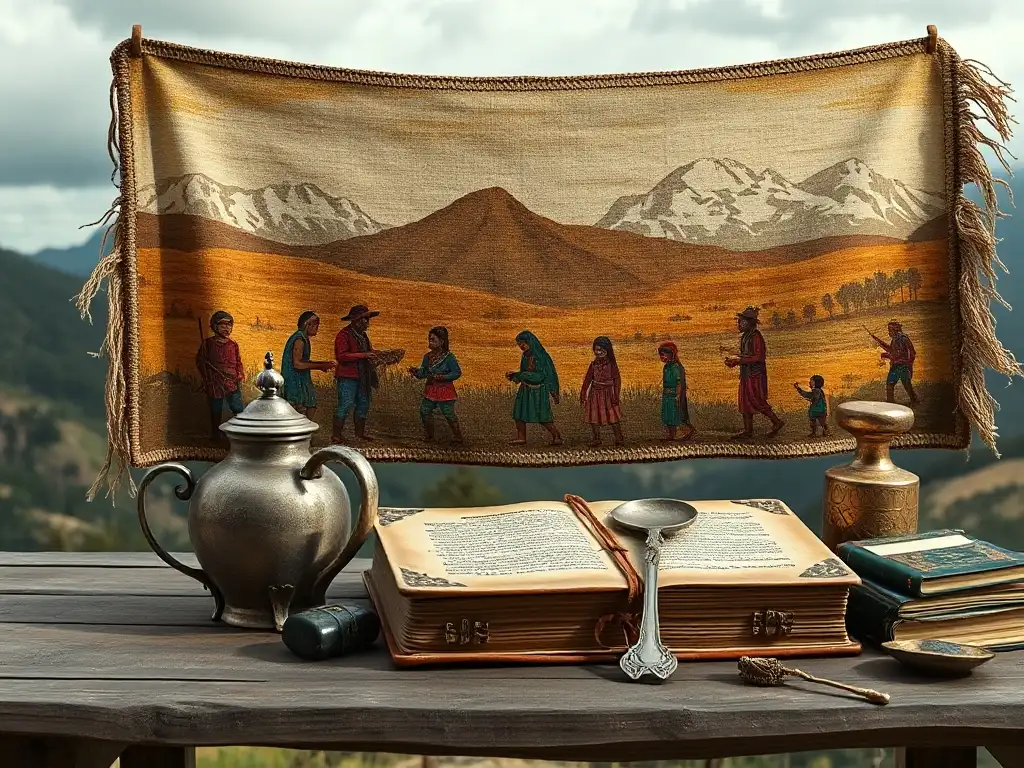
The enduring impact of colonialism on Andean indigenous communities is profound and multifaceted, extending far beyond the immediate effects of conquest. Understanding this legacy is crucial for fostering healing and reconciliation. The process requires a multifaceted approach, acknowledging past injustices, promoting inclusive governance, and supporting indigenous-led development initiatives. This section explores these critical pathways toward a more equitable and just future for Andean indigenous communities, focusing on concrete actions and positive changes. The term "Andean indigenous communities colonialism impact" encapsulates the devastating consequences of this historical period and the ongoing struggle for self-determination.
Acknowledging Historical Injustices and Reparations
Acknowledging historical injustices is the foundational step toward healing. This involves more than simply stating that colonialism was harmful; it necessitates a deep and critical examination of its specific impacts on Andean indigenous communities. This includes analyzing the systematic destruction of traditional social structures, the dispossession of ancestral lands, the suppression of indigenous languages and cultures, and the enduring effects of forced labor and exploitation. The concept of reparations takes many forms.
While financial compensation can play a role, it's equally, if not more, important to focus on restoring cultural heritage, returning ancestral lands, and providing access to quality education and healthcare tailored to the specific needs of Andean communities. For example, the repatriation of cultural artifacts currently held in museums worldwide is a crucial aspect of this process. The establishment of truth and reconciliation commissions, similar to those implemented in other post-conflict societies, can also contribute to healing by providing a platform for sharing experiences, acknowledging suffering, and promoting dialogue.
Furthermore, educational initiatives that accurately and comprehensively portray the history of Andean civilizations, without minimizing the impact of colonialism, are vital in shaping a more informed and empathetic society. Accurate historical accounts are essential to counter the pervasive narratives that often downplay the extent of colonial violence and its continuing consequences. This is essential for the long-term healing and empowerment of Andean indigenous communities.
Promoting Inclusive Governance and Participation
Inclusive governance is paramount to addressing the ongoing impacts of colonialism. This means ensuring that Andean indigenous communities have a meaningful voice in decisions that affect their lives and futures. This requires moving beyond tokenistic representation and actively working towards genuine self-determination. This involves implementing legal frameworks that recognize and protect indigenous rights, including land rights, cultural rights, and the right to self-governance.
Examples of this could include the establishment of indigenous-led local governments with significant autonomy or the creation of national-level bodies specifically dedicated to representing and advocating for indigenous interests. Moreover, active participation in national and regional political processes is crucial. This includes ensuring that indigenous representatives are not only present but also have the resources and support to effectively advocate for their communities' needs.
The engagement of Andean indigenous communities in all levels of decision-making, from local to national, is a crucial step toward creating a more equitable and just society. Transparency and accountability mechanisms are also essential to ensure that the voices of indigenous communities are truly heard and considered. This requires ongoing monitoring and evaluation of policies and programs to ensure they are achieving their intended goals and addressing the needs of Andean indigenous communities effectively.
Supporting Indigenous-Led Development Initiatives
Sustainable development initiatives must be guided by the principles of self-determination and indigenous knowledge. This means empowering Andean indigenous communities to lead their own development processes, rather than imposing externally driven models. This approach recognizes the unique strengths and perspectives of Andean communities and prioritizes their cultural and environmental preservation. Financial support, in the form of grants and loans tailored to their specific needs, plays a vital role.
However, the focus should be on strengthening local economies and creating sustainable livelihoods. This can involve supporting traditional crafts and agriculture, promoting eco-tourism initiatives that benefit local communities, and investing in education and training programs that build local capacity. Examples of successful initiatives include community-based ecotourism projects that preserve biodiversity while providing economic opportunities, or the revitalization of traditional agricultural practices that promote food security and environmental sustainability. Moreover, it's essential to ensure that these initiatives are not merely philanthropic endeavors but rather part of a broader strategy to address the systemic inequalities resulting from colonialism.
This requires a commitment to long-term investment and support, as well as ongoing collaboration and dialogue between indigenous communities and external partners. The success of such initiatives hinges on respecting indigenous knowledge, values, and self-determination. This commitment to indigenous-led development is vital for ensuring the long-term well-being and prosperity of Andean indigenous communities.
Fostering Intercultural Dialogue and Understanding
Understanding the lasting impact of colonialism on Andean indigenous communities requires a concerted effort to foster intercultural dialogue and understanding. This isn't merely about acknowledging past injustices; it's about actively creating spaces where indigenous voices are heard, respected, and integrated into the broader societal narrative. Effective intercultural dialogue necessitates a shift away from a dominant, often Eurocentric, perspective towards a more inclusive and equitable approach. This means actively listening to and learning from the experiences and perspectives of indigenous peoples, rather than imposing external frameworks or interpretations.
One crucial aspect of this process involves supporting indigenous-led initiatives aimed at preserving and promoting their cultural heritage. This could include funding for language revitalization programs, the creation of museums and cultural centers that authentically represent indigenous perspectives, and the support of traditional arts and crafts. Furthermore, educational institutions have a vital role to play in incorporating indigenous knowledge systems and histories into their curricula. By actively challenging existing narratives and promoting a more holistic understanding of history, education can contribute significantly to building bridges between cultures.
Successful intercultural dialogue isn't a passive process; it demands active participation from all stakeholders. Governments, educational institutions, and civil society organizations all have a responsibility to create platforms for genuine engagement, ensuring that indigenous communities are not merely consulted but are active participants in shaping policies and programs that affect their lives. Open and honest conversations about the past, present, and future are essential.
This includes acknowledging the ongoing effects of colonialism, such as systemic discrimination and inequality, and working collaboratively to address these issues. The goal is not simply to coexist, but to build a society where diverse cultures thrive and contribute to a richer collective experience. The process requires patience, empathy, and a genuine commitment to creating a more just and equitable future for all.
The healing process begins with honest and open communication, fostering mutual respect and understanding between cultures. Ignoring the voices of indigenous communities perpetuates the very colonial structures we aim to dismantle.
The Future of Andean Indigenous Communities: Building a Path Forward
The legacy of colonialism continues to cast a long shadow over Andean indigenous communities, impacting their social structures, economic prospects, and cultural preservation efforts. However, the resilience and determination of these communities are undeniable. Understanding the challenges and embracing innovative solutions are crucial for building a sustainable and equitable future.
This section explores some key strategies for empowering Andean indigenous communities and fostering their continued growth and prosperity. The path forward necessitates a multi-pronged approach, focusing on education, cultural revitalization, and economic empowerment, all while acknowledging the unique needs and circumstances of each community. The keyword phrase "Andean indigenous communities colonialism impact" is central to understanding the need for these proactive measures.
Empowering Future Generations
Education is the cornerstone of empowerment. For Andean indigenous communities, this means access to quality education that values and integrates their languages, histories, and cultural perspectives. This isn't simply about bilingual education; it's about creating a curriculum that actively combats historical biases and promotes a sense of pride in their heritage.
For example, incorporating traditional Andean knowledge systems – such as advanced agricultural practices or intricate textile techniques – into the curriculum can provide valuable skills and foster a stronger connection to their roots. Furthermore, access to higher education and vocational training is crucial for creating opportunities beyond traditional livelihoods and breaking cycles of poverty. The lack of access to these opportunities has historically hindered the social and economic mobility of many Andean indigenous communities, a direct consequence of colonial policies.
To effectively empower future generations, a significant investment in culturally relevant educational programs is paramount. This requires not only funding but also the active participation and leadership of community members in shaping the curriculum and educational approach.
Strengthening Cultural Identity and Heritage
The preservation and revitalization of cultural identity are vital for the well-being of Andean indigenous communities. Colonialism systematically suppressed indigenous languages, religious practices, and artistic expressions. Reversing this damage requires a multifaceted strategy. This includes supporting initiatives aimed at language revitalization – developing educational materials, promoting the use of indigenous languages in media and public life, and fostering intergenerational transmission of linguistic knowledge.
Additionally, protecting and promoting traditional art forms, music, and storytelling is crucial. This might involve supporting artisan cooperatives, creating museums and cultural centers that showcase indigenous art and artifacts, and investing in the documentation and preservation of oral histories and traditional knowledge. The protection of sacred sites and landscapes, often central to Andean indigenous spiritualities and worldviews, is also critical.
These sites are not mere historical landmarks; they are living repositories of cultural memory and spiritual significance. Their preservation necessitates collaboration between indigenous communities, governmental agencies, and international organizations. The active participation of Andean indigenous communities in the management and protection of their cultural heritage is essential for ensuring its long-term survival.
Achieving Sustainable and Equitable Development
Sustainable and equitable development is essential for ensuring the long-term prosperity of Andean indigenous communities. This means creating economic opportunities that respect their traditional livelihoods while also embracing modern technologies and market forces. Supporting indigenous-led businesses and cooperatives can foster economic self-sufficiency and empower community members. This includes providing access to credit, training, and market linkages.
Furthermore, promoting sustainable agricultural practices, which are often rooted in traditional Andean knowledge, can enhance food security and protect the environment. Equitable access to resources, such as land and water, is also crucial. Historically, Andean indigenous communities have been disproportionately affected by resource extraction and environmental degradation, often without adequate compensation or participation in decision-making processes. Addressing these historical injustices and promoting equitable resource management are necessary steps toward achieving sustainable development.
Finally, ensuring access to healthcare, clean water, and other essential services is vital for improving the overall well-being of Andean indigenous communities. The pursuit of sustainable and equitable development requires a holistic approach that addresses social, economic, and environmental concerns simultaneously. It requires a commitment to collaboration, respect, and the empowerment of Andean indigenous communities to shape their own futures.
A Call for Solidarity and Collective Action
The enduring impact of colonialism on Andean indigenous communities necessitates a concerted, global effort towards redress and empowerment. This isn't merely about acknowledging past injustices; it's about actively dismantling the systemic inequalities that continue to marginalize these communities. Solidarity requires a multifaceted approach, encompassing international organizations, governments, and individuals alike. International bodies, such as the UN, must strengthen their commitment to indigenous rights, providing robust mechanisms for accountability and redress for historical and ongoing violations. This includes supporting indigenous-led initiatives and ensuring that their voices are heard and incorporated into policy decisions affecting their lives and lands.
Governments within the Andean region bear a significant responsibility. They must actively implement policies that promote indigenous self-determination, land rights, and cultural preservation. This includes providing equitable access to education, healthcare, and economic opportunities, specifically tailored to the unique needs and circumstances of each community. Crucially, meaningful consultation and collaboration with indigenous communities are essential in the design and implementation of any such policies. Ignoring their input risks repeating the mistakes of the past, further exacerbating existing inequalities.
Beyond institutional action, individual solidarity plays a critical role. Educating oneself about the history and ongoing challenges faced by Andean indigenous communities is a crucial first step. Supporting indigenous-owned businesses, promoting indigenous art and culture, and actively combating prejudice and discrimination are all ways individuals can contribute to a more just and equitable future.
Amplifying the voices of indigenous leaders and activists through social media and other platforms is another powerful tool for raising awareness and driving positive change. Ultimately, achieving true solidarity requires a commitment to listening, learning, and acting in ways that empower Andean indigenous communities to determine their own destinies, healing the wounds of the past and building a brighter future.
This requires a sustained and unwavering dedication, acknowledging that the path forward is long and requires continuous effort from all stakeholders. The fight for justice and equity is an ongoing process, demanding consistent action and a commitment to amplifying the voices and experiences of Andean indigenous communities.
Frequently Asked Questions
What was the most significant impact of colonialism on Andean indigenous communities?
The most significant impact was the destruction of traditional social structures and ways of life. Colonialism imposed new political, economic, and religious systems, leading to widespread displacement, exploitation, and cultural loss. This resulted in lasting trauma and inequality.
How did Spanish colonialism affect the Andean population?
Spanish colonialism resulted in a dramatic decrease in the Andean population due to disease, forced labor (mita), and warfare. It also led to the suppression of indigenous languages and religions, and the imposition of Spanish culture and Catholicism.
What were the long-term effects of the mita system?
The mita system, a form of forced labor imposed by the Spanish, had devastating long-term consequences. It led to widespread death and suffering, contributed to economic exploitation, and undermined indigenous self-sufficiency for generations.
How did colonialism impact Andean art and culture?
Colonialism led to the suppression and syncretism of Andean art and culture. While some indigenous traditions survived, they were often blended with European elements. Many artistic practices and forms were lost or significantly altered.
What efforts are being made today to address the legacy of colonialism in the Andes?
Today, many Andean communities are actively working to reclaim their cultural heritage and fight for greater autonomy and self-determination. This includes efforts to revitalize indigenous languages, promote traditional arts, and advocate for land rights and social justice.
Final Reflection: Echoes of Empire, Whispers of Resilience
The legacy of colonialism continues to cast a long shadow over Andean indigenous communities, shaping their present realities and demanding urgent attention. The systematic dismantling of traditional governance, the erosion of cultural practices, and the enduring economic inequalities detailed in this article are not relics of a bygone era; they are living wounds that demand healing and justice. The fight for self-determination and the reclamation of ancestral rights remain vital struggles in the 21st century.
The profound impact of colonialism on the Andean worldview, social structures, and spiritual practices is a testament to the enduring power of oppression, yet simultaneously a powerful illustration of the resilience of the human spirit. The ability of these communities to maintain aspects of their identity despite centuries of hardship is truly remarkable. The struggle for liberation is not merely a political act, but a spiritual one, a reclaiming of our inherent dignity and connection to the land.
This sentiment, though not directly quoted from an Andean source, encapsulates the spirit of resistance and revitalization that permeates these communities' ongoing efforts.
Consider the stories shared within these pages. Reflect on the systemic injustices that persist, and ask yourself: what role can you play in fostering a more equitable and just world? Learn more about the ongoing struggles of Andean indigenous communities, support organizations working towards their empowerment, and amplify their voices. Let the echoes of empire inspire not despair, but a renewed commitment to building a future where indigenous knowledge, cultures, and rights are not only respected but celebrated.
Unveil Your Role in Healing: Take Action Today!
Thank you for exploring the profound impact of colonialism on Andean Indigenous communities. Your engagement is vital in acknowledging this painful history and understanding how we can contribute to healing. Now, it's time to translate your understanding into meaningful action.
Here are some ways you can make a difference:
- Support Indigenous Voices: Amplify the voices of Indigenous authors, artists, and activists by actively seeking out and sharing their work.
- Educate Yourself and Others: Deepen your understanding by reading books and articles, participating in discussions, and sharing your knowledge to raise awareness.
- Get Involved: Support local organizations working to advance Indigenous rights and participate in their initiatives. Your direct involvement can create lasting change.
What steps will you take to support the healing process and empower Andean Indigenous communities? Share your thoughts in the comments!