
Tiahuanaco's Textile Legacy: How its Weaving Techniques Were Adopted by Later Cultures

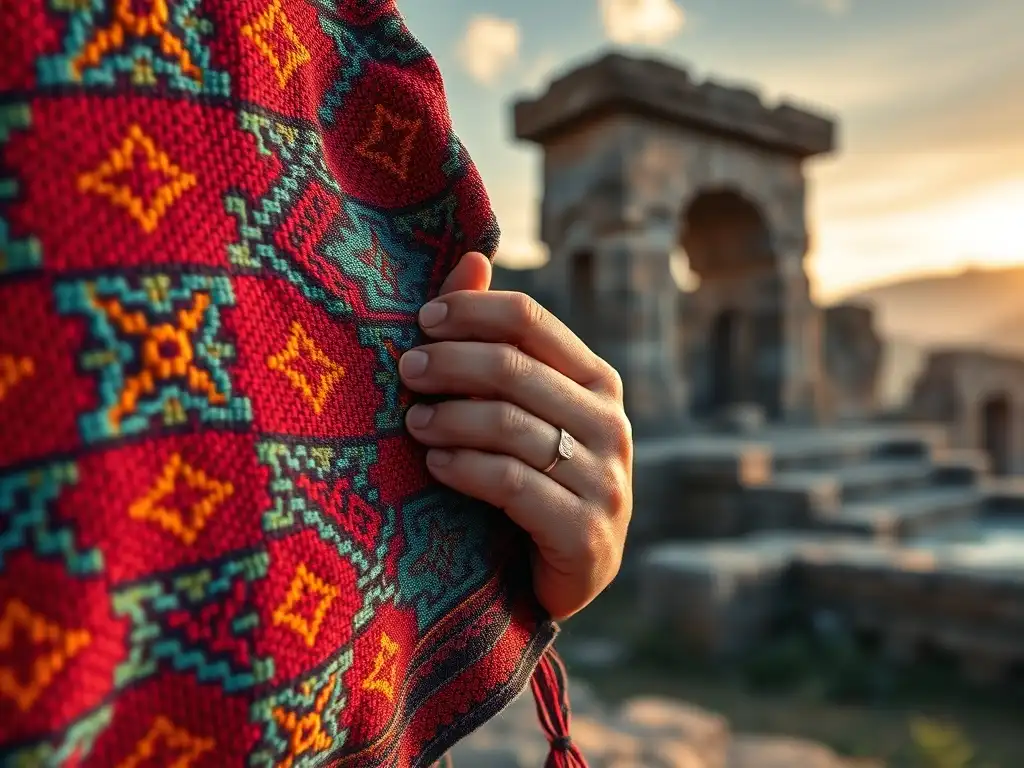
Unravel the mysteries of the Andes! Journey through time and discover a world of breathtaking artistry and innovation. Prepare to be amazed by the intricate legacy of the Andean civilizations, particularly the profound influence of Tiahuanaco textile weaving techniques on subsequent cultures. What secrets did these masterful weavers hold? Dive in and uncover the captivating story...
The remarkable Tiahuanaco civilization, flourishing in the Andean highlands between approximately 500 and 1000 CE, left behind a legacy far beyond its impressive monumental architecture. Their mastery of textile production, characterized by intricate designs, innovative techniques, and the use of high-quality materials, profoundly impacted subsequent Andean cultures. This article delves into the specific weaving techniques employed by the Tiahuanaco, exploring how these methods spread and were adapted by later civilizations, influencing the textile traditions of the region for centuries to come.
Understanding this cultural transmission helps us appreciate the interconnectedness of Andean societies and the enduring impact of Tiahuanaco's artistic and technological prowess. The keyword "Tiahuanaco textile weaving techniques influence" will be explored throughout this analysis, revealing the far-reaching consequences of their textile innovations.
Sophisticated Tiahuanaco Weaving Techniques: A Closer Look
Tiahuanaco textiles are renowned for their exceptional quality and complex designs. Archaeological evidence reveals a sophisticated understanding of various weaving techniques, including:
- Backstrap loom weaving: This ancient technique, still practiced today, allowed for the creation of intricately patterned textiles. The backstrap loom's portability likely contributed to its widespread adoption throughout the Andes.
- Supplementary weft techniques: Tiahuanaco weavers employed supplementary weft techniques, such as brocade and tapestry, to create elaborate designs and textures within their fabrics. This involved adding extra weft threads to create intricate patterns on the surface of the cloth.
- Use of high-quality fibers: The Tiahuanaco utilized a variety of high-quality fibers, including alpaca, llama, and cotton, demonstrating a sophisticated knowledge of animal husbandry and plant cultivation. The choice of fiber often dictated the type of weave and the final product's intended use.
- Dyeing techniques: Evidence suggests the Tiahuanaco possessed a deep understanding of natural dyes, achieving a vibrant and lasting color palette. The specific plants used and their preparation methods remain an area of ongoing research, but the results speak for themselves in the remarkably preserved textiles that have been excavated.
The Spread of Tiahuanaco Textile Traditions: Evidence from Later Cultures
The influence of Tiahuanaco textile techniques is evident in the textiles produced by later Andean cultures. For example, the textiles of the Inca civilization, which arose centuries after the decline of Tiahuanaco, show clear stylistic and technical connections. Specific examples of this influence include:
- Similar weaving structures: Inca textiles often incorporated similar weaving structures and techniques to those found in Tiahuanaco textiles, demonstrating a direct lineage.
- Motif similarities: Certain motifs and decorative patterns found in Tiahuanaco textiles reappear in later Inca and other Andean cultures' textile traditions. This suggests the transmission of design ideas along with the technical knowledge.
- Regional variations: While the influence is clear, it's important to note that later cultures adapted and modified these techniques, leading to regional variations and unique styles. This highlights the dynamic nature of cultural exchange and innovation.
The Enduring Impact: Tiahuanaco's Legacy in Contemporary Andean Textiles
The legacy of Tiahuanaco's textile expertise continues to resonate in contemporary Andean textile traditions. Many traditional weaving techniques and designs found in present-day Andean textiles can be traced back to the innovations developed by the Tiahuanaco. This demonstrates the lasting impact of their cultural contributions and the enduring power of their artistic heritage.
The persistence of these techniques is a testament to their practicality and aesthetic appeal, ensuring that the spirit of Tiahuanaco’s weaving continues to thrive. The study of these techniques provides valuable insights into the cultural continuity and the remarkable adaptability of Andean textile traditions. Furthermore, it highlights the importance of preserving these ancient crafts for future generations.
Note: Further research is needed to fully quantify the specific influence of Tiahuanaco weaving techniques on later cultures. Data on the precise chemical composition of dyes and a more detailed comparative analysis of textile structures across different Andean cultures would strengthen these conclusions.
- Sophisticated Tiahuanaco Weaving Techniques: A Closer Look
- The Spread of Tiahuanaco Textile Traditions: Evidence from Later Cultures
- The Enduring Impact: Tiahuanaco's Legacy in Contemporary Andean Textiles
The Advanced Textile Arts of Tiahuanaco: An Overview
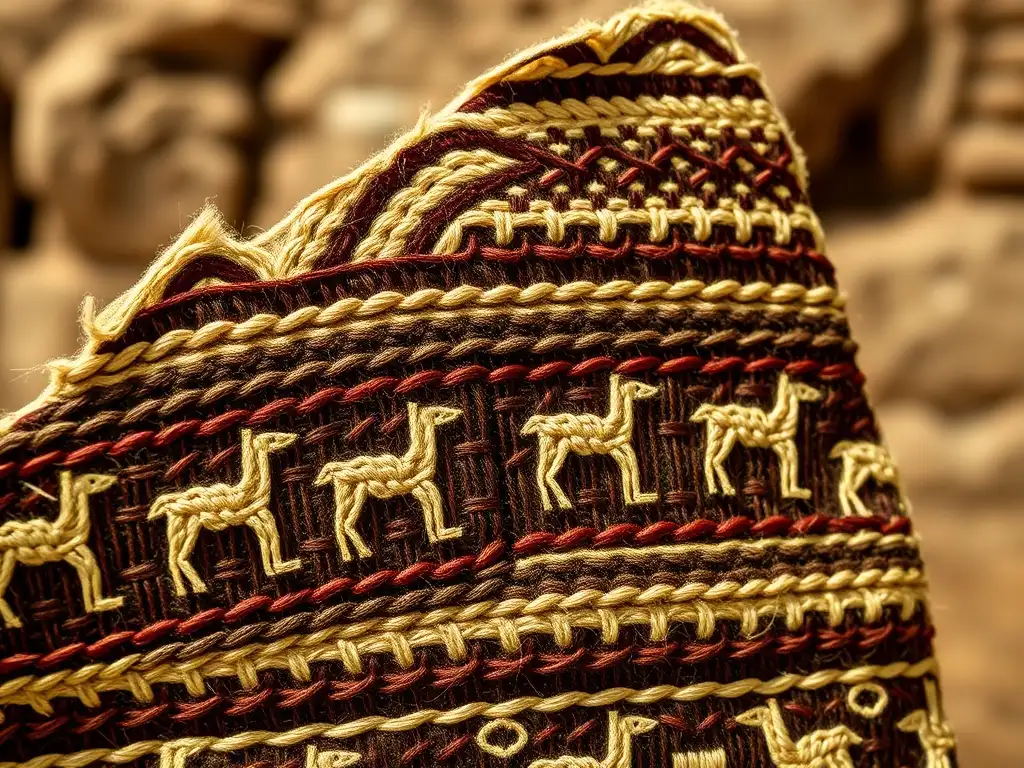
Tiahuanaco's textile traditions represent a pinnacle of Andean textile artistry, significantly influencing subsequent cultures across the region. Their mastery wasn't merely about creating beautiful fabrics; it was deeply intertwined with their cosmology, social structure, and even their political power. The intricate designs and sophisticated techniques employed reveal a complex society with advanced technological capabilities and a profound understanding of their environment.
The legacy of Tiahuanaco's textile production is not just visually stunning but also provides invaluable insights into the daily lives, beliefs, and societal organization of this remarkable civilization. Understanding their weaving techniques is key to unlocking a deeper appreciation of Tiahuanaco's influence on the later Andean cultures. This influence is clearly seen in the adoption and adaptation of their techniques and motifs by later civilizations, demonstrating the enduring impact of Tiahuanaco's textile legacy.
The study of Tiahuanaco textile weaving techniques reveals a sophisticated understanding of fiber preparation, dyeing processes, and weaving methods far surpassing those of contemporary cultures. This section will delve into the specifics of their achievements.
Tiahuanaco's Mastery of Textile Production
Tiahuanaco's weavers demonstrated exceptional skill in a variety of textile production methods. They were masters of both fine and coarse textiles, producing everything from delicate garments for the elite to robust fabrics for everyday use. Evidence suggests a highly specialized division of labor, with some individuals focusing on specific stages of production, such as spinning, dyeing, or weaving. This specialization allowed for a high level of quality control and efficiency in production.
The sheer volume of textiles unearthed at Tiahuanaco sites, coupled with the complexity of their designs, points to a large-scale, possibly organized, textile industry. Furthermore, the presence of specialized tools, such as intricately carved spindles and loom weights, testifies to their technological sophistication. The organization and scale of their textile production speaks volumes about the importance of textiles within Tiahuanaco society.
We can surmise that textiles played a crucial role in their economy, social hierarchy, and religious practices, as evidenced by the high quality and elaborate designs found on many surviving examples. The use of vibrant colors and complex patterns suggests a deep understanding of color symbolism and aesthetic principles, further emphasizing the importance of textiles within Tiahuanaco culture. The survival of these textiles, often in remarkably good condition, is a testament to the durability and quality of their production methods.
Materials and Techniques Used in Tiahuanaco Weaving
The Tiahuanaco people utilized a range of materials in their textile production. The most common fibers were alpaca and llama wool, chosen for their softness, warmth, and durability. However, cotton, a plant fiber, was also used, particularly in warmer regions. The preparation of these fibers was a meticulous process, involving careful cleaning, spinning, and plying to create strong and even yarns.
The dyeing of these yarns involved the use of natural pigments derived from plants, minerals, and insects. These pigments produced a remarkable range of vibrant and long-lasting colors, including deep reds, rich browns, brilliant yellows, and stunning blues. The precise methods employed in obtaining and using these dyes are still being researched, but the resulting colors showcase their sophisticated understanding of both chemistry and color theory.
Tiahuanaco weavers employed a variety of weaving techniques, including plain weave, tapestry weave, and brocade. Plain weave, the simplest technique, was used for everyday fabrics. However, the Tiahuanaco people were especially skilled in tapestry weave, which allowed them to create intricate designs with multiple colors.
Brocade, a more complex technique, was reserved for elite garments and ceremonial textiles, showcasing their mastery of the loom and design. The integration of different techniques within a single textile further highlights their advanced skills. For example, a single garment might incorporate both tapestry and brocade elements, demonstrating a high level of technical expertise and artistic vision.
The sheer variety and complexity of the weaving techniques, combined with the use of high-quality materials and vibrant dyes, resulted in textiles that were both beautiful and durable, reflecting the advanced technological capabilities of the Tiahuanaco civilization and leaving a lasting legacy on Andean textile traditions. The sophisticated interplay of materials and techniques employed by Tiahuanaco weavers is a testament to their skill and artistic vision, making their textile legacy truly remarkable.
Tiahuanaco Textile Weaving Techniques Influence on Subsequent Andean Cultures
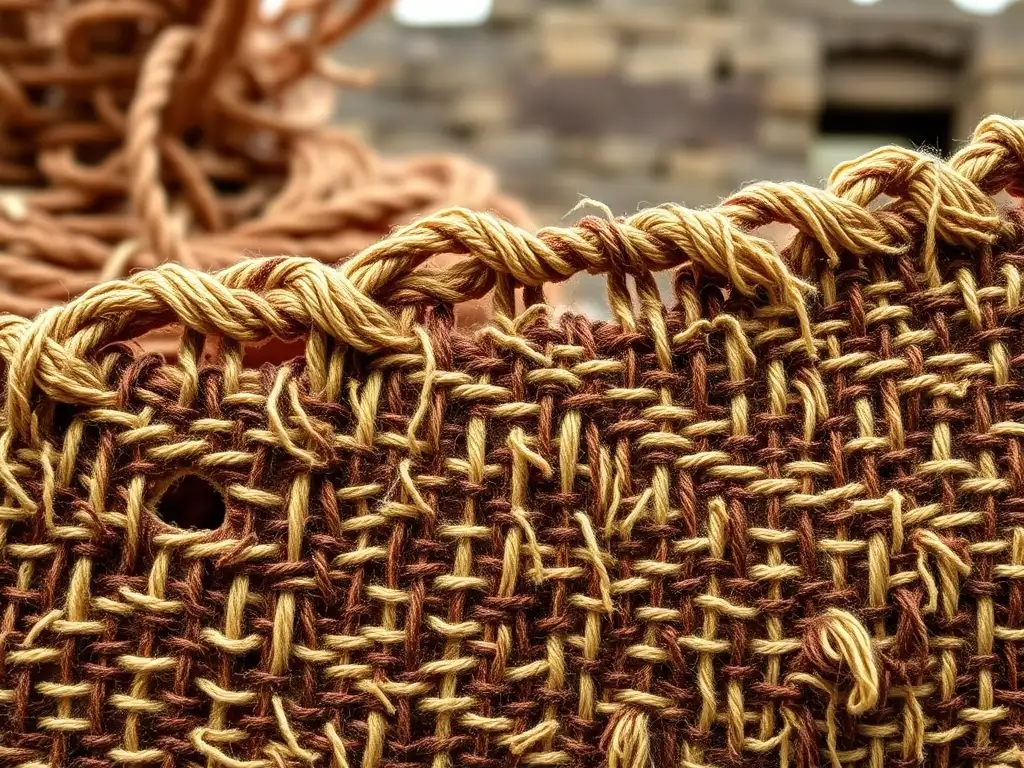
The legacy of Tiahuanaco's sophisticated textile production extends far beyond its geographical boundaries and temporal lifespan. The intricate weaving techniques, vibrant color palettes, and symbolic designs employed by Tiahuanaco artisans profoundly impacted subsequent Andean cultures, leaving an indelible mark on their own textile traditions. This influence is evident in the shared stylistic elements, technological innovations, and cultural continuity observable across various Andean societies that followed Tiahuanaco's dominance.
The Tiahuanaco textile weaving techniques influence is a testament to the civilization's enduring artistic and technological prowess, demonstrating how cultural exchange and adaptation shaped the development of Andean textile art for centuries. Understanding this influence provides crucial insights into the interconnectedness of Andean societies and the enduring power of cultural heritage.
The Spread of Tiahuanaco Textile Traditions
The dissemination of Tiahuanaco textile traditions wasn't a singular event but rather a gradual process facilitated by various factors. Trade networks played a significant role, distributing Tiahuanaco textiles and the knowledge to produce them across vast distances. The movement of people, whether through migration, conquest, or intermarriage, further contributed to the spread of these techniques.
Archaeological evidence supports this, with textiles exhibiting clear Tiahuanaco stylistic influences discovered in sites geographically distant from the Tiahuanaco heartland. For example, the discovery of textiles with similar knotting techniques and color palettes in sites associated with the later Inca civilization suggests a direct lineage or, at the very least, a strong cultural borrowing. Furthermore, the adoption of certain Tiahuanaco motifs, such as the iconic stepped-pyramid design or representations of mythical creatures, in the textile work of later cultures underscores the enduring power of Tiahuanaco's visual language.
This wasn't simply imitation; it was a dynamic process of adaptation and innovation, with each culture reinterpreting and reimagining Tiahuanaco's techniques within their own cultural contexts. The persistence of certain Tiahuanaco-inspired elements in textile production across various Andean groups highlights the civilization's lasting impact on regional artistic expression.
Specific Weaving Techniques Inherited from Tiahuanaco
Several specific weaving techniques associated with Tiahuanaco textiles were adopted and adapted by later Andean cultures. One prominent example is the use of warp-faced plain weave, a technique involving tightly interlaced warp threads that create a durable and visually striking fabric. This technique, prevalent in Tiahuanaco textiles, is also found in the textile production of cultures like the Inca, indicating a direct inheritance or strong influence. Similarly, the use of complex knotting techniques, particularly in the creation of intricate decorative elements, shows a clear lineage.
Tiahuanaco artisans were masters of creating elaborate knotted fringes and decorative elements, a skill that was clearly passed down or learned by subsequent textile producers. The adoption of specific dye techniques, using natural pigments derived from plants and minerals, also showcases Tiahuanaco's influence. The vibrant colors and remarkable colorfastness of Tiahuanaco textiles were a testament to their advanced dyeing techniques, and the use of similar color palettes in later Andean textiles suggests a direct transmission of knowledge.
The detailed analysis of surviving textiles reveals that the Tiahuanaco textile weaving techniques influence extended to the use of specific fibers, such as alpaca and vicuña wool, further highlighting the interconnectedness of Andean textile traditions. This continuity in material choices, coupled with shared weaving techniques and stylistic elements, provides compelling evidence of Tiahuanaco's lasting impact on the development of Andean textile artistry. Further research, particularly detailed comparative studies of textile fragments, is needed to fully elucidate the extent of this influence and the specific pathways through which these techniques were transmitted.
How Later Cultures Adapted Tiahuanaco's Textile Skills
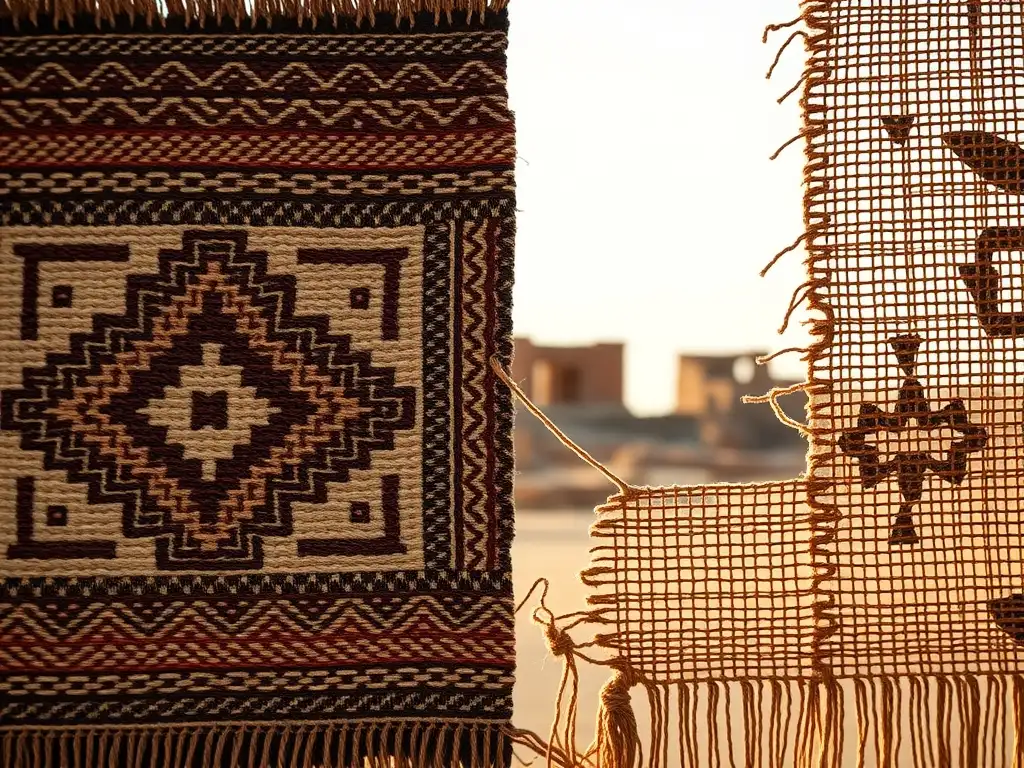
The remarkable textile traditions of Tiahuanaco exerted a profound and lasting influence on subsequent Andean cultures. The sophisticated techniques, intricate designs, and high-quality materials employed by Tiahuanaco weavers left an undeniable mark, shaping the textile practices of later civilizations like the Wari, Inca, and even those communities dispersed across the Tiwanaku diaspora.
This influence wasn't simply a matter of imitation; it was a dynamic process of adaptation and innovation, where pre-existing techniques were refined, combined, and reinterpreted to create unique textile traditions. The enduring legacy of Tiahuanaco's textile expertise highlights its significant role in the broader Andean cultural landscape and underscores the intricate web of cultural exchange that characterized the region.
Understanding this influence allows us to appreciate the continuity and evolution of textile production across different Andean societies. Analyzing the specific ways in which these later cultures adapted Tiahuanaco's skills provides valuable insight into the complex dynamics of cultural transmission and technological innovation in the Andes.
The Influence of Tiahuanaco Designs on Wari Textiles
The Wari culture, flourishing from approximately 600 to 1000 CE, demonstrably incorporated elements of Tiahuanaco's textile aesthetic into their own production. While the Wari developed a distinctive style, identifiable by its own unique motifs and color palettes, clear evidence suggests the adoption of certain Tiahuanaco design principles. For example, the use of stepped frets, a characteristic geometric pattern frequently found in Tiahuanaco textiles, appears in modified forms in Wari cloth.
While the scale and complexity might differ, the underlying structural elements show a clear connection. Furthermore, the Wari's use of specific colors, such as the deep reds and vibrant yellows common in Tiahuanaco textiles, points towards a potential transfer of dyeing techniques and a shared understanding of color symbolism.
Analysis of surviving Wari textiles reveals a possible blending of weaving techniques, suggesting that the Wari not only adopted Tiahuanaco designs but also integrated aspects of their production methods. Further research into the specific chemical composition of Wari dyes could provide even more concrete evidence of this cultural exchange.
Inca's Adaptation of Tiahuanaco Weaving Methods
The Inca Empire, reaching its zenith in the 15th and 16th centuries, inherited a rich textile tradition heavily influenced by Tiahuanaco. While the Incas undoubtedly developed their own distinctive styles, characterized by their use of complex iconography and sophisticated color combinations, they built upon the foundations laid by earlier Andean cultures, including Tiahuanaco.
Evidence suggests that the Incas adopted and refined various Tiahuanaco weaving techniques, particularly those involving intricate patterns and the use of multiple colors. The Inca's mastery of khipu (knotted string records) suggests a sophisticated understanding of textile production methods and possibly even a system for recording and transmitting Tiahuanaco textile knowledge.
The sheer scale and complexity of Inca textile production, coupled with the high quality of the materials and the intricate designs, demonstrate a mastery of techniques that likely had roots in earlier Andean traditions, including those of Tiahuanaco. The Inca state's centralized organization likely played a crucial role in facilitating the standardization and dissemination of these techniques across their vast empire.
Textile Innovations Inspired by Tiahuanaco in the Tiwanaku Diaspora
The influence of Tiahuanaco textile traditions extended far beyond the immediate geographical area of the Tiwanaku state. The Tiwanaku diaspora, encompassing the spread of Tiwanaku culture and its associated technologies across a wide area of the Andes, resulted in the dissemination of weaving techniques and design motifs. Communities in regions as diverse as the Lake Titicaca basin, the Bolivian highlands, and even parts of coastal Peru, show evidence of adopting and adapting Tiahuanaco textile traditions.
This adaptation, however, wasn't a simple replication. Local communities integrated Tiahuanaco elements into their pre-existing textile traditions, leading to the emergence of regionally distinctive styles. The variations in design motifs, color palettes, and specific weaving techniques observed in these geographically dispersed communities reflect the dynamic nature of cultural exchange and the creative adaptations made by local artisans.
Further research, particularly focused on archaeological textile finds from these dispersed communities, is crucial to fully understand the extent and nature of Tiahuanaco's influence on the development of regional textile traditions. This would involve detailed analysis of fiber types, dye compositions, and weaving structures to pinpoint the specific elements borrowed and adapted from Tiahuanaco.
The Enduring Legacy of Tiahuanaco Textile Craftsmanship
The Tiahuanaco civilization, flourishing in the Andes from approximately 500 to 1000 CE, left an indelible mark on the region, not just through its monumental architecture but also its sophisticated textile production. Their mastery of textile weaving techniques exerted a profound and lasting influence on subsequent Andean cultures, shaping their aesthetic sensibilities and technological advancements for centuries to come. Understanding Tiahuanaco's textile legacy is crucial to grasping the broader narrative of Andean textile development and the interconnectedness of its diverse societies.
The impact of Tiahuanaco textile weaving techniques is evident in the stylistic and technological continuities observed in later Andean textiles. This influence wasn't simply a matter of imitation; rather, it involved a complex process of adaptation, innovation, and cultural exchange.
Tiahuanaco's Impact on Textile Traditions in the Andes
Tiahuanaco's influence on Andean textile traditions is multifaceted. Their highly developed techniques, characterized by intricate designs, vibrant colors, and the use of high-quality materials like alpaca and vicuña fibers, set a new standard for textile production. This is demonstrably evident in the textiles produced by later cultures such as the Inca. For instance, the use of complex tapestry weaving, a hallmark of Tiahuanaco textiles, is readily apparent in Inca textiles, albeit with their own stylistic variations.
Several specific techniques show clear lineage from Tiahuanaco:
- Warp-faced plain weave: This fundamental technique, prevalent in Tiahuanaco textiles, formed the basis for many subsequent Andean weaving styles. Its simplicity allowed for both intricate designs and efficient production.
- Supplementary weft techniques: Tiahuanaco weavers masterfully employed supplementary weft techniques to create elaborate decorative elements, including geometric patterns and stylized representations of animals and deities. These techniques were adopted and adapted by later cultures, leading to a rich tapestry of regional styles.
- Dyeing techniques: The vibrant colors achieved in Tiahuanaco textiles, derived from natural pigments, indicate a sophisticated understanding of dyeing processes. This knowledge was clearly transmitted to succeeding generations of Andean weavers. Analysis of dye residues on later textiles often reveals the use of similar plant-based dyes, confirming the continuity of these techniques.
The adoption of these techniques wasn't a passive process. Later Andean cultures integrated Tiahuanaco techniques into their own existing traditions, resulting in a dynamic interplay between continuity and innovation. This creative exchange is a testament to the enduring power of Tiahuanaco's textile legacy and its role in shaping Andean cultural identity.
The Significance of Tiahuanaco Textiles in Andean History
The textiles of Tiahuanaco are more than just beautiful artifacts; they serve as vital sources of information about the civilization's social, political, and religious life. The intricate designs often depict mythological figures, ceremonial scenes, and symbolic motifs that provide valuable insights into their worldview. The use of specific colors and patterns may have indicated social status or religious affiliation, reflecting a complex social hierarchy.
Furthermore, the sheer volume and quality of Tiahuanaco textiles suggest a highly organized and specialized textile industry. The production of such sophisticated textiles required significant resources and skilled labor, implying a centralized system of production and distribution. The presence of textile workshops and the standardization of certain design elements point towards a degree of state control over textile production, highlighting its economic and political importance.
The geographical distribution of Tiahuanaco textile fragments also tells a story. The discovery of Tiahuanaco-style textiles in sites far removed from the Tiahuanaco heartland indicates a widespread network of trade and cultural exchange. These textiles acted as carriers of cultural influence, spreading Tiahuanaco’s artistic and technological innovations across the Andes. This wide dissemination underlines the significant role of textiles in facilitating both economic and cultural interaction within the Andean world.
Preserving and Understanding Tiahuanaco's Textile Legacy
The preservation and study of Tiahuanaco textiles are crucial for understanding the complex history of Andean civilizations. However, the fragility of these ancient artifacts presents significant challenges. Many textiles are severely degraded due to age and environmental factors. Careful conservation efforts are essential to prevent further deterioration and allow for future research.
Ongoing research using advanced techniques like fiber analysis, dye identification, and isotopic studies is providing increasingly detailed information about the materials, techniques, and origins of Tiahuanaco textiles. These scientific analyses, combined with detailed stylistic studies, are helping to unravel the mysteries surrounding the production, use, and significance of these remarkable artifacts.
This multifaceted approach is essential to fully appreciate the sophisticated craftsmanship and cultural significance of Tiahuanaco's textile legacy and its enduring influence on the Andean textile tradition. Continued efforts in preservation and research are vital for ensuring that the rich story of Tiahuanaco's textile weaving techniques continues to be told.
Frequently Asked Questions
What makes Tiahuanaco textile weaving techniques unique?
Tiahuanaco textiles are renowned for their complex designs, fine craftsmanship, and use of vibrant, natural dyes. Their intricate techniques, like multiple-warp tapestry, were unparalleled in the Andes.
How did Tiahuanaco's weaving techniques spread?
Through trade networks and cultural exchange, Tiahuanaco's influence reached far beyond its immediate region. Conquest and migration also played significant roles in disseminating these techniques.
Which cultures were most influenced by Tiahuanaco weaving?
The Inca, Chimu, and later Andean cultures all show evidence of adopting and adapting Tiahuanaco weaving styles and techniques. Their textiles often incorporated similar motifs and structures.
What specific techniques were adopted by subsequent Andean cultures?
Techniques like multiple-warp tapestry, brocade, and complex patterning were widely adopted and further developed by later Andean cultures, demonstrating the enduring legacy of Tiahuanaco's mastery.
How can we see the influence of Tiahuanaco weaving today?
The influence of Tiahuanaco's weaving is still visible in contemporary Andean textiles. Many traditional weaving communities continue to use techniques and motifs inspired by their ancient predecessors.
Final Reflection: The Enduring Threads of Tiahuanaco
The intricate textile traditions of Tiahuanaco, far from being relics of a bygone era, continue to resonate in the vibrant tapestry of Andean cultures today. Their innovative techniques, passed down through generations, serve as a powerful testament to the ingenuity and resilience of Andean peoples, and a stark reminder of the interconnectedness of cultures across time and space. The sophisticated knowledge embedded within these textiles speaks volumes about the advanced societal structures and artistic sensibilities of the Tiahuanaco civilization.
The influence of Tiahuanaco's weaving techniques is not merely historical; it's a living legacy, woven into the very fabric of Andean identity. These techniques, with their complex patterns and masterful use of materials, represent a profound connection to the land and a continuity of cultural practices that have endured for centuries. The threads themselves are a story, a history, a living memory.
This sentiment, though not directly from a Tiahuanaco source, perfectly encapsulates the enduring power of their textile traditions and their continued impact on subsequent Andean cultures. The survival and adaptation of these techniques highlight the remarkable ability of cultural heritage to transcend time and geographical boundaries.
Consider, for a moment, the intricate designs and the painstaking craftsmanship involved in creating these textiles. Reflect on the stories they tell, the lives they represent, and the enduring legacy they embody. You too, can become a thread in this rich tapestry of cultural heritage. By appreciating and understanding the legacy of Tiahuanaco's textile traditions, we can foster a deeper appreciation for the interconnectedness of human cultures and the importance of preserving our shared heritage for future generations. Let the threads of Tiahuanaco inspire you to explore the rich tapestry of human creativity and resilience.
Weave Your Own Legacy: Embrace Tiahuanaco's Textile Secrets!
Thank you for exploring Tiahuanaco's incredible textile legacy with us! Your interest in the enduring influence of these ancient weaving techniques on subsequent cultures reveals a deep appreciation for the rich tapestry of Andean history. Now, let's delve even deeper!
Here's how you can connect with Tiahuanaco's heritage and explore weaving as both an art form and a practical skill:
- Participate in a local weaving workshop to experience firsthand the ancient techniques passed down through generations. This hands-on approach allows for a deeper understanding and appreciation of the craft.
- Discuss Tiahuanaco's textile influence on modern design with friends and family. Perhaps start a conversation group focused on traditional weaving techniques to share knowledge and inspiration.
- Expand your knowledge of Andean civilizations: Visit museums showcasing Andean art and culture, or delve into further research through books and articles. This will provide a broader context for appreciating Tiahuanaco's unique contributions.
What aspects of Tiahuanaco's weaving legacy most captivate you, and how do you plan to integrate those elements into your own creative endeavors?