
Andean Echoes: How Indigenous Voices Reshape Modern Peru

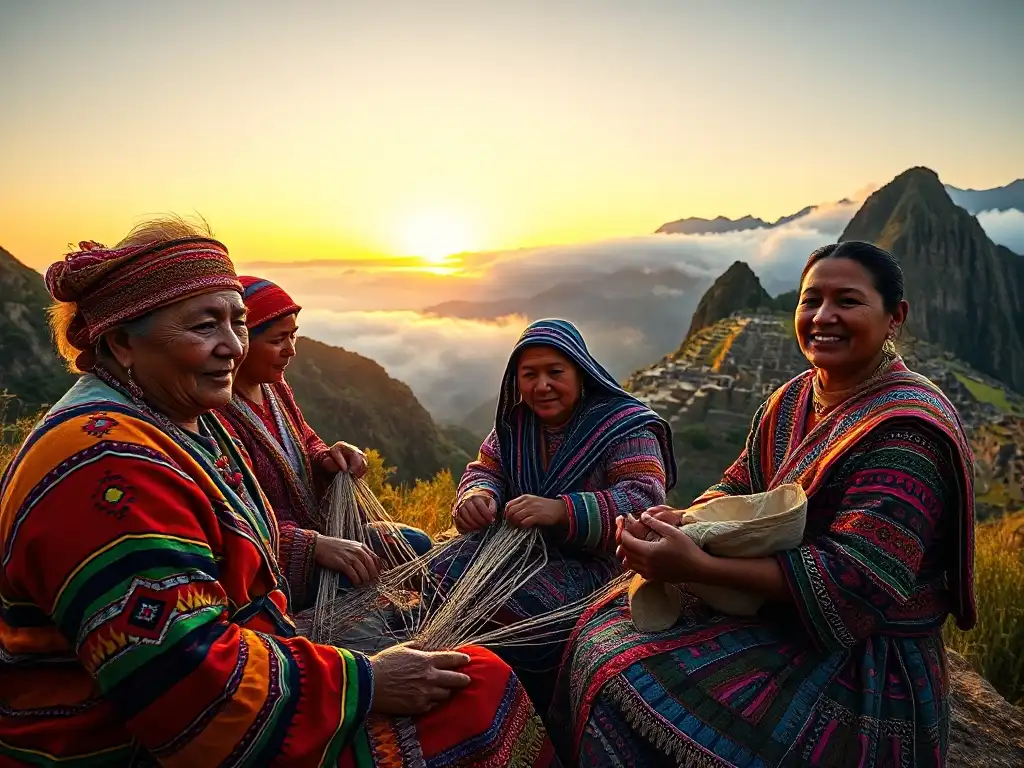
Uncover the echoes of a lost world, resonating even now in the vibrant tapestry of modern Peru. For centuries, the Andean civilizations – from the Incas to the Nazca – captivated the world with their ingenuity and artistry. But what whispers remain? This journey delves into the heart of Andean indigenous voices in modern Peru, revealing how their ancestral legacies shape the nation's identity today. Dare to listen to the stories waiting to be unearthed…
The Andes Mountains, a spine of towering peaks and deep valleys running down the length of South America, have witnessed the rise and fall of countless civilizations. While the Inca Empire often dominates narratives of Andean history, the vibrant tapestry of indigenous cultures continues to thrive, profoundly shaping modern Peru.
This article delves into the powerful resurgence of Andean indigenous voices, exploring how Quechua and Aymara languages, traditions, and perspectives are reclaiming their rightful place in Peruvian society, influencing everything from political discourse to artistic expression. We'll examine the ongoing efforts to amplify these voices within media and academia, highlighting the crucial role they play in fostering a more inclusive and representative national identity.
Understanding these echoes of the past allows us to appreciate the rich complexity of contemporary Peru and the ongoing struggle for recognition and self-determination within a globalized world. The enduring legacy of Andean indigenous peoples is not just a historical footnote; it is a living, breathing force that continues to mold the nation's future.
The Resurgence of Quechua and Aymara Identity in Peru
The revitalization of Quechua and Aymara languages and cultures is a central element in the resurgence of Andean indigenous voices. For decades, these languages were suppressed under colonial and post-colonial policies that prioritized Spanish. However, a powerful movement towards linguistic and cultural revitalization is underway. This involves several key strategies:
- Increased language education: More schools are now incorporating Quechua and Aymara into their curricula, offering bilingual education programs and promoting the use of these languages in everyday settings. This initiative aims to equip younger generations with the tools to preserve and transmit their ancestral tongues.
- Community-led initiatives: Indigenous communities themselves are at the forefront of language preservation efforts. They organize workshops, language immersion programs, and cultural events to foster a sense of pride and ownership in their linguistic heritage. These grassroots efforts are vital in ensuring the long-term survival of Quechua and Aymara.
- Governmental support (with limitations): While governmental support for indigenous language revitalization has fluctuated, there have been some positive developments, such as the establishment of official language policies and the allocation of resources for language programs. However, more consistent and substantial investment is still needed to effectively support these crucial initiatives. [Specific budget allocations and program details pending].
The impact of these efforts is visible in the growing use of Quechua and Aymara in public spaces, media, and artistic productions. This linguistic resurgence is not merely a symbolic act; it is a powerful assertion of cultural identity and a crucial step towards decolonization. The continued growth and success of these programs are essential for the preservation of invaluable cultural heritage and the empowerment of indigenous communities.
Amplifying Indigenous Perspectives in Peruvian Media and Academia
The struggle for representation extends beyond language revitalization. Amplifying indigenous perspectives in Peruvian media and academia is equally crucial for achieving a more inclusive national narrative. This involves:
- Increased media representation: While there has been progress, there is still a significant need for more diverse representation of indigenous voices and stories in Peruvian media. This includes providing platforms for indigenous journalists, filmmakers, and artists to share their perspectives and experiences. This requires conscious efforts from media outlets to actively seek out and feature indigenous voices, rather than relying on stereotypical or exoticized portrayals.
- Indigenous scholars and researchers: The academic landscape is also undergoing transformation, with a growing number of indigenous scholars and researchers contributing to the fields of history, anthropology, sociology, and other disciplines. Their research offers invaluable insights into Andean history and culture, challenging dominant narratives and providing a more nuanced understanding of the past and present. Increased funding for research led by indigenous scholars is paramount. [Data on current funding levels and research output pending].
- Decolonizing curricula: Efforts are being made to decolonize educational curricula, ensuring that Andean history and culture are taught from a more inclusive and representative perspective. This involves incorporating indigenous perspectives and knowledge systems into educational materials and promoting critical analysis of colonial narratives. This is a long-term process requiring significant curriculum reform and teacher training. [Specific examples of curriculum changes and their impact pending].
The ongoing efforts to amplify indigenous perspectives in media and academia are essential for fostering a more just and equitable society in Peru. These initiatives not only enrich the national cultural landscape but also contribute to a more accurate and complete understanding of Peruvian history and identity. The inclusion of indigenous voices is not merely a matter of representation; it is a fundamental aspect of social justice and national reconciliation. The future of Peru hinges on the successful integration and celebration of its diverse cultural heritage.
- The Resurgence of Quechua and Aymara Identity in Peru
- Amplifying Indigenous Perspectives in Peruvian Media and Academia
- How are Andean indigenous voices being heard in modern Peru?
- What challenges do Andean indigenous communities still face in Peru?
- What role does art play in expressing Andean indigenous identity today?
- How are indigenous languages being preserved in modern Peru?
- How can I learn more about Andean indigenous cultures and their contributions?
The Impact of Indigenous Communities on Peruvian Culture
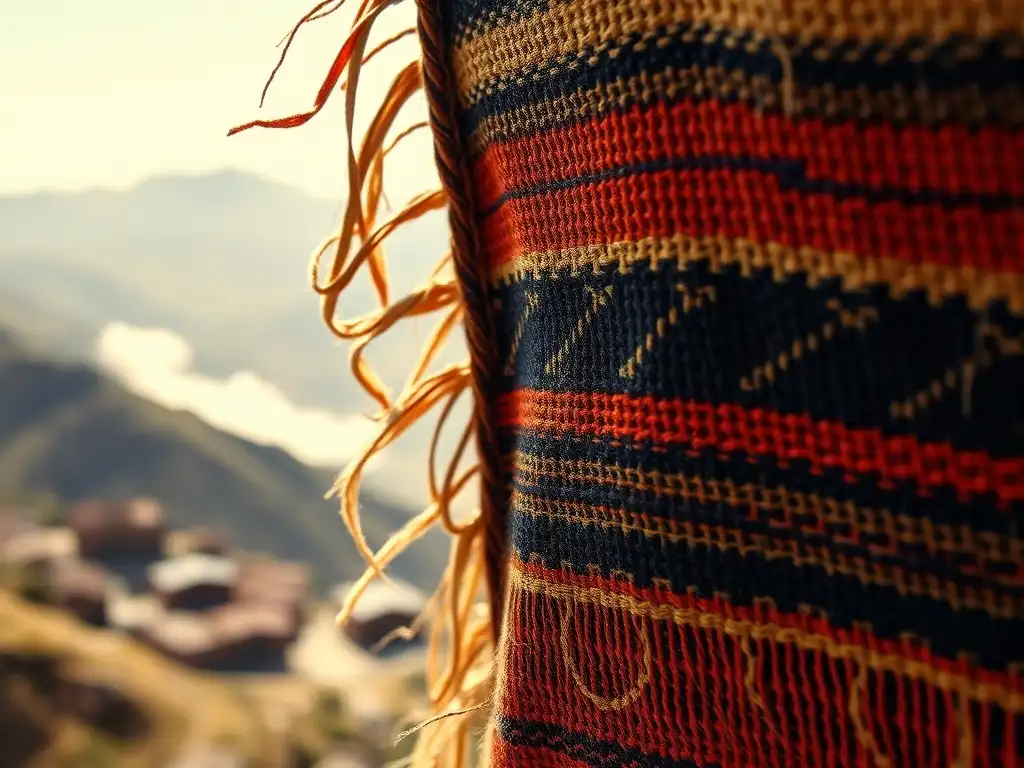
The vibrant tapestry of modern Peruvian culture is undeniably interwoven with the threads of its indigenous heritage. While centuries of colonization attempted to erase these ancestral voices, a powerful resurgence is reshaping the nation's identity, reclaiming its past, and forging a unique path towards the future. This section explores the profound impact of Andean indigenous communities on contemporary Peruvian society, demonstrating how their traditions, languages, and artistic expressions continue to thrive and inspire.
Understanding this dynamic interplay is crucial to appreciating the richness and complexity of modern Peru, a nation deeply rooted in its indigenous past. The resurgence of Andean indigenous voices in modern Peru is a testament to resilience and cultural preservation.
Preserving Quechua, Aymara, and Amazonian Languages
The linguistic diversity of Peru is a treasure trove of cultural heritage. Quechua, Aymara, and numerous Amazonian languages, once suppressed under colonial rule, are experiencing a remarkable revival. Efforts to revitalize these languages are multifaceted, ranging from community-based language nests for children to university programs offering Quechua and Aymara language courses.
These initiatives are not merely academic exercises; they are crucial for preserving cultural memory and identity. The transmission of oral histories, traditional knowledge related to agriculture and medicine, and ancestral storytelling relies heavily on the continued use of these indigenous tongues. Furthermore, the growing use of Quechua and Aymara in media, including radio broadcasts and television programming, is contributing significantly to their normalization and increased accessibility.
The fight to maintain linguistic diversity is a vital component of the broader struggle for indigenous rights and cultural preservation in modern Peru. Data on the number of speakers for each language is [specific information pending], but anecdotal evidence suggests a significant increase in recent years, particularly among younger generations.
Revitalizing Weaving, Pottery, and Silverwork Traditions
The intricate artistry of Andean civilizations continues to inspire and inform contemporary Peruvian crafts. Weaving, pottery, and silverwork, once relegated to the margins, are now experiencing a resurgence, driven by both indigenous communities and a growing appreciation for these unique artistic forms. Contemporary artisans are not simply replicating ancient techniques; they are innovating, incorporating modern designs and materials while preserving the essence of traditional styles.
For example, the vibrant textiles of the Andes, characterized by their intricate patterns and use of natural dyes, are finding new markets both domestically and internationally. Similarly, traditional pottery techniques are being adapted to create contemporary sculptures and functional pieces, showcasing the enduring legacy of Andean artistic prowess.
Silverwork, a craft deeply rooted in Andean history, continues to flourish, with contemporary artisans creating exquisite jewelry and decorative objects that blend traditional motifs with modern aesthetics. This revitalization is not only an economic boon for indigenous communities but also a powerful assertion of cultural identity.
Andean Music and Dance: From Huaynos to Marinera
The rhythmic pulse of Andean music and dance permeates Peruvian society. From the lively huaynos of the Andes to the elegant marinera of the coast, these musical and dance traditions are integral to cultural expression and social cohesion. While some forms have been commercialized and adapted to broader audiences, indigenous communities continue to play a vital role in preserving the authenticity and integrity of these art forms.
Many indigenous communities maintain their own musical ensembles and dance troupes, performing traditional music and dances at festivals and celebrations throughout the year. This ensures that these traditions are not merely preserved but also actively practiced and transmitted to new generations. Furthermore, the integration of Andean musical instruments, such as the charango and panpipes, into contemporary musical genres reflects the enduring influence of Andean soundscapes on Peruvian musical identity.
The preservation of these traditions is a powerful symbol of cultural resistance and a vibrant expression of Andean identity in modern Peru. The continued popularity of these musical forms, both within indigenous communities and in wider Peruvian society, is a testament to their enduring appeal and cultural significance.
The Influence of Indigenous Knowledge in Peruvian Gastronomy: The Potato
The humble potato, Solanum tuberosum, is far more than just a staple food in Peru; it's a cultural cornerstone deeply intertwined with the Andean indigenous heritage. Its cultivation predates the Inca Empire by millennia, with evidence suggesting its domestication in the Andes over 7,000 years ago. Indigenous communities painstakingly developed thousands of potato varieties, each uniquely adapted to specific altitudes, climates, and soil conditions.
This incredible biodiversity, a testament to their deep understanding of agriculture and the environment, is a crucial element of Peruvian culinary identity. The potato's journey from the Andean highlands to global tables is a story of indigenous ingenuity and resilience.
The impact of this indigenous knowledge extends beyond simple cultivation. Traditional Andean cooking techniques, passed down through generations, showcase the potato's versatility. From the hearty papa a la huancaína (potatoes in a creamy, spicy cheese sauce) to the vibrant causa (layered potato salad), each dish reflects centuries of culinary experimentation and adaptation. These recipes are not merely food; they are carriers of cultural memory, embodying indigenous traditions and knowledge systems.
The preparation methods often include specific ingredients and techniques that reflect the unique characteristics of different potato varieties, highlighting the deep understanding that indigenous communities possessed of their environment and resources. The preservation techniques, too, are remarkable, reflecting centuries of experience in ensuring food security in challenging conditions. For example, the process of chuño, freeze-drying potatoes, allowed for long-term storage and was crucial for survival during harsh winters in the high Andes.
Modern Peruvian gastronomy, celebrated worldwide for its innovation and creativity, owes a significant debt to this indigenous legacy. Many contemporary chefs actively incorporate traditional potato varieties and cooking methods into their menus, recognizing the importance of preserving this cultural heritage. This conscious effort to celebrate indigenous knowledge not only elevates Peruvian cuisine but also fosters a deeper appreciation for the ingenuity and resilience of the Andean peoples.
The potato, therefore, serves as a powerful symbol of the enduring influence of indigenous communities on Peruvian culture and their continuing contribution to the country’s vibrant culinary landscape. The ongoing efforts to document and preserve these traditional techniques ensure that the voices of the Andean people continue to resonate in the kitchens of Peru and beyond. The potato is, in essence, a living testament to their enduring legacy.
Indigenous Rights and Political Participation in Peru
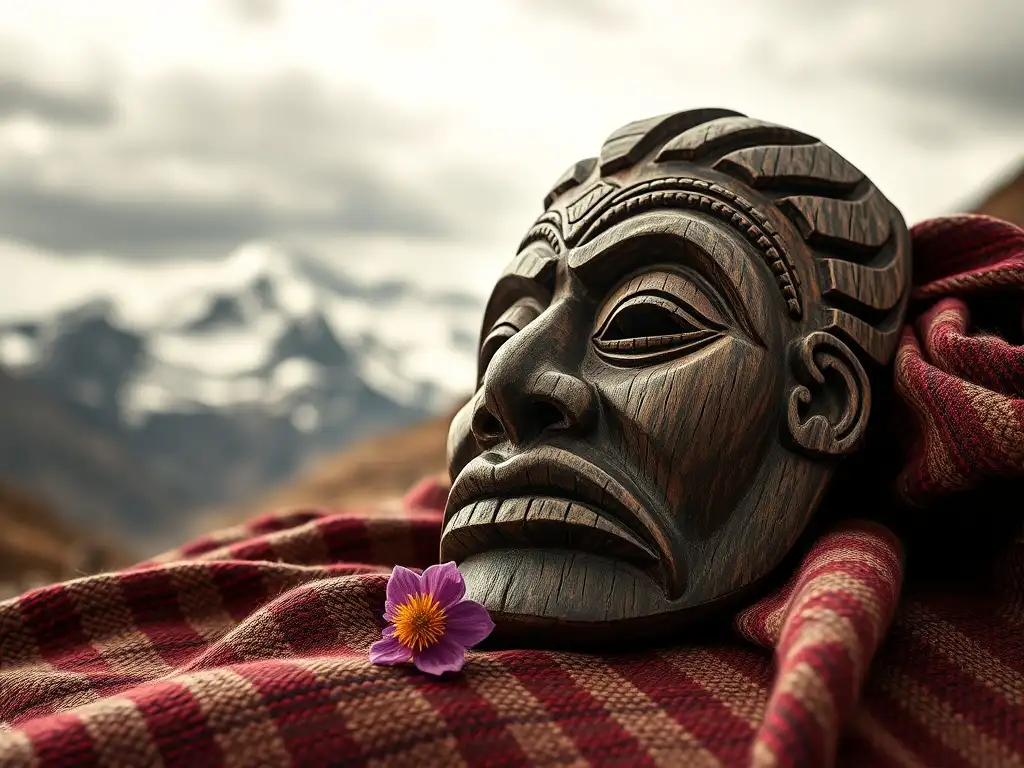
This section explores the multifaceted ways Andean indigenous voices are shaping modern Peru, focusing on their engagement with the political landscape and the ongoing struggle for their fundamental rights. The fight for recognition and self-determination is a complex one, interwoven with historical injustices and contemporary challenges. Understanding this struggle is crucial to appreciating the profound impact of Andean indigenous communities on the nation's trajectory.
We will examine their participation in formal political structures and their activism in defense of their ancestral lands and cultural heritage. The keyword "Andean indigenous voices in modern Peru" encapsulates the core of this discussion, highlighting the active role these communities play in defining their present and future.
The Struggle for Land Rights in the Amazon and Andes
The struggle for land rights remains a central issue for Andean indigenous communities. For centuries, ancestral territories have been encroached upon by extractive industries, agricultural expansion, and other forms of development. This has resulted in displacement, environmental degradation, and the erosion of traditional ways of life. The Amazon rainforest, in particular, faces immense pressure.
Indigenous communities, often lacking secure land titles, are particularly vulnerable. For example, the Asháninka people in the central Amazon have consistently fought against illegal logging and land grabbing, facing significant threats to their survival and cultural integrity. Similarly, in the Andes, communities reliant on traditional agricultural practices find their access to land and water resources threatened by large-scale mining projects and unsustainable agricultural methods. The fight for land rights is not just a battle for territory; it's a battle for self-determination, cultural preservation, and economic sustainability.
The lack of clear legal frameworks and the slow pace of land titling processes exacerbate the challenges faced by these communities. Effective solutions require a combination of strong legal protections, community-based land management strategies, and meaningful participation of indigenous groups in decision-making processes. This includes robust mechanisms for redress and accountability for violations of indigenous land rights.
Indigenous Representation in the Peruvian Congress and Local Governments
While indigenous communities constitute a significant portion of the Peruvian population, their representation in formal political structures remains a challenge. While there have been some advancements, achieving proportional representation and genuine inclusion within the Peruvian Congress and local governments requires further efforts. The complexities of Peru's political system, often characterized by power imbalances and limited access to resources for marginalized groups, hinder meaningful participation.
Furthermore, the historical legacy of marginalization and discrimination continues to impact the political engagement of indigenous communities. Many indigenous leaders and activists work tirelessly to overcome these systemic obstacles, advocating for policies that address the specific needs and priorities of their communities. Their efforts often involve navigating bureaucratic complexities, challenging dominant narratives, and building alliances with other social movements.
Data on indigenous representation in government positions is crucial for evaluating progress and identifying areas needing improvement. [Specific data on indigenous representation in the Peruvian Congress and local governments pending]. Increased political participation requires not only increased representation but also effective mechanisms for consultation, participation in decision-making processes, and access to resources for community development.
The impacts of mining, oil extraction, and deforestation on indigenous autonomy are profound and far-reaching. These extractive industries often operate with little regard for the rights and well-being of indigenous communities, leading to environmental damage, health problems, and the disruption of traditional livelihoods. The lack of free, prior, and informed consent (FPIC) in many projects further undermines indigenous autonomy and exacerbates existing inequalities. For example, the expansion of oil palm plantations in the Amazon has led to deforestation, loss of biodiversity, and displacement of indigenous communities.
Similarly, large-scale mining operations in the Andes have polluted water sources, damaged ecosystems, and caused social conflicts. Indigenous communities are increasingly employing innovative strategies to resist these destructive practices, employing legal challenges, mobilizing public awareness campaigns, and developing sustainable alternatives. These initiatives highlight the resilience and determination of Andean indigenous communities in defending their territories and cultures.
However, addressing these challenges requires a comprehensive approach involving stronger environmental regulations, stricter enforcement of indigenous rights, and the promotion of sustainable development models that prioritize indigenous knowledge and participation. The long-term sustainability of Peru's economy and the well-being of its indigenous populations are inextricably linked. The continued encroachment on indigenous lands and resources represents not only a threat to their cultural survival but also a significant impediment to the overall progress and stability of the nation.
The Role of Indigenous Activism in Shaping Modern Peru
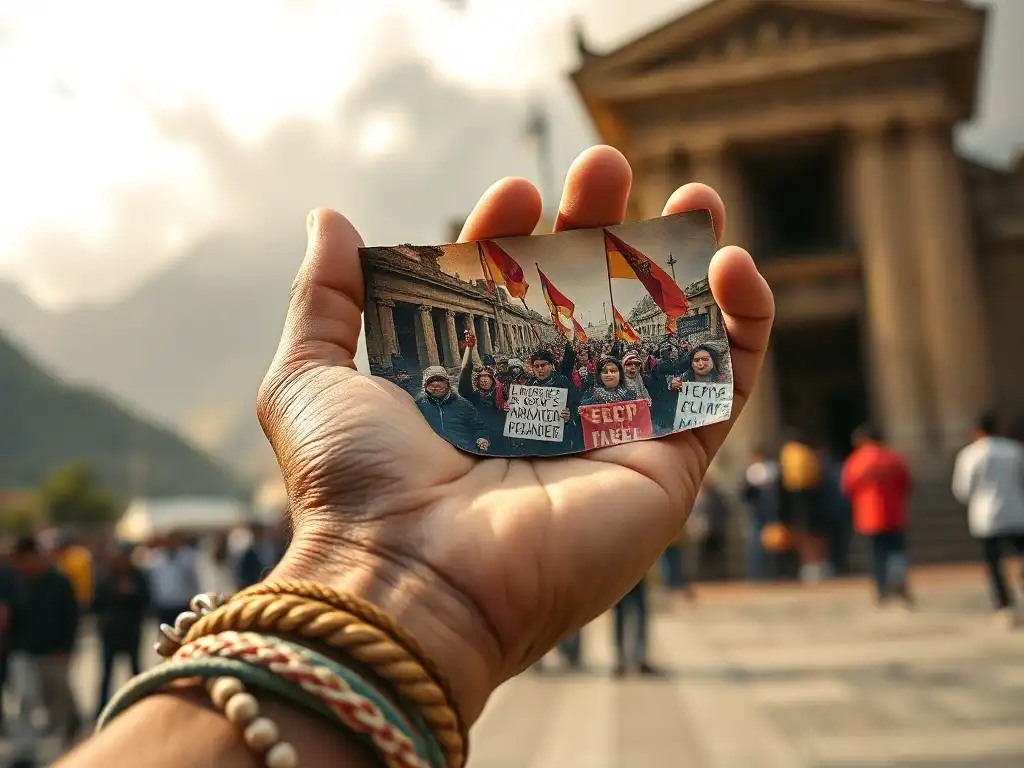
This section explores the significant contributions of Andean indigenous voices in modern Peru, focusing on their activism and its impact on various aspects of Peruvian society. The resurgence of indigenous identity and the assertion of ancestral rights have profoundly shaped the nation's political, social, and environmental landscape. Understanding this activism is crucial to grasping the complexities of modern Peru and its ongoing evolution. The strength and resilience of Andean communities are reflected in their tireless efforts to protect their heritage and secure a sustainable future.
Leaders and Movements Championing Environmental and Cultural Rights
Numerous indigenous leaders and movements across Peru actively champion environmental and cultural rights. These individuals and organizations work tirelessly to protect ancestral lands, sacred sites, and traditional knowledge systems from exploitation and destruction. Their efforts often involve navigating complex legal frameworks and confronting powerful economic interests.
For example, the [Specific organization name pending] in the Amazon region has spearheaded successful campaigns against illegal logging and mining operations, securing protected areas and advocating for indigenous participation in resource management. Their strategies encompass legal challenges, community mobilization, and international advocacy, demonstrating a sophisticated understanding of power dynamics and advocacy strategies. This active engagement in policy discussions and legal battles showcases the increasing influence of Andean indigenous voices in shaping environmental policy at both national and international levels.
Their success highlights the critical importance of indigenous-led initiatives in safeguarding Peru's biodiversity and cultural heritage. Further research is needed to quantify the exact number of successful campaigns and the specific legal victories achieved by these groups.
Advocacy for Sustainable Agriculture and Resource Management
Andean indigenous communities have long practiced sustainable agriculture and resource management techniques, perfectly adapted to the challenging Andean environment. These traditional practices, often passed down through generations, offer valuable lessons for modern sustainable development. However, the encroachment of industrial agriculture and extractive industries threatens these traditional methods and the biodiversity they support.
Indigenous communities are actively advocating for policies that support and integrate these traditional practices into national development strategies. This advocacy involves promoting agro-ecological approaches, emphasizing the importance of biodiversity conservation, and demanding fair access to land and resources. For instance, the [Specific community name pending] in the highlands is actively reviving ancient terracing techniques, demonstrating their effectiveness in preventing soil erosion and improving crop yields.
Their work is not only vital for food security but also contributes to the preservation of the unique Andean agricultural landscape. Data on the comparative yields between traditional and modern agricultural practices in specific Andean regions would further strengthen this analysis.
The Power of Oral Traditions and Community-Based Education
Oral traditions play a vital role in preserving and transmitting indigenous knowledge, cultural values, and historical narratives within Andean communities. These traditions are not merely historical relics; they are living, dynamic systems that adapt and evolve alongside societal changes. Community-based education initiatives, often led by indigenous educators, are crucial in ensuring the continuity of these traditions and empowering future generations.
These initiatives often incorporate traditional storytelling, music, and art alongside modern educational methods, creating a holistic and culturally relevant learning experience. The preservation of Quechua and Aymara languages, for example, is a critical aspect of this work, ensuring the continued vitality of indigenous cultures. Qualitative studies documenting the impact of these community-based education programs on language preservation and cultural transmission would provide a richer understanding of their effectiveness and long-term implications.
The ongoing efforts to revitalize indigenous languages and cultural practices highlight the resilience and determination of Andean communities to maintain their unique identities in a rapidly changing world. The success of these initiatives underscores the importance of indigenous-led educational programs in ensuring cultural survival and promoting intercultural understanding.
The Future of Andean Indigenous Communities
The vibrant tapestry of Andean indigenous cultures continues to evolve in modern Peru, facing both challenges and opportunities in the 21st century. Understanding the future trajectory of these communities requires a nuanced perspective, recognizing the complex interplay between tradition and modernity, economic pressures, and the urgent need for cultural preservation. The following sections delve into key aspects shaping this future, focusing on the vital role of Andean indigenous voices in modern Peru.
Balancing Economic Development with Cultural Preservation
Economic development is crucial for improving the living standards of Andean indigenous communities. However, this progress must be carefully managed to avoid undermining the rich cultural heritage that defines these communities. Unsustainable tourism, for instance, can lead to cultural commodification and the erosion of traditional practices. Conversely, neglecting economic opportunities can perpetuate poverty and force migration, further weakening cultural ties.
Finding a balance requires a multifaceted approach:
- Sustainable Tourism Initiatives: Developing tourism models that prioritize community involvement, fair wages, and cultural respect is paramount. This includes empowering local communities to manage tourism resources and ensuring that profits directly benefit them. Examples include community-based ecotourism projects and the promotion of artisan crafts through fair trade channels.
- Support for Traditional Industries: Traditional crafts, agriculture, and other industries should receive targeted support to help them compete in the modern market. This could involve providing access to credit, training programs, and marketing assistance. Preserving traditional knowledge and techniques is vital for maintaining cultural identity while improving livelihoods.
- Investment in Infrastructure: Improved infrastructure, such as roads, communication networks, and access to healthcare and education, is essential for improving the quality of life in rural communities without disrupting their traditional way of life. Careful planning is needed to minimize environmental impact and avoid disrupting sacred sites or traditional land use patterns.
Promoting Bilingual Education and Intercultural Understanding
The preservation of indigenous languages is intrinsically linked to the maintenance of cultural identity. Many Andean communities speak Quechua or Aymara alongside Spanish, but the dominance of Spanish in education and public life threatens the continued use of indigenous languages. Promoting bilingual education is not merely about linguistic preservation; it's about fostering intercultural understanding and empowering indigenous people.
Several strategies are crucial for achieving this goal:
- Immersive Bilingual Programs: Implementing educational programs that utilize both Spanish and indigenous languages from an early age helps children develop fluency in both. This approach should be integrated across all levels of education, not just primary school.
- Teacher Training: Training teachers in bilingual education methodologies is vital. This includes providing them with the linguistic and cultural competence to effectively teach in both languages and foster respect for diverse cultural perspectives.
- Curriculum Development: Developing culturally relevant curricula that incorporates indigenous knowledge systems and perspectives into the educational framework is crucial. This fosters a sense of pride and ownership among indigenous students and promotes intercultural understanding among all students.
- Language Revitalization Programs: Implementing community-based language revitalization programs, including language nests and adult education classes, can help preserve and promote indigenous languages beyond the formal education system.
The Contribution of Andean Indigenous Wisdom to Climate Change Adaptation
Andean indigenous communities possess a wealth of traditional ecological knowledge (TEK) accumulated over centuries of living in harmony with their environment. This knowledge offers invaluable insights for adapting to climate change and mitigating its impacts. Their understanding of water management, sustainable agriculture, and biodiversity conservation holds significant potential for informing modern climate change strategies.
Examples of this wisdom include:
- Ancient Water Management Systems: Traditional Andean water management systems, such as andenes (terraces) and qanchas (irrigation channels), demonstrate sustainable water resource management techniques. These systems can serve as models for modern water conservation strategies.
- Sustainable Agricultural Practices: Indigenous farming practices, often involving crop diversification, crop rotation, and the use of native seeds, contribute to soil health and resilience to climate change impacts. These practices can inform the development of climate-resilient agriculture.
- Traditional Knowledge of Biodiversity: Andean communities possess extensive knowledge of medicinal plants and other biodiversity resources. This knowledge is invaluable for developing sustainable resource management practices and promoting biodiversity conservation.
Integrating TEK into climate change adaptation strategies requires a collaborative approach, involving indigenous communities in the design and implementation of climate change policies and projects. This ensures that solutions are culturally appropriate and effective. Ignoring this crucial source of knowledge would be a significant oversight in addressing the challenges posed by climate change in the Andes.
Case Study: The Uros Floating Islands and Sustainable Tourism
The Uros people, inhabiting the floating islands of Lake Titicaca, present a compelling case study of Andean indigenous communities adapting to modernity while preserving their unique cultural heritage. For centuries, the Uros constructed their islands from totora reeds, a practice that continues to this day. This ingenious method of island building, coupled with their traditional fishing and weaving techniques, formed the core of their self-sufficient lifestyle. However, the influx of tourism in recent decades has presented both challenges and opportunities.
Initially, uncontrolled tourism threatened the delicate ecosystem of Lake Titicaca and the cultural integrity of the Uros. Environmental damage from boats and waste disposal, coupled with the exploitation of Uros artisans by tour operators, raised serious concerns. The homogenization of Uros crafts to meet tourist demands also risked the loss of traditional techniques and artistic expression.
However, in recent years, there has been a concerted effort towards sustainable tourism practices. Community-based tourism initiatives have empowered the Uros to control the flow of tourists, ensuring responsible visitor management and environmental protection. These initiatives often involve direct participation of the Uros in the tourism industry, from guiding tours and offering traditional handicrafts to managing accommodation and transportation. This has led to a more equitable distribution of tourism revenue, improving the economic conditions of the community.
The Uros' success in navigating the complexities of sustainable tourism showcases the potential for Andean indigenous communities to leverage their cultural heritage for economic development while safeguarding their environment and cultural identity. This model of community-led tourism serves as an inspiration for other indigenous groups in Peru and beyond, demonstrating that cultural preservation and economic progress are not mutually exclusive. The careful balance between tradition and adaptation is crucial, and the Uros example highlights the importance of collaboration between indigenous communities, government agencies, and tourism operators to achieve sustainable and equitable outcomes.
The ongoing efforts demonstrate a commitment to the long-term preservation of their unique way of life, a testament to the resilience and adaptability of Andean indigenous voices in modern Peru. The success of the Uros' community-based tourism model underscores the vital role of empowering indigenous communities to shape their own futures.
Frequently Asked Questions
How are Andean indigenous voices being heard in modern Peru?
Andean indigenous voices are increasingly shaping modern Peruvian society through activism, political participation, and the revitalization of indigenous languages and traditions. This is leading to greater recognition of indigenous rights and cultural heritage.
What challenges do Andean indigenous communities still face in Peru?
Despite progress, Andean communities continue to face significant challenges, including systemic discrimination, land rights disputes, and limited access to quality education and healthcare. Poverty remains a significant issue in many indigenous communities.
What role does art play in expressing Andean indigenous identity today?
Art plays a vital role in expressing and preserving Andean indigenous identity. Textiles, music, and visual arts are powerful mediums for communicating cultural values, history, and resistance. These art forms are used to preserve cultural heritage and assert indigenous identities.
How are indigenous languages being preserved in modern Peru?
Efforts are underway to revitalize and preserve indigenous languages through education initiatives, language immersion programs, and the incorporation of indigenous languages into media and public life. Community-based language preservation projects are also crucial.
How can I learn more about Andean indigenous cultures and their contributions?
You can learn more by exploring museums, visiting indigenous communities (with respect and sensitivity), researching online resources, and reading books and articles that feature indigenous perspectives and voices. Supporting indigenous-led initiatives is also important.
Final Reflection: The Enduring Power of Andean Voices
The echoes of Andean indigenous cultures are not relics of the past; they are vibrant threads woven into the very fabric of modern Peru. Their resilience, their struggles, and their contributions continue to shape the nation's identity, demanding recognition and challenging preconceived notions about progress and development. The fight for indigenous rights and the preservation of ancestral knowledge remains a crucial battle for social justice and cultural preservation in the 21st century.
The journey through the complexities of Andean indigenous voices in modern Peru has been profoundly moving. Witnessing the ongoing struggle for land rights, the revitalization of traditional practices, and the powerful artistic expressions emerging from these communities underscores the enduring strength of their heritage. The past is never dead. It's not even past.
– William Faulkner. This quote resonates deeply, highlighting how the historical injustices faced by Andean communities continue to impact their present realities, yet their voices and cultures persist, shaping a more nuanced and complete understanding of Peruvian identity.
You, the reader, now carry a deeper understanding of the multifaceted realities of Andean indigenous communities in modern Peru. Consider how you can contribute to amplifying these voices, supporting indigenous-led initiatives, and challenging systemic inequalities. Let the echoes of their resilience inspire you to advocate for justice, cultural preservation, and a more equitable future for all. Engage with the issues, learn from their stories, and become a part of the ongoing conversation that ensures these voices are not only heard, but celebrated.
Unveil the Power of Indigenous Voices in Modern Peru
Thank you for exploring the rich tapestry of Andean culture and the crucial role Indigenous communities play in shaping modern Peru. Your interest in this topic not only fosters understanding but also strengthens the conversation surrounding cultural identity and heritage preservation. Now, let's turn your interest into action!
- Join the conversation: Share this article on social media to raise awareness about the impact of Indigenous cultures in Peru.
- Dive deeper: Learn more about local Indigenous communities and organizations working to preserve their traditions and stories—your support can make a significant difference.
- Create and contribute: Share your thoughts and experiences related to Indigenous cultures with us. We welcome your contributions to this vital dialogue.
What steps will you take to amplify Indigenous voices in your community and beyond?