
The Art of Counting Threads: The Precision of Andean Textile Construction

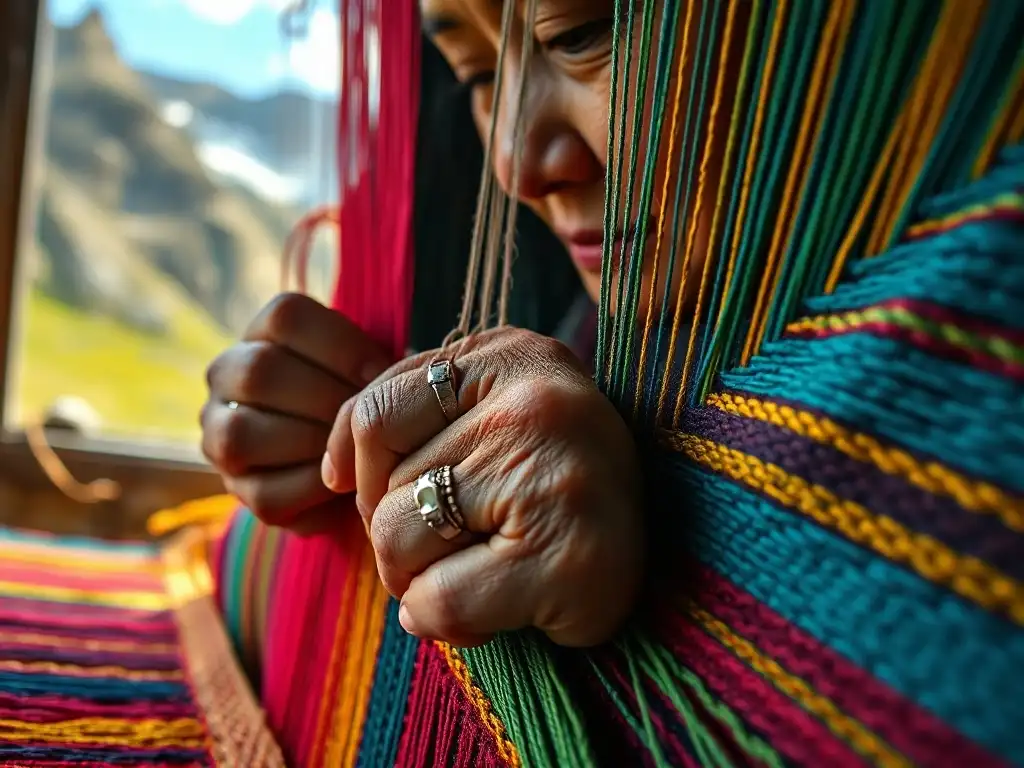
Dive into a world woven with mystery and mastery! For centuries, the Andes Mountains have echoed with the whispers of lost empires. Now, uncover the secrets behind their breathtaking artistry. Prepare to be amazed by the intricate precision of Andean textile construction techniques, a testament to the ingenuity and cultural depth of these ancient civilizations. Unravel the threads of history and discover the astonishing stories hidden within each meticulously crafted piece. Journey with us to explore this fascinating world...
The Andes Mountains, a spine of towering peaks running down the western coast of South America, are home to a rich tapestry of ancient cultures. For millennia, these civilizations—including the Incas, Moche, Nazca, and Tiahuanaco—developed sophisticated techniques in many areas, but perhaps none is more striking than their mastery of textile construction.
This article delves into the intricate world of Andean textile production, focusing on the surprisingly precise and mathematically-driven methods employed in creating these breathtaking works of art. We will explore the significance of thread counting, the innovative techniques used, and the enduring legacy of this remarkable craft, providing a deep dive into the artistry and ingenuity behind Andean textile construction techniques.
Understanding these techniques offers invaluable insight into the cultural, social, and technological sophistication of these remarkable Andean civilizations. Prepare to be amazed by the precision and artistry involved in the creation of these incredibly durable and beautiful textiles.
Unraveling the Secrets of Andean Weaving Techniques
Andean textile production wasn't simply a matter of weaving threads together; it was a complex process involving meticulous planning and execution. The weavers, often women, possessed an encyclopedic knowledge of fibers, dyes, and techniques passed down through generations. They utilized a variety of techniques, including:
- Backstrap loom weaving: This ancient technique, still practiced today, uses a loom attached to a backstrap, allowing for portability and flexibility in weaving intricate patterns.
- Spindle whorls and drop spindles: These tools were crucial for spinning the fibers into thread, a process requiring considerable skill and patience. The quality of the spun thread directly impacted the final textile's strength and appearance.
- Natural dyes: Andean weavers utilized a vast palette of natural dyes derived from plants, insects, and minerals. The colors obtained were often vibrant and long-lasting, reflecting both artistic expression and deep knowledge of the local flora and fauna. Achieving specific shades required a detailed understanding of the dyeing process, adding another layer of complexity to the textile creation.
- Intricate knotting techniques: Beyond weaving, knotting played a significant role, especially in creating decorative elements and adding texture. Specific knot types carried symbolic meaning, adding another layer of cultural significance to the textiles.
The complexity of these processes is further highlighted by the sheer variety of fibers used: alpaca, llama, vicuña, and cotton, each requiring different handling and spinning techniques. The resulting textiles were not only beautiful but also incredibly durable, capable of withstanding the harsh Andean climate for generations. The precision evident in the finished products speaks volumes about the skill and dedication of the Andean weavers. The intricate patterns and designs often incorporated symbolic elements reflecting the beliefs and worldview of the respective cultures.
The Importance of Thread Counting in Andean Textiles
The precision of Andean textile construction is perhaps most evident in the meticulous attention paid to thread counting. While seemingly a minor detail, the consistent count of warp and weft threads played a crucial role in achieving the desired texture, drape, and durability of the finished textile. Variations in thread count were not arbitrary; they were carefully calculated to achieve specific aesthetic and functional goals.
For example, a higher thread count would result in a denser, more durable fabric, ideal for clothing or blankets meant to withstand harsh weather conditions. Conversely, a lower thread count could produce a lighter, more breathable fabric suitable for warmer climates. The choice of thread count was, therefore, directly linked to the intended use and the environmental factors of the region.
Furthermore, thread counting was also crucial in creating intricate patterns and designs. By precisely controlling the number of threads in specific areas, weavers could create geometric shapes, representational figures, and complex symbolic motifs. The ability to consistently maintain the correct thread count across large areas of fabric demonstrated an exceptional level of skill and concentration.
This meticulous attention to detail is a testament to the weavers' dedication and profound understanding of their craft. The legacy of these precise methods continues to inspire textile artists and researchers today, highlighting the sophisticated nature of Andean textile production and its enduring cultural significance.
Essential Tools for Replicating Traditional Andean Textile Construction
Replicating the precision of Andean textile construction requires a careful selection of tools, many of which mirror those used for centuries. The quality of these tools directly impacts the final product's intricacy and durability. A skilled weaver wouldn't dream of starting without them! Let's explore some key elements:
First, a sturdy loom is paramount. Traditional Andean looms varied in design depending on the region and the specific textile being created, ranging from simple backstrap looms to more complex vertical looms. The loom provides the framework for the warp threads, allowing for precise control during weaving. The choice of loom directly affects the scale and complexity of the project. A beginner might start with a simpler backstrap loom, while more experienced weavers might opt for a more advanced vertical loom.
Next, the spindle whorl and distaff are crucial for yarn production. These tools allow the weaver to create the necessary yarn from raw fibers like alpaca or llama wool. The quality of the yarn, its thickness, and its evenness are all directly influenced by the skill of the spinner. The spindle whorl adds weight and momentum to the spindle, ensuring consistent yarn production. This step, often overlooked, is vital for achieving the fine details and textures characteristic of Andean textiles.
Finally, a collection of shears, needles, and other small tools are essential for various tasks. Sharp shears are needed for cutting the yarn to the correct length. Needles, of varying sizes, are used for mending and finishing touches. Other specialized tools, depending on the specific textile design, may also be required. These tools might include combs for carding the fibers before spinning or specialized picks for manipulating the weft threads during weaving. The meticulous nature of Andean textile construction demands a well-stocked toolkit.
Step-by-Step Guide: Mastering the Andean Thread Counting Method
The Andean thread counting method is a testament to the precision and mathematical understanding inherent in their textile traditions. This method, passed down through generations, ensures the accurate replication of complex patterns and designs. Learning this technique requires patience and practice, but the results are well worth the effort. Let's break down the process step-by-step:
Step 1: Preparing the Warp
Before beginning the intricate process of thread counting, the warp threads must be carefully prepared. This involves selecting high-quality yarn, typically from alpaca or llama wool, and meticulously warping the loom. The warp threads are stretched tightly and evenly across the loom, forming the foundation for the entire weaving process. Any inconsistencies at this stage will directly affect the final outcome.
The tension of the warp threads must be carefully controlled to prevent warping or unevenness in the finished textile. This initial step is crucial for the success of the entire process; a well-prepared warp is the key to a beautifully woven textile. It is common practice to use a comb to ensure the warp threads are parallel and evenly spaced.
Step 2: Identifying the Weft
Once the warp is prepared, the weaver turns their attention to the weft threads. The weft threads are interwoven horizontally through the warp threads, creating the fabric's design and texture. Identifying the weft involves choosing a yarn that complements the warp and selecting a specific color or pattern.
The choice of weft yarn can significantly alter the final appearance of the textile. The thickness and texture of the weft yarn should be considered carefully to ensure a harmonious blend with the warp threads. For instance, a thinner weft might be chosen for a more delicate design, while a thicker weft could be used for a more robust textile.
Step 3: The Thread Counting Process
This is the heart of the Andean technique. The weaver meticulously counts the warp threads, often using a system of knots or markings to keep track. This precise counting ensures that the pattern is replicated accurately, row by row. The Andean weavers didn't rely on written patterns; their knowledge was embedded in the precise counting and manipulation of the threads.
This method allowed for the creation of incredibly complex and intricate designs, passed down through generations without the need for written documentation. The level of precision is astounding, a testament to the weavers’ skill and dedication. This painstaking process is what makes Andean textiles so unique and valuable.
Step 4: Applying the Thread Count to Your Weaving
With the thread count established, the weaver begins the actual weaving process. The weft threads are carefully interwoven through the warp threads, following the pre-determined count to create the desired pattern. This requires a high degree of dexterity and concentration. The weaver must maintain consistent tension and ensure that each weft thread is precisely placed.
Any deviation from the established count can disrupt the pattern and compromise the integrity of the textile. The process is slow and deliberate, reflecting the deep respect for the tradition and the value placed on the finished product. The final result is a testament to the weaver's skill and the enduring legacy of Andean textile traditions. The precision and artistry are truly remarkable.
Analyzing Famous Andean Textiles Through Thread Counting

Analyzing extant Andean textiles through meticulous thread counting reveals astonishing insights into the technical prowess of ancient artisans. This process isn't merely about quantifying threads; it's about deciphering the cultural codes embedded within the fabric. For instance, the Paracas textiles, renowned for their vibrant colors and intricate designs, often exhibit a remarkable consistency in thread count across different sections of a single garment. This suggests a highly standardized production process, perhaps involving specialized workshops or guilds. By comparing thread counts across various Paracas pieces, researchers can identify potential stylistic variations over time, mapping changes in techniques or aesthetic preferences.
Furthermore, the density of the weave, as determined by thread count, can offer clues about the intended function of the textile. A tightly woven fabric might indicate a garment intended for protection from harsh weather conditions, while a looser weave could suggest a ceremonial cloth. The thread count, combined with analysis of the fiber types used (e.g., alpaca, llama, cotton), offers a rich tapestry of information. Careful analysis of the thread count in relation to the overall design reveals further sophistication.
Certain patterns might be associated with specific thread counts, hinting at symbolic meaning or ritual significance. This detailed analysis moves beyond simple quantification, illuminating the complex interplay between artistic expression and technical skill in Andean textile production. The variations in thread count found across different Andean cultures, from the Inca to the Nazca, also highlight the regional diversity and unique approaches to textile construction within the broader Andean context. Future research should focus on establishing a comprehensive database of thread counts across various Andean textile traditions to better understand the nuances of this fascinating craft.
Where to Find Authentic Materials and Guides for Andean Textile Replication
Replicating Andean textile techniques requires access to authentic materials and reliable guides. Finding ethically sourced alpaca or llama fiber is crucial for maintaining the integrity of the craft. Many cooperatives in the Andes region work directly with local herders, ensuring fair trade practices and preserving traditional methods of fiber processing. These cooperatives often offer workshops where one can learn the intricacies of spinning and dyeing fibers using traditional techniques. Beyond fiber sources, finding comprehensive guides on Andean textile construction techniques can be challenging.
While many books cover the subject, the level of detail and accuracy varies significantly. Some museums with extensive Andean textile collections offer workshops or publications detailing specific techniques. These resources often provide invaluable insights into the construction methods used by ancient artisans. However, many techniques are passed down orally through generations of weavers, making firsthand learning experiences invaluable. Visiting active weaving communities in the Andean region offers unique opportunities to observe and learn from master weavers.
Participation in these workshops provides access to specialized knowledge that may not be readily available in written materials. It is essential to approach the replication of Andean textiles with respect for cultural heritage. Understanding the significance of the materials and techniques is crucial for creating authentic and meaningful reproductions. The pursuit of accurate replication should not be seen as simply mimicking ancient practices, but as a way to appreciate and preserve the rich artistic traditions of the Andes.
Monetizing Your Understanding of Andean Textile Construction
Monetizing your expertise in Andean textile construction can take various forms, depending on your skills and interests. One avenue is to offer workshops or classes on traditional Andean weaving techniques. This allows you to share your knowledge while generating income. The demand for such workshops is growing, as individuals increasingly seek authentic cultural experiences and opportunities to learn traditional crafts. Another option is to create and sell high-quality, ethically produced Andean-inspired textiles.
This requires a deep understanding of the techniques and materials, as well as a commitment to sustainable practices. The market for handcrafted textiles is robust, particularly for pieces that reflect cultural authenticity and superior craftsmanship. You could also collaborate with museums or cultural institutions to create educational materials or contribute to research projects. Such collaborations can provide both financial compensation and opportunities to enhance your understanding of the field. Furthermore, you could offer consulting services to designers or fashion brands seeking to incorporate authentic Andean textile elements into their products.
This requires strong communication skills and a deep understanding of both the technical aspects of Andean textile construction and the cultural context in which they were created. Finally, you could leverage your expertise to create and sell high-quality digital resources, such as online tutorials or e-books, catering to a wider audience interested in learning about Andean weaving techniques. The key to successful monetization lies in a combination of skill, passion, and a commitment to ethical and sustainable practices. Respect for the cultural heritage and the artisans who maintain these traditions is paramount in any endeavor to profit from this rich craft.
Conclusion: Preserving the Legacy of Andean Textile Art
The intricate artistry and meticulous techniques employed in Andean textile construction represent a remarkable achievement in human ingenuity and cultural expression. For centuries, these textiles served not only as practical garments and household items but also as powerful symbols of status, identity, and spiritual beliefs. The precision involved, from the careful selection of fibers to the complex weaving patterns, speaks volumes about the deep understanding and respect Andean cultures held for their craft.
Understanding these techniques is crucial to appreciating the profound cultural significance embedded within each piece. The vibrant colors, intricate designs, and durable construction of these textiles are a testament to the skill and dedication of generations of Andean artisans.
The legacy of Andean textile art faces modern challenges, however. The increasing scarcity of traditional materials, the impact of globalization on local economies, and the pressure to adapt to modern production methods threaten to erode the unique characteristics of this ancient craft. However, there is a growing movement to preserve and promote these traditions.
Efforts are underway to document traditional techniques, train new generations of artisans, and create sustainable markets for authentic Andean textiles. These initiatives are vital not only for the economic well-being of Andean communities but also for the preservation of a rich cultural heritage for future generations. The continued study and appreciation of Andean textile construction techniques are essential to ensuring that this extraordinary legacy endures.
By understanding the artistry and precision of these ancient methods, we can better appreciate the enduring cultural value and the remarkable ingenuity of the Andean people. The preservation of this art form is not just about maintaining a tradition; it is about safeguarding a vital part of human history and cultural identity. The intricate tapestry of Andean textile art deserves our continued attention, support, and celebration.
- Unraveling the Secrets of Andean Weaving Techniques
- The Importance of Thread Counting in Andean Textiles
- Essential Tools for Replicating Traditional Andean Textile Construction
- Step-by-Step Guide: Mastering the Andean Thread Counting Method
- Analyzing Famous Andean Textiles Through Thread Counting
- Where to Find Authentic Materials and Guides for Andean Textile Replication
- Monetizing Your Understanding of Andean Textile Construction
- Conclusion: Preserving the Legacy of Andean Textile Art
Frequently Asked Questions
What makes Andean textiles so unique?
Andean textiles are renowned for their exceptional craftsmanship, complex designs, and the use of vibrant natural dyes. The intricate weaving techniques reflect a deep understanding of textile construction.
What materials were commonly used in Andean textile production?
Alpaca, llama, and vicuña fibers were primarily used, along with cotton in warmer regions. These fibers were carefully prepared and spun into incredibly fine threads.
How did Andean weavers create such intricate designs?
Weavers employed a variety of techniques, including backstrap loom weaving, supplementary weft techniques, and different types of knots. This allowed for the creation of incredibly detailed and complex patterns.
What role did textiles play in Andean society?
Textiles held immense social, religious, and political significance. They were used for clothing, ceremonial objects, and status symbols. Their creation was a highly valued skill.
Where can I learn more about Andean textile construction techniques?
You can explore museums showcasing Andean textiles, such as the Larco Museum in Lima, Peru. Many academic publications and online resources also delve into these techniques in detail.
Final Reflection: Weaving a Legacy, Thread by Thread
The meticulous artistry of Andean textile construction isn't merely a historical artifact; it's a living testament to human ingenuity and cultural resilience that continues to inspire and inform contemporary practices. The precision and symbolism embedded within these textiles offer invaluable insights into Andean societies, their beliefs, and their enduring connection to the land. This intricate craft, passed down through generations, speaks volumes about the power of tradition and the enduring beauty of handcrafted artistry.
The enduring influence of Andean textile techniques is undeniable, shaping not only the aesthetic landscape of the Andes but also influencing global textile design and artistic expression. Their innovative use of natural dyes, complex weaving structures, and symbolic iconography continue to fascinate and inspire artists and designers worldwide. The threads themselves are a language, telling stories of ancestors, beliefs, and the very earth from which they spring.
This quote encapsulates the profound depth and meaning woven into each piece, a legacy that deserves our continued appreciation and understanding.
Consider the intricate detail, the patience, the deep connection to nature inherent in each thread. You, too, can find inspiration in this ancient art. Reflect on the dedication and skill required to create such masterpieces, and consider how the principles of precision, patience, and respect for tradition can enrich your own life and work. Let the legacy of Andean textile construction inspire you to appreciate the beauty of handcrafted artistry and the enduring power of cultural heritage.
Unveil the Beauty of Andean Textiles!
Thank you for exploring the intricate world of Andean textile construction with us! We hope you've gained a deeper appreciation for the artistry and skill behind these stunning creations. Now, let's put your newfound knowledge to good use!
Here are some inspiring ways to continue your journey:
- Visit a local artisan or workshop specializing in textile crafts to witness this rich tradition firsthand. Observe the techniques and the dedication of the craftspeople.
- Share your enthusiasm with friends and family, discussing the unique techniques and cultural significance of Andean textiles. Show them the incredible photos and videos you've found!
- Join an online community or social media group dedicated to textile arts to connect with other enthusiasts and learn from their experiences. Engage in discussions about specific techniques and the sourcing of materials.
What aspect of Andean textile art most captivates you? We'd love to hear your thoughts and experiences in the comments below!