
The Brutality of Spanish Repression: Torture, Massacres, and Forced Labor

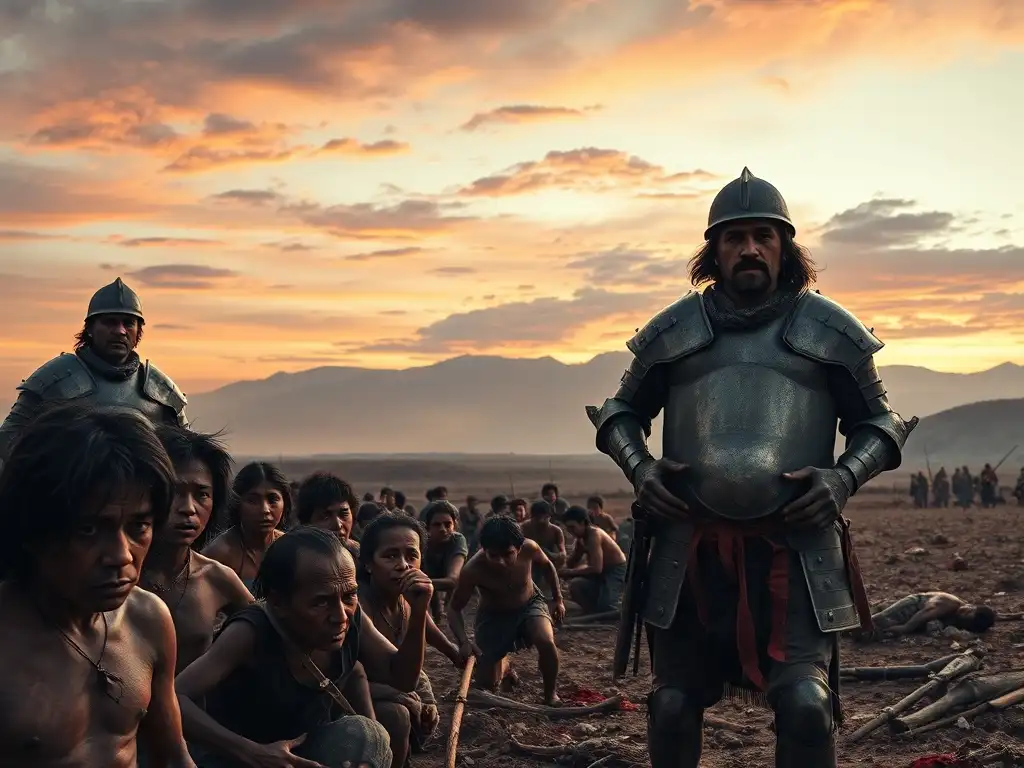
Step into a world lost to time, yet echoing with power and resilience. For centuries, the Andes Mountains held the secrets of magnificent civilizations—the Incas, Moche, Nazca, and more—whose ingenuity and artistry still astound us. But their story isn't just one of breathtaking achievements. Discover the chilling truth behind the Spanish conquest, a brutal chapter marked by unimaginable cruelty. Prepare to confront the stark reality of Spanish conquest Andean brutality in our revealing exploration of torture, massacres, and forced labor. Dare to uncover the hidden horrors that forever altered the fate of these ancient empires.
-
The Spanish Conquest and Andean Brutality: Torture, Massacres, and Forced Labor
- Introduction: The Dark Side of the Spanish Conquest in the Andes
- The Initial Stages of Spanish Repression in the Andes
- Methods of Spanish Brutality Against the Andean Peoples
- The Impact of Spanish Repression on Andean Societies
- Specific Cases of Spanish Atrocities in the Andes
- Resistance and Rebellions Against Spanish Brutality
- The Long-Term Consequences of Spanish Conquest Andean Brutality
- Conclusion: Remembering the Victims of Spanish Repression in the Andes
- The Importance of Acknowledging the Brutality of the Spanish Conquest
- Further Research and Resources on Spanish Colonial Violence in the Andes
-
Frequently Asked Questions
- What was the primary cause of the suffering inflicted upon the Andean people during the Spanish conquest?
- How did the Spanish conquest impact the Andean population?
- What forms of torture were commonly used by the Spanish against the Andean people?
- Were all Spanish individuals complicit in the brutality of the conquest?
- How did the brutality of the Spanish conquest affect the long-term development of the Andean region?
- Final Reflection: The Enduring Scars of Conquest
- Unveil the Truth and Take Action!
The Spanish Conquest and Andean Brutality: Torture, Massacres, and Forced Labor
The Spanish conquest of the Andes, while often romanticized in certain historical narratives, was a brutal and devastating period marked by widespread violence, exploitation, and cultural destruction. This article delves into the dark side of this historical period, examining the systematic use of torture, massacres, and forced labor employed by the Spanish conquistadors against the indigenous populations of the Andes. We will explore the horrifying realities experienced by the Inca, Moche, Nazca, and Tiahuanaco peoples, highlighting the sheer scale of the brutality and its lasting impact on Andean societies.
Understanding this grim aspect of history is crucial to fully appreciating the resilience and resistance of the Andean civilizations and the complex legacy of the Spanish conquest. The keyword "Spanish conquest Andean brutality" accurately reflects the horrific realities we will uncover.
Introduction: The Dark Side of the Spanish Conquest in the Andes
The romanticized image of brave conquistadors facing insurmountable odds often overshadows the systematic brutality that characterized the Spanish conquest of the Andes. The initial encounters were frequently marked by violence and deception, setting the stage for decades of oppression. The Spanish, driven by the insatiable desire for gold and the zeal of religious conversion, employed tactics that deliberately sought to subjugate and destroy the existing Andean societies.
This wasn't simply a clash of armies; it was a calculated campaign of terror designed to break the spirit of the indigenous populations and facilitate the extraction of resources. The sheer scale of the violence, coupled with the introduction of diseases to which the Andean people had no immunity, resulted in a catastrophic demographic collapse.
This demographic collapse, in turn, further empowered the Spanish, enabling them to consolidate their control and exploit the remaining population for their own gain. The stories of suffering and resilience that emerge from this period offer a stark contrast to the often-sanitized versions of history.
The Initial Stages of Spanish Repression in the Andes
The arrival of Pizarro and his men in the Andes marked the beginning of a systematic campaign of terror. The initial stages of repression were characterized by a series of calculated actions designed to destabilize the Inca Empire. These included:
- Strategic alliances: The Spanish skillfully exploited existing internal conflicts within the Inca Empire, forging alliances with rival factions to weaken their opposition.
- Deception and treachery: The Spanish frequently employed deception and treachery, using promises of peace and friendship to lure Inca leaders into traps. The infamous capture of Atahualpa is a prime example of this tactic.
- Massacres: The Spanish were not hesitant to resort to mass violence, as evidenced by the numerous massacres that occurred during the early years of the conquest. These massacres served as a brutal demonstration of power, intended to instill fear and discourage resistance.
- Torture: Torture was routinely used to extract information, force confessions, and punish dissent. The Spanish employed a variety of methods, often inflicting unimaginable pain and suffering on their victims. This systematic use of torture was a key component of their strategy to break the will of the Andean people.
The consequences of this initial wave of repression were devastating. The Inca Empire, once a powerful and sophisticated civilization, was rapidly dismantled. Thousands perished due to violence, disease, and the brutal conditions imposed by the Spanish. The systematic destruction of Andean infrastructure, including irrigation systems and temples, further weakened the indigenous populations and made them more vulnerable to exploitation.
The introduction of the mita system, a form of forced labor, would further exacerbate the suffering and impoverishment of the Andean peoples. The initial stages of the Spanish conquest set the stage for the centuries of oppression that followed, fundamentally reshaping the social, political, and economic landscape of the Andes. The suffering inflicted during this period cannot be understated, and understanding its complexity is essential to grasping the full impact of the Spanish conquest.
Methods of Spanish Brutality Against the Andean Peoples
The Spanish conquest of the Andes was characterized by widespread and systematic brutality, far exceeding the typical violence of warfare. The Spanish conquistadors employed a range of tactics designed to subdue the indigenous populations, break their resistance, and exploit their resources. These methods extended beyond battlefield clashes and encompassed a calculated campaign of terror, aimed at dismantling Andean societies and imposing Spanish dominance.
The brutality was not simply a consequence of chaotic conquest; it was a deliberate strategy employed to achieve specific political and economic objectives. This systematic violence left an indelible mark on the Andean landscape and culture, shaping its trajectory for centuries to come. The sheer scale of suffering inflicted upon the Andean peoples during this period is staggering and underscores the profound impact of the Spanish conquest.
Torture Techniques Employed by the Spanish Conquistadors
Torture was a commonplace tool used by the Spanish to extract information, force confessions, and instill fear. Methods ranged from the brutal to the horrific. Accounts detail the use of garrote (strangulation), burning, mutilation, and the estrapade (a form of suspension and dropping).
Victims were often subjected to prolonged periods of torment, designed to break their will and compel them to reveal the location of hidden treasures or the whereabouts of rebel leaders. The psychological trauma inflicted was as devastating as the physical pain, creating an atmosphere of pervasive terror that discouraged resistance. These acts were not isolated incidents; they were part of a systematic campaign of intimidation, employed routinely by the Spanish authorities to maintain control.
The widespread use of torture highlights the ruthless nature of Spanish rule and the disregard for the basic human rights of the Andean population. The legacy of this brutality continues to resonate in the collective memory of Andean communities.
Massacres and the Slaughter of Indigenous Populations
The Spanish conquest involved numerous massacres, resulting in the deaths of countless Andean people. These weren't isolated events but part of a broader strategy to eliminate resistance and consolidate power. The slaughter at Cajamarca, where Atahualpa was captured and thousands of Inca were killed, is a chilling example. Similar atrocities occurred throughout the Andes, often following rebellions or as a means of suppressing dissent.
The Spanish frequently used superior weaponry and tactics to overwhelm indigenous forces, resulting in significant casualties. Beyond the battlefield, massacres often targeted entire villages or communities suspected of supporting rebellions. The sheer scale of these killings contributed significantly to the demographic collapse of Andean societies. The precise numbers remain difficult to ascertain, but the evidence points to a devastating loss of life, profoundly altering the social and demographic fabric of the region.
Forced Labor Systems: The Mita and Encomienda
The Spanish imposed brutal forced labor systems, primarily the mita and the encomienda, to extract wealth from the conquered territories. The mita, a pre-Columbian labor system, was adapted and intensified by the Spanish to exploit Andean labor in mines, particularly silver mines. Workers faced appalling conditions, including long hours, malnutrition, and high mortality rates. The encomienda granted Spanish colonists control over indigenous communities, obligating them to provide labor and tribute.
This system essentially enslaved the indigenous population, subjecting them to brutal exploitation and depriving them of their freedom and dignity. These systems led to widespread suffering, disease, and death among the Andean population, fueling the demographic collapse and contributing to the long-term economic exploitation of the region. The legacy of these exploitative systems continues to shape economic inequalities in many Andean communities today.
The Impact of Spanish Repression on Andean Societies
The brutality of the Spanish conquest had a profound and lasting impact on Andean societies, leaving a legacy of trauma and inequality that persists to this day. The effects extended far beyond immediate casualties and encompassed a range of social, cultural, economic, and demographic transformations. The scale of the destruction was immense, and the consequences continue to be felt centuries later. Understanding the full extent of this impact is crucial to comprehending the complex history of the Andes.
Demographic Collapse Due to Violence and Disease
The Spanish conquest led to a catastrophic demographic collapse in the Andes. Violence, warfare, and massacres directly contributed to a significant loss of life. However, the introduction of Old World diseases, such as smallpox, measles, and influenza, to which the Andean population had no immunity, proved even more devastating. These diseases spread rapidly, decimating entire communities.
The combined effects of violence and disease resulted in a dramatic reduction in the indigenous population, profoundly altering the social and political landscape of the region. Estimates of population decline vary widely, but the scale of the loss was undeniably catastrophic, leaving a lasting impact on Andean societies. The demographic consequences of the conquest continue to be studied and debated by scholars today.
Social and Cultural Disruption of Andean Traditions
Spanish repression systematically targeted Andean social structures and cultural practices. Traditional religious beliefs and practices were suppressed, replaced by Catholicism. Indigenous leaders were executed or imprisoned, disrupting established power structures and social hierarchies. The destruction of sacred sites and artifacts further undermined Andean cultural identity.
The imposition of the Spanish language and cultural norms led to the erosion of indigenous languages and customs. This cultural disruption had profound and lasting consequences, leading to the loss of knowledge, traditions, and a sense of collective identity. The impact of this cultural suppression is still felt today in the Andes, as communities struggle to preserve their heritage amidst the challenges of globalization.
Economic Exploitation and the Extraction of Resources
The Spanish conquest led to the systematic exploitation of Andean resources. The focus on extracting precious metals, particularly silver, fueled the development of vast mining operations that relied on forced indigenous labor. This extraction of wealth benefited Spain at the expense of the Andean population, contributing to widespread poverty and inequality. The emphasis on mining also led to environmental damage, with lasting consequences for the Andean ecosystem.
The Spanish conquest transformed the Andean economy from a diverse agricultural and craft-based system to one dominated by the extraction of resources for the benefit of the Spanish crown. This economic exploitation continues to shape economic inequalities in the region. The legacy of this exploitation is evident in the ongoing struggles for resource control and economic justice in many Andean communities.
Specific Cases of Spanish Atrocities in the Andes
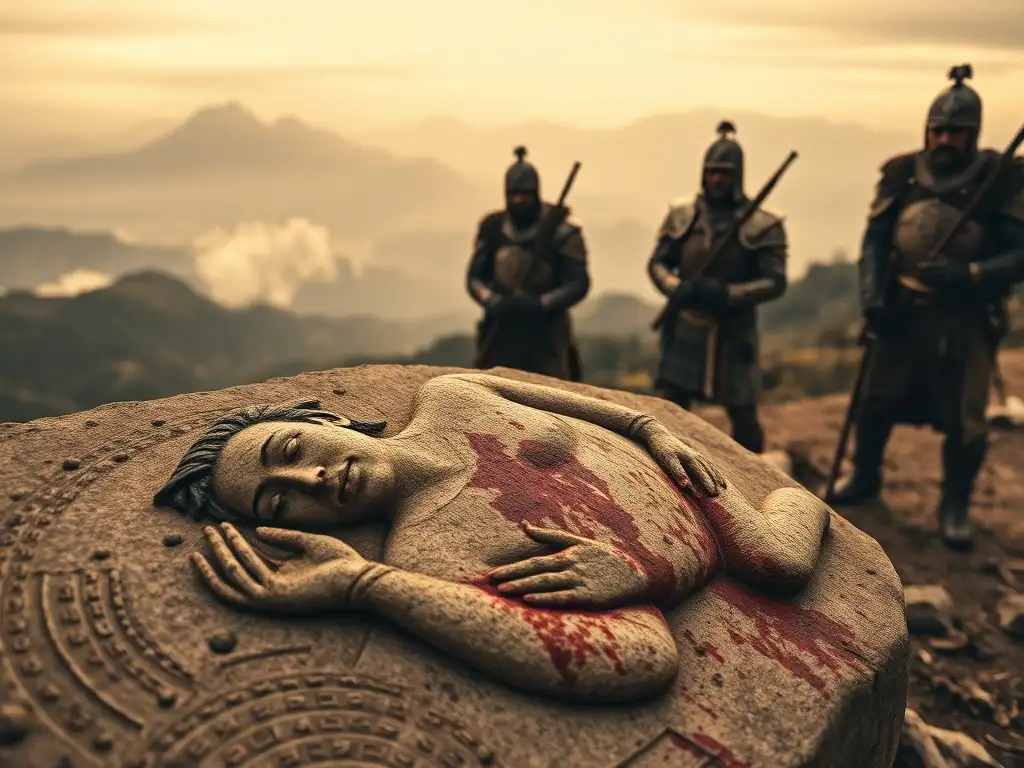
The Spanish conquest of the Andes was marked by widespread brutality, leaving an indelible scar on the region's history. The systematic exploitation, torture, and murder of indigenous populations were not isolated incidents but rather integral components of the colonial project. The sheer scale of violence, often exceeding the capabilities of historical records to fully capture, underscores the devastating impact of the Spanish conquest on Andean societies.
The psychological trauma inflicted upon generations of Andean people continues to resonate even today. The physical and cultural destruction wrought by the conquistadors fundamentally altered the course of Andean civilization. The systematic dismantling of existing social structures, religious practices, and economic systems was a deliberate strategy to subdue and control the indigenous population.
The Massacre of Cajamarca
The infamous Massacre of Cajamarca in 1532 stands as a chilling example of Spanish brutality. The ambush and slaughter of thousands of Inca soldiers, including the capture and subsequent execution of Emperor Atahualpa, marked a turning point in the conquest. Atahualpa, despite offering immense ransoms of gold and silver, was ultimately executed, signaling the complete disregard for Andean life and sovereignty by the Spanish.
The event, carefully planned and brutally executed, shattered the Inca Empire's military capacity and paved the way for the subsequent conquest of the entire region. The sheer number of casualties, while debated among historians, remains staggering and serves as a stark reminder of the violence inherent in the Spanish conquest. The psychological impact of this event on the Inca population and the subsequent disintegration of their empire cannot be overstated.
The Exploitation of the Potosí Miners in the Silver Mines
The silver mines of Potosí in present-day Bolivia became a symbol of Spanish greed and the brutal exploitation of indigenous labor. The mita system, a form of forced labor, subjected countless Andean men to grueling conditions in the mines, resulting in immense suffering and death. The mines' hazardous environment, coupled with the brutal treatment by Spanish overseers, led to an incredibly high mortality rate.
Historians estimate millions of indigenous workers perished in the mines over the centuries, their bodies sacrificed to fuel the Spanish empire's insatiable appetite for silver. The impact extended beyond the immediate loss of life, as the forced labor decimated Andean communities and disrupted traditional social structures. The lasting environmental damage caused by the mining operations further illustrates the devastating consequences of the Spanish colonial enterprise.
The Torture and Execution of Túpac Amaru I
The capture, torture, and execution of Túpac Amaru I in 1572 represent another brutal chapter in the Spanish conquest. Though not directly involved in the initial conquest, Túpac Amaru I, a descendant of the Inca emperors, led a rebellion against Spanish rule. His execution, following a period of brutal torture designed to extract information and break his spirit, served as a stark warning to other potential rebels.
The graphic details of his execution, widely circulated amongst the Andean populace, instilled fear and reinforced the Spanish dominance. His death, however, did not extinguish the flame of resistance, instead fueling further rebellions against Spanish rule in the years to come. The brutal nature of his death cemented his legacy as a symbol of Andean resistance against colonial oppression.
Resistance and Rebellions Against Spanish Brutality
Despite the overwhelming force of the Spanish conquest, Andean resistance never ceased. From subtle acts of defiance to large-scale rebellions, the indigenous populations consistently challenged Spanish authority, showcasing remarkable resilience and determination in the face of unimaginable brutality. These acts of resistance, though often suppressed with extreme violence, highlight the enduring spirit of the Andean people and their refusal to passively accept subjugation. The forms of resistance varied, adapting to the evolving circumstances of the colonial context.
Early Forms of Andean Resistance
Even in the immediate aftermath of the conquest, various forms of resistance emerged. These often involved subtle acts of defiance, such as the preservation of traditional religious practices, the covert continuation of pre-colonial social structures, and strategic avoidance of forced labor. These seemingly minor acts of defiance represented crucial acts of resistance against cultural assimilation and economic exploitation. The preservation of indigenous languages and knowledge systems, despite active suppression by the Spanish, demonstrates the tenacity of Andean culture. Oral traditions played a vital role in maintaining cultural memory and transmitting stories of resistance across generations.
The Great Andean Rebellion of 1780 and its Brutal Suppression
The Great Andean Rebellion of 1780, led by Túpac Amaru II (a descendant of Túpac Amaru I), represents one of the largest and most significant uprisings against Spanish rule. This rebellion, though ultimately unsuccessful, demonstrated the widespread discontent with Spanish oppression and the enduring desire for independence. The rebellion's brutal suppression by the Spanish further highlighted the extent of the colonial regime's cruelty. The sheer scale of the rebellion and the subsequent reprisals underscore the depth of resentment towards Spanish rule. The rebellion's impact extended beyond its immediate consequences, inspiring future generations to continue the fight for independence.
The Legacy of Andean Resistance Against Spanish Repression
The legacy of Andean resistance against Spanish repression continues to shape the region's identity and cultural landscape. The stories of defiance, sacrifice, and resilience inspire contemporary Andean societies to this day. The ongoing struggle for social justice and cultural preservation is deeply rooted in the historical experiences of resistance against colonial brutality. The legacy of this resistance serves as a powerful reminder of the enduring human spirit and the importance of fighting for freedom and self-determination. Understanding this history is crucial for comprehending the complexities of modern Andean societies and the ongoing challenges they face.
The Long-Term Consequences of Spanish Conquest Andean Brutality
The brutal methods employed by the Spanish during the conquest of the Andes left an indelible mark on the region, the consequences of which resonate even today. The systematic destruction of Andean societal structures, the decimation of the population through disease and violence, and the imposition of a foreign cultural and economic system created a legacy of trauma that continues to shape the lives of Andean communities.
The sheer scale of the violence—massacres, torture, and forced labor—created a deep-seated fear and distrust that hindered the development of a stable and equitable society for generations. The disruption of traditional social hierarchies and power structures led to profound societal shifts, leaving many indigenous communities vulnerable and marginalized.
The introduction of new diseases, against which the Andean populations had no immunity, caused devastating epidemics, further weakening their ability to resist Spanish rule and leading to a dramatic population decline. This demographic collapse had profound and lasting economic and social repercussions, impacting the region's capacity for self-governance and cultural preservation.
Lasting Trauma and the Psychological Impact
The psychological impact of Spanish brutality on the Andean people is immeasurable. Generations suffered from the trauma of witnessing violence, experiencing torture, and enduring the loss of loved ones and their cultural heritage. This intergenerational trauma manifested in various ways, including increased rates of mental health issues, social dysfunction, and a pervasive sense of powerlessness. The forced conversion to Christianity and the suppression of indigenous religious practices also caused significant psychological harm, leading to the erosion of cultural identity and a loss of spiritual connection.
The systematic dismantling of traditional social support networks exacerbated the psychological suffering, leaving individuals vulnerable and isolated. Oral histories and historical accounts consistently describe the lasting psychological scars inflicted by the Spanish, highlighting the pervasive fear and mistrust that became ingrained in Andean communities. The effects of this trauma are still evident today in the social and emotional well-being of many Andean populations.
The Perpetuation of Inequality and Discrimination
The Spanish conquest established a system of profound inequality that continues to affect Andean societies. The colonial structure favored the Spanish and their descendants, creating a rigid social hierarchy that privileged the European elite at the expense of the indigenous population. This system of oppression institutionalized discrimination, denying Andean people access to education, land ownership, and political power. The legacy of this inequality is visible in the persistent disparities in wealth, access to healthcare, and educational opportunities between indigenous and non-indigenous communities.
The economic exploitation that characterized the colonial era created a dependency on extractive industries that continues to this day, hindering the economic development of Andean regions. The ongoing struggle for land rights and resource control is a direct consequence of the injustices perpetrated during the Spanish conquest. The historical context of oppression has profoundly shaped contemporary social and political dynamics, perpetuating a cycle of inequality and discrimination.
The Ongoing Struggle for Justice and Recognition
Despite the passage of centuries, the struggle for justice and recognition for the atrocities committed during the Spanish conquest continues. Andean communities are actively working to reclaim their history, preserve their cultural heritage, and achieve greater social and economic equity. This struggle involves advocating for land rights, demanding reparations for historical injustices, and seeking recognition of the devastating impact of the conquest on their lives and their ancestors’ lives.
Many indigenous organizations are actively engaged in efforts to educate the public about the historical injustices and to promote a more accurate and comprehensive understanding of the Spanish conquest. These efforts are crucial for fostering reconciliation and building a more just and equitable future for Andean communities.
The fight for justice is a testament to the resilience and determination of the Andean people in the face of centuries of oppression. The pursuit of recognition and redress is a crucial step in healing the wounds of the past and building a more just future.
Conclusion: Remembering the Victims of Spanish Repression in the Andes

The Spanish conquest of the Andes was a period of immense brutality and suffering, leaving a legacy of trauma, inequality, and injustice that continues to impact the region today. Remembering the victims of Spanish repression—the countless individuals who suffered and died as a result of torture, massacres, and forced labor—is essential for understanding the complex history of the Andes and for building a more just and equitable future. Acknowledging the long-term consequences of this historical violence, including the lasting psychological impact, the perpetuation of inequality, and the ongoing struggle for justice, is crucial for fostering reconciliation and promoting a more accurate and comprehensive understanding of this critical period in Andean history.
The resilience and determination of Andean communities in their ongoing struggle for justice serve as a powerful testament to the enduring strength and spirit of the Andean people. 💔 Their story must be remembered and their voices heard.
The Importance of Acknowledging the Brutality of the Spanish Conquest
Understanding the true extent of the Spanish conquest's brutality in the Andes is crucial for several reasons. First, it allows for a more accurate and nuanced historical narrative. For too long, sanitized versions of the conquest minimized or ignored the systematic violence inflicted upon the Indigenous populations.
Acknowledging the brutality—the widespread massacres, the torture, the forced labor, and the cultural destruction—offers a more honest and respectful portrayal of the Andean peoples and their resilience in the face of unimaginable hardship. This honest accounting is vital for fostering genuine reconciliation and understanding between descendants of both the conquerors and the conquered.
Secondly, acknowledging this brutality is essential for dismantling harmful narratives that continue to perpetuate colonial biases. These narratives often romanticize the conquest or downplay the suffering experienced by Indigenous communities. By confronting the harsh realities of the past, we can challenge these narratives and promote a more equitable and just present. This includes challenging the lingering effects of colonialism, such as systemic inequalities and the erasure of Indigenous cultures and knowledge. The ongoing struggle for Indigenous rights and recognition is directly linked to confronting the legacy of this brutal past.
Finally, acknowledging the brutality of the Spanish conquest serves as a powerful reminder of the dangers of unchecked power and the importance of human rights. The atrocities committed in the Andes stand as a stark warning against the dangers of oppression and exploitation. By learning from the past, we can work towards creating a future where such horrors are never repeated.
This understanding is paramount in preventing similar acts of violence and injustice from occurring again, both within and outside the Andean region. The lessons learned from this dark chapter in history are universal and hold significant relevance for contemporary struggles against oppression worldwide. The Spanish conquest's brutality serves as a powerful testament to the enduring strength and resilience of the human spirit, even in the face of unimaginable suffering.
Further Research and Resources on Spanish Colonial Violence in the Andes
For those interested in delving deeper into the horrors of Spanish colonial violence in the Andes, a wealth of resources exists. Academic journals are a primary source, offering detailed research articles exploring specific aspects of the conquest, such as the impact of disease, the methods of torture employed, and the resistance movements that emerged. These articles often utilize primary sources, such as colonial records and Indigenous accounts, to paint a comprehensive picture of the period. Many universities and research institutions house archives containing these crucial primary sources, offering researchers unprecedented access to firsthand accounts of the brutality.
Beyond academic journals, numerous books have been written on this topic, ranging from comprehensive historical overviews to focused studies on specific events or regions. These books often provide accessible narratives that make complex historical events easier to understand for a broader audience. Furthermore, museums and cultural centers throughout the Andes region frequently host exhibitions and educational programs dedicated to the Spanish conquest and its impact on Andean societies. These institutions often feature artifacts, oral histories, and artistic representations that help to bring the past to life.
Finally, documentaries and films have also played a role in raising awareness about the brutality of the Spanish conquest. These visual media can be particularly effective in conveying the human cost of colonial violence, offering a powerful and emotional experience for viewers.
While accessing these resources requires careful evaluation of their sources and potential biases, a combination of academic research and accessible media can provide a rich and informative understanding of this complex and tragic period in Andean history. Remember to always critically evaluate your sources and consider diverse perspectives to gain a complete picture of the Spanish conquest and its impact.
Frequently Asked Questions
What was the primary cause of the suffering inflicted upon the Andean people during the Spanish conquest?
The primary cause was the brutality of the Spanish conquistadors, who implemented systems of forced labor, massacres, and torture to subjugate the indigenous population and extract resources like gold and silver. This was driven by greed and a desire for power.
How did the Spanish conquest impact the Andean population?
The conquest led to a catastrophic decline in the Andean population due to disease, warfare, and forced labor. Existing social structures and ways of life were completely disrupted.
What forms of torture were commonly used by the Spanish against the Andean people?
Spanish conquistadors employed various brutal methods, including burning, mutilation, and hanging. Psychological torture was also prevalent, aiming to break the will of the indigenous population.
Were all Spanish individuals complicit in the brutality of the conquest?
While many participated actively, it's important to note that there were also Spanish individuals who opposed the extreme violence and exploitation. However, the vast majority condoned or benefited from the system.
How did the brutality of the Spanish conquest affect the long-term development of the Andean region?
The devastating impact of the conquest resulted in centuries of economic and social inequality, significantly hindering the region's development and leaving a lasting legacy of trauma and oppression.
Final Reflection: The Enduring Scars of Conquest
The brutality inflicted upon the Andean people during the Spanish conquest remains a chilling testament to the destructive power of unchecked ambition. The echoes of this violence resonate even today, shaping narratives of identity, inequality, and the ongoing struggle for justice. Understanding this dark chapter in history is not merely an academic exercise; it is crucial for confronting the persistent legacies of colonialism and building a more equitable future.
The systematic torture, massacres, and forced labor imposed by the Spanish conquistadors irrevocably altered the social fabric of Andean societies. The trauma inflicted transcended generations, leaving behind a complex legacy of poverty, social unrest, and cultural disruption. The past is never dead. It's not even past.
- William Faulkner. This quote powerfully encapsulates the enduring impact of the Spanish conquest, reminding us that the consequences of past atrocities continue to shape the present. We must acknowledge this enduring influence to truly understand the complexities of the Andean region today.
The stories of suffering and resilience recounted in this article should serve as a powerful call to action. Consider the weight of this history, the injustices perpetrated, and the strength of those who endured. Let us use this knowledge not to dwell in despair, but to fuel a commitment to social justice, empathy, and a relentless pursuit of a world where such atrocities are unthinkable. Learn from the past, challenge the present, and build a future where the dignity and rights of all people are upheld.
Unveil the Truth and Take Action!
Thank you for exploring the crucial topic of Spanish repression in the Americas. Understanding the harsh realities of torture, massacres, and forced labor is a vital first step toward advocacy and social justice.
Now, let's translate this knowledge into impactful action:
- Join the conversation: Share this article on social media to raise awareness about historical injustices and their continuing impact.
- Deepen your understanding: Learn more about the Andean Civilizations and their responses to oppression to gain a comprehensive perspective.
- Support advocacy groups: Consider donating to organizations dedicated to human rights and supporting communities affected by historical injustices.
How can this newfound understanding inspire you to contribute to social justice in your own community?