
Echoes of the Ancestors: Digital Preservation of Andean Knowledge


Uncover the secrets whispered on the wind across the Andes! Journey through millennia of breathtaking artistry, ingenious engineering, and profound spirituality as we explore the remarkable legacy of the Andean civilizations. But what happens when these echoes fade? Delve into the crucial work of Andean civilizations digital preservation and discover how we're safeguarding this invaluable heritage for future generations. Explore the past – and secure its future – within.
The breathtaking legacy of the Andean civilizations—the Incas, Moche, Nazca, and Tiahuanaco, among others—is not merely etched in stone and woven into textiles; it's also encoded in intricate social structures, complex agricultural techniques, and profound cosmological beliefs. However, the passage of time, environmental factors, and the relentless march of modernity pose significant threats to the physical preservation of this invaluable heritage. This article explores the crucial role of digital preservation in safeguarding Andean knowledge for future generations, ensuring that the echoes of these ancestors resonate clearly and powerfully into the 21st century and beyond.
We will examine various digital methodologies currently employed, the challenges faced in this undertaking, and the potential for innovative technologies to further enhance our understanding and protection of this rich cultural tapestry. The effective implementation of Andean civilizations digital preservation strategies is paramount to ensuring that this remarkable legacy is not lost to time.
The Urgent Need for Digital Archiving of Andean Heritage
The fragility of many Andean artifacts is undeniable. Exposure to the elements, looting, and even the natural processes of decay constantly threaten irreplaceable objects and sites. Furthermore, traditional forms of knowledge transmission, often oral and reliant on community elders, are vulnerable to loss with the passing of each generation. Digital preservation provides a powerful countermeasure.
High-resolution imaging, 3D modeling, and detailed documentation of artifacts and sites create lasting digital records, accessible to researchers and the public alike. This allows for meticulous study without causing further damage to the original materials. Moreover, digital archiving helps preserve intangible cultural heritage, such as oral histories, traditional songs, and ancient languages, preventing their irreversible disappearance. The implementation of effective strategies for Andean civilizations digital preservation requires a multi-pronged approach, combining cutting-edge technology with collaborative efforts from researchers, local communities, and international organizations.
Digital Technologies Employed in Andean Heritage Preservation
Several key digital technologies are currently being utilized to preserve Andean heritage. These include:
- High-Resolution Photogrammetry and 3D Modeling: This technique creates incredibly detailed three-dimensional models of artifacts and sites, allowing for virtual exploration and analysis without physical contact. This is particularly valuable for fragile or inaccessible locations.
- Digital Image Processing and Enhancement: Advanced software can restore faded or damaged images, revealing hidden details and improving the clarity of existing visual records.
- Audio and Video Recording and Archiving: Oral histories, traditional music, and ceremonies can be meticulously documented and preserved in digital formats, accessible through online archives.
- Geographic Information Systems (GIS): GIS technology maps archaeological sites and landscapes, providing crucial contextual information and aiding in the monitoring of their condition.
- Database Management Systems: These systems organize and manage vast amounts of data related to Andean artifacts, sites, and cultural practices, facilitating research and collaboration.
Challenges and Future Directions in Digital Andean Preservation
Despite the significant advances in digital preservation technologies, numerous challenges remain. These include:
- Funding Limitations: Large-scale digital preservation projects require substantial financial resources.
- Technological Expertise: Specialized skills are needed to effectively utilize and maintain the various technologies involved.
- Data Accessibility and Sharing: Ensuring that digital archives are accessible to researchers and communities while protecting sensitive information requires careful planning.
- Long-Term Sustainability: Digital formats can become obsolete, requiring ongoing efforts to migrate data to new systems and maintain compatibility. This necessitates careful planning and ongoing investment in infrastructure and expertise.
- Community Engagement: Meaningful collaboration with local communities is essential to ensure that digital preservation efforts respect cultural sensitivities and empower local participation. This collaborative approach is key to the long-term success of any Andean civilizations digital preservation initiative.
The future of Andean civilizations digital preservation hinges on addressing these challenges through continued innovation, international collaboration, and sustainable funding models. The integration of emerging technologies, such as artificial intelligence and virtual reality, offers exciting possibilities for enhancing access to and understanding of Andean heritage. The ultimate goal is not simply to create digital copies, but to build a dynamic, accessible, and inclusive digital archive that empowers future generations to connect with and learn from the rich legacy of the Andean civilizations.
- The Urgent Need for Digital Archiving of Andean Heritage
- Digital Technologies Employed in Andean Heritage Preservation
- Challenges and Future Directions in Digital Andean Preservation
- What is the significance of digital preservation for Andean civilizations?
- How does digital preservation help protect vulnerable artifacts?
- What types of materials are being digitally preserved from Andean cultures?
- What are the challenges in digitally preserving Andean knowledge?
- How can I contribute to the digital preservation of Andean civilizations?
The Imperative of Preserving Andean Heritage
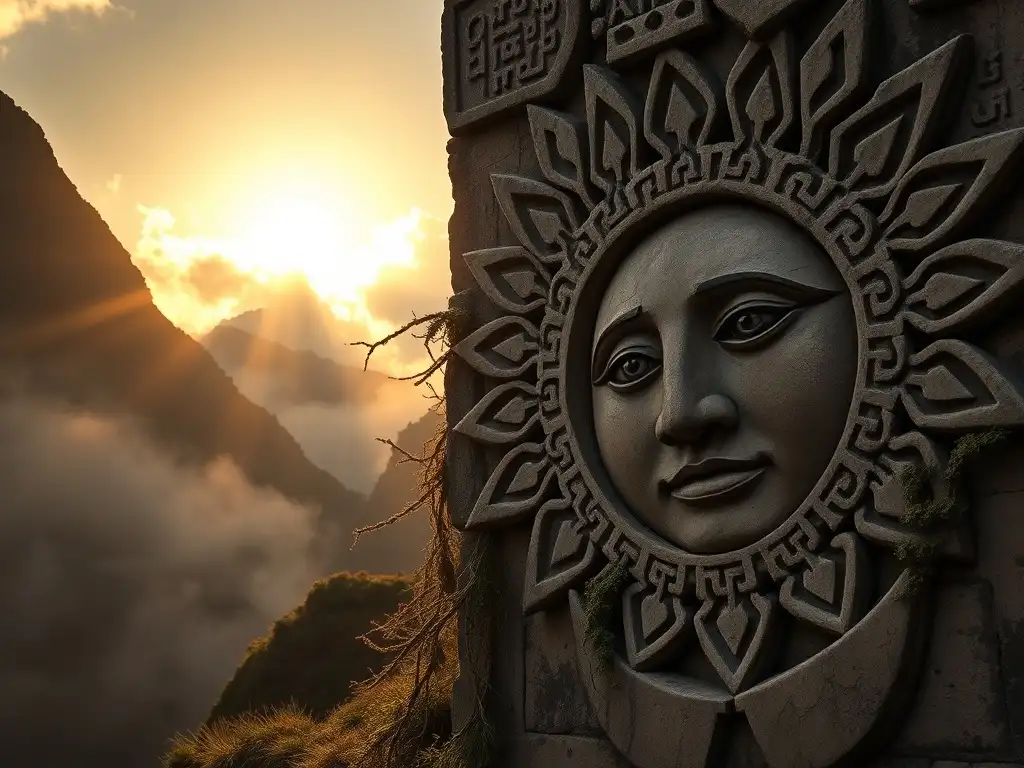
The Andean region boasts a breathtaking tapestry of cultural heritage, woven from millennia of human ingenuity and adaptation. From the intricate textiles of the Nazca to the sophisticated astronomical observations of the Inca, the legacy of Andean civilizations is a treasure trove of knowledge, artistic expression, and technological advancements. However, this invaluable heritage faces numerous threats, demanding urgent and innovative preservation strategies.
The sheer scale and diversity of this legacy, encompassing everything from monumental architecture to delicate artifacts and oral traditions, presents unique challenges. This necessitates a multifaceted approach, and digital preservation emerges as a crucial tool in safeguarding this irreplaceable inheritance for future generations. Understanding the urgency of this task is paramount to ensuring the survival of these cultural riches.
The loss of this knowledge would not only represent an immeasurable cultural loss but also a significant gap in our understanding of human history and achievement. The diverse expressions of Andean culture, including their complex social structures, sophisticated agricultural practices, and advanced understanding of astronomy, all contribute to a rich historical narrative deserving of comprehensive protection.
Why Digital Preservation is Crucial for Andean Civilizations
Digital preservation offers unparalleled opportunities to safeguard Andean heritage. Traditional methods, while valuable, often struggle to cope with the scale and fragility of the existing material. Consider the vulnerability of ancient textiles to environmental factors like humidity and light. Digitalization allows for the creation of high-resolution images and 3D models, providing accessible and enduring records of these delicate artifacts.
Furthermore, digital platforms can facilitate the dissemination of knowledge, making it accessible to a global audience. This democratization of access counters the risk of knowledge being confined to a limited number of specialists or institutions. The ability to create virtual museums and online archives allows for the sharing of stories and interpretations, fostering a deeper understanding and appreciation of Andean cultures. For example, digital archives can house recordings of Quechua language dialects, preserving these vital linguistic resources that are at risk of extinction.
The use of 3D modeling techniques allows for the reconstruction of sites that have suffered damage or are inaccessible, providing invaluable insights into their original form and function. This approach is not merely a substitute for physical preservation but acts as a powerful complement, extending its reach and impact. The preservation of Andean knowledge through digital means is not just a matter of archiving; it is an act of cultural revitalization, empowering communities and fostering cross-cultural dialogue.
Threats to Traditional Andean Knowledge and Artifacts
The Andean heritage faces a multitude of threats, both natural and human-induced. Environmental factors, such as earthquakes, landslides, and erosion, pose a constant danger to archaeological sites and artifacts. Climate change exacerbates these risks, leading to increased instability and damage. Furthermore, looting and illegal trafficking of artifacts represent a significant threat, depleting cultural resources and disrupting historical contexts. The impact of uncontrolled tourism can also be detrimental, leading to the degradation of sites and artifacts through physical damage and environmental pollution.
The loss of traditional knowledge through the erosion of indigenous languages and practices further compounds these challenges. For instance, the decline in the number of fluent speakers of Quechua and Aymara languages threatens the preservation of invaluable oral histories, traditional medical knowledge, and agricultural practices. This loss represents a fundamental erosion of cultural identity and knowledge. Finally, the lack of adequate funding and resources for preservation efforts hinders effective action.
A comprehensive strategy is needed to address these diverse threats and ensure the long-term survival of Andean heritage. This requires a collaborative effort involving governments, researchers, local communities, and international organizations. The combined strength of these stakeholders, united in their commitment to preservation, is essential to protect this invaluable legacy. The integration of digital preservation strategies within this broader framework is crucial to mitigate these risks and safeguard Andean heritage for future generations.
Digital Technologies for Andean Cultural Heritage

This section explores the crucial role of digital technologies in preserving the invaluable legacy of Andean civilizations. The fragility of many artifacts and the challenges of physical preservation necessitate innovative approaches. Digital technologies offer a powerful solution, enabling long-term access and study while minimizing risks associated with handling original materials.
This includes not only creating digital records of existing objects and sites but also developing new methods for research and public engagement. The effective application of these technologies requires careful planning, collaboration between specialists, and sustainable funding. The preservation of Andean cultural heritage through digitization is a continuous process of adaptation and innovation.
Success hinges on the ongoing commitment to technological advancements and best practices in digital archiving. The ultimate goal is to ensure that future generations can continue to learn from and appreciate the achievements of these remarkable civilizations. The keyword, "Andean civilizations digital preservation," is central to this endeavor.
Digitization Methods for Andean Archaeological Sites
Digitization of Andean archaeological sites presents unique challenges due to the often remote and environmentally sensitive locations. High-resolution photogrammetry, using multiple photographs taken from different angles, is a common technique to create detailed 3D models of sites. This method is particularly useful for documenting complex structures like terraces and intricate stonework, often found in Inca sites, allowing for detailed analysis without physical disturbance.
LiDAR (Light Detection and Ranging) is another valuable tool, capable of penetrating dense vegetation to reveal underlying features, providing crucial data for understanding site layouts and construction techniques. For instance, LiDAR surveys have revealed previously unknown features at Machu Picchu, significantly enhancing our understanding of this iconic site. Ground Penetrating Radar (GPR) is used to investigate subsurface structures without excavation, minimizing site impact.
Data acquired through these methods is then processed and integrated into Geographic Information Systems (GIS), creating comprehensive digital records of the sites. This allows researchers to study site development over time and understand spatial relationships between different features. Careful consideration must be given to the ethical implications, ensuring that digitization efforts respect the cultural significance of these locations and involve local communities in the process.
Digital Archiving of Andean Textiles and Artifacts
The vibrant textiles and intricate artifacts of Andean civilizations are particularly vulnerable to deterioration. High-resolution photography, often coupled with multispectral imaging, captures fine details and reveals hidden features not visible to the naked eye. Multispectral imaging can, for example, detect variations in dye composition or reveal underlying repairs in textiles, providing valuable insights into the craftsmanship and history of these objects.
X-ray fluorescence (XRF) analysis, a non-destructive technique, can identify the chemical composition of pigments and materials, enhancing our understanding of artistic techniques and resource management. Digital archiving of these materials goes beyond simple image capture; it involves creating detailed metadata records that include information about provenance, materials, manufacturing techniques, and cultural significance. This metadata is crucial for researchers and curators, facilitating the retrieval and analysis of the digital records.
The development of standardized metadata schemas specifically tailored for Andean artifacts is essential for ensuring interoperability and long-term accessibility. This meticulous approach helps to preserve the rich cultural heritage embedded in these fragile objects for future generations.
Creating 3D Models of Andean Monuments
Creating accurate 3D models of Andean monuments, such as the monumental structures of Tiahuanaco or the intricate stonework of Sacsayhuamán, offers several advantages. These digital models allow for detailed study of architectural features, construction techniques, and the overall design of the monuments without the need for direct physical contact. Photogrammetry and LiDAR are again crucial tools, providing high-resolution data for model creation.
The resulting 3D models can be used for virtual reconstructions, allowing researchers to explore different hypotheses regarding the original appearance and function of the monuments. Furthermore, 3D models facilitate virtual tours and educational resources, making Andean cultural heritage accessible to a wider audience. The interactive nature of these models can significantly enhance public understanding and appreciation of these remarkable achievements.
The creation of accurate and detailed 3D models requires careful planning, including the use of appropriate software and techniques for data processing and visualization. The models should be meticulously documented and made available through open-access repositories to maximize their accessibility and potential for research and education. This process guarantees the long-term preservation and accessibility of these important Andean cultural heritage sites.
The Role of Virtual Reality in Andean Heritage Education
Virtual Reality (VR) offers an unprecedented opportunity to revolutionize how we understand and engage with Andean civilizations. Instead of relying solely on static museum exhibits or two-dimensional textbooks, VR can transport students and enthusiasts directly to the heart of ancient Andean sites. Imagine exploring the intricate details of Machu Picchu, walking through the plazas of Tiahuanaco, or even witnessing a recreated Moche ceremony, all from the comfort of a classroom or home. This immersive experience fosters a deeper understanding and appreciation for the complexity and beauty of Andean culture than traditional methods can achieve.
The interactive nature of VR is particularly powerful in educational settings. Students can manipulate 3D models of artifacts, zoom in on intricate carvings, and explore hidden architectural features, gaining a level of insight previously impossible. This hands-on approach, even in a virtual environment, significantly improves knowledge retention and engagement.
Furthermore, VR can cater to diverse learning styles, offering visual, auditory, and kinesthetic experiences that resonate with a wider range of students. For example, a VR experience could incorporate soundscapes of ancient Andean music or simulate the feel of weaving with traditional techniques, enriching the learning experience beyond simple visual observation.
The development of VR applications specifically tailored to Andean heritage education is still in its early stages, but the potential is immense. Currently, some institutions are experimenting with creating VR tours of significant archaeological sites, offering detailed reconstructions of buildings and landscapes, and providing contextual information through interactive elements. However, future developments could include more sophisticated simulations of daily life in ancient Andean societies, allowing users to interact with virtual characters and participate in simulated activities, further enhancing the learning process and fostering empathy with the people who lived centuries ago.
The challenge lies in creating accurate and respectful representations of Andean culture, ensuring that these technologies are used responsibly and ethically to avoid misrepresentation or trivialization of the rich cultural heritage. Careful collaboration between archaeologists, historians, educators, and VR developers is crucial to ensure the successful integration of this technology into Andean heritage education.
The Challenges of Andean Cultural Preservation

The digital preservation of Andean knowledge faces significant hurdles, demanding innovative and culturally sensitive approaches. The sheer volume and diversity of cultural heritage – from intricate textiles and monumental architecture to oral traditions and agricultural practices – presents a monumental task. Many artifacts are fragile and deteriorating, requiring careful handling and advanced conservation techniques. Furthermore, the geographical dispersion of Andean cultural sites, often located in remote and challenging terrains, adds logistical complexities to any preservation effort.
The lack of consistent infrastructure in many areas further exacerbates these issues, hindering the effective implementation of digital preservation strategies. The task isn't simply about scanning objects; it's about preserving the context – the stories, beliefs, and practices associated with these artifacts – which often reside within living communities. Understanding and respecting this context is paramount to successful digital preservation of Andean civilizations.
Overcoming Technical Barriers in Remote Andean Communities
Digital preservation in remote Andean communities requires addressing significant technological limitations. Reliable internet access is often patchy or nonexistent, making data collection, processing, and storage challenging. Power outages are frequent, jeopardizing the use of sensitive equipment. Furthermore, a lack of trained personnel proficient in digital archiving and preservation techniques creates a significant bottleneck.
Addressing these obstacles necessitates a multi-pronged approach. This includes investing in robust, offline-capable data capture systems and establishing local digital hubs equipped with reliable power backup solutions. Crucially, comprehensive training programs for local communities are essential, empowering them to participate actively in the preservation of their own heritage.
This participatory approach not only fosters community ownership but also ensures the long-term sustainability of the project. For instance, training programs could focus on using open-source software and employing low-cost, energy-efficient technologies. The focus should be on building capacity within the communities themselves, ensuring that the knowledge and skills remain within the Andean region for generations to come.
Ethical Considerations in Andean Digital Preservation
Ethical considerations are paramount in the digital preservation of Andean heritage. Respect for Indigenous knowledge systems and intellectual property rights is crucial. The process must avoid exploitation and ensure that communities retain control over their own cultural heritage. This necessitates a collaborative approach, engaging with local communities throughout every stage of the project – from planning and data collection to dissemination and interpretation.
Free, prior, and informed consent (FPIC) must be obtained before any data collection or dissemination takes place. Furthermore, equitable benefit-sharing mechanisms should be established, ensuring that communities directly benefit from the preservation efforts. The digitalization process should also prioritize the use of local languages and narratives, avoiding the imposition of external frameworks or interpretations.
This means not only translating materials but also ensuring that the digital representations accurately reflect the Indigenous perspectives and understandings. Ignoring these ethical considerations risks perpetuating historical injustices and undermining the very cultural heritage it seeks to preserve. Careful consideration of these factors is crucial for the responsible and ethical digital preservation of Andean civilizations.
Funding and Sustainability of Andean Heritage Projects
Securing sustainable funding for Andean heritage projects is a critical challenge. Many projects rely on short-term grants, making long-term planning and capacity building difficult. Diversifying funding sources is essential, exploring avenues such as public-private partnerships, international collaborations, and community fundraising initiatives.
Furthermore, developing sustainable business models that generate revenue from digital preservation efforts, such as creating accessible digital archives or developing educational resources, can contribute to long-term financial stability. Transparency and accountability in the management of funds are also vital to build trust and ensure the effective use of resources. Regular audits and clear reporting mechanisms can help maintain public confidence and attract further investment.
Moreover, fostering collaborations between various stakeholders, including governmental institutions, academic researchers, and private sector companies, can unlock greater financial resources and ensure a more holistic and sustainable approach to Andean civilizations digital preservation. The long-term sustainability of these projects depends on a multifaceted strategy that ensures not only financial security but also the ongoing engagement and support of the communities whose heritage is being preserved.
Case Studies in Andean Digital Preservation

This section delves into specific examples of successful digital preservation projects focusing on Andean civilizations, highlighting their methodologies, challenges overcome, and lasting impact. The goal is to showcase the practical applications of digital preservation techniques within the context of safeguarding invaluable Andean heritage. Understanding these case studies provides valuable insights for future initiatives and underscores the importance of collaborative, culturally sensitive approaches to digital archiving. Successful digital preservation of Andean cultural heritage requires a nuanced understanding of the unique challenges presented by the diversity of cultures and languages within the Andean region.
The Proyecto Arqueológico Huaca de la Luna, Peru
The Proyecto Arqueológico Huaca de la Luna, located near Trujillo, Peru, offers a compelling example of digital preservation applied to archaeological research and site management. This project, focused on the Moche civilization, utilizes 3D modeling and photogrammetry to meticulously document the site's architecture, artifacts, and murals. This digital record allows researchers to study the site remotely, minimize physical contact with fragile artifacts, and create detailed virtual tours accessible to a global audience.
The project's success lies in its multi-faceted approach. High-resolution photography captures intricate details of the murals, while 3D scanning provides precise measurements and allows for the creation of interactive models. This digital archive not only protects the physical site from deterioration but also facilitates collaborative research, allowing scholars worldwide to contribute to the understanding of Moche culture. Furthermore, the digital models can be used for educational purposes, making the rich history of the Moche civilization accessible to a broader public.
The project's team has actively engaged with local communities, ensuring that the digital preservation efforts respect and reflect the cultural significance of the site. This participatory approach is crucial for ensuring the long-term sustainability of the project and its impact on the community. The detailed documentation also assists in future conservation efforts, allowing for informed decision-making based on precise digital records.
The Digital Archive of the Quechua Language, Bolivia
Preserving indigenous languages is paramount to preserving cultural identity. The digital archive of the Quechua language in Bolivia exemplifies the crucial role of digital technology in language revitalization and preservation. This initiative goes beyond simply recording audio and video; it actively engages with Quechua speakers to create a comprehensive digital repository of oral traditions, songs, stories, and everyday language use. This includes the creation of digital dictionaries and language learning materials.
The project faces unique challenges, including the diversity of Quechua dialects spoken across Bolivia. The archive addresses this by meticulously documenting the variations within the language, creating a detailed and nuanced representation of the linguistic landscape. Moreover, the project actively involves Quechua communities in all stages of the process, from data collection to content curation. This participatory approach ensures the accuracy and authenticity of the archive, while simultaneously empowering Quechua speakers to take ownership of their linguistic heritage.
The digital platform is designed to be user-friendly and accessible, allowing Quechua speakers of all ages and technological proficiency to interact with and contribute to the archive. The long-term sustainability of this digital archive relies on community engagement and ongoing technical support. The success of this initiative demonstrates the potential of digital technology to empower communities and protect endangered languages.
Lessons Learned from Successful Andean Digital Preservation Initiatives
Several key lessons emerge from examining successful Andean digital preservation initiatives. Firstly, community engagement is paramount. Projects must be developed in collaboration with local communities, respecting their cultural values and ensuring that the digital archive serves their needs. Secondly, long-term sustainability requires careful planning and funding. This includes establishing robust data management systems, securing ongoing technical support, and ensuring community ownership of the digital assets. Thirdly, accessibility is crucial. Digital archives should be designed to be user-friendly and accessible to a broad audience, including scholars, educators, and the communities whose heritage is being preserved.
Furthermore, the adoption of open-source technologies and open data principles can enhance collaboration and ensure the long-term preservation of the data. The use of standardized metadata schemas ensures interoperability and facilitates the integration of data from different sources. Finally, the development of digital literacy programs within the communities is essential to ensure the long-term use and maintenance of the digital archives.
By adhering to these principles, future digital preservation projects can effectively safeguard Andean cultural heritage for generations to come, contributing significantly to the understanding and appreciation of Andean civilizations. The successful implementation of these lessons learned will be key in ensuring the continued legacy of Andean digital preservation efforts and the long-term preservation of this invaluable cultural heritage for future generations.
The Future of Andean Knowledge Preservation
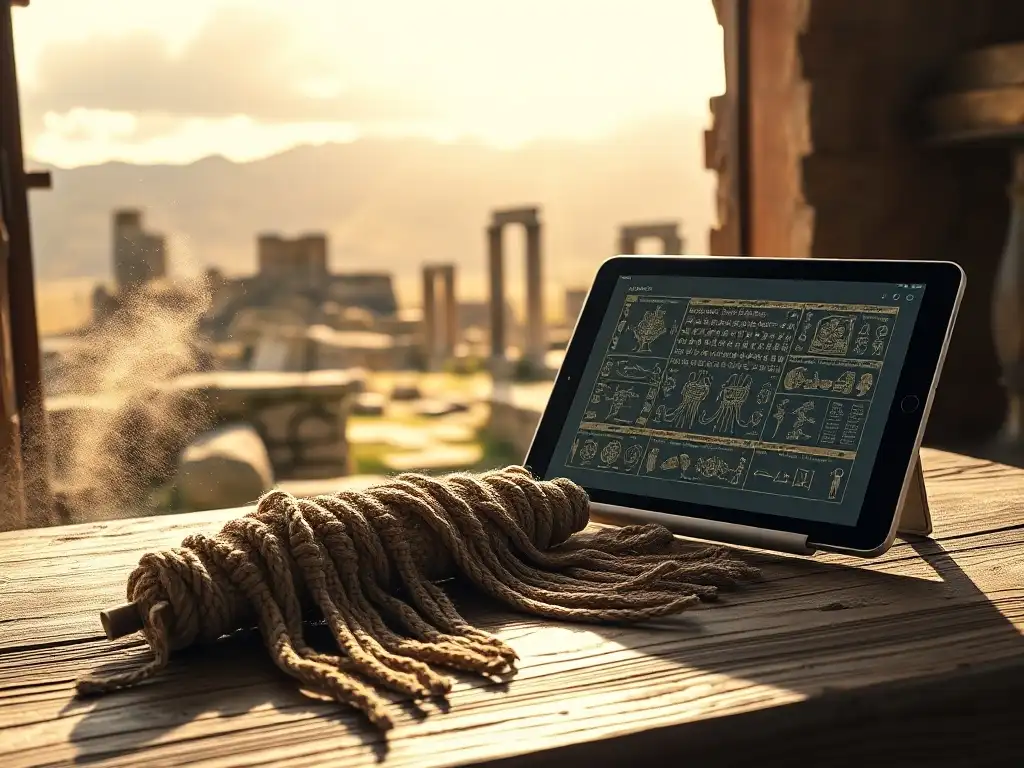
The preservation of Andean cultural heritage is a continuous and evolving process. While traditional methods remain crucial, the integration of cutting-edge technologies is paramount for ensuring the long-term survival and accessibility of this invaluable knowledge for future generations. The challenge lies not only in digitizing existing artifacts and texts but also in creating dynamic, interactive, and engaging platforms that foster a deeper understanding and appreciation of Andean civilizations.
This requires a multi-faceted approach, encompassing technological innovation, community engagement, and robust data management strategies. The future of Andean knowledge preservation hinges on our ability to effectively blend these elements, creating a robust and resilient system that safeguards this irreplaceable legacy. This section will explore key aspects of this future, focusing on the role of Artificial Intelligence, community participation, and the crucial issue of long-term digital archive management.
The Potential of AI in Andean Heritage Conservation
Artificial intelligence (AI) offers transformative potential for Andean heritage conservation. AI-powered tools can revolutionize various aspects of preservation, from artifact restoration and analysis to the translation and interpretation of ancient texts. For instance, AI algorithms can be trained to identify and classify artifacts, detect signs of deterioration, and even predict future damage, enabling proactive conservation efforts.
Furthermore, AI-powered image recognition systems can assist in cataloging and organizing vast digital archives, making it easier to search and retrieve specific items. The application of Natural Language Processing (NLP) techniques to ancient Quechua and Aymara texts can unlock new layers of understanding, facilitating translations and interpretations that were previously impossible. Consider the potential for AI to analyze intricate textile patterns, revealing hidden symbolic meanings and providing insights into the social and religious practices of Andean cultures.
This technology offers the capability to not just preserve, but also to unlock deeper understanding of the past. The successful implementation of AI, however, requires careful consideration of ethical implications and the potential for bias in algorithms. Rigorous testing and validation are essential to ensure the accuracy and reliability of AI-driven tools in this sensitive context.
Community Involvement in Digital Preservation Efforts
The success of any digital preservation initiative depends heavily on the active involvement of the Andean communities themselves. Their knowledge, perspectives, and traditional practices are indispensable in ensuring the respectful and accurate representation of their cultural heritage. By involving local communities in the digitization process, we not only gain valuable insights and expertise but also foster a sense of ownership and responsibility for the preservation of their shared history.
This collaboration can take various forms, including community-based digitization projects, participatory workshops on digital archiving techniques, and the development of culturally sensitive digital platforms. For example, involving indigenous communities in the design and development of digital museums can ensure that their stories are told authentically and respectfully, avoiding misinterpretations or cultural appropriation.
Moreover, community participation can help identify and address potential biases in the selection and presentation of digital materials, ensuring a more inclusive and equitable approach to digital preservation. The direct involvement of Andean communities is not merely beneficial; it is essential for the ethical and meaningful preservation of their heritage.
Ensuring Accessibility and Long-Term Storage of Andean Digital Archives
The long-term preservation of Andean digital archives requires a robust and sustainable infrastructure. This includes the selection of appropriate storage technologies, the implementation of data management strategies, and the development of preservation policies that ensure the accessibility and integrity of the digital materials for future generations. The selection of storage technologies must take into account factors such as data security, scalability, and the longevity of the storage media.
Regular data backups and migration to newer technologies are crucial to prevent data loss due to technological obsolescence or physical damage. Furthermore, the development of metadata standards and the implementation of robust access control mechanisms are essential for ensuring the accessibility and security of the digital archives. This requires careful planning and coordination among various stakeholders, including researchers, archivists, and community members.
The creation of a comprehensive preservation policy, clearly outlining the responsibilities and procedures for managing the digital archive, is a cornerstone of long-term success. Without a commitment to accessibility and long-term storage, the value of the digitization efforts will be significantly diminished, rendering the project unsustainable and ultimately failing to achieve its core objective. Therefore, planning for the long-term is crucial for the success of any Andean civilizations digital preservation project.
Supporting Andean Digital Preservation Initiatives
The digital preservation of Andean civilizations' rich heritage is a multifaceted endeavor requiring collaborative efforts from various stakeholders. Successful initiatives hinge on a robust framework encompassing technological advancements, community engagement, and sustainable funding models. Without these key components, valuable data risks being lost to time and technological obsolescence. This section will explore some crucial aspects of supporting these vital projects.
How to Contribute to Andean Cultural Heritage Projects
Contributing to the digital preservation of Andean cultural heritage doesn't require specialized expertise. Many avenues exist for individuals to participate actively, regardless of their background. Even small contributions can significantly impact the long-term preservation of invaluable knowledge.
Several organizations actively work to digitally preserve Andean artifacts, texts, and oral histories. These organizations often welcome volunteers to assist with tasks such as:
- Data entry: Transcribing ancient texts, cataloging artifacts, or inputting information into databases. This requires meticulous attention to detail and accuracy, but no prior experience is necessary. Many organizations provide comprehensive training.
- Image processing: Cleaning and enhancing digital images of artifacts and documents, improving their quality for research and public access. Basic photo editing skills are helpful but not mandatory.
- Translation: Translating ancient languages into modern ones, making this vital knowledge accessible to a broader audience. Linguistic skills are obviously beneficial here.
- Social media engagement: Promoting the work of digital preservation projects through social media platforms, raising awareness and encouraging wider participation.
- Fundraising: Supporting these initiatives through donations, crowdfunding campaigns, or grant writing. Even small donations can make a substantial difference.
The impact of these contributions is substantial. Consider the example of the painstaking work involved in digitizing fragile ancient textiles. Each digitized thread preserves a piece of history, making it accessible for future generations of researchers and the public alike. By contributing your time or resources, you become a vital part of safeguarding the legacy of Andean civilizations for years to come. The preservation of these digital assets ensures the continued study and appreciation of Andean civilizations digital preservation efforts.
Resources for Further Research on Andean Digital Preservation
Further exploration into the field of Andean civilizations' digital preservation requires access to reliable and comprehensive resources. This section provides a starting point for researchers, students, and enthusiasts seeking to delve deeper into this crucial area.
The following resources offer valuable insights into current practices, challenges, and future directions in this field:
- Academic Journals: Specialized journals in archaeology, anthropology, and digital humanities often publish articles on digital preservation techniques applied to Andean artifacts and knowledge. Searching databases such as JSTOR, Project MUSE, and others using keywords like "Andean digital archives," "virtual museums," and "3D modeling of Andean artifacts" will yield relevant results.
- University Research Projects: Many universities conduct research projects focused on the digital preservation of cultural heritage. Searching university websites and databases for ongoing projects related to Andean civilizations can reveal valuable information and potentially collaborative opportunities.
- International Organizations: UNESCO and other international organizations dedicated to cultural heritage preservation publish reports and guidelines on best practices in digital preservation. These documents provide valuable insights into the challenges and solutions in this field.
- Digital Repositories: A growing number of online repositories are dedicated to hosting digital collections related to Andean civilizations. These repositories often provide detailed metadata and access to high-resolution images and other digital assets. These repositories often employ state-of-the-art techniques to ensure the long-term preservation of these digital assets. This contributes significantly to the overall goal of Andean civilizations digital preservation.
Remember that the field of digital preservation is constantly evolving. Staying updated on the latest technologies and methodologies is essential for anyone involved in this critical area of cultural heritage management. By utilizing these resources and engaging in ongoing learning, individuals can contribute meaningfully to the preservation of Andean cultural heritage for future generations. The ongoing commitment to Andean civilizations digital preservation is crucial for ensuring the legacy of these remarkable civilizations continues to thrive.
Frequently Asked Questions
What is the significance of digital preservation for Andean civilizations?
Digital preservation is crucial for safeguarding the fragile remnants of Andean cultures. It allows for wider access to historical materials and facilitates research and education, preventing the loss of invaluable knowledge.
How does digital preservation help protect vulnerable artifacts?
By creating high-resolution digital copies, we can reduce the need to handle original artifacts, minimizing damage from wear and tear. Digital archives also offer a secure backup against theft or natural disasters.
What types of materials are being digitally preserved from Andean cultures?
A wide range of materials are being preserved, including textiles, ceramics, manuscripts, architectural records, and oral histories. This ensures a comprehensive understanding of Andean life and traditions.
What are the challenges in digitally preserving Andean knowledge?
Challenges include funding limitations, the need for specialized expertise, and ensuring long-term accessibility of digital files. Ethical considerations regarding access and ownership are also paramount.
How can I contribute to the digital preservation of Andean civilizations?
You can support organizations dedicated to digital archiving and contribute to crowdfunding initiatives. Raising awareness about the importance of this work is also crucial. You can also learn more about Andean cultures and share your knowledge.
Final Reflection: Weaving the Digital Threads of Andean Heritage
The digital preservation of Andean knowledge is not merely a technological endeavor; it is a vital act of cultural survival. Our ancestors' wisdom, encoded in intricate textiles, oral traditions, and agricultural practices, faces the constant threat of erosion and loss. Ignoring this reality would be a profound disservice to the rich tapestry of human history and a missed opportunity to learn from millennia of sustainable living.
The ongoing struggle to balance the preservation of traditional knowledge with the rapid advancements of technology underscores the complexities of cultural heritage management. This challenge resonates deeply with me, as I've witnessed firsthand the passion and dedication of communities striving to protect their ancestral legacies. The past is never dead. It's not even past,
wrote William Faulkner, and this rings truer than ever in the digital age, where the past can be both readily accessible and easily lost. The responsibility to ensure the continued existence of Andean knowledge in the digital realm falls upon all of us.
Consider the implications of this work. What steps can you take to support the digital preservation of Andean knowledge? Perhaps it's through supporting organizations dedicated to this cause, engaging with digital archives, or simply sharing the stories and wisdom of these remarkable civilizations with others. Let us collectively weave these digital threads, ensuring that the echoes of the ancestors resonate for generations to come, enriching our understanding of the world and inspiring a more sustainable future.
Unleash the Wisdom of the Ancients!
Thank you for exploring the profound world of Andean knowledge with us! Your commitment to preserving these rich traditions is invaluable. Now, let's actively contribute to the digital preservation of this heritage.
Here are a few ways you can make a difference:
- Join our community project: Participate in our upcoming workshops to learn how you can help digitize Andean artifacts and stories. We'll provide training and support.
- Share your discoveries: Engage with us on social media by posting your research or stories related to Andean culture using the hashtag #AndeanWisdom. Your contributions will enrich our online archive and inspire others.
- Spread the word: Tell your friends and family about the importance of preserving Andean knowledge—invite them to learn more and join our community.
What Andean ancestral practice resonates most with you, and how do you envision ensuring its survival for future generations? Let's discuss!