
Beyond the Tourist Trail: Finding Authentic Andean Markets off the Beaten Path

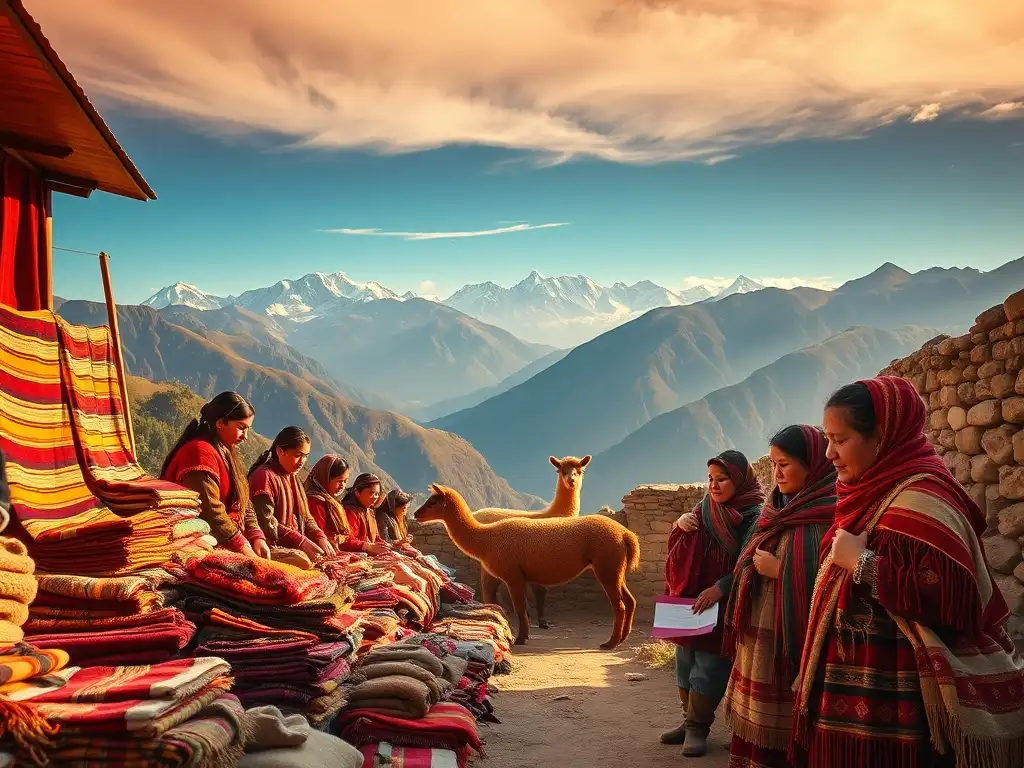
Step off the well-trodden tourist path and discover a world brimming with vibrant color, ancient secrets, and the intoxicating aroma of authentic Andean markets. This is more than just a journey through time; it's an immersion into the heart of Andean civilization. Prepare to be captivated by the unique artistry, rich traditions, and hidden treasures waiting to be unearthed in our exploration of authentic Andean markets off the beaten path. Dare to delve deeper—your adventure begins now.
- Discovering Genuine Andean Craftsmanship: A Guide to Untouched Markets
- Identifying True Andean Markets: Key Indicators
- Exploring Hidden Gems: Authentic Andean Markets Off the Beaten Path
- Essential Tips for Visiting Authentic Andean Markets
- Bringing Home the Treasures: Caring for Your Andean Handicrafts
- Where to Buy Authentic Andean Handicrafts Online (When Travel Isn't Possible)
-
Frequently Asked Questions
- What makes an Andean market "authentic" and off the beaten path?
- How can I find these hidden Andean markets?
- What kinds of unique goods can I expect to find in these markets?
- Are there any safety concerns to be aware of when visiting these markets?
- What's the best way to interact respectfully with locals at these markets?
- Final Reflection: Echoes of the Andes: Preserving Cultural Heritage Through Authentic Exchange
- Unveil the Hidden Gems of Andean Markets!
Discovering Genuine Andean Craftsmanship: A Guide to Untouched Markets
The Andes Mountains, a spine of majestic peaks running down the western coast of South America, are home to a rich tapestry of ancient cultures. For centuries, skilled artisans have crafted exquisite textiles, intricate ceramics, and stunning metalwork, each piece imbued with the spirit of their ancestors and the vibrant landscapes that surround them.
While many tourist destinations offer glimpses into this heritage, venturing beyond the well-trodden paths reveals a deeper, more authentic experience—a chance to connect directly with the artisans and discover the true heart of Andean craftsmanship. This guide explores the unique charm of authentic Andean markets off the beaten path, offering a journey beyond the typical tourist experience and into the vibrant world of indigenous artistry.
We'll uncover hidden gems where you can find unique, handcrafted treasures and support the communities that create them, fostering a more meaningful and sustainable form of cultural tourism. Prepare to be captivated by the artistry and the stories behind each piece, as we delve into the world of genuine Andean handicrafts.
Why Seek Out Off-the-Beaten-Path Andean Markets?
The allure of authentic Andean markets extends far beyond the simple acquisition of souvenirs. Visiting these less-traveled markets offers a unique opportunity to engage directly with the creators of these incredible pieces. Unlike larger, more commercialized markets often geared towards tourists, these hidden gems provide a chance to witness the artisans at work, learn about their techniques passed down through generations, and perhaps even participate in a workshop.
This immersive experience fosters a deeper appreciation for the cultural significance of the crafts and the dedication of the artisans. Furthermore, purchasing directly from the source ensures fair compensation for the creators, supporting local communities and promoting sustainable economic development. It’s a chance to contribute directly to the preservation of these invaluable traditions and the livelihoods of the people who keep them alive.
The experience itself becomes a powerful narrative, transforming a simple purchase into a meaningful connection with Andean culture. This isn't just about buying a souvenir; it's about actively participating in the preservation of a living heritage.
The Allure of Authentic Andean Handicrafts
Andean handicrafts represent centuries of artistic innovation and cultural expression. From the intricately woven textiles of the Andes, often adorned with vibrant colors and symbolic designs representing Andean cosmology, to the finely crafted ceramics depicting scenes of daily life or mythological figures, each piece tells a unique story. The artistry extends to metalwork, particularly silver and gold, often incorporating pre-Columbian motifs and techniques. These aren't simply objects; they're tangible pieces of history, reflecting the beliefs, traditions, and resilience of Andean cultures.
The materials themselves often hold deep significance, sourced sustainably from the surrounding environment. Alpaca wool, for instance, is prized for its softness and warmth, while the clay used in ceramics comes from specific locations, each lending a unique quality to the finished product. The techniques employed, passed down through generations, represent a living legacy of skill and artistry.
Understanding this rich background adds another layer of appreciation to the beauty and craftsmanship of these unique items. The experience of discovering these authentic pieces is truly unforgettable. It's an opportunity to connect with a living cultural heritage and bring home a piece of Andean history.
Identifying True Andean Markets: Key Indicators
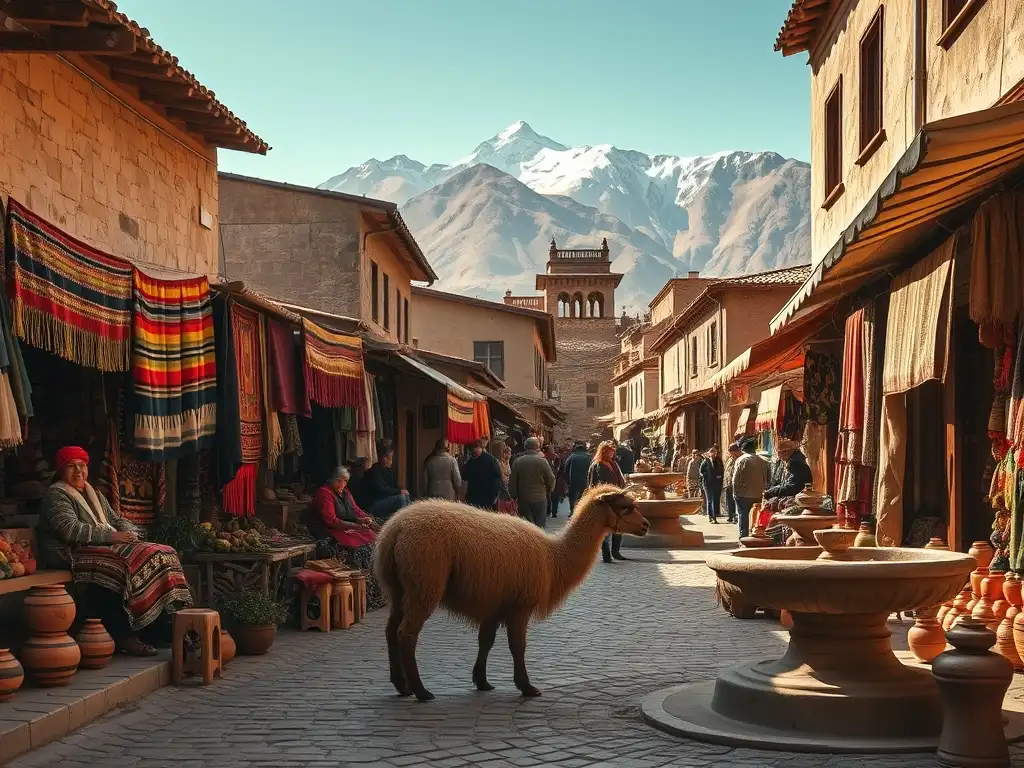
Finding truly authentic Andean markets off the beaten path requires more than just stumbling upon a marketplace. It involves discerning between carefully curated tourist traps and vibrant hubs of local life where genuine Andean craftsmanship thrives. This section provides key indicators to help you distinguish between the two, ensuring you discover the real heart of Andean culture.
Understanding the Difference: Tourist Traps vs. Authentic Markets
Tourist markets often prioritize volume and standardized products over unique artistry. They might offer mass-produced items with generic Andean designs, lacking the individual character of handcrafted goods. Conversely, authentic markets are typically smaller, less organized, and possess a palpable energy reflecting the daily lives of the community.
| Feature | Tourist Trap Market | Authentic Andean Market |
|---|---|---|
| Atmosphere | Often crowded, loud, and highly commercialized | More relaxed, possibly quieter, with a local feel |
| Products | Mass-produced souvenirs, similar items across stalls | Unique, handcrafted items, diverse offerings |
| Pricing | Fixed prices, often inflated | Negotiable prices, reflecting local economy |
| Vendors | May be less engaged with customers, focus on sales | Often friendly, willing to share stories and knowledge |
| Location | Usually near major tourist sites | Often tucked away in less-visited neighborhoods |
Consider this example: a market overflowing with identical alpaca sweaters might be a tourist trap, while a smaller market with a variety of unique textiles, each telling a different story through its weaving techniques, indicates greater authenticity. The presence of locals shopping alongside tourists is another strong indicator of an authentic market, signifying its integral role within the community.
Signs of Genuine Craftsmanship: Materials, Techniques, and Stories
Recognizing genuine Andean craftsmanship involves understanding the materials used and the techniques employed. Authentic Andean textiles, for instance, often use natural dyes derived from plants and minerals, resulting in subtle variations in color and a softer feel compared to synthetic dyes. Look for intricate weaving techniques, such as k'eperuna (a type of backstrap loom weaving) or unique embroidery styles specific to a particular region.
The stories behind the crafts are equally important. A skilled artisan will often be able to explain the history and significance of their work, the materials used, and the techniques they employ. This connection to heritage and tradition is a hallmark of authentic Andean craftsmanship.
For example, a ceramic artist might explain the specific clay type used and the traditional firing techniques passed down through generations. This narrative adds depth and value to the piece, transforming it from a simple object into a cultural artifact. Genuine artisans take pride in their work and are often eager to share their knowledge and passion.
How to Spot Fair Trade Practices in Andean Markets
Supporting fair trade practices ensures that the artisans receive a just price for their work, contributing to the economic well-being of their communities. Look for certifications or labels indicating fair trade practices. While not all markets will have formal certifications, you can still support fair trade by engaging in direct interaction with the artisans, negotiating prices respectfully, and showing genuine appreciation for their skill and dedication. Asking about the origins of the materials and the process of creation can also indicate a commitment to ethical sourcing and production. By choosing to purchase from artisans who are fairly compensated, you contribute to the sustainability of traditional Andean craftsmanship and support the preservation of cultural heritage. Remember, supporting authentic Andean markets off the beaten path is not just about acquiring unique souvenirs; it is about participating in a vibrant cultural exchange and making a positive impact on the lives of Andean communities.
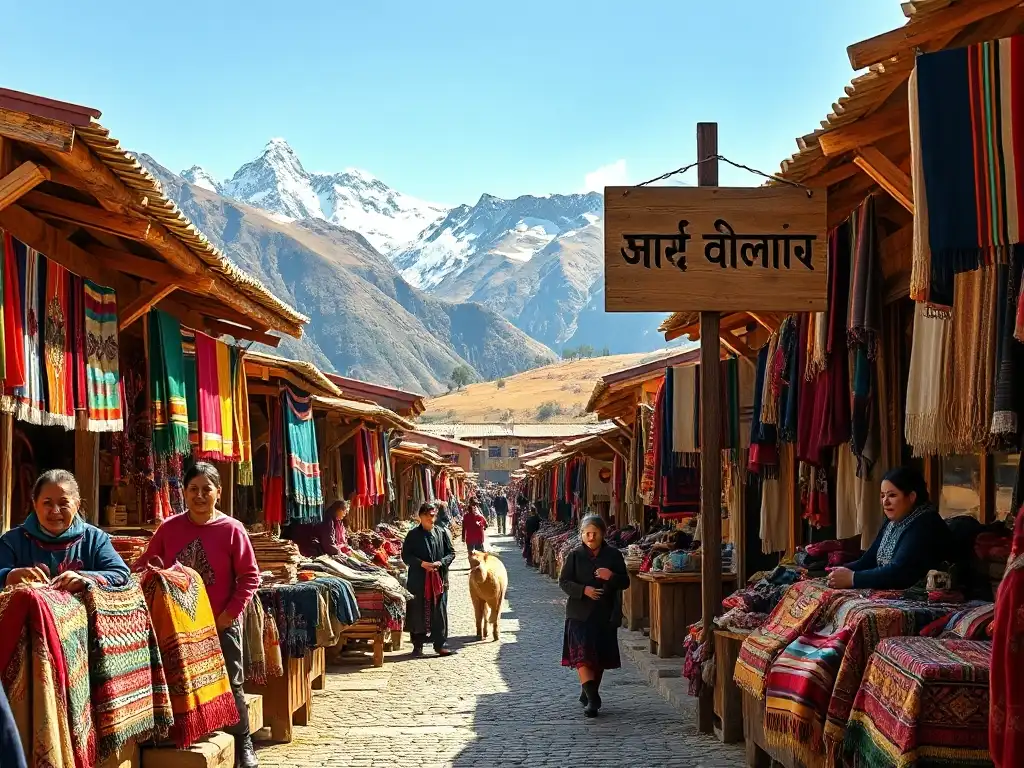
This section delves into the unique experiences awaiting travelers seeking authentic Andean markets beyond the typical tourist hubs. We'll explore two remarkable locations showcasing the vibrant textile and ceramic traditions of the Andes, offering insights into what to expect, how to get there, and what treasures to seek out. Discovering these hidden gems allows for a deeper understanding of Andean culture and craftsmanship, moving beyond the superficial and into the heart of local artistry.
The Textile Traditions of Chinchero, Peru
Chinchero, a small village nestled high in the Sacred Valley of the Incas, boasts a rich history deeply intertwined with its textile traditions. Generations of women have passed down intricate weaving techniques, resulting in breathtakingly beautiful and culturally significant textiles. The market here offers a truly immersive experience, allowing visitors to witness the artistry firsthand.
What to Expect: Complex Weavings and Natural Dyes
Expect to be captivated by the vibrant colors and complex designs of the textiles on display. The women of Chinchero utilize natural dyes derived from plants and minerals found in the surrounding landscape. These dyes produce a remarkable range of hues, from deep reds and rich browns to vibrant yellows and stunning purples. The weaving itself is incredibly intricate, often incorporating traditional Andean patterns representing cosmology, mythology, and daily life.
You'll see a wide array of textiles, from intricately woven tapestries to delicate alpaca shawls and practical everyday items. The air is filled with the rhythmic click-clack of looms, a constant reminder of the living tradition. Many women will happily demonstrate their techniques, sharing their knowledge and passion for their craft. The experience is not just about buying; it's about connection and cultural exchange.
How to Get There: Local Buses from Cusco and Guided Tours
Reaching Chinchero is relatively straightforward. Frequent local buses depart from Cusco, offering an affordable and scenic journey through the heart of the Sacred Valley. The journey takes approximately one to two hours, depending on traffic and the specific route. Alternatively, several tour operators offer guided excursions to Chinchero, incorporating visits to other significant sites in the Sacred Valley. These tours often provide valuable context and insight into the history and significance of the textiles. Choose the option that best suits your travel style and budget.
Recommended Purchases: Handwoven Table Runners and Alpaca Shawls
While the temptation to buy everything is strong, prioritize items that are both beautiful and practical. Handwoven table runners are a fantastic choice, showcasing the intricate designs and vibrant colors of Chinchero's textiles. Alpaca shawls, known for their softness and warmth, are another excellent option, offering both style and comfort.
Remember to negotiate respectfully, acknowledging the time and skill involved in creating these handcrafted pieces. Buying directly from the artisans ensures that your purchase supports the local community and contributes to the preservation of this valuable cultural heritage. Look for unique pieces with distinctive designs, reflecting the individual style of the weaver.
The Ceramic Creations of Raquira, Colombia
Nestled in the Boyacá region of Colombia, Raquira is renowned for its vibrant pottery market. This picturesque town is a center for traditional ceramic production, offering a wide array of pottery styles, colors, and designs, reflecting the rich history and cultural heritage of the area. The market here is a feast for the eyes, overflowing with a kaleidoscope of colorful ceramics.
What to Expect: Unique Pottery Styles and Clay Sculptures
Raquira’s pottery is instantly recognizable for its unique styles and techniques. The artisans skillfully utilize local clays, often incorporating natural pigments to create a striking array of colors. You'll find everything from functional pieces like decorative bowls and jugs to intricate clay sculptures depicting animals, figures, and scenes from daily life.
Many pieces are adorned with intricate details and vibrant patterns, reflecting the rich artistic heritage of the region. The market atmosphere is lively and engaging, with artisans often showcasing their skills and sharing their knowledge with visitors. It's a fantastic opportunity to witness the creative process and appreciate the artistry involved in ceramic production.
How to Get There: Buses from Villa de Leyva and Local Transportation
Raquira is easily accessible by bus from the nearby town of Villa de Leyva, a popular tourist destination. Regular bus services connect the two towns, offering a convenient and affordable travel option. Once in Raquira, navigating the market is straightforward, as the pottery shops and stalls are concentrated in the town center. Local transportation within Raquira is minimal, but walking is the best way to explore the market and soak in the atmosphere.
Recommended Purchases: Decorative Bowls and Miniature Animal Figures
Raquira offers a wide range of ceramic items, but decorative bowls and miniature animal figures are particularly noteworthy. The bowls often feature intricate designs and vibrant colors, adding a touch of Andean flair to any home. The miniature animal figures are charming and unique, capturing the essence of the local fauna. When making your purchases, remember to support local artisans by buying directly from them and negotiating respectfully. Look for pieces with unique characteristics, reflecting the individual style of the artisan. These souvenirs will serve as lasting reminders of your authentic Andean market experience.
The Carved Masks of Paucartambo, Peru
Paucartambo, a small town nestled high in the Andes mountains of Peru, is renowned for its vibrant culture and its incredibly detailed, intricately carved masks. These aren't your typical tourist souvenirs; these are powerful artifacts deeply connected to the town's rich history and traditions. The masks, often depicting fantastical creatures, fierce devils, and ceremonial dancers, are crafted by skilled artisans who have passed down their techniques through generations.
The process is laborious, involving careful selection of wood, meticulous carving, and vibrant painting using natural pigments. The finished masks are not merely decorative; they are imbued with spiritual significance, playing a vital role in the town's annual Fiesta de la Virgen del Carmen, a spectacular festival that draws thousands of visitors. The energy and artistry surrounding these masks are truly captivating, offering a glimpse into the heart of Andean spiritual practices.
The skill involved in crafting these masks, combined with their deep cultural significance, makes them a truly unique and authentic souvenir. Finding these masks requires venturing beyond the typical tourist routes, adding to their allure and value.
What to Expect: Elaborate Masks for Festivals and Rituals
Expect to be amazed by the sheer artistry and detail in these masks. They are far more than simple carvings; they are works of art, often depicting complex mythological figures and symbolic imagery. The masks used in the Fiesta de la Virgen del Carmen, for example, often portray "diablos" (devils) with exaggerated features and vibrant colors, reflecting the syncretism of Andean and Spanish cultures.
Other masks represent traditional dancers, each with unique costumes and expressions, showcasing the diversity of Paucartambo's rich cultural heritage. The materials used are primarily wood, carefully selected and treated to ensure longevity. The painting process often involves multiple layers of natural pigments, creating a depth and richness of color that is stunning.
The overall effect is one of power, mystery, and profound cultural significance. Don't expect uniformity; each mask is unique, reflecting the individual artistry of its creator and the specific ritual or festival for which it's intended. These masks are not just objects; they are tangible expressions of Andean beliefs and traditions.
How to Get There: Private Transportation from Cusco and Local Guides
Reaching Paucartambo requires a bit of planning and a willingness to embrace the adventure. While public transportation options exist, hiring private transportation from Cusco is highly recommended for a more comfortable and efficient journey. The trip involves traversing winding mountain roads, and a private car allows for greater flexibility and control over your schedule.
Hiring a local guide is also strongly advised. A knowledgeable guide can not only navigate the terrain but also provide invaluable insights into the cultural significance of the masks and the town itself. They can introduce you to the artisans, help you understand the intricate symbolism of the masks, and ensure you have a truly authentic and enriching experience.
Engaging with local guides supports the community and fosters a deeper appreciation for the cultural heritage of Paucartambo. Remember to plan your journey in advance, especially if travelling during the Fiesta de la Virgen del Carmen, as accommodation can be limited.
Recommended Purchases: Traditional Devil Masks and Dancer Masks
When purchasing masks in Paucartambo, prioritize those made by local artisans. Look for masks that showcase traditional techniques and designs, avoiding mass-produced imitations. Traditional devil masks ("diablos") are a popular and iconic choice, representing the vibrant and sometimes chaotic energy of the Fiesta de la Virgen del Carmen. These masks are often large and strikingly detailed, with exaggerated features and vibrant colors.
Alternatively, dancer masks offer a different perspective, showcasing the grace and elegance of traditional Andean dance. These masks are often more subtly decorated, focusing on expressive features and carefully rendered costumes. Remember to negotiate respectfully when purchasing, acknowledging the time and skill involved in creating these unique pieces of art.
Buying directly from the artisans ensures that your purchase supports the local community and helps preserve this important cultural tradition. Consider the size and weight of the mask before purchasing, as transporting them can be challenging. A well-chosen mask will serve as a beautiful and meaningful reminder of your journey to the heart of Andean culture.
Essential Tips for Visiting Authentic Andean Markets
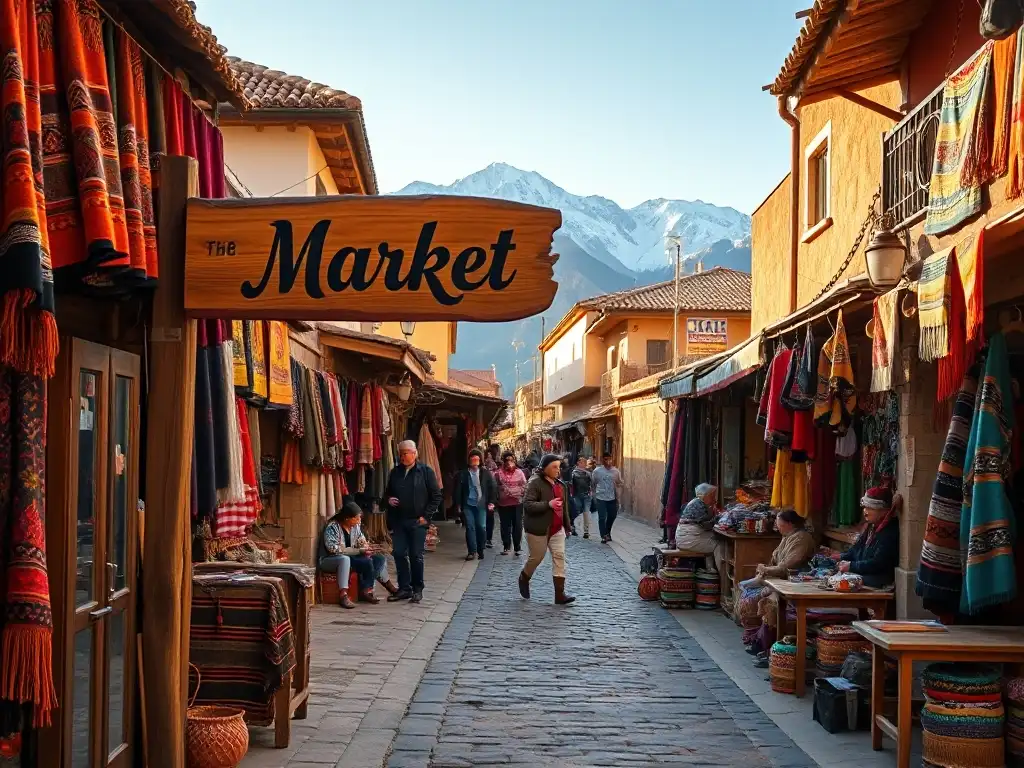
This section provides crucial advice for maximizing your experience while exploring authentic Andean markets off the beaten path. Remember, venturing beyond the typical tourist areas offers unique opportunities to discover genuine Andean craftsmanship and culture, but requires preparation and sensitivity.
Preparing for Your Trip: Packing, Language, and Currency
Before embarking on your journey to discover authentic Andean markets, thorough preparation is key. Packing appropriately will ensure comfort and practicality throughout your experience. Consider the altitude and climate; layers are essential, as temperatures can fluctuate significantly. Sturdy, comfortable walking shoes are a must, as you'll likely be doing a lot of walking on uneven terrain. A lightweight backpack is perfect for carrying your purchases. Don't forget essentials like sunscreen, a hat, and insect repellent.
Learning a few basic phrases in the local language (Quechua, Aymara, or Spanish, depending on the region) will significantly enhance your interactions with artisans and vendors. Even simple greetings like "Buenos días" (Good morning) or "Gracias" (Thank you) go a long way in showing respect and building rapport. A phrasebook or translation app can be incredibly helpful.
Finally, understanding the local currency is crucial. While larger cities might accept credit cards, smaller, more authentic markets typically operate on a cash-only basis. Exchange currency beforehand at reputable exchange bureaus to avoid unfavorable rates. It's also wise to carry smaller denominations for easier transactions and to avoid potential issues with change. Always count your money carefully before and after each transaction. Remember to check the current exchange rate before your trip to budget accordingly.
Negotiating Prices Respectfully and Ethically
Negotiation is a common practice in many Andean markets. However, it's essential to approach this process with respect and ethical considerations. The goal isn't to haggle down to the lowest possible price but to find a fair price that respects the artisan's time, skill, and materials.
Start by politely inquiring about the price. Observe the overall pricing of similar items before making an offer. A respectful and friendly approach, combined with a genuine appreciation for the craftsmanship, will often lead to more favorable outcomes than aggressive haggling. Remember, you are engaging in a cultural exchange, and building a positive relationship with the artisan is more important than a few soles saved.
Avoid insulting offers. Instead, propose a price that reflects the value you perceive, while still being fair. If the vendor declines, be prepared to counter with a slightly higher offer, but always remain polite and respectful. A simple smile and a "muchas gracias" can go a long way in building a positive interaction, even if you don't reach an agreement.
Consider the effort and artistry involved. Hand-woven textiles, intricate silver jewelry, and meticulously carved wooden figures often require significant time and expertise. A fair price reflects this dedication and supports the artisan's livelihood.
Supporting Local Artisans: Direct Purchases and Fair Trade
The most impactful way to experience authentic Andean markets is by directly supporting local artisans. By purchasing handicrafts directly from the creators, you not only obtain unique and high-quality items but also contribute directly to their livelihoods and the preservation of traditional crafts. This is a powerful way to support their cultural heritage, which is often threatened by mass-produced goods.
Look for artisans who are actively involved in the creation process. Ask about their techniques, materials, and inspiration. Engaging in conversation shows respect for their skills and dedication. This personal connection enriches the experience and adds a layer of meaning to your purchase. Many artisans will gladly share stories about their craft and traditions, offering valuable insights into Andean culture.
Consider purchasing items made using sustainable and ethically sourced materials. This ensures that the environmental impact is minimized and supports responsible practices. Look for certifications or labels that indicate fair trade practices, ensuring that the artisans receive fair compensation for their work. This commitment to fair trade contributes to the economic empowerment of local communities and sustains traditional crafts for future generations. Supporting local artisans helps preserve ancient techniques and traditions, strengthening the cultural fabric of the Andes. 🌎
Bringing Home the Treasures: Caring for Your Andean Handicrafts
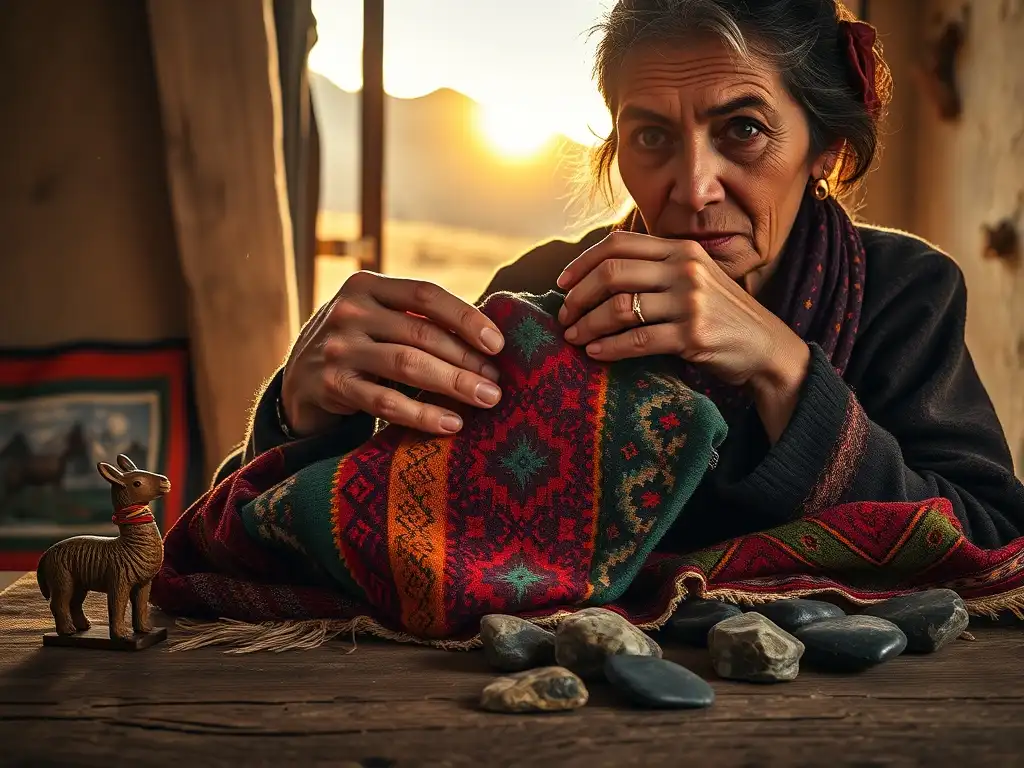
Finding authentic Andean markets off the beaten path is a rewarding experience, but your journey doesn't end when you purchase your handcrafted treasures. Proper care ensures these beautiful items remain vibrant and meaningful for years to come. Understanding the materials and techniques used in their creation is key to preserving their unique qualities. Many Andean handicrafts are made from natural materials that require specific care to prevent damage and maintain their beauty.
Protecting Your Purchases: Storage, Cleaning, and Maintenance
The longevity of your Andean handicrafts depends heavily on proper storage, cleaning, and maintenance. Think of it as an extension of the respect you show for the artisans and their cultural heritage. Here's a breakdown of best practices:
- Storage: Avoid direct sunlight and extreme temperatures. Fluctuations in temperature and humidity can cause warping, cracking, or fading, especially in wood and textile items. Ideally, store your pieces in a cool, dry place, perhaps in acid-free tissue paper or cotton bags to prevent dust accumulation and scratching. For delicate items like textiles, consider using archival-quality storage boxes.
- Cleaning: The cleaning method varies greatly depending on the material. For example:
- Textiles: Spot clean with a soft, damp cloth. Avoid harsh chemicals or abrasive scrubbing. For more significant stains, consult a professional textile conservator.
- Ceramics: Dust regularly with a soft brush or cloth. Avoid submerging pottery in water, as this can damage the glaze. For stubborn dirt, use a slightly damp cloth and gentle scrubbing.
- Wood: Dust regularly with a soft cloth. Avoid using polish or harsh chemicals, as these can damage the wood's finish.
- Metal: Clean gently with a soft cloth and mild soap. Avoid abrasive cleaners.
- Maintenance: Regular inspection is crucial. Check for any signs of damage, such as cracks, loose threads, or fading. Address minor issues promptly to prevent further deterioration. For more complex repairs, seek the assistance of a professional conservator specializing in Andean artifacts. Remember, preventative care is far more effective and less costly than extensive restoration.
Your authentic Andean handicrafts are more than just beautiful objects; they are tangible pieces of history, carrying within them the stories of skilled artisans and rich cultural traditions. Each piece reflects unique techniques passed down through generations, representing a deep connection to the land and its people. By acquiring these items responsibly and caring for them diligently, you become a custodian of this heritage.
Consider the following to fully appreciate and share the cultural significance of your purchases:
- Research: Learn about the specific region and artisan group associated with your piece. Understanding the cultural context adds depth and meaning to your appreciation. This research can often uncover fascinating details about the materials, techniques, and symbolism embedded in the artwork.
- Documentation: Keep records of your purchases, including details about the artisan, the market where you acquired it, and any information about its creation. This documentation will be invaluable in the years to come, allowing you to share the story of your Andean finds with others.
- Display: Display your Andean handicrafts thoughtfully, allowing their beauty and cultural significance to be appreciated. Consider creating a dedicated space to showcase your collection, providing context and information for others to learn from your acquisitions. This careful curation adds value to the items and also allows you to share your passion for Andean culture.
Remember, responsible acquisition and careful preservation are vital to ensuring that these authentic Andean markets off the beaten path continue to thrive and that the rich cultural heritage they represent is protected for future generations. Enjoy your treasures! 🎉
Where to Buy Authentic Andean Handicrafts Online (When Travel Isn't Possible)
Finding authentic Andean handicrafts can be a thrilling experience, even without the journey to the Andes themselves. The internet opens up a world of possibilities for connecting directly with artisans and acquiring unique pieces from the comfort of your home. However, navigating the online marketplace requires discernment to ensure authenticity and ethical sourcing. This section will guide you through the process of finding genuine Andean handicrafts online, focusing on reputable platforms and highlighting key factors to consider before making a purchase. Remember, supporting artisans directly contributes to preserving traditional crafts and the cultural heritage of the Andes.
Recommended Online Marketplaces: Novica and The Little Market
Two excellent online marketplaces specializing in handcrafted goods from around the world, including the Andes, are Novica and The Little Market. These platforms are committed to fair trade practices and providing detailed information about the artisans and their work.
Novica boasts a vast collection of handcrafted items, meticulously curated to ensure quality and authenticity. They present detailed artisan profiles, often including photos and stories, allowing you to connect with the creators on a personal level. Their commitment to fair trade ensures artisans receive fair compensation for their work. You’ll find a diverse range of Andean crafts, from intricate textiles and silver jewelry to carved wood sculptures and vibrant ceramics.
The Little Market, co-founded by Lauren Bush Lauren, focuses on empowering women artisans globally. Their platform offers a curated selection of high-quality handicrafts, with a strong emphasis on ethical sourcing and sustainable practices. The platform features stunning photography and compelling narratives about the artisans and their communities, fostering a strong sense of connection between the buyer and the maker. While their Andean collection might be smaller than Novica's, the quality and ethical commitment remain consistently high. Expect to find exquisite textiles, unique jewelry, and other carefully selected items.
What to Look for: Artisan Profiles and Fair Trade Certifications
When shopping for authentic Andean handicrafts online, look beyond the product itself. Pay close attention to the following details:
- Artisan Profiles: Reputable platforms provide detailed profiles of the artisans, including their location, techniques, and stories. These profiles add a layer of authenticity and transparency, allowing you to appreciate the human element behind the craft. Look for photos of the artisans at work, illustrating their skills and the process involved in creating the piece.
- Fair Trade Certifications: Look for certifications from organizations like Fair Trade USA or similar reputable bodies. These certifications guarantee that the artisans received fair wages, worked in safe conditions, and benefited from the sale of their products. This ensures ethical sourcing and supports sustainable livelihoods.
- Material Descriptions: Detailed descriptions of the materials used are crucial. Learn about the types of wool (e.g., alpaca, llama), the dyes employed (natural vs. synthetic), and the techniques used in crafting the item. Authentic Andean handicrafts often utilize traditional materials and techniques passed down through generations.
- Unique Characteristics: Handcrafted items will naturally exhibit variations. Embrace the imperfections and unique characteristics that distinguish handmade pieces from mass-produced goods. These subtle differences are a testament to the artisan's skill and the individuality of each item.
Recommended Online Purchases: Alpaca Sweaters and Hand-Painted Ceramics
Two excellent examples of authentic Andean handicrafts readily available online are alpaca sweaters and hand-painted ceramics.
Alpaca sweaters are renowned for their exceptional softness, warmth, and durability. When purchasing online, look for detailed descriptions specifying the type of alpaca wool (baby alpaca is the finest), the knitting technique, and the origin of the wool. Pay attention to the craftsmanship: even stitching, clean finishes, and attention to detail are indicative of high-quality work.
Hand-painted ceramics from the Andes often feature vibrant colors and intricate designs, reflecting the rich cultural heritage of the region. Look for unique patterns, traditional motifs, and evidence of hand-painting techniques. The imperfections and slight variations in the paint application are hallmarks of authenticity. Choose pieces that resonate with you aesthetically and reflect the artistry of the Andean tradition. Consider the type of clay used and the firing techniques, as these details contribute to the piece's quality and longevity. The presence of artisan signatures or markings further enhances authenticity.
Frequently Asked Questions
What makes an Andean market "authentic" and off the beaten path?
An "authentic" Andean market offers a genuine experience, showcasing local crafts, produce, and traditions largely untouched by mass tourism. Being "off the beaten path" means it's less frequented by typical tourist groups, providing a more immersive cultural encounter.
Researching smaller villages and towns away from major tourist hubs is key. Local guides or community-based tourism initiatives can provide invaluable insights and access to these hidden gems. Engaging with locals and asking for recommendations is also helpful.
What kinds of unique goods can I expect to find in these markets?
Expect to find handwoven textiles, unique ceramics, locally grown produce, and traditional crafts. You might also discover medicinal plants and other items reflecting the specific region's cultural heritage, unlike those found in tourist shops.
Are there any safety concerns to be aware of when visiting these markets?
While generally safe, exercising basic travel safety precautions is always advisable. Be mindful of your belongings, avoid displaying large amounts of cash, and be aware of your surroundings, especially in less populated areas. Local guides can enhance safety and provide context.
What's the best way to interact respectfully with locals at these markets?
Respectful communication is essential. Learn a few basic Quechua phrases (depending on the region). Bargaining is common, but do so politely. Always ask before taking photographs of people and be mindful of local customs and traditions.
Final Reflection: Echoes of the Andes: Preserving Cultural Heritage Through Authentic Exchange
The vibrant tapestry of Andean markets, brimming with ancient traditions and handcrafted treasures, remains a powerful testament to the enduring spirit of the region. These aren't just places to buy goods; they are living museums, pulsating with the heartbeats of generations past and present, and their preservation is crucial for understanding and respecting the rich cultural heritage of the Andes.
The experience of wandering through these off-the-beaten-path markets profoundly impacted my understanding of Andean culture, moving beyond the superficial tourist experience to connect with the genuine warmth and artistry of the people. Travel is fatal to prejudice, bigotry, and narrow-mindedness,
wrote Mark Twain, and this journey proved his words truer than ever. The interactions, the shared smiles, the stories whispered amongst the vibrant textiles – these are the indelible memories that linger long after the journey ends, reminding us of the importance of respectful cultural exchange.
Now, it's your turn. Consider how you can support authentic cultural experiences in your own travels. Seek out local artisans, engage in meaningful conversations, and remember that your choices as a traveler have a direct impact on the communities you visit. By choosing to explore beyond the tourist trail, you not only enrich your own life but also contribute to the preservation of these invaluable cultural treasures for generations to come. Let the echoes of the Andes inspire you to travel with intention and respect.
Thank you for exploring the vibrant world of Andean markets with us! You've taken the first step toward experiencing the rich culture and traditions of the Andes. Let's delve deeper and transform your journey into an unforgettable adventure!
Here are some exciting ways to connect with these unique markets:
- Plan a visit to a local Andean market. Immerse yourself in the sights, sounds, and tastes of the region, exploring handcrafted goods, savoring authentic dishes, and engaging directly with the skilled artisans.
- Share your experiences with friends and family. Host a themed Andean dinner party, showcasing the delicious cuisine you discovered, or share stories of your favorite finds and insights into the local culture.
- Join a guided tour specializing in lesser-known destinations. This offers a chance to meet fellow travelers and gain access to hidden gems and unique experiences often missed by independent travelers.
What unique market experience are you most looking forward to on your next adventure?