
Sustainable Travel: EcoFriendly Gear Choices for the Conscious Explorer

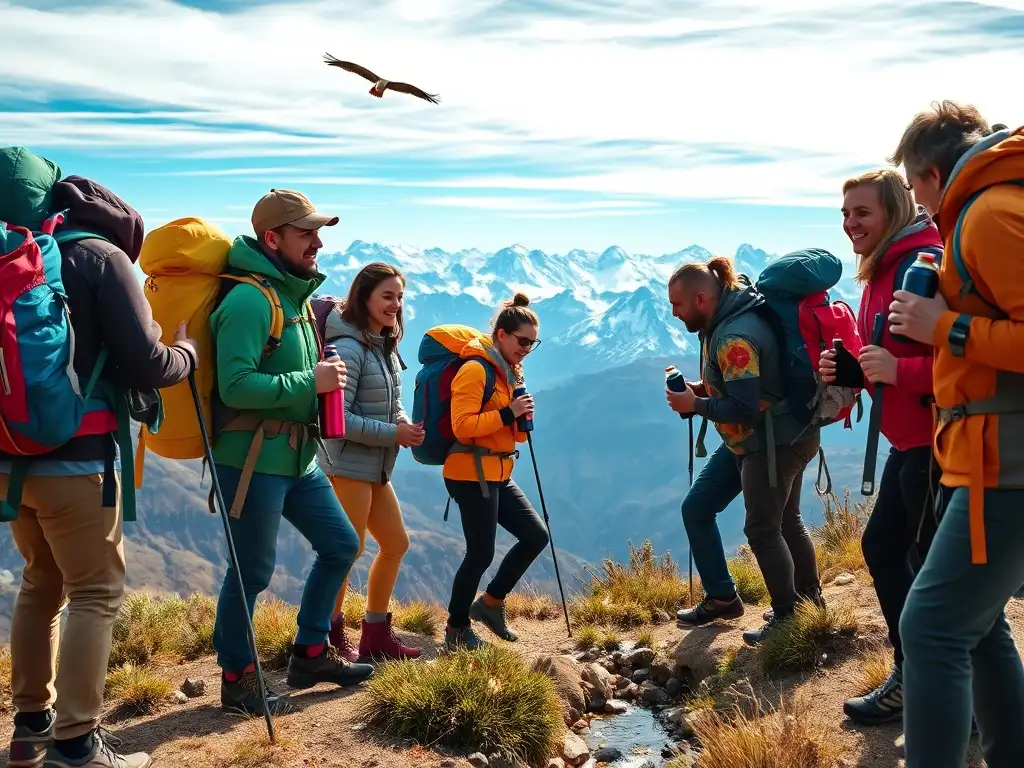
Uncover the mysteries of the Andes – a land where empires rose and fell, leaving behind a legacy as breathtaking as the mountains themselves. From the intricate artistry of the Nazca lines to the ingenious engineering of Machu Picchu, the Andean civilizations continue to captivate. But how can we explore this rich history responsibly? Discover sustainable Andean travel gear – essential equipment for the conscious explorer seeking to tread lightly while immersing themselves in the wonders of this ancient world. Journey with us and learn how to experience the Andes sustainably.
- Sustainable Andean Travel Gear: A Conscious Explorer's Guide
- Essential Eco-Friendly Gear for Your Andean Trek
- Where to Buy Sustainable Travel Gear for Your Andean Trip
- Conclusion: Embrace Sustainable Travel in the Andes
-
Frequently Asked Questions
- What makes travel gear "sustainable" in the context of Andean travel?
- Where can I find sustainable travel gear specifically designed for the Andean region?
- What types of sustainable gear are most essential for Andean travel?
- How can I minimize my environmental impact while traveling in the Andes?
- Are there any specific considerations for sustainable gear related to the unique Andean environment?
- Final Reflection: The Andes Await: Sustainable Choices, Lasting Impact
- Embrace Your Eco-Friendly Adventure Today!
Sustainable Andean Travel Gear: A Conscious Explorer's Guide
Exploring the majestic Andes Mountains, with their breathtaking landscapes and rich history echoing from the Incas, Moche, Nazca, and Tiahuanaco civilizations, demands careful consideration. This isn't just about packing the right clothes and equipment; it's about minimizing your environmental footprint and respecting the delicate ecosystems you'll be traversing. This guide focuses on sustainable Andean travel gear, providing you with the knowledge and resources to make conscious choices that benefit both your adventure and the preservation of this incredible region.
We'll delve into the reasons behind choosing eco-friendly products, the impact of traditional gear, and key factors to consider when building your sustainable travel kit for an unforgettable and responsible Andean journey. Embrace sustainable practices and become a truly conscious explorer, leaving only footprints and taking only memories.
Why Choose Sustainable Travel Gear for Your Andean Adventure?
Choosing sustainable travel gear for your Andean adventure is more than a trend; it's a responsibility. The Andes are a fragile ecosystem, vulnerable to the impacts of tourism. Traditional travel gear often relies on materials with high environmental costs, from resource extraction to manufacturing and disposal. Opting for sustainable alternatives directly mitigates these negative impacts. Consider these benefits:
- Reduced environmental impact: Sustainable gear minimizes pollution, conserves resources, and reduces waste, protecting the Andean environment for future generations. Think about the impact of single-use plastics, for example – a significant concern in many areas.
- Support ethical production: Many sustainable brands prioritize fair labor practices and ethical sourcing, ensuring that the people involved in creating your gear are treated fairly and respectfully. This is particularly important given the often complex social and economic dynamics in the Andean region.
- Enhanced durability: Sustainable materials are often more durable and long-lasting than their conventional counterparts, meaning you'll invest in quality gear that will serve you well on multiple trips, reducing the need for frequent replacements.
- Personal satisfaction: Knowing that your travel choices are minimizing your environmental impact and supporting ethical practices provides a significant sense of personal satisfaction and aligns with a growing global movement towards responsible tourism. You'll be contributing positively to the preservation of this incredible region.
Understanding the Impact of Traditional Travel Gear
Traditional travel gear often carries a significant environmental burden. Many items are made from synthetic materials derived from fossil fuels, contributing to greenhouse gas emissions. The manufacturing processes themselves can be energy-intensive and generate pollution. Furthermore, the disposal of these items often ends up in landfills, adding to the global waste problem. Let's examine some specific examples:
| Gear Item | Traditional Material | Environmental Impact | Sustainable Alternative |
|---|---|---|---|
| Backpack | Nylon (petroleum-based) | High carbon footprint, microplastic pollution | Organic cotton canvas, recycled nylon |
| Water Bottle | Plastic | Non-biodegradable, contributes to plastic pollution | Stainless steel, reusable glass |
| Sleeping Bag | Polyester (petroleum-based) | High carbon footprint, microplastic shedding | Organic cotton, recycled polyester (GOTS certified) |
| Trekking Poles | Aluminum | Energy-intensive production, potential for mining impacts | Bamboo, recycled aluminum (with responsible sourcing) |
The table above highlights just a few examples. The overall impact is cumulative; using multiple pieces of traditional gear significantly increases your environmental footprint during your Andean adventure.
Key Considerations When Selecting Eco-Friendly Travel Products
Choosing sustainable travel gear requires careful consideration. Here are some key factors to keep in mind:
- Material composition: Look for gear made from recycled materials, organic cotton, or other sustainable and ethically sourced materials. Certifications like GOTS (Global Organic Textile Standard) and Fair Trade can help ensure the product meets certain standards.
- Durability and longevity: Invest in high-quality, durable gear that will last for multiple trips, reducing the need for frequent replacements. Look for well-made products with robust construction.
- Ethical production: Research the brands you're considering to ensure they adhere to ethical labor practices and responsible sourcing. Transparency in their supply chains is a good indicator.
- Pack light: Reducing your overall gear weight also reduces your carbon footprint associated with transportation. Careful planning and packing only what you truly need are essential.
By prioritizing these considerations, you can assemble a sustainable travel kit that minimizes your impact on the Andes while ensuring a comfortable and enjoyable journey. Remember, sustainable travel is a journey, not a destination, and every small step counts towards preserving this invaluable region for future generations.
Defining "Sustainable" in the Context of Andean Exploration
Defining "sustainable" in the context of Andean exploration goes beyond simply minimizing your environmental impact. It encompasses a holistic approach that respects the local communities, their cultures, and the fragile Andean ecosystem. This means carefully considering the economic, social, and environmental consequences of your travels. A truly sustainable approach prioritizes minimizing waste, reducing carbon emissions, supporting local businesses, and respecting indigenous traditions and knowledge.
It's about leaving no trace, both literally and figuratively, and ensuring your exploration contributes positively to the region's well-being, rather than detracting from it. This requires a level of awareness and preparedness that goes beyond simply packing a reusable water bottle; it involves researching responsible tour operators, understanding the cultural sensitivities of the region, and being mindful of your consumption habits throughout your journey. For example, choosing locally sourced food and supporting fair-trade practices directly benefits the communities you are visiting, fostering a more sustainable and equitable form of tourism.
This commitment to sustainability ensures that the unique beauty and cultural heritage of the Andes remain intact for generations to come, a responsibility shared by every traveler. The preservation of this fragile ecosystem and the rich cultural tapestry of the Andes is paramount, demanding a conscious and responsible approach from all who venture into this extraordinary landscape. Sustainable Andean travel is not just a trend; it's a necessity.
Essential Eco-Friendly Gear for Your Andean Trek

Embarking on a journey through the Andes requires careful consideration of your gear. Choosing sustainable and eco-friendly options minimizes your environmental impact while ensuring a comfortable and responsible adventure. This section focuses on key pieces of equipment that blend performance with sustainability, allowing you to explore the breathtaking landscapes of the Andes with a lighter footprint. Remember, sustainable Andean travel gear isn't just a trend; it's a commitment to preserving the incredible natural beauty of the region for generations to come.
Sustainable Backpacks: Durable and Responsible Choices
Selecting a durable, ethically-made backpack is paramount for any Andean trek. Look for backpacks crafted from recycled materials and produced by companies committed to sustainable manufacturing practices. Avoid single-use plastic components and prioritize those made from robust, long-lasting fabrics that reduce the need for frequent replacements. The weight and capacity of your backpack should align with the duration and intensity of your trek. Overpacking adds unnecessary strain and increases your environmental impact.
The Osprey Talon 22:
The Osprey Talon 22 is a popular choice for day hikes and shorter treks. Its lightweight design and ample storage capacity make it ideal for carrying essentials like water, snacks, and layers. Osprey is known for its commitment to durability and responsible manufacturing, using recycled materials in many of its products. The Talon 22’s features include a breathable back panel, adjustable straps, and multiple compartments for organization. This backpack represents a solid investment for the environmentally conscious Andean explorer.
The Patagonia Black Hole 32L:
For longer treks requiring more carrying capacity, the Patagonia Black Hole 32L is a strong contender. Patagonia is a leader in sustainable apparel and gear, using recycled nylon in the construction of this backpack. Its weather-resistant design protects your belongings from unexpected Andean showers. The Black Hole 32L boasts a robust build, ample storage space, and thoughtful organizational features, making it a reliable and environmentally responsible choice for your Andean adventure. Consider its weight capacity carefully to avoid overpacking and unnecessary strain.
Eco-Friendly Clothing for Andean Climates
Andean climates can be unpredictable, ranging from scorching sun to freezing temperatures. Choosing clothing made from sustainable materials and designed for layering is crucial for comfort and adaptability. Opt for natural fibers like organic cotton or merino wool, or recycled synthetics that minimize your environmental impact while providing excellent performance.
Merino Wool Base Layers: The Smart Choice for Temperature Regulation
Merino wool base layers are a game-changer for Andean trekking. Merino wool is naturally odor-resistant, moisture-wicking, and temperature-regulating, making it ideal for the fluctuating temperatures found at higher altitudes. It’s also a renewable resource, making it a more sustainable choice compared to synthetic alternatives. Look for base layers made from responsibly sourced merino wool to ensure ethical and environmental practices throughout the supply chain. Consider a long-sleeve top and bottom for optimal warmth and protection from the sun.
Recycled Polyester Hiking Pants: Durable and Quick-Drying
Recycled polyester hiking pants offer a durable and quick-drying alternative to traditional cotton pants. Their water-resistant properties are beneficial in unpredictable Andean weather, while their durability ensures they'll withstand the rigors of trekking. The use of recycled polyester reduces reliance on virgin materials, lessening the environmental footprint of your gear. Look for pants with reinforced knees and a comfortable, flexible fit that allows for freedom of movement. Consider features like zippered pockets for secure storage of small items. Choosing recycled polyester reduces your environmental impact without sacrificing performance or durability.
Sustainable Footwear: Protecting Your Feet and the Environment
Choosing sustainable footwear is crucial for responsible Andean travel. Your boots will endure rugged terrain, and selecting eco-friendly options minimizes your environmental impact. Look for shoes made from recycled materials, organic cotton, or sustainably harvested rubber. Avoid synthetic materials that contribute to plastic pollution and may not be easily biodegradable. Consider the durability of the footwear; a longer-lasting pair reduces the need for frequent replacements, minimizing waste in the long run.
Properly caring for your boots extends their lifespan, further reducing your environmental footprint. Regular cleaning, waterproofing, and timely repairs are essential for maintaining their performance and longevity. Remember to pack appropriate socks to prevent blisters and ensure comfort during your trek. This minimizes the need to purchase additional pairs along the way. Choosing footwear that is both durable and sustainable allows you to minimize your impact on the delicate Andean ecosystems while ensuring a comfortable and enjoyable trek.
Hiking Boots Made with Recycled Materials: The Keen Targhee III
The Keen Targhee III hiking boot exemplifies sustainable footwear design. Keen incorporates recycled materials into its construction, reducing reliance on virgin resources. These boots are known for their durability and comfort, making them ideal for Andean treks. Their robust construction ensures they can withstand the challenging terrain, reducing the need for frequent replacements.
Keen's commitment to sustainability extends beyond material sourcing; they also implement responsible manufacturing practices. While specific recycled material percentages may vary by production batch, the overall design prioritizes minimizing environmental impact. Investing in a high-quality, durable, and sustainably-made hiking boot like the Keen Targhee III is a responsible and practical choice for the conscious traveler. Consider factors such as fit and support to ensure a comfortable experience on your Andean adventure.
Eco-Friendly Trekking Socks: Darn Tough Hiker Micro Crew
Darn Tough Vermont socks are renowned for their durability and comfort, but they also stand out for their commitment to sustainability. Made in the USA with a focus on responsible manufacturing, these socks are crafted from recycled materials and use minimal water in their production. Their exceptional durability means they last longer than many competitors, reducing the need for frequent replacements and minimizing textile waste.
Darn Tough offers a lifetime guarantee, further highlighting their commitment to quality and minimizing environmental impact through extended product lifespans. The Hiker Micro Crew provides excellent cushioning and moisture-wicking properties, crucial for comfort during long Andean treks. Choosing Darn Tough socks allows you to support a company dedicated to responsible production while enjoying superior comfort and performance on your adventure.
Hydration and Food on the Go: Sustainable Solutions

Staying hydrated and nourished is critical during any Andean trek. However, the choices you make regarding hydration and food packaging can significantly impact the environment. Opting for reusable and sustainable alternatives minimizes waste and reduces your environmental footprint. This approach not only benefits the fragile Andean ecosystems but also contributes to a more responsible and enjoyable travel experience. Careful planning and the selection of appropriate reusable items can greatly reduce your impact while ensuring you remain well-hydrated and energized throughout your adventure.
Reusable Water Bottles and Filtration Systems
Carrying a reusable water bottle is essential for sustainable Andean travel. Avoid single-use plastic bottles, which contribute significantly to pollution. Invest in a durable, high-quality reusable bottle made from materials like stainless steel or BPA-free plastic.
Consider a water filtration system to access safe drinking water while minimizing reliance on bottled water. These systems range from simple filters to more advanced purifiers, allowing you to choose the option that best suits your needs and the specific water sources you'll encounter. By investing in a reusable water bottle and a suitable filtration system, you actively reduce plastic waste and promote responsible resource management during your trip.
Reusable Food Containers and Utensils:
Packing reusable food containers and utensils is another key step towards sustainable Andean travel. Avoid single-use plastics by using reusable alternatives for snacks, meals, and leftovers. Choose lightweight and durable containers made from materials like stainless steel or BPA-free plastic. Pack a reusable cutlery set to avoid using disposable plastic utensils.
This simple switch significantly reduces your waste generation and helps protect the pristine environment of the Andes. Planning your meals and snacks carefully and utilizing reusable containers minimizes your need for additional packaging, contributing to a more responsible and sustainable travel experience. The responsible use of reusable containers and utensils exemplifies a commitment to environmental stewardship during your Andean expedition.
Sun and Weather Protection: Eco-Conscious Choices
The Andean sun is intense, even at higher altitudes where the thinner atmosphere offers less protection. Protecting yourself from harmful UV rays is paramount, but choosing eco-friendly sun protection is crucial for preserving the delicate Andean ecosystem. Traditional sunscreens often contain chemicals harmful to marine life and sensitive environments, and these chemicals can easily contaminate water sources in the Andes.
Opting for sustainable alternatives is not just a responsible choice; it's a necessity for minimizing your environmental impact while enjoying the stunning landscapes. Remember, responsible travel means leaving no trace, and that includes minimizing the impact of your personal care products. Choosing eco-conscious sun protection is a small act that contributes to the preservation of these incredible regions.
Consider the long-term effects of your choices – the Andean environment deserves our respect and protection. Your sustainable travel choices contribute to the health of the ecosystem and the well-being of the local communities who depend on it.
Biodegradable Sunscreen: Protecting Your Skin and the Environment
Biodegradable sunscreens are formulated with natural ingredients that break down quickly in the environment, minimizing their impact on aquatic life and sensitive ecosystems. Look for sunscreens labeled as "reef-safe" or "biodegradable," ensuring they are free from oxybenzone and octinoxate, two chemicals known to harm coral reefs and other marine organisms. These ingredients are particularly damaging in sensitive environments like the high-altitude lakes and rivers of the Andes.
Many brands now offer effective biodegradable sunscreens with high SPF ratings, providing the necessary protection without the environmental cost. Remember to check the ingredients list carefully and choose a product that meets both your needs and the needs of the environment. Choosing a biodegradable sunscreen is a simple yet powerful way to reduce your environmental impact during your Andean adventure, ensuring you're leaving only footprints, not harmful chemicals.
Consider the long-term implications of using environmentally friendly sunscreens; your choice contributes to the preservation of the pristine beauty of the Andes. Opt for a high SPF to protect your skin from the intense sun at altitude.
Organic Lip Balm with SPF: Essential for High Altitudes
High-altitude trekking in the Andes exposes your lips to extreme conditions: intense sun, drying winds, and low humidity. Protecting your lips is crucial, both for comfort and health. An organic lip balm with SPF offers a sustainable solution. Choose a product made with natural ingredients like beeswax, shea butter, and cocoa butter, offering nourishing hydration while providing UV protection. Avoid lip balms containing petroleum-based ingredients, which can be harmful to the environment and your skin.
Look for certifications like "organic" or "cruelty-free" to ensure the product aligns with your ethical and sustainable travel goals. Protecting your lips is not just about comfort; it's about maintaining your health and well-being during your Andean trek. A high SPF lip balm is crucial for preventing sunburns and chapped lips, especially at high altitudes where the sun's rays are particularly strong. Remember to reapply frequently throughout the day, especially after drinking or eating.
Where to Buy Sustainable Travel Gear for Your Andean Trip
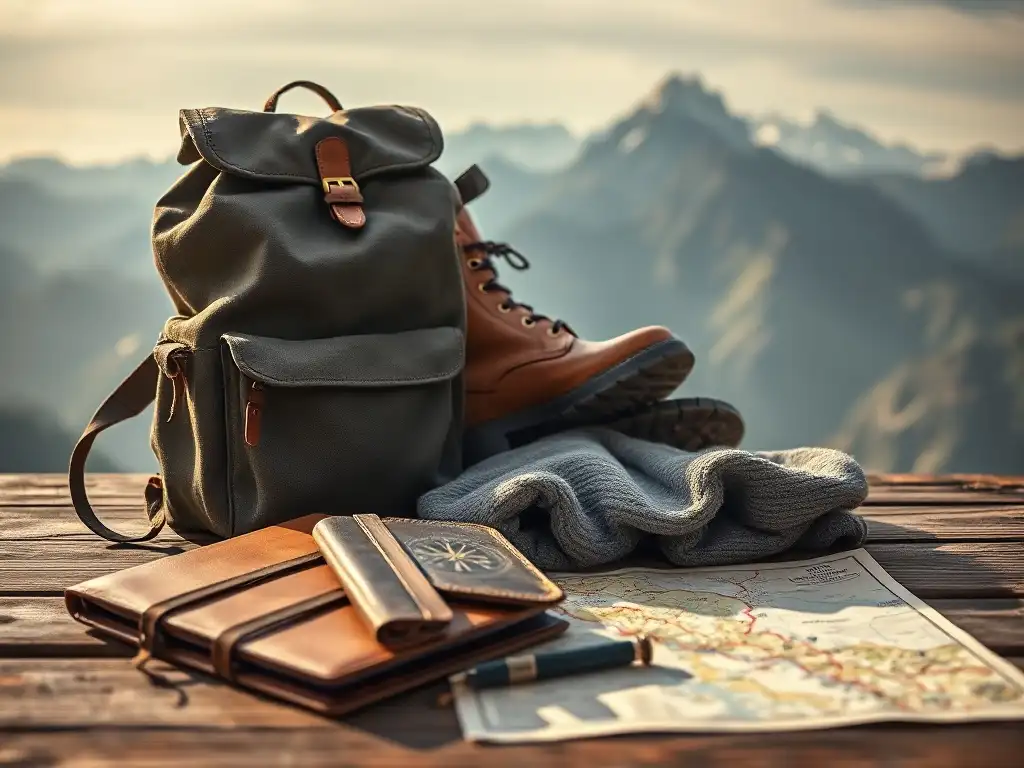
Choosing sustainable gear for your Andean adventure is a crucial step in minimizing your environmental impact. But knowing where to find ethically sourced and environmentally responsible products can be challenging. This section will guide you to the best places to acquire sustainable Andean travel gear, ensuring your trip is both enriching and mindful.
Online Retailers Specializing in Eco-Friendly Products
Numerous online retailers are dedicated to providing sustainable and ethical travel gear. These platforms often prioritize transparency, showcasing the materials used, the production processes, and the social impact of their products. Look for companies that specifically highlight their commitment to fair trade practices and environmental sustainability.
When searching, use keywords like "sustainable travel gear," "eco-friendly hiking equipment," "fair trade backpacks," and "organic cotton clothing" to refine your search. Pay close attention to product descriptions; you'll find details about the materials used (e.g., recycled polyester, organic cotton, sustainably harvested wood) and the certifications they hold (e.g., Fair Trade, GOTS – Global Organic Textile Standard, B Corp).
Many companies offer detailed information about their supply chains, allowing you to make informed choices. For example, you might find a company that sources its down from ethically treated geese, or a brand that uses recycled plastic bottles to create durable and lightweight hiking apparel. Remember to check reviews before purchasing to ensure product quality and durability, crucial for the challenging Andean terrain.
Consider the longevity of the product; a higher upfront cost for durable, sustainable gear often translates to less waste in the long run, making it a more environmentally sound choice. Prioritizing quality over quantity is key to responsible consumption.
Support Local Businesses and Artisans in the Andes
Beyond online retailers, a significant opportunity to support sustainable practices lies in directly engaging with local businesses and artisans in the Andes. This approach not only reduces your carbon footprint by avoiding international shipping but also contributes directly to the local economy, fostering sustainable development within the communities you visit.
Purchasing handcrafted textiles, locally made trekking poles, or even artisan-created water bottles directly from Andean artisans empowers these communities and preserves traditional crafts. This is a powerful way to experience the rich cultural heritage of the region while simultaneously supporting sustainable practices. You'll find unique and beautiful items not readily available elsewhere, adding a special touch to your travels.
When visiting Andean markets or villages, take the time to engage with the artisans, learning about their techniques and the stories behind their creations. This direct interaction adds a deeper layer of meaning to your purchases and helps build a more authentic and sustainable travel experience. Remember to negotiate respectfully and fairly, ensuring you're offering a just price that reflects the artisan's skill and effort.
By prioritizing these local purchases, you contribute to the preservation of cultural traditions and sustainable livelihoods in the Andes. This type of "sustainable Andean travel gear" acquisition offers a unique and rewarding aspect to your journey.
Conclusion: Embrace Sustainable Travel in the Andes
Sustainable Andean travel is more than just a trend; it's a responsibility. By choosing eco-friendly gear and adopting mindful practices, we can minimize our environmental footprint while enriching our experience of these incredible ancient wonders. The Andes, with their fragile ecosystems and rich cultural heritage, deserve our respect and careful consideration.
Every conscious choice we make—from the backpack we carry to the water bottle we use—contributes to the preservation of this breathtaking landscape for future generations. This means actively seeking out sustainable alternatives and supporting businesses committed to ethical and environmentally responsible practices. Remember, responsible tourism isn't just about minimizing harm; it's about actively contributing to the well-being of the communities and environments we visit.
Making a Positive Impact While Exploring Ancient Wonders
Choosing sustainable Andean travel gear directly impacts the preservation of the Andean region's delicate ecosystems. Conventional gear often relies on unsustainable materials and manufacturing processes, contributing to pollution and resource depletion. In contrast, sustainable gear prioritizes environmentally friendly materials like organic cotton, recycled polyester, and durable, long-lasting designs that reduce the need for frequent replacements. This minimizes waste and reduces the demand for new resources.
Consider the impact of a single plastic water bottle versus a reusable, high-quality stainless steel alternative—the difference is significant. By opting for sustainable alternatives, we actively participate in reducing our carbon footprint and protecting the biodiversity of the Andes. Furthermore, supporting companies committed to fair labor practices ensures that the production of our gear doesn't exploit workers in the supply chain. Sustainable Andean travel is, therefore, a holistic approach encompassing environmental protection and social responsibility.
Choosing Responsible Gear for a Memorable Adventure
Selecting sustainable gear for your Andean adventure doesn't mean compromising on quality or functionality. Many brands now offer high-performance, eco-friendly alternatives for everything from hiking boots and backpacks to sleeping bags and tents. Look for certifications like GOTS (Global Organic Textile Standard) and Bluesign, which guarantee the use of sustainable materials and ethical manufacturing processes. Consider the following aspects when choosing your gear:
- Durability: Invest in durable, high-quality items that will last for multiple trips, reducing the need for replacements.
- Material: Prioritize natural and recycled materials like organic cotton, recycled polyester, and hemp.
- Weight: Lighter gear reduces your carbon footprint during transportation.
- Packability: Choose gear that packs down easily to minimize luggage size and transportation impact.
- Versatility: Opt for versatile items that can be used for multiple activities, reducing the overall quantity of gear needed.
By carefully considering these factors and selecting sustainable gear, you can enjoy a memorable and responsible adventure in the Andes, leaving a minimal environmental impact and contributing to the preservation of this extraordinary region. Remember, sustainable Andean travel gear is an investment in both your adventure and the future of the Andes. Choosing wisely ensures a positive impact on both your experience and the environment.
Frequently Asked Questions
What makes travel gear "sustainable" in the context of Andean travel?
Sustainable Andean travel gear prioritizes eco-friendly materials like organic cotton and recycled fabrics. It also emphasizes durability and ethical production to minimize environmental impact and support local communities.
Where can I find sustainable travel gear specifically designed for the Andean region?
Many online retailers and specialized outdoor shops offer sustainable clothing and equipment. Look for brands committed to responsible sourcing and manufacturing, focusing on features suitable for Andean climates, like protection from sun and rain.
What types of sustainable gear are most essential for Andean travel?
Essential sustainable gear includes layers of clothing for varying temperatures, sturdy, waterproof hiking boots, a reusable water bottle, and a sun hat. Consider a backpack made from recycled materials.
How can I minimize my environmental impact while traveling in the Andes?
Pack light to reduce your carbon footprint during transport. Support local businesses and communities by purchasing souvenirs and services from them. Practice responsible waste management and leave no trace on the trails.
Yes, consider gear that protects you from high altitude, intense sun, and variable weather conditions. Look for versatile clothing suitable for various activities and temperatures encountered in the Andes. Lightweight and packable gear is also advantageous.
Final Reflection: The Andes Await: Sustainable Choices, Lasting Impact
The pursuit of sustainable travel is no longer a niche interest; it's a crucial responsibility. Our planet's delicate ecosystems, particularly those as breathtaking and vulnerable as the Andes, demand conscious choices from every explorer. Ignoring this reality is not an option; embracing sustainable practices is the only path forward for responsible adventure.
The impact of our travel choices ripples far beyond our individual journeys. The Andean communities, the fragile biodiversity, and the very landscape itself are profoundly affected by the gear we choose and the waste we generate. The beauty of the Andes inspires awe, but that awe must translate into action. The earth provides enough to satisfy every man's needs but not every man's greed.
- Mahatma Gandhi. This quote underscores the importance of mindful consumption, especially when venturing into such precious environments. We must strive to minimize our footprint, not just for the sake of the environment, but for the sake of preserving the cultural heritage and natural beauty of the Andes for generations to come.
Consider the gear you pack for your next Andean adventure. Will it contribute to the preservation of this magnificent region, or will it add to the growing burden of environmental degradation? You have the power to make a difference. Choose sustainable, durable gear; support local artisans and businesses; and leave no trace behind. Let your journey be a testament to your commitment to responsible exploration, ensuring the Andes remain a source of wonder and inspiration for years to come.
Embrace Your Eco-Friendly Adventure Today!
Thank you for joining us on this journey towards sustainable travel! You've already discovered the importance of choosing eco-friendly gear, and now it's time to put that knowledge into practice. Your choices today directly contribute to a healthier planet tomorrow.
Here are some practical steps you can take immediately:
- Support sustainable brands: Research and purchase high-quality, eco-friendly travel gear that reflects your values. Many websites specialize in sustainable travel products, offering a wide selection to choose from.
- Share your experiences: Inspire fellow travelers by showcasing your eco-friendly gear choices on social media. Connect with a community of conscious explorers by tagging us at @AndeanCivilizations!
- Participate in local clean-up initiatives: Find and join community groups organizing clean-up events at popular tourist destinations. It's a rewarding way to give back to the environment while enjoying the outdoors.
What eco-friendly travel item are you most excited to try on your next adventure? Let's discuss in the comments below!