
The Power of Andean Prophecies: Fueling Hope During Dark Times


Step into a world lost to time, yet echoing with power. Discover the enigmatic legacy of the Andean civilizations, where breathtaking artistry met profound spiritual understanding. This isn't just history; it's a journey into the heart of a vanished world. The Spanish Conquest brought darkness, but what if the Andean prophecies meaning held the key to understanding their resilience and the enduring hope that blossomed even amidst the shadows? Unravel the secrets and explore the fascinating power held within these ancient predictions.
- Andean Prophecies: Hope and Resistance
- The Historical Context: Colonial Andes
- Core Concepts of Andean Prophecy
- Prophecies as Catalysts for Resistance
- The Lasting Significance of Andean Prophecies
- The Power of Prophecy: Sustaining Hope and Identity
- Frequently Asked Questions
- Final Reflection: Echoes of the Andes, Whispers of Hope
- Embrace Hope: Take Action with Andean Insights
Andean Prophecies: Hope and Resistance
The Spanish conquest of the Andes was a brutal and transformative period, leaving a legacy of devastation and cultural upheaval. Yet, amidst the violence and oppression, the indigenous populations found solace and strength in their deeply rooted spiritual beliefs and traditions. One powerful source of resilience was the interpretation and dissemination of Andean prophecies, which offered hope and fueled resistance against the encroaching Spanish power.
These prophecies, often shrouded in mystery and passed down through generations via oral traditions and intricate iconography, provided a framework for understanding their tumultuous circumstances and a blueprint for action against colonial rule. This article delves into the meaning and impact of these prophecies, exploring how they served as a vital source of inspiration during the darkest hours of the Spanish conquest, and their lasting significance in understanding Andean resistance.
We will examine specific examples and analyze their role in shaping both individual and collective responses to Spanish domination. Understanding the power of Andean prophecies is crucial to a complete understanding of the Andean response to the Spanish conquest and the enduring strength of their cultural heritage.
The Role of Prophecy in Andean Cosmology
Andean cosmology was deeply intertwined with the natural world and the cyclical nature of time. Prophecies weren't simply predictions of future events; they were integral components of a complex belief system that connected the past, present, and future. They often involved intricate interpretations of celestial events, natural phenomena, and the actions of deities and ancestors.
These interpretations, passed down through generations of shamans and religious leaders, provided a framework for understanding the world and their place within it. The prophecies didn't necessarily offer precise dates or details, but rather symbolic messages, often using metaphors and allegories, which could be interpreted in light of current events. This ambiguity allowed the prophecies to remain relevant and adaptable across generations, providing a continuing source of hope and guidance.
Specific examples of these prophecies, though often fragmented and requiring careful scholarly interpretation, demonstrate the rich symbolism and nuanced meanings embedded within these ancient texts and oral traditions. [Specific examples of prophecies and their interpretations pending]
Prophecies as Tools of Resistance
The arrival of the Spanish dramatically altered the Andean world, triggering widespread disruption and suffering. However, the prophecies were not passively received; they were actively reinterpreted and utilized as tools of resistance. Indigenous leaders and communities drew on the prophecies to galvanize their people, inspire rebellion, and strategize against the Spanish. The prophecies often spoke of a time of great upheaval, followed by a return to harmony and balance.
This narrative provided a powerful framework for understanding the colonial situation and fostered a sense of hope and determination amidst despair. [Specific examples of how prophecies fueled rebellions pending]. This active engagement with prophecy demonstrates the dynamic and adaptable nature of Andean belief systems in the face of extreme external pressure. The prophecies weren't simply passive predictions; they were actively shaped and employed as instruments of resistance against colonial oppression.
The Enduring Legacy of Andean Prophecies
Even after the initial stages of the Spanish conquest, Andean prophecies continued to play a significant role in shaping cultural identity and resistance. These prophecies, transmitted through oral traditions and woven into artistic expressions, served as a powerful reminder of their pre-colonial past and a source of inspiration for future generations. The enduring power of these narratives demonstrates the resilience of Andean culture and its capacity to adapt and evolve in the face of significant historical challenges.
The meaning of these prophecies continues to be explored and debated by scholars, highlighting their ongoing relevance and their contribution to our understanding of Andean history and culture. The study of Andean prophecies offers valuable insights into the complexities of colonial encounters and the strategies employed by indigenous populations to maintain their cultural identity and resist oppression.
[Further research and analysis of the long-term influence of Andean prophecies pending]. The legacy of these prophecies serves as a testament to the enduring spirit of the Andean people and their profound connection to their ancestral traditions.
The Historical Context: Colonial Andes
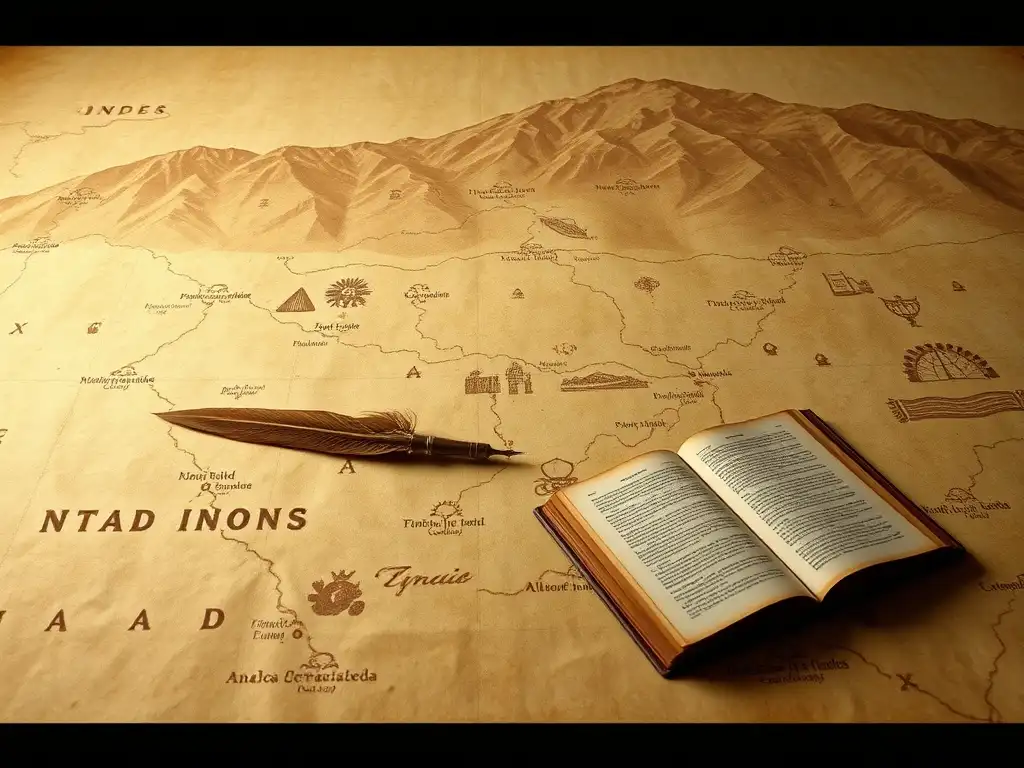
This section delves into the socio-religious landscape of the Andean region during the Spanish colonial era, providing crucial context for understanding the role and significance of Andean prophecies during this turbulent period. We will explore the pre-colonial belief systems, the impact of Spanish conquest on indigenous spirituality, and how prophecies became powerful tools of resistance. The meaning behind these prophecies, often veiled in symbolism and oral tradition, held deep significance for the Andean peoples facing oppression.
Pre-Columbian Andean Cosmology and Divination
Before the arrival of the Spanish, Andean civilizations possessed sophisticated cosmological systems and divination practices deeply interwoven with their daily lives. The Inca, for example, relied heavily on hamacas, a form of divination involving coca leaves, to interpret omens and make decisions, from agricultural planning to military strategies. Other Andean cultures, like the Moche and Nazca, utilized diverse methods including interpreting animal entrails, observing celestial events, and interpreting patterns in nature.
These practices were not merely superstitious; they were integral to maintaining social order, understanding the natural world, and navigating the complexities of life. The Inca worldview, in particular, emphasized the interconnectedness of the earthly and spiritual realms, with powerful deities and ancestors playing a significant role in shaping human destiny. Understanding this pre-Columbian framework is vital to interpreting the meaning and impact of later prophecies.
The precise techniques and interpretations varied between cultures, highlighting the rich diversity of Andean spiritual traditions. Archaeological evidence, such as the intricate designs on Nazca lines and Moche pottery, reveals the sophisticated level of astronomical observation and symbolic representation that underpinned these practices.
The meaning inherent in these pre-Columbian practices was not solely predictive; they were also tools for maintaining social cohesion and reinforcing existing power structures. For example, the Inca's use of hamacas by the elite served to legitimize their authority and reinforce their connection to the divine.
The Suppression of Indigenous Spirituality by the Spanish
The Spanish conquest initiated a brutal campaign to suppress indigenous religions and replace them with Catholicism. This suppression was not simply a matter of religious conversion; it was a deliberate strategy to dismantle the cultural and social structures that underpinned Andean resistance. Temples were destroyed, religious objects confiscated, and indigenous priests and shamans persecuted.
The Spanish Crown viewed indigenous beliefs as obstacles to colonization and sought to eradicate them through a combination of force and indoctrination. This systematic suppression had a profound effect on Andean society, leading to the disruption of traditional knowledge transmission and the erosion of cultural identity.
The imposition of Catholicism wasn't just about replacing one religion with another; it was about asserting political and economic dominance. The Spanish systematically destroyed evidence of indigenous spirituality, aiming to erase the cultural memory of the conquered people. This included the burning of sacred texts and the destruction of religious sites, leaving behind significant gaps in our understanding of pre-Columbian Andean beliefs. Further research is needed to fully understand the extent of this cultural loss.
Prophecies as Tools of Resistance Against Colonial Rule
Despite the brutal suppression of their spirituality, Andean peoples continued to maintain and adapt their traditions, often utilizing prophecies as tools of resistance against Spanish rule. These prophecies, often transmitted orally through generations, provided hope and a sense of continuity amidst hardship. They served as a powerful reminder of indigenous identity and a source of inspiration for rebellion.
The prophecies frequently spoke of a return to a pre-colonial golden age or the eventual downfall of the Spanish, giving meaning to the struggles of the oppressed. The ambiguity inherent in many prophecies allowed them to be interpreted and reinterpreted according to the changing circumstances of the resistance movement.
The exact content of many prophecies remains shrouded in mystery, lost to time or deliberately concealed to avoid detection by the Spanish authorities. However, accounts from colonial-era documents and oral traditions suggest that prophecies played a crucial role in coordinating resistance efforts and bolstering morale. For example, [specific examples of prophecies and their impact on resistance movements pending].
The use of symbolic language and coded messages helped to protect the meaning of the prophecies from Spanish scrutiny while ensuring their dissemination among the indigenous population. This highlights the resilience and ingenuity of Andean communities in the face of oppression.
The meaning of these prophetic messages served as a vital source of psychological strength in the face of overwhelming odds, fostering a sense of hope and resistance against the colonial regime. The continued oral transmission of these prophecies underscores their enduring importance in Andean cultural memory and their powerful role in shaping the collective identity of the Andean people.
Core Concepts of Andean Prophecy
This section delves into the fundamental beliefs and practices surrounding Andean prophecies, exploring their role in shaping Andean worldview and providing solace during periods of upheaval, particularly during the Spanish Conquest. Understanding these core concepts is crucial to grasping the meaning and impact of these prophecies on the Andean people's resilience. The term "Andean prophecies meaning" encompasses a complex interplay of spiritual beliefs, cosmological understanding, and social practices.
Visions, Dreams, and Oracles in Andean Prophecy
Andean prophecies weren't simply predictions of future events; they were deeply interwoven with the spiritual fabric of Andean life. Visions, dreams, and oracles served as primary conduits for receiving prophetic messages. Shamans, paqos, and other spiritually gifted individuals played a pivotal role in interpreting these messages, translating the often-symbolic language of the supernatural into practical guidance for communities.
For example, dreams featuring specific animals, celestial events, or landscape features held significant symbolic weight. A dream of a condor soaring over a mountain might signify an impending victory, while a dream of a flooded valley could foretell hardship and the need for communal action. Similarly, oracles, often involving rituals and the use of coca leaves or other sacred objects, provided answers to specific questions and offered insights into the future.
The interpretation of these signs was not arbitrary; it was based on a deep understanding of Andean cosmology and symbolism, passed down through generations. Detailed records of dream interpretations and oracle readings, sadly, are often fragmented or lost due to the destruction of Spanish conquest. Further research into surviving indigenous oral traditions is crucial to fully understanding the nuances of this system.
Pachakuti: The Turning of Time and Cosmic Order
Central to the understanding of Andean prophecies is the concept of Pachakuti, a cyclical view of time where periods of order ( pacha) are inevitably followed by periods of chaos and upheaval, only to be followed again by restoration. This cyclical worldview provided a framework for interpreting prophecies. Prophecies often didn't simply predict a single event but rather signaled the approach of a Pachakuti, a fundamental shift in the cosmic order.
This concept offered a powerful source of hope during the Spanish Conquest. While the arrival of the Spanish represented a devastating disruption, the Andean worldview suggested this was just one phase within a larger cyclical process. Prophecies promising a future restoration of balance and a return to harmonious pacha could have offered a vital source of resilience and spiritual strength in the face of overwhelming hardship.
The specific manifestations of Pachakuti were often portrayed in symbolic language, making their interpretation complex and requiring the expertise of spiritual leaders to decipher. The precise details of these prophecies, often passed down orally, are still being uncovered by scholars.
The Connection to Apus, Huacas, and Ancestral Wisdom
Andean prophecies were inextricably linked to the natural world and the ancestral spirits. Apus, the sacred mountain deities, and huacas, sacred places and objects, were considered powerful intermediaries between the human and spiritual realms. Prophecies were believed to be channeled through these entities, reflecting the interconnectedness of the cosmos and the importance of respecting and harmonizing with nature.
The wisdom of ancestors also played a crucial role. Andean societies highly valued ancestral knowledge, believing that the spirits of their ancestors continued to guide and protect them. Prophecies were often seen as messages from these ancestors, offering guidance and warning based on their accumulated knowledge and experience.
This deep connection to the past provided a sense of continuity and helped maintain cultural identity during the turbulent period of Spanish colonization. The interplay between the natural world, ancestral spirits, and the human realm forms a complex network that underpins the meaning and power of Andean prophecies. Further study is needed to fully appreciate the intricate relationships within this system and how it fostered resilience.
Prophecies of the Return of Inkarrí
The concept of Inkarrí, a messianic figure prophesied to return and restore the Inca Empire, played a crucial role in fueling Andean resistance against Spanish rule. These prophecies weren't simply predictions of a future event; they were powerful tools of social and political mobilization, offering hope and a framework for rebellion in the face of overwhelming oppression. The belief in Inkarrí's imminent return provided a spiritual and ideological foundation for resistance movements, uniting disparate groups under a common banner of hope and liberation.
The specific details of the prophecies varied across different regions and communities, reflecting the diverse cultural landscape of the Andes. However, the core message remained consistent: a divinely appointed leader would rise to reclaim the lost Inca glory and overthrow the Spanish invaders.
The prophecies surrounding Inkarrí’s return often intertwined with indigenous cosmology and religious beliefs. They incorporated elements of the Inca worldview, such as the cyclical nature of time and the importance of maintaining balance in the cosmos. The return of Inkarrí was not simply a political event but a cosmic restoration, a re-establishment of harmony and order after the disruption caused by the Spanish conquest.
This cosmological dimension added profound significance to the prophecies, making them not just predictions but deeply meaningful expressions of faith and hope. The expectation of a divinely ordained leader who would restore a utopian past resonated deeply with the subjugated population, providing a powerful counter-narrative to the Spanish narrative of conquest and domination.
Furthermore, the ambiguity inherent in many Inkarrí prophecies allowed for flexible interpretations and adaptations. Different groups could interpret the prophecies to fit their specific circumstances and needs, making the belief system adaptable and resilient. This flexibility contributed to the longevity and enduring power of the Inkarrí myth, allowing it to persist and evolve over time, even as the specific details of the prophecies might have changed or been forgotten.
The adaptability of the prophecies ensured their continued relevance across generations, serving as a constant source of inspiration and motivation for resistance. The very act of interpreting and reinterpreting these prophecies fostered a sense of community and shared purpose amongst those who believed in Inkarrí's eventual return.
This collective engagement with the prophecies further strengthened their influence and impact on Andean resistance movements. The prophecies weren't merely passive predictions; they were actively shaped and reshaped by the communities who embraced them, becoming living expressions of hope and rebellion.
Prophecies as Catalysts for Resistance
The Spanish conquest of the Andes was not a simple military victory; it was a complex process involving cultural clashes, economic exploitation, and brutal subjugation. Understanding the Andean response requires acknowledging the crucial role played by prophecies in fueling resistance. These weren't simply passive predictions; they were active agents shaping indigenous strategies, bolstering morale, and providing a framework for rebellion against the seemingly insurmountable power of the Spanish Empire. The prophecies offered a powerful counter-narrative to the Spanish narrative of inevitable dominance, providing hope and a sense of purpose in the face of overwhelming adversity.
The inherent meaning within these prophecies, often interpreted through a lens of cyclical time and cosmic renewal, provided a potent psychological weapon against colonial oppression. Analyzing the Andean prophecies meaning reveals a sophisticated system of belief that actively resisted colonial control. The prophecies didn't just predict the future; they helped shape it.
Prophecies Fueling Indigenous Rebellions
Many Andean uprisings were directly linked to prophecies foretelling the eventual downfall of the Spanish and the restoration of indigenous power. These prophecies, often passed down orally through generations, served as powerful tools of mobilization. They provided a shared understanding and a common goal, uniting disparate groups under a common banner of resistance.
The prophecies didn't always predict specific events, but they frequently emphasized the cyclical nature of power, suggesting that Spanish dominance was temporary and that indigenous rule would eventually return. This message of hope was crucial in maintaining resistance movements during times of hardship and defeat. For example, [specific example of a prophecy fueling a rebellion pending].
Detailed accounts of these events are often fragmented and require further research to fully illuminate the intricate relationship between prophecy and rebellion. However, even the scant evidence available demonstrates the profound impact of these beliefs on the course of the conquest. The power of belief, fueled by the promise of a restored Andean world, proved to be a formidable force.
The Myth of Inkarrí and Its Revolutionary Potential
The legend of Inkarrí, a messianic figure who would return to liberate the Inca people, is perhaps the most well-known example of a prophecy that fueled Andean resistance. This myth, deeply embedded in Andean cosmology, depicted Inkarrí as a resurrected Inca emperor who would lead the indigenous population to victory against the Spanish. The legend's enduring power lay in its ability to offer hope and inspire defiance in the face of overwhelming oppression.
The Andean prophecies meaning in this context extended beyond a simple prediction; it became a symbol of resilience and a source of strength for those who suffered under colonial rule. The myth provided a framework for understanding their suffering and a promise of future liberation.
It was not simply a passive belief; it actively shaped resistance strategies and inspired countless acts of defiance against the Spanish Crown. The belief in Inkarrí's imminent return fostered a sense of unity and purpose amongst the indigenous population, making them far more resilient to Spanish attempts at subjugation.
The Tupac Amaru II Rebellion and its Prophetic Undertones
The Tupac Amaru II Rebellion (1780-1783) stands as a powerful example of the interplay between prophecy and resistance. While not explicitly based on a single prophecy, the rebellion drew heavily on the existing messianic narratives and beliefs prevalent in Andean society. The rebellion's leader, José Gabriel Condorcanqui, adopted the name Tupac Amaru II, invoking the memory of a legendary Inca ruler.
This act itself can be interpreted as a symbolic invocation of prophetic narratives, suggesting a continuation of indigenous resistance and a claim to legitimate authority. The rebellion's widespread support suggests a deep-seated belief in the possibility of overthrowing Spanish rule, a belief likely fueled by existing prophecies and messianic expectations. The Andean prophecies meaning within the context of this rebellion was complex and multifaceted, intertwining religious beliefs, social grievances, and political aspirations.
Understanding the rebellion's success and ultimate failure requires a nuanced understanding of the role played by these prophecies in shaping its trajectory and inspiring its participants. The echoes of Inkarrí and other prophetic figures resonated powerfully within the rebellion, transforming it into something more than a simple uprising – it became a symbolic struggle for the restoration of a lost Andean world.
The Spanish conquest of the Andes wasn't a monolithic event; it was a complex process that encountered significant resistance from diverse indigenous groups. These groups, while sharing some cultural similarities, also possessed distinct languages, social structures, and political organizations. The Inca Empire, though dominant at the time of the Spanish arrival, had only recently consolidated its power, leaving behind a legacy of pre-existing rivalries and tensions among conquered peoples. Yet, amidst this fragmentation, shared prophetic beliefs played a crucial role in fostering a sense of unity and collective purpose against the common enemy: the Spanish.
Prophecies, often passed down through generations via oral traditions and woven into intricate tapestries or carved into stone, foretold a time of great upheaval and the arrival of foreign invaders. These prophecies didn't necessarily predict the exact nature of the Spanish conquest, but they did speak of a disruption of the existing order, a period of suffering, and ultimately, the possibility of renewal and resurgence.
This shared expectation of a cataclysmic event, described in similar symbolic language across different Andean cultures, provided a common ground for disparate groups to find solidarity. The prophecies acted as a powerful unifying force, transcending linguistic and cultural differences by offering a shared narrative of adversity and hope.
The belief in a common destiny, as foretold in these prophecies, fostered collaboration and mutual support among groups who might otherwise have remained isolated or even hostile to one another. The shared understanding of the prophecies created a sense of collective identity, transforming individual struggles into a collective resistance movement. This shared belief system allowed for the formation of alliances and the coordination of strategies against the Spanish, significantly impacting the trajectory of the conquest. For example, [Specific example of inter-tribal alliances fueled by shared prophetic beliefs pending].
The prophecies provided a framework for interpreting events, fueling the determination to resist and persevere despite overwhelming odds. The Spanish, initially confident in their superior military might, found themselves facing a unified front, emboldened by a shared belief in a future beyond the immediate suffering. The prophecies, in essence, provided a spiritual and ideological backbone to the resistance.
The Lasting Significance of Andean Prophecies
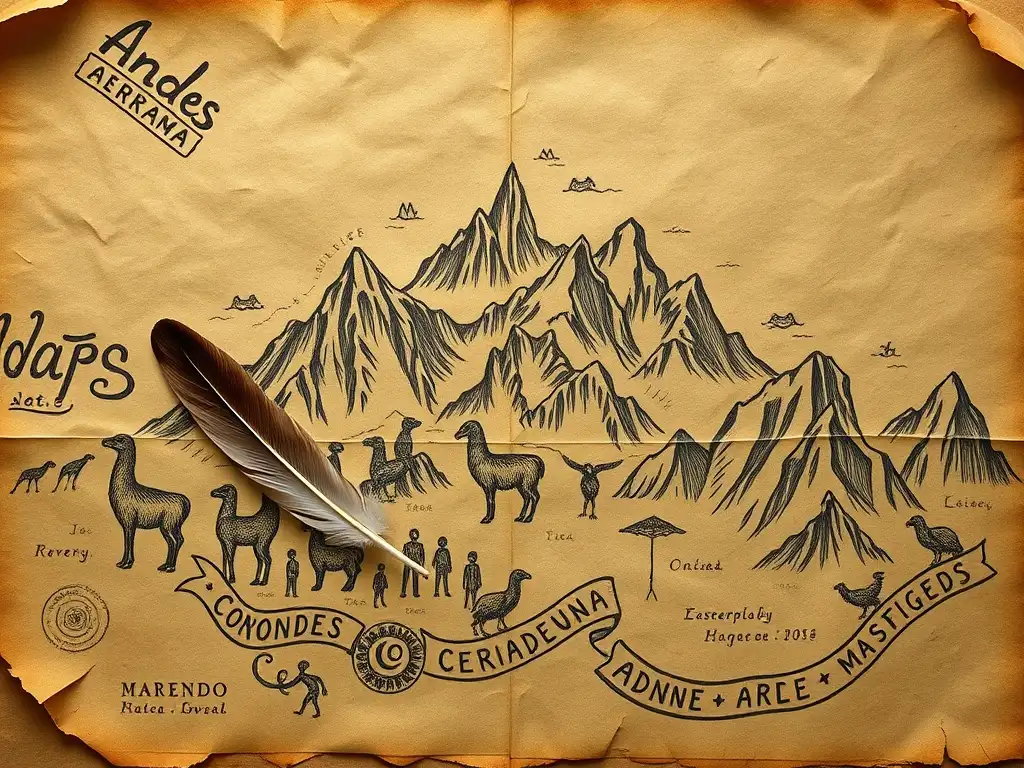
Andean prophecies, far from being relics of a bygone era, hold a profound and enduring significance for understanding the complexities of Andean resistance against Spanish colonial rule and the resilience of Andean cultures. Their impact resonates even today, shaping cultural identity and informing contemporary social and political movements. The prophecies weren't simply predictions; they served as powerful tools for social cohesion, inspiring hope and resistance during periods of immense hardship and oppression.
Understanding their meaning requires moving beyond a literal interpretation and acknowledging their symbolic and metaphorical power. The enduring relevance of Andean prophecies lies in their ability to encapsulate the collective anxieties, hopes, and aspirations of Andean communities facing immense challenges. Analyzing these prophecies allows us to gain a deeper appreciation of the intricate relationship between belief systems, social structures, and resistance strategies.
The persistent belief in the return of the Inkarrí, for example, speaks volumes about the enduring desire for liberation and the restoration of Andean sovereignty. This deep-seated hope, fueled by prophetic narratives, proved crucial in sustaining resistance movements throughout the colonial period and beyond.
The Continuity of Prophetic Traditions Across Generations
The transmission of Andean prophecies across generations played a vital role in maintaining cultural memory and identity during the Spanish Conquest. Oral traditions, meticulously preserved and passed down through storytellers, shamans, and community leaders, ensured the survival of these vital narratives. These weren't merely passive recitations; the prophecies were actively reinterpreted and adapted to fit the changing circumstances of each generation. This dynamic process allowed the prophecies to remain relevant and meaningful, even as the context shifted dramatically.
For instance, the prophecy of the return of the Inkarrí was constantly reimagined to reflect the specific challenges faced by each generation of Andean people. The details might vary, but the underlying message of hope and eventual liberation remained constant. This adaptability highlights the inherent flexibility and resilience of Andean belief systems.
The use of symbolic language and allegory within the prophecies also contributed to their longevity. These symbolic layers allowed the prophecies to evade direct censorship by the Spanish authorities while still conveying powerful messages of resistance to those who understood their deeper meaning. The encoded nature of these prophecies further cemented their importance as a tool for cultural preservation and resistance.
Contemporary Expressions of Andean Prophecy
Even today, Andean prophecies continue to influence various aspects of Andean life. While the forms of expression may have evolved, the underlying themes of hope, resilience, and the yearning for social justice remain central. Modern Andean artists, writers, and musicians draw inspiration from these ancient narratives, reinterpreting them for contemporary audiences.
This process of reinterpretation reflects the ongoing negotiation between tradition and modernity, highlighting the enduring relevance of these prophecies in the context of contemporary social and political issues. For example, the imagery and symbolism found in ancient prophecies are frequently incorporated into contemporary art, serving as powerful visual representations of Andean identity and resistance. Moreover, contemporary social movements often draw upon the themes and messages embedded within these prophecies to mobilize collective action and advocate for social change.
The prophecies, therefore, continue to serve as a source of inspiration and empowerment for Andean communities, connecting the past with the present and shaping the future. The ongoing relevance of these prophecies points to their enduring power to resonate with the collective consciousness of the Andean people.
Modern Interpretations of the Inkarrí Myth
The Inkarrí myth, a central element in many Andean prophecies, represents a potent symbol of hope and liberation. Modern interpretations of this myth often focus on its metaphorical significance, seeing Inkarrí not as a literal individual but as a representation of the collective spirit of the Andean people and their enduring struggle for self-determination. The Inkarrí's eventual return is interpreted not as a singular event but as an ongoing process of cultural revitalization and resistance against oppression.
The myth has been reinterpreted in various ways to address contemporary issues, such as environmental protection, indigenous rights, and social justice. This adaptability underscores the myth's enduring power to inspire hope and motivate action. Furthermore, the Inkarrí myth serves as a reminder of the importance of preserving Andean cultural heritage and resisting assimilation.
It embodies the persistent desire to reclaim ancestral lands, languages, and traditions, fostering a sense of collective identity and purpose. The myth’s continued relevance in contemporary Andean society demonstrates its capacity to transcend historical context and remain a powerful force for cultural preservation and social change, firmly anchoring the "Andean prophecies meaning" in the present.
Prophecy and the Resilience of Andean Cultural Identity
The Spanish conquest dealt a devastating blow to the Andean civilizations, aiming not only to subdue their populations but also to eradicate their rich cultural heritage. The imposition of Catholicism, the destruction of temples and sacred sites, and the suppression of indigenous languages were all part of a systematic effort to erase Andean identity. However, Andean prophecies played a crucial role in maintaining cultural resilience during this period of intense oppression.
These prophecies, often passed down orally through generations, offered a sense of continuity and hope, reminding people of their ancestral traditions and bolstering their resistance against the Spanish. They served as a powerful counter-narrative to the dominant Spanish ideology, fostering a sense of collective identity and shared purpose. The prophecies didn't necessarily predict specific events with pinpoint accuracy, but rather offered overarching narratives of resilience, survival, and eventual resurgence.
This provided a framework for understanding their suffering and maintaining hope for a future where their culture would endure. The continued practice of traditional rituals, despite the risks associated with doing so, demonstrates the strength of this connection to ancestral prophecies and the unwavering commitment to preserving their cultural identity. The coded language and symbolic interpretations embedded within these prophecies allowed for the clandestine transmission of cultural knowledge and practices, effectively safeguarding them from complete eradication.
The enduring power of these prophecies is evident in the fact that many aspects of Andean culture survived the conquest. Despite the best efforts of the Spanish crown, indigenous languages, religious practices, and artistic traditions persisted, often intertwined with elements of the imposed Catholicism. This syncretism, a blending of indigenous and European cultural elements, is a testament to the resilience of Andean culture and the role of prophecy in fostering this resilience.
The prophecies provided a framework within which the indigenous population could interpret and adapt to the changing circumstances, while still holding on to the core elements of their identity. This process is not simply passive survival but an active process of cultural negotiation and adaptation, a testament to the power of prophecy as a tool for cultural resistance.
The continued presence of these beliefs and practices in contemporary Andean societies is a powerful testament to their enduring significance. They are not simply historical relics but living traditions that continue to shape cultural identity and provide a sense of continuity with the past.
The study of Andean prophecies offers invaluable insights into the strategies employed by indigenous communities to maintain their cultural identity in the face of colonial oppression. The prophecies weren't merely passive predictions; they were active tools of resistance, providing a sense of hope and purpose that helped sustain cultural practices and traditions throughout the colonial period and beyond.
Their enduring legacy serves as a potent reminder of the power of cultural memory and the importance of preserving indigenous knowledge systems. The very act of preserving and interpreting these prophecies represented a powerful act of resistance, a way of keeping the flame of Andean culture burning in the darkness of colonial rule.
The Power of Prophecy: Sustaining Hope and Identity
Andean prophecies, imbued with deep spiritual meaning, played a crucial role in sustaining hope and cultural identity during the tumultuous period of Spanish conquest. The subjugation of Andean societies brought with it immense suffering—forced labor, disease, cultural suppression, and the destruction of sacred sites. However, the prophecies offered a counter-narrative, a source of strength against the overwhelming power of the colonizers.
Understanding the Andean prophecies meaning within this context reveals their profound significance in the face of adversity. These weren't simply predictions of the future; they were powerful tools for resistance, resilience, and the preservation of cultural memory. The belief in these prophecies fostered a sense of collective identity and purpose, allowing communities to endure and ultimately, to resist.
Prophecies as Sources of Hope and Resilience
The Spanish conquest, while seemingly insurmountable, was not perceived as inevitable by all Andean peoples. Prophecies offered a glimmer of hope, promising eventual liberation or a return to a golden age. These prophecies, often transmitted orally through generations, provided a framework for understanding their suffering and envisioning a better future.
For example, some prophecies foretold the eventual downfall of the conquistadores, describing events that could be interpreted as mirroring the actual struggles and weaknesses of the Spanish empire. This fostered a sense of resilience, allowing communities to withstand the brutality of colonization with the belief that their suffering would not be eternal. The prophecies provided a spiritual anchor, a belief system that offered solace and strength in the face of overwhelming odds.
This spiritual resilience is crucial to understanding the continued survival and adaptation of Andean cultures throughout this difficult era. The belief that their ancestors' wisdom, passed down through prophetic narratives, offered a path towards liberation fueled their perseverance.
Maintaining Cultural Memory Through Prophetic Narratives
Beyond offering hope, Andean prophecies served as vital mechanisms for preserving cultural memory during a period of systematic cultural erasure. The Spanish implemented policies aimed at suppressing indigenous religions, languages, and traditions. However, the oral tradition of prophecy provided a covert means of transmitting knowledge and beliefs across generations.
Prophecies often contained encoded messages, historical accounts, and cultural values, cleverly embedded within narratives that appeared innocuous to the Spanish authorities. This strategic embedding of cultural knowledge within prophetic narratives ensured the survival of vital aspects of Andean identity, allowing it to endure even under the pressure of forced assimilation. The intricate storytelling within these prophecies acted as a form of resistance, subtly preserving and transmitting cultural heritage in the face of oppression.
This preservation of cultural memory was essential for the later resurgence of Andean traditions and identities. The enduring power of these prophecies lies not only in their spiritual significance but also in their role as keepers of a threatened cultural heritage.
The Spiritual Strength Derived From Ancestral Beliefs
The power of Andean prophecies was intrinsically linked to the deeply rooted spiritual beliefs of Andean societies. These prophecies were not merely predictions; they were considered revelations from ancestral spirits, deities, and forces of nature. Belief in the prophetic narratives strengthened the connection to ancestral lineages and strengthened community bonds.
This spiritual strength was paramount in resisting the imposed religious system of the Spanish. The ability to draw upon the power of ancestral spirits, as channeled through prophecies, provided a psychological and spiritual advantage in the face of colonization. The meaning of these prophecies was inextricably tied to the spiritual cosmology of the Andes, providing a source of strength that went beyond the purely material realm.
The enduring legacy of these prophecies speaks to the enduring power of faith and spiritual resilience in the face of historical trauma. The spiritual strength drawn from these beliefs sustained hope and fueled resistance, contributing significantly to the ongoing cultural presence of Andean peoples.
Prophecy's Enduring Role in Andean History and Identity
Prophecies played a crucial, multifaceted role in shaping Andean history and identity, extending far beyond simple fortune-telling. They served as powerful tools for maintaining social cohesion, bolstering resistance against oppression, and preserving cultural memory during periods of immense upheaval, particularly during the Spanish conquest. The belief in prophecies fostered a sense of continuity and hope, even in the face of seemingly insurmountable challenges.
These weren't simply predictions of future events; they were integral to the Andean worldview, acting as moral compasses and guides for action. The interpretation of prophecies often fell to shamans and other religious leaders, who wielded significant influence within their communities. Their pronouncements could sway public opinion, inspire rebellion, or even dictate agricultural practices.
The enduring power of these prophecies is evident in their continued relevance in Andean cultures today, showcasing their deep-rooted significance. Many contemporary Andean communities still consult ancient prophecies to understand current events and guide their decisions, demonstrating the prophecy's ongoing impact on Andean identity.
The Spanish conquest drastically altered the landscape of Andean life, imposing a new religion, political system, and economic order. However, the indigenous population didn't passively accept this transformation. Prophecies offered a crucial framework for resistance, providing a sense of hope and purpose amidst the devastation. Many prophecies foretold the eventual downfall of the Spanish, offering a glimmer of hope and fueling the spirit of rebellion.
These prophecies, passed down through generations, became powerful rallying cries, uniting disparate communities against a common enemy. The belief that the ancient gods would ultimately restore balance and justice provided the psychological strength needed to endure years of oppression and violence. The resilient nature of the Andean people during this period is inextricably linked to their faith in these prophecies.
Furthermore, the very act of preserving and interpreting these prophecies served as an act of cultural resistance. By maintaining their oral traditions and beliefs, the Andean people actively resisted the attempts by the Spanish to erase their cultural heritage. The prophecies became a repository of ancestral knowledge, a testament to their enduring identity.
This active preservation, despite facing immense pressure to assimilate, highlights the profound significance of prophecy in the Andean struggle for cultural survival. The prophecies weren't just passive predictions; they were dynamic tools for both resistance and the preservation of identity in the face of colonization. The continued study and interpretation of these prophecies offer valuable insights into the resilience and cultural depth of the Andean civilizations.
Understanding their role in sustaining hope and identity is crucial for a complete understanding of Andean history and the enduring power of their cultural legacy. The preservation of these prophecies serves as a powerful reminder of the enduring spirit of the Andean people and the importance of maintaining cultural heritage in the face of adversity.
Frequently Asked Questions
What are Andean prophecies?
Andean prophecies are ancient predictions and beliefs about the future, often tied to cosmological views and spiritual practices of various Andean cultures. They weren't always written down, but passed through oral traditions.
How did Andean prophecies influence daily life?
These prophecies profoundly shaped daily life, influencing decision-making, agricultural practices, and social structures. They provided a framework for understanding the world and their place within it.
What is the significance of Pachamama in Andean prophecies?
Pachamama, the Earth Mother, is a central figure in many prophecies. Her well-being is inextricably linked to the fate of the people, and her moods or actions often foreshadow significant events.
Are there specific examples of fulfilled Andean prophecies?
While verification is difficult, some interpretations suggest certain prophecies foretold environmental shifts, social upheavals, or the arrival of the Spanish. The meaning and interpretation remain open to debate.
Where can I learn more about the meaning of Andean prophecies?
Further research into Andean mythology, archaeological findings, and ethnographic studies will provide a deeper understanding. Look for scholarly articles and books focusing on specific Andean cultures and their belief systems.
Final Reflection: Echoes of the Andes, Whispers of Hope
The enduring power of Andean prophecies lies not just in their ancient wisdom, but in their uncanny ability to resonate with the anxieties and aspirations of our modern world. These prophecies, passed down through generations, offer a potent reminder that cycles of hardship and renewal are inherent to the human experience, a truth particularly relevant in our current era of unprecedented global challenges. Their continued relevance speaks volumes about the timeless nature of human hope and the enduring search for meaning in the face of uncertainty.
The intricate tapestry woven by these prophecies, with their interwoven threads of nature, spirituality, and social justice, continues to inspire movements for social change and environmental stewardship. Their influence transcends geographical boundaries, offering a framework for understanding our interconnectedness with the earth and each other. The mountains remember, and the mountains will teach,
a phrase often associated with Andean wisdom, encapsulates this profound connection and the enduring legacy of these prophecies. It's a reminder that our actions today shape the future, echoing the cyclical nature of time and the responsibility we bear towards generations to come.
Consider the echoes of these prophecies in your own life. What challenges are you facing? How can the wisdom embedded within these ancient narratives offer solace, guidance, and a renewed sense of purpose? Embrace the power of hope, the resilience of the human spirit, and the enduring wisdom of the Andes. Let the prophecies inspire you to become an active participant in shaping a future where harmony with nature and social justice prevail, a future worthy of the legacy passed down through the ages.
Embrace Hope: Take Action with Andean Insights
Thank you for exploring the profound wisdom of Andean prophecies and their relevance to your life. You've discovered a unique perspective that can foster resilience and hope during challenging times. Let's translate this inspiration into meaningful action!
Here are some ways to further connect with this powerful knowledge:
- Reflect and Journal: Regularly journaling about your reflections on the prophecies can illuminate how they resonate with your personal experiences and aspirations. This process of self-reflection can be incredibly powerful.
- Share Your Discoveries: Discuss these insights with friends and family, sparking conversations that spread hope and understanding within your community. Sharing your newfound knowledge can be a rewarding experience.
- Deepen Your Understanding: Explore Andean culture further by attending local workshops, cultural events, or online courses that celebrate indigenous knowledge and traditions. There are many resources available to help you on this journey.
How will you integrate the insights from Andean prophecies into your life, and how do you envision making a positive impact on those around you?