
The Tiahuanaco View of Death and Reincarnation

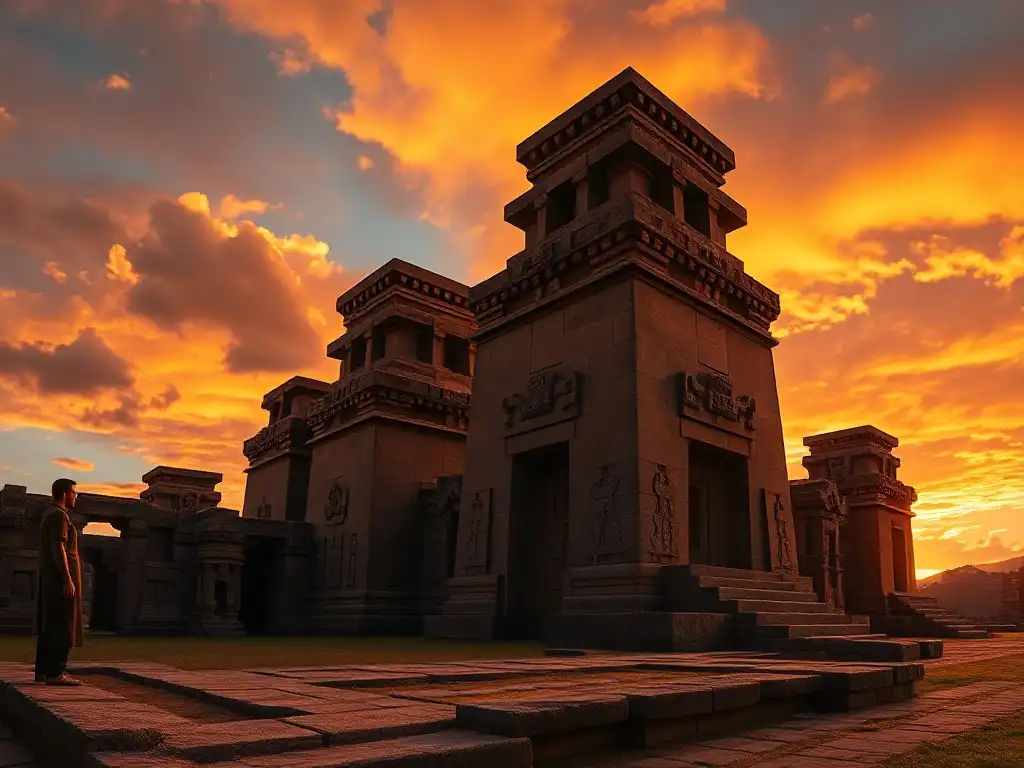
Unravel the mysteries of the Andes! Journey with us into the heart of ancient Andean cultures, where vibrant civilizations flourished and left behind a legacy of breathtaking artistry and innovative engineering. But what secrets did these societies hold about the afterlife? Delve into the fascinating world of Tiahuanaco death beliefs and reincarnation, a captivating realm of spiritual practices that will challenge your understanding of life and death. Prepare to be amazed.
- Tiahuanaco Death Beliefs and the Cycle of Reincarnation
- Understanding Tiahuanaco Concepts of Death
- Reincarnation and the Continuity of Life in Tiahuanaco
- The Tiahuanaco Perspective on the Cycle of Life, Death, and Rebirth
- Exploring Tiahuanaco's Views on the Transmigration of Souls
- The Enduring Relevance of Tiahuanaco Death and Rebirth Beliefs
- Frequently Asked Questions
- Final Reflection: Echoes of the Andes: Tiahuanaco's Enduring Legacy of Death and Rebirth
- Embrace Life: Discover Your Path to Rebirth
Tiahuanaco Death Beliefs and the Cycle of Reincarnation
The Andean civilization of Tiahuanaco, flourishing between 500 and 1000 CE in what is now Bolivia, developed a complex religious and cosmological system deeply intertwined with their understanding of life, death, and the cyclical nature of existence. Unlike many other cultures that viewed death as a definitive end, Tiahuanaco's worldview embraced a concept of reincarnation and a continuous cycle of rebirth.
This belief system, evident in their monumental architecture, intricate iconography, and sophisticated social structures, offers a fascinating glimpse into their spiritual landscape and sheds light on their unique perspective on mortality. Understanding Tiahuanaco's beliefs about death and reincarnation provides crucial context for interpreting their artistic expressions, societal organization, and the very purpose of their impressive city.
This article delves into the evidence suggesting a complex system of beliefs surrounding death and rebirth within Tiahuanaco culture, exploring the archaeological and iconographic data that supports this interpretation. We will examine how these beliefs likely shaped their society and their understanding of the cosmos.
Archaeological Evidence of Funerary Practices
The meticulous excavation of Tiahuanaco sites has unearthed significant evidence regarding their funerary practices. Analysis of burial sites reveals a variety of rituals and grave goods, suggesting a nuanced approach to death and the afterlife.
While detailed information on the specific rituals is still being uncovered and interpreted, [specific information pending on the precise number of burial sites excavated and analyzed], current research indicates a range of burial styles, from simple interments to elaborate tombs containing offerings. These offerings often included intricately crafted ceramics, textiles, and precious metals, implying a belief in a continued existence beyond physical death and the necessity of providing sustenance and adornment for the deceased in their journey to the afterlife.
The careful placement of bodies and grave goods suggests a structured process and a belief in the significance of the transition between life and the next stage of existence. Further research into the chemical composition of the soil in burial sites could potentially reveal information on the preservation techniques used and the rituals surrounding the preparation of the deceased.
Iconographic Representations of Rebirth and Renewal
Tiahuanaco art is replete with symbolic imagery that strongly suggests a belief in cyclical processes and rebirth. Many of the sculptures and ceramics depict figures in dynamic poses, often associated with growth, transformation, and renewal. For example, [Specific example of a sculpture or ceramic piece depicting rebirth, with a description of its features and location, pending]. This iconography frequently features motifs of plants, animals, and celestial bodies, all of which are often interpreted as symbols of continuous cycles of life, death, and rebirth.
The repetition of specific symbols across various artifacts reinforces the importance of these cyclical themes within Tiahuanaco culture. The prevalence of these symbols across different media (stone carvings, ceramics, textiles) suggests a widespread and deeply ingrained belief system. The stylistic consistency points to a centrally organized religious structure that promoted and maintained a unified cosmological understanding.
The Role of the Puma and Other Symbolic Animals in the Afterlife
Several animal figures, prominently the puma, appear repeatedly in Tiahuanaco iconography. The puma, a powerful and revered creature in Andean cultures, is often associated with the underworld and the transition between life and death. [Specific examples of puma representations in Tiahuanaco art, including their location and significance, pending]. The presence of the puma in funerary contexts further reinforces its role as a mediator between the worlds of the living and the dead.
Other animals, such as birds and snakes, also appear frequently, likely representing different aspects of the cyclical process of life, death, and rebirth. Analyzing the specific contexts in which these animals are depicted could provide further insight into their symbolic meanings within the Tiahuanaco worldview. Further research into the cultural significance of these animals in contemporary Andean cultures may illuminate their role in Tiahuanaco beliefs.
Connecting Death Beliefs to Tiahuanaco Society and Cosmology
The Tiahuanaco belief in reincarnation and the cyclical nature of existence likely had a profound impact on their societal structure and worldview. The emphasis on continuity and renewal might have contributed to their sophisticated social organization and their ability to build and maintain a large, complex urban center.
[Specific examples of how death beliefs might have influenced Tiahuanaco society, e.g., social hierarchy, power structures, pending]. The cyclical worldview, expressed in their art and architecture, suggests a harmonious relationship between the human world and the cosmos, with death not being perceived as an ending, but as a necessary transition within a larger, ongoing cycle.
The impressive scale of Tiahuanaco’s monumental architecture might even reflect a desire to create a lasting legacy that transcended individual lives, echoing the enduring nature of the cyclical process they believed in. Further research is needed to fully understand the intricate relationship between cosmology, social structures, and their belief in reincarnation.
Understanding Tiahuanaco Concepts of Death
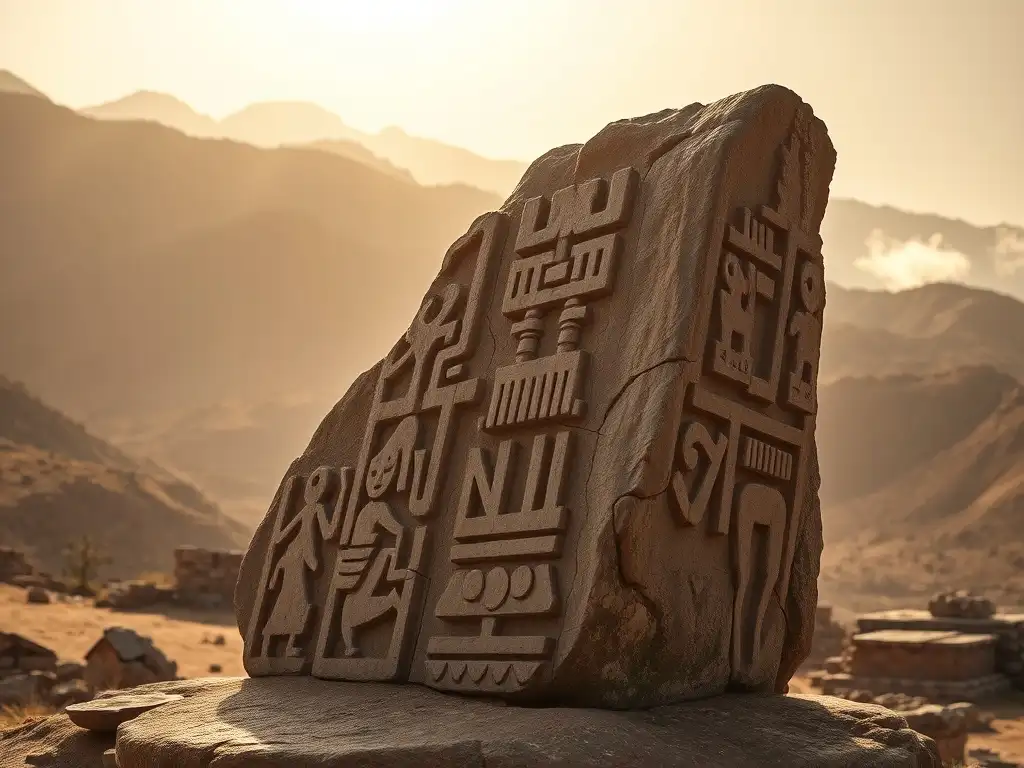
The Tiahuanaco worldview, deeply entwined with its sophisticated cosmology, presented a complex understanding of death and the afterlife, significantly different from many other ancient cultures. Their beliefs weren't simply about an end, but a transformation, a cyclical journey reflecting the Andean understanding of the interconnectedness of life, death, and renewal. Unlike linear conceptions of the afterlife, Tiahuanaco's perspective emphasized a continuous cycle of existence, mirroring the agricultural rhythms crucial to their survival and deeply embedded in their spiritual beliefs.
This cyclical view of life, death, and reincarnation is reflected in their art, architecture, and burial practices, offering compelling insights into their unique spiritual landscape. The keyword "Tiahuanaco death beliefs reincarnation" is central to understanding this nuanced perspective.
The Afterlife in Tiahuanaco Cosmology
Tiahuanaco cosmology envisioned a multi-layered universe, with the earthly realm connected to both subterranean and celestial spheres. Death wasn't a complete severance from existence but a transition to another realm within this interconnected cosmos. While specific details remain elusive due to limited textual sources, archaeological evidence suggests a belief in an underworld, perhaps a subterranean realm mirroring the earthly plane, and a celestial realm associated with deities and ancestors.
The iconic Gate of the Sun, with its intricate carvings depicting figures and symbols, is often interpreted as representing this interconnectedness, possibly depicting a journey between these different realms. This interpretation is supported by the discovery of numerous burial sites containing intricate grave goods, suggesting preparations for a continued existence in the afterlife.
Furthermore, the emphasis on ancestor veneration in Tiahuanaco culture points to a belief that the deceased maintained a powerful influence on the living, further reinforcing the idea of a continuous, cyclical existence. The cyclical nature of the Andean agricultural calendar likely influenced this belief, with death being viewed as a necessary step in the continuous cycle of life, death, and rebirth.
Tiahuanaco Burial Practices and Their Significance
Tiahuanaco burial practices offer valuable clues into their beliefs regarding death and the afterlife. Archaeological excavations have uncovered a variety of burial styles, ranging from simple interments to elaborate tombs containing rich grave goods. These goods, often including finely crafted textiles, ceramics, and tools, suggest a belief that the deceased would require these items in their journey to the afterlife.
The careful placement of bodies and artifacts within the tombs, often in specific orientations, implies a structured ritual process reflecting a deep understanding of the transition. For example, the discovery of multiple individuals buried together in some sites suggests a belief in communal afterlife or the importance of kinship bonds extending beyond death. The meticulous nature of these burials, combined with the quality of the grave goods, points to a society that placed significant value on proper funerary rites, further emphasizing the importance of the transition and the continued existence of the deceased.
Analysis of skeletal remains also provides insights into the health and lifestyle of the deceased, offering valuable context for understanding their life and subsequent passage. Further research, particularly isotopic analysis of skeletal remains, could provide more detailed information about diet and mobility patterns, enriching our understanding of Tiahuanaco social structures and beliefs.
Rituals and Offerings for the Deceased
Rituals surrounding death and the deceased were clearly central to Tiahuanaco society. Offerings placed within tombs, such as food, drink, and precious artifacts, suggest attempts to appease spirits or provide sustenance for the deceased in the afterlife. The presence of meticulously crafted ceramics and textiles further highlights the importance of ritual and symbolism in their funerary practices. These offerings were not merely material goods but symbolic representations of the deceased's status and the society's beliefs about the afterlife.
The scale and complexity of certain burial sites suggest elaborate ceremonies involving multiple individuals, highlighting the communal aspect of death rituals. Evidence suggests that these rituals were not solely confined to the immediate burial process but continued after the interment, possibly through periodic offerings or commemorative ceremonies. Unfortunately, the absence of written records leaves many questions unanswered regarding the specific details of these rituals and their symbolic meanings.
However, the archaeological evidence clearly indicates a highly developed and sophisticated system of funerary practices deeply integrated into the fabric of Tiahuanaco society, reflecting their complex understanding of death and reincarnation within their unique cosmology. Further research into iconography found on artifacts and within burial sites could shed more light on the specific rituals and their symbolic significance. The study of Tiahuanaco death beliefs reincarnation is thus an ongoing process of piecing together a fascinating puzzle using the available archaeological evidence.
Reincarnation and the Continuity of Life in Tiahuanaco
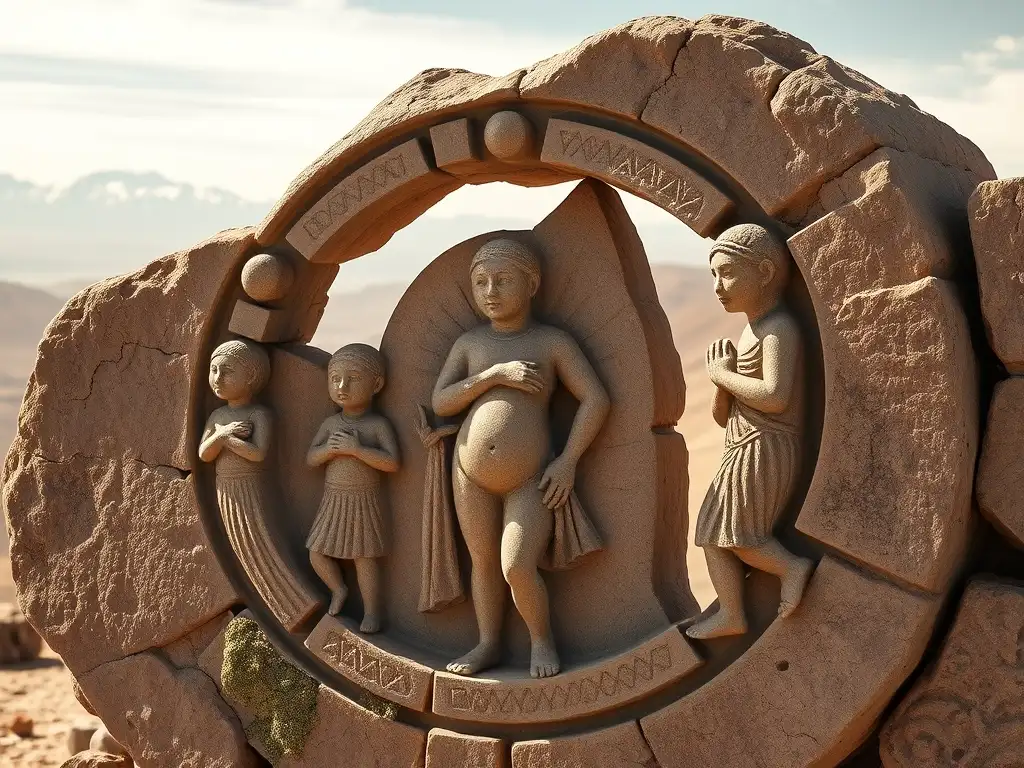
The Tiahuanaco civilization, flourishing in the Andean highlands from approximately 500 to 1000 CE, developed a complex religious and cosmological system deeply intertwined with beliefs about death and the afterlife. While direct textual evidence is scarce, archaeological findings and interpretations of iconography strongly suggest a belief in reincarnation, a cyclical view of life, death, and rebirth central to their understanding of the cosmos.
This wasn't simply a passive acceptance of an inevitable cycle; rather, it informed their social structures, rituals, and artistic expressions, shaping their worldview in profound ways. The concept of samsara, though not explicitly named as such, finds a compelling parallel in the Tiahuanaco understanding of the continuous flow of life and energy.
This belief system provided a framework for understanding the world and their place within it, offering comfort and meaning in the face of mortality. The cyclical nature of their agricultural practices, heavily reliant on the annual flooding of Lake Titicaca, likely influenced this perspective, mirroring the cyclical nature of life and death itself.
The Tiahuanaco Belief in the Soul's Journey
Tiahuanaco's belief in the soul's journey after death is a crucial element of their reincarnation beliefs. While specifics remain elusive due to the limited written records, analysis of their art and architecture suggests a complex understanding of the soul's transition. The soul, often depicted symbolically as a bird or a feline, was not seen as simply ceasing to exist upon death.
Instead, it embarked on a journey, a process possibly interpreted through the intricate designs found on their pottery and textiles. These designs, featuring repeated motifs of stylized animals and celestial bodies, may represent the stages of this journey, the soul's passage through different realms before its eventual rebirth. Further research into the symbolism within these artifacts could illuminate the specific stages of this journey, revealing a deeper understanding of their cosmology.
The prominent use of camelids (llamas and alpacas) in their iconography might also hold symbolic significance, potentially representing the soul's transformation or its connection to the ancestral world. More research is needed to fully interpret these symbols and their relation to the soul's journey.
Evidence of Reincarnation in Tiahuanaco Art and Iconography
The intricate carvings and designs found on Tiahuanaco's monumental structures and artifacts offer compelling visual evidence of their reincarnation beliefs. For example, the repeated depiction of figures in various stages of transformation, often depicted with both human and animal characteristics, suggests a belief in the cyclical nature of existence. The famous Gate of the Sun, for instance, features a central figure surrounded by stylized beings that could be interpreted as representations of different stages of life, death, and rebirth.
The meticulous detail and symbolic richness of these carvings point towards a sophisticated understanding of the afterlife and the process of reincarnation. Furthermore, the presence of certain motifs, such as the recurring depiction of serpents and stylized plants, could symbolize the regenerative power of nature, further supporting the idea of cyclical rebirth.
Analysis of these motifs, using comparative studies with other Andean cultures, could provide further insights into the specific meanings attributed to them. Unfortunately, [specific details on the interpretations of certain symbols pending further academic research].
The Role of Ancestors in Tiahuanaco Society
The belief in reincarnation significantly influenced the social structure of Tiahuanaco society. Ancestors held a prominent position, not only as revered figures of the past but also as active participants in the ongoing cycle of life. Rituals and ceremonies likely played a central role in maintaining this connection, ensuring the continuity of their lineage and the flow of spiritual energy.
The construction of elaborate tombs and the careful placement of grave goods suggest a strong emphasis on honoring the deceased and their continued influence on the living. The importance of ancestors is also reflected in the architectural design of Tiahuanaco's urban centers, where monumental structures might have served as focal points for ancestral veneration. This veneration wasn't simply a matter of respect; it was a fundamental element of their social cohesion, binding the living and the dead within a continuous, cyclical system.
Further investigation into the social practices and burial customs of the Tiahuanaco people is needed to fully understand the complex interplay between reincarnation beliefs and their social structures. The impact of this belief system on their political organization and social hierarchy remains a subject of ongoing scholarly debate.
The Tiahuanaco Perspective on the Cycle of Life, Death, and Rebirth
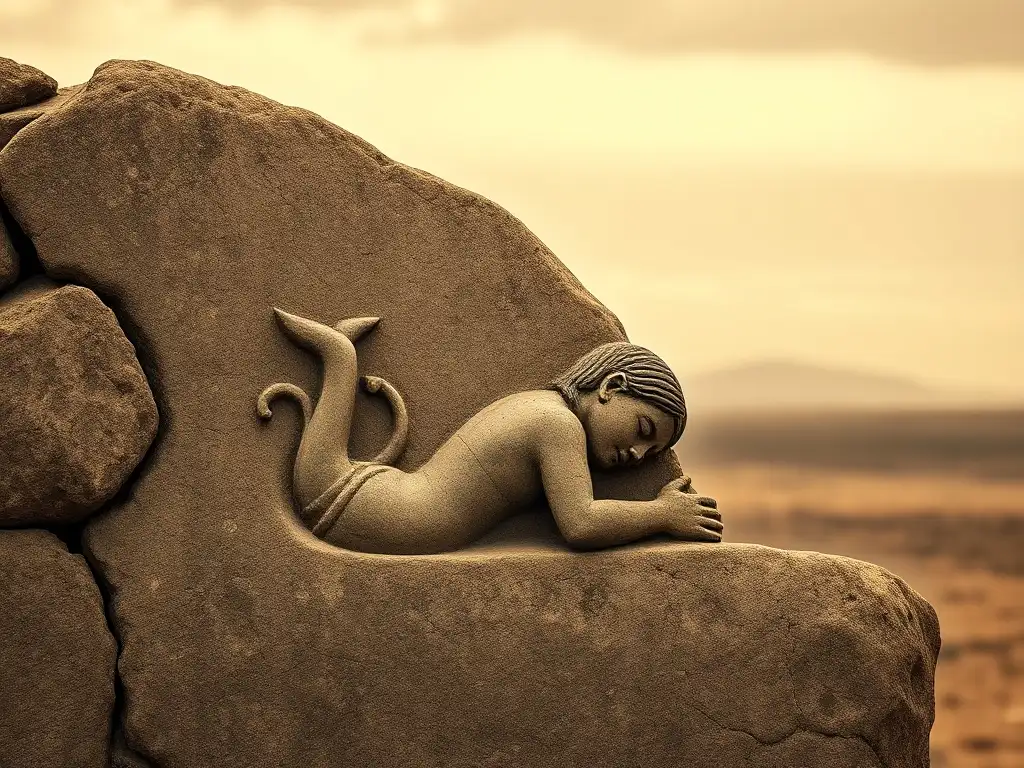
The Tiahuanaco civilization, flourishing in the Andes between approximately 500 and 1200 CE, held a complex and nuanced worldview that deeply intertwined life, death, and rebirth. Unlike many other cultures that viewed death as a definitive end, Tiahuanaco cosmology suggested a continuous cycle, a fluid transition between the earthly realm and the spiritual world. Their beliefs, expressed through intricate iconography, monumental architecture, and elaborate burial practices, offer a fascinating glimpse into their understanding of existence and the afterlife.
Understanding Tiahuanaco death beliefs and reincarnation requires examining their sophisticated religious system and its impact on their daily lives. This intricate system shaped not only their funerary rituals but also their artistic expressions and social structures. The keyword, "Tiahuanaco death beliefs reincarnation," encapsulates this central theme.
The Interconnectedness of Worlds in Tiahuanaco Thought
Tiahuanaco cosmology envisioned a complex interplay between different realms. The terrestrial world was not isolated but interconnected with the underworld ( aka pacha ) and the celestial world ( hanan pacha). These three levels were not seen as separate entities but as interconnected parts of a larger cosmic order.
Death was not perceived as a complete severance from this cosmic order but rather as a transition, a movement from one realm to another. This belief is reflected in their art, which often depicts figures moving between these different planes of existence. For instance, representations of the were-jaguar deity, a prominent figure in Tiahuanaco iconography, often show a transition between human and animal forms, mirroring the transformation experienced during death and rebirth.
The fluidity between these realms suggests a cyclical view of life, where death is not an ending but a stage in a continuous process. Further research is needed to fully understand the specific mechanisms of this transition, [specific information pending on detailed scholarly interpretations of specific artifacts].
How Tiahuanaco Death Rituals Reflected Their Beliefs
Tiahuanaco burial practices provide compelling evidence of their beliefs in reincarnation and the cyclical nature of life. Elaborate tombs, often containing numerous individuals, suggest communal conceptions of the afterlife. Grave goods, including intricately crafted textiles, ceramics, and metalwork, were intended not only to provide comfort in the next world but also to facilitate the transition. The inclusion of specific objects might have symbolically aided the deceased’s journey through the different realms.
For example, [specific examples of grave goods and their symbolic meaning pending]. The positioning of bodies within the tombs and the orientation of the tombs themselves may also have held significant cosmological meaning, aligning with the cardinal directions or specific celestial events. Furthermore, the presence of multiple burials in a single tomb suggests a belief in communal afterlife experiences, with individuals perhaps maintaining social relationships even after death.
Tiahuanaco's Legacy and its Impact on Andean Spirituality
The Tiahuanaco civilization's influence extended far beyond its geographical boundaries. Their sophisticated religious beliefs, including their unique perspective on death and reincarnation, profoundly impacted the spiritual landscape of the Andes. Subsequent Andean cultures, such as the Inca, incorporated many aspects of Tiahuanaco cosmology into their own belief systems.
The continuity of certain motifs, deities, and ritual practices across different Andean cultures highlights the lasting legacy of Tiahuanaco's religious and cosmological innovations. The concept of a cyclical view of life and death, with its emphasis on the interconnectedness of different realms, became a central tenet of Andean spirituality, persisting for centuries after the decline of the Tiahuanaco state.
This enduring influence underscores the significance of understanding Tiahuanaco's unique contribution to the rich tapestry of Andean spiritual thought. The study of Tiahuanaco death beliefs and reincarnation thus offers crucial insights into the broader development of Andean religious practices and the enduring power of their cosmological vision.
Exploring Tiahuanaco's Views on the Transmigration of Souls
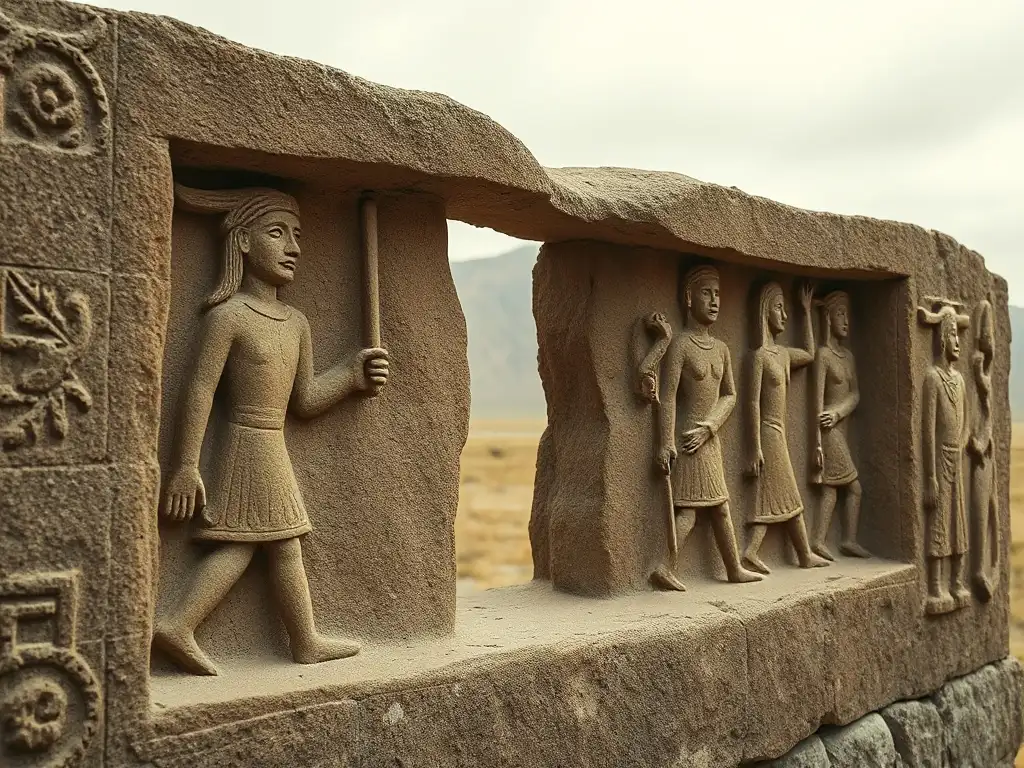
The Tiahuanaco civilization, flourishing in the Andean highlands from approximately 500 CE to 1000 CE, possessed a complex religious system deeply intertwined with their understanding of life, death, and the afterlife. While direct textual evidence is scarce, archaeological findings and interpretations of iconography strongly suggest a belief system incorporating elements of reincarnation or, more accurately, a cyclical view of life and death. The concept wasn't necessarily a straightforward "soul" transmigrating into another body, but rather a continuous flow of energy and essence within a cosmic framework.
This worldview is reflected in their monumental architecture, elaborate burial practices, and symbolic representations found in their artifacts. Understanding Tiahuanaco death beliefs and reincarnation requires careful analysis of these multifaceted aspects of their culture. The keyword Tiahuanaco death beliefs reincarnation accurately reflects this intricate interplay between the physical and spiritual realms.
Tiahuanaco's Understanding of the Spirit World
Tiahuanaco's perception of the spirit world remains partially enigmatic, shrouded in the mysteries of a civilization that left behind more questions than answers. However, we can glean insights from the careful study of their monumental structures and the careful placement of their deceased. It seems likely that they believed in a complex interplay of different spiritual realms, perhaps connected to the celestial bodies and the natural world around them.
The elevated platforms and intricate water management systems of sites like Akapana might represent a terrestrial reflection of this cosmology, mirroring the layered structure of the spiritual realm. The use of specific materials, such as obsidian and turquoise, in burial contexts further suggests a symbolic connection between the material world and the spiritual plane. These materials, valued for their rarity and perceived mystical properties, may have been seen as facilitating the transition of the deceased into the afterlife or aiding their continued interaction with the living.
This reinforces the significance of Tiahuanaco death beliefs reincarnation as a central tenet of their spiritual understanding. Further research into the chemical composition of pigments used in their art may reveal additional clues to their beliefs about the spiritual world and the transition between life and death.
Examples of Tiahuanaco Burial Sites: Akapana and Pumapunku
The monumental architecture of Tiahuanaco itself serves as a testament to their sophisticated understanding of the cosmos and its relationship to the afterlife. Akapana, a massive stepped pyramid, is believed to have been a significant ceremonial and burial center. Excavations have revealed numerous burials within and around the structure, suggesting a deliberate integration of the living and the dead within the sacred space.
The intricate arrangement of these burials, along with the presence of ritual offerings, points to a structured process of honoring the deceased and facilitating their passage into the next stage of existence, further emphasizing the importance of Tiahuanaco death beliefs reincarnation. Similarly, Pumapunku, with its precisely cut stone blocks and enigmatic structures, may have played a role in funerary rites, though its exact function remains debated. The scale and precision of these sites suggest a considerable investment of resources and labor, underscoring the importance of death and the afterlife in Tiahuanaco society.
The precise nature of the rituals associated with these locations and the meanings behind the specific burial practices remain areas requiring further investigation. [Specific information pending] on the types of artifacts found with the deceased at Akapana and Pumapunku would greatly enhance our understanding.
Analysis of Tiahuanaco Religious Artifacts: The Gateway of the Sun
The Gateway of the Sun, a monolithic gateway carved from a single block of andesite, stands as one of the most iconic artifacts of the Tiahuanaco culture. Its intricate carvings depict various figures, including a central figure often interpreted as a deity or a representation of the creator. The presence of multiple figures, along with the intricate details of the carvings, suggests a complex pantheon and a nuanced understanding of the spiritual world.
The repetitive motifs and symbolic representations found on the Gateway of the Sun may represent cyclical processes related to life, death, and renewal, supporting the hypothesis of a belief in reincarnation or cyclical existence within the Tiahuanaco death beliefs reincarnation framework. Scholars continue to debate the precise meanings of these symbols, but their careful placement and the evident craftsmanship suggest a profound significance within the religious context of the Tiahuanaco civilization. A detailed analysis of the iconography, considering the possible influence of other Andean cultures, could offer further insights into their complex worldview and beliefs about the afterlife.
A comparative study with similar artifacts from other Andean sites could provide valuable contextual information. [Specific information pending] on the chemical analysis of the pigments used in the Gateway of the Sun could illuminate the symbolic significance of the colors.
The Enduring Relevance of Tiahuanaco Death and Rebirth Beliefs
The Tiahuanaco civilization, flourishing in the Andean highlands between 500 and 1000 CE, developed a complex cosmology deeply intertwined with beliefs about death and reincarnation. Unlike simpler views of an afterlife, Tiahuanaco's understanding of death was a cyclical process, a continuous journey between the earthly realm and a spiritual plane. This sophisticated worldview wasn't simply a belief system confined to the past; its echoes resonate in later Andean cultures and continue to fascinate researchers and spiritual seekers today.
The intricate iconography found on Tiahuanaco artifacts, such as the famous Gate of the Sun, provides valuable clues into their profound beliefs surrounding death and rebirth. Analyzing these visual representations, alongside archaeological findings, allows us to piece together a more complete picture of their spiritual landscape. The cyclical nature of their worldview, emphasizing renewal and transformation, offers a compelling counterpoint to linear conceptions of time and mortality.
The Influence of Tiahuanaco Cosmology on Later Cultures
The influence of Tiahuanaco's death and reincarnation beliefs extended far beyond its geographical boundaries and temporal lifespan. Subsequent Andean cultures, including the Inca, absorbed and adapted aspects of Tiahuanaco cosmology. While the Incas developed their own unique pantheon and rituals, evidence suggests a continuity of certain beliefs regarding the cyclical nature of life and death.
For example, the Inca emphasis on ancestor veneration can be interpreted as a reflection of Tiahuanaco's reverence for the deceased and their continued spiritual presence. The intricate system of capacocha, the ritual sacrifice of children, while controversial, also points to a belief in the power of the deceased to influence the living, a concept rooted in the Tiahuanaco worldview.
Furthermore, the use of specific iconographic motifs found in Tiahuanaco art reappears in later Andean artistic traditions, hinting at the enduring legacy of their spiritual beliefs. Further research is needed to fully quantify the extent of this influence, but the preliminary evidence strongly suggests a significant cultural transmission of ideas concerning death and rebirth.
Tiahuanaco Spiritual Teachings and Modern Interpretations
Understanding Tiahuanaco's views on death and reincarnation requires moving beyond a purely archaeological perspective. Modern interpretations often draw parallels between Tiahuanaco beliefs and contemporary spiritual practices. The cyclical nature of their cosmology, emphasizing continuous transformation, aligns with certain aspects of animism and reincarnation beliefs found in various indigenous traditions worldwide. Some scholars even suggest that the complex iconography on Tiahuanaco artifacts contains encoded spiritual teachings, potentially reflecting advanced understandings of the interconnectedness of life and the cosmos.
These interpretations, however, often rely on subjective readings of symbolic imagery, and require careful consideration and further scholarly debate. However, the enduring fascination with Tiahuanaco's spiritual legacy provides a fertile ground for interdisciplinary dialogue, blending archaeological evidence with anthropological insights and contemporary spiritual perspectives. The continued study of Tiahuanaco's beliefs offers a unique opportunity to explore the universality of human spiritual concerns across time and cultures.
Concluding Thoughts: The Enduring Mystery of Tiahuanaco Beliefs
The Tiahuanaco view of death and reincarnation remains a subject of ongoing research and interpretation. While much has been discovered through archaeological excavations and analysis of artifacts, significant gaps in our understanding persist. The symbolic language of Tiahuanaco art, while rich in detail, often resists straightforward interpretation, leaving room for diverse scholarly perspectives and ongoing debate. The very nature of spirituality, being inherently intangible and subjective, further complicates efforts to fully reconstruct their belief system.
However, the enduring power of Tiahuanaco's legacy lies precisely in its enigmatic nature. The mysteries surrounding their beliefs continue to inspire researchers and captivate the imagination, reminding us of the enduring human quest to understand the meaning of life and death, and the cyclical nature of existence. The study of Tiahuanaco death beliefs reincarnation continues to offer valuable insights into the rich tapestry of Andean spirituality and the enduring human fascination with the afterlife.
Frequently Asked Questions
What were the Tiahuanaco people's beliefs about death?
The Tiahuanaco civilization held complex beliefs about death, viewing it not as an end but as a transition. They believed in a cyclical worldview, with death leading to reincarnation and a continuation of life in a different form. Elaborate burial practices reflect this belief.
Did the Tiahuanaco believe in an afterlife?
While not explicitly described like in other cultures, their elaborate burial rituals and iconography strongly suggest a belief in some form of afterlife or continued existence. The provision of grave goods indicates a concern for the deceased's well-being in this next stage.
How did Tiahuanaco death beliefs influence their art and architecture?
Tiahuanaco art frequently depicts death and rebirth imagery, reflecting their cyclical worldview. Monumental architecture, such as the Gateway of the Sun, may have served ritualistic purposes related to death and ancestor veneration.
What role did reincarnation play in Tiahuanaco society?
Reincarnation was likely a central tenet of their belief system, explaining the cyclical nature of life and death. It possibly informed their social structures and ritual practices, emphasizing the connection between the living and the deceased.
What evidence supports the idea of reincarnation in Tiahuanaco culture?
Archaeological evidence, such as elaborate burial practices and the iconography found in their art and architecture, strongly suggests a belief in reincarnation. The recurring motifs and symbols point towards a cyclical understanding of life and death.
Final Reflection: Echoes of the Andes: Tiahuanaco's Enduring Legacy of Death and Rebirth
The intricate cosmology of Tiahuanaco, with its profound understanding of death as a transition rather than an end, resonates deeply with contemporary anxieties about mortality and the cyclical nature of existence. Its sophisticated beliefs, far from being relics of a distant past, offer a powerful counterpoint to modern Western perspectives that often struggle to reconcile with the inevitability of death. The Tiahuanaco worldview, emphasizing continuity and transformation, provides a framework for understanding life's impermanence with grace and acceptance.
The enduring influence of Tiahuanaco's cyclical view of life and death is palpable, not only in the surviving artifacts but also in the spiritual practices of Andean communities today. Their reverence for ancestors and the land, their intricate ceremonies honoring the deceased, all speak to a living tradition deeply rooted in these ancient beliefs. Death is not an ending, but a transformation, a return to the source, a preparation for a new beginning.
– This sentiment, though not a direct quote from Tiahuanaco sources, encapsulates the essence of their worldview and its continued relevance. The cyclical nature of life, death, and rebirth, so central to their cosmology, offers a comforting narrative in a world often characterized by linear thinking and a fear of the unknown.
Consider, for a moment, the implications of embracing a cyclical worldview. How might it alter your perspective on personal loss, on the ephemeral nature of material possessions, and on the very meaning of your own existence? Embrace the wisdom of Tiahuanaco; let the echoes of their ancient beliefs inspire you to find meaning not in the fear of death, but in the celebration of life's continuous cycle of transformation and renewal. Let the enduring legacy of this remarkable civilization guide you towards a deeper understanding of your own place within the grand tapestry of existence.
Embrace Life: Discover Your Path to Rebirth
Thank you for exploring Tiahuanaco's fascinating perspectives on death and reincarnation with us! You've gained a deeper understanding of how these ancient beliefs shape our views on life and the afterlife. Now, let's put this knowledge into practice.
Here are some enriching steps to strengthen your connection with this profound worldview:
- Reflect on Your Beliefs: Take time to contemplate your own thoughts on death and rebirth. What resonates most deeply with you, and how can you integrate these concepts into your daily life? Journaling your reflections can be particularly helpful.
- Connect with Others: Join a local or online community exploring Andean philosophies. Sharing your insights and learning from others interested in these profound topics can be incredibly rewarding.
- Deepen Your Understanding: Explore books and documentaries about Tiahuanaco and other Andean civilizations to expand your knowledge beyond this introduction and discover more about their rich cultural heritage.
As you continue on this enlightening journey, consider how the Tiahuanaco view of reincarnation can inspire you to make different life choices. We encourage you to share your thoughts and reflections with us!