
Beyond the Visible: Tiahuanaco's Beliefs in the Spirit World

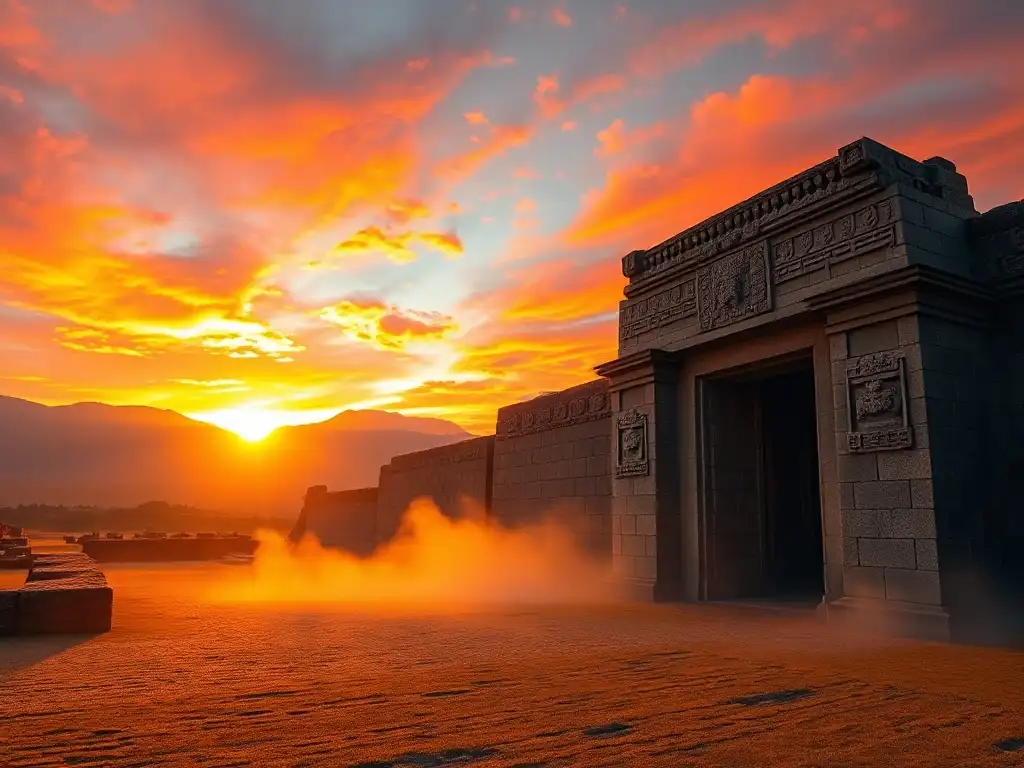
Step into a world shrouded in mystery and wonder, a realm where the towering structures of Tiahuanaco whisper tales of a civilization lost to time. Prepare to unravel the enigma of the Andean Civilizations, specifically the captivating beliefs of the Tiahuanaco people regarding their spirit world. What secrets did their intricate artistry and monumental architecture conceal? Discover the fascinating truth behind Tiahuanaco spirit world beliefs and delve into a legacy that continues to resonate today. Dare to explore…
The enigmatic civilization of Tiahuanaco, flourishing in the Andean highlands between 500 and 1000 CE, left behind a legacy of monumental architecture and intricate artistry that continues to fascinate and puzzle researchers today. Beyond the impressive stone structures like the Kalasasaya and Pumapunku, however, lies a complex and deeply spiritual worldview. This article delves into the fascinating realm of Tiahuanaco's beliefs in the spirit world, exploring their cosmology, rituals, and the evidence suggesting a profound connection to the unseen forces shaping their lives.
Understanding their spiritual beliefs provides crucial insight into the motivations behind their remarkable achievements and offers a glimpse into the rich tapestry of Andean spirituality. We will examine how their cosmology directly influenced their societal structure, artistic expressions, and even the very layout of their city.
This exploration will illuminate the profound influence of the spirit world on the daily lives of the Tiahuanaco people, revealing a civilization far more nuanced and complex than what meets the eye. The keyword "Tiahuanaco spirit world beliefs" will be explored throughout, providing a comprehensive overview of this captivating subject.
Introduction to Tiahuanaco's Spiritual Realm
Tiahuanaco's spiritual realm wasn't a separate entity from the physical world; rather, it was intricately woven into the fabric of daily life. Evidence suggests a belief system centered around a pantheon of deities, ancestor veneration, and a profound connection to the natural world. Their religious practices likely involved elaborate rituals, possibly including sacrifices and offerings aimed at appeasing or honoring these spiritual entities.
Archaeological findings, such as the intricate carvings on their monumental structures and the artifacts unearthed within their tombs, offer glimpses into this rich spiritual tapestry. For example, the recurring motifs of stylized figures, often depicted in dynamic poses and adorned with elaborate headdresses, possibly represent powerful deities or spirits integral to their belief system. The presence of these motifs across various sites and artifacts suggests a widespread and deeply ingrained belief in these spiritual beings.
Furthermore, the careful orientation of structures towards celestial events points to a sophisticated understanding of astronomy and its connection to the spiritual realm. The careful consideration of these details illustrates the pervasive influence of the spirit world on all aspects of Tiahuanaco society.
The Core of Tiahuanaco Cosmology and its Relation to the Spirit World
The cosmology of Tiahuanaco, the understanding of the universe and its structure, was fundamentally intertwined with their beliefs in the spirit world. While the specifics remain debated among scholars, evidence points to a worldview where the earthly realm interacted directly with a supernatural dimension. This interaction wasn't merely a passive observation; instead, it was an active engagement through rituals, offerings, and a deep respect for the unseen forces.
The layout of Tiahuanaco itself might reflect this cosmology. The precise alignment of structures, the use of specific materials, and the symbolic meaning embedded in their architecture all suggest a deliberate attempt to create a sacred space that mirrored their understanding of the cosmos and its spiritual inhabitants. The prominent presence of water features, for instance, might symbolize the life-giving force and its connection to the spiritual plane.
Furthermore, the depiction of certain animals and plants in their art could represent totemic figures or spirits associated with specific aspects of the natural world. Analyzing these elements allows for a more complete understanding of how the physical and spiritual realms were interconnected within Tiahuanaco society. This integrated approach to understanding their cosmology provides a much richer and more nuanced understanding of "Tiahuanaco spirit world beliefs".
- Introduction to Tiahuanaco's Spiritual Realm
- The Core of Tiahuanaco Cosmology and its Relation to the Spirit World
- What role did spirits play in Tiahuanaco society?
- How did Tiahuanaco people interact with their spirit world?
- What evidence supports the existence of Tiahuanaco's spirit world beliefs?
- Did Tiahuanaco's spirit world beliefs influence their art and architecture?
- How do scholars learn about Tiahuanaco's spirit world beliefs?
Understanding the Tiahuanaco Spirit World
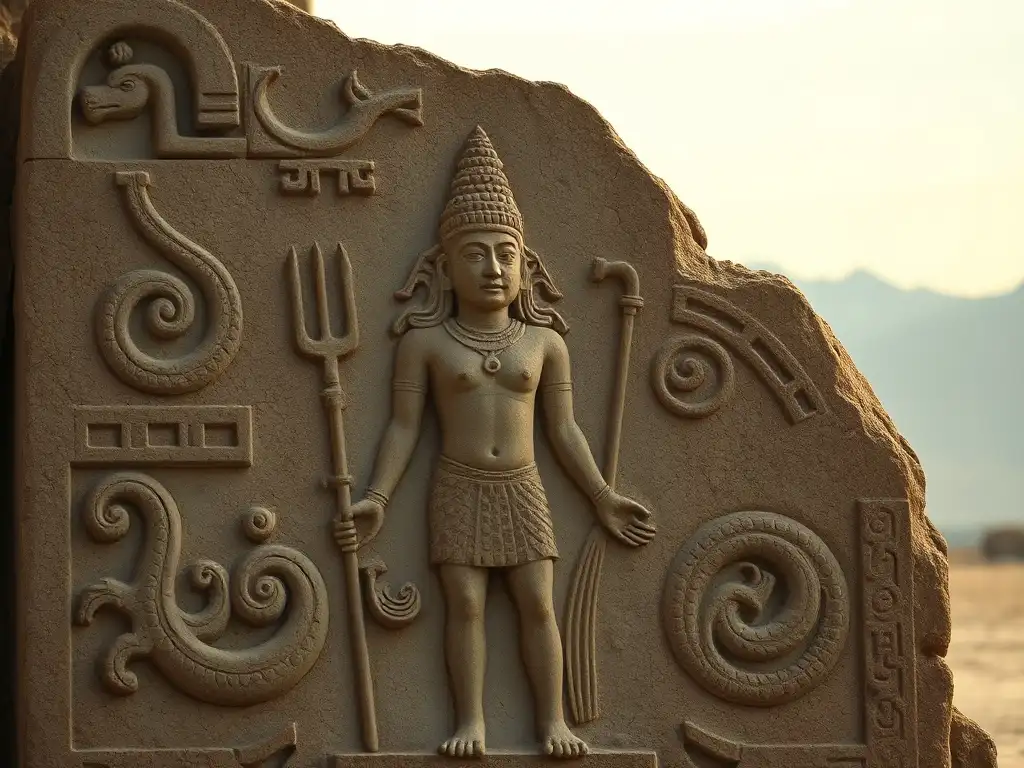
This section delves into the fascinating and complex beliefs of the Tiahuanaco civilization regarding the spirit world, a crucial aspect of their religious and cosmological framework. Understanding their worldview requires moving beyond the tangible remains of their impressive architecture and artifacts to explore the intangible, the realm of beliefs that shaped their lives and society.
The Tiahuanaco spirit world beliefs, central to their culture, offer a glimpse into a sophisticated understanding of the cosmos and humanity's place within it. This exploration will focus on key aspects of their spirituality, providing insight into their unique perspective on life, death, and the interconnectedness of the physical and spiritual realms.
The Concept of the Andean Spirit World and its Influence on Tiahuanaco
The Tiahuanaco people inhabited a landscape profoundly shaped by the Andes Mountains, a geographical feature that heavily influenced their worldview. The Andean spirit world, a concept shared across various Andean cultures, encompassed a complex hierarchy of deities, spirits, and ancestors. This wasn't simply a belief in an afterlife; it was an intricate system where the living and the dead coexisted, interacting and influencing each other. The towering mountains, the fertile valleys, and the celestial bodies were all considered sacred, imbued with spiritual power and inhabited by various supernatural beings.
Tiahuanaco's unique interpretation of this Andean framework manifested in their monumental architecture, intricate iconography, and elaborate rituals. The very layout of their city, with its precise alignments and symbolic structures, suggests a deliberate attempt to connect the earthly realm with the celestial and spiritual planes. The monumental structures likely served not only as practical buildings but also as focal points for rituals designed to communicate with the spirit world and maintain cosmic balance.
Further research is needed to fully understand the specific rituals and practices associated with these structures, but existing evidence strongly suggests a profound connection between the physical city and the spiritual world. [Specific ritual details pending]
Viracocha, the Creator God, and Other Tiahuanaco Deities
Viracocha, the creator god, holds a prominent position in Tiahuanaco's pantheon. While depictions of Viracocha vary across different Andean cultures, the Tiahuanaco interpretation reflects their unique artistic and religious sensibilities. Representations often show him as a bearded figure, sometimes holding a staff or scepter, symbolizing his power and authority over creation. He is often associated with water, a vital resource in the arid altiplano region, highlighting the importance of water in their cosmology and daily lives.
Beyond Viracocha, the Tiahuanaco pantheon likely included a diverse range of deities, each with specific roles and attributes. Unfortunately, a complete understanding of their entire pantheon remains elusive. Archaeological discoveries continue to shed light on their beliefs, revealing new insights into their complex spiritual landscape.
The iconography found on ceramics, textiles, and stone carvings offers glimpses into the various deities worshipped, but their specific functions and relationships within the overall cosmology require further study. For example, depictions of feline figures and other zoomorphic representations suggest the importance of animal spirits and their connection to the spiritual realm. [Further research on specific deities pending]
The Role of Ancestor Veneration in Tiahuanaco Beliefs About the Afterlife
Ancestor veneration formed a crucial component of Tiahuanaco's beliefs about the afterlife. The deceased were not merely forgotten; they remained active participants in the community, continuing to influence the lives of the living. This belief is evidenced by the careful burial practices and the presence of grave goods, indicating a desire to provide the deceased with the necessities for their continued existence in the spirit world.
The concept of cyclical time, prevalent in many Andean cultures, played a significant role in their understanding of death and the afterlife. Death wasn't viewed as a definitive end but rather as a transition to another stage of existence. The ancestors were considered intermediaries between the living and the supernatural, providing guidance, protection, and support. This close relationship between the living and the dead fostered a strong sense of community and continuity across generations.
The continued reverence for ancestors likely reinforced social structures and maintained the cultural identity of the Tiahuanaco people across time. The significance of ancestor veneration is further emphasized by the elaborate funerary rituals and the construction of monumental structures that may have served as places of ancestor worship. [Specific examples of funerary rituals and their significance pending]
Manifestations of Tiahuanaco Spirit World Beliefs
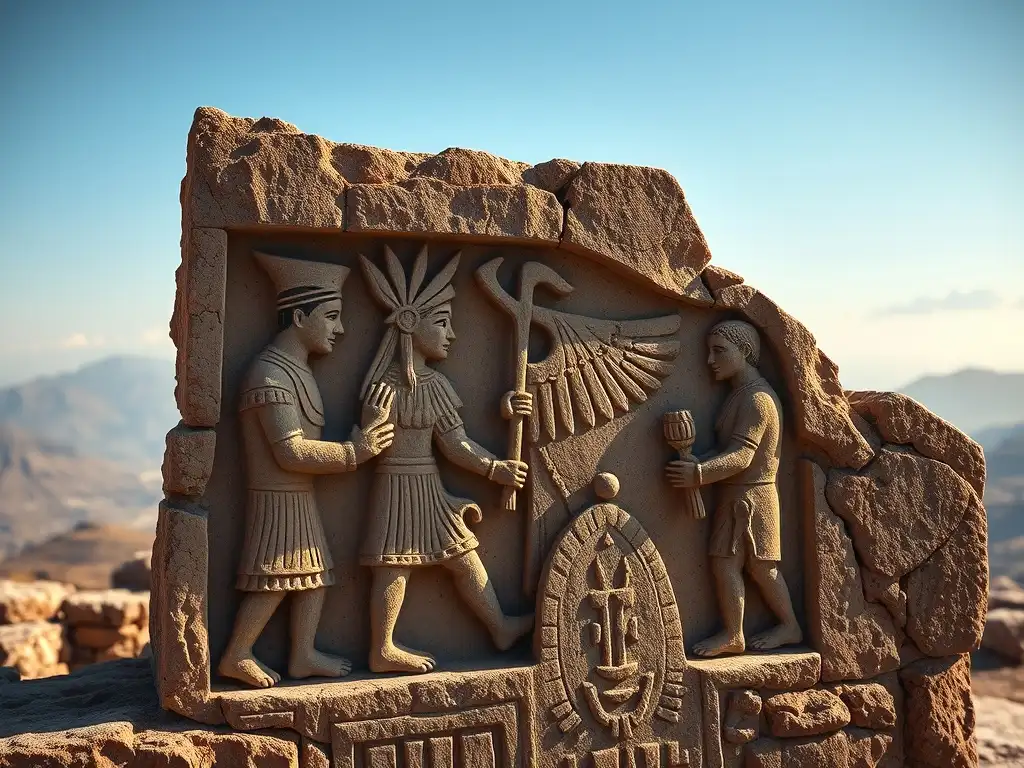
The Tiahuanaco culture, flourishing in the Andes between roughly 300 and 1000 CE, left behind a compelling legacy of sophisticated architecture, intricate art, and complex religious beliefs. Central to their worldview was a profound engagement with the spirit world, a realm interwoven with their daily lives and cosmic understanding. Understanding their beliefs requires examining the diverse ways these beliefs manifested in their material culture and practices.
The pervasiveness of spirit world imagery in Tiahuanaco art, the elaborate ritual practices, and the design of their sacred architecture all point to a society deeply connected to and shaped by their spiritual convictions. The term "Tiahuanaco spirit world beliefs" encapsulates this rich tapestry of spiritual expression.
Tiahuanaco art is replete with iconography suggesting a complex cosmology populated by deities, spirits, and ancestral figures. The famous Gateway of the Sun, for instance, displays a central figure often interpreted as a deity, surrounded by smaller figures that may represent other supernatural beings or aspects of the cosmos. These figures are often depicted with stylized features, including exaggerated eyes, headdresses, and symbolic garments. The precise meaning of these symbols remains a subject of ongoing scholarly debate, but their repeated appearance in various media—stone carvings, ceramics, textiles—suggests their significance in their religious practices.
Further analysis reveals recurring motifs such as feline figures, condor imagery, and stylized serpents, all potentially representing powerful spirits or forces within their belief system. The use of specific colors, such as red (associated with blood and sacrifice) and white (possibly related to purity or the mountains), also adds layers of meaning to the artistic representations. Scholars continue to decipher the nuanced symbolism embedded within Tiahuanaco art, gradually unveiling a more complete picture of their spiritual landscape.
Detailed studies of individual artifacts, comparing stylistic variations across different periods and locations, promise to further illuminate the intricate relationship between art and belief in Tiahuanaco society. The persistent presence of these symbols reinforces the centrality of the spirit world in their cultural identity.
Ritual Practices and Ceremonies Aimed at Communicating with the Spirit World
Evidence suggests that the Tiahuanaco people engaged in various ritual practices aimed at interacting with the spirit world. Archaeological findings reveal the existence of ceremonial centers and evidence of offerings, including human sacrifice in some instances. These sacrifices, while grim, were likely integral to their religious system, perhaps viewed as a means of appeasing deities or ensuring successful harvests. The sophistication of their agricultural practices and the importance of water management in the arid Andean environment suggest that rituals related to fertility and the provision of resources were crucial.
Furthermore, the discovery of elaborate burial sites with richly adorned grave goods indicates the importance of ancestor veneration. The deceased were possibly believed to maintain a connection to the living, either as benevolent spirits or powerful intermediaries within the spirit world. The careful placement of offerings alongside the bodies underscores the belief that these individuals continued to play a significant role in the community even after death.
Further research into the chemical composition of offerings and the analysis of skeletal remains could reveal more about the specific rituals and their social implications. The complexity of these practices highlights a society deeply concerned with maintaining harmony between the human and spirit worlds.
Tiahuanaco Architecture: Temples and Sacred Spaces
Tiahuanaco's monumental architecture reflects a deep understanding of cosmology and a desire to create sacred spaces for interacting with the spirit world. The precise function of many structures remains debated, but their scale and design suggest they served ritualistic purposes. The careful alignment of buildings with celestial events, such as solstices and equinoxes, implies a sophisticated knowledge of astronomy and its connection to their religious beliefs. The monumental platforms and temples, constructed from massive stone blocks, may have served as locations for public ceremonies, while smaller, more secluded structures could have been used for private rituals.
The Kalasasaya platform, for example, with its massive stone blocks and intricate carvings, is believed to have been a central ceremonial space. Its location and orientation suggest a deliberate attempt to integrate it into the surrounding landscape and align it with significant cosmological features. The precision of the stonework and the symbolism displayed on the structures highlight the importance of these spaces in their worldview.
Future research employing advanced surveying techniques and detailed architectural analysis could further illuminate the relationship between the architecture and their beliefs about the spirit world. The monumental scale of these structures serves as a powerful testament to the significance placed upon their spiritual practices. The careful planning and execution of these architectural marvels emphasize the importance of the spirit world in shaping their society and culture.
Exploring Specific Aspects of Tiahuanaco's Spiritual Beliefs
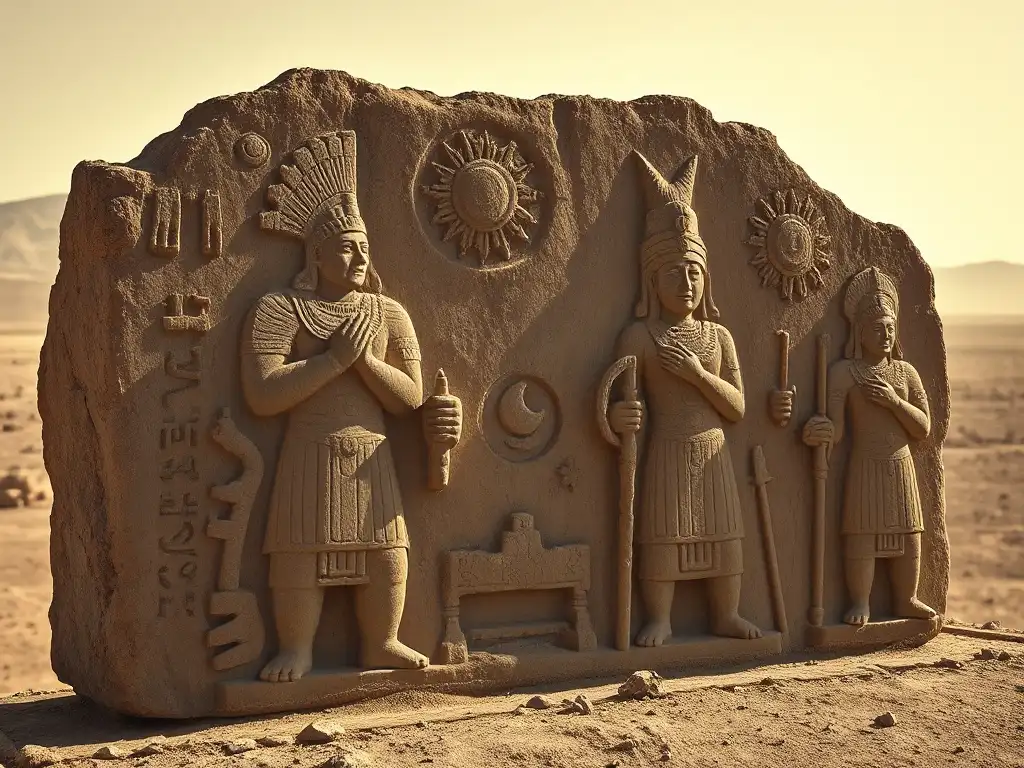
This section delves into the intricate tapestry of Tiahuanaco's spiritual beliefs, moving beyond general observations to explore specific elements that illuminate their worldview. The evidence, gleaned primarily from archaeological findings and interpretations of iconography, suggests a complex system of beliefs deeply intertwined with the natural world and the celestial realm. Understanding these specific aspects provides a richer appreciation for the sophisticated cosmology of the Tiahuanaco culture and their profound connection to the "Tiahuanaco spirit world beliefs".
The Significance of the Sun and Other Celestial Bodies in Tiahuanaco Cosmology
The sun held paramount importance in Tiahuanaco cosmology, reflecting a common thread in Andean religions. However, the Tiahuanaco interpretation of the sun's role transcended simple sun worship. Evidence suggests a sophisticated understanding of celestial cycles and their impact on agriculture and daily life.
The precise alignment of structures like the Kalasasaya complex with solstices and equinoxes indicates a deep knowledge of astronomy and its integration into their spiritual practices. This wasn't merely about observing the sun; it was about understanding its power and its role in maintaining cosmic balance. The sun was not just a deity; it was a vital force governing their world, a key component of their understanding of the "Tiahuanaco spirit world beliefs".
Furthermore, depictions of other celestial bodies, including the moon and stars, are found throughout Tiahuanaco art. These representations are often integrated with other symbolic elements, suggesting a complex interplay between terrestrial and celestial forces. The precise meaning of these astronomical representations remains a subject of ongoing research, but it's clear that the Tiahuanaco people held a deep understanding and reverence for the cosmos, viewing it as an integral part of their spiritual existence. The cyclical nature of the celestial bodies likely mirrored their understanding of life, death, and rebirth, key tenets within their spiritual framework.
Sacred Animals: The Puma, Condor, and Serpent in Tiahuanaco Beliefs
The puma, condor, and serpent frequently appear in Tiahuanaco iconography, symbolizing power, strength, and connection to the spirit world. These animals were not simply depicted; they were imbued with deep spiritual significance, reflecting the Tiahuanaco worldview.
- The Puma: Representing strength, power, and the terrestrial realm, the puma often appears in association with deities and rulers, signifying their authority and connection to the Andean landscape. Its nocturnal nature might also allude to a connection with the underworld or the unseen forces of the "Tiahuanaco spirit world beliefs".
- The Condor: Symbolizing the celestial realm, the condor's ability to soar to great heights connected it to the sun and the upper world. Its presence in Tiahuanaco art likely represents access to spiritual realms and the power of divination.
- The Serpent: A symbol of fertility, regeneration, and the underworld, the serpent embodies the cyclical nature of life and death. Its connection to water sources further emphasizes its role in sustaining life and its presence in the spiritual realm. The serpent's ability to shed its skin likely resonated with the Tiahuanaco concept of rebirth and transformation within their beliefs about the "Tiahuanaco spirit world beliefs".
The interplay between these three animals in Tiahuanaco art suggests a complex cosmology that integrates the terrestrial, celestial, and underworld realms. Their combined presence often indicates a harmonious balance between these spheres, essential for maintaining order in the cosmos and the continuation of life.
The Role of Shamanism and Spiritual Intermediaries in Tiahuanaco Society
Evidence suggests a significant role for shamanism and spiritual intermediaries within Tiahuanaco society. While specific details remain elusive, archaeological findings and iconographic analysis point to individuals who acted as mediators between the human and spirit worlds. These individuals, likely possessing specialized knowledge and abilities, might have played crucial roles in rituals, divination, and healing.
The intricate carvings and depictions found on various artifacts suggest complex rituals and ceremonies aimed at communicating with the spirit world. These might have involved the use of hallucinogenic substances, music, dance, and other practices designed to induce altered states of consciousness and facilitate communication with spiritual entities. The role of these shamanistic practices in the "Tiahuanaco spirit world beliefs" is undeniable, shaping their understanding of the cosmos and their interaction with spiritual forces.
Further research is needed to fully understand the social organization and hierarchy surrounding these spiritual intermediaries. However, their prominent presence in the archaeological record underscores their importance in Tiahuanaco society and their contribution to the rich tapestry of their spiritual beliefs and practices. The limited available data hints at a complex system of spiritual authority and influence, reflecting the significance of the spirit world in shaping their daily lives and societal structures. Uncovering further information about these shamanistic practices would greatly enhance our knowledge of the "Tiahuanaco spirit world beliefs".
Tiahuanaco's Legacy and the Endurance of its Spiritual Beliefs
The spiritual beliefs of Tiahuanaco, while shrouded in the mists of time, continue to resonate profoundly within the Andean worldview. Their sophisticated cosmology, encompassing a complex interplay of deities, ancestor veneration, and a deep connection to the natural world, left an undeniable mark on subsequent Andean cultures. Understanding these beliefs provides a crucial lens through which to interpret the art, architecture, and social structures of later Andean societies, particularly those of the Inca.
The echoes of Tiahuanaco's spiritual practices can be traced in various aspects of Andean life, from religious rituals and agricultural practices to artistic motifs and cosmological narratives. The persistence of these beliefs highlights their enduring significance and the deep-rooted spiritual connection that characterized Andean civilizations for centuries. Analyzing this legacy allows us to appreciate the continuity and evolution of Andean spirituality, demonstrating the remarkable influence of Tiahuanaco’s unique religious system.
How Tiahuanaco's Spiritual Concepts Influenced Later Andean Cultures
Tiahuanaco's influence extended far beyond its geographical boundaries and its relatively short period of dominance. Many scholars argue that its sophisticated religious and cosmological ideas were adopted and adapted by later Andean civilizations, most notably the Inca. For instance, the Inca's emphasis on ancestor veneration and the importance of huacas (sacred places) show clear parallels with Tiahuanaco's spiritual practices.
The intricate iconography found on Tiahuanaco artifacts, featuring stylized figures and complex symbols representing deities and cosmological forces, reappeared in modified forms in Inca art and architecture. The concept of a vertical cosmology, with distinct realms connecting the underworld, the earthly plane, and the heavens, a key element of Tiahuanaco belief, is also reflected in Inca religious beliefs and their sophisticated calendar system. This influence is not merely a superficial imitation; rather, it represents a complex process of cultural exchange and adaptation, where Tiahuanaco's spiritual framework provided a foundation upon which later Andean cultures built their own religious systems.
The Inca, while establishing their own distinct identity, clearly integrated and transformed elements of Tiahuanaco's spiritual heritage into their own worldview. Further research into specific iconographic motifs and ritual practices could illuminate the precise nature and extent of this cultural transmission.
Modern Interpretations of Tiahuanaco's Beliefs about the Spirit World
Modern interpretations of Tiahuanaco's spirit world beliefs vary considerably, reflecting the challenges of interpreting archaeological evidence and the diverse perspectives of scholars. Some researchers emphasize the importance of water deities and the role of subterranean forces in Tiahuanaco cosmology, suggesting a strong connection between the spiritual realm and the hydrological resources vital to the civilization's survival. Others focus on the prominent representations of anthropomorphic figures and their potential connection to ancestor worship and shamanic practices.
The complexity of Tiahuanaco iconography, with its intricate symbolism and seemingly contradictory representations, continues to fuel debate and encourage diverse interpretations. The lack of extensive written records adds another layer of complexity, requiring scholars to rely heavily on archaeological findings, comparative analysis with other Andean cultures, and anthropological theories to reconstruct their beliefs about the spirit world.
This ongoing scholarly engagement underscores the enduring fascination with Tiahuanaco and the richness of its spiritual legacy. Further investigation into specific artifacts and their context within Tiahuanaco society is crucial for a more comprehensive understanding.
The Importance of Preserving Tiahuanaco's Spiritual Heritage
Preserving Tiahuanaco's spiritual heritage is crucial not only for understanding the past but also for appreciating the enduring cultural richness of the Andean region. The site itself, with its monumental architecture and intricate carvings, serves as a tangible link to this ancient civilization's spiritual beliefs. However, preservation efforts must extend beyond the physical site to encompass the intangible aspects of this heritage.
This involves supporting research that helps us better understand Tiahuanaco's cosmology and religious practices, as well as working with contemporary Andean communities who still maintain connections to these ancient traditions. Protecting the site from environmental damage and looting is equally vital. Furthermore, promoting public awareness and education about Tiahuanaco's spiritual legacy can help foster a deeper appreciation for the cultural diversity and historical significance of the Andean world.
By safeguarding both the physical remains and the intangible cultural heritage of Tiahuanaco, we ensure that future generations can appreciate and learn from the profound spiritual beliefs of this remarkable civilization. The continued study and protection of Tiahuanaco’s spiritual heritage is a collective responsibility, ensuring that this rich and complex legacy is not lost to time.
Frequently Asked Questions
What role did spirits play in Tiahuanaco society?
Spirits were integral to Tiahuanaco life. They believed in a complex spirit world that influenced daily life, agriculture, and leadership. Ancestor veneration was also a key aspect of their beliefs.
How did Tiahuanaco people interact with their spirit world?
Tiahuanaco people likely interacted with spirits through rituals, offerings, and ceremonies. Elaborate monuments and religious iconography suggest a sophisticated understanding and engagement with the spirit realm. Shamanistic practices may have also played a significant role.
What evidence supports the existence of Tiahuanaco's spirit world beliefs?
Archaeological evidence, including religious iconography on pottery and textiles, monumental architecture, and burials with grave goods, strongly suggests belief in a complex spiritual world. The sheer scale and complexity of their structures support the idea of significant spiritual investment.
Did Tiahuanaco's spirit world beliefs influence their art and architecture?
Absolutely! Religious iconography is prevalent in Tiahuanaco art and architecture. The monumental structures themselves may have served as focal points for rituals and interactions with the spirit world. Stylized figures and symbols further reinforce the importance of spiritual beliefs.
How do scholars learn about Tiahuanaco's spirit world beliefs?
Scholars study archaeological findings, analyze religious iconography, and interpret ethnographic parallels with later Andean cultures to understand Tiahuanaco's beliefs. Careful analysis of artifacts and sites provides crucial insights into their spiritual practices and cosmology.
Final Reflection: Echoes of the Andes: Tiahuanaco's Enduring Legacy
The intricate cosmology of Tiahuanaco, with its profound belief in a vibrant spirit world, remains strikingly relevant today. Our fascination with the unseen, with realms beyond our immediate perception, continues to shape our understanding of the universe and our place within it. The echoes of Tiahuanaco's spiritual practices resonate in contemporary spiritualities and remind us of humanity's enduring quest to connect with something larger than ourselves.
The sophisticated understanding of the spirit world held by the Tiahuanaco people, as evidenced by their monumental architecture and intricate iconography, profoundly impacted the cultural landscape of the Andes and continues to inspire awe and wonder. Their belief system, interwoven with the natural world and celestial events, offers a powerful counterpoint to our increasingly secularized world. The past is never dead. It's not even past.
- William Faulkner. This quote perfectly encapsulates the enduring influence of Tiahuanaco's spiritual beliefs, which continue to shape our understanding of Andean culture and the human experience.
Consider, for a moment, the enduring power of belief. How does your own understanding of the unseen influence your life? I invite you to explore the parallels between Tiahuanaco's cosmology and your own spiritual journey, to reflect on the enduring human need to connect with something beyond the tangible, and to appreciate the rich tapestry of belief systems that have shaped our world. Let the mysteries of Tiahuanaco inspire you to delve deeper into your own understanding of the spirit world and the profound connections that bind us all.
Unveil the Mysteries of the Spirit World!
Thank you for joining us on this captivating journey through Tiahuanaco's beliefs in the spirit world! We hope you've discovered new insights into the rich spiritual heritage of the Andean civilizations. Now, let's delve even deeper.
Here are some ways to continue your exploration and connect with this fascinating history:
- Explore local museums and online exhibits dedicated to Andean cultures and their spiritual practices. Many offer virtual tours and detailed information.
- Join an online community or forum dedicated to Andean history and culture to discuss Tiahuanaco and share insights with other enthusiasts. You'll find a wealth of knowledge and perspectives there.
- Share this article with friends who might be interested in ancient beliefs and their continuing relevance.
What aspect of Tiahuanaco’s spiritual beliefs resonates most with you, and how do you think it might influence contemporary understandings of spirituality?