
Inca Architecture and the Concept of Power: Asserting Imperial Authority

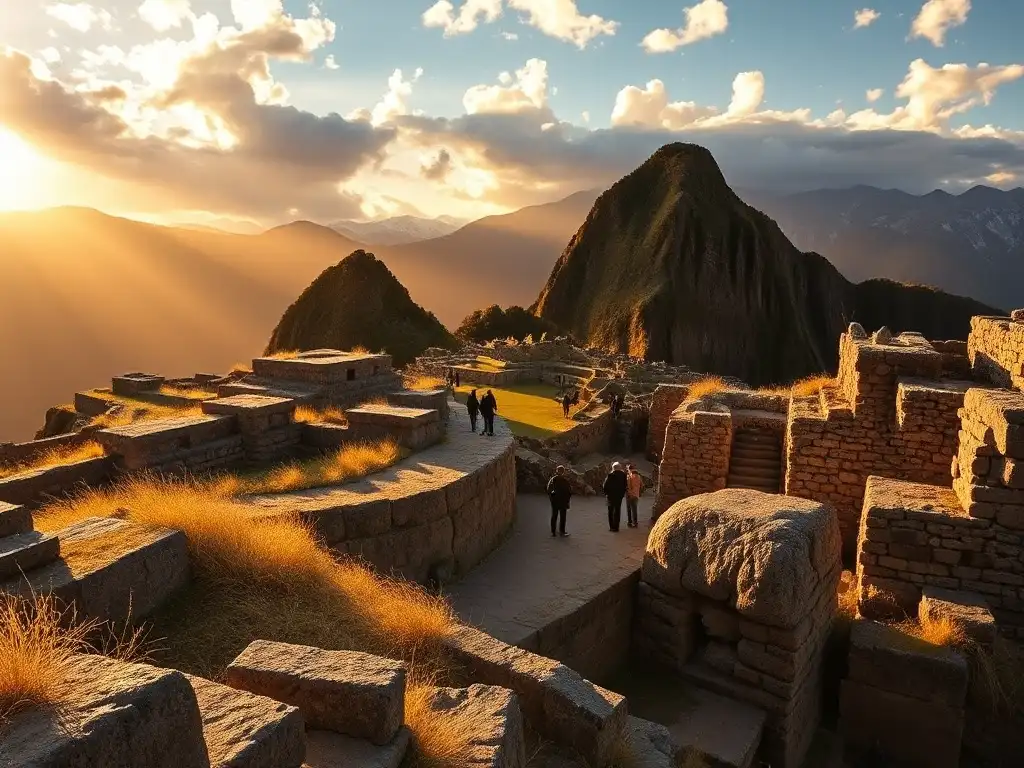
Welcome to Andean Civilizations, where the echoes of a lost world whisper secrets of ingenuity and power. Journey with us through the breathtaking landscapes and remarkable achievements of the ancient Andes. But first, consider this: how did the Incas use Inca architecture to project their imperial authority? The answer lies within the intricate symbolism embedded in their structures—a story of masterful design and asserted dominance waiting to be uncovered. Explore the fascinating world of Inca architecture power symbolism and uncover the mysteries of one of history’s most captivating empires.
The Inca Empire, spanning across the Andes Mountains from the 15th to the 16th century, left behind a legacy of breathtaking architecture that served as a powerful symbol of imperial control and authority. This article delves into the intricate relationship between Inca architecture and the concept of power, exploring how architectural design, construction techniques, and urban planning were strategically employed to project imperial strength, legitimize Inca rule, and instill awe in both subjects and rivals.
We will examine specific examples of Inca architecture, analyzing their symbolic significance and revealing how they served as potent tools for asserting imperial authority across their vast and diverse empire. Understanding Inca architecture is key to understanding the very fabric of Inca power and the sophisticated mechanisms through which they maintained control.
We'll explore how the Incas used their building prowess not just to create functional structures, but to actively shape perceptions of their power and dominance.
The Strategic Placement of Inca Cities and Structures
The strategic location of Inca cities and structures was paramount in projecting imperial power. Cities weren't haphazardly placed; rather, their positions reflected careful consideration of both practical needs and symbolic importance. For instance, Machu Picchu's dramatic mountaintop setting, shrouded in mist and seemingly inaccessible, instilled a sense of awe and reinforced the divine connection claimed by the Inca rulers. Other cities, located at crucial crossroads or overlooking fertile valleys, served as clear demonstrations of Inca control over vital resources and trade routes.
This strategic placement wasn't merely about military control; it was about establishing a visible and undeniable presence of Inca power across their territory. The very act of constructing these impressive structures in such locations served as a constant reminder of the empire's reach and might. The meticulous planning and execution involved in these projects further emphasized the Inca's organizational capabilities and technological sophistication.
Monumental Architecture: Temples, Palaces, and Fortifications
Inca monumental architecture – temples, palaces, and fortifications – embodied the empire's power and prestige. The massive scale of these structures, their precise stonework, and their intricate designs served to intimidate and impress. The use of massive, perfectly fitted stones in structures like Sacsayhuamán, with stones weighing many tons, demonstrated the Inca's mastery of engineering and their ability to mobilize vast labor forces – a clear display of their power and organizational prowess.
The impressive scale of these constructions was not merely a feat of engineering; it was a deliberate statement of power, showcasing the empire's resources and the capacity of its workforce. The meticulous craftsmanship, evident in the precision of the stonework, further emphasized the sophistication and skill of Inca artisans, reinforcing the image of a highly organized and technologically advanced civilization.
The Symbolism of Stone and Materials in Inca Architecture
The choice of materials and the techniques used in Inca construction held profound symbolic significance. The use of finely cut and fitted stones, especially in royal and religious buildings, symbolized the Inca's control over resources and their mastery of sophisticated building techniques. The precise fitting of stones, often without mortar, conveyed a sense of permanence and solidity, reflecting the Inca's ambition to create a lasting and enduring empire.
Furthermore, the use of specific stones, their colors and textures, might have held additional symbolic meanings, representing specific deities or geographical regions. While the exact interpretations of these symbolic associations remain a subject of ongoing research, the deliberate choice of materials and construction techniques undoubtedly played a significant role in reinforcing the Inca's claim to power and legitimacy. [Specific information pending on the symbolic meaning of different stone types used in Inca construction].
Urban Planning and the Control of Space
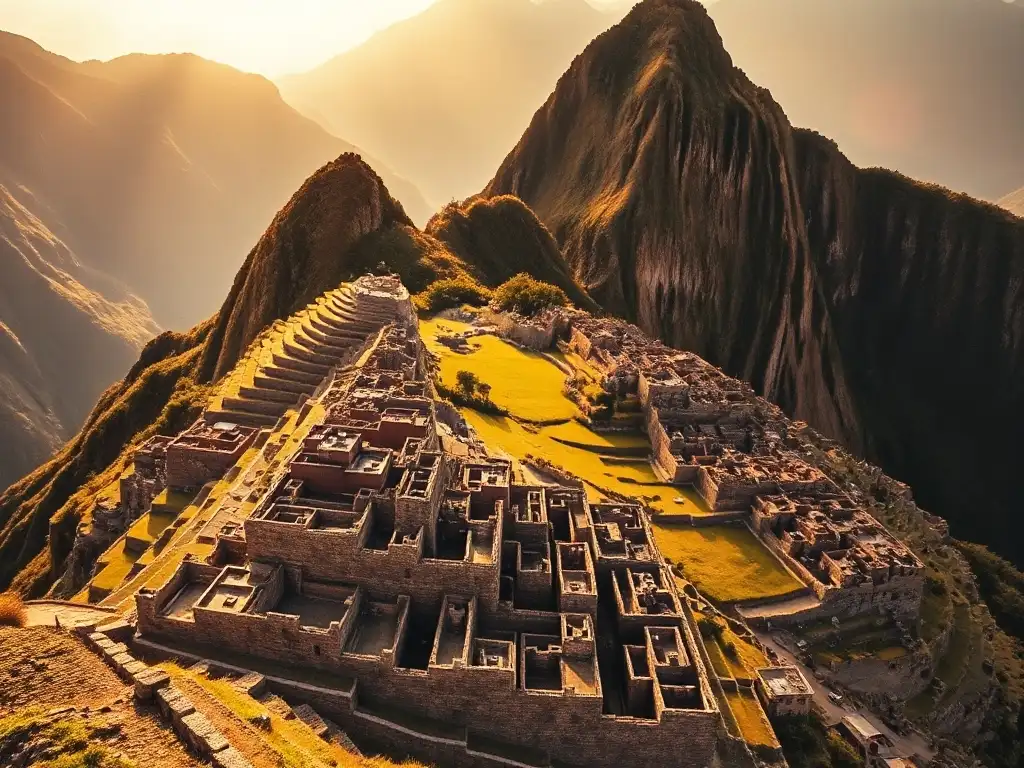
Inca urban planning further contributed to the assertion of imperial authority. The carefully planned layout of Inca cities, with their clearly defined administrative, religious, and residential zones, reflected a centralized and hierarchical social structure. The placement of royal palaces and temples in prominent locations reinforced the supremacy of the Inca ruler and the importance of religious ideology in legitimizing their rule.
This structured organization visually represented the empire's control over all aspects of life, from religious practices to daily routines. The efficient distribution of resources and the clear delineation of social roles within the urban environment served as a powerful visual affirmation of Inca power and control. [Specific examples of Inca urban planning and their symbolic significance pending].
The Legacy of Inca Architecture and its Continued Influence
The enduring legacy of Inca architecture continues to inspire awe and admiration. The sophisticated techniques, the monumental scale, and the symbolic power embedded within these structures provide invaluable insights into the Inca worldview and their methods of asserting imperial authority. Even today, these structures serve as a testament to the Inca's power and ingenuity.
The study of Inca architecture offers a window into a complex society that effectively used architecture as a means of control, communication, and the perpetuation of its imperial ideology. The impressive remains continue to inspire research and analysis, further revealing the complexities of this remarkable civilization and its sophisticated approach to power.
- The Strategic Placement of Inca Cities and Structures
- Monumental Architecture: Temples, Palaces, and Fortifications
- The Symbolism of Stone and Materials in Inca Architecture
- Urban Planning and the Control of Space
- The Legacy of Inca Architecture and its Continued Influence
The Foundations of Inca Architectural Power
The Inca Empire, at its zenith, controlled a vast territory stretching along the Andes Mountains. Their architectural achievements weren't merely feats of engineering; they were powerful statements of imperial authority, meticulously designed to project power, control, and the divine right to rule. Understanding Inca architecture requires recognizing its deeply symbolic nature, a complex interplay of building techniques, strategic placement, and religious beliefs that reinforced the Inca's dominance.
The very stones themselves whispered tales of imperial might. This section will delve into the key aspects of Inca architecture that served as powerful tools for asserting imperial control and projecting the image of a divinely ordained empire. The keyword phrase "Inca architecture power symbolism" is central to understanding this sophisticated system of control.
Inca Building Techniques and Imperial Control
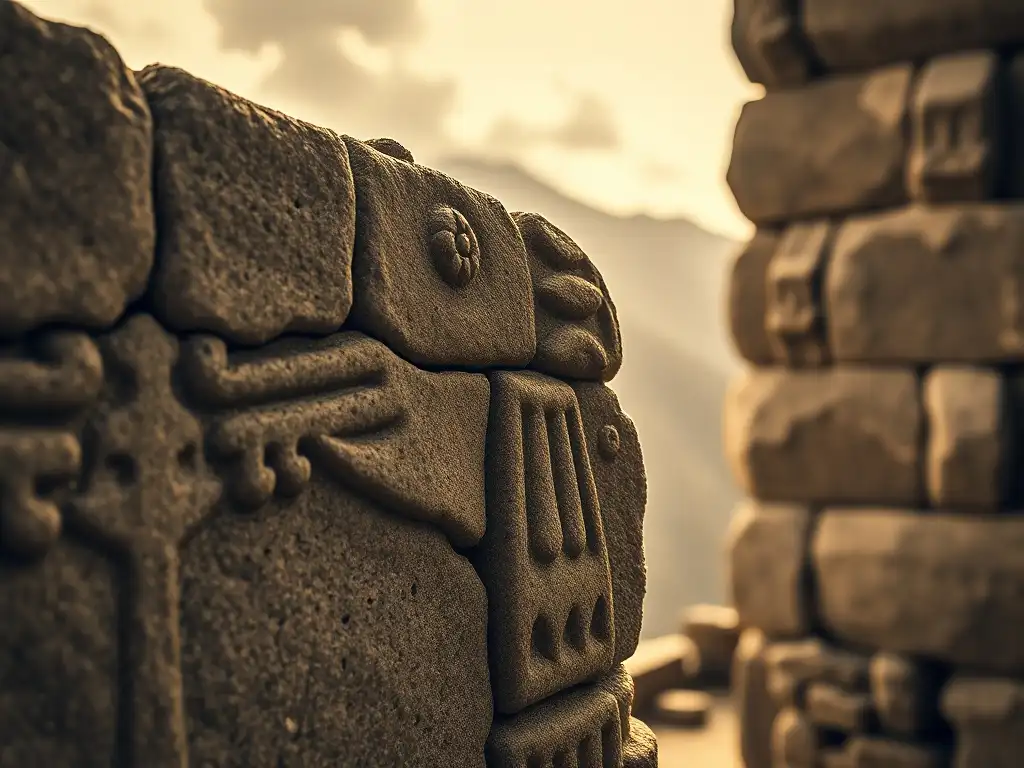
Inca builders didn't use mortar; instead, they employed a sophisticated technique of precisely fitting massive stones together, creating structures of breathtaking precision and durability. This mastery of ashlar masonry, a technique that involved shaping stones to fit perfectly without mortar, is a testament to their advanced understanding of engineering and stonework. The precision wasn't just aesthetic; it symbolized the Inca's ability to control and manipulate their environment, reflecting their absolute power over the natural world. This control extended beyond the physical realm; the flawless integration of stones mirrored the ideal of a perfectly ordered and controlled empire.
The sheer scale of some Inca projects, like the impressive walls of Sacsayhuamán, further emphasized the Inca's power. The monumental size of the stones, some weighing many tons, showcased their organizational capabilities and manpower, underscoring their dominance over their subjects. The ability to mobilize such immense resources and coordinate such complex projects was a potent symbol of imperial strength and unparalleled organizational prowess.
This wasn't simply construction; it was a public display of the empire's might, a constant reminder of the Inca's unyielding power. The meticulous craftsmanship also served as a potent symbol of the Inca's ability to control and manage their vast human resources.
Strategic Location and Architectural Dominance
The strategic placement of Inca structures further amplified their power symbolism. Fortifications, such as Sacsayhuamán overlooking Cusco, weren't merely defensive structures; they were potent symbols of Inca military might and control over the landscape. Their imposing presence served as a constant reminder of the empire's military strength and its ability to defend its territory. The location of temples and palaces, often on elevated ground or commanding viewpoints, reinforced the Inca's claim to divine authority and their control over both the earthly and spiritual realms.
Furthermore, the Inca's road system, a marvel of engineering itself, facilitated the swift movement of troops and resources, consolidating their control over the vast empire. This interconnected network of roads, strategically placed tambos (roadside inns), and sophisticated communication systems, all contributed to the efficient administration and effective governance of the empire. This infrastructure wasn't just practical; it was a powerful symbol of the Inca's ability to unify and control such a diverse and geographically challenging territory.
The very existence of this intricate network served as a constant reminder of the Inca’s power and reach, effectively reinforcing their imperial authority. The strategic placement of these structures, in conjunction with their impressive scale and meticulous construction, served as a powerful statement of Inca dominance and a potent symbol of their imperial power.
Key Architectural Elements as Symbols of Inca Power
The Inca Empire, renowned for its sophisticated political organization and vast territorial control, masterfully employed architecture as a potent tool to project imperial authority and consolidate its power. Inca architecture, far from being merely functional, served as a powerful visual language, communicating the empire's might, legitimacy, and divine connection. This section delves into key architectural elements that embodied this symbolic power, illustrating how the Inca strategically used design and construction to reinforce their imperial narrative. Understanding Inca architecture power symbolism is key to comprehending the empire's enduring legacy.
The Significance of Inca Stone Masonry and Precision
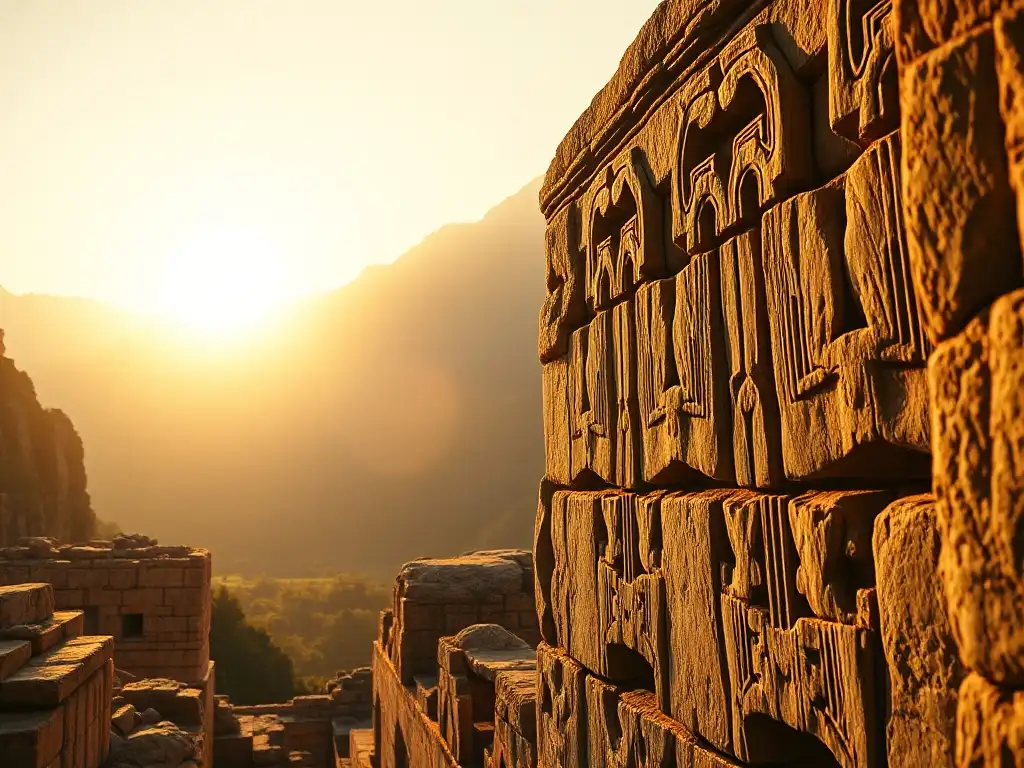
Inca stone masonry represents the pinnacle of Andean architectural skill. The breathtaking precision of their work, characterized by perfectly fitted stones without mortar, is not merely a testament to their engineering prowess but a powerful symbol of imperial control and divine order. The seamless integration of enormous stones, some weighing several tons, conveyed the empire's ability to mobilize vast resources and command unparalleled human labor.
This meticulous craftsmanship, particularly evident in structures like Sacsayhuamán, served as a visual declaration of the Inca's power and ability to manipulate the natural world to their will. The inherent stability and longevity of these structures further underscored the empire's enduring power and ambition. Consider, for example, the 12-angled stone at Sacsayhuamán; its perfect fit exemplifies the Inca's mastery and serves as a powerful symbol of their sophisticated engineering and societal organization.
The sheer scale and precision of these projects were intended to awe and inspire, reinforcing the legitimacy of Inca rule. The lack of mortar, further emphasizing the precision, was not a limitation but a deliberate choice, showcasing the Inca's exceptional skill and their ability to overcome apparent limitations. This meticulous attention to detail extended to other aspects of Inca architecture and was a deliberate strategy to communicate their authority.
Terraces and Agricultural Power
Inca terraces, carved into the steep Andean slopes, represent a profound understanding of both engineering and the symbolic power of agricultural control. These meticulously constructed terraces, often found at staggering altitudes, transformed previously unusable land into fertile agricultural plots. This feat of engineering was not merely about food production; it was a powerful statement of the Inca's ability to manage and control their environment, a fundamental aspect of their imperial power.
The systematic organization of the terraces, their carefully planned irrigation systems, and their overall impact on the landscape directly conveyed the Inca's ability to harness and manipulate nature. The impressive scale of these agricultural projects, visible from afar, served to visually reinforce the Inca's dominance and control over the land and its resources.
The terraces symbolize not only agricultural productivity but also the imperial administration's effectiveness in organizing and directing labor, demonstrating the strength and reach of the Inca's power structure. Agricultural surplus, facilitated by the terraces, also contributed to the empire's economic strength, further bolstering its political influence.
Inca Road System: Architectural Manifestation of Imperial Reach
The extensive Inca road system, spanning thousands of miles across diverse and challenging terrain, stands as a monumental architectural achievement and a potent symbol of imperial reach and control. This sophisticated network of roads, with its strategically placed tambos (roadside inns), served not only as a means of communication and transportation but also as a powerful visual representation of the empire's vast territorial extent and administrative capabilities. The roads themselves were not just pathways but carefully engineered feats, often traversing treacherous landscapes with innovative techniques like suspension bridges.
The construction of this vast road network required massive logistical coordination, showcasing the Inca's organizational capacity and ability to mobilize resources across their expansive empire. The road system's strategic placement, connecting distant provinces and facilitating the movement of troops and goods, solidified Inca control and facilitated the effective administration of the diverse regions under their rule. The very existence of the road system was a constant reminder of the Inca's pervasive power, visibly connecting the empire's far-flung territories under a unified banner.
The tambos along the roads, providing rest and supplies, further emphasized the Inca's care for their subjects and the empire's comprehensive administrative capacity. The Inca road system, therefore, transcends its purely functional role, becoming a powerful symbol of imperial power and integration.
Specific Inca Architectural Sites and Their Power Symbolism
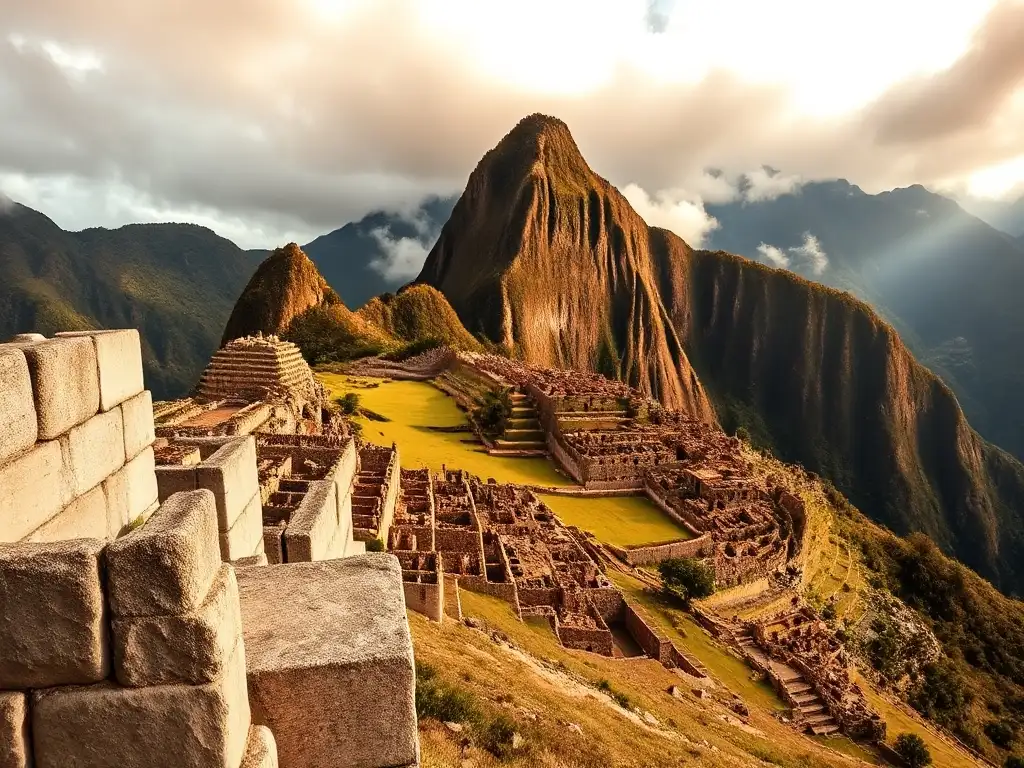
This section delves into the specific architectural achievements of the Inca Empire, analyzing how these structures served as powerful symbols of imperial authority and control. We will explore key sites, examining their design, materials, and location to understand their role in projecting Inca power and reinforcing their dominance across the vast Andean region. The Inca's mastery of stonework, their understanding of landscape, and their sophisticated urban planning all contributed to a powerful visual language that communicated their imperial might.
The strategic placement and monumental scale of these structures were not accidental; they were carefully planned to impress and intimidate, reinforcing the Inca's claim to divine legitimacy and earthly power. The concept of Inca architecture power symbolism is central to understanding their empire's longevity and influence.
Machu Picchu: A Royal Estate
Machu Picchu, often referred to as the "Lost City of the Incas," stands as a prime example of Inca architecture's power symbolism. Its location high in the Andes, shrouded in mist and seemingly inaccessible, already conveyed a sense of otherworldliness and exclusivity. This inaccessibility itself was a powerful symbol, suggesting a connection to the divine and reinforcing the emperor's elevated status.
The meticulous stonework, characterized by its precision and the absence of mortar, showcases the Inca's advanced engineering skills and their capacity for organized labor. This flawless construction served as a visual testament to the empire's power and resources. The intricate agricultural terraces, seamlessly integrated into the mountainside, demonstrated mastery over the environment, a key element in projecting imperial control and ensuring food security for the elite.
Furthermore, the layout of the site, with its residential areas, temples, and agricultural terraces, reflects a hierarchical social structure. The placement of the royal residences in prominent locations further emphasized the emperor's authority and his divine connection. The very existence of Machu Picchu, a seemingly impregnable mountaintop city, functioned as a powerful symbol of Inca dominance, both materially and symbolically. The sheer scale and precision of the structures, combined with the breathtaking setting, solidified the Inca emperor's image as a powerful and divinely appointed ruler.
Sacsayhuaman: A Fortress of Military Power
Sacsayhuaman, located near Cusco, stands as a stark testament to Inca military might and their capacity for monumental construction. Unlike Machu Picchu's secluded majesty, Sacsayhuaman's imposing presence projects raw power and military strength. Its massive cyclopean walls, constructed from enormous stones fitted together with astonishing precision, convey a sense of invincibility. The sheer size of the stones themselves – some weighing over 100 tons – is awe-inspiring and speaks volumes about the Inca's organizational capabilities and engineering prowess.
The strategic location of Sacsayhuaman, overlooking Cusco, further reinforced its function as a military stronghold. Its imposing walls and strategic vantage points served not only as defensive fortifications but also as a powerful symbol of the Inca's capacity to control and defend their empire.
The very existence of such a formidable fortress served as a constant reminder of the Inca's military dominance and their capacity to subdue any opposition. The scale of Sacsayhuaman, its sheer imposing size and the evident mastery of stonework are potent symbols of Inca military power, designed to deter potential enemies and solidify their control over the region.
Coricancha: The Temple of the Sun
Coricancha, the Temple of the Sun in Cusco, stands as a powerful symbol of Inca religious authority and the emperor's close relationship with the divine. Unlike the military might projected by Sacsayhuaman or the secluded majesty of Machu Picchu, Coricancha's power lay in its symbolic representation of Inca cosmology and religious beliefs.
The temple's lavish ornamentation, including gold plating and intricate carvings, showcased the empire's wealth and its dedication to its religious institutions. The meticulous craftsmanship and the use of precious materials served to emphasize the sanctity of the site and the emperor's role as a divine intermediary. The temple's design, incorporating astronomical observations into its layout, further reinforced the Inca's belief in their divine connection and their control over the natural world.
Coricancha’s very existence, as the primary religious center of the Inca Empire, served as a powerful symbol of their centralized authority and the emperor's position as the supreme religious leader, intimately connected to the divine. The temple's opulence and meticulous design underscored the Inca’s power, not through military might or geographical isolation, but through their religious authority and their command over resources.
Ollantaytambo: A Strategic Royal Estate
Ollantaytambo, nestled high in the Urubamba Valley, stands as a testament to Inca architectural prowess and imperial control. More than just a breathtaking fortress, Ollantaytambo served as a crucial royal estate, strategically positioned to command the fertile agricultural lands and control access to vital resources. Its imposing presence served as a powerful symbol of Inca authority, a visible manifestation of their dominance over the region. The sheer scale of the complex, with its intricate network of terraces, temples, and residential areas, speaks volumes about the Inca's organizational capabilities and their desire to project an image of overwhelming power.
The meticulous stonework, showcasing the Inca's mastery of engineering and their profound understanding of Andean geology, further amplified this message of imperial strength and sophistication. The carefully planned agricultural terraces, which demonstrate a deep understanding of water management and sustainable farming practices, not only provided sustenance but also underscored the Inca's ability to harness the environment for their own benefit, a clear indication of their control and power. The strategic location of Ollantaytambo, controlling the access to the Sacred Valley and beyond, reinforced its significance as a symbol of Inca imperial might.
The complex was not just a place of residence; it was a powerful statement of the Inca's ability to command the landscape and its resources, thereby solidifying their authority and prestige. The very existence of Ollantaytambo served as a constant reminder of the Inca Empire's power and its capacity to shape the world around it according to its will. The impressive scale and intricate design of the site served as a powerful tool for reinforcing imperial ideology and asserting Inca dominance.
The careful placement of buildings within the complex, the strategic use of vantage points, and the clear hierarchy reflected in the size and design of structures all contributed to the site's power symbolism. For example, the imposing main temple, with its massive stone blocks, likely served as a focal point for rituals and ceremonies intended to reinforce the divine right of the Inca ruler.
The meticulously crafted water channels, which seamlessly integrated into the architecture, further emphasized the Inca's mastery over nature and their ability to control its resources – a powerful symbol of their imperial authority. The sheer effort and resources invested in the construction of Ollantaytambo, along with its strategic location and imposing design, served to project an image of unparalleled power and prestige, effectively communicating the Inca's control over the land, its people, and its resources.
This impressive feat of Inca engineering and its symbolic significance continue to resonate today, making Ollantaytambo a captivating example of Inca architecture and its role in asserting imperial authority. The site's enduring legacy underscores the deep connection between Inca architecture and the projection of power, demonstrating the Inca's ability to use built environments to reinforce their imperial control and assert their dominance over the Andean world.
Inca Architecture as a Tool for Political Legitimacy
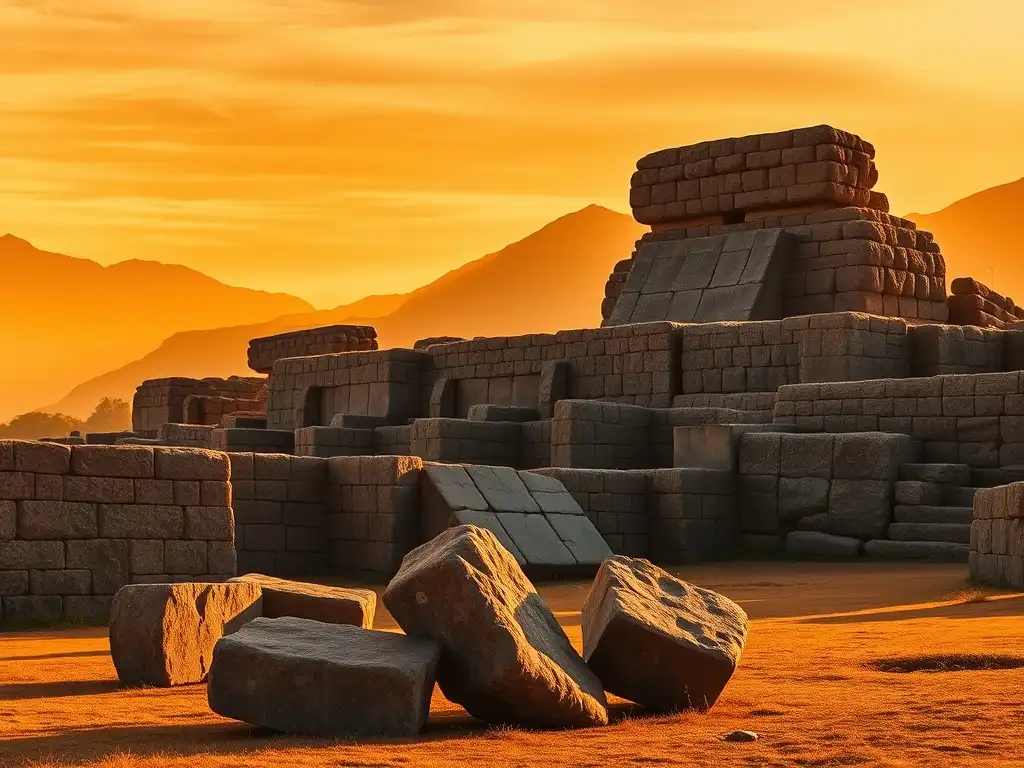
Inca architecture wasn't merely a practical endeavor; it was a sophisticated system designed to project imperial power and legitimize Inca rule. The meticulous planning, monumental scale, and symbolic elements embedded within Inca structures served as powerful tools to reinforce the Inca's authority and control over their vast empire. This wasn't simply about building impressive structures; it was about crafting a visual narrative that solidified the Inca's divine right to rule and instilled awe and obedience in their subjects.
The strategic placement of buildings, the use of specific materials, and the intricate designs all contributed to this overarching goal of asserting dominance and maintaining social order. Analyzing Inca architecture through this lens reveals a complex interplay between physical construction and the symbolic representation of imperial power. The very stones themselves became instruments of political control, conveying messages of strength, stability, and divine authority.
The organization of Inca cities and settlements directly reflected the hierarchical structure of Inca society. The meticulous planning, evident in cities like Cusco, reveals a deliberate strategy to visually represent the emperor's supreme position and the social order beneath him. For example, the location of the Qorikancha (Temple of the Sun) at the heart of Cusco, its size, and its elaborate construction clearly signified the religious and political centrality of the Inca emperor.
The layout of the city itself, with its radiating streets and precisely placed buildings, reinforced this hierarchical structure, visually demonstrating the emperor's control over all aspects of life. Furthermore, the size and quality of housing varied significantly based on social status. While commoners lived in relatively modest structures, the elite occupied larger, more elaborately constructed buildings, a clear visual representation of the social hierarchy and the Inca's ability to control resource allocation.
This careful arrangement of buildings and spaces served as a constant reminder of the social order and the Inca's absolute power. The precise alignment of buildings also suggests sophisticated astronomical knowledge, further enhancing the impression of divine authority. Even the seemingly mundane aspects of urban planning served a symbolic purpose in reinforcing Inca power.
Monumental Architecture to Project Inca Strength
The sheer scale of Inca architecture is a testament to their engineering prowess and their desire to project an image of overwhelming strength and stability. Massive stone structures like Sacsayhuamán, with its cyclopean blocks expertly fitted together, were not just functional fortifications; they were powerful symbols of Inca military might and imperial control. The seemingly impossible feat of transporting and precisely fitting these colossal stones served as a demonstration of Inca power and technological superiority, impressing both subjects and potential enemies alike.
This monumental architecture served as a visual reminder of the Inca’s ability to mobilize vast resources and manpower, further solidifying their authority. The sheer size and grandeur of these structures were intended to inspire awe and respect, reinforcing the idea of an invincible empire.
The meticulous craftsmanship, evident in the precise joinery and intricate designs, further emphasized the Inca's superior skill and organizational capacity. This attention to detail wasn't merely aesthetic; it was a deliberate strategy to project an image of imperial power and sophistication.
Architecture and the Cult of the Inca Emperor
Inca architecture played a crucial role in the cult of the Inca emperor, reinforcing his divine status and consolidating his authority. The Qorikancha, with its gold-plated walls and lavish decorations, served as the central hub of Inca religious life and a powerful symbol of the emperor's connection to the sun god, Inti. The emperor's palace, located in close proximity to the temple, further emphasized his divine status and his role as the intermediary between the divine and the earthly realms.
The intricate designs and symbolic elements incorporated into Inca architecture reinforced this divine connection, creating a powerful visual narrative that legitimized the emperor's rule. The use of specific materials, such as gold and silver, further emphasized the emperor's wealth and power, reinforcing his divine image. The carefully planned layout of sacred sites and the strategic placement of religious structures served to reinforce the emperor’s role as the supreme religious authority, consolidating his political power.
The very act of constructing and maintaining these magnificent structures served as a ritualistic affirmation of the Inca emperor’s divine right to rule. This carefully crafted symbolic landscape ensured the emperor's authority was not only accepted but also actively revered.
The Legacy of Inca Architecture and Its Enduring Impact
The Inca Empire, despite its relatively short lifespan compared to other ancient civilizations, left an undeniable architectural legacy that continues to resonate throughout Andean societies. Their mastery of stonework, innovative construction techniques, and symbolic use of space profoundly influenced subsequent architectural styles and urban planning. The impact isn't solely aesthetic; it's deeply rooted in the cultural and social fabric of the region. Understanding this legacy requires examining both the direct influence on later constructions and the enduring power of the symbolic language embedded within Inca architecture itself.
The very stones themselves whisper tales of imperial control and divine authority, a message that continues to be deciphered and reinterpreted even today. This enduring impact is a testament to the ingenuity and power projected through Inca architectural achievements. The keyword "Inca architecture power symbolism" is central to understanding this enduring influence.
Architectural Influence on Later Andean Societies
Inca architectural principles, particularly their precise stone fitting techniques and the use of specific materials like andesite, were adopted and adapted by succeeding Andean cultures. Colonial Spanish architects, for example, while introducing their own styles, often incorporated readily available Inca stonework into their buildings, blending the old with the new. This pragmatic approach highlights the practicality and inherent strength of Inca building methods. Even today, many contemporary buildings in the Andes region, particularly in Cusco and other former Inca centers, subtly reflect Inca aesthetics in their design and construction.
This is not simple imitation; it’s a continuous dialogue between past and present, a testament to the enduring influence of Inca architectural design. The integration of traditional techniques with modern materials represents a nuanced understanding of Inca architectural legacy and its continued relevance. We see this in the use of traditional stonework combined with modern reinforcement techniques, reflecting both a respect for heritage and a need for structural integrity in contemporary constructions.
This subtle yet pervasive influence underscores the deep-rooted impact of Inca architectural knowledge on the region's built environment. Further research is needed to fully document and quantify the extent of this influence across different Andean communities and time periods. [Specific data on percentage of Inca architectural elements in post-Inca buildings pending].
Architectural Design and Modern Interpretations
Modern interpretations of Inca architectural design are not merely replications; they represent a dynamic engagement with the past. Architects and urban planners are increasingly incorporating Inca principles of sustainability, harmony with the environment, and innovative construction techniques into contemporary projects. The emphasis on using locally sourced materials, minimizing environmental impact, and creating spaces that are both functional and aesthetically pleasing reflects a renewed appreciation for Inca ingenuity.
For instance, several modern hotels and community centers in the Andes region utilize Inca-inspired designs, showcasing the adaptability of these ancient principles to contemporary needs. This isn't just about mimicking aesthetics; it’s a conscious effort to integrate sustainable practices and design principles that were integral to Inca architecture. The use of natural light, ventilation strategies, and integration with the surrounding landscape are key elements that resonate strongly with modern sustainable design philosophies.
Moreover, the concept of kallanka (large assembly halls) finds echoes in modern designs of community spaces, reflecting the Inca emphasis on communal gathering and social interaction. This reinterpretation of Inca architectural design showcases a growing awareness of the enduring relevance of ancient Andean knowledge in addressing contemporary challenges.
The Enduring Power of Architectural Symbolism
Inca architecture wasn't merely functional; it was a powerful tool for asserting imperial authority and legitimizing Inca rule. The precise placement of buildings, the intricate stonework, and the symbolic use of materials all contributed to a carefully constructed narrative of power and divine connection. The monumental structures, such as Sacsayhuamán, weren't simply fortifications; they were potent symbols of Inca dominance, visually communicating the empire's strength and control.
The use of specific stones, their precise fitting, and the overall scale of the structures served to impress and awe, reinforcing the Inca's claim to power. The integration of religious elements within the architectural designs further strengthened the symbolic connection between the Inca rulers and the divine realm. This powerful symbolism is not simply a historical curiosity; it continues to fascinate and inspire, influencing how we interpret and understand the Inca Empire's legacy.
The sophisticated use of architectural elements to communicate power and divine legitimacy serves as a powerful case study in the use of architecture as a tool of state control and cultural expression. The enduring power of this symbolism is evidenced by its continued study and interpretation by scholars and the ongoing fascination it holds for visitors to Inca sites today. The keyword "Inca architecture power symbolism" perfectly encapsulates this compelling aspect of Inca civilization.
Frequently Asked Questions
What is the main focus of Inca architecture?
Inca architecture primarily served to assert imperial authority and demonstrate the power of the Inca empire. Structures were designed to impress and reflect the Inca's control over their vast territory and resources.
How did Inca architecture symbolize power?
The monumental scale of Inca buildings, their precise construction, and strategic placement in significant locations all symbolized Inca power and control. Elaborate stonework further emphasized their mastery of engineering and resources.
What specific architectural features conveyed Inca power?
Features like massive stone walls, intricate carvings, and the use of specific materials like gold and silver, signified the Inca's wealth and power. The strategic placement of structures, such as temples and palaces, also conveyed power.
Besides palaces and temples, what other structures reflected Inca power?
Inca road systems, agricultural terraces, and storage facilities also demonstrated the empire's organizational power and control over resources. These infrastructural projects required immense effort and planning.
How did Inca architecture influence later cultures?
Inca architectural styles and techniques significantly influenced subsequent Andean cultures. Many elements were adopted and adapted, showcasing the lasting impact of Inca engineering prowess and imperial ideology.
Final Reflection: Echoes of Empire in Stone
The ingenuity of Inca architecture continues to resonate today, a powerful testament to a civilization that skillfully wielded stone to solidify its imperial authority. More than just impressive structures, the meticulously crafted buildings, intricate road systems, and sophisticated agricultural terraces stand as enduring symbols of a complex society that understood the profound connection between physical space and the assertion of power. Their legacy challenges us to consider how we, too, shape our environments to reflect our values and ambitions.
The Inca's mastery of stone, their ability to transform landscapes into expressions of imperial might, continues to inspire awe and provoke questions about the nature of power itself. Their achievements weren't solely about military dominance; they were about creating a unified, interconnected empire through a shared visual language. As the historian John Hemming eloquently stated, The Inca state was not merely a political entity, but a vast, integrated system, held together by a complex web of social, economic, and religious ties, all reflected in its architecture.
This understanding of interconnectedness and the symbolic power of built environments remains profoundly relevant in our own globally connected world.
Consider the spaces you inhabit, the buildings that surround you. What stories do they tell? What power dynamics do they reflect?
I urge you to look beyond the surface of architecture, to see it not just as shelter, but as a powerful expression of culture, ideology, and the enduring human desire to leave a lasting mark on the world. Let the legacy of Inca architecture inspire you to build – both literally and metaphorically – a future that reflects your own values and aspirations, a future where ingenuity and a thoughtful understanding of power shape a more just and equitable world.
**Unveil the Power of Inca Architecture! **
Thank you for exploring the fascinating world of Inca architecture and its profound connection to imperial power. You've discovered the significance of these magnificent structures, and now let's delve even deeper!
Here are some ways to further engage with this incredible topic:
- **Explore further:** Immerse yourself in the wonders of Machu Picchu and Sacsayhuamán through guided virtual tours to fully appreciate their architectural brilliance. Consider exploring other significant Inca sites like Ollantaytambo or Pisac to broaden your understanding.
- **Share your knowledge:** Discuss your newfound insights with friends, family, or in online forums dedicated to Andean history. Writing a blog post or creating a presentation to share your perspective would be a rewarding experience.
- **Connect with others:** Join local heritage groups or online communities focused on ancient civilizations to connect with fellow history enthusiasts and learn from their perspectives.
As you reflect on the enduring legacy of the Inca, consider this: **How can the ingenuity and community-focused design of Inca architecture inspire modern approaches to public spaces and governance? **